Acting Trends in 2023 - A Dynamic Shift in the World of Performance

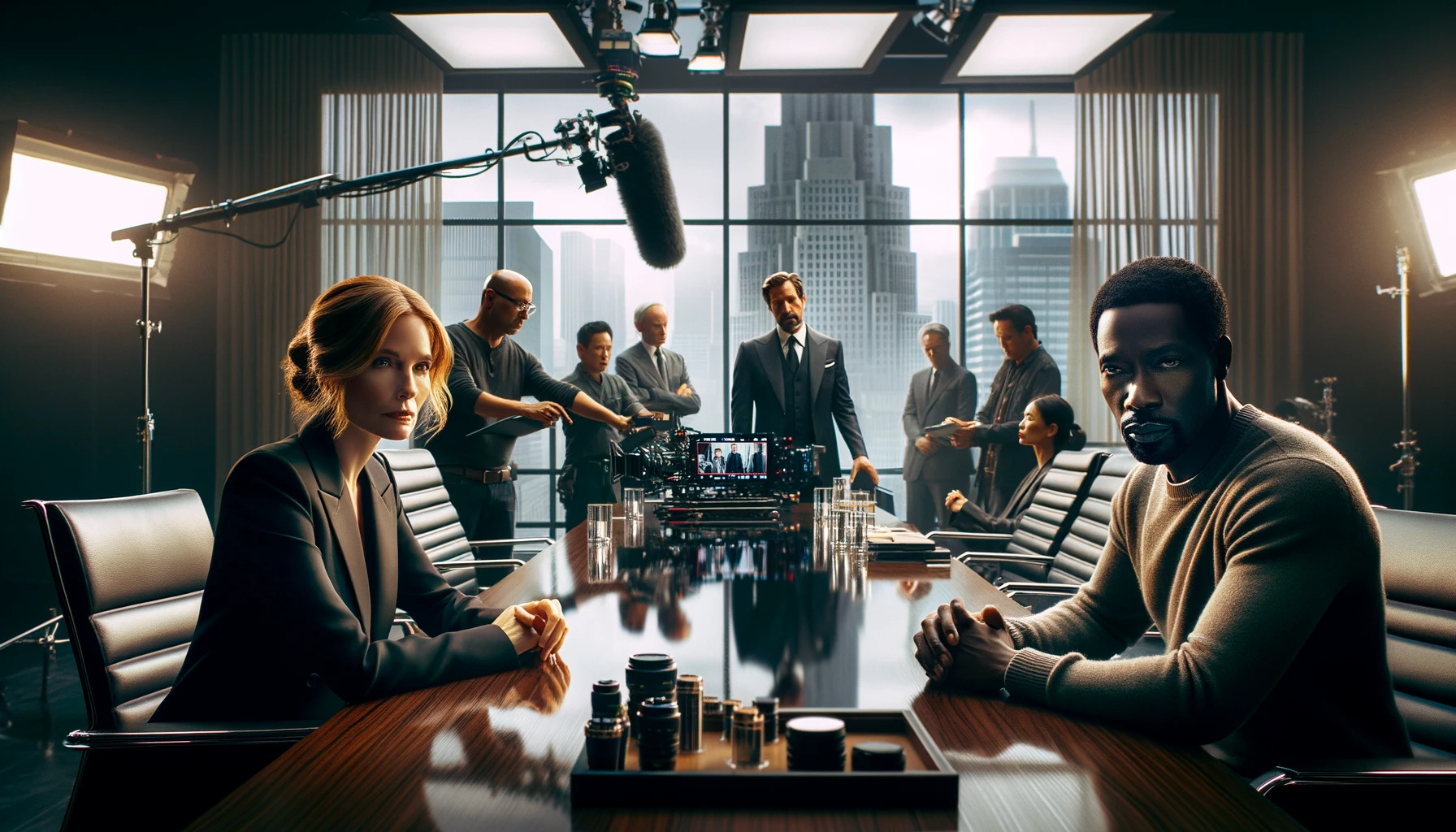
In 2023, the acting world has witnessed a remarkable evolution, shaped by technological advancements, cultural shifts, and a globalized media landscape. This year has been pivotal in redefining what it means to be an actor and how stories are told. From the rise of virtual performances to the increasing importance of diversity and authenticity, the trends in acting have reflected broader societal changes and technological innovations.

Embracing Technology: Virtual Reality and AI

One of the most significant trends in 2023 has been the integration of advanced technologies like virtual reality (VR) and artificial intelligence (AI) in acting. VR has opened up new realms for actors, allowing them to perform in fully immersive environments. This technology has not only enhanced the viewer’s experience but has also provided actors with new tools for expression and storytelling.

AI, on the other hand, has started to play a role in both training and performance. AI-driven algorithms are being used to coach actors, offering personalized feedback and helping them improve their skills. Moreover, AI-generated characters have started to appear alongside human actors, creating new dynamics and challenges in performances.

Diversity and Representation

The acting world in 2023 has continued to make strides in diversity and representation. There’s been a conscious effort in the industry to cast actors who truly represent the characters they play, in terms of race, ethnicity, gender, and disability. This shift towards authenticity has not only provided more opportunities for underrepresented groups but has also led to more nuanced and realistic storytelling.

Method Acting: A Decline in Popularity

Interestingly, 2023 has seen a decline in the popularity of method acting. This intense and immersive style of acting, once revered, has come under scrutiny for its potential to affect the mental health of actors. The industry has started to favor techniques that are more sustainable and mentally healthy for performers, focusing on emotional truth without the extremes of method acting.

The Rise of Multilingual Performances

With the global film market expanding, actors in 2023 are increasingly expected to perform in multiple languages. This trend has not only opened doors for actors from different parts of the world but has also enriched the storytelling by making it more authentic and diverse. Multilingual performances have become a unique selling point for films and series in the international market.

Social Media and the Actor

Social media‘s influence on acting careers has grown exponentially in 2023. Actors are now expected to have a strong social media presence, which can significantly impact their marketability and the roles they secure. Platforms like Instagram, TikTok, and YouTube have become integral in building a fan base and showcasing talent, blurring the lines between personal and professional lives.

Environmental Consciousness in Acting

Lastly, environmental consciousness has become a notable trend. Actors and production teams are increasingly advocating for sustainable practices in filmmaking. This shift is not only about the physical production but also extends to the narratives being chosen, with a growing number of films and shows addressing climate change and environmental issues.

Conclusion

The acting trends of 2023 reflect a dynamic and rapidly evolving industry. As technology continues to advance and societal norms shift, the world of acting is adapting in exciting and innovative ways. These trends not only influence how actors perform and how stories are told but also reflect deeper changes in our culture and society. The future of acting looks diverse, technologically integrated, and more conscious of its impact on both individuals and the planet.

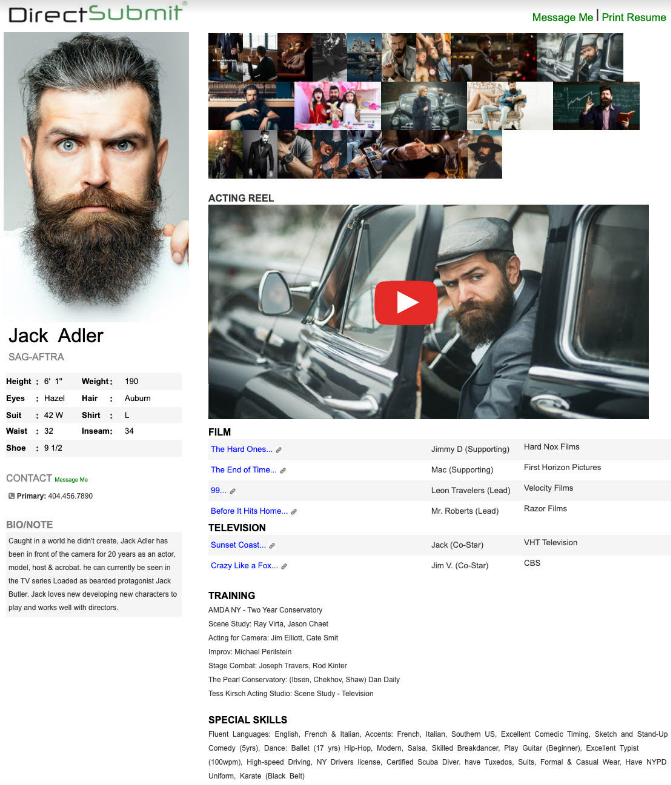
Differentiate Yourself from Others with a DirectSubmit NYCastings Resume

In the cutthroat world of show business, actors must prioritize crafting an outstanding resume. A meticulously prepared resume not only showcases your skills and experience but also sets you apart in the eyes of casting professionals and talent agents. The following comprehensive guide offers valuable insights into creating a winning actor’s resume, including top tips and common mistakes to steer clear of.

Head right over to DirectSubmit / NYCastings to create your winning resume. The website will guide you through the steps. Here you’ll find the standard format acting resume, but with more features! Then you’ll be on your way to booking auditions.

Understanding the Basics

Before diving into the specifics, it’s important to understand what makes an actor’s resume different from a traditional professional resume. An actor’s resume focuses more on roles and performances rather than typical job responsibilities and achievements.

The Dos of Crafting an Actor’s Resume

Format Appropriately: Your resume should be easy to read and professional. Use a standard font and keep the layout clean and organized. The typical format starts with your name and contact information, followed by your physical characteristics, acting credits, training, and special skills.

Showcase Your Experience: Present your acting experience in reverse chronological order, detailing the production name, your role, and the venue. If you’re new to acting, also mention any relevant involvement like student films, community theater, or workshops.

Be Specific About Roles: Provide detailed information about your roles, specifying whether they were leading, supporting, or part of an ensemble. This will help to paint a more precise picture of your experience.

Include Education and Training: If you have a background in acting, provide details about your training institution, instructors, and any additional acting workshops or classes you have participated in.

Mention Special Skills: If you possess related skills such as dancing, singing, proficiency in various accents, or the ability to play musical instruments, be sure to include them as they can enhance your suitability for certain acting roles.

The Don’ts of Crafting an Actor’s Resume

Avoid Misrepresentation: Never lie about your experience or skills. The acting community is small, and dishonesty can ruin your reputation.

Don’t Include Irrelevant Information: Your resume should be strictly professional. Avoid mentioning unrelated work experience, personal information, or hobbies that don’t relate to acting.

No Amateur Headshots: Don’t attach a self-taken headshot or one that isn’t professionally done. First impressions are vital in this industry.

Steer Clear of Fancy Fonts and Colors: Keep your resume professional. Avoid using multiple colors, fancy fonts, or decorative borders that can distract from the content.

Don’t List Every Single Role: Especially if you have extensive experience, it’s not necessary to list every single role you’ve played. Focus on the most significant ones.

Avoid Lengthy Descriptions: Your resume is not the place for long narratives about your roles or experiences. Be succinct and to the point.

Don’t Forget to Update: Keep your resume current. Regularly update it with new roles, skills, and training.

Additional Tips

  • Networking: Sometimes, it’s about who you know. Attend industry events and try to meet casting directors, agents, and other actors.

  • Online Presence: In today’s digital age, having an online presence can be beneficial. Consider creating a professional website and having a profile on DirectSubmit / NYCastings.

    Continuous Learning: The acting industry is always evolving. Keep learning and improving your craft through classes and workshops.

  • Feedback: Don’t hesitate to ask for feedback on your resume from peers or mentors in the industry. Constructive criticism can be very helpful.

  • Tailoring Your Resume: Sometimes, it’s beneficial to tailor your resume for specific roles or types of productions.

  • Representation: If you have an agent or manager, include their contact information on your resume.

Click HERE to start working on your acting resume immediately. Get a great head start!

Extra Resume Features Available at DirectSubmit NYCastings

Nathan Lane and Matthew Broderick in The Producers

Surviving and thriving. Oh boy! As a stage actor, you embody more than mere performance; you’re an artist who infuses stories with vitality through a fusion of skill, passion, and steadfast dedication. Embrace certain strategies to not just survive but thrive in the competitive theater world. Read our comprehensive guide with practical tips:

Understanding the Theater Industry

Research and Continuous Learning: Stay updated on industry trends, famous plays, and influential directors. Read plays, watch performances, and attend workshops.

Networking: Build connections with fellow actors, directors, and theater professionals. Attend industry events, join theater groups, and engage in online forums.

Honing Your Craft

Acting Classes and Workshops: Regularly attend classes to refine your skills. Workshops can provide insights into specific acting techniques or genres.

Voice and Movement Training: These are crucial for stage actors. Invest time in improving your vocal projection and physical presence.

Diverse Roles and Styles: Challenge yourself with a variety of roles and styles. This versatility can make you more marketable.

Auditioning Successfully

Preparation is Key: Understand the character and script. Practice your lines thoroughly.

Make a Strong First Impression: Arrive early, dress appropriately, and show professionalism.

Feedback and Rejection: Learn to handle rejection constructively and seek feedback to improve.

Performance Excellence

Rehearsal Commitment: Be punctual and prepared for rehearsals. Understand your character deeply and how they fit into the overall story.

Collaboration: Theater is a collaborative art. Develop a good rapport with your co-actors, director, and crew.

Consistency in Performances: Strive for consistency in your performances, but also be open to improvisation when necessary.

Maintaining Physical and Mental Health

Physical Fitness: Stay physically fit to handle the demands of stage performance.

Vocal Health: Regularly do vocal exercises and take care of your voice.

Mental Wellness: Theater can be emotionally taxing. Engage in activities that promote mental well-being.

James Earl Jones
James Earl Jones

Building Your Brand

Create a Portfolio: Develop a professional portfolio with headshots, a resume, and recordings of your performances.

Social Media Presence: Utilize social media to showcase your work and connect with the theater community.

Agent Representation: Consider getting an agent to help you find more opportunities and negotiate contracts.

Financial Management

Diversify Income Sources: Many actors supplement their income with teaching, voice-over work, or other related jobs.

Budget Wisely: The irregular income of an actor requires prudent budgeting and financial planning.

Invest in Yourself: Allocate resources for classes, workshops, and personal branding.

Navigating the Challenges

Dealing with Feedback: Recognize the value of constructive criticism and filter out negativity. Embrace feedback as a tool for personal development.

Balancing Work and Life: Aim to maintain equilibrium between your career and personal life.

Flexibility and Strength: Cultivate resilience in the midst of challenges and adaptability to different situations and settings.

The Power of Positivity

Embrace Positivity: Embracing a positive outlook can have a significant impact on how you approach tasks and engage with others.

Cultivate a Support Network: Foster connections with friends, family, and peers who grasp the industry’s demands.

Recognize Minor Victories: Take the time to acknowledge and rejoice in your accomplishments, regardless of their scale.

Continuous Evolution

Remain Inquisitive: Keep an open mind towards new knowledge and experiences.

Embrace Transformation: The world of theater is ever-evolving, so be ready to adjust to emerging trends and technologies.

Contemplate and Evolve: Take time to reflect on your experiences, recognizing your strengths and areas for development.

Successful Theater Actors

Below are successful theater actors. Study them and their work. You’ll be inspired!

Ian McKellen: A stalwart of British theater, Ian McKellen is acclaimed for his powerful performances in classical and modern plays. His portrayals in Shakespearean works, notably in “Macbeth” and “King Lear,” have earned him a legendary status. McKellen’s deep understanding of his characters and his magnetic stage presence have made him an icon in theater circles.

Meryl Streep: Meryl Streep, though primarily known for her film roles, has deep roots in theater. Her early career was marked by standout performances in stage productions, showcasing her exceptional range and versatility. Streep’s work in plays like “Trelawny of the Wells” and “The Cherry Orchard” laid the groundwork for a career that spans across various acting mediums.

Judi Dench: Dame Judi Dench, with a career spanning over six decades, is a revered figure in British theater. She has excelled in a wide range of roles, from Shakespearean classics to contemporary dramas, earning numerous accolades, including several Laurence Olivier Awards, for her profound and nuanced performances.

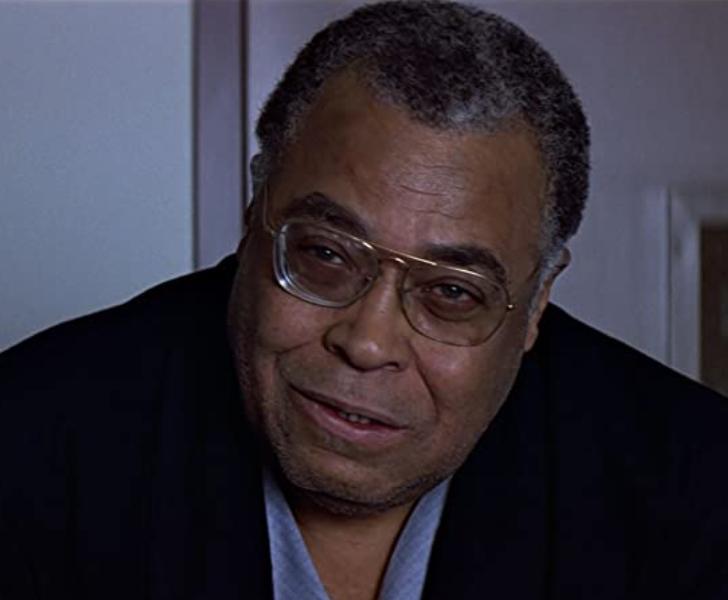
James Earl Jones: Renowned for his resonant voice and commanding stage presence, American actor James Earl Jones has left a significant mark in theater. His performances in plays like “Othello” and “The Great White Hope” have not only won him critical acclaim and a Tony Award but have also solidified his status as a powerful performer.

Patti LuPone
Patti LuPone

Patti LuPone: An American actress and singer, Patti LuPone has made significant contributions to musical theater. Her performances in “Evita” and “Gypsy” earned her two Tony Awards, and her dynamic vocal prowess and emotional intensity have established her as a leading figure in musicals.

Matthew Broderick: Known for his charm and versatility, Matthew Broderick has had a successful career in theater. His performances in “Brighton Beach Memoirs” and “The Producers” are particularly noteworthy. Broderick’s ability to bring a unique blend of humor and depth to his characters has earned him critical acclaim, including two Tony Awards.

Nathan Lane: Nathan Lane is another titan of American theater, particularly known for his work in musicals and comedies. His roles in “The Producers” and “A Funny Thing Happened on the Way to the Forum” have been celebrated for their vibrancy and humor. Lane’s charismatic stage presence and impeccable comic timing have won him multiple awards, including three Tony Awards.

Achieving success in the theater industry demands a blend of talent, commitment, and careful preparation. Emphasize continuous education, nurturing relationships, honing your craft, and maintaining your health to conquer challenges and discover satisfaction in a theatrical career. Remember that each role, audition, and performance plays a role in your growth as an actor. Tackle the path with passion, resilience, and an unyielding dedication to progress.

10 Questions To Ask Any Talent Agent Before Signing With Them

When considering signing with a talent agent, it’s crucial to understand the significant role they play in an actor’s career. Talent agents are more than just intermediaries; they are career strategists and advocates who have the expertise and connections to navigate the complex entertainment industry. Their role encompasses identifying and securing the right opportunities that align with an actor’s skills, image, and career aspirations.

An experienced talent agent has established relationships with casting directors, producers, and other industry professionals. These connections are vital in ensuring that an actor gets considered for roles that might otherwise be inaccessible. Moreover, agents are skilled negotiators who work to secure the best terms and conditions for their clients’ contracts. They ensure that an actor’s talent is not only recognized but also rewarded appropriately.

Moreover, a good agent provides invaluable guidance and advice, helping actors to refine their craft, develop their brand, and make strategic career moves. They are instrumental in career planning, offering insights into industry trends, and advising on training or professional development that could enhance an actor’s marketability.

Given the pivotal role of talent agents in shaping and advancing actors’ careers, asking thorough and informed questions before signing with them is essential. This due diligence helps in forming a partnership that is not only successful in the short term but also sustainable and growth-oriented in the long term.

Here are 10 questions you should consider asking any talent agent before signing with them:

  1. Experience and Track Record: “Can you provide details about your experience in the industry and examples of successful clients you’ve represented?”
  2. Client Roster: “What is the size and scope of your current client roster, and how do you ensure each client receives adequate attention?”
  3. Communication and Availability: “How frequently do you communicate with your clients, and what is your preferred mode of communication?”
  4. Agency’s Connections: “Can you describe your agency’s network and relationships within the industry?”
  5. Strategy for Career Development: “What would be your strategy for developing my career and finding opportunities that align with my goals?”
  6. Commission and Fees: “What is your commission structure and are there any other fees I should be aware of?”
  7. Contract Terms: “Can you explain the key terms of the contract, including duration, exclusivity, and termination conditions?”
  8. Conflict Resolution: “How do you handle conflicts or disagreements between your clients and employers or third parties?”
  9. Client Support: “What additional support and resources does your agency offer to its clients (e.g., coaching, workshops, networking events)?”
  10. Success Metrics: “How do you measure success for your clients, and what are your expectations from me as a client?”

Additionally, check if the agency is franchised, particularly relevant for protections under guild franchise agreements, such as SAG-AFTRA, which can impact things like commission rates

These questions are designed to provide a comprehensive understanding of the agent’s experience, approach, and how they plan to support and advance your career. Remember, a good agent-client relationship is built on transparency, mutual understanding, and shared goals.

Find Talent Agents, Managers & Casting Directors in our Agent Directory

Also Read: What Is The Difference Between A Talent Agent And A Talent Manager?

What Makes Adam Driver Such A Successful Actor?

The upcoming release of the much-anticipated film “Ferrari,” starring the talented Adam Driver, is generating considerable excitement. In light of this, it seems fitting to delve into the unique attributes and qualities of Driver that have consistently contributed to his remarkable success in the film industry. His journey as an actor is not only inspiring but also highlights the distinct characteristics that make him stand out in his craft.

Adam Driver, with his unique blend of intensity, vulnerability, and versatility, has risen to become one of the most compelling actors of his generation. Here’s a look at why Adam Driver is considered a great actor, with references to some of his significant films:

  1. Commanding Screen Presence: Driver’s towering stature and deep voice are immediately striking, but it’s his ability to command attention with subtle gestures and expressions that truly sets him apart. This is evident in movies like “Paterson,” where he plays a contemplative bus driver, embodying the character with a quiet intensity that is captivating.
  2. Versatility: One of Driver’s greatest strengths is his versatility. He has successfully navigated a range of roles, from the quirky Adam Sackler in “Girls” to the formidable Kylo Ren in the “Star Wars” sequel trilogy. Each performance is distinct and memorable, showcasing his ability to adapt to various genres and character types.
  3. Emotional Depth: Driver brings a remarkable emotional depth to his roles. In “Marriage Story,” he delivers a performance that is both powerful and heart-wrenching, portraying the complexities of a marriage breaking down with authenticity and sensitivity.
  4. Commitment to Character: Adam Driver is known for his methodical approach to acting. For his role in “Silence,” he underwent significant weight loss to portray a 17th-century Jesuit priest, demonstrating his commitment to embodying his characters fully.
  5. Collaboration with Renowned Directors: Driver’s filmography includes collaborations with some of the most respected directors in the industry, including Martin Scorsese, Spike Lee, and Jim Jarmusch. This not only speaks to his talent but also to his ability to adapt to different directorial styles.
  6. Theatrical Training and Background: Driver’s background in theater, including his training at the prestigious Juilliard School, has equipped him with a strong foundation in the craft of acting. This training is evident in his precise control over his voice and physicality.
  7. Unpredictability: A hallmark of Driver’s performances is unpredictability. He often brings an element of surprise to his roles, making his characters feel alive and real. His portrayal of Kylo Ren, for instance, is layered with unpredictability, adding depth to the Star Wars universe.
  8. Critical Acclaim and Award Recognition: Driver’s work has been widely recognized by critics and peers alike, earning him multiple award nominations, including for the Academy Awards. This recognition is a testament to his skill and impact as an actor.
  9. International Appeal: His roles in global hits like “Star Wars” have given him international recognition, but it’s his ability to maintain his artistic integrity while working on such projects that truly sets him apart.
  10. Continued Growth: Despite his success, Driver continues to challenge himself with diverse projects, indicating a commitment to continual growth as an artist.

In conclusion, Adam Driver’s combination of physical presence, emotional depth, versatility, commitment to his craft, and choice of diverse and challenging roles makes him a standout actor in contemporary cinema. His performances in films like “Paterson,” “Marriage Story,” and “Star Wars” are just a few examples of his remarkable range and ability to engage audiences. As he continues to take on varied roles, his journey as an actor is sure to be watched with great interest and admiration.

DirectSubmit - 20 Great Acting Advice Quotes from Great Actors

In the captivating realm of acting, guidance from seasoned luminaries offers a beacon for both aspiring and experienced actors. This collection of insightful quotes, ranging from Craig MacDonald’s instinctive approach to Meryl Streep’s profound honesty, provides more than wisdom—it charts a course through the challenges and triumphs in an actor’s journey. Embracing vulnerability, valuing personal experiences, and mastering the art of performance, these words from the greats are not just advice but key stepping stones towards artistic fulfillment and self-discovery in the world of acting.

20 Great Quotes:

  1. “The best acting is instinctive. It’s not intellectual, it’s not mechanical, it’s instinctive.” – Craig MacDonald
  2. “Acting is behaving truthfully under imaginary circumstances.” – Sanford Meisner
  3. “The whole essence of good drawing – and of good thinking, perhaps – is to work a subject down to the simplest form possible and still have it believable for what it is meant to be.” – Chuck Jones
  4. “An actor must never be afraid to make a fool of himself.” – Harvey Cocks
  5. “Acting is not about being someone different. It’s finding the similarity in what is apparently different, then finding myself in there.” – Meryl Streep
  6. “Acting is all about honesty. If you can fake that, you’ve got it made.” – George Burns
  7. “Acting is a very personal process. It has to do with expressing your own personality, and discovering the character you’re playing through your own experience – so we’re all different.” – Ian McKellen
  8. “The more personal, the more universal.” – Gary Ballinger
  9. “To grasp the full significance of life is the actor’s duty; to interpret it his problem; and to express it his dedication.” – James Dean
  10. “Acting is not about being famous, it’s about exploring the human soul.” – Annette Bening
  11. “Acting is really about having the courage to fail in front of people.” – Adam Driver
  12. “Great acting is not about showing off, it’s about revealing truths.” – Viola Davis
  13. “The art of acting is not to act. Once you show them more, what you show them, in fact is bad acting.” – Anthony Hopkins
  14. “Your interpretation of a role – that’s poetry, not acting. It’s what you bring to the script, not the script itself.” – Robert De Niro
  15. “In acting, you’re always asking yourself personal questions. It’s just at work. And there are some lines that must be tread carefully.” – Christian Bale
  16. “An actor is at most a poet and at least an entertainer.” – Marlon Brando
  17. “Acting is magical. Change your look and your attitude, and you can be anyone.” – Alicia Witt
  18. “I think the most liberating thing I did early on was to free myself from any concern with my looks as they pertained to my work.” – Meryl Streep
  19. “In the end, it can’t look like acting.” – Morgan Freeman
  20. “To survive as an actor, you have to have a tough skin, a relentless drive, and a willingness to take risks.” – Nicole Kidman


Breaking-Stereotypes-Pioneering-Roles-for-Actors-in-Non-Traditional-Casting-Marlee-Matlin

Stereotypes and typecasting in non-traditional roles for actors have long been a hurdle for many artists. However, the landscape is shifting as more actors are embracing roles that challenge societal norms, breaking away from the constraints of traditional casting. This change not only enriches their professional repertoire but also brings diversity and authenticity to the stories being told. And we all know how stuck I am on authenticity.

The Shackles of Typecasting

Typecasting, a phenomenon where an actor is repeatedly cast in similar roles based on their previous performances or physical attributes, has been a prevalent issue in the industry. This practice not only limits the actor’s growth but also perpetuates stereotypes, contributing to a narrow and often inaccurate representation of society.

The Importance of Breaking Away

Exploring different roles offers a ton of perks. For starters, it gives actors a chance to flex their skills in all sorts of roles, breaking the mold of being pigeonholed into one type. It’s like showing off their acting toolkit – proving they’re not just a one-trick pony. Plus, for us in the audience, it’s a breath of fresh air. We get to see the world in all its colorful complexity, mirroring the real diversity out there. And let’s not forget, when casting goes off the beaten path, it can really make people think. It opens up minds and hearts, nudging our society towards being more understanding and empathetic.

Pioneering Examples in the Industry

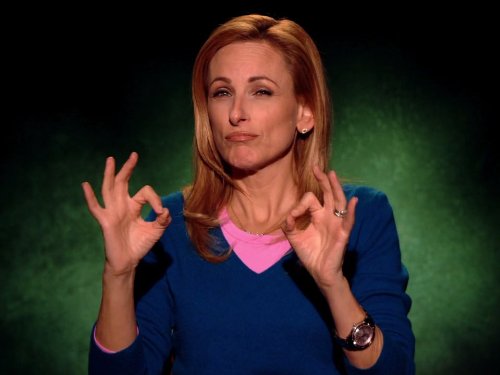
Many actors have made a significant impact by taking on unexpected roles. Consider Marlee Matlin, a deaf actress who has successfully portrayed characters not originally written for someone with her disability. This represents a major breakthrough. Her performances in series such as The West Wing and Quantico not only showcase her exceptional acting abilities but also challenge perceptions about the contributions of disabled actors.

Laverne Cox
Laverne Cox

Laverne Cox’s depiction of a transgender character in Orange Is the New Black marked a significant milestone for transgender visibility in the entertainment industry. Through her portrayal, she brought depth to the role, moving away from the typical and frequently derogatory representations of transgender individuals seen in film and television.

Another notable example is Riz Ahmed’s role in Nightcrawler. As a British actor of Pakistani descent, Ahmed has often spoken about the stereotypical roles offered to actors of South Asian descent. His role in Nightcrawler, which was not written for any specific ethnicity, showcased his versatility and challenged the industry’s ethnic typecasting.

The Impact on Society

The impact of these pioneering roles extends beyond the screen. By challenging stereotypes, these actors contribute to a broader social dialogue about diversity and inclusion. They provide inspiration for underrepresented communities, showing that anyone, regardless of their background, can aspire to any role.

The Role of Casting Directors and Producers

It’s not just up to the actors to challenge casting stereotypes. Casting directors and producers also have a vital part to play in driving this change. By embracing unconventional casting decisions and actively pursuing differences in their work, they can open doors for a more diverse range of actors and narratives.

The Challenges and Opportunities

While the industry is moving towards more inclusive casting, challenges remain. Actors seeking non-traditional roles often face skepticism and resistance. However, these challenges also present opportunities for growth and change. By embracing these roles, actors not only expand their own horizons but also pave the way for future generations.

Industry Resistance: The entertainment industry can be slow to change. For actors seeking non-traditional roles, this often means facing resistance from casting directors and producers who may be hesitant to deviate from the ‘norm.’ This resistance can stem from concerns about audience acceptance, financial risks, or simply a lack of vision for how a role could be reimagined.

Typecasting: Many actors find themselves typecast based on their most successful roles. This pigeonholing makes it difficult for them to be considered for different types of characters, especially if they are vastly different from their previous roles. Overcoming this perception requires persistent effort and sometimes a significant shift in personal branding.

Audience Expectations: Audiences can have preconceived notions about what a character should look like or how they should behave based on traditional portrayals. When actors step into roles that challenge these expectations, they may face backlash or criticism from viewers not ready to accept this change. Read about the backlash from fans, and even author Anne Rice, herself, on the casting of Tom Cruise as Lestat in the film adaption of Interview With The Vampire.

Limited Opportunities: Even as the industry evolves, opportunities for non-traditional casting can still be limited. This scarcity of roles means intense competition among actors, which can be particularly challenging for those who do not fit the conventional mold.

Personal Risk: For actors, taking on a pioneering role can be a significant personal risk. If the role is not well-received, it can impact their future career prospects. There’s a delicate balance between choosing roles that challenge norms and ensuring they continue to get work in the industry.

Navigating Stereotypes: Actors from marginalized communities often grapple with the dilemma of wanting to break stereotypes while also needing to work. They may find themselves offered roles that perpetuate clichés and must decide whether to accept them for the sake of employment or hold out for more authentic representations.

Physical and Emotional Strain: Non-traditional roles can demand a lot from an actor, both physically and emotionally. Whether it’s mastering a new skill, undergoing physical transformations, or delving into psychologically challenging characters, the toll on an actor’s well-being can be significant.

Cultural and Societal Barriers: Cultural biases and societal attitudes can also pose challenges. For example, actors breaking gender norms or cultural stereotypes may find themselves confronting deeply ingrained prejudices, both within the industry and from the public.

Lack of Support: Actors rely heavily on the support of agents, managers, and the industry as a whole when pursuing unconventional roles. Without their backing, the task of finding and securing such roles becomes significantly more challenging.

Navigating Identity: Members of minority communities often experience an added sense of duty to respectfully depict their own groups when acting. This can pose a unique challenge, especially when assuming groundbreaking roles intended to advocate for improved representation.

Despite these challenges, actors who venture into non-traditional roles often find the experience incredibly rewarding.

The Future of Non-Traditional Casting

The popularity of non-traditional casting in films and shows demonstrates a strong audience demand for stories that represent the diversity of our society.

As we progress, several key trends and possibilities are emerging:

Breaking Gender Norms: Gender-fluid and non-binary roles are starting to gain more prominence. This shift challenges traditional gender roles and stereotypes, opening up a new realm of storytelling possibilities. We can expect to see more roles that transcend conventional gender boundaries.

Technology’s Role: Advances in technology, such as virtual reality and artificial intelligence, are creating new opportunities for casting. These technologies can help in visualizing characters in ways that were previously impossible, allowing for even more creative freedom in casting decisions.

Global Casting Trends: The globalization of entertainment, facilitated by streaming platforms, is encouraging cross-cultural casting. Actors from various parts of the world are getting opportunities in international productions, leading to a more global representation in film and television.

Redefining Lead Roles: There’s a shift away from the traditional ‘lead’ archetype. We’re seeing more ensemble casts and stories that focus on diverse groups of characters, each with their own significant narrative arc, rather than a single protagonist.

Inclusivity in Casting Processes: The casting process itself is becoming more inclusive. This means casting calls are more open to a diverse range of applicants, and there’s a greater emphasis on finding the right actor for the role, irrespective of their background.

Empowerment through Social Media: Social media platforms are empowering actors and audiences to voice their opinions on casting choices. This feedback loop is influencing casting decisions and pushing for more inclusive representation.

Role of Independent Cinema: Independent films and productions are often at the forefront of breaking casting norms. As these films gain popularity and critical acclaim, they influence mainstream media to adopt similar practices.

Educational Impact: Acting schools and training programs are increasingly focusing on a diverse range of techniques and styles, preparing a new generation of actors for a variety of roles and encouraging them to break stereotypes from the start of their careers.

Policy and Advocacy: There’s a growing advocacy for policies that promote diversity in casting. This includes initiatives and guidelines by industry bodies to ensure fair and inclusive representation.

Increasing numbers of actors, directors, and producers are embracing diverse casting, signaling a bright future ahead.

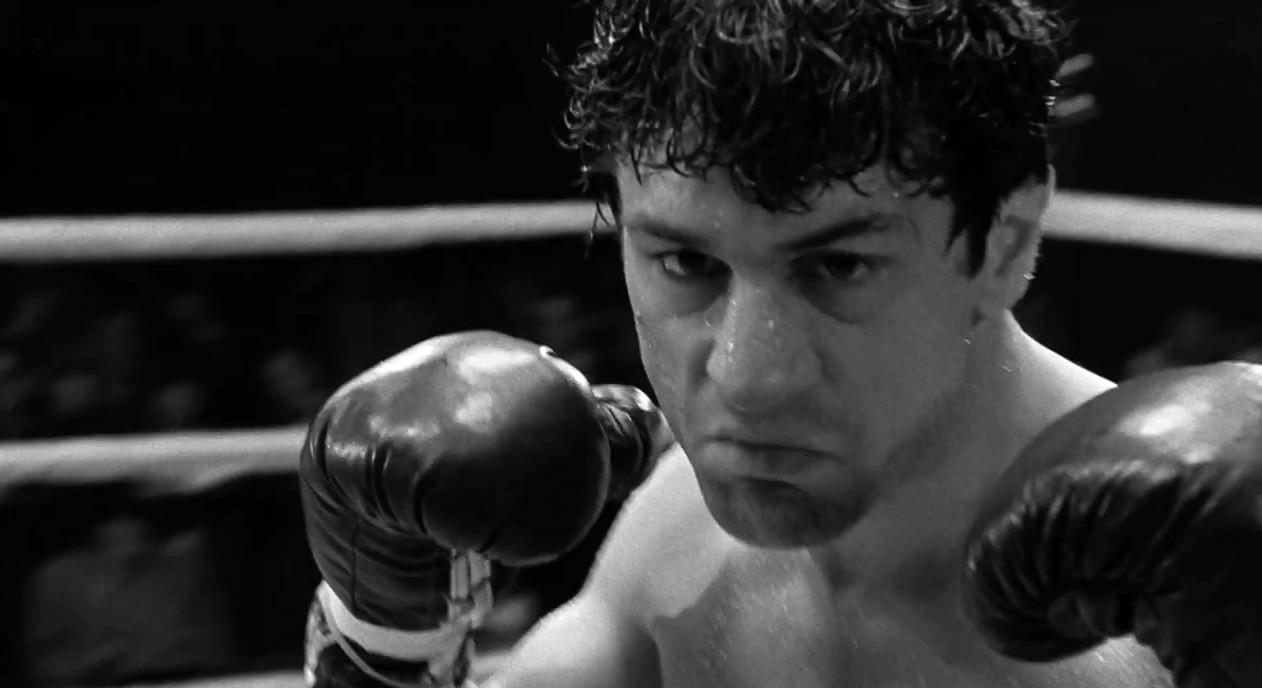
Robert De Niro in Raging Bull

Method acting, a technique that has stirred both admiration and controversy in the acting world, remains a topic of fascination and debate. This acting technique, known for its depth and intensity, has a rich history and an array of famous proponents. However, it also carries with it a basket of misconceptions.

History and Evolution

Method acting has its roots in the early 1900s, when Konstantin Stanislavski, a prominent figure in Russian theater, introduced his influential techniques. He aimed to inspire actors to deliver authentic performances by accessing their own emotions and life experiences. Lee Strasberg later built upon this approach at the Actors Studio in New York City, emphasizing psychological elements and urging actors to explore their characters’ emotional depths by drawing from their own inner selves.

Famous Proponents

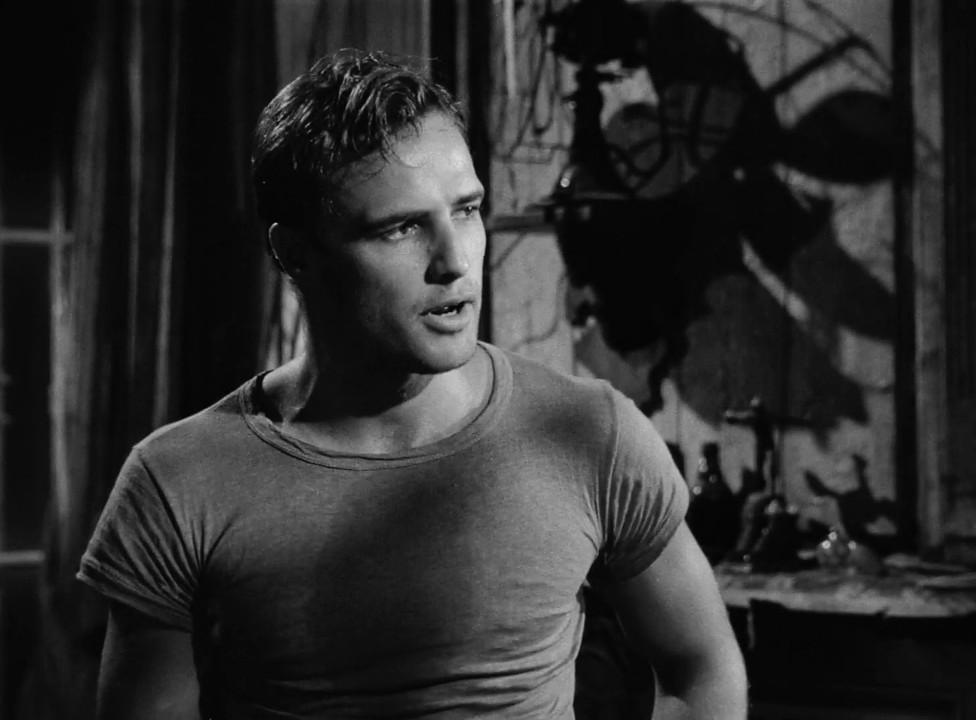
Marlon Brando in A Streetcar Named Desire

Marlon Brando, renowned as one of the finest actors in cinema history, embraced method acting from the start. His compelling portrayals in A Streetcar Named Desire and On the Waterfront vividly demonstrated the potent impact of this approach. Likewise, actors such as Robert De Niro, Al Pacino, and Daniel Day-Lewis have captivated audiences with their remarkable performances, often credited to their unwavering commitment to method acting. Day-Lewis, in particular, is celebrated for his intense character immersion, maintaining his role even outside of filming throughout the entire production.

The Pros of Method Acting

Depth of Performance: Method acting allows actors to deliver deeply true-to-life performances. By tapping into their own emotions, actors can portray characters with a realism that resonates with audiences.

Character Understanding: This technique encourages thorough character study, leading to a great understanding of the role being portrayed.

Critical Acclaim: Many method actors have received accolades for their performances, underlining the effectiveness of this approach in achieving success.

The Cons of Method Acting

Psychological Stress: Immersing oneself deeply in a character, especially those with traumatic or intense emotional experiences, can take a toll on an actor’s mental health.

Blurring Lines Between Reality and Acting: Staying in character for long periods can blur the lines between the actor’s personal identity and the character, leading to confusion and emotional turmoil.

Potential for On-Set Tensions: Method actors may remain in character even when cameras aren’t rolling, which can sometimes create tension with fellow cast members and directors.

Misconceptions About Method Acting

All About Extremes: There’s a misconception that method acting always involves extreme measures, such as drastic physical transformations or dangerous stunts. However, the essence of method acting is about emotional truth, not physical extremity.

Lack of Flexibility: Some believe that method acting is rigid and doesn’t allow for improvisation. In reality, many method actors are quite flexible and use the technique as a base from which they can expand creatively.

One-Size-Fits-All Approach: Method acting is often seen as a monolithic technique. In truth, it’s adaptable and varies greatly depending on the actor’s interpretation and approach.

Modern Perception

In the contemporary acting world, method acting continues to be a topic of both admiration and debate. While some actors swear by it, others prefer different techniques. The key is understanding that method acting is just one tool in an actor’s repertoire, not the definitive approach to every role.

Balancing the Technique

For actors considering method acting, it’s important to balance the depth of character immersion with personal well-being. Acknowledging one’s own boundaries and having a reliable support system, such as a coach or therapist, can bring significant advantages. Promoting open and honest communication with directors and fellow actors is strongly suggested for cultivating a constructive and collaborative work environment.

Examples

Daniel Day-Lewis in Lincoln (2012): Daniel Day-Lewis is renowned for his dedication to method acting, and his portrayal of Abraham Lincoln is a prime example. To prepare for the role, Day-Lewis spent a year studying Lincoln, including his mannerisms and speech patterns. During the filming, he remained in character at all times, even off-camera, insisting on being addressed as Mr. President. His immersive approach contributed to a performance that was widely praised.

Robert De Niro fully committed himself to portraying boxer Jake LaMotta in the 1980 film Raging Bull. He immersed himself in intense boxing training, engaging in three actual matches and emerging victorious in two. De Niro underwent a remarkable physical transformation, gaining 60 pounds to authentically represent LaMotta’s later life. His resolute dedication to embodying the character’s essence, both physically and emotionally, ultimately earned him the prestigious Academy Award for Best Actor.

Hilary Swank in Boys Don't Cry
Hilary Swank in Boys Don’t Cry

Hilary Swank fully committed to her portrayal of Brandon Teena, a transgender man, in Boys Don’t Cry by immersing herself in the character’s life. Before filming began, she lived as a man for a month, binding her chest and adopting masculine behaviors. This intense dedication to embodying her character reflects the Method acting technique of fully experiencing a character’s reality. Swank’s exceptional performance received widespread praise and earned her an Academy Award for Best Actress.

Heath Ledger’s immersive approach to playing the Joker in The Dark Knight (2008) exemplifies method acting. To fully inhabit the character, Ledger sequestered himself in a hotel room for approximately six weeks, immersing himself in the Joker’s mindset through journaling. Additionally, he dedicated time to refining the character’s unsettling voice and laugh. Ledger’s outstanding portrayal received widespread acclaim from critics and posthumously earned him an Academy Award for Best Supporting Actor.

Mastering Virtual and In-Person Auditions - Auditioning in the New Era

The auditioning landscape has undergone a dramatic shift in recent years, particularly with the advent of virtual technology. Today’s actors are often required to navigate between the traditional in-person auditions and the increasingly prevalent virtual audition format. This hybrid environment demands a new set of skills and adaptations. Let’s explore key strategies and tips for excelling in both virtual and in-person auditions, focusing on aspects like technical setup, presentation skills, and how to effectively convey presence and personality in these different settings.

Understanding the Hybrid Audition Environment

The hybrid audition environment combines elements of both traditional and digital worlds. While in-person auditions focus on physical presence and direct interaction, virtual auditions challenge actors to communicate their talent through a screen. This requires a different approach to performance, as well as an understanding of the technicalities involved in setting up a virtual audition space.

Challenges During a Virtual Audition

I was going to save the challenges for another article, but I changed my mind. :) Here we go!

Limited Physical Space: Virtual auditions often confine actors to a small, fixed frame, usually showing them from the chest or waist up. This limitation restricts the use of full-body language and movement, which are crucial aspects of physical acting. Actors must adapt by conveying emotions and character traits more intensely through facial expressions, vocal modulation, and upper body movements.

Technical Issues: The smoothness of a performance can be hampered by subpar video quality, audio hiccups, and unreliable internet connections, which in turn may influence the audience’s perception of an actor’s skills. These technical problems can divert the actor’s attention and have an adverse effect on their concentration and overall performance.

Eye Contact and Connection: In a traditional audition, actors can make direct eye contact with the casting directors, creating a powerful connection. In a virtual setting, achieving this connection is challenging as actors must look at the camera to simulate eye contact, which can feel unnatural and hinder the authenticity of their performance.

Environmental Control: Actors have limited control over their environment in virtual auditions. Unwanted background noise, lighting issues, and interruptions can affect the quality of the audition. Creating a professional, distraction-free environment is sometimes difficult to achieve.

Conveying Presence and Charisma: Capturing the essence of presence and charisma through a screen is challenging. Actors need to find ways to project their energy and personality in a way that translates effectively through digital media.

Feedback and Direction: In-person auditions often allow for immediate feedback and direction, enabling actors to adjust their performance on the spot. Virtual auditions may lack this interactive element, making it harder for actors to gauge how well they’re doing or to make real-time improvements.

Emotional Resonance: Conveying the subtleties of emotion through a screen is another one of the great challenges. Actors must find the balance between underplaying and overacting to ensure their emotional expressions are clear and impactful through the camera.

Technical Preparation: Apart from performance preparation, actors also need to invest time in setting up their technical equipment, ensuring proper framing, lighting, and sound quality. This added layer of preparation can be daunting, especially for those not technologically inclined.

Adapting to Different Formats: Different casting directors and projects may have varying requirements for virtual auditions, such as self-tapes, live Zoom auditions, or specific framing and backdrop requests. Adapting to these different formats requires flexibility and a range of technical skills.

Building Rapport: Establishing a rapport with casting directors or other actors through a screen is definitely challenging, as subtle in-person interactions are often lost in virtual environments. During the audition, you should exhibit professionalism through punctuality, preparedness, and a positive attitude, which conveys respect for their time and effort. Engaging in brief, friendly conversation can help to establish a personal connection, but it’s more important to be mindful of their time constraints.

And now back to our regularly scheduled programming. :)

Excelling in Virtual Auditions

Technical Setup: The first step to a successful virtual audition is ensuring a professional technical setup. This includes a stable internet connection, good quality camera, and clear audio. Invest in a decent microphone and webcam if possible. Lighting is also a big deal – natural light is best, but if not possible, use soft artificial lighting to avoid harsh shadows. 

Check out the Rode VideoMicro Vlogger Kit for Mobile Phones.

Background and Framing: Choose a neutral, clutter-free background. Ensure that you’re framed correctly – typically from the chest up for a medium shot. This framing helps in maintaining a connection with the viewer while providing enough space for expressive hand gestures and movements.

Testing Equipment: Prior to the audition, you should thoroughly inspect your equipment. Verify the functionality of your camera, microphone, and internet connection to guarantee they are in good working order. Confirm that the audition platform you intend to use (such as Zoom or Skype) operates seamlessly on your device. This is a simple yet crucial measure to avoid any technical issues during your audition.

Eye Contact and Presence: In a virtual audition, eye contact means looking at the camera, not the screen. Practice your scenes while looking at the camera to simulate eye contact. Your presence is conveyed through your voice, facial expressions, and upper body movements – be expressive but natural.

Mastering In-Person Auditions

Preparation: The key to any successful audition, in-person or virtual, is preparation. Know your lines, understand your character, and be ready to take direction or make adjustments. A lot of actors skip this step thinking they can read from the script. Well, you can, but most likely everyone else auditioning will be off-book.

First Impressions: We all know this way too well. In-person auditions provide an opportunity to make a strong first impression. Dress appropriately for the character, but also be comfortable. Be punctual, and bring necessary documents like your headshot and resume, even if the CD has your info from an online database.

Spatial Awareness: In contrast to virtual auditions, in-person auditions provide the opportunity for a complete physical performance. Make efficient use of the space to display your physical abilities and movement skills, while being mindful of unnecessary movements. In other words, aim for naturalness rather than overexertion.

Interaction with Auditors: Engage with the casting directors or auditors. In-person auditions offer a chance for direct interaction, so use it to your advantage. Be polite, confident, and open to feedback. This cannot be stressed enough, hence the rinse and repeat.

Combining Virtual and In-Person Techniques

Yes, it’s possible! Recap by reading this article over and over so these steps become a habit. Feel free to share these steps with your fellow thespians to see if they have anything else to add!

No-brainer Tip:

Build an Online Presence: In today’s digital world, having an online presence can complement your auditioning efforts. Maintain a professional social media profile and consider an online portfolio showcasing your previous work and skills. Join DirectSubmit / NYCastings to set up your portfolio!

NYCastings-Emerging-Acting-Trends-for-the-Upcoming-Year

The acting industry is always evolving, with each passing year introducing fresh trends that redefine the craft, the commercial aspect, and the types of roles available. As we anticipate the upcoming year, there are numerous significant developments that actors should be aware of. These encompass alterations in casting directors’ criteria, the influence of technology, the emergence of novel genres, and changes in audience tastes. We’ll delve into these trends and offer guidance on how actors can ready themselves for and adapt to these transformations to broaden their continued success and desirability in their profession.

The Rise of Authentic Casting

In the past, casting mainly focused on selecting well-known faces, but that’s no longer the case. The trend in the upcoming year is expected to lean even more towards authentic casting. This indicates that casting directors are now seeking actors who truly embody the characters they play, reflecting their background, experiences, and identity. The change is largely influenced by a rising audience desire for genuine representation in film and theater. Actors are encouraged to embrace their individual identities and life experiences as these could prove to be their most powerful strengths.

The Emergence of New Genres and Hybrid Forms

The world of entertainment is always on the edge of innovation, boldly blending different styles and stepping into uncharted territories. This exciting trend is expected to grow, sparking a new wave of interest in genres that cleverly mix traditional elements in unexpected ways. Imagine the intriguing possibilities – like weaving together the futuristic allure of sci-fi with historical drama, or infusing the spine-tingling thrills of horror with bursts of comedy. For actors, this means stepping up to the challenge with a versatile range of skills and a readiness to dive into these fresh, creative ventures.

The Influence of Social Media and Online Platforms

Social media and online platforms are increasingly becoming more than just tools for self-promotion; they’re evolving into vital spaces for creative expression and content sharing. For actors, this opens up a whole new world of possibilities. There are more opportunities popping up in web series, short films tailored for social media, and various other digital formats. You should stay savvy with these digital trends and cultivate a strong online presence. It’s not just about getting noticed anymore; it’s about connecting with audiences and industry folks in ways that weren’t available in the past.

The Integration of Advanced Technologies

The acting world is really starting to embrace tech like virtual reality (VR), augmented reality (AR), and continuing with motion capture, and it’s not just the big-budget blockbusters that are getting in on the action. These cutting-edge tools are popping up all over the place, in all kinds of projects. It’s a game-changer for actors. You should stay curious and learn how these technologies can enhance your performances. They’re opening up incredible new possibilities for storytelling and character creation – it’s an exciting time to be in the industry!

The Demand for Versatility and Continuous Learning

With the rapid evolution of the industry, versatility has become more important than ever. Actors who can adapt to different roles, genres, and mediums are more likely to find sustained success. This means continuous learning and skill development. Actors should consider training in areas like voice work, motion capture, or even directing and writing to broaden their skill set and appeal.

The Growing Importance of Personal Branding

Focus is on establishing a distinct and individual identity. While having a famous name is advantageous, the key is to develop a personal brand that resonates with both audiences and industry insiders. This involves discovering your unique niche, whether it’s becoming known for specific types of roles or bringing a distinctive style to your work. Alternatively, it could involve incorporating personal life stories and experiences into your professional persona to make a lasting impression. It’s about creating your own spotlight that illuminates exactly as you desire.

The Shift Towards Global Casting

Casting opportunities are becoming more global, as productions increasingly seek talent from across the globe. This shift towards international casting creates chances for actors of various backgrounds to be involved in global projects. Skills such as multilingualism, cultural awareness, and adaptability in different environments are now more important than ever. Actors are encouraged to look beyond their immediate surroundings and embrace the worldwide stage when mapping out their career paths.

The Impact of Audience Preferences

Today, the power of the audience in shaping movies, TV shows, and theater is more pronounced than ever. With social media and streaming platforms at their fingertips, creators can tap directly into what viewers are looking for, getting a real-time pulse on public interests. This shift is incredibly important for actors, as staying aware of these trends is key. It not only affects the kinds of roles that come up but also what’s likely to be the next big hit with audiences.

The Emphasis on Sustainability and Social Responsibility

There’s a growing emphasis on sustainability and social responsibility in the entertainment industry. This can influence everything from the types of projects that are green-lit to the practices on set. Actors can contribute to this trend by being advocates for sustainable practices and by choosing to work on projects that align with these values.

What does this mean, exactly?

Productions that are environmentally friendly, socially conscious, or address important societal issues are more likely to be supported.

This trend also impacts how productions are run. There’s a move towards adopting practices that are environmentally sustainable and ethically sound. This might include reducing waste, using eco-friendly materials, ensuring fair labor practices, and being mindful of the production’s social and environmental impact.

Actors play a significant role in this movement. By advocating for sustainable practices, they can help raise awareness and encourage change within the industry. Additionally, actors have the choice to participate in projects that align with these values. By choosing roles in productions that prioritize sustainability and social responsibility, actors not only align their careers with these important issues but also help to promote and reinforce these values in the industry. This can be a powerful statement, as high-profile individuals participating in such projects can influence both public opinion and industry standards.

The Expansion of Streaming Services

Streaming platforms are really booming these days, churning out all sorts of new shows and movies. This is fantastic news for actors because it means there’s a ton more roles up for grabs, in all kinds of genres and styles. Getting a grip on what these streaming giants are looking for, who’s watching their content, and the kind of stories they’re telling can open up a whole new world of opportunities for actors on the lookout for their next big break.

Success hinges on the ability to be flexible, forward-thinking, and eager to take on fresh challenges. Rather than merely adjusting to shifts in the industry, actors have the opportunity to be trailblazers, actively shaping the direction of their art. Those who approach their careers with zeal and adaptability are not just keeping up with the times; they’re at the forefront, paving the way towards a thrilling and unexplored realm of artistic possibilities.

SAG-AFTRA ratifies strike-ending contract with AMPTP

SAG-AFTRA, has officially ratified its contract with the studios on December 5th, 2023, marking the conclusion of a significant strike in the industry. This agreement, reached almost a month after initial negotiations, sees 78% of the union’s 160,000 members approving the deal, signaling the end of a tumultuous period in Hollywood.

Key achievements for actors in this deal include pay raises, safeguards regarding the use of artificial intelligence, and additional bonuses linked to streaming services. The union, representing a diverse range of actors, praises the agreement for its comprehensive benefits, valued at over $1 billion.

The deal was negotiated between SAG-AFTRA and the Alliance of Motion Picture and Television Producers (AMPTP), representing major companies like Walt Disney and Netflix. Following a tentative agreement in early November, the union’s leadership swiftly moved to ratify the deal, culminating in the recent member approval.

This ratification marks a significant turning point after a challenging time that saw the industry grind to a halt, impacting the livelihoods of many workers. The agreement promises immediate wage increases of 11% for background actors and 7% for others.

A notable victory for the union is the establishment of strict guidelines for the use of AI, including the requirement of actor consent for creating digital replicas and compensation based on the replica’s on-screen roles. Additionally, the agreement safeguards background performers from unauthorized use of their digital replicas.

The comprehensive contract also introduces a $40 million fund for compensating performers for their work’s streaming views, mandates intimacy coordinators for scenes involving nudity or sex, and includes provisions to ensure appropriate hair and makeup services for all performers, addressing long-standing issues of racial discrimination in this area.

This year’s strike, paralleling a writers’ strike that secured similar protections, stands as the longest work stoppage in the history of US film and television acting.

For more details, go to: https://www.sagaftra.org

Financial planning can present a significant challenge for actors due to the entertainment industry’s fluctuating income, unpredictable periods of unemployment, and specialized tax requirements. Nonetheless, by approaching the situation proactively and with careful consideration, actors can overcome these obstacles and secure their financial stability. Let’s delve into effective methods for wrapping up and commencing the year on a positive note in terms of financial management.

Budgeting for Irregular Incomes

One of the primary financial challenges actors face is the irregularity of their incomes. Unlike a traditional 9-to-5 job, acting gigs can be sporadic, and the paychecks may vary significantly from one project to another. To address this, you should develop a budgeting strategy tailored to your unique income patterns.

Establish a Monthly Budget: Start by creating a monthly budget based on your average annual income. This budget should cover your essential expenses such as rent or mortgage, utilities, groceries, insurance, and transportation. Be realistic about your earnings and try to live within your means during lucrative periods to cushion against lean times. It may be hard to judge what your average annual income is, especially if you don’t have steady work, so it’s best to underestimate what you think you’ll earn.

You may want to invest in a Budget Planner.

Build an Emergency Fund: It’s advised by financial professionals to establish an emergency fund capable of covering three to six months’ worth of living expenses. This is especially important given the uncertain nature of careers. Allocate a portion of your income during prosperous periods to create and sustain this financial cushion. This may seem impossible to do, so even something as little as $5 a week is a healthy start.

Track Your Expenses: Be vigilant about your spending patterns and pinpoint opportunities to reduce expenses. By monitoring your expenses, you can identify unnecessary spending and make the required adjustments. Numerous expense trackers are at your disposal to streamline this task.

Tax Tips Specifically for Actors

Actors often encounter unique tax situations that can be challenging to navigate. Here are some tax tips:

Understand Per Diem and Travel Expenses: When working on location, actors may receive per diem payments to cover meals and incidental expenses. Keep meticulous records of these expenses, as they may be tax-deductible. Similarly, maintain records of travel expenses related to auditions and job-related travel.

Keep Track of Union Dues and Agent Fees: If you’re a member of an actors’ union or pay fees to an agent, these expenses can be deducted from your taxable income. Be sure to maintain records of these payments and consult with a tax professional to ensure compliance with tax regulations.

Consider Self-Employment Taxes: Many actors work as independent contractors, which means they’re responsible for self-employment taxes, including Social Security and Medicare. It’s important to set aside a portion of your earnings to cover these taxes, as they may not be automatically withheld like regular payroll taxes.

Consult a Tax Professional: Given the complexity of tax regulations, it’s advisable for actors to work with a tax professional who specializes in the entertainment industry. They can help you navigate deductions, credits, and compliance issues specific to your profession, potentially saving you money in the long run.

Planning for Dry Spells

Acting careers can be marked by periods of feast and famine. To weather the dry spells, you should implement strategies to manage your finances effectively.

Create a Financial Cushion: As previously stated, it’s a no-brainer to have an emergency fund. When things get hectic, set aside some of your income for this fund to ensure you can meet your expenses in times of job loss or reduced income.

Diversify Your Skills: Consider acquiring additional skills within the industry that can generate income during slow periods. This could include voice acting, coaching, teaching, or even working on set in non-acting roles. Diversifying your skill set can help you maintain a more stable income stream.

Network and Stay Active: Attend industry events, workshops, and seminars even during dry spells. Networking can lead to new opportunities and keep you engaged with the industry.

Investment Advice

Investing is a critical aspect of financial planning, and actors should approach it with a long-term perspective.

Build a Retirement Fund: Give some thought to establishing a retirement fund, like an Individual Retirement Account (IRA) or a Simplified Employee Pension (SEP) IRA. Make consistent contributions to these accounts, even when money is tight. Treat it as if you’re paying rent, but instead of paying someone else, you’re investing in your own future. Check out the 401(k)s & IRAs for Dummies book.

Work with a Financial Advisor: To make informed investment decisions, it’s wise to work with a certified financial advisor. They can help you create an investment plan aligned with your financial goals and risk tolerance. Additionally, they can provide guidance on building a diversified portfolio.

Be Cautious with Windfalls: Occasionally, actors may experience significant windfalls from a successful project or deal. While it’s tempting to splurge, exercise caution. Consider using windfall money to pay off debt, invest for the future, or fund important financial goals.

Setting Financial Goals

To end one year and start the next on the right financial footing, you should set clear financial goals. Here are some steps to help:

Evaluate Your Career Goals: Assess your acting career goals for the upcoming year. Are you aiming for more auditions, bigger roles, or different types of projects? Your career goals can impact your financial planning, so be clear about your aspirations.

Review and Adjust Your Budget: At the end of the year, take a close look at your budget. Did you stick to your financial plan, or were there unexpected expenses? Adjust your budget for the new year based on your performance and lessons learned from the previous year.

Prioritize Debt Reduction: If you have outstanding debts, such as credit card balances or student loans, prioritize paying them down. Reducing debt can free up more of your income for savings and investments in the long run.

Save and Invest Wisely: Allocate a portion of your income to savings and investments. Setting specific savings goals, such as building an emergency fund, buying a home, or saving for retirement, can help you stay focused on your financial objectives.

Monitor Your Progress: Regularly review your financial progress throughout the year. This will allow you to make necessary adjustments and ensure you’re on track to meet your goals. If you find yourself falling behind, don’t be discouraged; financial planning is an ongoing process.

Starting Young: An Introduction to Kids in Show Business

The entertainment industry has long been an alluring and glamorous world. It’s a space where aspirations can be realized and skills can truly stand out. For parents of a child with a love for singing, acting, dancing, or any other type of performance, the prospect of guiding them into the entertainment field can be both thrilling and overwhelming. We’ll cover the challenges, the rewards, and tips on how to navigate this industry while prioritizing their health and achievement.

The Beginning of the Journey

Identifying Your Child’s Passion

The initial stage of introducing your child to the entertainment industry involves recognizing their genuine interests. Does your child truly love performing? Are they committed to dedicating the necessary time and effort to succeed in their chosen area? This is a crucial factor, as a child lacking a sincere passion for show business may encounter challenges in meeting its demands.

Demands

In light of demands, parents and guardians must make informed decisions and prioritize their child’s overall well-being. Open communication, emotional support, and a strong network of professionals and mentors can help children navigate the challenges of show business while pursuing their dreams in a healthy and balanced manner. Ultimately, the key is to strike a harmonious balance between pursuing a career in entertainment and safeguarding a child’s physical, emotional, and educational development.

Intensive Schedules: Show business often requires children to work long hours, including evenings and weekends. This demanding schedule can disrupt their routine and limit their free time for academics, extracurricular activities, and social interactions.

High Levels of Competition: The entertainment industry is fiercely competitive, and children may find themselves vying for roles or opportunities against numerous talented peers. Coping with rejection and maintaining self-esteem in such a competitive environment can be challenging.

Performance Pressure: Children in show business are expected to deliver consistently outstanding performances. This pressure to excel can be stressful and may impact their mental and emotional well-being.

Balancing Education: Maintaining a balance between school and a show biz career can be particularly challenging. It’s important for children to receive a quality education, and this often requires diligent time management and flexibility in their schedules.

Limited Privacy: Young performers may become public figures, and their personal lives may be subject to scrutiny. Privacy can be compromised, leading to potential challenges in handling fame, invasive media, and public attention.

Emotional Toll: The emotional toll of the business, including facing criticism, dealing with rejection, and managing stress, can be significant for a child. Parents must provide emotional support and help their child develop resilience.

Physical Demands: Depending on their specific field, children may face physical demands such as strenuous dance routines, action sequences, or vocal strain. Ensuring the upkeep of their physical health and general well-being should be regarded as a top priority.

Responsibility and Professionalism: Children in the industry are expected to demonstrate professionalism, responsibility, and a strong work ethic. This can include being punctual, prepared, and respectful on set or during performances.

Managing Finances: Earnings from work can be substantial, and parents must manage their child’s finances responsibly. Be sure to learn about investing properly. Considering reading this book with your child: On Your Mark, Get Set, INVEST: A Kid’s Guide to Saving Money, Spending Wisely, and Investing in the Stock Market.

Transition to Adulthood: As child performers grow into adolescence and adulthood, they may face challenges in transitioning their careers. Navigating this transition can be complex, as it involves evolving roles, changing expectations, and potential shifts in public perception.

Maintaining a Normal Childhood: It can be challenging for child performers to enjoy a typical childhood with friends, school activities, and hobbies. The demands of show business may limit their opportunities for normal social experiences.

Emotional Well-being: The pressure and scrutiny of show business can affect a child’s emotional well-being. Parents must be vigilant in monitoring their child’s mental health and providing support when needed.

Showbiz-Kids-Challenges-Rewards-and-Tips-for-Parents-Toddler-PianoNurturing Talent and Skills

Enroll your child in classes, workshops, or lessons related to their chosen discipline. This could include acting classes, singing lessons, dance classes, or even modeling workshops. Building a strong foundation in their craft is will help achieve success and happiness.

Building Confidence

Encourage your child to perform in front of family and friends, participate in school plays or talent shows, and gradually build their confidence. Confidence not only improves their stage presence but also helps them handle the pressures of the industry.

The Challenges of Kids in Show Business

While the entertainment industry offers numerous opportunities for children, it also presents unique challenges that parents must be prepared to address.

Competition: The entertainment business is recognized for its fierce competition, and young people frequently face intense rivalry from their peers. This can have a negative impact on their mental and emotional health, highlighting the significance of teaching your child to prioritize personal growth over constant comparison with others.

Balancing Education: Maintaining a balance between your child’s education and their budding career is a significant challenge. Ensuring they receive a proper education as it provides a safety net if their entertainment career doesn’t pan out as expected.

Handling Rejection: Rejection is a part of life. Children may audition for numerous roles and face rejection more often than success. Prepare them for this reality and help them develop resilience.

Protecting Their Childhood: One of the most significant challenges is ensuring your child’s well-being and protecting their childhood. The industry can be demanding, with long hours, rigorous schedules, and exposure to adult themes. Maintain a healthy balance between their professional and personal lives.

The Rewards of Kids in Show Business

While there are challenges, the rewards can be great.

Personal Growth: Participation in the entertainment industry can help your child develop valuable life skills such as discipline, teamwork, communication, and time management.

Opportunities: Show business can open up a world of opportunities for your child. They may have the chance to work with talented professionals, travel to exciting locations, and gain recognition for their talent.

Building a Strong Network: The professional relationships your child develops within the industry can be incredibly beneficial. These connections have the power to open doors to future prospects and collaborations.

Fulfilling Their Passion: Should your child possess true enthusiasm for performing, the entertainment sector offers an avenue for them to showcase their talents and follow their passion for the arts.

Tips for Parents

Be Supportive, Not Pushy: Support your child’s dreams, but never force them into the industry. It should always be their choice and passion driving them.

Prioritize Education: Ensure that your child receives a proper education alongside their entertainment pursuits. Education provides a solid foundation for their future, whether it’s in show business or another field.

Monitor Working Conditions: Keep a close eye on your child’s working conditions. Ensure they’re provided with breaks, adhere to legal working hours, and are in a safe and nurturing environment.

Protect Their Finances: If your child starts earning money through their entertainment career, consider consulting a financial advisor to manage their earnings wisely.

Maintain a Supportive Environment: Create a supportive and loving environment at home where your child feels safe to discuss their experiences, challenges, and aspirations.

Prepare for Success and Failure: Prepare your child for both success and failure. Teach them to handle rejection gracefully and to stay humble when they achieve success. If they are too young to understand “humble”, consider watching the original 1971 film Willy Wonka & the Chocolate Factory which starred Gene Wilder and Peter Ostrum.

Legal and Ethical Considerations

Involving children in show business comes with legal and ethical responsibilities. Be aware of and adhere to these considerations:

Child Labor Laws: Familiarize yourself with child labor laws in your region. These laws dictate the number of working hours, breaks, and conditions under which a child can work in the entertainment industry. You should read the SAG-AFTRA summary.

Contracts and Agreements: Always review and understand any contracts or agreements involving your child. It’s advisable to consult with a lawyer experienced in entertainment law to ensure your child’s interests are protected.

Protecting Their Image: Exercise caution when sharing images and videos of your child on social media or in the public domain, and make sure to prioritize their privacy.

Education Requirements: Ensure that your child’s education remains intact. Numerous areas mandate that children adhere to particular educational criteria when employed in the field.

More articles on children in show business >

NYCastings-Physical-Conditioning-for-Actors-Hugh-Jackman-Wolverine

Physical conditioning is an important aspect of an actor’s career, especially when preparing for physically demanding roles. Whether it’s for action-packed movies, intense stage performances, or roles that require a significant transformation, maintaining peak physical fitness is key. This guide will help guide you understand exercise routines, diet, and a healthy lifestyle to help stay fit and perform at your best.

Understanding the Demands of Your Role

Before diving into a fitness regimen, you should understand the specific requirements of your role. For instance, a role in an action movie might require agility, strength, and endurance, while a stage performance could demand stamina and flexibility. Researching the demands of your character helps in tailoring your fitness plan accordingly.

Developing a Tailored Exercise Routine

Strength Training: Vital for roles requiring physical strength. Incorporate exercises like weight lifting, resistance training, and bodyweight exercises. For instance, Hugh Jackman’s preparation for Wolverine involved heavy lifting and strength training.

Cardiovascular Fitness: Essential for maintaining stamina. Activities like running, cycling, or swimming are beneficial. Tom Cruise, known for performing his own stunts, emphasizes cardio in his training.

NYCastings-Physical-Conditioning-for-Actors-Margot-Robbie-Birds-of-Prey
Margot Robbie in Birds of Prey

Flexibility and Mobility: Important for roles that involve dance or fight scenes. Yoga and pilates can increase flexibility, as seen in the routines of actresses like Margot Robbie.

Specific Skill Training: Sometimes, a role may require specific skills like martial arts, sword fighting, or dance. Engaging in these specific forms of training is crucial. Keanu Reeves underwent rigorous martial arts training for his role in John Wick.

Balancing Intensity and Rest

While rigorous training is important, be sure to balance it with adequate rest and recovery to prevent injuries and fatigue. Incorporating rest days and lighter workout sessions into your routine ensures sustainable progress.

Nutrition: Fueling Your Body for Performance

Balanced Diet: Consuming a diet abundant in lean proteins, whole grains, fruits, and vegetables supplies the essential nutrients for energy and recuperation. Celebrities such as Chris Hemsworth have embraced high-protein diets to prepare for roles that demand increased muscle mass.

Hydration: Staying hydrated is essential, especially during intense training periods. It aids in muscle recovery and overall health.

Supplementation: In some cases, supplements like protein powders or vitamins might be necessary, but it’s advisable to consult with a nutritionist or a healthcare provider.

Mental Health and Stress Management

Physical health and mental wellness are interconnected. Practices such as meditation, mindfulness, and counseling can be beneficial in handling the stress associated with challenging responsibilities.

Consistency and Discipline

Consistently sticking to a disciplined training regimen and making healthy lifestyle choices are what it takes for staying fit in challenging roles. Incorporate regular physical activity, a well-balanced diet, and sufficient rest into your daily schedule.

Examples of Actors and Their Training Regimes

NYCastings-Physical-Conditioning-for-Actors-Henry-Cavill-Man-of-Steel
Henry Cavill in Man of Steel

Henry Cavill for Superman: Cavill underwent a grueling regimen that included Olympic lifts and bodybuilding, coupled with a high-calorie diet to build muscle mass.

Charlize Theron for Atomic Blonde: Her training included long hours of fight choreography and strength training to perform her own stunts.

Natalie Portman for Black Swan: Portman’s preparation involved intense ballet training, alongside swimming for cardiovascular fitness.

Adapting to Different Roles

An actor’s fitness regimen must be adaptable. What works for one role may not be suitable for another. Continuous learning and adjusting your training and diet as per the demands of each role should be kept in mind.

Involving Professionals

Working with personal trainers, nutritionists, and physiotherapists can provide tailored guidance and help prevent injuries. Professionals can create a regimen that is specifically designed for the physical demands of your role.

The Role of a Healthy Lifestyle

In addition to physical activity and nutrition, you should prioritize a healthy lifestyle. Getting enough rest, steering clear of harmful substances, and effectively managing stress all play a vital role in promoting your overall physical and mental health.

Final Thoughts

Physical conditioning goes beyond appearance and is also about effectively fulfilling a role. You must maintain consistency and continuously strive to stay in shape for challenging roles. By committing and adopting the correct methods, you can attain the physical capability required to embody even the most challenging characters.

BONUS TIPS

Incorporate Cross-Training: Actors should explore cross-training to avoid overuse injuries and stay in good shape. Engaging in various physical activities and sports is part of this method, which aids in the development of different muscle groups and brings diversity to the training routine. For example, swimming serves as a beneficial low-impact option that can complement more intense workouts like running or weightlifting.

Practice Mind-Body Techniques: Techniques like yoga, tai chi, or Pilates not only improve flexibility and core strength but also enhance body awareness and control. These practices can be especially beneficial for actors who need to perform complex movements or adopt the physicality of different characters.

Prioritize Functional Fitness: Concentrate on incorporating exercises that replicate the movements and actions of daily life. Functional fitness readies the body for practical, real-world movements and situations, making it especially beneficial for actors who execute their own stunts or participate in physically challenging performances.

Regularly Update Your Routine: As your body adapts to a specific workout routine, its effectiveness can diminish. Regularly updating and varying your workout regimen ensures continued progress and helps in avoiding fitness plateaus. This can mean changing the type of exercises, the intensity, or the duration of your workouts.

Monitor and Record Progress: Maintaining a fitness log or utilizing fitness applications to monitor your advancements can be highly inspiring and enlightening. It enables you to gauge your progress, aids in establishing fresh objectives, and serves as an effective resource for pinpointing the most effective methods for your body.

Here are some log books to consider:

Workout Planner for Daily Fitness Tracking & Goals Setting

The Weightlifting Gym Buddy Journal

Food & Workout Journal

10 Tips on Mastering Relationships with Directors and Crew

Acting isn’t just about delivering lines in front of a camera or captivating an audience on stage; it’s about forging effective working relationships with a wide array of professionals, ranging from directors to the behind the scenes crew. We’re going to unravel the intricate and complex relationships that exist on set or stage. Let’s delve into insights for actors on how to enhance their collaboration with the often unseen heroes of production. It’s not just about making it through the day; it’s about really thriving in the diverse realms of film, television, and theater.

10 Tips for Actors on How to Collaborate Better With Those Behind the Scenes

Tip 1: Respect the Hierarchy

The relationship between an actor, director, and crew is a complex one. The director is often seen as the visionary, guiding the overall artistic and dramatic aspects of the production, while the crew are the technical experts who bring this vision to life. Actors, situated at the intersection of these two forces, must navigate this dynamic carefully. Recognizing this structure and adhering to it helps maintain an orderly and respectful environment.

Tip 2: Actively Listen and Respond

Successful collaboration relies on strong communication, which involves more than just expressing your thoughts. It also entails actively listening to and considering the input and feedback of others. This requires understanding their viewpoint and responding accordingly, whether it involves making adjustments or respecting technical limitations.

Tip 3: Embrace Changes

In the fast-paced environment of a film or theater production, flexibility and adaptability are invaluable traits. Things change quickly, and an actor must be ready to adapt to new directions or unexpected challenges. Be prepared, whether it’s last-minute script alterations or unexpected technical issues. Flexibility in responding to these changes can make the difference between a good performance and a great one.

Tip 4: Collaborate, Don’t Dictate

Creating a film or theater production involves teamwork, with each member contributing to bringing the story to fruition. Encourage open discussions instead of imposing your ideas, as this promotes inclusivity and often results in innovative and successful outcomes.

Tip 5: Maintain Professionalism at All Times

Professionalism is about more than just your performance on stage or camera. It extends to how you conduct yourself off-set, how you treat others, and how you handle the stresses and demands of production. Always be on time (which means be 15 minutes early!), prepared, and respectful to everyone on set. This includes being patient and understanding of the time and effort the crew puts into their work, even when it leads to long waiting periods for actors.

Tip 6: Practice Emotional Intelligence

Acting is an emotionally charged industry with high-pressure demands. Be mindful of how your actions and words affect others. Adopting a compassionate and understanding attitude can enhance the team’s spirit and efficiency.

Tip 7: Be Open to Creative Exploration

Creativity is the lifeblood that fuels unique and memorable performances. An open-minded approach can lead to discovering new facets of a character or scene. Don’t be afraid to experiment with your character and offer creative suggestions. However, always do this in a respectful manner that aligns with the director’s vision. This shows your commitment to the role and can lead to enriching the overall production.

Tip 8: Learn the Basics of Technical Roles

Having a basic understanding of lighting, sound, and camera work can help you appreciate the crew’s challenges and constraints. This knowledge can also improve your positioning and interaction with technical elements on set.

Tip 9: Foster Positive Interactions

Long hours on set or in rehearsal can create a family-like environment. Building positive, supportive relationships with directors and crew members can make the process more enjoyable and productive for everyone involved. This includes showing interest in their work and acknowledging their contributions. A positive work environment often translates to a better final product.

Tip 10: Seek Constructive Feedback

The process of working on a production is a learning experience. Being open to feedback and willing to learn not only improves your current performance but also your future prospects in the industry. Actively seek feedback from the director and be open to suggestions from the crew. Use this feedback constructively to improve your performance. Each production is an opportunity to grow as an actor.

BONUS TIP

Tip 11: Take Initiative in Overcoming Challenges (because everyone, just like every guitar amp, should go to 11)

Unexpected challenges are par for the course. Being proactive in problem-solving, rather than waiting for direction on every issue, can demonstrate your commitment and professionalism. This proactive approach not only helps in smoothing out the production process but also positions you as a collaborative and resourceful member of the team.

NYCastings-6-Tips-on-How-to-Prepare-for-an-Audition-Techniques-and-Strategies

Creating a strong, memorable impression during an acting audition is a no brainer for securing roles and advancing your career. This extensive manual aims to assist actors at any stage of their career in getting ready for auditions, addressing important elements such as choosing an appropriate monologue, grasping the character’s essence, refining cold reading abilities, and handling anxiety. Upon finishing this piece, you will be better equipped to tackle auditions with assurance and expertise.

Selecting the Right Monologue

Understand the Role and Production: Tailor your monologue choice to the style and tone of the production you’re auditioning for. If it’s a comedy, choose a comedic piece; for a drama, select accordingly. This shows your understanding of the project and your versatility as an actor.

Showcase Your Strengths: Choose a monologue that highlights your strengths. If you excel in portraying complex emotional characters, opt for a piece that allows you to express this.

Avoid Overdone Pieces: Steer clear of monologues that are frequently used in auditions. Choosing a less common piece can help you stand out.

Head over to DirectSubmit® from NYCastings for FREE Monologues!

Understanding the Character

Deep Character Analysis: Spend time analyzing the character. Understand their background, motivations, and how they change throughout the piece.

Connect Personally: Find personal connections to the character. Drawing parallels between your experiences and the character’s can add depth to your portrayal.

Research and Contextual Understanding: Research the time period, author’s intent, and cultural context if applicable.

Practicing Cold Reading Skills

Improve Reading Fluency: Practice reading new texts aloud regularly. This improves your ability to understand and convey new material quickly.

Making Quick Choices: Learn to make bold, informed choices about a character or scene quickly. This skill is valuable when you’re given a script on the spot.

Maintain Engagement with the Material: Even when reading from the script during a cold read, maintain engagement with the material. Practice glancing down at the script briefly while keeping your focus and connection with the audience or casting director.

Handling Nerves

Breathing Exercises: Practice breathing exercises to calm nerves. Deep, controlled breathing can help manage anxiety and keep your focus sharp.

Visualization Techniques: Visualize your success before the audition. This positive mental rehearsal can boost confidence.

Physical Warm-Up: Engage in a physical warm-up routine to release tension and prepare your body for performance.

Creating a Strong Impression

Wardrobe Choices

Reflect the Character: Dress in a way that suggests the character without being a costume. This helps the casting team envision you in the role.

Comfort and Confidence: Wear clothes that make you feel confident and are comfortable to move in.

Body Language

Confident Entrance: Enter the audition room confidently. Your entrance can set the tone for your audition.

Awareness of Non-Verbal Cues: Be aware of your body language. Non-verbal cues like posture, gestures, and facial expressions are powerful tools in storytelling.

Interaction with Casting Directors

Professionalism and Courtesy: Always be professional and courteous. Your interaction with everyone in the room is part of the audition.

Be Prepared for Questions: Be ready to answer questions about the piece, your interpretation, or your experience. This shows your thoughtfulness and preparation.

Bonus Tips

Memorization: If possible, memorize your monologue. This demonstrates professionalism and dedication.

Versatility: Prepare a couple of contrasting monologues to showcase your range.

Feedback and Practice: Seek feedback from trusted mentors or peers and practice regularly. Constructive criticism is invaluable for growth.

Mental Preparedness: Prepare mentally for rejection. Auditioning is a learning process, and not every audition will result in a role.

Stay Informed and Educated: Continuously educate yourself about the craft. Attend workshops, read books, and stay informed about industry trends.

Networking and Relationships: Build and maintain positive relationships within the industry. Networking can open doors to new opportunities.

Stay Healthy: Maintain your physical and mental health. A healthy actor is a more effective actor.

The above tips may seem like a lot to handle, but it’s important to know that every audition is an opportunity to grow and learn, regardless of the outcome. Stay dedicated, keep working on your craft, and most importantly, believe in your ability to captivate and inspire.

NYCastings-Acting-for-the-Camera-Techniques-for-Film-and-Television

Acting for the camera, whether it’s in film or television, presents unique challenges and opportunities that differ significantly from stage acting. Actors transitioning from theater to film or television, as well as those starting their journey directly in screen acting, should have basic knowledge of what’s seen behind the lens. We’ll explore techniques for acting in front of the camera, understanding camera angles and framing and adapting performances for different types of shots.

Understanding the Camera’s Role

The camera is your silent, ever-present scene partner. Unlike theater, where actors project to the back of the house, screen acting requires subtlety and nuance. Every facial expression and gesture is magnified. Start by getting comfortable with the camera. Practice your lines and actions with a camera or smartphone recording. Review the footage to understand how your performance translates on screen.

The Art of Subtlety

Camera acting requires a toned-down approach. Over-exaggerating emotions or movements can look artificial. The key is to internalize emotions and let them subtly play out on your face and through minimal gestures. This subtlety makes your performance more realistic and relatable.

Understanding Camera Angles and Framing

Different camera angles and framings require different approaches. Here’s a brief overview:

Wide Shots: These shots capture the actor’s entire body, often used for establishing scenes or showing actions. Ensure your body language is clear and consistent with your character.

Medium Shots: Often from the waist up, these are common for dialogue. Focus on expressive facial reactions and natural upper body movements.

Close-Ups: These shots capture your face and emotions intimately. Subtle facial expressions are key here. Practice in a mirror to see how minimal movements can convey different emotions.

Continuity in Performance

Scenes are often shot out of sequence and from various angles. Maintain consistent emotional and physical performance throughout. This ensures that when scenes are edited together, your character remains believable.

Eye Lines and Looking Off-Camera

Understanding where to look is vital. Sometimes, the production will put a marker (or an inanimate object) where they want you to focus. Eye lines should be consistent with where the character you’re interacting with is supposed to be. In dialogues, looking slightly off-camera to represent the other character’s position helps maintain the illusion of a two-person conversation.

Reacting to Off-Screen Cues

Much of acting is reacting. In screen acting, you might have to react to something or someone not physically present during your shoot. This requires imagination and the ability to maintain your character’s truth in these artificially created circumstances.

The Importance of Stillness

Unlike stage acting, where constant movement can be engaging, on screen, stillness often speaks volumes. Learn to be comfortable with being still and let your facial expressions and eyes do the acting.

Working with Directors and Crew

Directors and crew members play a significant role in your performance. Understand and respect their input. They have a broader view of how your performance fits into the overall production.

Adapting to Different Genres

Different genres require different acting styles. Comedy might allow for more exaggerated expressions, while drama often calls for understated performances. Adapt your acting style to fit the genre you’re working in.

Vocal Adjustments

Unlike theater, where projecting your voice is necessary, in screen acting, the microphone captures every nuance of your voice. Practice modulating your voice for different emotional tones and volumes.

Physicality and Space

Understand the space around you. Be aware of your movements and how they translate on camera. Avoid blocking other actors or important elements in the scene.

Handling Props

Handling props on camera requires naturalism. Practice with props so that your interactions with them feel authentic and don’t distract from your performance.

Emotional Preparation

Ensure that you are ready to convey a range of emotions in your acting. Take the time to comprehend your character’s motives and background in order to infuse your performance with genuine authenticity.

Learning from Professionals

Watch films and TV shows with a critical eye. Observe how seasoned actors use subtlety, eye lines, and stillness. Learn from their techniques.

Becoming A Successful Commercial Actor

Becoming a successful commercial actor requires understanding the diverse landscape of opportunities and navigating both union and non-union work. Here’s a comprehensive guide to help aspiring commercial actors achieve success.

Understanding the Diversity of Commercial Acting Opportunities

  1. Television Commercials: These are high-visibility spots on national or local TV. They can range from high-budget ads by big brands to low-budget local commercials.
  2. Online and Social Media Ads: With the rise of digital media, online platforms like YouTube, Instagram, and Facebook offer numerous opportunities for commercial actors.
  3. Print Advertising: This includes magazine, billboard, and newspaper ads. The acting here is more about expressions and poses than dialogue.
  4. Voice-Over Work: This involves lending your voice to commercials, often for radio or animated ads.
  5. Infomercials: Longer than typical commercials, infomercials are a blend of entertainment and direct selling.
  6. Industrial Videos: These are informative videos made for internal use by companies, like training videos or product demonstrations.
  7. Live Demonstrations/Promotions: Participating in live events or trade shows to promote a product or service.

Navigating Union and Non-Union Work

  • Union Work: Joining a union like the Screen Actors Guild‐American Federation of Television and Radio Artists (SAG-AFTRA) offers benefits like minimum wage standards, health insurance, and pension plans. Union jobs are often more lucrative but also more competitive.
  • Non-Union Work: These jobs are more accessible and can be a good starting point for building a resume. However, they often pay less and don’t offer the benefits and protections of union jobs.

Understanding Pay Rates

  • Union Commercials: SAG-AFTRA sets standard rates. For example, a national network commercial can pay upwards of $627 for a day’s work, with additional pay for each airing of the commercial. A widely recognized national commercial can potentially bring in millions of dollars for the actor featured in it. You can learn more about SAG-AFTRA pay rates at: https://www.sagaftra.org
  • Non-Union Commercials: Pay varies widely, from $150 to $1500 per day, depending on the project’s budget and exposure. They make the terms, a ‘buy out’, meaning that it is a one-time payment only, or they may limit the usage to a year or two year, then have the option to renew at an agreed upon rate.
  • Residuals: For some commercials, especially union jobs, you may earn residuals each time the commercial airs. The details of the residuals would be disclosed in the agreement the actor would sign before accepting the job.
  • Other Factors: Pay can also depend on your role’s size, the ad’s reach, and whether it’s a national or local campaign.

Tips for Success

  1. Training and Workshops: Invest in acting classes and workshops to hone your skills and understand commercial acting nuances.
  2. Networking: Build connections within the industry. Attend industry events, join online forums, and engage with casting directors and agents.
  3. Build a Versatile Portfolio: Create a diverse portfolio showcasing your range, including headshots, a resume, and a reel of your previous work.
  4. Be Professional and Punctual: Always be professional on set, arrive on time, and be prepared.
  5. Stay Informed: Keep up with industry trends and continuously look for opportunities to audition.

Becoming a successful commercial actor involves understanding the various opportunities, whether in union or non-union contexts, continuous skill development, and building a strong network. The pay varies significantly based on numerous factors, but with dedication and professionalism, commercial acting can be a rewarding career path.

Find commercial acting roles now >

User

Creating A Captivating Female Lead In A Feature Film

Creating a captivating female lead in a feature film is an intricate and nuanced process that demands a deep understanding of character development, storytelling, and representation. The key to success lies in crafting a female protagonist who is not only relatable and engaging but also resonates with audiences on a deeper, more meaningful level. In this article, we’ll explore the essential elements that contribute to the creation of a truly memorable and impactful female lead in cinema.

1. Complexity and Depth

  • Avoid Stereotypes: The key to a captivating lead is to move beyond stereotypes. Create a character with layers and depth, showcasing a range of emotions, strengths, and vulnerabilities.
  • Relatable Flaws: Making your character perfect is a common pitfall. Instead, imbue her with realistic flaws that make her more human and relatable.

2. Unique Backstory and Motivations

  • Personal Journey: Develop a backstory that is unique to her. This could include her upbringing, cultural background, or life-altering experiences that shape her worldview.
  • Clear Motivations: Her actions should stem from clear motivations that are consistent with her character development.

3. Growth and Evolution

  • Dynamic Character: Ensure that your female lead undergoes significant growth throughout the story. This evolution should be both internal (emotional, psychological) and external (circumstances, relationships).
  • Overcoming Challenges: How she confronts and overcomes obstacles is crucial. These challenges should test her limits and contribute to her growth.

4. Agency and Decision-Making

  • Active Role: Your character should actively drive the plot, not just react to events. She needs to make decisions that influence the story’s direction.
  • Impactful Choices: Her choices should have real consequences, adding to the stakes and her character development.

5. Authenticity and Representation

  • Cultural and Social Awareness: Be mindful of the cultural and social contexts your character represents. Authentic representation matters.
  • Avoid Tokenism: Ensure she serves a purpose beyond just being a female lead. Her role should be integral to the story.

6. Engaging Relationships

  • Dynamic Interactions: How she interacts with other characters can add depth. This includes friendships, romances, and antagonistic relationships.
  • Influence on Others: A captivating lead often impacts the characters around her, prompting growth or change in them as well.

7. Balanced Strength and Vulnerability

  • Embrace Vulnerability: Strength doesn’t only mean physical or emotional toughness. Showing vulnerability can make a character more endearing and complex.
  • Realistic Strengths: Her strengths should be believable and consistent with her character and story.

8. Visual and Narrative Consistency

  • Consistent Visual Representation: How she is portrayed visually should align with her character’s essence and narrative.
  • Narrative Consistency: Her actions and decisions should consistently reflect her character development and the film’s tone.

A captivating female lead is more than just a character in a film; she is a reflection of complexities, strengths, and narratives that resonate with the audience. By focusing on depth, growth, agency, authenticity, and balanced character traits, filmmakers can create female leads who are not only engaging but also transformative in the landscape of cinema. Remember, the most memorable characters are those that leave an indelible mark on the hearts and minds of the audience.

There have been numerous outstanding female lead characters in feature films that have left an indelible mark on cinema. These characters stand out for their complexity, depth, and the powerful performances by the actresses portraying them. Here are some notable examples:

  1. Ellen Ripley (Sigourney Weaver) in “Alien” series: Ripley is often hailed as one of the most significant female protagonists in cinema, characterized by her toughness, intelligence, and resourcefulness in the face of danger.
  2. Clarice Starling (Jodie Foster) in “The Silence of the Lambs”: A brilliant FBI trainee who displays courage, intelligence, and emotional depth as she hunts down a serial killer with the help of Hannibal Lecter.
  3. Erin Brockovich (Julia Roberts) in “Erin Brockovich”: Based on a true story, this character is a fiercely determined legal assistant who takes on a major corporation in a landmark legal case, showcasing tenacity and empathy.
  4. Katniss Everdeen (Jennifer Lawrence) in “The Hunger Games” series: A strong and resourceful young woman who becomes the symbol of a mass rebellion against the autocratic Capitol.
  5. Furiosa (Charlize Theron) in “Mad Max: Fury Road”: An imperator who rebels against a tyrannical ruler and leads a group of women to safety, characterized by her physical and emotional strength.
  6. Mulan (Ming-Na Wen in the animated version, Liu Yifei in the live-action) in “Mulan”: A courageous young woman who disguises herself as a man to take her father’s place in the army, becoming a celebrated warrior.
  7. Leia Organa (Carrie Fisher) in “Star Wars” series: A princess, a rebel leader, and later a general, Leia is a character of intelligence, leadership, and resilience.
  8. Amélie Poulain (Audrey Tautou) in “Amélie”: A whimsical and charming character, Amélie is a young woman who discreetly orchestrates the lives of those around her to spread happiness.
  9. Elizabeth Bennett (Keira Knightley) in “Pride and Prejudice” (2005): A strong-willed and intelligent young woman who navigates the intricacies of love, class, and family in the 19th century England.
  10. Sarah Connor (Linda Hamilton) in “Terminator” series: Beginning as an ordinary woman who transforms into a formidable warrior to protect her son, the future leader of the human resistance against machines.

These characters, among many others, are celebrated for their depth, evolution, and the unique qualities they bring to their respective stories, serving as inspirations and benchmarks in film history.

Find casting notices for female leads now >

What makes A Captivating Male Lead In A Feature Film

Creating a captivating male lead in a feature film is an art that combines character development, actor performance, and narrative engagement. As an expert in cinematic storytelling, here are key elements to consider when crafting a great male lead:

1. Multidimensional Characterization

  • Complexity: A great male lead should be more than a one-dimensional character. He needs layers, showing different facets of his personality. This complexity makes the character relatable and engaging.
  • Flaws and Vulnerabilities: Imperfections are crucial. A flawless character is often unrelatable. Vulnerabilities and flaws make the character human and give the audience something to connect with.

2. Growth and Evolution

  • Character Arc: The journey of the character is vital. He should evolve over the course of the film, learning from his experiences and changing in meaningful ways.
  • Challenges and Overcoming Adversity: The lead should face significant challenges that test and ultimately shape his character.

3. Relatability and Empathy

  • Universal Themes: The character should embody themes that resonate with a wide audience – love, loss, ambition, fear, redemption.
  • Empathy: The audience should feel for the character, sharing in his triumphs and struggles.

4. Strong Relationships

  • Interactions with Other Characters: How he relates to others in the story can add depth to his character. Relationships should be dynamic and contribute to his growth.
  • Conflict and Resolution: Interpersonal conflicts can provide insight into the character’s values, beliefs, and personality.

5. Consistency and Believability

  • Consistent Motivations: His actions should align with his established personality and backstory.
  • Realistic Reactions: Responses to situations should feel authentic and true to his character.

6. Memorable and Iconic

  • Unique Traits: Something about the character should be memorable – it could be a catchphrase, a mannerism, or a distinctive look.
  • Impactful Presence: The character should leave a lasting impression on the audience.

7. Casting and Performance

  • Right Actor: Casting the right actor is crucial. He should embody the essence of the character and bring something special to the role.
  • Depth of Performance: The actor’s ability to convey the nuances of the character’s personality and journey is vital.

A great male lead is the backbone of many successful feature films. By focusing on these elements, filmmakers can create characters that are not just central to their stories, but also resonate deeply with their audiences, making the film a memorable experience.

Here are some great male leads in compelling feature films, each showcasing different aspects of what makes a great character:

  1. Andy Dufresne in “The Shawshank Redemption” (Played by Tim Robbins)
    • Character Trait: Resilience in the face of adversity.
    • Why Compelling: Andy’s quiet strength, intelligence, and unbreakable spirit in the face of wrongful imprisonment make him a captivating character.
  2. Forrest Gump in “Forrest Gump” (Played by Tom Hanks)
    • Character Trait: Innocence and optimism.
    • Why Compelling: Forrest’s simple-minded innocence and unwavering positivity in the face of life’s challenges capture the heart of the audience.
  3. Michael Corleone in “The Godfather” Series (Played by Al Pacino)
    • Character Trait: Complex morality and transformation.
    • Why Compelling: Michael’s journey from a reluctant family outsider to a ruthless mafia boss is a study in character development and moral ambiguity.
  4. Tony Stark in “Iron Man” and the Marvel Cinematic Universe (Played by Robert Downey Jr.)
    • Character Trait: Charismatic and flawed hero.
    • Why Compelling: Stark’s transformation from a self-centered playboy to a selfless hero, while battling his personal demons, makes him an intriguing character.
  5. Daniel Plainview in “There Will Be Blood” (Played by Daniel Day-Lewis)
    • Character Trait: Ambition and obsession.
    • Why Compelling: Daniel’s relentless pursuit of wealth and power, coupled with his complex relationship with his son and rivals, creates a deeply multifaceted character.
  6. Rick Blaine in “Casablanca” (Played by Humphrey Bogart)
    • Character Trait: Cynical exterior with a hidden noble heart.
    • Why Compelling: Rick’s struggle between love and doing the right thing, set against the backdrop of World War II, makes him an iconic romantic hero.
  7. King T’Challa in “Black Panther” (Played by Chadwick Boseman)
    • Character Trait: Noble leadership and cultural identity.
    • Why Compelling: T’Challa’s portrayal as a leader torn between tradition and modernity, and his journey towards understanding his role, resonate deeply.
  8. Travis Bickle in “Taxi Driver” (Played by Robert De Niro)
    • Character Trait: Isolation and the descent into madness.
    • Why Compelling: Travis’s spiraling journey into violence, driven by loneliness and a desire to clean up the corrupt city, is a powerful study of a disturbed mind.

Each of these characters showcases different qualities that make a male lead compelling – from resilience and moral complexity to transformation and the struggle with personal demons. They stand as memorable examples in cinematic history, deeply resonating with audiences.

Find projects casting leading men now >