Essential Traits of a Successful Actor: Unraveling the Secrets to Stardom

The journey to becoming a successful actor is often a mix of talent, perseverance, and a little bit of luck. But beyond these factors, there are specific traits that set successful actors apart from the rest. In this article, we will explore the essential qualities that can make or break an actor’s career, and how aspiring performers can cultivate these traits to find success in the competitive world of acting.

  1. Emotional Intelligence

Emotional intelligence (EI) is the ability to understand, manage, and express one’s emotions effectively. Successful actors possess high EI, enabling them to empathize with the characters they portray, and convincingly express complex emotions on stage or screen. To develop emotional intelligence, actors can engage in emotional awareness exercises, practice mindfulness, and actively work on improving their communication skills. Read more about techniques here.

  1. Adaptability

Acting is an ever-changing landscape, with actors often required to adapt to various roles, environments, and work conditions. The ability to be versatile and resilient in the face of change is a crucial trait for successful actors. Embracing and learning from new experiences and challenges can help actors become more adaptable and expand their repertoire.

  1. Discipline and Work Ethic

A strong work ethic and discipline are essential for success in any field, and acting is no exception. Successful actors are committed to their craft, spending countless hours honing their skills and consistently delivering their best performances. To develop discipline, actors should establish a regular practice routine, set goals, and hold themselves accountable for their progress. For the early stages in a career, this would include spending the time finding and submitting yourself to casting notices and talent agents.

  1. Collaboration

Acting is a team effort, and successful actors know how to collaborate with directors, fellow actors, and crew members to bring a story to life. Being open to feedback and constructive criticism is vital for growth and improvement. Actors can enhance their collaborative skills by participating in group activities, such as improvisation classes or theater workshops, and learning to communicate effectively with others.

  1. Persistence and Resilience

Rejection is an inevitable part of an actor’s life, and the ability to bounce back from setbacks is crucial for long-term success. Successful actors maintain a positive attitude and learn from their failures, using them as opportunities for growth. Cultivating a strong support network of friends, family, and fellow actors can also help bolster resilience in the face of adversity. Watch these videos of actors talking about dealing with rejection.

  1. Networking Skills

Building connections and maintaining relationships within the acting industry is essential for success. Successful actors understand the importance of networking, seizing opportunities to attend industry events, workshops, and social gatherings to expand their professional circles. Developing strong networking skills can lead to invaluable opportunities and create a solid foundation for an actor’s career.

  1. Authenticity

The ability to convey authenticity on stage or screen is a powerful trait that sets successful actors apart. By being genuine and true to themselves, actors can forge a unique identity, allowing them to connect with audiences on a deeper level. Embracing one’s vulnerability and staying true to one’s artistic vision can help actors cultivate authenticity in their performances.

Conclusion

While talent and luck play a role in an actor’s success, it is the cultivation of these essential traits that can truly set an actor apart. Emotional intelligence, adaptability, discipline, collaboration, persistence, networking skills, and authenticity are key components to achieving success in the acting world. Aspiring performers should strive to develop these qualities, as they navigate the challenging and rewarding path towards stardom.

NYCastings-Viewpoints-Ensemble-Based-Theatre-A-Guide-to-Using- Time and Space

Dance and acting are two distinct art forms that have been combined in various ways throughout the history of theatre and performance. The combination can create a powerful experience for both performers and audience members, allowing for a deeper exploration of character, emotion and physicality. Whether it’s through choreographed movement sequences, physical character work or a blend of both, this type of combination offers a unique way to tell stories and create meaning on stage.

Viewpoints is an approach to ensemble-based theatre that emphasizes physicality, spatial relationships and collaboration between performers. What does that mean exactly? Keep reading, but first, what exactly IS ensemble theatre?

Ensemble-based theatre is a form of theatrical production that emphasizes the collaborative efforts of a group of actors, directors and designers. It is characterized by a highly interactive and cooperative approach to performance, in which all members of the ensemble work together to create a cohesive and dynamic theatrical experience. Ensemble-based theatre has its roots in various experimental movements of the 20th century, including the Living Theatre, Jerzy Grotowski’s Polish Laboratory Theatre, and Augusto Boal’s Theatre of the Oppressed.

In ensemble-based theatre productions, actors often participate in extensive physical training and improvisational exercises designed to foster trust and communication between performers. The goal is to create an atmosphere in which each member of the ensemble can respond intuitively to their fellow performers without self-consciousness or hesitation. (It kind of reminds me of improv.)

Viewpoints-Ensemble-Based-Theatre-A-Guide-to-Using- Time and SpaceChoreographer Mary Overlie was one of the first people to describe the Viewpoints technique, while for many worldwide dance and theater traditions and throughout history, the word “Viewpoint” has often referred to six distinct aspects of onstage performance: space, shape, timing, emotion, movement and story.

The Viewpoints approach is based on the idea that all performance is made up of two basic elements: time and space. Viewpoints identifies six different Viewpoints of time and six different Viewpoints of space, which are used as a framework for creating movement and staging in a performance. The Viewpoints of time include duration, repetition, tempo, kinesthetic response, shape and gesture, while the Viewpoints of space include spatial relationship, kinesthetic response, shape, gesture, architecture and topography.

Very confusing! So I found a video that shows Viewpoints in action.

In practice, performers working with Viewpoints will use the twelve elements to create a shared language of movement and staging, which allows them to work collaboratively to create a cohesive ensemble performance. By emphasizing physicality and spatial relationships, the Viewpoints approach encourages performers to stay present in the moment and respond organically to each other’s movements, creating a sense of connection and spontaneity in the performance. If you watched the video, it was hard to recognize who in the group was responsible for each change. It was as if the group fed off each other – as if they could read everyone’s minds.

Key Benefit of Viewpoints

It’s worth noting that the Viewpoints approach is often used in conjunction with other performance techniques, including Suzuki Method and Laban Movement Analysis. By combining different techniques and approaches, performers and directors can create a unique and multifaceted performance experience that is truly their own.

Which leads me to… what are the Suzuki Method and Laban Movement Analysis? I feel like I’m going in circles here, which, now that I think about it, is very Viewpoints of me!

The Suzuki Method is a physical training technique developed by Japanese theatre artist Tadashi Suzuki. The method is based on a series of exercises that aim to develop a performer’s strength, stamina and focus. These exercises often involve repetitive movements and vocalizations, and are designed to help performers develop a heightened awareness of their bodies and their physical presence on stage. Here’s a video with Stephanie Courtney, a Suzuki and Movement Tutor, and her students.

Laban Movement Analysis (LMA) is a method for analyzing and describing movement invented by Hungarian dance artist Rudolf Laban. LMA divides movement into four categories: body, effort, shape and space, and provides a framework for analyzing how these elements combine to create different types of movement. Rae Bell shows examples of LMA in this video.

By incorporating Viewpoints into your performance practice, you can develop a deeper understanding of physicality and ensemble work, and create more powerful and engaging performances that connect with audiences on a visceral level.

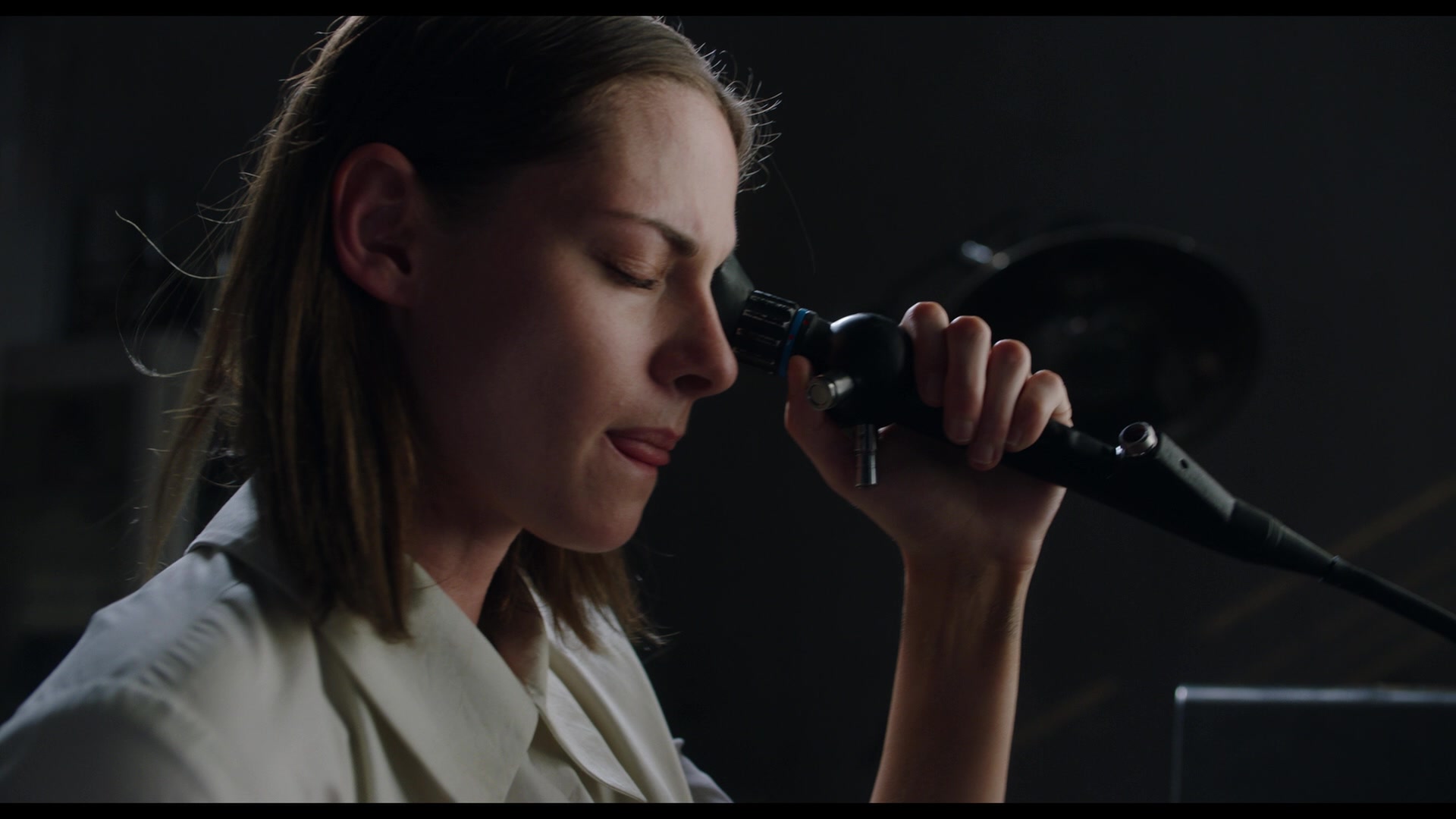
Kristen Stewart in Crimes of the Future

In Part I of this series, we discussed Conquering Weaknesses and Celebrating Strengths. No actor is without weaknesses or areas in which they can improve. It’s important for actors to identify their weaknesses, to develop strategies for overcoming them and to cultivate their strengths to achieve their fullest potential. In this installment, let’s talk about the strategies for Overcoming Weaknesses and Developing Strengths.

NYCastings-Overcoming-Weaknesses-Developing-Strengths-A-Guide-for-Aspiring-Actors-Viggo-Mortensen-in-Crimes-of-the-Future

Viggo Mortensen in Crimes of the Future

Overcoming Weaknesses

We tackled the problems that actors wrestle with the most: Nervousness and anxiety, overacting, Difficulty with Memorization, Inability to Take Direction and Limited Range or Typecasting.

Nervousness and Anxiety

One technique that has proven effective for many actors is meditation. Meditation involves focusing your attention on your breathing and being present in the moment. This practice can help calm your mind. Regular meditation can also help you develop greater self-awareness and mental clarity, which can enhance your overall performance.

There are many types of meditation, perhaps the most popularly known is Transcendental Meditation (TM). But before you go all out on TM, you may also want to look into these other types of meditation as well…

Mindfulness meditation involves paying attention to the present moment without judgment. This practice helps you become more aware of your thoughts, feelings and sensations as they arise, allowing you to develop better control over them. Another type of meditation is loving-kindness meditation which focuses on cultivating feelings of love, kindness and compassion towards oneself and others. This can help reduce negative emotions such as anger, resentment and envy while promoting positive ones like gratitude, empathy and joy.

If you’ve been a reader of mine for a while, you’ll know that for me, meditation is too calm. I grew up in the hustle and bustle of New York City and was wired from birth to always be running around. My meditation is when there’s chaos surrounding me while I look toward the future, which is why I use visualization.

So let’s get into that. Visualization involves creating mental images of success and positive outcomes. By visualizing yourself delivering a strong performance and receiving positive feedback, you can reduce feelings of nervousness and anxiety and improve your confidence. You can practice visualization by setting aside time before a performance. My mother gave me some great advice when I was a kid. She said, “Go into the audition as if you already have the part.” I used that advice in my adult years when interviewing for jobs.

Difficulty with Memorization

One effective way for improving memorization is repetition. Repeating lines and blocking several times can help solidify them in your memory, making them easier to recall during a performance. Be sure to practice repetition in context, such as going over lines while performing the blocking, as this can help you associate the lines with specific movements or actions.

Turning words into a game can also be helpful. These are memory aids that help you link information with an image or vowel sequence, making it easier to remember. For example, creating a phrase in which the first letter of each associated word is incorporated into a word association can be an effective way for memorizing lines. Try memorizing this paragraph, haha!

Inability to Take Direction

Some actors may struggle with taking direction, and this can lead to friction between the actor and the director, producer or fellow screen and stage partners. Fortunately, there are several strategies that actors can use to overcome this weakness and improve their ability to take direction.

It’s important to cultivate effective communication skills. This means actively listening to feedback and asking questions to clarify the director’s intent. Acknowledging the director’s feedback and expressing gratitude for their guidance can help establish a collaborative and positive working relationship.

Limited Range or Typecasting

It can be frustrating to feel like you are being pigeonholed into a particular type of role or genre, especially if you have a desire to expand your range and explore new characters.

One effective strategy for expanding your range is to take on new and challenging roles. This can involve seeking out auditions for roles that are outside of your comfort zone or that require you to play a character that’s vastly different from what you’ve played before. It can also involve taking on roles in different genres, such as comedy or drama, to expand your skill set and showcase your versatility.

Another way to overcome this weakness is to work with a coach or mentor who can help you identify areas for improvement and provide guidance on how to develop your skills. They can also help you identify new and challenging roles to pursue and provide you with guidance on how to prepare for auditions and performances. If you’ve been working with a coach but stopped, this is your opportunity to get back into the game.

Developing Strength is Mind & Body

Developing Strengths

Four key strengths that actors can develop are versatility, empathy, creativity and imagination. By focusing on developing these strengths, actors can enhance their skills and become more effective storytellers.

Versatility

Developing versatility requires a combination of technical skills, emotional range, and physicality. A great way to do this is to study different acting techniques and methods. This can involve taking classes or workshops in techniques such as method acting, Meisner technique, or the Stanislavski system.

By learning different approaches, actors can expand their toolkit and bring a greater range of skills to their performances. Please, no fighting on which method is better. C’mon, you know you want to have a debate! Okay, fine, follow DirectSubmit NYCastings and leave a comment!

Also, work on physicality and vocal range. Physicality refers to the actor’s ability to use their body to convey emotions and actions. This can involve working on posture, movement, and gesture to create a more dynamic and engaging performance. Similarly, developing vocal range can help actors to portray different accents, dialects and vocal qualities, enabling them to play a wider range of characters.

You know who’s really good at versatility? Kristen Stewart. Check out this clip of Crimes of the Future where she plays this really creepy character. See what I’m talking about?!

Empathy

Developing empathy requires a combination of emotional intelligence, imagination, and observation skills. One effective way to develop empathy is to practice active listening and observation in real-life situations. By paying attention to the emotions and behaviors of others, actors can develop a greater understanding of how different people respond to different situations. You should research and study the background and experiences of the characters you’re portraying. This can involve reading books or watching documentaries about the time period, location or social context of the story. By gaining a deeper understanding of the character’s background, you can connect with their motivations and emotions.

Creativity

Developing creativity requires curiosity, imagination and playfulness. Learn to engage with improvisation exercises. Improv involves working without a script, allowing actors to explore their characters and their relationships in real-time, and often leads to unexpected results.

Immerse yourself in different forms of art. As an actor, you’ll want to broaden your horizons by exploring different forms of art such as music, painting or poetry. This will provide inspiration for your own work.

Take risks. Creativity thrives when you step outside your comfort zone. Don’t be afraid to experiment with new ideas or techniques in your acting performances.

Imagination

One way to develop imagination is to engage in visualization exercises. We talked about this above, so if you somehow skipped down here, please read up :)

A lot of people can’t wait to be done with school, but acting is an always-learning process, so… a way develop imagination is to read and study a wide range of literature and media. By immersing yourself in different stories and worlds, you can broaden your understanding of different characters and situations.

If you missed Part I of this series, click HERE to read all about Conquering Weaknesses and Celebrating Strengths.

Unleash Your Inner Playwright: A Guide for Actors Writing Their Own Monologues

As an actor, you understand the power of a well-crafted monologue. It can reveal your character’s innermost thoughts, emotions, and desires while showcasing your acting abilities to the fullest. But what if the perfect monologue for your audition or performance doesn’t exist yet? The answer lies in writing your own. With a few simple steps, you can create a monologue that not only captivates your audience but also elevates your acting skills.

Step 1: Identify your purpose and audience

Before diving into writing, ask yourself why you want to create this monologue. Are you preparing for an audition or a specific role? Or is this a personal project to challenge yourself as an actor? Knowing your purpose will help you stay focused and make informed decisions about the content and style of your monologue.

Your audience is just as crucial. Consider who will be listening to or watching your performance. Are they casting directors, fellow actors, or theater enthusiasts? Keep your audience’s expectations and preferences in mind as you craft your monologue.

Step 2: Develop your character

The foundation of any compelling monologue is a well-developed character. Begin by outlining your character’s background, appearance, personality, and motivations. It’s essential to understand your character’s voice – their unique way of speaking and expressing themselves. This voice should be consistent throughout your monologue, reflecting the character’s emotions and experiences. You could choose to make this character similar to your own personality or based on your life experiences.

When writing a monologue for a character similar to yourself, you have the unique opportunity to draw upon your own experiences, emotions, and perspective. Reflect on your own life: Begin by considering your personal history, values, interests, and quirks. Reflect on any significant events or emotional experiences that have shaped who you are today. Take note of your communication style and how you express your thoughts and emotions.

Step 3: Choose a central theme or conflict

A monologue should revolve around a central theme or conflict that drives the character’s emotions and actions. This conflict can be internal or external, and should be something your character is grappling with throughout the monologue. The theme or conflict should be emotionally engaging, providing an opportunity for the actor to showcase their emotional range and depth.

Step 4: Outline the monologue’s structure

A well-structured monologue is easier to perform and more engaging for the audience. Start by outlining the beginning, middle, and end of your monologue. The beginning should introduce your character and the central theme or conflict. The middle should develop the character’s thoughts, emotions, and experiences in relation to the theme or conflict. Finally, the end should resolve or further complicate the conflict, leaving the audience intrigued and emotionally invested.

Step 5: Write and revise

Now that you have an outline, it’s time to start writing. Remember to stay true to your character’s voice and to convey their emotions authentically. Be mindful of pacing and vary the intensity of the monologue to keep the audience engaged.

Once you have a draft, revise it multiple times to ensure clarity, coherence, and emotional impact. Solicit feedback from trusted peers or mentors to gain insight into how your monologue is being received.

Step 6: Rehearse and perform

With your monologue written and revised, it’s time to bring it to life through rehearsal and performance. Practice your monologue regularly, experimenting with different interpretations, and refining your delivery. To help ‘sell’ the character you may choose to dress for the part making it easier for your audience to visually ‘buy’ the character. When it’s time to perform, remember to fully embody your character and commit to the emotional journey of the monologue.

Conclusion

Writing your own monologue can be a powerful tool for personal growth and professional development as an actor. By following these steps, you’ll be well on your way to crafting a captivating and engaging monologue that showcases your unique voice and talents. So, unleash your inner playwright and watch your acting career flourish!

Additionally, having the ability to write a script for yourself has fantastic benefits for an acting career. Many celebrity actors have ventured into screenwriting, creating their own film scripts that showcase their talents both on and off the screen. Some notable examples include:

  1. Sylvester Stallone: Stallone wrote the screenplay for the iconic 1976 film “Rocky,” in which he also starred as the titular character. The film was a massive success and spawned a long-running franchise.
  2. Matt Damon and Ben Affleck: This duo co-wrote the screenplay for the 1997 drama “Good Will Hunting.” Both Damon and Affleck starred in the film, which earned them the Academy Award for Best Original Screenplay.
  3. Emma Thompson: Thompson wrote the screenplay for the 1995 film adaptation of Jane Austen’s “Sense and Sensibility.” She also starred in the film as Elinor Dashwood, earning an Academy Award nomination for her acting and winning the Oscar for Best Adapted Screenplay.
  4. Nia Vardalos: Vardalos wrote and starred in the 2002 romantic comedy “My Big Fat Greek Wedding,” which became a surprise box office hit and earned her an Academy Award nomination for Best Original Screenplay.
  5. Greta Gerwig: Known for her acting work in independent films, Gerwig has also made a name for herself as a writer and director. She wrote and directed “Lady Bird” (2017) and “Little Women” (2019), both of which earned her Academy Award nominations for Best Original Screenplay and Best Adapted Screenplay, respectively.

These examples illustrate how actors can successfully transition into screenwriting, creating stories that showcase not only their acting abilities but also their talents as writers and storytellers.

More Monologue advice >

Turning Unique and Unconventional Appearances to Box Office Gold

In the diverse world of film and television, many actors have risen to fame by embracing their unique and unconventional appearances. These trailblazing performers have capitalized on their individuality to land iconic roles, challenging conventional beauty standards and proving that talent knows no bounds. From Danny Trejo’s rugged demeanor to Tilda Swinton’s ethereal beauty, these actors have turned their distinctive looks into assets, transforming the way audiences perceive physicality and character.

Tilda Swinton
Tilda Swinton

Many actors have used their unique appearances to their advantage, landing iconic roles in film and television. Here’s a list of some celebrity actors who are known for their distinctive looks and have capitalized on it for their career:

  1. Danny Trejo – Known for his tough-guy roles, Danny Trejo’s rugged appearance has made him a standout in films like “Machete” and “Desperado.”
  2. Peter Dinklage – Peter Dinklage’s stature as a person with dwarfism has helped him land memorable roles, most notably as Tyrion Lannister in the hit series “Game of Thrones.”
  3. Tilda Swinton – With her androgynous and ethereal appearance, Tilda Swinton has starred in films like “Orlando,” “Constantine,” and “Doctor Strange.”
  4. Steve Buscemi – Steve Buscemi’s unique appearance has helped him land roles in films like “Fargo,” “Reservoir Dogs,” and “The Big Lebowski.”
  5. Willem Dafoe
    Willem Dafoe

    Michael Berryman – Known for his distinctive features caused by a rare genetic condition, Michael Berryman has appeared in horror films such as “The Hills Have Eyes” and “Weird Science.”

  6. Ron Perlman – Ron Perlman’s strong facial features have made him a perfect fit for roles in movies like “Hellboy” and “Cronos.”
  7. Linda Hunt – Linda Hunt’s small stature and unique voice have helped her land roles in movies like “The Year of Living Dangerously,” for which she won an Academy Award.
  8. Willem Dafoe – Willem Dafoe’s striking facial features have contributed to his success in films like “Platoon,” “Shadow of the Vampire,” and “The Florida Project.”
  9. Doug Jones
    Doug Jones

    Doug Jones – As a tall and slender actor, Doug Jones has portrayed various creatures and characters in films like “Pan’s Labyrinth,” “Hellboy,” and “The Shape of Water.”

  10. Javier Bardem – Javier Bardem’s intense and unique look has helped him secure roles in movies like “No Country for Old Men” and “Skyfall.”

These actors have embraced their unique appearances, demonstrating that individuality can be a strength in the world of entertainment.

What Every Film Director Expects Actors to Know

Being an actor in the film industry can be an incredibly rewarding and fulfilling experience. However, success in this field requires a deep understanding of the expectations that directors have of their actors. This article aims to provide actors with valuable insights into what directors expect from them on set, ensuring a smooth and productive working relationship.

  1. Know Your Script and Character: The first and most important expectation directors have is that actors know their script inside and out. This means memorizing lines, understanding the story, and fully immersing yourself in your character. Directors appreciate actors who come prepared and ready to contribute to the creative process. Be prepared to analyze and discuss your character with the director to ensure a shared vision.
  2. Be Punctual and Professional: Time is money in the film industry, and directors expect their actors to respect this by being punctual and professional at all times. Arriving on time to set, rehearsals, and meetings is essential. Moreover, maintaining a positive attitude and treating everyone on set with respect will create a productive environment for everyone involved.
  3. Be Receptive to Direction: Directors have a vision for their film, and actors are an essential part of bringing that vision to life. It is crucial for actors to be open to feedback, suggestions, and direction from the director. Always be willing to try new approaches, and don’t be afraid to ask questions if you’re unsure of what the director is looking for.
  4. Master the Art of Continuity: In film, scenes are rarely shot in chronological order. As an actor, it’s important to be mindful of continuity to ensure consistency in your performance. Directors expect actors to be aware of their physicality, emotions, and energy levels in each scene to maintain continuity throughout the film.
  5. Understand Technical Aspects: While the director and crew handle the majority of technical aspects of a film, actors should have a basic understanding of filmmaking techniques. Familiarize yourself with terms like “marks,” “blocking,” and “camera angles.” This knowledge will help you collaborate more effectively with the director and crew and ensure that your performance is captured in the best possible way.
  6. Be Adaptable and Flexible: Filmmaking is an unpredictable process, and things can change at a moment’s notice. Directors appreciate actors who can adapt to new situations, whether it’s a last-minute script change, a different shooting location, or an unforeseen challenge on set. Demonstrating flexibility and a willingness to go with the flow will endear you to directors and make you a sought-after talent.
  7. Take Care of Yourself Physically and Emotionally: Acting can be physically and emotionally demanding, and directors expect their actors to maintain their well-being throughout the production process. This includes getting adequate sleep, eating well, and staying physically fit. It’s also essential to manage stress and maintain a healthy work-life balance to ensure peak performance on set.

Conclusion: Understanding what directors expect from their actors is crucial for success in the film industry. By being prepared, punctual, receptive to direction, adaptable, and taking care of your well-being, you will create a positive and productive working relationship with your director, helping to bring their vision to life on the big screen.

Here are several instances of actors being substituted in a role at the discretion of the director:

  1. Eric Stoltz in Back to the FutureEric Stoltz in “Back to the Future” (1985): Eric Stoltz was initially cast as Marty McFly in the iconic film “Back to the Future.” However, after several weeks of shooting, director Robert Zemeckis decided that Stoltz’s performance wasn’t capturing the lighthearted comedic tone he was looking for in the character. Ultimately, Stoltz was replaced by Michael J. Fox, who went on to make the role his own.
  2. Anne Hathaway in “Knocked Up” (2007): Anne Hathaway was originally cast as the lead in Judd Apatow’s comedy “Knocked Up.” However, she left the project due to creative differences with the director. Hathaway was uncomfortable with the graphic nature of the childbirth scene, which Apatow insisted on keeping. Katherine Heigl was later cast in the role.
  3. Harvey Keitel in “Apocalypse Now” (1979): Harvey Keitel was initially cast as Captain Willard in Francis Ford Coppola’s “Apocalypse Now.” However, after a few weeks of shooting, Coppola decided to replace Keitel with Martin Sheen. The director felt that Keitel’s performance was too forceful and intense for the introspective and troubled character he had envisioned.
  4. James Remar in “Aliens” (1986): James Remar was originally cast as Corporal Hicks in James Cameron’s sci-fi classic “Aliens.” However, Remar was fired from the film due to creative differences and personal issues, including a drug-related arrest. Michael Biehn went on to take over the role of Hicks.
  5. Megan Fox in “Transformers: Dark of the Moon” (2011): Megan Fox played Mikaela Banes in the first two installments of Michael Bay’s “Transformers” series. However, she was not brought back for the third film due to a falling out with the director. Fox had made controversial comments comparing Bay to Adolf Hitler, which ultimately led to her dismissal from the project. Rosie Huntington-Whiteley was cast as the new female lead in the film.

These examples highlight the importance of maintaining a good working relationship with directors and being open to their vision for a film. Actors should be prepared to adapt their performances, maintain professionalism, and work collaboratively with the director to ensure a successful production.

Michael-Douglas-in-The-American-President-Conquering-Weaknesses-Celebrating-Strengths-A-Guide-for-Aspiring-Actors

To be a successful actor, it’s a must to have a clear understanding of your strengths and weaknesses. Knowing your strengths will help you to showcase your talents and stand out in auditions and performances, while being aware of your weaknesses will enable you to identify areas for improvement and focus on developing your skills.

Here’s what I think – understanding your strengths will give you an edge up on the competition. Whether it’s your ability to convey complex emotions, your physical expressiveness or your versatility in playing different types of characters, your strengths can set you apart and help you to land the roles you want.

At the same time, weaknesses can take many different forms, from difficulty with memorization to nervousness or a limited range of expression. By acknowledging and addressing your weaknesses, you can focus on developing the skills you need to improve.

In this article, we’ll address the main strengths and weaknesses actors have, and in Part II, we’ll talk about how to develop the strengths and overcome the weaknesses.

Strengths of Actors

Versatility

Being a versatile actor means having the ability to adapt to different styles, genres, and characters, and to bring a unique perspective and interpretation to each role.

There are many different factors that contribute to an actor’s versatility. These can include their ability to convey a wide range of emotions, their physical expressiveness, their vocal range, and their ability to embody different types of characters. Versatility is also closely linked to an actor’s creativity and imagination, as it requires them to approach each role with an open mind and a willingness to experiment and take risks.

A versatile actor may be equally adept at playing comedic or dramatic roles, for example, or may be able to convincingly portray characters from different time periods or cultural backgrounds. This versatility can help to make an actor more attractive to casting directors and producers, as it increases their range of potential roles and opportunities.

Empathy

Empathy is the ability to understand and share the feelings of another person, and it’s a key component of many successful performances.

One of the primary benefits of empathy for actors is that it enables them to bring a sense of authenticity and emotional truth to their performances. By being able to tap into the emotions and experiences of their characters, actors can create a deeper connection between the actor and the audience.

Empathy can also be a valuable tool when it comes to collaborating with other actors and with directors. Actors who are able to understand and empathize with their collaborators may find it easier to communicate their ideas and to work together effectively. This can lead to more successful and rewarding creative partnerships, and can help to bring out the best in each actor’s performance.

I’m told I don’t have a lot of empathy, but the truth is, I just keep it hidden. Hidden or not, this emotional awareness can also be helpful in other areas of your life, as it can improve communication skills, build stronger relationships and foster a greater sense of connection with others.

Creativity

The ability to arrive at new and original ways to approach and solve challenges is termed creativity. In acting, creativity can help you add a fresh tone to each character and to make unforgettable and memorable characters.

By approaching a role with a creative mindset, actors can break out of conventional expectations and create more dynamic and engaging characters. This can help set an actor apart from others who may be more conventional.

Creativity can also be a valuable tool when it comes to one of my favorite things — improvisation and on-the-fly adjustments in performance. Actors who are able to think creatively on their feet may be better equipped to adapt to unexpected situations or changes in a performance, and to create something truly special and memorable in the moment. I’ve seen this happen several times in plays where someone misses a mark or forgets a line.

Imagination

Imagination allows you to manifest imagery that may not be real. By being able to imagine the backstory, motivations and emotions of their characters, actors can create more complex portrayals. This can help to make a performance more memorable, and can create a deeper connection between the actor and the audience.

For artists, imagination is an advantageously helpful tool when developing a sense of setting and atmosphere during performances. This ability enhances the quality of the action’s immersiveness, which makes for a more exciting experience for audiences. This is particularly helpful in a low budget production where there are little to non-existent sets.

NYCastings-Rope-Strengths-and-WeaknessesWeaknesses of Actors

I looooove talking about weakness. Even as I’m growing in age, I’m discovering more about my shortcomings.

Nervousness and Anxiety

Nervousness and anxiety can manifest in a variety of ways, including physical symptoms such as sweating or shaking, difficulty focusing, and a sense of self-doubt or fear.

One of the primary ways that nervousness and anxiety can impact an actor is by affecting their ability to remember lines and blocking. When an actor is nervous or anxious, they may struggle to recall their lines or to remember where they need to be on stage. This can lead to missed cues, fumbled dialogue, and an overall sense of unprofessionalism that can detract from the overall quality of the performance.

Nervousness and anxiety can also impact an actor’s ability to connect with their scene partners which can lead to a performance that feels disconnected or flat. Also, when an actor is nervous or anxious, they may be more hesitant to try new things or to push the boundaries of their performance, which can limit their ability to create something truly unique and impactful.

Overacting

Overacting occurs when an actor exaggerates their movements, expressions, or vocalizations to an extent that is unrealistic or distracting.

When an actor overacts, their performance can feel artificial or forced, which can detract from the authenticity and emotional impact of the scene. This can make it more difficult for audiences to engage with the story or to feel invested in the character’s journey.

Jim Carrey
Jim Carrey

Now, there are some characters that actually call for overacting. Jim Carrey plays a lot of these characters and he pulls it off with what looks like no effort. I remember seeing him in a show from the 90s called In Living Color. Check out this clip to see how Jim’s overacting is welcomed in the scene where he’s hypnotized into a chicken. Ahaha!

Difficulty with Memorization

Memorization is a critical component of acting, as actors are required to learn and deliver complex dialogue and stage directions with accuracy and consistency. When an actor is focused on trying to remember their lines, they may be less able to connect with their character and to fully explore the emotions and motivations that drive the scene.

One of the most intense line memorization I came across is in the Aaron Sorkin film The American President, starring Michael Douglas. Watch the almost 5 minute monologue here, and after that, please reflect on how you can, or cannot, memorize a lengthy speech.

Inability to Take Direction

It’s imperative for actors to be able to take direction from their director and to incorporate feedback into their performance. When an actor struggles to take direction, it can affect their ability to work collaboratively with their fellow actors.

Every play, film or series has its unique vision and style, and directors play a critical role in guiding the actors to deliver performances that fit with that vision. When an actor is unable to take direction, they may struggle to adapt to the specific needs of the production.

The inability to be flexible can also hinder an actor’s ability to work efficiently in the workplace. If an actor is unable to incorporate director or fellow actor feedback, conflicts or disagreements may emerge.

And another thing — as you know, acting is an ongoing process of development, and actors must be open to feedback and criticism to continue to improve their skills. When an actor is unable to take direction, they may struggle to learn from their mistakes, leading to stagnation or a lack of growth in their career.

Limited Range or Typecasting

When an actor is consistently cast in the same types of roles, it can make it difficult for them to showcase their versatility and to demonstrate their range as an actor. This can lead to a lack of opportunities and can make it more challenging for the actor to advance their career.

It can also impact an actor’s ability to connect with audiences. When an actor consistently plays the same types of roles, it can lead to a sense of predictability and can make it more difficult for audiences to engage with the character. I’m sure you can name a handful, if not more, actors that you feel disconnected from!

Additionally, if an actor is consistently typecast, they may struggle to develop a rapport with directors, who may view them as one-dimensional.

Versatility, empathy, creativity and imagination are all key strengths that can help actors connect with audiences. However, nervousness and anxiety, overacting, difficulty with memorization, the inability to take direction and limited range are all weaknesses that can hold actors back.

In Part II of this series, we’ll explore strategies for developing an actor’s strengths and overcoming their weaknesses. By working to cultivate their strengths and to address their weaknesses, actors can improve their craft, expand their range, and create more opportunities for themselves in the world of acting. So stay tuned for more insights on how to become a more successful and effective actor!

Navigating-the-Social-Challenges-of-Show-Business-children-standing-on-exercise-mat-practicing-yoga

One of the biggest challenges for children in show business is maintaining a healthy social life. From time constraints to geographic barriers, there are many obstacles that can prevent children from connecting with their peers and building strong relationships. We’re going to discuss some of the common challenges that children in show business face and provide strategies for parents to help their children maintain healthy social lives.

Time Constraints

Children in show business often have demanding schedules that leave little time for socializing with their peers. From early morning calls to late-night rehearsals, their days can be filled with work-related activities. This can make it difficult for children to participate in extracurricular activities or spend time with their friends outside of work.

One possible solution is to schedule social activities during breaks in filming or during off-hours. This could include inviting friends to visit on set, participating in group activities organized by their agents or managers or joining extracurricular clubs or sports teams outside of work.

Another option is to connect with other child actors who are facing similar challenges. There are organizations, such as the Young Actors’ Theatre Camp and the Young Performers Collective (Canada), that offer opportunities for young performers to connect with each other and engage in social activities.

It’s also important for child actors to have a support system of family and trusted friends who can provide emotional support and guidance. This can help them navigate the unique challenges of their profession while maintaining a sense of normalcy in their personal lives.

Something as simple as going to the mall or movies with their non-actor friends allows children to develop important social skills, such as communication, problem-solving and conflict resolution. Being able to make plans with their friends and follow through with them can also boost their confidence and self-esteem. As they navigate the mall with their peers, they’ll have to make choices about where to go, what to do and how to spend their money. This can be a valuable learning experience that teaches them about budgeting, planning and prioritizing.

Giving your child some freedom and independence can help them develop a sense of trust and respect for you as a parent. By allowing them to make decisions and learn from their experiences, you’re showing them that you have confidence in their abilities and are willing to support their growth and development.

It took me a long time to learn that.

Geographic Barriers

Many children in show business have to travel frequently, whether it’s for filming, auditions or press events. This can make it difficult to build long-term relationships with their peers, especially if they’re constantly moving from city to city or even country to country.

Today’s world of technology can help! Kids can connect with friends and family members from anywhere in the world. They can also use social media platforms like Instagram or Zoom to share updates and stay connected with loved ones.

As a parent, you’ll need to use your own judgment regarding letting your child on social media. I’m sure you’ve read all about the negatives and potential dangers surrounding platforms such as TikTok, so please discuss the ramifications with your child. Depending on their age, you may also want to monitor the child’s online activity.

Child actors can also seek out opportunities to make new friends while on location. This could include participating in local activities, joining a sports team, club or attending community events. By getting involved in the local community, they can expand their social circle and make new connections.

Differences in Lifestyles

Show biz kids may have different lifestyles than their peers who are not in the industry. They may have to adhere to strict diets or exercise routines, for example, or they may not be able to attend school regularly. These differences can make it difficult for them to connect with their peers and can lead to feelings of isolation.

In my opinion, prioritize your child’s education. Acting may be an exciting opportunity, but their education should remain a top priority. Ensure that they attend school and keep up with their studies even while on set or attending auditions.

My other advice is to create boundaries between work and home life. It’s important to maintain balance and ensure that your child has space for leisure activities outside of acting. Encourage them to pursue hobbies they enjoy and spend time with friends outside of the industry.

I understand how difficult this can be, but as a parent, you just have to make it happen. If you feel overwhelmed, step back and think about the big picture – is your child being in show business worth everything you and your family had hoped for? If yes, then the answer is clear.

Crying teenager girl and comforting girlfriend, teenagers sitting on the grass in parkEffects on Mental Health

All of the above challenges can have a negative impact on your child’s mental health. Feelings of loneliness and isolation can lead to depression and anxiety, and the pressure to succeed in the industry can take a toll on their emotional well-being.

They may struggle with self-esteem issues if they feel they are not living up to expectations or when roles dry up. The lack of stability in their schedules also affects them negatively as they have less time for schoolwork, friends or hobbies which are crucial for healthy emotional development.

It’s important to recognize the signs of anxiety and depression in your child actor. It’s natural for children to feel nervous or anxious before an audition or performance, but it becomes concerning when these feelings persist and interfere with their daily life. Anxiety disorders are the most common mental health conditions affecting children and adolescents, with many experiencing symptoms by the age of 18.

Some common signs of anxiety in children include excessive worry or fear, avoidance of certain situations or activities, physical complaints such as headaches and stomachaches, difficulty sleeping or concentrating and irritability. Depression symptoms can be similar in children but may also include sadness or hopelessness, loss of interest in activities they once enjoyed, changes in appetite and sleep patterns, low energy levels, difficulty making decisions or thinking clearly.

There’s so much to discuss regarding mental health that it’s impossible for me to give tips on everything. But here’s what I learned over the years – hopefully you will find it useful:

Encourage open communication – Encourage your child to talk about their feelings and emotions. Listen attentively without judgment, and offer support and understanding.

Validate their feelings Let your child know that their feelings are normal and valid. Avoid minimizing or dismissing their feelings, even if they seem trivial to you.

Create a routine  Establish a daily routine that includes healthy habits such as regular exercise, a balanced diet and sufficient sleep. This can help your child feel more in control and less overwhelmed. I know that getting enough sleep is an issue but at what point do you want to jeopardize your child for that one role?

Practice relaxation techniques – Encourage your child to practice relaxation techniques such as deep breathing, meditation or yoga. These techniques can help reduce stress and anxiety. (My kids take yoga. However, for me, yoga would increase my stress because I’d be away from work for an hour. To each their own!)

Limit exposure to triggers – Identify triggers that may be causing anxiety or depression in your child, such as social media, peer pressure or certain situations. Limit exposure to these triggers as much as possible. Triggers don’t necessarily have to be from a situation – they can be actual words. Example, if we weren’t able to secure tickets to the latest Taylor Swift concert, I wouldn’t mention Taylor Swift while my child is memorizing lines or at rehearsal.

And last but not least…

Seek professional help – If your child’s anxiety or depression is severe or interfering with their daily life, seek the help of a licensed mental health professional. They can provide appropriate treatment, such as therapy, to help your child manage their symptoms.

Maintaining social lives is of utmost importance for children, especially those in the business. Despite the demands of the industry, children need to have healthy relationships with their friends and families to foster emotional growth, self-esteem and social skills. Show business can be a challenging environment for children, but a balanced social life can provide a support system that helps them cope with the stresses and pressures of the industry. Ultimately, the benefits of maintaining a social life for children in show business extend beyond their time in the industry and can positively impact their lives in various ways.

Leveraging TikTok to Jumpstart Your Acting Career

In the ever-evolving landscape of social media, TikTok has emerged as a formidable platform for content creators and aspiring actors alike. With its highly engaging format and massive user base, this popular app offers up-and-coming actors an unparalleled opportunity to showcase their talent and reach a global audience.

In this article, we’ll explore how TikTok can be a game-changer for actors in the early stages of their career, and discuss practical strategies to leverage the platform to its fullest potential.

  1. The Power of TikTok

TikTok’s success lies in its unique format, which encourages bite-sized, easily digestible content that can be shared and enjoyed by users across the globe. This format creates a level playing field for aspiring actors who can now compete with established industry professionals for visibility and engagement. With its algorithm designed to promote content based on user preferences, even a single viral video can catapult an actor into the limelight.

  1. Showcasing Your Talent

For actors in the early stages of their career, TikTok is an ideal platform to showcase their talent and versatility. By creating and sharing short videos that display their acting skills, performers can build a loyal fan base and attract the attention of industry professionals. Some content ideas include:

  • Monologues: Record and share dramatic or comedic monologues that highlight your acting range.
  • Lip-syncing: Use popular songs or dialogues from movies to create engaging and entertaining content.
  • Collaborations: Partner with other TikTok creators to expand your reach and showcase your adaptability.
  • Comedy skits: Create short, humorous skits that can quickly catch the attention of viewers.
  1. Building a Personal Brand

TikTok offers actors the opportunity to develop a unique personal brand that sets them apart from their competition. By carefully curating content that reflects their personality, interests, and strengths, aspiring actors can create a distinct online presence that resonates with their target audience. Consistency in posting and engaging with followers can further enhance an actor’s visibility and credibility.

  1. Networking Opportunities

The social nature of TikTok makes it an ideal platform for networking with other actors, content creators, and industry professionals. By engaging with others through comments, collaborations, and direct messages, actors can build valuable connections that may lead to auditions, representation, or other career opportunities.

  1. Monetizing Your TikTok Presence

As an actor’s following grows, so do opportunities to monetize their content. TikTok offers several ways to generate income, such as brand partnerships, sponsored content, and in-app gifts. These monetization options can provide financial support while actors continue to pursue traditional acting opportunities.

Conclusion

For actors in the early stages of their career, TikTok presents a powerful tool to build their brand, showcase their talent, and connect with a global audience. By leveraging the platform’s unique features and creating engaging, high-quality content, aspiring actors can significantly enhance their chances of success in the competitive entertainment industry. With dedication, creativity, and persistence, TikTok can be the launchpad to a thriving acting career.

Success Stories: From TikTok Stardom to Acting Opportunities

The potential for success on TikTok is evident in the numerous stories of aspiring actors who have translated their TikTok fame into acting opportunities. Here are a few notable examples:

  1. Addison Rae

Addison Rae, who rose to fame on TikTok for her dance videos and bubbly personality, has successfully transitioned from social media stardom to acting. With over 80 million followers on the platform, Addison landed her first major acting role in the 2021 Netflix film “He’s All That,” a gender-swapped remake of the 1999 classic “She’s All That.”

  1. Tabitha Brown

Tabitha Brown, a vegan influencer, and actress became a household name thanks to her wholesome and uplifting TikTok content. Brown’s positive demeanor and motherly advice, paired with her vegan cooking tutorials, captured the hearts of millions. Her TikTok success led to a recurring role on the popular television show “The Chi,” as well as a guest appearance on “Will & Grace.”

  1. Rickey Thompson

Rickey Thompson, known for his hilarious and relatable content, gained a massive following on TikTok with over 5 million followers. His expressive and comedic videos caught the attention of industry professionals, leading to roles in YouTube Originals’ “Foursome” and the Facebook Watch series “Sideswiped.”

  1. Jaden Hossler

Jaden Hossler, a TikTok star with over 10 million followers, has successfully leveraged his platform to break into the acting world. Hossler, who is also a singer, landed a role in the 2021 film “The Machine,” starring Bert Kreischer and Mark Hamill, as well as a part in an upcoming drama series titled “Cruel Summer.”

  1. Charli D’Amelio

With over 120 million followers, Charli D’Amelio is one of TikTok’s most prominent stars. Famous for her dance videos, Charli has used her online fame to secure a voice acting role in the animated film “StarDog and TurboCat,” as well as a guest appearance on Nickelodeon’s “Side Hustle.”

These success stories demonstrate that TikTok can be a powerful springboard for actors seeking to break into the industry. By strategically leveraging the platform to showcase their talent, engage with fans, and network with industry professionals, aspiring actors can maximize their chances of turning their TikTok success into traditional acting opportunities.

Behind the Curtain: What Families of Child Actors Go Through

Behind the curtain — the real lowdown of what show biz families go through — is a topic rarely discussed. From the early days of Hollywood to the present, child actors have always been a significant part of the entertainment industry. They’re often cast in movies, television shows, commercials and plays because of their natural talent and ability to connect with audiences. Being a child actor is not without its ups and downs, but what about the families and how they have to adjust?

Parents who have children in the entertainment industry face unique challenges that are often overlooked by those outside of the show business world. These parents must balance their child’s career with their education, emotional well-being and overall development. They also have to navigate complex legal agreements and contracts while advocating for their child’s best interests.

Believe me, it’s not easy. Sometimes I wonder what it would be like to NOT have children in show business. But then I realize that if it’s not show biz, maybe it would be sports, or something else that has different challenges. The information in this article can pertain to just about any family with children in extra curricular activities.

Let’s break it down…

Balancing work and education: Children in show business have to balance their work commitments with their education. This can be particularly challenging when they’re required to travel for long periods or attend rehearsals during school hours. Parents may have to work closely with their child’s school and tutors to ensure that their child’s education is not compromised.

The school requirements can vary from state to state and even district to district. A child is allowed a certain amount of non-excused absent days. Where I grew up, if a child actor was going to be on set for more than three consecutive days, the production would need to put a tutor in place. Oftentimes, the production didn’t want to spend the money for a tutor, so they would have the child work for two days, then back to school for one day, then have the child work the day after. The problem with this is that those three days of missing school were counted as unexcused absences because the child wasn’t in school and did not have a tutor.

Solution:

– Communicate with the school – Inform the school about your child’s work schedule and discuss options for making up missed work or attending school remotely. Some schools offer online or distance learning options that can be tailored to your child’s schedule.

– Plan ahead – Work with your child’s agent and production team to plan their work schedule in advance and avoid scheduling conflicts with school. Make sure your child has enough time to complete their schoolwork and attend classes.

– Prioritize education – Emphasize the importance of education to your child and help them understand that school should always be a priority. Encourage them to stay on top of their studies and to communicate with their teachers if they need help.

– Hire a tutor – If your child is struggling to keep up with schoolwork due to their work schedule, consider hiring a tutor to help them stay on track. A tutor can help your child with homework, study for exams and stay on top of their academic progress.

– Advocate for your child – If your child is facing disciplinary action or other consequences due to unexcused absences, advocate for their needs and work with the school to find a solution that supports both their academic and professional goals.

NYCastings-Family-Spending-Time-Together-Child-ActorsEmotional pressure: Children in show business may be subject to intense emotional pressure, including rejection and criticism. Parents may have to provide additional emotional support to their children to help them cope with these pressures.

The children are often expected to work long hours, memorize lines and perform stunts (skateboarding, BMX, etc.) They also face rejection and criticism from directors, producers and even fans if they don’t meet their expectations. This can lead to stress, anxiety and depression among child actors who struggle with maintaining a balance between their personal lives and work.

In addition to this, they may also face unrealistic beauty standards that put them under immense pressure to look perfect all the time.

Giving emotional support is just as important as providing physical needs. As a parent, it’s crucial to be present and supportive for your children in their daily lives. Parents can provide emotional support by showing love, care, and concern towards their children. It can help them develop a sense of security and confidence in themselves.

One way parents can show emotional support is by actively listening to them. When kids feel heard and understood, they’re more likely to open up about their thoughts and feelings. This creates an opportunity for parents to guide them through any problems or challenges they may face. Additionally, praising your child’s efforts rather than just the outcome helps build self-esteem and encourages them to try new things without fear of failure.

Unfortunately, providing so much support can actually take a toll on the parents. In most cases, the parents work and need to provide for their family. If a majority of their time is spent with the child, when do the parents have time to earn a living?

Solution:

– Make time for quality interactions – Although you may not have a lot of free time, it’s important to make the most of the time you do have with your child. Try to have regular one-on-one interactions with your child, whether it’s during mealtime or before bed. Make sure your child feels heard and validated during these interactions.

– Stay connected throughout the day – Even if you’re not physically with your child, you can still stay connected throughout the day. Send a quick text or call during breaks at work to check in and see how your child is doing. This will help your child feel connected to you and reassured that you’re thinking of them.

– Create a safe space – Make sure your child knows that they can come to you for emotional support whenever they need it. Create a safe space where your child can share their feelings and experiences without fear of judgment.

– Be present when you’re together – When you’re spending time with your child, make sure you’re fully present. Put away distractions like phones and TVs and give your child your full attention. This will help your child feel valued and heard.

– Seek outside support – If you’re unable to provide the emotional support your child needs, seek outside support. This could be through a school counselor, therapist or mentor. Make sure your child knows that it’s okay to ask for help and that you support them in getting the help they need.

Impact on family dynamics: Show business can put a strain on family dynamics. For example, siblings may feel neglected if one child is getting more attention due to their success in the industry. There are time commitments, sibling relationships and even public scrutiny.

Solution:

The key to maintaining a healthy family dynamic when one child is in show business is to prioritize communication, balance, support, education, flexibility, and maintaining personal interests and involvement. By working together and remaining adaptable, families can successfully navigate the unique challenges of the entertainment industry while maintaining a strong and healthy family dynamic.

– Communication -Open and honest communication between all family members is essential. Regular family meetings can help everyone stay connected and share their feelings and concerns.

– Balance – Families should work together to find a balance between their child’s career and their family life. This may involve setting clear boundaries around work hours and prioritizing family time.

– Involvement – While it’s important for parents to support their child’s career, they should also make an effort to maintain their own personal interests and involvement outside of their child’s career.

– Education – Parents should educate themselves about the entertainment industry and the laws and regulations that govern child labor. This can help them make informed decisions about their child’s career and ensure their child’s safety and well-being.

– Flexibility – Families should remain flexible and adaptable, as schedules and opportunities in the entertainment industry can change quickly. Having a plan in place for unexpected events can help reduce stress and anxiety.

NYCastings-Education-Fund-for-Child-ActorsFinancial concerns: Show business can be financially lucrative, but it’s also unpredictable. Parents may have to navigate complex contracts and ensure that their child is being compensated fairly. They may also have to manage their child’s earnings and invest wisely to ensure long-term financial stability.

Solution:

– Create a budget – Developing a budget can help parents manage their finances and plan for the unpredictable nature of their child’s income. A budget can help parents track their expenses, set aside funds for future expenses and prioritize spending.

– Save for the future – It’s important for parents to set aside money for their child’s future. This can include saving for college or setting up a trust fund. Parents should also consider setting aside an emergency fund to help cover unexpected expenses.

– Seek professional advice – Working with a financial advisor or accountant can help parents navigate the complex tax laws and regulations that come with their child’s income. A financial advisor can also provide guidance on investing and planning for the future.

– Monitor expenses – Parents should keep a close eye on their expenses and look for areas where they can cut costs. For example, they may be able to negotiate lower rates for acting classes or find more affordable travel options for auditions.

– Encourage their child to diversify their skills – Encouraging their child to develop a range of skills in addition to acting, such as singing or dancing, can increase their chances of getting more work and earning a steady income.

Lack of privacy: Children in show business are often in the public eye, which means that their privacy can be compromised. This can be particularly challenging for families who value their privacy and want to protect their children from unwanted attention.

Solution:

– Establish clear boundaries – Parents can establish clear boundaries with the media and paparazzi. They can communicate with the media outlets to request that their child’s privacy is respected, and that they are not to be followed or photographed outside of work-related events. Additionally, parents can establish clear guidelines for how they and their child will interact with the public, and what kind of information they will share about their personal lives.

– Control access to information – Parents can limit the amount of information that is available about their family and their child. They can set up privacy settings on their social media accounts, avoid posting personal information online, and limit interviews and appearances on talk shows or other media outlets.

– Hire security – Parents may consider hiring security personnel to protect their family’s privacy. This can include security guards or private investigators who can monitor and protect their family’s personal space, as well as ensure that their child’s safety is not compromised by overzealous fans or paparazzi.

– Educate their child – Parents can educate their child on how to handle their privacy and interact with the media. This can include teaching their child to politely decline interviews or photo requests, or to avoid posting personal information online.

– Seek support – Parents can seek support from other families with high profile children in show business or from professionals, such as publicists or lawyers, who have experience in managing privacy concerns.

Despite all of the challenges above, families of child actors have the opportunity to watch their child pursue their passion and potentially achieve great success. With careful planning, communication and support, families can navigate the wonderful world of the entertainment industry and help their child thrive both personally and professionally.


Unraveling the Character: A Guide to Making Informed Choices for Actors

As an actor, your ability to create a rich, layered character that resonates with audiences is paramount to your craft. When handed a new script, the choices you make will shape the character you bring to life. In this article, we’ll discuss a detailed approach to making informed character choices, helping you to develop a three-dimensional, believable persona for any role.

  1. Read the script multiple times

Start by reading the script thoroughly and repeatedly, to fully understand the story, your character’s place in it, and the relationships with other characters. Take notes on your initial impressions, the story arc, and any character details that jump out at you.

  1. Analyze your character

Once you have a firm grasp of the story, delve deeper into your character. Consider the following aspects:

a. Background: Identify the character’s upbringing, cultural background, family life, education, and any other details that may influence their perspective.

b. Motivation: Determine what drives your character. What are their goals, desires, and fears?

c. Relationships: Assess your character’s relationships with other characters. How do these interactions shape their behavior and choices?

d. Conflict: Identify internal and external conflicts that your character faces throughout the story.

  1. Develop a backstory

Flesh out your character by creating a detailed backstory. This may include past traumas, personal triumphs, significant relationships, and any other events that have shaped the character. A rich backstory will help you understand your character’s motivations and reactions in various situations.

  1. Choose a physicality

The way your character moves, stands, and gestures can convey a wealth of information. Consider their age, health, and emotional state when determining their physicality. Experiment with posture, facial expressions, and gestures to find the ones that best represent your character.

  1. Develop a vocal quality

A character’s voice can be a powerful tool for conveying emotion and intention. Experiment with pitch, tone, rhythm, and accent to find the vocal qualities that align with your character’s background and emotional state.

  1. Make strong and specific choices

When it comes to making choices for your character, be bold and specific. Your choices should be rooted in the character’s background, motivation, and emotional state. Use your analysis of the script and your character’s backstory to inform your decisions.

  1. Stay flexible and open to collaboration

Acting is a collaborative art, so it’s essential to remain open to input from your director and fellow actors. Be willing to revise and adapt your choices as you work through rehearsals and receive feedback.

  1. Trust your instincts

While it’s important to make informed decisions based on script analysis and character exploration, it’s also crucial to trust your instincts. Listen to your gut feelings and allow them to guide you in making choices that feel true to your character.

Many actors have made unusual, bold, or transformative choices in their portrayals of characters in films. Here are five notable examples:

  1. Heath Ledger as The Joker in “The Dark Knight” (2008) Heath Ledger’s iconic performance as The Joker was marked by his unique approach to the character. Ledger locked himself in a hotel room for a month to develop The Joker’s voice, physicality, and mannerisms. His portrayal was unsettling and intense, giving the character an unpredictable and chaotic energy that is now considered one of the greatest performances in film history.
  2. Charlize Theron as Aileen Wuornos in “Monster” (2003) Charlize Theron underwent a complete transformation for her role as Aileen Wuornos, a real-life serial killer. Theron gained weight, wore prosthetic teeth, and adopted a rough, unglamorous appearance to authentically portray the character. Her commitment to the role earned her an Academy Award for Best Actress.
  3. Daniel Day-Lewis as Christy Brown in “My Left Foot” (1989) Daniel Day-Lewis portrayed Christy Brown, an Irishman with cerebral palsy who could only control his left foot. Day-Lewis spent months learning to paint and write using his foot and insisted on staying in character even between takes. His dedication to the role earned him his first Academy Award for Best Actor.
  4. Johnny Depp as Captain Jack Sparrow in “Pirates of the Caribbean: The Curse of the Black Pearl” (2003) Johnny Depp’s eccentric portrayal of Captain Jack Sparrow was inspired by a combination of rock legend Keith Richards and cartoon character Pepe Le Pew. Depp’s unique performance, complete with slurred speech, flamboyant gestures, and kohl-lined eyes, turned Captain Jack Sparrow into a beloved character and a pop culture icon.
  5. Jared Leto as Rayon in “Dallas Buyers Club” (2013) Jared Leto took on the role of Rayon, a transgender woman with HIV, and committed to the character by losing significant weight and dressing in women’s clothing even when he wasn’t on set. Leto’s performance was widely praised for its sensitivity and depth, earning him an Academy Award for Best Supporting Actor.

Conclusion

Making informed character choices is a critical aspect of developing a nuanced, believable performance. By thoroughly analyzing the script, developing a backstory, and experimenting with physicality and vocal qualities, you can bring depth and authenticity to any role. Remember to remain flexible, collaborate with your fellow artists, and trust your instincts as you navigate the exciting journey of character creation.

Mastering the Art of Callbacks: Essential Tips for Actors

Callbacks are a critical stage in the audition process, as they provide an opportunity for actors to demonstrate their suitability for a role. This stage can be both exciting and nerve-wracking, but with the right preparation and mindset, actors can maximize their chances of success. In this article, we’ll explore essential tips to help you shine at your next callback and leave a lasting impression on casting directors.

  1. Thorough Research and Preparation:

The first step to acing a callback is doing your homework. Research the project, the director, the casting director, and the production team. Familiarize yourself with their previous work and try to understand their artistic sensibilities. This will give you valuable insights into the kind of performance they may be looking for and help you tailor your approach accordingly.

  1. Embrace Direction and Flexibility:

Being able to take direction and adapt your performance is essential during callbacks. Casting directors want to see your range and how well you can respond to their suggestions. Remain open-minded and be prepared to adjust your performance on the fly. Flexibility is a highly valued trait in actors and can significantly increase your chances of being cast.

  1. Maintain a Positive Attitude:

Attitude plays a significant role in the audition process. A positive, enthusiastic demeanor can make a lasting impression on casting directors and help you stand out from the competition. Remain friendly, confident, and approachable throughout your callback, and remember that your energy and passion can be just as important as your talent.

  1. Build Chemistry with Fellow Actors:

In many callbacks, you may be asked to read or perform with other actors. This is an opportunity to showcase your ability to create chemistry and connection with your scene partners. Be present and engaged, and focus on creating a genuine connection with the other actor. This will not only help you deliver a more authentic performance but also demonstrate your ability to work well with others.

  1. Dress Appropriately and Stay Consistent:

Dressing for success is essential during callbacks. Choose clothing that suits the character and the tone of the project but also allows you to feel comfortable and confident. If you wore a specific outfit during your initial audition that seemed to resonate well, consider wearing it again for your callback to maintain consistency and remind the casting team of your previous successful performance.

  1. Focus on Character Development:

Callbacks provide an opportunity to delve deeper into your character and showcase your ability to bring them to life. Take the time to explore your character’s backstory, motivations, and relationships with other characters. This depth will add nuance and authenticity to your performance and make it more memorable to the casting team.

  1. Follow Up After the Callback:

Finally, don’t forget to follow up with a thank-you note or email after your callback. Express your gratitude for the opportunity and reiterate your enthusiasm for the project. This not only demonstrates your professionalism but also keeps you fresh in the minds of the casting team as they make their final decisions.

Conclusion:

Mastering the art of callbacks is crucial for actors looking to secure roles and advance their careers. By following these essential tips, you can improve your chances of standing out from the competition and making a lasting impression on casting directors. So, the next time you receive a callback, embrace the opportunity and use these strategies to put your best foot forward.

10 Invaluable Tips To Help Actors With Script Memorization

In the world of acting, the ability to quickly and effectively memorize lines is an invaluable skill that can set an actor apart from their competition. Memorizing lines not only showcases an actor’s commitment to their craft, but it also allows them to fully immerse themselves in the character and deliver a more genuine and convincing performance.

By mastering the art of memorization, actors can demonstrate their professionalism and dedication during auditions, increasing their chances of booking more work. Producers and directors will appreciate an actor’s preparedness, seeing it as an indicator of their ability to adapt to new material and contribute to the creative process, ultimately leading to more opportunities in the industry.

Here are 10 invaluable tips to help you with your memorization skills:

  1. Read the script multiple times: Familiarize yourself with the entire script by reading it multiple times. This helps you understand the context, the flow of the story, and the relationships between characters, making it easier to remember your lines.
  2. Break the script into smaller sections: Divide the script into smaller, manageable chunks, like scenes or pages. Focus on memorizing one section at a time, then gradually put the pieces together until you’ve memorized the entire script.
  3. Use visualization techniques: As you read your lines, visualize the scene in your mind. Imagine the setting, emotions, and interactions between characters. This will help create a mental image that will make it easier to recall your lines later.
  4. Write out your lines: Handwriting your lines can help reinforce your memory. Writing engages different parts of the brain and can improve retention, especially when combined with other memorization techniques.
  5. Record yourself: Record yourself reciting your lines, then listen to the recording as you go about your daily activities. This repetition and auditory reinforcement will help solidify the lines in your memory.
  6. Use mnemonic devices: Mnemonic devices, like acronyms or rhymes, can help you remember specific phrases or difficult lines. Create a memorable phrase or image that reminds you of the line, and use it as a mental cue.
  7. Practice with a partner: Rehearse with a scene partner or a friend who can read the other characters’ lines. This will help you practice your lines in context and allow you to react to the cues from your partner, which is an essential skill for any actor.
  8. Emphasize the meaning and emotion: Focus on the meaning and emotions behind the words, rather than just the words themselves. Understanding the subtext and emotional context will help you internalize your lines and make them feel more natural.
  9. Use physical movement: Incorporate physical movement into your memorization process. Blocking out your movements while saying your lines can help anchor the words in your muscle memory, making it easier to remember them later on.
  10. Consistent practice: Set aside time each day to practice your lines, even if it’s just for a few minutes. Consistent practice will help reinforce your memory and ensure that you can confidently recite your lines when it’s time to perform.

In conclusion, actors who excel in memorizing their lines not only elevate their own performances but also contribute to a more efficient and cost-effective production. When actors need fewer takes to deliver their lines flawlessly, the entire crew can complete scenes more quickly, reducing the amount of time spent on set. This efficiency translates to substantial cost savings for productions, as less time is spent on lighting, equipment rental, and crew salaries. Furthermore, it allows directors to focus on refining other aspects of the production, such as cinematography and visual effects, ultimately resulting in a higher-quality final product. By honing their memorization skills, actors play an essential role in streamlining the filmmaking process and ensuring the success of the projects they are involved in.

Shomari Love in Homicide City

Shomari Love is a multifaceted talent in the entertainment industry, with a reputation for excellence as an actor, producer, and director. His passion for the craft and his dedication to delivering outstanding performances have earned him critical acclaim and a loyal following among audiences.

You’ll recognize him from his roles on shows such as the Emmy-nominated series The Chi and Black Lightning. Oh! Did I forget to mention Shomari is also a skilled percussionist who plays the African Drums and Marching Snare? (one of my favorite things to watch and hear!)

As of now, you can stream his latest show, Kold X Windy on WE TV!

One of the defining characteristics of Shomari Love is his soft-spoken demeanor. Despite his larger-than-life presence on screen and his continued accomplished career, Love is known for his calm and measured approach to communication. He has a gentle and soothing voice that can put people at ease and make them feel comfortable in his presence. This quality has helped him to build strong relationships with his collaborators and to create a positive environment on set. It also speaks to his humility and his willingness to listen and learn from others, a trait that has undoubtedly contributed to his success in the industry.

NYCastings-Shomari-Love-InterviewYou seem to always be working on something, whether it’s acting, producing or directing. What was your most recent project and what’s on the horizon for you this year?

My next project is a feature releasing later this year in which I will be playing opposite Jordana Brewster. I was fortunate to play a character that represents a positive light in a beautiful story.

What inspired you to pursue a career in acting, and how did you get started in the industry?

I’ve always been inspired by the works of greats like the late Sidney Poitier and Denzel Washington. My direct inspiration came from seeing people play roles on TV that I thought were relatable and accomplishable. Since I knew nothing about the industry, I started by taking classes, doing background acting, and working as a production assistant. I wanted to learn as much as I could in any capacity related to the industry.

For viewers who haven’t seen the show, describe your character, Dirty, in Kold x Windy. What attracted you to this role?

Dirty is a character with a troubled past. My character has reached a point where he is numb to anything empathetic. He’s guided solely by revenge. I was attracted to the fact that this project is centered around music — how it is used as a gateway outlet to resolve the various struggles of all the characters.

What was your experience like working on the film Take the Night?

It was a great milestone for me as it was my first action thriller and job in California. We did a lot in a short period of time. I enjoyed the challenge of shooting out of sequence and recreating the situations necessary to produce results as the stakes of the situation increased.

What was your most memorable role and how did you prepare for it? Do you have any particular techniques or rituals?

Shannon in Take The Night was a role that required a decent amount of preparation. I spent a good deal of time observing people that were in similar situations as my character. I try to connect with the character on the human level and understand their experiences. Additionally, I recreated and connected the character’s past experiences with some of my own.

You earned a Bachelors of Arts degree from Seton Hall University. What was your course of study? Why did you choose Seton Hall?

My course of study was Political Science. Originally, I thought I would play basketball and go on to law school. However, life is a great teacher and compass. My choices have changed and I’m grateful for that.

You learned to play the African Drums as a child and later joined the Lightbearers Drum Corp in Queens, NY. What exactly are the African Drums and how do they differ from the traditional drum kit we see at a rock concert?

I grew up playing the Djembe. The primary difference is that this drum is played by hand. Also, like most African drums, the bottom part is open. This provides for a different acoustic for the sound when struck.

Shomari Love. Photo Credit Sen M. Floyd

Why is Mandela a hero of yours?

Mandela represents the epitome of perseverance. He was faced with unfortunate circumstances but maintained his creed and never gave up. We also share the same birthday, so I would like to think the ancestors have blessed me with some of his strengths.

Last year you were developing a historical biopic. Please share your experience in your day-to-day activities regarding this and where can we view it?

It is not finished. My day-to-day is very interesting as I uncover new information that becomes vital to the story. The bulk of the work is research.

What are some of your long-term goals as an actor, and where do you hope to see your career take you in the future?

I would love to work as series regular and lead/direct feature films.

You’re a proud member of the Omega Psi Phi Fraternity Inc. What does one need to do in order to become a frat brother at Omega Psi Phi?

First, one must know why they wish to become a member of Omega Psi Phi. Also, you must be enrolled in a college / university and meet the minimum GPA requirement. If you have already graduated, you can inquire with the local chapter and someone will guide through the next steps.

What privileges does the fraternity offer?

A lifelong brotherhood. It also offers great opportunities to network and make a tangible impact on the communities we serve. Countless immeasurable lessons — the list goes on.

What are your thoughts about the Fraternity revoking the membership of the three Memphis officers involved in Tyre Nichols’ death?

This is a very unfortunate tragedy. I think the Fraternity’s decision was necessary.

NYCastings-Shomari-Love-Interview-2It’s so nice to talk to a true New Yorker! You grew up in Queens and have been a fan of The Mets, Islanders and Knicks since you were a kid. Is that because of loyalty to the teams? Today’s players are totally different from when you were growing up, so how do you compare your “fan” feelings now vs. when you were younger?

Loyalty and some fond memories as a kid. I grew up playing baseball and basketball. My baseball club had a chance to visit the former Shea Stadium and since then I’ve felt connected to the Mets. The tide has changed. There was very much team centric loyalty growing up, now there’s more loyalty to the players.

Anything else you’d like to say?

I’ve been a supporter of the NAACP, St. Jude’s Children’s Research Hospital, and Making Strides Breast Cancer Awareness for over a decade. I think more people should be aware of their missions and impact on the community.

Shout out to my grandmother, mother, late grandfather, and family for the continuous support.

God always has plan greater than ours. In the words of Nelson Mandela, “It always seems impossible until it’s done.” My advice is to start now and don’t quit.

Dustin Hoffman in Tootsie

Drag acting is a form of performance art that involves performers, often members of the LGBTQ+ community, dressing up in exaggerated costumes and makeup to portray characters of a different gender or identity. While drag acting has long been a part of LGBTQ+ culture, it has gained mainstream popularity in recent years.

At its core, drag acting is about challenging traditional gender roles and expectations. Drag performers often use their art to express themselves and their identities in ways that might not be accepted in mainstream society. By donning exaggerated costumes and makeup, they can explore different aspects of their personalities and present themselves in ways that they might not be able to in their daily lives.

One of the most fascinating aspects of drag acting is its versatility. Drag performers can take on a wide range of characters, from comedic to dramatic, and everything in between. They might lip-sync to popular songs, perform elaborate dance routines, or deliver monologues or comedy sketches. Many drag performers have become skilled actors in their own right, using their performances to tell complex stories and explore important social issues.

While drag acting can be seen as a form of escapism or entertainment, it also has a political dimension. Many drag performers use their art to advocate for LGBTQ+ rights and to challenge social norms around gender and identity. They might perform at LGBTQ+ events or use their platform to speak out against discrimination and injustice. By breaking down barriers and challenging stereotypes, drag performers play an important role in promoting acceptance and inclusion for all.

Of course, drag acting is not without controversy. Some critics argue that it reinforces harmful stereotypes or that it is a form of appropriation. Others have criticized the mainstreaming of drag, arguing that it has lost its edge and become too commercialized. However, for many performers and fans, drag acting remains a vital part of LGBTQ+ culture and an important tool for self-expression and activism.

NYCastings-Marlon-Wayans-and-Shawn-Wayans-in-White-Chicks

Marlon Wayans and Shawn Wayans in White Chicks

Mainstream Actors Who’ve Performed in Drag

Perhaps one of the most famous drag performances was by Robin Williams in the 1993 film Mrs. Doubtfire. Williams played a divorced father who pretends to be an elderly Scottish nanny in order to spend time with his children. The film was a critical and commercial success and is still beloved today. Another iconic performance was by Dustin Hoffman in the 1982 movie Tootsie, where he played an out-of-work actor who disguises himself as a woman to land a role on a soap opera.

Going full circle back to Robin Williams, he was also in a film called The Birdcage, which was adapted from the play La Cage aux Folles. Williams didn’t dress in drag for this film, but Nathan Lane and Gene Hackman sure did!

And as another flashback, we cannot forget Tom Hanks and Peter Scolari in the 1980s TV series, Bosom Buddies, where they dressed in drag to gain living arrangements in an all female building (because the rent was cheap!)

As you can see, drag has been in film and television for a long time. Even actors such as Tyler Perry, the cast of Kids in the Hall, Jack Lemmon, Tony Curtis, Flip Wilson, Tim Curry, Divine, John Travolta, Martin Lawrence, Wesley Snipes, John Leguizamo, Patrick Swayze, Eddie Murphy, RuPaul, John Cameron Mitchell, Marlon Wayans, Shawn Wayans and Christopher Walken. The list goes on and on.

NYCastings-Billy-Porter-on-Broadway-Kinky-Boots

Billy Porter in Kinky Boots

Drag on Broadway

Kinky Boots, a musical with the score by Cyndi Lauper, debuted on Broadway in 2013 and won six Tony Awards. Starring Billy Porter as Lola, the show was so popular that after it closed in 2019, it kicked off its Off-Broadway revival.

So where does this all fit in to acting? Can performers who specialize in this style of performance still be considered actors?

At its core, drag is all about character work. Whether they’re embodying a fictional creation or channeling real-life celebrities and icons, drag performers must fully commit to their roles in order to sell them effectively. This requires not only strong acting skills but also an ability to improvise on the spot and engage with audience members.

Furthermore, many successful drag performers have backgrounds in other forms of performing arts such as theater or dance.

Why You Should Consider Drag Roles

If you’ve ever been unsure of taking on a role, this is the time to re-consider. Fear of stigma or being typecast used to be a thing, but now actors are able to push limits to the next level.

Besides being entertaining (that’s what it’s all about, right?), playing a drag queen allows you to challenge yourself creatively by exploring different aspects of your character’s personality. A drag performance can involve elaborate costumes and makeup which require careful attention to detail so as not to appear exaggerated or stereotypical. Portraying a drag queen helps break gender norms and stereotypes in popular media. Shall I go on? Okay, I will…

Acting in drag can be incredibly empowering for performers. It takes courage and confidence to step outside of one’s comfort zone and embrace a new persona onstage or on camera. This newfound sense of empowerment can translate into other areas of an actor’s life as well. Roles in drag often provide opportunities for comedic performances – so if you’ve been looking to break into comedy, this might be the area to start!

Is drag a challenge from traditional acting conventions? You bet it is! And that’s why you’re an actor. :)

NYCastings-Meryl-Streep-and-James-Corden-in-The-Prom

Meryl Streep and James Corden in The Prom

Bonus Fun Video:

I know I talk a lot about Meryl Streep, but it’s impossible to hold back, especially when 11 drag queens lip sync the song “It’s Not About Me” which Meryl sang in the 2020 film The Prom. These drag queens dress up as different characters that Meryl has played over the years.

Here’s Meryl Streep’s version in The Prom.

And here’s the drag queens’ version. Enjoy!

Mastering the Art of Character Development 10 Essential Tips for Actors

Just received a script for a self-taped audition, and you’re eager to make a lasting impression? Fear not! In this article, we’ll explore ten essential tips from expert acting coaches to help you develop a rich, multidimensional character from a script. Whether you’re a seasoned performer or an aspiring thespian, these tried-and-true techniques will guide you through the exciting journey of character creation, from initial script analysis to embodying the character on screen.

Get ready to immerse yourself in the world of your character, make bold choices, and captivate your audience with a truly memorable performance.

  1. Thorough script analysis: Read the script multiple times to grasp the overall story, themes, and tone. Make notes on key moments and interactions that pertain to your character.
  2. Identify your character’s objectives: Determine what your character wants (their overall goal) and what they need (their emotional or personal desires). These objectives will help you understand your character’s motivations throughout the script.
  3. Break down your scenes: Analyze each scene in which your character appears. Understand the given circumstances, the relationships between characters, and the immediate objectives and obstacles for each scene.
  4. Create a backstory: Develop a detailed backstory for your character, even if it isn’t explicitly mentioned in the script. Consider their upbringing, education, past experiences, and significant relationships. This will help you make informed choices about your character’s behavior and reactions.
  5. Physicality and voice: Experiment with different physical attributes and vocal qualities that might suit your character. Consider their posture, gait, gestures, and mannerisms, as well as the pitch, tone, and rhythm of their voice. Dressing yourself as the character will great help ‘sell’ the performance.
  6. Emotional life: Explore the emotions your character might experience throughout the story. Use techniques like substitution (replacing the character’s emotions with your own) and emotional memory (recalling past experiences that evoke similar emotions) to help you connect with your character’s emotional journey.
  7. Develop relationships: Understand the dynamics between your character and other characters in the script. Consider the history, status, and emotional connection between characters, and how these relationships impact your character’s actions and objectives.
  8. Make strong choices: Based on your research and exploration, make specific, bold choices about your character’s motivations, actions, and reactions. Remember that a compelling performance often comes from making unexpected choices that still align with the character’s objectives.
  9. Rehearse and refine: Rehearse your scenes with scene partners, focusing on listening, reacting, and staying present in the moment. Continuously refine your choices and physicality based on feedback and self-assessment.
  10. Stay open to direction: Be open to feedback and direction from your director, and be willing to adjust your performance as needed. Remain flexible and adaptable, ensuring that your choices serve the overall vision of the production.

Remember, developing a character is an ongoing process, and it requires time, commitment, and a willingness to explore your own emotions and experiences. By following these steps, you’ll be well on your way to creating a memorable and nuanced performance.

More articles to help with your self-taping:

Actors: The Importance Of Getting The Self-Tape Right

Self-Taped Monologues – Using Downtime To Get More Screentime!

Five Tips For Killing It In Your Next Self-Tape Or On-Camera Audition

The Great Gatsby. Photo Credit Mark Senior, Helen Maybanks, Sam Taylor

Immersive theater is a form of live performance in which the audience members are not mere spectators but active participants in the unfolding of the story. In immersive theater, the boundary between the performers and the audience is blurred, and the audience is often free to explore the performance space and interact with the actors in various ways.

Unlike traditional theater, immersive theater often takes place in non-traditional venues such as abandoned buildings, warehouses or even public spaces. The immersive nature of the performance creates a heightened sense of realism and intimacy, as the audience is fully immersed in the world of the performance.

Immersive theater can take many forms, from large-scale productions with elaborate sets and multiple actors to smaller, more intimate performances with just a few actors and a limited audience. Some immersive theater experiences are completely scripted, while others are more improvisational and interactive.

Overall, immersive theater is an exciting and innovative form of live performance that pushes the boundaries of traditional theater and allows audiences to engage with art in new and exciting ways.

If you’re looking for a different way to express yourself as an actor, Immersive theater is something to consider!

Is Immersive Theater Really New?

If you’re Generation X or older, (like me, gulp!), and lived in the New York City area, you may remember a lot of hub bub surrounding a mid-1980’s production called Tony n’ Tina’s Wedding. (If you’re younger, you’ve probably heard of the MOVIE version starring Joey McIntyre, Mila Kunis and Adrian Grenier.)

NYCastings-Tony-n-Tinas-Wedding

The setting for the wedding in the first off-off-Broadway production was the Washington Square United Methodist Church.

Back then there was no phrase called “immersive theater”. Tony n’ Tina’s Wedding was an INTERACTIVE show.

Alright, look. I just have to explain the show in order to move forward with the rest of this article…

Created by then-college students Mark Nassar and Nancy Cassaro, the show takes the form of a wedding celebration between the characters of Tony Nunzio and Tina Vitale.

The production is unique in that it invites the audience to participate in the wedding ceremony as guests of the bride and groom. The show is performed in a realistic setting, with the audience seated at tables in a banquet hall and the actors interacting with them throughout the evening. The cast includes a wedding party, family members, and other guests, all of whom are portrayed by professional actors.

Throughout the course of the evening, the audience is treated to a full wedding reception experience, complete with dinner, dancing, and lots of drama. The show is known for its improvisational elements, as the actors respond in real-time to the reactions and interactions of the audience.

I actually remember, as a teenager, stumbling across Tony n’ Tina’s Wedding one day while I was walking around New York City. Everyone seemed to be having such a great time!

Immersive Restaurants – No Way!

Yes way! Closed now due to bankruptcy, New York City was host to the Jekyll & Hyde Club, Restaurant and Bar, which I had the pleasure of eating at on opening night (way back in the day.) Actors were the servers! Makes perfect sense, right, since a lot of actors are waiters and waitresses in between auditions and jobs. The experience was a lot of fun, with bathrooms hidden behind trick walls disguised as bookshelves. There were also actors who portrayed creepy characters and interacted with the diners as they ate. Again, back then, the experience was not called “immersive” – yet it was definitely immersive!

Today’s Immersive Theater

NYCastings-Step-into-the-Story-The-Thrilling-World-of-Immersive-Theater-DanceThe Queen’s Ball: A Bridgerton Experience

Coming to New York on April 30, 2023 is The Queen’s Ball: A Bridgerton Experience.

You may or may not be familiar with the book series and the Netflix series Bridgerton. If not, may I suggest you at least watch Season 1 so you understand where The Queen’s Ball immersive theater is coming from.

Here’s a quick rundown of the show:

The story follows the Bridgerton family, a wealthy and influential family in London, and their social interactions with other wealthy families during the social season, where young debutantes are presented to the eligible bachelors of the ton. The main focus is on the eldest daughter of the Bridgerton family, Daphne Bridgerton, and her quest to find a suitable husband.

The series also delves into the romantic lives of other characters, including the Duke of Hastings, Simon Basset, who becomes a love interest for Daphne, and the Featherington family, who are trying to marry off their daughters as well. It deals with themes of love, social class, and scandal, and has received praise for its diverse casting and modern twist on the period drama genre.

NYCastings-Step-into-the-Story-The-Thrilling-World-of-Immersive-Theater-MusicWhat to expect at The Queen’s Ball: A Bridgerton Experience:

“Your presence is requested at the most exclusive ball of the season! Now is your chance to secure your invitation to an immersive experience transporting you straight to the Regency era. The event is a 90-minute immersive experience based on the Bridgerton show. You will be received by our very own Queen Charlotte, who will welcome you to her ballroom. Our string quartet will play iconic pieces inspired by the Bridgerton soundtrack while our two performers tell you a beautiful love story through regency, modern and acrobatic dance. There will be many opportunities to interact with the members of the cast and with representations of the most iconic scenarios of the show, such as the modiste and the painting studio.” (I didn’t know what “modiste” means either so I looked it up — a fashionable milliner or dressmaker.

NYCastings-The-Great-Gatsby-Photo-Credit-Mark-Senior-Helen-Maybanks-Sam-TaylorThe Great Gatsby: Welcome to the Party

The Great Gatsby: Welcome to the Party is coming to New York on May 23, 2023. A 1920’s dress code is encouraged (but not necessary).

If you at attended high school in the United States, surely you’ve heard of The Great Gatsby. But if not, you can find out more information on Wikipedia – here’s a quick quote to get you started: “The Great Gatsby is a 1925 novel by American writer F. Scott Fitzgerald. Set in the Jazz Age on Long Island, near New York City, the novel depicts first-person narrator Nick Carraway’s interactions with mysterious millionaire Jay Gatsby and Gatsby’s obsession to reunite with his former lover, Daisy Buchanan.”

Both upcoming shows look like a lot of fun! If you decide to go, please follow DirectSubmit NYCastings and let us know about your experience!

So, to sum up Immersive Theater, it’s a type of theater where the audience is not just passive observers, but active participants in the performance. It creates a more interactive and engaging experience for the audience by immersing them in the story and blurring the lines between the performers and the audience. Even though this type of theater has been around for a while, as actors, we can see the value of another way to enjoy ourselves while making a living!

Grant Hall. Photo Credit Audrey Slinger.

Many of you may recognize Grant Hall from his role as Kyle on Freeform’s hit series, Grown-ish. What you may not know is that Grant’s journey to success has been anything but easy. He struggled at the beginning of his career, taking on various low-key jobs to make ends meet. What sets him apart from others is his strong family bond that has kept him grounded and focused on his goals.

Beyond his acting career, Grant is also a committed philanthropist, working with charities and giving back to his community. His unwavering dedication to his craft and his commitment to making a positive impact in the industry is very inspiring!

NYCastings-Grant-Hall-Grownish-Costars

Grant Hall (rear, left) and his Grown’ish co-stars taking a behind the scenes selfie.

You play the antagonist Kyle on the latest season of Freeform’s hit series Grown-ish. Tell us about your audition and how long it took you to find out you booked the job.

My audition process for the role of Kyle was certainly an interesting journey, and believe it or not, it almost didn’t even happen. After receiving my initial audition request for Kyle from my agent, I submitted my audition tape to casting and played the waiting game for a couple of days. After about 2-3 days or so, I received another request from my agent to audition for the role once again with the same exact scenes and lines but with the addition of changing just one word within all of the text. Considering that they hadn’t even labeled this secondary audition as a “callback,” I assumed it must’ve been a mistake, and it was just meant for the people who hadn’t yet turned in their tapes for the role. So, I assumed it didn’t pertain to me and proceeded with my day, but then I got a follow-up phone call from my agent, who wanted to confirm that I was going to submit my secondary audition tape for Kyle. And after a little bit of persuading, I agreed to submit for the role again. Even though I was slightly annoyed that I would be submitting again for the same role with the same exact scenes / lines, it wasn’t even an official callback. To make matters worse, I was actually playing college baseball at the time, and we had an away game on the same day I would have had to complete and submit my audition tape. So I had to make a choice. I decided to go to the baseball game instead of doing the tape, but as I was sleeping the night before the game, I heard a seemingly omniscient voice of almost divine intuition talking to me. It told me as clear as day: “Don’t go to the game, do the audition instead.” As much as I wanted to disregard this voice and say it wasn’t real, I couldn’t shake it. It seemed too wise and intuitive that I couldn’t ignore it. I decided to follow the voice of intuition’s advice and complete the audition instead of going to the game, and the rest is history. Today I’m so grateful that I made this decision because I ended up booking an incredible role that has quite possibly altered my acting career forever. So I guess the moral of the story is to follow your intuition and gut instinct above everything. Philosophy carries over beautifully into the craft of acting as well as pertaining to following your impulses.

You got to kiss Justine Skye on an episode of Grown-ish! As an actor, what type of talks, if any, did you have with Justine and/or production about this particular scene?

Yes, I did. I’m definitely a lucky guy (laughs). I met Justine for the first time about an hour before our initial kiss scene. We used that hour to sit, talk, and build some chemistry before hopping into our intimate scene. After talking to Justine for a bit, I started to get a feel for who she is, and I remember feeling attracted to her seemingly deep sense of self-confidence and obvious physical beauty. I decided to use this authentic attraction for the scene. I think it really helped the chemistry of our characters, who we had to portray as if we had known one another for a while and already had an established relationship — even though Justine and I had just met. On another note, production did an amazing job of making sure that we were comfortable with the intimacy of the scene. Specifically, our director of that episode (Shiri Appleby) really did a stellar job of balancing the task of getting the most out of our performances as actors but also making sure neither of us were uncomfortable with what was taking place. Needless to say, the scene turned out pretty well, and it seems the fans enjoyed it as well based on the YouTube numbers of the scene clip (laughs).

You were a model for brands such as Adidas, Jordan, Calvin Klein and Abercrombie & Fitch. How’d you get into the modeling business?

I started modeling in my early days living in LA. The first agency I signed with was very prominent in the modeling industry. Although I had originally signed with them hoping to succeed in my acting career, I soon started to receive great modeling opportunities instead. I didn’t really have too much cooking with my acting career, so I took modeling jobs (laughs). I think the modeling campaign, in particular, helped to instill a new level of confidence in me, and my first one was for Abercrombie & Fitch. To tell a quick story about it, I received the casting opportunity my second year in LA, and the name of the casting call was “Untitled Fragrance Brand”. I went to the casting call, and they had me come into the room, change into a plain white T-shirt and pose for a few photos. They kept it short and simple, then sent me on my way. About half a year goes by, and I don’t hear anything about the audition. Honestly, I had forgotten that it even happened (laughs), but as I was driving home from a rehearsal with an acting classmate, I got a call from my agent, who seemed thrilled. She informed me that I had booked the job with Abercrombie & Fitch for the revival of their signature fragrance, “Fierce Cologne”. At first, I thought it must’ve been a mistake because I hadn’t auditioned for any Abercrombie and Fitch jobs, but then I remembered that I had auditioned for that untitled fragrance campaign months ago and realized that was the one. Obviously, I felt on top of the world, and then later, I shot the campaign. Fast forward a few months, and it gets released and sets my world on fire. The campaign was released all over the globe, and even people from different countries were contacting me and sending pictures of me from the banners inside the stores. Best of all, they had my photos inside the A&F store at my hometown mall in Toledo, OH, which I grew up going to. All my friends and family were able to see it, which really made me feel proud and showed me that all my hard work leading up to that point wasn’t for naught.

Did you take acting lessons? Do you currently have an acting coach? How’d you connect with your coach?

Yes. My first intro to acting was improv and theatre-based training. After that, I went to film school (The New York Film Academy) for a while and then later decided to really focus on my acting studies and went to a London-based drama school for a couple years, which truly helped to take my craft to another level. I’m a huge advocate of actors going to a class and learning how to act before trying to hop right into the industry. Whenever people thinking about starting up an acting career ask me for advice, I recommend that they first attend some acting classes to make sure they enjoy the craft of acting. If you don’t enjoy it, it’s not going to be worth the hardships you’re going to endure working in this industry. I’d also recommend that everyone studies improv at some point because it really helps with being flexible as an actor, especially in auditions, and strengthens your creativity.

NYCastings-Grant-Hall

Grant Hall taking a break in his trailer between scenes.

You were in your teens when you joined show business. How did this career choice affect your decision not to attend college?

I actually attended college; I wasn’t able to finish it due to the start-up of my acting career. I knew when I decided to hop full-time into show business that I would have to make certain sacrifices in order to fulfill my dreams and that having a complete TV-like college experience would be one of those sacrifices. After deciding to take acting seriously, I met my first manager, a lady named Philana who had been working in the field for a while. She asked my mom multiple times if she could represent my brothers and me in modeling when we were younger and helped arrange for me to come out to LA. When I got here, she helped me formulate a game plan for navigating my career, which was incredibly helpful. On the business side of things, I’ve always been pretty savvy in that arena. Most likely because my parents are both business owners in two vastly different fields; I grew up watching and learning from them close up. Nonetheless, I’ve had many part-time jobs while living in LA, which is just a part of the hustle culture here. In terms of acting mentors, I was lucky enough to meet a great man named Shaun T. Benjamin during my first year in film school, and he really took me under his wing and taught me about what it means to be an actor and how to not let the industry corrupt you or what you stand for. On top of that, he was also one of the first people to tell me that he thought I was talented, which helped give me the confidence I desperately needed.

How do you feel about being a successful Black man?

First, thank you for the compliment (laughs), but I feel so proud to be a young black man working in this industry, and having some success in it on top of that feels like a dream come true. To me, it’s always seemed as though the black community, in particular, is very proud of its list of notable actors, and my goal is to add honor and achievement to that rich history. Honestly, my desire is to continue inspiring people to take a chance and strive to reach their dreams regardless of race, skin color, ethnicity, etc. I wake up every morning feeling immensely grateful to be where I am in life and for the amazing future that I know is on its way. I want to be a beacon of hope and inspiration for all the people out there with hearts and minds full of dreams.

There’s a stigma about the entertainment field where young people get caught up with the wrong crowd ultimately leading to poor decisions. How do you focus on staying physically and mentally healthy?

Many people tried to persuade my parents to not let me move to LA initially because of this stigma. Still, thankfully my parents had enough faith in the child they raised and believed me when I told them I wouldn’t partake in anything that would steer me away from my goals and dreams. From my experience, the stigma is very real, and I see the traps, and how many of my peers fall into them. Thankfully, my desire to achieve greatness in show business has always outweighed any desire I had to partake in the nonsense. I’ve always been a naturally motivated person. Nowadays, I prioritize working out, meditating, journaling, and playing sports because it helps give my life the balance it needs. Even while being incredibly motivated and active, there’s still been times when I almost gave into temptations that could’ve cost me everything. Working within this industry for some years has certainly shown me that it’s not for the faint of heart and that mental fortitude, determination, willpower, and discipline are essential if you wish to create success in this business. I believe Utah Hagen once said, “An actor must be as disciplined as a soldier.” I’ve kind of taken that to heart.

You’re from Ohio, and after falling in love with the entertainment field, you made your move to Los Angeles. Tell us about how you went hunting for an apartment, did you have a roommate, did you have odd and end jobs to pay the rent?

When I first made the move to LA, it definitely took some time to adjust to the culture and speed of the city. Now, six years later, I’m still adjusting (laughs). Nonetheless, I certainly fall in love with this city more and more each day. When it came down to apartment hunting, I decided to move away from the city, primarily to avoid the craziness of Hollywood or Downtown LA. Thankfully I had a car, so I knew I could commute wherever I needed to go. That’s another thing I suggest to anybody considering moving to LA, make sure you have a car when you come here. You’ll thank me later (laughs). After I secured the apartment, my brother and I moved in. He was my roommate for a couple years but ultimately decided to move back home to Ohio. I chose to stay in the city and continue pursuing my dream, which meant I had to find many roommates throughout the years to help me afford my rent. Let me tell you, just because someone is your friend, that doesn’t mean you guys will do well together as roommates. I’ve learned that the hard way (laughs). I’ve definitely had my fair share of odd part-time jobs, such as working at car washes, retail stores, kiosks at the mall, you name it, but you do what you’ve got to do for the dream, right?

Anything else you’d like to say?

I’d like to give a very special shoutout to my mom for her unconditional and unwavering faith in me. I truthfully wouldn’t even be doing this interview right now if it wasn’t for her and her support. I credit any successes I’ve had thus far in this industry to her. I’ve also been frequently working with a few charities, such as Feeding America and Stand Up To Cancer lately. I look forward to doing more to help give back and if anybody would like to follow my crazy journey, you can find me on Instagram @thegranthall.

Steal-Inspiration-From-Your-Favorite-Actors

Actors are often inspired by the performances of other actors, and it’s not uncommon for aspiring stars to imitate their favorite actors in order to build their own acting techniques. Whether it’s their ability to fully embody a character or their captivating stage presence, these performers, or mentors, if you will, can serve as a source of inspiration for your own craft. But how can you take that inspiration and use it to improve your own performances without falling into the trap of imitation? Let’s explore the benefits of “stealing inspiration” from other actors, how to find that inspiration and how to incorporate it into your own work while maintaining your own unique voice.

Benefits of Stealing Inspiration

By learning from established actors who have already achieved mastery in their craft, you can avoid common mistakes, learn more quickly and ultimately improve the quality of your own performances. One of the most effective ways to learn from the best is by watching their performances. Analyzing their choices in character development, emotional range and physicality can give you a deeper understanding of what makes great acting. It’s also important to pay attention to how they work on set — their methods for rehearsing scenes, collaborating with directors and other actors and staying focused during long shoots.

Another way to learn from top actors is by seeking out opportunities for mentorship or coaching. Many established actors offer classes or one-on-one sessions where they share their expertise and provide personalized feedback on your own performances.

Richard Lawson, for example – who has over 50 years experience in the business. You’ll recognize him in a hot second after seeing his mugshot in this DirectSubmit NYCastings interview.

Finding New Approaches to Character Development and Storytelling

One effective way for you to develop your characters is by doing research. This can involve reading books or articles about the time period or culture in which the character lives, watching movies or TV shows that take place during that time period or even talking with people who have firsthand experience with similar situations. Another strategy is to experiment with physicality and voice. By exploring different postures, gestures, accents and vocal inflections, you can discover ways of expressing your characters’ personalities that you might not have considered before.

NYCastings-Steal-Inspiration-From-Your-Favorite-Actors-Johnny-Depp-Orlando-Bloom-Naomie-HarrisQuick Sidenote:

I want to talk a bit about posture. Let me know if you’ve noticed this or if it’s just me reading too much into this – trained actors seem to have better posture than untrained actors. Here we have a still from Pirates of the Caribbean. Untrained Johnny Depp is hunched over while trained Orlando Bloom and Naomie Harris have their shoulders back. Hmmm. Head over to DirectSubmit NYCastings and follow to leave a comment.

Building a Personal Style and Voice

Building a personal style and voice is crucial if you want to stand out. A unique style and voice can make you memorable, captivating and even iconic. It’s important for you to find your individuality and develop your own brand so you can separate yourself from the rest of the pack.

One way to build a personal style is by studying different acting techniques, genres and trends. You should be well-versed in different styles of acting so you can choose what works best for you. You should also analyze your strengths, weaknesses and preferences to create a unique approach that showcases your skills but also feels authentic. An actor’s personal style should reflect who they are as a person while still allowing them to transform into various characters.

When I mention “stealing” inspiration, you may think of imitating. Imitating others doesn’t mean copying everything they do. It’s about observing their work closely and identifying what resonates with you. For example, if you admire an actor’s ability to convey emotions through subtle gestures or facial expressions, you can try incorporating that into your own work. As you experiment with different techniques and styles, you’ll gradually develop your own unique approach that reflects your personality and sensibilities.

Paying Attention to Non-verbal Cues and Body Language

While non-verbal cues and body language are important on stage or on screen, paying attention to these cues can also improve communication in our everyday lives. Understanding non-verbal cues can help us better interpret what others are feeling and thinking, allowing us to respond appropriately. You should keep mental notes on how you and others respond so if needed, you can pull it out of your pocket.

One of the most important aspects of non-verbal communication is facial expressions. A smile can indicate happiness or friendliness, while a furrowed brow may signal confusion or concern. Similarly, we can learn a lot from someone’s posture – a slouch might indicate boredom or disinterest, while standing up straight suggests confidence and engagement.

Quick Sidenote:

Pay attention to people in normal surroundings, such as when you go to the food store. Take a mental note on who is smiling, who is rushing around, who is screaming at their kids. At the same time, keep a smile on your face as you shop. I’ve been doing this for years and I still don’t naturally smile when I’m at the food market. It takes effort to keep a happy look on my face, but I’ll tell you, when others pass by me, they see my smile and for just that moment, it makes them happy. As an actor, you want to be able to do expressions without effort. Practice!

Using Inspiration to Inform Character Choices and Scene Work

We all know that by immersing yourself in the world of your character and their circumstances, you can make informed choices about how they would act, think and feel in each scene. So I’m not going to talk about this.

However, did you know that seeking inspiration from other forms of art, such as literature, music and visual art, can provide a wealth of ideas and insights that can inform your performance? You may have read interviews with actors who make a music playlist based on what their character would listen to. Expand on that… what types of books would they read (if at all?), what type of art do they enjoy? Using other forms of inspiration, such as this, will round out your character.

Adapting Techniques to Fit Individual Strengths and Weaknesses

As an actor, it’s important to understand your unique strengths and weaknesses. Adapting techniques to fit individual abilities can help you perform better.

One way to adapt performance techniques is by focusing on the areas where you excel. If you have a powerful voice, you may choose to focus on vocal projection. By highlighting your strengths, you can build confidence in yourself and your abilities.

On the other hand, it’s also crucial for you to work towards improving weaker areas. An actor who struggles with emotional depth may choose to work on this area by studying method acting techniques or taking classes that focus specifically on character development.

It all comes back to stealing inspiration. Find your weaknesses in the strengths of others. Manipulate your findings to adapt to what you need to bring forth as an actor.

Struggles With Originality and Authenticity

Ever watch a show and you say, “Oh! He reminds me of so and so…”? That’s exactly what you DON’T want people to say about your performance. But if you draw inspiration from other actors, how can you differentiate yourself?

One of the biggest struggles for actors when it comes to originality is avoiding cliches. It can be tempting to fall back on tried and tested methods, but this can lead to performances feeling stale or unimaginative. You need to find ways to make your portrayal of a character stand out from what has been done before, whether it’s through physicality, vocal choices or subtle nuances.

Authenticity is another important aspect that actors must balance alongside originality. Above, we discussed NOT imitating others. But what if you’re playing a real-life person for a biopic or a fictional character from a famous novel, such as how Kristen Stewart portrayed Princess Diana in the film Spencer?

While it might seem easy to mimic their voice, mannerisms and style of talking, what sets you apart from the rest is your authenticity.

Here are some tips on how to be authentic when imitating others:

– Do your research: Before you start mimicking someone, do thorough research on them. Understand their behavior patterns, speech patterns and body language.

– Practice regularly: Imitating someone is not something that happens overnight; it takes practice and dedication. Spend regular time practicing the mimicking process until you get comfortable with it.

Avoiding Comparisons or Self-doubt

Drawing inspiration from others can lead to self-doubt. How do you know if you’re being authentic or if you’re just copying someone else? Instead of comparing yourself to others, focus on improving yourself. Focus on your own unique strengths and talents.

One way to avoid comparisons is by setting realistic goals and celebrating small victories along the way. By focusing on personal growth rather than external validation, you can build confidence in yourself. Another strategy is to surround yourself with supportive peers who uplift and encourage you rather than fostering a competitive environment.

NYCastings-Who-Do-You-Steal-Inspiration-FromQuick Sidenote: (I love my quick sidenotes, by the way)

Self-doubt can also creep up when facing rejection or criticism in auditions or performances. No, no, no! The best way to avoid criticism is to be thoroughly prepared. This means not only memorizing your lines but also fully understanding your character’s motivations and back-story. By doing so, you’ll be able to deliver a more authentic performance that will resonate with casting directors or audiences alike. It’s important to remain open-minded when receiving feedback. Rather than getting defensive or dismissive of critiques, use them as opportunities for growth and improvement. Ask questions about what specifically could have been better and how you can make changes in the future.

Resonating with the Audience

If you want to take your acting to the next level, let your favorite actors be your muse. Study their performances and find inspiration in their journey as a performer. Ask yourself what makes them stand out from other actors? How can you use this to become a more successful actor? Take the time to evaluate yourself and make the necessary changes before diving into any project. This will help you create an honest performance that resonates with the audience.

Lurking-in-the-Background-Gets-You-Nowhere-and-Everywhere

Shhhh. That’s my first thought that comes to mind when I think about lurking in the background. Call it sneaky, creepy or dirty, but to me, staying quiet is a way to observe my surroundings.

How does this help with acting? Keep reading.

As an actor, it’s natural to want to be in the spotlight. To be seen and heard is often the goal of every performer. However, there’s something to be said about lurking in the background and how it can help jumpstart your career. This may seem counterintuitive, but sometimes taking a step back can actually propel you forward.

There are two items at play here:

– Being a background actor

– Just being in the background

NYCastings-Background-Players

Background actors set the scene.

Being a Background Actor

Being a background actor allows you to observe and learn from those in lead roles. You get a behind-the-scenes look at how they navigate scenes and interact with other actors. Additionally, it gives you an opportunity to network with other professionals on set who may have connections or opportunities for future work.

By being in the background, you still have the chance to showcase your acting skills without the pressure of carrying a scene or having lines memorized. It allows you to hone your craft without feeling overwhelmed or intimidated by larger roles. You play an essential role in making the scene look realistic.

You can pick up tips on body language, acting techniques and how to interact with other actors. Being able to watch other actors can also inspire you to pursue your dreams. Even though it may not seem like much at first glance, every credit counts towards building your acting career.

While being a background actor can be a fun and exciting experience, it can also be challenging. You may have to spend long hours on set without much to do, and the work can be physically demanding. It can also be difficult to maintain your energy and focus during repeated takes of the same scene.

Personal story and note to people with disabilities: My toddlers (at the time) were asked to be background actors on a TV series. The holding area (usually a room or building where the extras hang out when not actually filming) was in a really old church in New York City. To enter the church, we needed to climb a huge set of stairs. Due to grandfather laws, there was no ramp, and also no bathroom on the level where we were being held and no elevators. For us, none of this posed a problem because we were able to climb steps. Before you accept a job, you may want to ask production questions about ramps, bathrooms and any other needs you may have.

Just Being in the Background

If you are trying to break into a new area of acting, or acting in general, lurking in the background can help you gain knowledge and insights about the industry. You can attend industry events, follow successful actors and casting directors on social media and read industry publications to get a better sense of the current trends and opportunities. Let me break this down…

While lurking may not seem like an obvious way to help your acting career, it can actually provide a number of benefits:

  • Gain Insights into Industry Trends: By lurking in acting-related online forums, you can stay up-to-date on industry trends, casting calls and other important information. This can give you a better understanding of the types of roles that are in demand, and help you tailor your skills and abilities accordingly.

  • Learn from Others: By observing other actors and industry professionals in online discussions, you can learn from their experiences and perspectives. This can provide valuable insights into what works and what doesn’t in the acting world, as well as tips for improving your skills.

  • Build Relationships: Even though you may not be actively participating in online discussions, lurking can still provide an opportunity to build relationships with other actors and industry professionals. By following their posts and engaging with them when appropriate, you can begin to establish yourself as a knowledgeable and engaged member of the community.

  • Network: By observing casting calls and production opportunities, you may discover new contacts who can help you advance your career. By following up with them directly, you can begin to build a relationship that may lead to future opportunities.

By lurking on social media platforms such as Twitter or Instagram, you can gain valuable insights into the industry and its trends. You can observe how successful actors are presenting themselves online and learn how they interact with fans and colleagues. This information can help you improve your own online presence and understand what casting directors might be looking for in terms of personality.

Lurking Gets You Nowhere If…

Acting is a highly competitive industry, and success often comes to those who are proactive, persistent and willing to put themselves out there. Simply watching from the sidelines or waiting for opportunities to come to you is unlikely to lead to much progress.

Lurking may provide some temporary inspiration or motivation, but it’s not a sustainable approach to achieving your goals as an actor. It’s important to be an active participant in the industry and take ownership of your career if you want to make real progress and succeed.

Lurking Gets You Everywhere If…

Lurking could allow you to gain valuable insight into the industry, learn from others’ mistakes and successes and develop a better understanding of the craft. By observing others, you may be able to pick up on subtle nuances and techniques that can inform your own performances.

Lurking can be a valuable way to build connections and network within the industry. By attending events, shows and workshops, you can meet other professionals and develop relationships that may lead to future opportunities.

It’s important to note that lurking alone is unlikely to lead to significant success in the industry. While it may provide some benefits, ultimately, you must be proactive and take ownership of their career in order to truly succeed. This means actively pursuing auditions, training, and networking opportunities, in addition to quietly observing and learning from others.

BONUS

Background Acting as a Side Hustle

Why would anyone want to be a background actor as a “living”?

Flexibility: Background acting is often a part-time or freelance job, which can provide individuals with the flexibility to pursue other interests or responsibilities.

Exposure to the film and television industry: Being a background actor can be a way to gain exposure to the film and television industry, and potentially lead to opportunities for larger roles or connections in the industry.

Consistent work: Background actors are often in demand, particularly in areas with a lot of film and television production, which can provide a steady stream of work.

Experience: Background acting can be a way to gain experience on set and learn about the production process, which can be helpful for those who are interested in pursuing other roles in the industry.

Enjoyment: Some people simply enjoy being a background actor and find the work to be fulfilling in its own right.

To succeed as a background actor, it is important to be punctual, professional and flexible. You should always follow directions from the director and the crew and be willing to take on any role, no matter how small.

See projects casting background talent now >