Whats the buzz on social media. a young woman using her phone outside.

In today’s society, it’s all about creating a buzz around yourself. Whether you’re an actor, musician or just a regular “Joe Schmoe”, you need to have a certain level of notoriety to be successful. There are a few ways you can go about creating a buzz:

Get involved in social media

Actors are some of the most visible people in the world. They are often idolized and their faces are plastered on billboards, magazines and TV screens. However, many actors feel that they have to be careful about what they post on social media. They don’t want to say anything that could potentially damage their career.

That being said, there are a number of ways that actors can get involved in social media without putting their career at risk. One way is to connect with fans through fan pages and forums. This can be a great way to promote your work and connect with your fans on a personal level.

Platforms like Twitter, TikTok and Instagram allow you to reach a wide audience with minimal effort. Make sure you’re regularly posting interesting content that will get people talking.

Another way for actors to get involved in social media is to use it as a way to network with other professionals in the industry.

pic2Do something newsworthy

If you can get yourself in the news for something positive, that would be ideal. Whether it’s organizing an event or charity work, anything that gets people talking will help raise your profile.

Actors are often associated with Hollywood glamour and luxury, but many actors use their platform and influence to give back. There are many ways for actors to get involved in charity work, from attending events to hosting their own fundraisers.

Many charities host gala dinners or balls that actors can attend to show their support. These events often raise a lot of money for the charity, as well as providing publicity for the cause.

Another way for actors to get involved in charity work is by hosting their own fundraiser. This is a great way for actors to use their star power to raise money and awareness for a cause they are passionate about. There are many ways to host a successful fundraiser, from online auctions to bake sales.

Be seen in the right places

Here are a few tips on how to make sure you’re seen in the right places:

1. Get involved in your local theater scene. Attend as many auditions and productions as you can. Not only will this help you meet other actors and industry professionals, but it will also give you a chance to show off your skills.

2. Get involved with online communities and forums related to acting. This is a great way to network with other actors and get your name out there.

3. Attend industry events and conventions. This is a great way to meet casting directors, agents, and other industry professionals who can help you get started in your career.

pic1Doing buzz right

Rolling Stone magazine founder, co-editor and publisher Jann Wenner is a great example of how to do buzz the right way.

His book, Like a Rolling Stone: A Memoir, gathered momentum on an upward hill, creating a want, no, a need, from his audience. By releasing high profile excerpts such as who tipped off the paparazzi where to snap the first photos of Brad Pitt and Angelina Jolie together, he grabbed the attention of everyone interested in this kind of book. Even people unaware are now aware.

The way Jann’s team built up the interest is exactly what you, the actor, should do.

Yes, I said “team”

Building your team is something to strive for when it comes to creating buzz. Publicity agents should be a high priority but also cost a pretty penny. So it’s important that you have the right balance of funds and on-going work before hiring a PR person.

A publicity agent is responsible for generating and maintaining a positive public image for their client. This can be done through various media outlets such as print, television and social media. An agent may also be responsible for organizing and attending events on behalf of their client.

An agent must be able to think creatively in order to come up with new and innovative ways to keep their client in the public eye. They must also have excellent communication skills in order to deal with the various media outlets. In addition, they must be able to work well under pressure and meet deadlines.

For actors, a publicity agent is essential in helping them maintain a good reputation with the public. Without a good agent, an actor can quickly lose work and become forgotten by the general public.

Publicists also work with other members of an actor’s team, such as managers and agents, to make sure that their client is getting the best possible opportunities.

*****

pic3Creating a publicity buzz can be a difficult task for actors. However, by following the tips in this article, you can increase your chances of success. Keep in mind that it takes time and effort to create a successful publicity campaign, so don’t give up if you don’t see results immediately. With perseverance, you can create the buzz you need to further your career.


Spiderman

Anyone here love superheroes? I’m only asking because we’re going to discuss how to play a superhero character. It’s not as easy as it looks!

In order to act like a superhero, one must first understand what it means to be a superhero. A superhero is someone who possesses extraordinary or superhuman abilities and is committed to using these abilities to protect or benefit others. Superheroes are often self-sacrificing and put the needs of others above their own. They are also usually motivated by a strong sense of justice. Superheroes are typically optimistic and have a strong belief in the goodness of people.

In fiction, superheroes are often able to leap tall buildings in a single bound, stop a speeding bullet and see through walls. In reality, we may not be able to perform such spectacular feats, but we can adopt many of the same behaviors that make superheroes so successful.

In order to portray a superhero, you must start thinking and acting like a superhero, right?

Here are a few things you can do to get you in the right mindset of your superhero character:

1. Develop a strong sense of justice
2. Be assertive
3. Be confident
4. Be decisive
5. Be fearless

I’m going to break all of that down for you in a moment. But first, you know how sometimes in interviews the actor will be asked who they want to portray in a film? Well, I would like to know which superhero YOU want to play because not all superheroes are built the same.

wonder womanIf you’re at a loss, here are some superheroes to think about: Superman, Batman, Spider-Man, Wolverine, Hulk, Iron Man, Captain America, Wonder Woman, Thor, Green Lantern and Deadpool.

The above list is what we typically think of as superheroes, correct?

But what about non-typical superheroes? Those who do not possess any super powers or abilities beyond the average human?

My 14 year-old daughter, Anna, surprised me when I asked her who her favorite superhero was. She said her favorite superhero is Helen Keller because “In a world where she’s suppressed for being a woman and not being able to see or hear, she was able to become successful and have a good life. She’s impressive because she could communicate with people despite her challenges.”

When most people think of Helen Keller, they think of a blind and deaf woman who overcame her disabilities to live a successful life. However, there is much more to her story than that.

Helen KellerHelen Keller was born in Alabama in 1880. When she was 19 months old, she fell ill with a disease that left her both blind and deaf. Despite her disabilities, she learned to read and write using braille and sign language. In 1903, she graduated from Radcliffe College with honors.

Throughout her life, Helen Keller advocated for the rights of disabled people. She also worked tirelessly to promote education and literacy. She died in 1968 at the age of 87. A true superhero.

So I’m going to ask you again – which superhero do YOU want to play? The one with superpowers or the one that’s not typical? Or maybe both? :) :) :)

No matter what your answer is, the five characteristics are the same, so let’s do that breakdown now.

Develop a strong sense of justice

In order to be a successful superhero, it is important to develop a strong sense of justice. This quality will help you to identify when there is wrongdoing and feel motivated to take action. Additionally, a sense of justice will enable you to remain calm in the face of difficult situations and make level-headed decisions.

Of course, developing a strong sense of justice is not easy. It takes time and effort to learn about the world and how it works. However, it is worth the effort, as it will allow you to make a difference in your community and protect those who are vulnerable.

Be assertive

Superheroes are often seen as leaders, and assertiveness is a key quality of a good leader. When you’re assertive, you’re confident and clear in your communication. You know what you want and you go after it.

Assertiveness can help you in both your personal and professional life. In your personal life, it can help you build healthier relationships. In your professional life, it can help you advance your career.

So if you want to be a successful superhero, start by being assertive. It’s a key quality that will help you stand out from the rest.

Be confident

In order to be a superhero, one must be confident. This does not mean that a superhero never has doubts or fears, but rather that they have the courage to face them. A superhero is someone who stands up for what they believe in, even when it is difficult. They are also willing to take risks, because they know that it is often necessary in order to achieve great things.

Superheroes are not born; they are made. Anyone can become a superhero if they have the courage to stand up for what is right and the strength to never give up. So if you want to be a superhero, remember: be confident.

Be decisive

When it comes to being a superhero, there is one important quality that all of them share: decisiveness. Without the ability to make quick and firm decisions, superheroes would be powerless to save the day.

But what exactly is decisiveness? And how can you become more decisive in your own life?

Decisiveness is the ability to make clear and confident decisions, without hesitation or second-guessing. It’s about knowing what you want and going for it, without letting doubts or fears get in the way.

Making decisive decisions isn’t always easy. We all have doubts and fears, and it can be tough to trust our gut instincts. But with practice, anyone can learn to be more decisive.

Pro-Tip: Trust your gut instinct.

Be fearless

It’s easy to feel like you’re not good enough. But you don’t have to have superhuman powers to make a difference. You can be fearless just by being yourself.

You don’t need to wear a cape or fly through the air to be a superhero. You can be brave by standing up for what you believe in, even when it’s hard. Be fearless in the face of adversity and never give up on your dreams.

Superheroes are inspiring because they show us that anything is possible. If they can overcome evil and save the world, then we can do anything we set our minds to. So be fearless and never give up on your dreams. You have the power to change the world.

*****

So, in order to play what we would call a typical superhero, an actor must be able to physically resemble the character, have the acting chops to convincingly portray the character’s alter ego and must be able to make the audience believe that they have superpowers. They also need to have a good team of people behind them, including costume designers, makeup artists and stunt coordinators.

batmanIt is refreshing to see an actor portray a non-typical superhero. This type of thinking outside the box is something that we need more of in the entertainment field. It is my hope that we see more unique and interesting superhero films in the future.

BONUS QUESTION: Do you think Batman is a superhero? He doesn’t have any super powers, so that’s why he’s my favorite. Who is your favorite superhero? Let us know in the comments!

Pic

Actors are often thought of as confident, outgoing people. However, many actors are actually highly sensitive. Being highly sensitive means that you are easily overwhelmed by stimuli and you feel things deeply. This can be both a blessing and a curse for actors. On one hand, it allows them to connect with their characters and understand them on a deep level. On the other hand, it can make them very emotional and vulnerable.

What is a highly sensitive person?

You may have seen the term “highly sensitive person” (HSP) thrown around a lot lately. But what does it actually mean to be a highly sensitive person?

Simply put, a highly sensitive person is someone who is more affected by environmental stimuli than the average person. This can include things like bright lights, loud noises and strong smells. Highly sensitive people are also more prone to feeling overwhelmed by too much stimulation or information.

So why are some people more sensitive than others? It turns out that it may be largely due to genetics. A study published found that about 20% of the population has a gene that makes them more sensitive to their environment. Read Dr. Elaine Aron’s thoughts HERE. To learn more, you can purchase Dr. Aron’s book The Highly Sensitive Person: How to Thrive When the World Overwhelms You.

[Dr. Elaine Aron is a clinical psychologist who has written extensively on the topic of high sensitivity. She is considered an expert on the subject and has helped to create a better understanding of what it means to be a highly sensitive person. Dr. Aron has also written about the importance of self-care for HSPs and how they can learn to thrive in a world that isn’t always designed for them.]

Jennifer Lawrence in The Hunger GamesDoes being a highly sensitive person mean you’re weak or fragile?

No, being a highly sensitive person does not make you weak. In fact, HSPs are often quite strong and resilient people. They just have a different way of processing the world around them.

HSPs are more in tune with their emotions and the emotions of others. This can make them seem more vulnerable than other people, but it also allows them to be more compassionate and understanding. HSPs are often good at reading people and picking up on subtleties that others might miss.

While HSPs might not be as thick-skinned as some people, they usually have a deep well of inner strength to draw from. Many HSPs are successful actors, artists and writers because they can tap into their emotions so easily.

Actors who say they are highly sensitive

Some of the most successful actors say they are HSP, including Jennifer Lawrence, Meryl Streep and Viola Davis. They have all spoken about how their sensitivity has helped them in their careers. Lawrence has said that she uses her sensitivity to connect with her characters, while Streep has said that it gives her a greater understanding of human nature.

Despite the advantages that being an HSP can bring to an actor’s career, there are also some challenges.

Challenges for actors who are HSP

The challenges of being a highly sensitive actor are mainly due to the emotional intensity that is required for many roles. This can be extremely draining for HSP’s, who often have trouble “turning off” their emotions after a performance. Additionally, HSP’s are often very introspective and self-critical, which can make it difficult to maintain the positive attitude and energy level required for success in the entertainment industry.

It can be hard for actors to turn off their emotions after a performance because they are so in the moment during the show. For some, it’s like a high that they come down from and can be hard to adjust to the everyday world. It can be especially hard for those who are highly sensitive persons as they tend to feel things more deeply. They may need some time to decompress and process all of the emotions they felt during the performance.

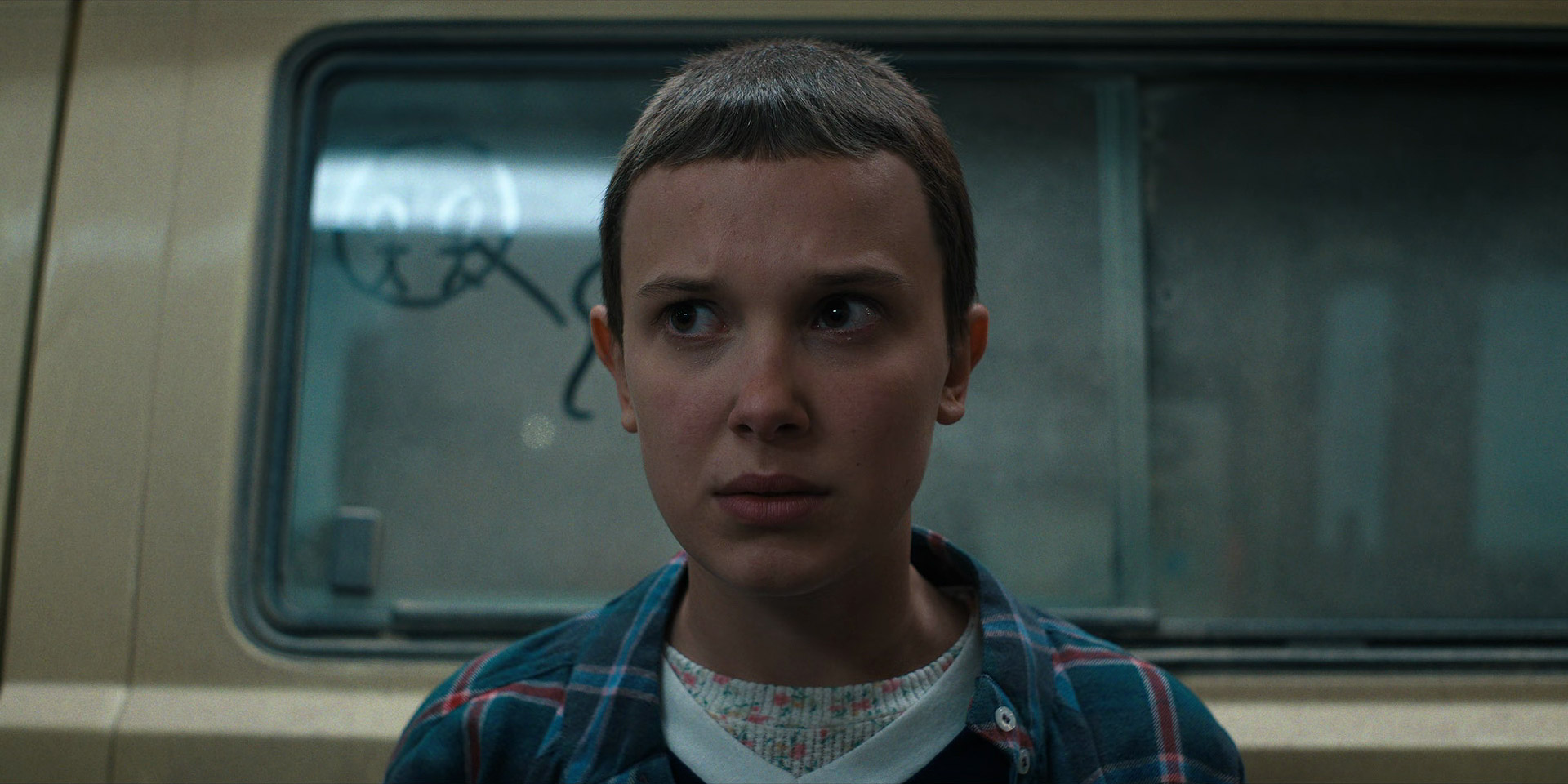
Millie Bobby BrownCharacters who are highly sensitive

Now here’s something interesting! What is it like to PLAY a highly sensitive character?

Some famous film and television characters who are highly sensitive people include Sheldon Cooper from The Big Bang Theory, Monica Geller from Friends and Temperance Brennan from Bones. These characters are all portrayed as intelligent and successful, but they also have a deep emotional side that is sometimes hidden from the world.

Some other HSP characters include Eleven from Stranger Things and Daenerys Targaryen from Game of Thrones.

Whether it’s the girl-next-door or the tough guy, Hollywood actors have a way of making us believe they are the characters they portray on the big screen. But what happens when an actor is tasked with playing a highly sensitive person?

Take for example, Jennifer Lawrence — in the movie Silver Linings Playbook, she plays Tiffany, a young widow who is dealing with her husband’s death. While Lawrence is not a widow in real life, she did an amazing job of portraying a highly sensitive character.

Ryan Gosling The NotebookOr how about Ryan Gosling in The Notebook? He plays Noah, a man who is deeply in love with Allie (played by Rachel McAdams). While Gosling is no stranger to playing romantic roles, he did an exceptional job of portraying a highly sensitive character.

It is clear that being a highly sensitive person has its advantages and disadvantages. However, it seems that the advantages outweigh the disadvantages for actors. They are able to use their sensitivity to their advantage by accessing emotions more easily and being able to understand the subtleties of human behavior. This allows them to create richer and more believable performances. So, if you’re an aspiring actor who is highly sensitive, don’t be discouraged — your sensitivity might just be your biggest asset.

Extra Reading on How Do You Recognize an HSP?

Comments: DirectSubmit / NYCastings

feature

The question of what an actor is willing to sacrifice in order to have a successful career is one that is often debated. There are many different opinions on the matter, but it ultimately comes down to what the individual is willing to give up in order to pursue their dream. For some, the sacrifices may be small, while for others, they may be significant. But no matter what, every actor has to decide for themselves what they are willing to sacrifice in order to achieve their goals.

In order to have a successful acting career, there are a few things you may have to sacrifice. Time, for one. You may have to spend years perfecting your craft and building up your resume before you start seeing any real success. Money is another thing you may have to sacrifice. Acting jobs don’t always pay well, especially at the beginning of your career. You may have to take odd jobs or live with roommates in order to make ends meet.

pic2Sacrificing Time

It is no secret that many actors have to sacrifice a lot of time to their craft. They often have to put in long hours on set, and then spend even more time promoting their work. So it’s no surprise that some actors end up sacrificing their personal lives for their jobs. While it may seem like a necessary evil at times, it can take a toll on an actor’s health and relationships. In the end, it’s up to each individual to decide how much they’re willing to sacrifice for their career. But it’s important to remember that there is always a balance between work and life, and it’s important to find a way to maintain that balance.

Sacrificing Money

When it comes to making a living as an actor, many people are willing to sacrifice money for the sake of their job. This is because acting is often seen as a passion rather than a profession, and people are willing to do whatever it takes to follow their dreams.

While there are many actors who are able to make a good living, there are also many who have to take odd jobs or accept lower pay in order to make ends meet. This is because the acting industry is very competitive and there are only so many roles available.

However, even though sacrificing money may be difficult, it is often worth it in the end because acting can be such a rewarding and fulfilling career. It allows people to tell stories and bring characters to life, which can entertain and inspire others.

If You’re a Child Actor…

For many child actors, the price of fame is a childhood spent working. While their peers are out playing with friends or attending birthday parties, these young actors are on set, learning lines and performing.

It can be a tough lifestyle, but for many child actors it’s worth it. They get to travel the world, meet interesting people and perform in front of millions of people. It’s an experience that few children get to have.

However, it’s not all glamorous. Child actors often have to sacrifice their education as they homeschool or attend online classes. They also miss out on important milestones like graduation and prom. And because they’re working, they don’t always have time for a normal social life.

So while being a child actor has its perks, it also comes with some big sacrifices.

Taylor Swift at the 2019 American Music Awards held at the Microsoft Theater in Los Angeles, USALet’s take a look at singer / musician / writer / actress Taylor Swift.

It’s no secret that becoming a successful entertainer requires a lot of hard work and dedication. For many artists, this means making sacrifices in other areas of their life — including their childhood.

Such is the case for Taylor Swift, who achieved massive success at a young age. In an interview with The Telegraph, she spoke about how her childhood was “robbed” from her by her career.

“I didn’t have a normal childhood,” she said. “I would go to school and then I would go straight to my music lesson or to dance rehearsal.”

This intense focus on her career meant that she missed out on many of the things that other kids her age got to experience. “I didn’t get to go to sleepovers or have slumber parties,” she said. “I was working.”

Most people believe that childhood is a time for fun, games and carefree living. However, for some children, their childhood is anything but carefree. These children are forced to grow up quickly and sacrifice their childhood in order to achieve fame.

Working long hours and dealing with the pressures of stardom can be tough on anyone, let alone a child. While most kids are out playing with friends or going to school, child stars are working tirelessly to build their careers. This often means missing out on important aspects of childhood, such as a proper education (as mentioned above) or simply just having fun.

It’s not an easy life being a child star, but many kids continue to pursue their dreams of fame despite the sacrifices they have to make. After all, the rewards of being a successful celebrity can be great.

If You Work in Theater…

Theater is one of the most demanding occupations out there. It requires long hours, intense rehearsals and complete dedication to the craft. But what sacrifices do actors make for their work?

For starters, they have to be willing to put in the time. Rehearsals can last anywhere from a few hours to all day, and they often have to be done on weekends and holidays. That means actors have to be willing to give up their free time in order to perfect their craft.

They also have to be willing to move around a lot. Most actors don’t have a permanent home; they move wherever the work is. That means they’re constantly packing and unpacking, and they never really get to put down roots anywhere.

Sacrificing Your Self-Esteem

Actors have to be prepared for a lot of rejection.

In the entertainment industry, rejection is a part of an actor’s life. Whether it’s not getting the role they auditioned for or being passed over for a project, actors must deal with rejection on a regular basis. While it can be difficult to handle, there are ways that actors can manage rejection in a healthy way.

One of the most important things for an actor to remember is that rejections are not personal. It’s easy to take things personally when your livelihood depends on getting roles, but it’s important to remember that there are many factors that go into casting decisions. An actor might be perfect for a role but not fit the look that the director is going for. Or, there could be another actor who has more experience or name recognition. Whatever the reason, an actor must remember that it’s not about them as a person, it’s about the role.

Actors are constantly putting themselves out there, opening themselves up to rejection. It’s a tough business, and even the most successful actors have been rejected countless times. So how do they deal with it?

For many actors, rejection is just a part of the business. They learn to take it in stride and move on to the next audition. Some even see it as a good thing, as it means they’re putting themselves out there and taking risks.

Others find rejection more difficult to deal with. They may dwell on it for too long or take it personally. This can lead to low self-esteem and a lack of confidence.

The best way to deal with rejection is to have a healthy outlook on it. See it as a learning experience and use it to improve your craft. Don’t take it personally, and don’t let it get you down.

*****

Distance learning online education

Child Actor Getting Education on Set

Making sacrifices for work is a necessary evil. It is not always easy to do, but it is often necessary in order to succeed. Sometimes, the best thing to do is to just take a deep breath and jump in. Other times, it is better to take a step back and assess the situation. Regardless of what you do, just remember that making sacrifices is often a part of life and work.

feature

In the entertainment industry, it is not uncommon for actors to experience financial instability. This is often due to the volatile nature of the industry, as work can be sporadic and unpredictable. While some actors are able to maintain a steady income, others may find themselves struggling to make ends meet. This can be a frustrating and difficult situation to manage, but there are ways to stay afloat financially as an actor.

During the heaviest part of the pandemic, when COVID-19 ravaged the world, it also took a toll on the finances of many actors. The global health crisis has caused widespread financial instability, with many people losing their jobs or seeing their incomes reduced. Even now, this has left many actors struggling to make ends meet.

Coins in male hands. Saving money concept.The financial insecurity caused by the pandemic has been magnified by the fact that most actors are freelancers, and thus do not have the same security as those who are employed by a studio or production company… or what some people call a “real” job. This lack of stability makes it difficult for actors to plan for their future, and leaves them vulnerable to sudden changes in circumstance.

The uncertain economic climate has also made it difficult for actors to get new roles. With productions being cancelled or postponed and a new crop of actors popping up creating competition, there is little work available for actors.

As the world slowly emerges from the grips of the Covid-19 pandemic, the entertainment industry is taking a long hard look at itself. The pandemic has forced Hollywood to change the way it does business and has left many actors struggling to make ends meet. The industry will have to adapt to the new reality in order to survive.

Many experts believe that the entertainment industry will never be the same. The pandemic has highlighted the need for greater diversity and inclusion in Hollywood. The industry must also grapple with the changing landscape of how people consume entertainment.

So, how can actors financially stay afloat?

It is important to remember that an acting career is not a guarantee of financial stability. Even the most successful actors go through periods of lean times. The key is to have a diversified income stream and to be mindful of your spending.

There are several ways for actors to diversify their income. Many successful actors supplement their acting income with revenue from other sources such as endorsements, merchandise sales and public speaking engagements. Others invest in real estate or start their own businesses.

Examples:

Reese WitherspoonDraper James
Jessica Alba — The Honest Company
Ashton KutcherA-Grade Investments
George Clooney – founded Casamigos Tequila
Dr. Dre –
Beats
Mark and Donnie Wahlberg —
Wahlburgers

The above sounds nice and dandy. Sure, if you’re not a struggling actor. But since most of us are struggling actors, what’s a more realistic approach to staying afloat?

finance3A more realistic approach to staying afloat:

Find ways to make money outside of acting roles. This could include teaching acting classes, writing books or articles about acting or creating products (like a podcast or phone app) that help other actors succeed. By diversifying your income sources, you can protect yourself from the ups and downs of the industry.

(Before the Internet was available in homes, actors would often become waiters because of the flexible schedule. Anyone remember this? Or am I showing you how ancient I am?)

Saving money is still a thing!

What I would consider a very important thing for actors to do is to save as much money as possible. Saving money can be a difficult task, especially for those who are used to spending their money as soon as they get it. However, with a few simple tips, anyone can learn how to save money.

One of the easiest ways to save money is to set up a budget and stick to it. Determine how much you need to spend each month on essentials like rent, food and transportation and then set aside an amount for savings. Once you have a budget in place, it will be easier to make adjustments when necessary and put more money into savings. Typically you want to put 10% of your earnings in savings.

Another way to save money is to make sure you are getting the best deal on everything you purchase. Compare prices before making any big purchases, and don’t be afraid to negotiate for lower prices. There are also many ways to save on everyday expenses like groceries and gas.

Recap:

1. Get a part-time job in addition to acting. This will help you bring in extra income and also give you something to do between auditions.

2. Live with roommates. This can help you split expenses and save on rent and bills.

3. Cut back on unnecessary expenses. For example, eating out all the time or buying expensive clothes that you don’t need.

4. Make a budget and stick to it. This will help you track your spending and make sure that you are not overspending each month. Take into account all of your income sources, including acting jobs, residuals, loans, gifts and any other money you may have coming in. Next, list out all of your expenses, including headshots, classes, agent fees, transportation spent getting to auditions or performances, health insurance and anything else you spend money on.

5. Save up for a rainy day fund. This will help you cover unexpected expenses or lean times when work is slow.

finance1Actors can stay afloat in a time of financial instability by diversifying their income sources, living within their means and building up an emergency fund. You should be mindful of your spending and make sure to set aside money for taxes. By following these tips, you can weather any financial storms that come your way.

The bottom line is that there is no one-size-fits-all solution for financial success as an actor.

Behind the Scenes for Dress Rehearsal

In any form of theater, be it a play, musical or opera, rehearsal is essential to the success of the production. Without rehearsal, actors would not know their lines, singers would not know their notes and the stage crew would not know their cues. In short, rehearsal is vital to putting on a successful show.

There are generally two types of rehearsal: technical rehearsal and dress rehearsal.

TECHNICAL REHEARSAL

In theatre, a technical rehearsal is a dress rehearsal where the actors perform with the full set, costumes, lighting, sound effects and anything else that needs to be done by the crew during the performance. This is the first time that the entire production team comes together to work out any kinks in the show. After the tech rehearsal, there is usually a run-through of the show for the stage manager to take notes on.

During a technical rehearsal, the actors generally run through their blocking, which is their movement on stage. Crew members make sure that props are in place and that scenery is set up correctly. Lighting and sound cues are also tested to ensure that they are working properly. 

The goal of a technical rehearsal is to make sure that everything runs smoothly on opening night. By the end of a technical rehearsal, the entire cast and crew should know what needs to be done and where they need to be at all times during the performance.

Tech Breakdown

Props

When it comes to putting on a play, the prop crew has an important role to make sure everything runs smoothly. During technical rehearsals, the prop crew is responsible for making sure all the props are in the right place at the right time. This includes setting up and striking all the props for each scene. The prop crew also has to keep track of where all the props are during rehearsal so they can be put back in their proper place after each run-through. By doing this, the prop crew ensures that the actors have everything they need during rehearsal and performance so that the show can go off without a hitch.

Scenery

The scenery crew is responsible for setting up and striking the set. They must be able to lift heavy objects and be comfortable working at heights. During a technical rehearsal, the scenery crew will work with the lighting and sound crews to ensure that all the equipment is working properly. They will also run through the set changes with the actors to make sure everyone is on the same page. The scenery crew is an important part of any theater production.

lightsLighting

As the curtain rises on a new production, the theater’s lighting crew is hard at work making sure the show looks its best. During technical rehearsals, they cue the lights for each scene and make sure all the equipment is working properly.

It’s a demanding job, but it’s also an important one. The right lighting can set the mood for a scene and help bring the play to life.

So next time you see a show, take a moment to appreciate the work of the lighting crew. They may not be onstage, but they’re vital to making sure the show goes off without a hitch.

Sound

The sound crew is responsible for making sure all the audio equipment is working properly and that the sound levels are balanced. They will also cue the actors when it’s time to start their lines.

During a technical rehearsal, the sound crew will work with the lighting and set crews to make sure all the elements of the production come together seamlessly. They will also troubleshoot any problems that arise.

The sound crew is an important part of any theater production. Without them, the audience would not be able to hear the dialogue or music. Make sure to give them a round of applause if you see them backstage!

RehearsalDRESS REHEARSAL

A dress rehearsal is a full run-through of a show or production in which the actors perform in costume. This allows the director and stage crew to see how the show will look and flow with all the elements in place. It also gives the actors a chance to get a feel for their characters’ costumes and how they move in them. Dress rehearsals are usually done close to the actual performance date, so that any last-minute changes can be made before opening night.

When it comes to acting, blocking is key. During a dress rehearsal, actors need to be aware of their surroundings and where they need to be at all times. Without proper blocking, the scene can fall apart.

There are a few things that actors need to keep in mind when blocking during a dress rehearsal. First, they need to know their lines. This may seem obvious, but if an actor doesn’t know their lines, they won’t be able to focus on their blocking. Second, they need to be aware of the other actors on stage. They need to know where everyone is supposed to be and what they’re supposed to be doing. Lastly, they need to be aware of the set. They need to know where the exits and entrances are and where the furniture is supposed to go.

All actors do not have to be present for dress rehearsal. However, it is generally considered best practice for as many actors as possible to be in attendance. The more people who are there, the more accurate the rehearsal will be.

If an actor is not able to make it to dress rehearsal, it can throw off the entire flow of the show.

That being said, there are always last-minute emergencies that can pop up. If an actor is truly unable to make it to dress rehearsal, the show must go on without them. The other actors will just have to adjust accordingly.

Dress Breakdown

Costumes

During a dress rehearsal, the costume crew is responsible for making sure that all of the actors are wearing the correct costumes. They also need to make sure that the costumes fit properly. If an actor needs to quick change in between scenes, the costume crew will help them to do so quickly and efficiently.

makeupHair & Make-up

The makeup crew for a dress rehearsal is responsible for making sure that the actors and actresses look their best. They will touch up any smudges or smears from the previous rehearsal, and they will also apply any final touches that are needed. The makeup crew will also help the actors to relax and feel comfortable in their costumes.

When it comes to hair , the hair crew has a lot of work to do. This means that they have to style their hair just like they would for a performance. Sometimes wigs are involved.

The hair and make-up crews also need to make sure that everyone is ready to go on time. This can be a lot of pressure, but the crews are always up for the challenge!

*****

Theater rehearsal is like a puzzle. You have to put all the pieces together to make a beautiful show. They are essential to the production of a play. They allow the director and actors to work out the blocking, dialogue and staging of the play. Without rehearsals, a play would be chaotic and would not come together. Therefore, theatergoers should appreciate all the hard work that goes into a production during rehearsals and understand that they are an important part of making a play successful.

How To Book More Acting And Modeling Gigs By Using DirectSubmit

It’s not as hard as you may think to submit yourself for acting and modeling roles. With a little research and some elbow grease, you can be on your way to booking gigs in no time.

In order to submit yourself for roles, you will need to do the following:

– Research what type of role you would like to audition for

– Login and join DirectSubmit, create a Resume, upload your Headshot, Video and Voice Over reels

– Attend auditions online or in person

With the vast number of opportunities in the entertainment industry, it is important to be well prepared before submitting yourself for any roles.

What is DirectSubmit® ?

DirectSubmit lets Actors, Models, Singers and Dancers (all ages) DirectSubmit themselves to Film, TV, Theatre, Commercial, Print Casting Calls and Talent Agencies Nationwide.

DirectSubmit has been a staple in the production community for the last 20 years, working on hundreds of productions a month, with thousands of talent submissions being made to projects such as: The Wolf of Wall Street, Saturday Night Live, The Devil Wears Prada, Vogue Magazine, Gotham, Hamilton, Kinky Boots and thousands more. Clients are Production Companies, Casting Directors, Ad Agencies, Talent Agents and Managers.


Some of the markets include New York Tri-state Area, Philadelphia, Los Angeles, Atlanta, Washington, DC, Chicago, Tennessee, Las Vegas, Miami, Orlando, the Carolinas, Texas, Seattle and New Orleans. With today’s technology and the entertainment field expanding into different locations, DirectSubmit can get you out there.

Union and Non-Union Projects are listed, and Professional Talent should add their Resumes and set up Roles Alerts to keep up with what’s casting for your type.

Special Skills Bring Casting Directors to You (by using DirectSubmit’s search feature)

DirectSubmit’s NEW SEARCH ALGORITHM lets you rank higher if you have the following:

Video reels are essential, even if it’s just a monologue you record.

A video reel, also known as a demo reel or show reel, is a compilation of an actor’s best work. It is used to showcase an actor’s range and talent to casting directors and producers. A good video reel will highlight an actor’s strongest performances and give a sense of their type and range.

Most actors have a number of different types of scenes in their reel, including: monologues, scenes with other actors, comedic scenes, dramatic scenes, etc. An actor’s reel should be around two to three minutes long and should be edited together in a way that highlights the actor’s strengths.

A great video reel is essential for any actor who wants to succeed in the business. It is one of the best ways to show off your talent and get yourself noticed by the right people.

Check out actor DAVID BANKS commercial reel to get an idea of how to develop your reel.

VO (voice over) reels go a long way.

A voice over reel is an essential tool for any actor who wants to break into the world of voice acting. A good reel will showcase the actor’s range, versatility and unique selling points as a voice artist.

A well-produced reel will feature a variety of different kinds of material, such as commercials, animation, video games, and film trailers. The actor should be able to demonstrate a wide range of emotions and styles in their performance.

A good voice over reel can be the difference between getting the role or not. It is important to put time and effort into creating a strong reel that accurately represents your skills as a voice actor.

Listen to the voice over reel of the Glow Girls to see how to construct a voice over reel.

Features available to Casting Directors on how to use the Casting Dashboard

Click HERE to see what Casting Directors view when they’re looking for talent.

Bonus! Bonus! Bonus! Act Now!

Currently there is a LIFETIME SPECIAL deal available!

The lifetime special is set at a $275 rate, billed 1 time only, and the account will last forever.

It includes a 45 minute phone career consultation with Executive Producer and Director Aaron Seals.

Your Account Comes With…

– Agent Directory – Talent Agencies, Modeling Agencies, Personal Managers And Casting Directors

– Monologues and Scripts

– Advice such as How To’s and Celebrity Interviews

– So much more! New features are constantly being added

pic 1Join NOW and Start Booking Gigs

You should JOIN DirectSubmit for a number of reasons. First, it gives you access to a wider range of auditions. Second, you can view feedback from previous projects. Third, you can network with other industry professionals. Fourth, you can keep track of your submissions. Finally, it allows you to be more selective in the roles you audition for.

Evolution of a Character

In a work of fiction, a character undergoes an evolution as the story progresses. This is often due to the character’s interactions with other characters, as well as the challenges they face. The result is a changed person, who is sometimes unrecognizable from the original version. This transformation can be both positive and negative, depending on the circumstances. It is one of the most intriguing aspects of reading a good book or watching a great film.

In every great film, there is a great character. And behind every great character is a great actor. It takes a special kind of talent to bring a character to life on the big screen. But what does it take to create a truly unforgettable character?

It takes more than just acting chops. It takes an understanding of the character’s arc and how they evolve over the course of the story. It takes an ability to connect with the audience and make them feel something for the character. And it takes a willingness to go above and beyond to make the role your own.

The best actors are able to do all of these things and more. They are able to disappear into their roles and become the characters they are portraying. They are able to make us laugh, cry and root for them no matter what they’re going through onscreen.

The actor’s role is to understand the character’s arc. The character’s arc is the journey the character takes from the beginning of the story to the end. The actor must be able to understand what the character is going through and how they are changing.

Watch Dustin Hoffman and Tom Cruise in this clip from Rain Man.

featureThis “toothpick” clip is very important because not only does Dustin Hoffman connect with the audience by making us feel sorry for him, but we begin to see the evolution of Tom Cruise’s character, going from a frustrated brother who doesn’t understand Dustin’s disability to one who starts to see a huge advantage of the disability.

Understanding a Character’s Arc

To understand a character’s arc, the actor must first understand the character’s backstory. What has led them to this point in their life? What are their goals? What motivates them? Once the actor understands these things, they can begin to understand how the character changes throughout the story.

Identify Key Turning Points

The actor needs to be able to identify the key turning points in the story. These are moments where the character makes a decision that changes them in some way. The actor needs to be able to understand why these decisions are made and how they change the course of the story.

Connecting With the Audience if On Stage

When it comes to acting, connecting with the audience is key. Without a connection, your performance will fall flat. So, how can you make sure you’re connecting with your audience?

Here are a few tips:

1. Make eye contact. This is probably the most important thing you can do to connect with your audience when on stage. When you make eye contact, you’re saying “I see you and I’m speaking to you.” It’s a simple way to create a connection. If you’re in a film, TV show or web series, connecting with the audience is a little more difficult (see below).

2. Speak clearly and concisely. If your audience can’t understand what you’re saying, they won’t be able to connect with you. Make sure your words are clear and easy to understand. Unless, of course, you’re Mumbles from Dick Tracy. :) (If you did not see this film, can you guess the actor playing Mumbles?)

3. Be genuine. Your audience will be able to tell if you’re being fake or forced.

Connecting With the Audience if On Screen

In a film, actors must connect with the audience in order to create a believable and captivating experience. They do this by studying the script and developing a deep understanding of their character’s motivations, emotions, and objectives. Once they have a clear grasp on who their character is, they can begin to find ways to connect with the audience member’s own experiences and feelings. This can be done through facial expressions, body language and vocal inflection. When an actor is able to make a strong connection with the audience, it creates an immersive experience that can be truly magical.

How does all of the above tie in with the evolution of a character?

As actors, we often talk about developing a character and finding ways to connect with the audience. But how does the evolution of a character tie in with connecting with the audience?

One way to think about it is that as our characters evolve, so do our relationships with the audience. We might start off by playing a role that is relatively simple and one-dimensional. But as we grow as actors, we can start to explore more complex characters who are rich and multi-faceted. And as we deepen our understanding of these characters, we also deepen our connection with the audience.

So in a way, the evolution of a character is an ongoing process of building bridges between ourselves and the people who are watching us.

Wanda Sykes and Adam Devine in Jexi

Comedy is often said to be one of the hardest genres to act in. Nailing the perfect comedic timing, delivery and facial expressions can be a daunting task for even the most experienced of actors. However, with a bit of practice and know-how, anyone can hone their comedic skills and become a force to be reckoned with on the silver screen.

There are a few key things that make a great comedic actor. The first is timing. Being able to deliver a joke at just the right moment is essential for making people laugh. Another important quality is the ability to be self-deprecating. Making fun of yourself is a great way to get people to relax and enjoy your company. Finally, it’s important to be able to improvise. If you can think on your feet and come up with funny responses to unexpected situations, you’ll be sure to keep your audience laughing.

Oh! Let’s remember these key components as well:

Delivery is critical because it helps sell the joke and create a connection with the audience.

Physicality is essential because it helps bring the comedy to life and makes it more believable.

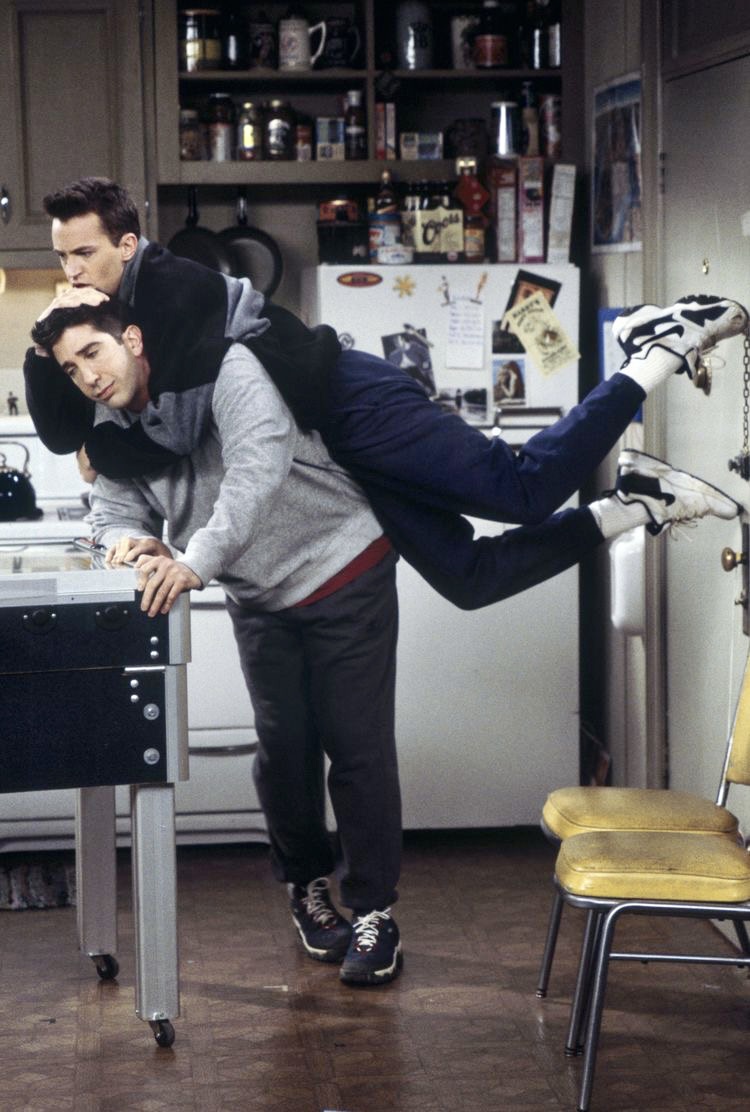
Some of the best delivery and physicality can be seen right here in the clip of the sitcom Friends.

Matthew Perry and David Schwimmer in FriendsMatthew Perry and David Schwimmer in Friends

Now, let’s get into it. Here are some tips on how to be a great comedic actor:

Be fearless.

Acting is a process of fearlessness. It’s about putting yourself out there, in the moment, and being present. When you’re fearless, you’re free to be your true self. You’re free to explore and experiment. You’re free to take risks. And when you take risks, you open yourself up to new possibilities.

So how do you become fearless? First, it’s important to understand that fear is normal. Everyone feels fear at some point in their lives. It’s what we do with that fear that matters. Second, it’s important to know that fear is not real. It’s just an emotion that we create in our minds. Third, it’s important to have faith in yourself. Believe that you can handle whatever comes your way. Fourth, it’s important to remember that you are not alone.

How to deliver a joke.

When it comes to acting, delivery is key — and that extends to jokes as well. Whether you’re a stand-up comedian or an actor in a comedy film, nailing the delivery of a joke can mean the difference between laughs and crickets. So how do you do it?

First, remember that timing is everything. If you rush your punchline or drag it out too long, the joke will fall flat. Second, keep your delivery casual and conversational – if you sound like you’re trying too hard, the audience won’t believe you. And third, make sure you commit to the joke 100%. If you look like you’re not confident in what you’re saying, the audience won’t be either.

Make fun of yourself.

If you want to be a comedian, one of the most important things you can learn is how to make fun of yourself. It sounds counter intuitive, but being able to laugh at yourself is actually a sign of confidence and self-awareness — two qualities that are essential for success in comedy.

1. Be honest about your flaws and weaknesses. The key to making fun of yourself is not to try and hide your shortcomings, but to embrace them. After all, everyone has them — it’s what makes us human. So be honest about your flaws and weaknesses, and don’t take yourself too seriously.

2. Use self-deprecating humor. A great way to make fun of yourself is to use self-deprecating humor. Use humor to defuse the situation. If you can laugh at yourself, others will likely follow suit.

3. Avoid using negative self-talk. For example, don’t say things like “I’m such an idiot” or “I can’t believe I did that.” Instead, focus on the positive and make a joke out of the situation.

4. Be careful not to overdo it. Making fun of yourself is one thing, but constantly putting yourself down is another. Find a happy medium and stick with it.

Watch this scene from the film Jexi. Adam Devine is self-deprecating and Wanda Sykes’ delivery is just beautiful.

Wanda Sykes and Adam Devine in Jexi 1

Wanda Sykes and Adam Devine in Jexi

(Self-deprecation is the act of reprimanding oneself by belittling, undervaluing, disparaging oneself, or being excessively modest. It can be used as a way to make complaints, express modesty, invoke optimal reactions or add humor. It may also be used as a way for individuals to appear more likable and agreeable – Wikipedia.)

Improvise.

In order to be a good improviser, you need to have quick wit, sharp observation skills, and the ability to think on your feet. Here are a few tips to help you get started:

1. Pay attention to your surroundings and the people you’re with. You never know when someone is going to say or do something that you can use as material for your act.

2. Be prepared with a few topics or ideas that you can fall back on if the conversation starts to lull. However, don’t be afraid to deviate from your prepared material if something better comes up.

3. Don’t be afraid to take risks — the more daring you are, the funnier you’ll likely be. But don’t force it — if something isn’t working, move on to something else.

Quick review:

1. Find your funny.
2. Be brave.
3. Be original.
4. Be committed.
5. Be yourself.

So get out there and start making people laugh!

Feature1

If you want to be a successful actor, there are a few things you need to master. First and foremost is your monologue. A monologue is a speech that is given by an individual, typically in a dramatic play. It can be any length, but ideally should be no shorter than 8 minutes and no longer than 20 minutes.There is definitely an art to monologuing.

There are a few tricks to capturing and holding the attention of an audience via a monologue. This means speaking without interruption, allowing the audience to get lost in your words. Another way is to use visual elements, like props or costumes, to draw attention to specific points you’re making. And finally, always be aware of your surroundings and make sure your speech flows naturally from one point to the next.

In order to give your monologue the best chance of success, there are some things you need to keep in mind.

Start by thinking about what type of monologue you want to perform.

There are many different types of monologues, so it’s important to choose one that will fit your personality and the scene you’re performing in.

There are three main types of monologues: exposition, argument and confession. Exposition monologues are used to introduce the characters, setting and plot of a play. Argument monologues are used to develop the characters’ arguments and motivations for their actions. Confession monologues are used to reveal the character’s thoughts and feelings about themselves and their circumstances.

Check out Viggo Mortensen’s The Lord of the Rings: The Return of the King – Aragorn’s Battle Speech Monologue

Find a character who embodies that type of monologue. This could be a historical figure, a famous author, or even something fictionalized (like a superhero).

Finding the right character to embody a monologue can be a challenging task for any actor. However, with a little bit of research and preparation, you can find the perfect persona to help carry your speech.

One way to find the perfect character is to look at the speech as if it were written specifically for that person. This means taking into account their tone of voice, body language, and even personal habits. Once you have a general idea of who the character is, you can begin your search for an actor who closely resembles them.

You can also choose to use casting agents or agencies that specialize in finding unique and interesting characters for roles. These professionals will be able to help you find someone who is perfect for your desired role.

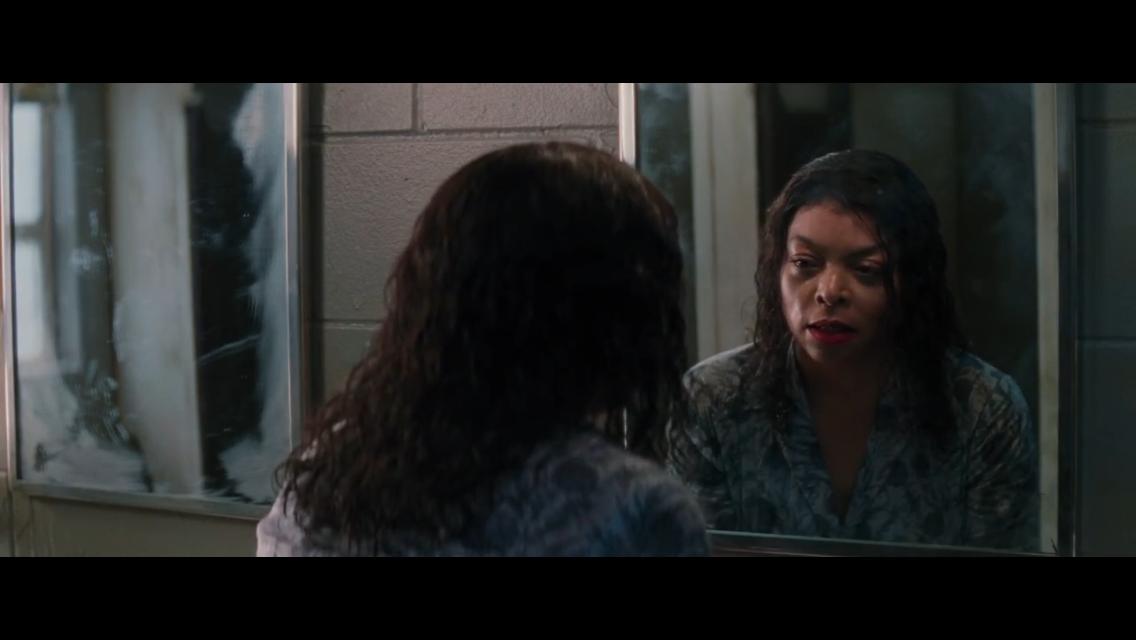
Taraji P. HensonWatch Taraji P. Henson’s Monologue in the 2016 Oscar-nominated film Hidden Figures – To the Bathroom

Think about what that character would say or do in a given situation.

In any given situation, a character would likely say or do something based on their personality and actions taken in the past. In some cases, this might mean simply reacting to the current situation. Other times, it might mean taking action based on what they believe is best for themselves or others. Regardless of the specifics, each scene is full of potential dialogue and interaction between characters.

Here are some examples:

A character who is typically calm and collected might become upset and frustrated when their plans are disrupted. They might lash out at those responsible or try to take matters into their own hands.

A pacifist would likely refuse to fight when attacked, even if it means being captured or killed. They may try to convince their attackers to spare them or escape.

A self-righteous bully would likely be outraged when challenged or confronted by someone weaker than them.

Practice your lines out loud before performances.

It’s important to practice your lines out loud before performances in order to ensure that you sound authentic. By doing so, you’ll not only feel more confident on stage, but also improve your overall acting skills. Additionally, by rehearsing your lines in front of a mirror or another person who will critique your performance, you’ll be able to identify any errors or problems early on and correct them.

Use your performance as a tool for improvisation and discovery.

Improvisation can be a tool for acting and discovery. The process of improvisation is to create scenes, characters, and conversations spontaneously on the spot. This allows actors to explore their own thoughts and feelings, as well as those of their character. It also allows them to test out different ideas and find new ways to approach a scene.

This process can be used in many areas of life. For example, it can help you think more creatively when problem solving or when trying to come up with new ideas. Improvisation can also help you learn new things quickly. For example, if you are studying for an exam, you can use improvisation to practice answering questions without knowing the answers in advance.

The key is not to get too bogged down in the details of each improvisation session.

*****

As an actor, it is important to have a repertoire of great monologues. This can be anything from speeches in a play to a personal confession.

JackNicholsonSee Jack Nicholson’s Monologue in A Few Good Men – You Can’t Handle the Truth

Here are tips on how to find and perfect your own great monologue:

1. START by clicking on DirectSubmit from NYCastings Monologue section. Here you will find a myriad of different monologues for all types of people and ages.

If you’re a teen, you can find even more monologues by clicking HERE.

2. Find something that you are passionate about. This will foster the need and want to perform your monologue well. When you are invested in what you are saying, it will show on stage.

3. Get feedback from others who know what they are talking about. Ask friends or family if they have any suggestions for good monologues or speeches you could use as models.

4. Read as much as possible about different types of monologues and speeches. This will give you a better understanding of the structure and how best to deliver your message.

Monologues provide an excellent opportunity to entertain an audience. By using satire and humor, you can keep them engaged and interested. Additionally, by varying your delivery, you can make each monologue unique and memorable. As a performer, use these tips to keep your audience entertained and coming back for more!

Feature5

Being a parent is hard enough, but when your kid wants to be an actor, it can be even harder. You don’t have the time to take them to auditions or help them with their lines.

Well, you may as well give in right now because you’re going to lose. Every time. Yep. Just being honest here!

The child who nags until they get what they want is very frustrating for parents. The problem is, these children are often very successful in getting what they want. Am I right, or am I right?

Whether it’s a new toy, a bigger role in the school play or more screen time on their video games console, these kids know how to use their persistence to their advantage. And while it may be annoying, there’s no denying that it works.

So what can you do if you’re dealing with a child who nags until you say yes to acting? The best thing to do is to try to stay calm and focused on your goal, which is to help your child achieve their goal without busting up your routine.

Here are a few tips on how to juggle your child’s acting aspirations with your busy schedule:

It’s important to talk to your child about their goals and what they hope to achieve by becoming an actor. This will help you better understand their passion and why they want to pursue acting. It’s also important to find out if they’re willing to work hard and make sacrifices in order to achieve their dream.

As a parent of a child performer, it’s important to talk to your kid about their acting goals. This can help you better understand their passion for acting and also set appropriate expectations for their career. Here are a few things to keep in mind when having this conversation:

– Inquire about why they want to act. Is it something they’ve always been interested in or did they just see a movie that sparked their interest? It’s important to know the motivations behind their desire to act so you can gauge how serious they are about it.

– Ask about what kind of roles they’re interested in pursuing. If they’re only interested in major Hollywood productions, explain that it’s a long shot but encourage them to audition for smaller local productions as well. It’s important to get experience anywhere you can.

Make sure your child is aware of your scheduling constraints. It’s important that they understand that you may not be able to drop everything at a moment’s notice to take them to an audition or rehearsal.

time managementAs a working parent, it is important to be up front with your child about your scheduling constraints. Here are some tips to help you navigate this conversation:

– Explain to your child why it is important for you to work. Emphasize that you need to work in order to provide for the family.

– Let your child know what your schedule looks like. Be specific about the days and times you will be working.

– Discuss with your child how they will be affected by your work schedule. For example, if you will be working late nights, explain how this will impact bedtime routines.

– Talk about ways to manage schedules so that everyone is still able to spend time together as a family. This may include making time for weekend activities or planning regular check-ins during the week.

Work with your kid to create a schedule that works for both of you. This way, you can still have time for your other commitments while also supporting your child’s dream.

– Talk to your child about their availability. Find out when they have free time and what their commitments are.

– Be flexible where you can. If something comes up that changes your schedule, try to work with your child to accommodate the change.

-. Make sure both of you are happy with the schedule. This is important for making sure that the time you spend together is quality time.

Use resources like online classes or acting camps to help your kid learn more about the craft.

These types of resources can help your child learn more about the craft of acting and give them a chance to practice their skills. In addition, online classes and acting camps can also provide your child with a supportive community of other young actors. With the right resources, your child can achieve their goals and reach their full potential as an actor.

Pretty asian child left handed while doing a coloring activity wPlan ahead as much as possible. If you know your child has an audition coming up, try to clear your schedule in advance so you can be there for them.

This means having your child’s headshots and resumes ready, as well as keeping track of upcoming casting calls. I found that it’s best to keep an “audition” bag packed with the headshots and resumes, snacks, some changes of clothes and a couple of fun things to keep your child occupied in the waiting room, such as coloring books, mazes or math books.

You should also be prepared to help your child memorize lines and blocking. It is also helpful to have someone on standby in case you have other children who need to stay home, as most auditions will specifically state no siblings allowed.

Planning ahead will help ensure that your child is ready for any opportunity that comes their way.

Your kid has an audition but you can’t go.

Being a parent of a child actor has its challenges, especially when it comes to last minute auditions. If you can’t be there for your child’s audition, here are a few things you can do to help them prepare.

– Have a go-to chaperone with your child during their audition can help with time management and keeping them on track. This can be anyone from a grandparent, friend or trusted neighbor.

A chaperone can help keep your child focused and on track during their audition. They can make sure your child is where they need to be and when they need to be there. This can free up your time to take care of other things, like work or taking care of other children.

Having a chaperone with your child during their audition can give you peace of mind knowing that someone else is there to help out. You can focus on other things and know that your child is in good hands.

When my children were younger, I remember seeing other kids coming into auditions with their nannies.

– It’s important to have a calm and positive attitude with your child. They may be nervous about the audition and your energy will play a big role in their performance.

– Make sure they are well-rested and have eaten a healthy meal before the audition.

– Go over the material with them one last time and give them any final notes.

– Trust that they have prepared enough and let them go to the audition confidently.

Child acting can be a great opportunity for kids to explore their creativity and grow as individuals. With a little bit of planning and time management, you can make it work!

Feature

Time is ticking! As the calendar year nears a close, the entertainment industry begins to ramp up its releases in an effort to create a “fourth quarter frenzy.” This is the time of year when studios start to release their big budget films and award-winning documentaries in the hopes of attracting Oscar buzz. Additionally, television networks air new episodes of their most popular shows and music labels release holiday albums. It’s a busy and exciting time for show business!

3534125_clockClick to see the upcoming TV Premiere Dates.

Click to see the upcoming Film Premiere Dates.

Click to see the upcoming Broadway Show Dates.

When Thanksgiving (in the United States) and the December holidays roll around, show business undergoes a metamorphosis of sorts. Theaters go dark on certain days and television and film production shuts down.

For actors, the fourth quarter is make-or-break time. The pressure is definitely on and you have to be at your absolute best — mentally and physically. There’s no room for error. Actors need to be prepared for anything no matter what time of year, but in the last three months of the year, your goal is to secure a job for the new year. You might get a call to audition for a role that you’re totally wrong for or you might have to go out on dozens of auditions before finally landing a role. It’s all part of the game.

How do actors make a living during the holiday shutdown?

You need to set yourself up for the new year by preparing for the fourth quarter holiday season. This is the time when you audition for holiday-themed shows and movies, and start to learn your lines. You also start to promote their upcoming projects and attend holiday parties.

What?! Attend parties? I don’t have time for holiday parties.”

No? Well guess what? Good old fashioned word of mouth helps keep you in the spotlight, even if you’re not working. To create a buzz for yourself, you need to network with the right people and get your name out there.

Another way to do this is to get involved in independent films or web series. These projects are often easier to get into and can be a great way to build your acting portfolio. Plus, if the project is successful, you’ll get some good exposure. So even though the big studios are shut down, you still have an opportunity to work on your acting chops with indies and web series.

But I want a break!

Okay, then. :)

During the holiday season, many actors take a break from filming and auditioning to spend time with their families. Some use the time to volunteer or participate in charity events.

Many actors also use the holiday season as an opportunity to catch up on sleep and relaxation. With the hectic schedules that we keep, the holidays are often one of the only times that we can get a chance to recharge our batteries.

But even though you may be taking a break from work, you still have to stay in shape and keep your vocal chords warmed up. Most actors will still attend acting classes and workshops during the holiday season, as well as make sure to do some type of physical activity every day.

sleeping on couchRecharge but not for too long.

Show business is a tough business. It’s hard work and long hours. And it’s not just the actors who have to put in the work. The crew, the writers, and everyone else who works on a show have to be dedicated and committed to their craft.

There are a lot of people who want to be actors, and only a few who actually make it. Those who do make it have to be talented, hard-working and sometimes lucky.

For every actor who makes it big, there are hundreds who don’t. So of course, you want to recharge during the holiday season, but if you take a break for too long, other hungry-for-work actors are more than happy to take your place.

Taking a rest from work can be the death of your career so it’s important to make sure you don’t take too long of a break. Here’s why:

1. You might lose your edge. If you take too much time off, you might not be as sharp when it comes to your craft. It’s important to keep up with your skills so that you can be ready to jump back into work when the opportunity arises.

2. You could miss out on opportunities. The industry is always changing and if you’re not working, you might miss out on some great opportunities. It’s important to stay in the game so that you don’t miss your chance at success.

3. You might get rusty. If you take too much time off, it’s easy to get rusty and out of practice.

The fourth quarter is a crucial time for you as an actor and show business in general. A lot of money is made during this time and it is important to take advantage of it. You should make sure you are prepared and have a plan to make the most of this quarter.

Luke and Laura's Wedding on General Hospital

Nothing tells a better story than infatuation. Usually infatuation is very intense and short-lived, however, there really isn’t any rule set for how long infatuation can last. Oftentimes, infatuation can be borderline creepy, even considered something called “obsessive love” which could lead to stalking, or even worse.

Actors who portray infatuation can really have a lot of fun because there are so many variables.

The Brady Bunch MovieThe character on the receiving end may or may not want to be with the other character:

How often do we see this? Very often. Apparently there are gazillions of ways to tell this story. You’ll see a character, usually a male, pining after the female character and she just brushes him off. Or, if you want to take it two steps further, in The Brady Bunch Movie, you have the girl who is interested in Marcia Brady (Christine Taylor) but Marcia doesn’t even realize the girl is after her!

The receiving end character does want to be with them but there’s an obstacle in the way:

Many people have experienced being in love with someone they cannot be with. There can be many reasons for this including different lifestyles, family expectations, or personal circumstances. It can be a very difficult and painful experience to be in love with someone you cannot be with. Often times people will try to deny their feelings or push them away, but they can be very hard to ignore.

The character that’s infatuated decides they are no longer interested after finally getting to meet the other character:

Infatuation is one of the most intense emotions that a person can experience. It is all-consuming, and can often make a person feel like they are living in a dream. However, infatuation is not always permanent. Sometimes, the feelings of infatuation will fade, and the person will no longer be interested in the other person. This can be difficult to deal with, as it can feel like you are losing something that was once so important to you. However, it is important to remember that this is a natural process, and there is nothing wrong with feeling this way. Eventually, you will move on from the other person and find someone who is better suited for you.

The two characters hate each other but end up together:

Though they can’t stand each other, these two characters are drawn to each other by an undeniable force. Their mutual hatred is only matched by the infatuation they feel, and the tension between them is electric. Will they ever be able to get past their differences and admit their feelings?

So juicy, right? With infatuation, the relationship can be one-sided, double-sided or no-sided!

We’re going to go old school here so you can learn from some of the greatest storylines.

General Hospital

Infatuation is characterized by intense emotions, infatuated love and physical attraction. For Luke and Laura Spencer on the ABC daytime drama General Hospital, their infatuation quickly turned into one of the most popular couples in soap opera history.

The actors who portray Luke and Laura, Anthony Geary and Genie Francis, have undeniable chemistry on-screen. Their characters’ story is one of star-crossed lovers who can’t stay away from each other no matter how hard they try. From their first meeting to their recent reunion, Luke and Laura’s relationship has been a roller coaster ride of passion, heartache and hope.

On the audience side, Luke and Laura’s storyline was so powerful that even today, their characters remain on the show (off and on, you know how it is) and everyone is still talking about their 1981 wedding.

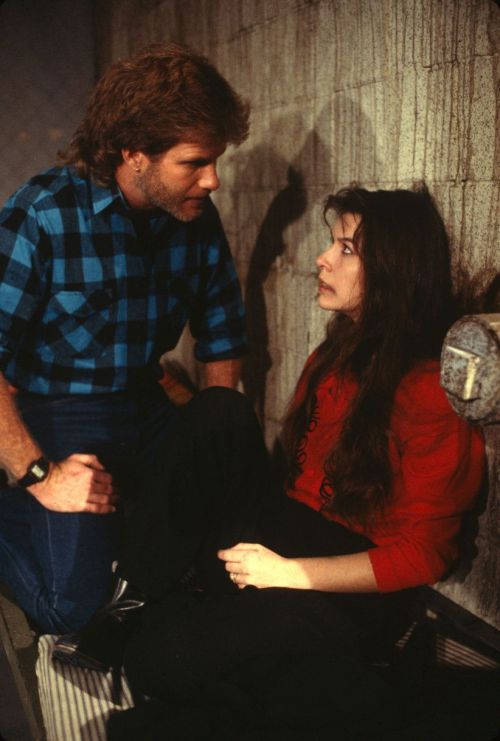
Anna Devane (Finola Hughes) being held hostage by Grant Putnam (Brian Patrick Clarke)Another example from General Hospital is Grant Putnam and Celia Quartermaine. Anyone remember this? This storyline was so complex, I can’t even delve into it here, but the gist of it is that Grant became obsessed, and I mean obsessed, with Celia. There was kidnapping involved with Anna Devane. And let’s not forget about the Aztec treasure and Sean Donely.

GH fans, let’s get a discussion going at DirectSubmit / NYCastings about old school infatuation on General Hospital.

Fatal Attraction – 1987

Writer James Dearden’s Fatal Attraction took the audience by surprise. Starring Michael Douglas, Glenn Close and Anne Archer, this film, directed by Adrian Lyne, still gets under the viewers’ skin.

Many people have experienced infatuation, or being head-over-heels in love with someone who they may not even know that well. In the film, a successful lawyer named Dan falls for a woman named Alex, who he had a one-night stand with. Even though Dan is in a happy relationship, he can’t get Alex out of his head.

Alex begins to stalk Dan and his family, going so far as to boil his daughter’s pet rabbit. She becomes obsessed with him, which ultimately leads to her downfall. While Fatal Attraction may be an extreme example, it highlights how dangerous infatuation can be. When we become too focused on another person, we can lose sight of what’s important to us and make some very poor decisions.

Watch the Fatal Attraction trailer.

Dirty Dancing – 1987

Yes, I’m going here. The infatuation between characters Johnny Castle (Patrick Swayze) and Baby (Jennifer Grey) is undeniable.

But the audience was also infatuated! There was something about Johnny Castle’s smoldering good looks and bad boy attitude that made viewers’ hearts flutter.

Nearly every girl in the movie was head over heels for Johnny. Baby was no exception. She may have been initially attracted to him because he was a bit of a rebel, but she quickly fell hard for his charm and good looks.

It’s easy to see why so many women were drawn to Johnny Castle. He was the perfect mix of bad boy and gentleman. He could dance like no one else and he always had a twinkle in his eye. It’s no wonder Baby couldn’t resist him.

Let us know if you’ve NEVER seen Dirty Dancing. Please.

Actors must be able to convincingly portray infatuation on screen. This is no easy feat, as infatuation is often accompanied by behaviors that are not considered socially acceptable. However, when done well, viewers can suspend their disbelief and become fully invested in the story. As such, actors must be skilled in both physical and emotional acting in order to portray infatuation in a way that is believable and relatable.

Johnny Depp in Pirates of the Caribbean: The Curse of the Black Pearl. Photo by Bueno Vista Pictures.

Characters are the lifeblood of any story. They provide the reader with someone to root for, or against. They are the ones that drive the plot forward and without them, there would be no story. So what goes into creating a perfect character?

There is no one answer to this question as every actor and writer will have their own unique take on what makes a character perfect. However, there are some key elements that should be considered when creating any character.

One of the most important aspects of any character is their motivation. What drives them to do what they do? This can be something as simple as wanting to find a lost toy or save the world from destruction. Without a motivation, a character is simply going through the motions and is not truly driving the story forward.

Another important aspect to consider is how well-rounded your character is.

In every story, there is a character that stands out above the rest. This character is usually the protagonist, and is often deemed the “perfect” character. However, what makes a perfect character? Is it their heroic deeds? Or is it something more? The protagonist, or hero, is the one who battles against the antagonist and tries to solve the conflict. Often times, this character is “perfect” in some way.

There are many different types of characters that can be found on screen and stage. However, I don’t think there is such a thing as the perfect character. This is because every character has flaws and imperfections. However, that is what makes them interesting and relatable to readers. While there may not be a perfect character, there are certain qualities that make a character well-rounded and believable. So for purposes of this article, below are tips to create the “perfect” character.

How to create the perfect character:

When it comes to creating the perfect character, there are a few things you need to take into account. First and foremost, you need to figure out what kind of person your character is. Are they outgoing or introverted? Do they like to be in the spotlight or do they prefer to stay in the background? Once you have a good understanding of your character’s personality, you can start to flesh out their appearance. What do they look like? What kind of clothes do they wear?

1. A perfect character is someone who is always in control of their emotions and never lets them get the best of them. They are level-headed and always think before they speak or act.

2. Perfect characters are also honest and have integrity. They would never do anything to jeopardize their relationships or their own personal values.

3. Perfect characters are always respectful and treat others the way they want to be treated. They are never rude or judgmental and always try to see things from another person’s perspective.

Sounds a little boring to me. So what’s so important about playing the perfect character?

Actors are often drawn to the idea of playing the perfect character, right? There are a few reasons why this might be the case. First, actors often want to play parts that challenge them and that they can really sink their teeth into. A perfect character is usually complex and well-rounded, offering ample opportunity for an actor to explore different aspects of their craft. Additionally, playing a perfect character allows an actor to flex their creative muscles and show off their range. Finally, audiences tend to respond well to seeing perfection on screen, which can lead to increased popularity and success for the actor.

On the flip side…

This whole time I was talking about the perfect character, but what about an actor who plays the character perfectly? Hmmm…!

In every movie or TV show, there is that one actor who just seems to fit their character perfectly. They become the person they are playing and make it seem so effortless. Here are some of those actors who played the perfect character.

Johnny Depp as Jack Sparrow in Pirates of the Caribbean is probably one of the most iconic characters in recent memory. He completely transformed into Jack, giving him all the quirks and mannerisms that we love. It’s hard to imagine anyone else playing that role.

Jennifer Lawrence in The Hunger Games Lionsgate

Jennifer Lawrence in The Hunger Games. Ⓒ Lionsgate

Another great example is Jennifer Lawrence as Katniss Everdeen in The Hunger Games. She was able to convincingly portray a strong and determined young woman who was fighting for her life. She was able to capture both the physical and emotional strength that Katniss possessed.

Tom Hiddleston in The Avengers. Photo © 2011 MVLFFLLC and Marvel

Tom Hiddleston in The Avengers. Photo © 2011 MVLFFLLC and Marvel

Finally, we have Tom Hiddleston as Loki in The Avengers movies.

A little bit about writing a character:

When creating a character, writers must consider many factors. First, they must decide what the character’s role will be in the story. The character’s role will determine their personality and motivation. Next, writers must choose what the character looks like. They must decide on the character’s age, height, weight, hair color, etc. All of these details will help readers visualize the character and make them feel more real. Finally, writers must give the character a name. The name should fit the character’s personality and be easy for readers to remember. By taking all of these factors into consideration, writers can create a well-rounded and believable character that will captivate readers.

Following the a simple steps will help you create the perfect character for your story. Keep in mind that your character should be someone that your readers can root for, and someone who embodies the traits of your story’s genre. With a little bit of planning and a lot of creativity, you’ll be well on your way to creating an unforgettable character that will make your story shine. Now get to it!

Be Persistent and Dedicated to Achieve Your Goals

Most people think that in order to be an actor, all you need is good looks and talent. However, the truth is that it takes a lot more than that to be successful in this industry. In addition to natural talent, actors need to have persistence and determination if they want to make it big.

In order to find the dedication needed to stick with their dreams, many actors have to do a lot of self-reflection. They need to be honest with themselves about why they want to act and what they’re willing to sacrifice in order to make it happen. Once they have a clear understanding of their goals, they can start working on finding the persistence needed to see them through. This often means making a lot of sacrifices and putting in long hours of hard work, but it will all be worth it in the end when they finally achieve their dreams.

Without these two qualities – persistence and dedication — even the most talented actors will struggle to find success. Thankfully, there are many resources available to help aspiring actors develop these essential skills.

1. Set realistic goals and don’t give up when you don’t immediately achieve them. It takes time, hard work and talent to make it as an actor, so don’t get discouraged if you don’t book that commercial or land that lead role right away. Keep going and eventually you’ll get where you want to be.

2. Be willing to put in the extra work. If you’re not naturally gifted with acting chops, that’s okay — determination and willingness to learn can take you a long way.

Those who have made it big in Hollywood often attribute their success to persistence and determination. For example, actress Viola Davis began her career with small roles in independent films before eventually landing a starring role on ABC’s hit show How to Get Away with Murder. She credits her success to always staying true to herself and never giving up on her dreams.

Leonardo DiCaprioAnother example is Leonardo DiCaprio. Before he became one of the most sought-after actors in Hollywood, DiCaprio had to overcome many obstacles. He started out acting in commercials and small television roles before landing his big break in the movie Titanic. Check out Leo in a 1980’s Bubble Yum commercial!

Becoming a successful actor is not just about memorizing lines and hitting your mark; it’s about creating a believable, three-dimensional character that the audience can invest in. And that takes time, effort and a whole lot of work.

The best actors are always studying, always working on their craft. They’re constantly looking for new ways to challenge themselves and grow as artists. And even when they’re not working, they’re still thinking about their craft and how they can improve.

Here are some ideas to help you remain dedicated and persistent:

How to find the right training:

Actors are often advised to get training to improve their craft. But with so many options out there, it can be difficult to know where to start. How can you find the right training for actors?

Here are a few things to keep in mind:

1. There is no one-size-fits-all approach to actor training. Everyone has different needs and goals, so you need to find a program that fits your specific needs.

2. Don’t just go for the cheapest or most popular option. Do your research and make sure you’re getting quality training from experienced professionals.

3. Make sure the program offers plenty of opportunities for feedback and constructive criticism. You need to be able to learn and grow from your mistakes in order to improve as an actor.

How to get experience:

1. In order to become a successful actor, it is important to get experience in the field. One way to do this is to audition for roles, even if they are small or unpaid.

2. Another way to gain experience is by working behind the scenes on film sets or theater productions. Actors can also create their own opportunities by writing, directing and producing their own work. By taking initiative and being proactive, actors can increase their chances of success in the competitive world of acting.

How to make industry connections:

Actors have to hustle harder than anyone in order to make it in show business. They not only have to be talented and marketable, but they also have to be well-connected. Here are some tips on how actors can make industry connections:

1. Attend industry events. There are many events throughout the year that are specifically for actors, such as film festivals and award shows. Attend as many of these as possible to rub elbows with other actors and industry professionals.

2. Get a job in the industry. Even if it’s not acting, any job in the business will give you the opportunity to meet people who can help further your career. For example, working as a production assistant or extras coordinator will let you meet casting directors and other key players in the industry.

How to stand out from the crowd:

In a sea of actors, it can be difficult to stand out. However, there are a few things that actors can do to make themselves more visible and improve their chances of being noticed.

1. Make oneself more visible is by creating a strong online presence. Having an active social media presence can help actors connect with potential fans and followers. Additionally, maintaining a website or blog can also help actors showcase their work and attract attention from industry professionals.

2. An actor should always be prepared for auditions and opportunities.

How to keep your career going:

As an actor, your career is always going to be subject to change. One minute you could be the hot new commodity and the next you could be out of work. It’s a tough business, but there are ways to keep your career going.

1. You need to be prepared for anything and everything. You never know when an opportunity is going to present itself, so you need to be ready at all times. That means being in shape, keeping up with your acting classes, and being well-versed in a variety of genres and styles.

2. You need to have a good attitude. No matter how big or small the role is that you’re playing, give it your all. Be professional on set, even if it’s just a background gig. You never know who’s watching and who might remember you for future roles.

Acting is not an easy life, but it’s one that comes with a lot of rewards. If you’re dedicated and persistent, you can achieve anything you set your mind to in this business.

A positive attitude makes all the difference. Shot of a group of businesspeople showing thumbs up.

In the competitive world of acting, having a good attitude and work ethic can be the difference between getting a callback and being forgettable.

Actors who are passionate about their craft and have a strong work ethic are usually the ones who book the job. They understand that success in this industry doesn’t come overnight and are willing to put in the long hours to make their dreams a reality.

It’s not just about working hard though, having a positive attitude is also key. Actors who are upbeat and easy to work with are more likely to get hired than those with a negative or entitled attitude.

The good news is that attitude and work ethic can be learned. If you’re willing to put in the hard work, you can develop the right mindset for a successful career in acting.

workethicHere are a few things to keep in mind:

1. A positive attitude is essential. Believe in yourself and your abilities, and don’t let anyone else tell you what you can or can’t do.

A positive attitude is something that an actor can bring to auditions, rehearsals and performances. It is a state of mind that allows an actor to be open to new ideas, be coachable and be willing to work hard. A positive attitude also allows an actor to be flexible and adaptable. Actors who have a positive attitude are typically more successful than those who do not.

2. Work ethic is key. The more effort you put into honing your craft, the better your chances of success will be.

A strong work ethic instills confidence in those around you that you will do your job to the best of your ability and not slack off. This is essential for actors who often have to work long hours on set and need to be able to rely on their fellow cast and crew members.

It also shows respect for the craft and for those who have hired you. Having a strong work ethic demonstrates that you take your job seriously and are grateful for the opportunity to be working in such a prestigious industry.

3. Be willing to take risks. Sometimes it takes taking a chance on something new to really breakthrough and find success.

In today’s society, it seems that people are more willing to take risks. This is especially true for actors. They are willing to put themselves out there and take risks that most people would never dream of taking. This willingness to take risks has led to some great performances and some not so great ones. But, it is this willingness to take risks that makes actors so interesting to watch.

What NOT to do:

1. Actors are supposed to be professional. But sometimes, they let their bad attitudes show. It’s not uncommon for actors to have diva-like behavior. After all, they are the stars of the show. But sometimes, their egos get the best of them and they act like complete jerks.

There have been many instances of actors behaving badly on set or in public. Sometimes, it’s just a case of them being tired or cranky. But other times, it seems like they’re just plain mean.

Whatever the reason, it’s always disappointing when an actor lets their bad attitude show.

2. Actors are supposed to be professional. But sometimes, they let their personal issues get in the way of their work. Here are four actors with bad work ethic, as noted in the press:

a) Lea Michele, who steps into the shoes of Fanny Brice on Broadway’s Funny Girl, has had several Glee cast members talk about how terrible it was to work with her.

b) Shia LaBeouf was arrested for public intoxication while filming a movie in Georgia. He has also been arrested for disorderly conduct and trespassing. In 2014, he was fired from a Broadway play for his disruptive behavior.

c) Lindsay Lohan has had several run-ins with the law and has been to rehab multiple times. She has also missed several days of work on movie sets. In 2012, she was even fired from a movie because she missed too many days of filming.

d) Amanda Bynes has had several mental health issues in recent years. She was fired from her last movie because she showed up late to work and then left early one day.

3. In a world where jobs are increasingly scarce, actors are afraid to take risks. They would rather stick to roles that are safe and secure, rather than take a chance on something new. This is understandable, of course — no one wants to end up unemployed. But it does mean that many actors are missing out on opportunities to stretch themselves and grow as artists.

It’s not just unknown actors who are afraid to take risks. Even established stars can be reluctant to step outside their comfort zones. A-list celebrities have a lot riding on their careers, and they can’t afford to make a wrong move. So they often stick to the same type of role, even if it’s not really challenging them anymore. Does this sound like Tom Cruise?

It’s a shame that so many actors are afraid to take risks. After all, isn’t that what acting is all about?

*****

So, if you want to improve your career, you need to start with improving your attitude and work ethic. Make a commitment to be the best that you can be, and don’t let anything stand in your way. With hard work and dedication, you can achieve anything you set your mind to. So get out there and show the world what you’re made of!

Feature

It is no secret that the life of an actor can be filled with procrastination, anxiety, fear and regret.

One of the most difficult things about being an actor is dealing with these feelings. Fear can be paralyzing and prevent you from even auditioning for roles. Anxiety can cause you to second-guess your choices and wonder if you’re good enough. Regret can haunt you if you didn’t get a role or didn’t take a risk. And procrastination can keep you from taking the necessary steps to further your career.

But what is the psychology behind these emotions?

Psychology is critical to understanding human behavior. It can explain why we act the way we do and how to change our behavior. In this article, we will explore the psychology behind procrastination, anxiety, fear, and regret for actors. We will see how these psychological concepts can help actors understand their behavior and make better choices.

PROCRASTINATION

Actors are often lauded for their ability to completely immerse themselves in a role. They become the character they are playing, with all of the associated mannerisms and emotions. This level of commitment is admirable, but it also requires a great deal of focus and concentration. So what happens when an actor is suddenly faced with an extended period of downtime between projects?

For many actors, the answer is simple: they procrastinate.

The psychology behind this behavior is interesting. Procrastination is often seen as a negative trait, but it can actually be beneficial in certain situations. When an actor has some time off, they may feel like they need to take advantage of every minute and make the most of it. However, this can lead to feelings of anxiety and stress.

Tips to overcome procrastination:

  • Make a plan
  • Set small goals
  • Put it in perspective
  • Reward yourself

Bonus Read: Top 10 Most Famous Procrastinators in the World includes the Dalai Lama, Bill Clinton, Leonardo Di Vinci and Margaret Atwood.

Sometimes anxiety gets the best of her. a young businesswoman biting her nails while talking on a phone in an office.ANXIETY

Anxiety disorders are the most common mental illness in the U.S., affecting 40 million adults. That’s 18% of the population. Anxiety disorders are also the most common mental illness among actors. So what is it about this profession that makes people so prone to anxiety?

There are a few theories. One is that anxiety is simply a byproduct of success. When you’re constantly in the public eye and your livelihood depends on your popularity, it’s natural to worry about things like being liked or getting good reviews.

Another theory is that acting itself can trigger anxiety. Many actors have to deal with intense emotions on a daily basis, which can be draining both mentally and physically. And since acting often requires you to put yourself in uncomfortable or dangerous situations, it’s not surprising that some people would start to feel anxious about it.

Tips to overcome anxiety:

  • Identify your triggers
  • Avoidance is not the answer
  • Understand your anxiety
  • Challenge your thinking
  • Relaxation techniques
  • Seek professional help

Bonus Read: Stars Who Have Opened Up About Dealing With Anxiety includes Ryan Reynolds, Lena Dunham, Ariana Grande, Chrissy Teigen, John Green, Emma Stone and Hugh Grant.

FEAR

When it comes to fear, actors are experts. They know how to tap into our deepest fears and play on them for the sake of entertainment. But what is the psychology behind fear? How do actors use our own fears against us?

According to Dr. Katherine Ramsland, author of Psychology of Fear, there are three main types of fear: primal, social, and self-preservation. Primal fear is our most basic instinct, and it is hardwired into our brains. It is the fear of things that can cause us physical harm, like snakes or heights. Social fear is the fear of things that can cause us embarrassment or shame, like public speaking or rejection. Self-preservation fear is the fear of things that can threaten our safety or security, like crime or accidents.


Actors know how to exploit all three types of fear.

Tips to overcome fear:

  • Stop being afraid of failure
  • Face your fears
  • Control your fear
  • Use fear to your advantage
  • Take small steps
  • Build up your confidence
  • Find your support system

Bonus Read: 10 Actors Who Have Weird Fears and Phobias includes Scarlett Johansson, Robert Pattinson, Oprah Winfrey, Nicole Kidman, Helen Mirren, Tyra Banks, Channing Tatum and Christina Ricci.

Calm spiritual handsome African guy praying. Serious peaceful young man with joining hands meditating. Belief conceptREGRET

Why do people regret? Is it the fear of what could have been? The what ifs that plague our minds? Or is it something deeper, more psychological?

According to a recent study, there are three main types of regret: self-blame, other-blame, and no-blame. Self-blame regrets are when we blame ourselves for something bad that happened. Other-blame regrets are when we blame someone else for something bad that happened. And no-blame regrets are when we don’t blame anyone at all, we just regret the outcome.

So why do we have these different types of regret? The study found that self-blame and other-blame regrets are usually caused by a lack of control. We feel like we could have done something to prevent the bad outcome if only we had made a different choice.

The psychology of anxiety, fear and regret is an important topic for actors to consider. By understanding these concepts, you can better prepare yourself for the challenges you may face on and off the stage and screen. With this knowledge, you can also find ways to overcome your fears and anxieties and ultimately become more successful in your careers.

Tips to overcome regret:

  • Stop dwelling on the past
  • Make peace with your mistakes
  • Let go of what’s holding you back
  • Use your regrets as motivation
  • Become a better person because of your regrets

Bonus Read: 27 Actors Who Have Major Regrets About Certain Roles They’ve Played includes Sandra Bullock, Gwyneth Paltrow, Zoe Saldaña, John Boyega, Jennette McCurdy, Halle Berry, Blake Lively, Evangeline Lilly, Viola Davis, Zac Efron and Christian Bale.

Actors must deal with fear, anxiety and regret on a regular basis. You have to be able to control these emotions in order to give a successful performance. While it is not always easy, it is something that you have to learn to do.

Here’s how I overcome all of the above — I pretend I’m a character that doesn’t have fear, anxiety, regret and who doesn’t procrastinate. So I’m literally playing a character that rolls over into real life. If I can do it… you know the rest :)

feature

The importance of confidence for actors cannot be understated. A lack of confidence can be crippling for an actor, leading to a performance that falls flat. Conversely, a confident actor is able to command the stage and deliver a powerful performance. In order to be successful, actors must have confidence in their ability to engage and entertain an audience. Without confidence, an actor is likely to fail to connect with the audience and deliver a lackluster performance.

A lack of confidence can also make an actor seem insecure or nervous, which can be off-putting for the audience. It is important for actors to remember that the audience wants to see them succeed, so they should try to project confidence even if they don’t feel it. If an actor can fake it until they make it, eventually the confidence will become real.

Gaining confidence as an actor can be difficult, but there are a few things that can help. First of all, it’s important to remember that everyone feels insecure at times and that’s okay. Second, try to focus on the present moment and not on what may happen in the future. Lastly, don’t compare yourself to other actors — instead, focus on your own unique strengths and weaknesses. With these tips in mind, gaining confidence as an actor is definitely possible.

Below is a breakdown of different ways to gain confidence as an actor.

How to feel comfortable on stage:

For many actors, being on stage is second nature. But for some, the thought of performing in front of an audience can be downright terrifying. If you’re one of those actors who gets nervous before a show, there are a few things you can do to help calm your nerves and feel more comfortable on stage.

First, it’s important to remember that most actors get nervous before a performance. Even the most seasoned actors have butterflies in their stomachs before they go on stage. Accepting that feeling of nerves is normal can help you feel less anxious about it.

Second, try to focus on the positive aspects of being on stage. Instead of thinking about all the things that could go wrong, focus on the fact that you get to share your talent with an audience and bring them joy.

Finally, don’t forget to breathe!

Tips for building confidence for auditions:

Acting is a notoriously difficult profession to break into. Competition is high, and the industry can be very tough on actors who don’t have the right look or aren’t confident in their abilities. If you’re an actor who’s looking to build confidence for your next audition, here are some tips that can help you out.

First, remember that you’re not alone. Every actor goes through nerves and self-doubt before an audition. The key is to focus on the positive and think about all of the great things that have happened in your career so far.

Second, it’s important to be prepared. If you know your material inside and out, you’ll be able to focus on the performance rather than thinking about what you should be saying next.

Ways to become more confident in front of the camera:

As an actor, it is essential to be confident in front of the camera. Here are a few ways to help build that confidence:

1. Understand your character. If you know your character like the back of your hand, it will be easier to play them confidently on screen.

2. Work on your craft. The more you practice, the more comfortable you will feel in front of the camera.

3. Be prepared. Make sure you know your lines and blocking so that you can focus on delivering a strong performance rather than worrying about what comes next.

4. Take direction well. If you can take direction from the director and make adjustments confidently, it will show in your performance.

5. Relax and have fun. This is one of the most important things to remember!

Russian-actor-dmitry-bozinBecoming confident with improvisation:

When it comes to becoming confident with improvisation, actors have to be willing to let go of any preconceived notions and be open to trying new things. It’s all about being in the moment and being spontaneous.

The best way to become confident with improvisation is to practice, practice, practice. And not just by yourself, but also with other people. The more you do it, the more comfortable you’ll become.

And don’t forget, there’s no such thing as a wrong answer in improv. So even if you make a mistake, just go with it and see where it takes you. Who knows, you might end up somewhere even better than where you originally planned on going.

*****

It is evident that confidence is a key ingredient for success in the acting world. Without it, actors would not be able to deliver their lines with conviction, connect with their fellow cast members, or land roles. With so much riding on confidence, it is clear that actors must do whatever they can to exude it — whether that means attending workshops, taking classes or simply practicing in front of a mirror.

Bonus Read: 7 Celebrities Who Started Out With Poor Self Esteem include Marilyn Monroe, John Lennon, Hilary Swank, Oprah Winfrey, Russell Brand, Angelina Jolie.

feature

Downtime is for amateurs. If you’re an actor and you want some downtime, then you might as well be honest and say that you just want to sleep the day away. That’s perfectly fine! We all need some time to relax and recharge.

But in today’s world of stiff competition, if you want to be a successful actor, you need to take advantage of every minute.

In the entertainment industry, an actor’s downtime is the time between acting jobs when the actor is not working. Many actors use their downtime to relax, pursue other interests or take care of personal business. However, some experts believe that actors should limit their downtime to stay sharp and avoid losing touch with their craft.

While it is of great value for actors to have a life outside of work, you should be careful not to let your skills lapse. During this time, it is important for you to stay in shape and keep your acting skills sharp. There are a number of ways to do this, such as taking classes, reading scripts and practicing monologues. If an actor uses their downtime wisely, they will be more likely to get jobs and succeed in the industry.

Here are some ideas of what you can do in your downtime:

Portrait of adult with classic top hat on head in front of cameraUse your acting skills to teach drama or improvisation classes.

Anyone can teach a drama or improv class with the proper preparation. Teaching classes like these require someone who is passionate about theater and acting. The best way to teach a drama or improv class is to have had experience in the field. This allows the teacher to better understand what their students are going through. Having been an actor also gives the teacher more credibility when teaching about improvisation.

Work as a brand ambassador or model for companies that align with your personal values.

There are many actors who become brand ambassadors. Some do it because they genuinely believe in the product, while others do it for the money. However, there are a few key things that all successful brand ambassadors have in common.

First and foremost, they have strong personal values. This means that they are passionate about something and are not afraid to stand up for what they believe in. They also have a clear sense of who they are and what they want to achieve in life.

Secondly, successful brand ambassadors are excellent communicators. They know how to talk to people and make them feel comfortable. They also know how to listen to people and understand their needs.

Finally, successful brand ambassadors are natural leaders. People naturally gravitate towards them because they exude confidence and charisma. They also have the ability to inspire others to take action and achieve their goals.

Use social media platforms to share important messages and support social causes you are passionate about.

In recent years, actors have used social media to support social causes. For example, in 2015, when the Islamic State group attacked Paris, French actor Jean-Claude Van Damme posted a video on Twitter in which he pledged his support for the people of Paris. Similarly, after the 2016 Orlando nightclub shooting, actor George Clooney tweeted his support for the victims and their families.

Social media has also been used to raise awareness about social issues. In 2016, actress Zooey Deschanel started the #allmalepanels hashtag on Twitter to protest the lack of gender diversity at tech conferences. The hashtag quickly went viral, and within a few days, several major tech conferences had announced that they would be increasing the number of female speakers at their events.

Write, direct or produce short films or web series that showcase your talent and creativity.

Short films are a great way to show off your writing, directing and producing skills. They can also be used as a Calling Card to show off your talent to potential employers. There are many film festivals that showcase short films, so this is a great way to get your work seen by industry professionals.

If you’re interested in writing, directing or producing short films, there are some things you should keep in mind. First, make sure you have a good story to tell. Second, assemble a talented team of actors and crew members to help bring your vision to life. Read the DirectSumit / NYCastings exclusive on how actress / model Emily Ruhl used her college fund to produce her first short.

Collaborate with other artists on creative projects outside of acting.

Creativity knows no bounds, and neither do the opportunities to express it. For actors, collaborating with other artists on creative projects outside of acting can be a great way to explore new sides of their creativity and expand their horizons.

Working with other artists can help actors hone their craft and develop new skills. It can also be a fun and inspiring way to connect with other creatives. And who knows? These collaborations may even lead to new acting opportunities down the line.

So if you’re an actor looking to branch out, consider teaming up with another artist on a creative project. You could learn a lot, have a blast, and make some great art in the process.

Volunteer with organizations that help others in need or use your platform to raise awareness for important issues.

When you think of volunteering, you might imagine giving your time at a soup kitchen or working at a local animal shelter. But there are many other ways to volunteer and help those in need. You can raise awareness for organizations that help others by sharing their information on social media or by attending their events. You can also donate your time and talents to these organizations. For example, you can use your acting skills to help raise awareness for important causes.

 woman with headache or burnoutNo matter what your talents or interests are, there’s a way for you to volunteer with organizations that help others in need. By donating your time and energy to these causes, you can make a real difference in the world.

There is no time for downtime, so get moving. If you’re looking for some inspiration to get moving, look no further than your favorite actor!

IMPORTANT NOTE: It is essential for actors to take mental health breaks in order to avoid burnout. This can be done by scheduling regular breaks, taking vacation days and participating in relaxation activities. By taking these steps, actors can maintain their mental health and well-being.

Feature

In theatre, the fourth wall is the imaginary wall that separates the performers from the audience. The term “breaking the fourth wall” is used to describe moments when the characters acknowledge the audience or interact with them directly.

The fourth wall is a convention of theater that allows audiences to suspend their disbelief and imagine that they are witnessing a story unfolding in front of them, rather than watching actors perform.

The term originates from the proscenium arch stage, which has three walls and one opening, or “fourth wall”, for the audience to see the performance. In most theaters, the fourth wall is considered to be invisible by the actors, who pretend that it does not exist.

In the original stage production of Peter Pan, the boy who never grew up regularly addressed the audience directly. Also, Tinkerbell is able to connect with the audience and make them feel as if they are part of the story. This technique is used throughout the movie to great effect and helps to create an unforgettable experience for viewers.

I personally witnessed actress Faye Grant, who played Lina Lamont on Broadway’s Singin’ in the Rain, break the fourth wall when she accidentally tripped. While still staying in character, she addressed the audience by saying, “Let’s try this again” and started the scene over.

This technique is still used in theater today and has been popularized in film and television as well.

Matthew Broderick in Ferris Bueller's Day Off

Matthew Broderick in Ferris Bueller’s Day Off

A great example is in the film Ferris Bueller’s Day Off when Ferris Bueller, played by Matthew Broderick, addresses the audience to let us in on his scheme.

Another example is the character of Mr. Roper on the television sitcom Three’s Company. Mr. Roper would constantly badger his wife, then look directly at the audience and laugh.

And how could we not include Woody Allen. Watch him break the fourth wall in this clip.

Dana Carvey in Wayne's World

Dana Carvey in Wayne’s World

Okay, okay, one more because this one is so funny, I have to include it. Wayne’s World – I Will Not Bow to Any Sponsor. Wayne (Mike Myers) and Garth (Dana Carvey) explain to Benjamin (Rob Lowe) that they are not in it for the money while doing their podcast.

Why Do Actors Break the Fourth Wall?

One reason an actor might break the fourth wall is to engage with the audience directly. This can create a more intimate feeling between the performer and viewer. It can also make the performance more interactive and allow for more improvisation. Additionally, breaking the fourth wall can make a play or movie feel more realistic.

Another reason an actor might break the fourth wall is to acknowledge that they are aware they are performing. This can be used as a comic device, to make a meta-commentary on the performance or to point out errors in the production.

Sometimes it is even used to create suspense or tension. No matter the reason, it is clear that breaking the fourth wall can be a powerful tool for actors.

Norman Fell and Audra Lindley in Three's Company

Norman Fell and Audra Lindley in Three’s Company

An Effective Tool

Breaking the fourth wall can be a very effective tool in storytelling. It can create a more immersive experience for the audience and make them feel more connected to the characters. It can also be used to surprise and delight the audience, and to add an element of humor to a story. When used sparingly, it can be a powerful tool that can enhance the experience of watching the show (or even reading a book). However, it is important to know when to use this device and when to avoid it, as overuse can result in confusion or annoyance for the audience.

Some argue that this style of writing and performance breaks the suspension of disbelief necessary for enjoying a work of fiction. Others believe that it allows for a more personal connection between the audience and the characters on stage or screen. What do you think? Is breaking the fourth wall effective or ineffective? Let us know your thoughts and what theater, film and television shows you’ve seen where an actor has broken the fourth wall. Leave comments at DirectSubmit / NYCastings.