Every actor dreams of playing a character so unforgettable that audiences remember them long after the credits roll. But great characters don’t just appear out of thin air — they’re sculpted with intention. From the timbre of a voice to the rhythm of a stride, from the quirks of behavior to the weight of a costume, each choice builds toward authenticity.
The best performances are layered — a combination of technical precision and creative instinct. Let’s explore the elements that help actors bring characters to life.
The Voice: Your Instrument of Truth
Your voice is more than sound; it’s storytelling. A character’s pitch, tone, rhythm, and volume reveal their emotional state, social standing, and personality.
-
Example: Meryl Streep in The Devil Wears Prada used a quiet, almost whispery voice that still commanded authority — proving power doesn’t always mean volume.
-
Example: Heath Ledger’s Joker in The Dark Knight made every syllable unpredictable, blending menace and mockery in his cadence.
Actor Exercise:
Choose a monologue. Perform it three different ways: once as if your voice is a secret you don’t want anyone to hear, once as if you’re trying to win over a stadium, and once as if every word costs you energy. Notice how the meaning shifts.
Accents and Speech Patterns: More Than Just Dialects
An accent isn’t just about sounds — it’s about rhythm, melody, and cultural identity. It can root a character in a place and time. But even without accents, speech patterns matter: pauses, pacing, word choices, and verbal habits create individuality.
-
Example: Christoph Waltz in Inglourious Basterds used his Austrian cadence as part of his character’s unsettling charm.
-
Example: Samuel L. Jackson may often sound like himself, but the rhythm, intensity, and musicality of his speech make his characters unforgettable.
Actor Exercise:
Pick two characters from the same script — one from a wealthy background, one from a working-class background. Without changing the words, alter the rhythm, pauses, and energy. How does the perception of each shift?
Body Movement: The Silent Script
Physicality often tells the story before a single line is spoken. Movement shows age, health, confidence, trauma, and psychology. The way a character sits, walks, or even breathes can become iconic.
-
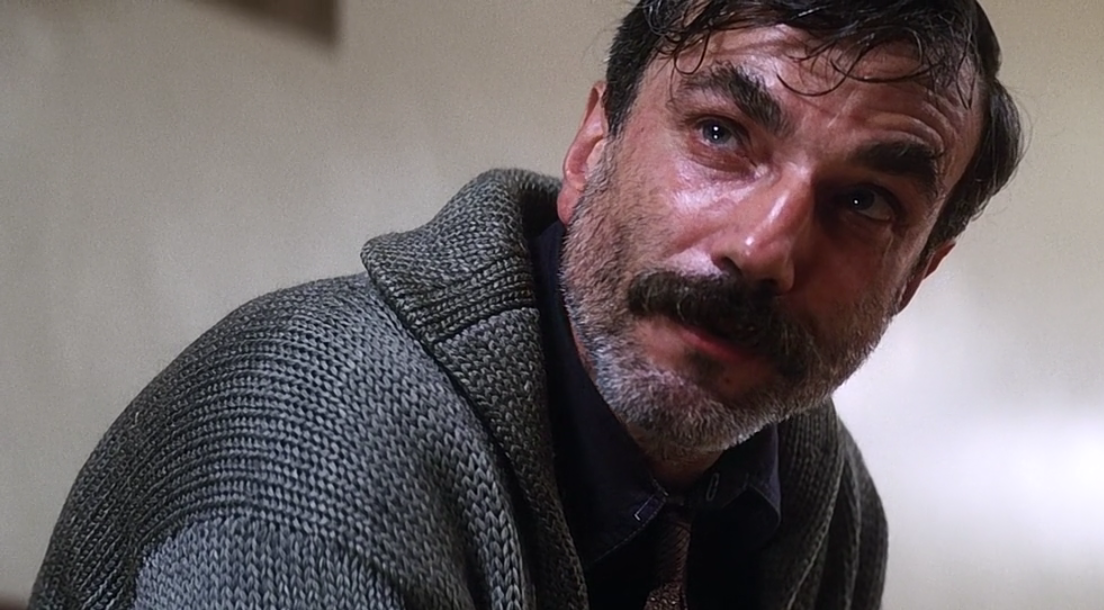
Example: Daniel Day-Lewis in There Will Be Blood carried the physical weight of ambition in his hunched shoulders and heavy gait.
-
Example: Charlie Chaplin’s signature waddle became so tied to his character that audiences could recognize him in silhouette.
Actor Exercise:
Take a simple line — “I’m ready.” Deliver it while slouched in a chair, then while pacing the room, then standing tall and still. Which body tells the story best for your character?
Costumes: More Than Just Clothes
Costumes aren’t decoration — they are character. Shoes influence gait, jackets change posture, and accessories provide habits (think glasses, rings, or hats). The right costume can unlock performance.
-
Example: Cate Blanchett’s gowns in Elizabeth didn’t just look regal — they made her move regally.
-
Example: Joaquin Phoenix’s Joker suit added flamboyance and chaos to his already volatile energy.
Actor Exercise:
Rehearse in part of your costume. Notice how boots versus sneakers alter your movement. A character in silk feels different than one in denim. Costumes aren’t afterthoughts — they’re performance tools.
✨ Quirks and Habits: The Finishing Touch
Great characters live in the details. A quirk or habit can make a character memorable and believable — provided it grows from truth, not gimmick.
-
Example: Johnny Depp gave Jack Sparrow his tipsy swagger and eccentric gestures.
-
Example: Viola Davis often uses silence and stillness, making audiences lean in to catch every breath of her characters.
Actor Exercise:
Invent one small, repeatable habit for your character — perhaps fiddling with a necklace, clearing their throat before speaking, or avoiding eye contact when lying. Keep it subtle, and make sure it grows out of who the character is.
Layering It All Together
Voice, accent, body, costume, and quirks aren’t separate checkboxes — they’re interconnected. A nervous voice may come with fidgeting hands. Expensive shoes may change posture and stride. A quirky speech pattern might slow down body rhythms.
The key is integration. When these elements align, the audience no longer sees an actor performing — they see a person existing.
As Laurence Olivier once said:
“The actor should be able to create the universe in the palm of his hand.”
Characters are universes. And those universes are built detail by detail, choice by choice.
Final Takeaway for Actors: Great characters are born when every element — from voice to costume to quirks — supports the same truth. Don’t chase “big” choices; chase honest ones. The smallest detail, rooted in authenticity, can make your performance unforgettable.