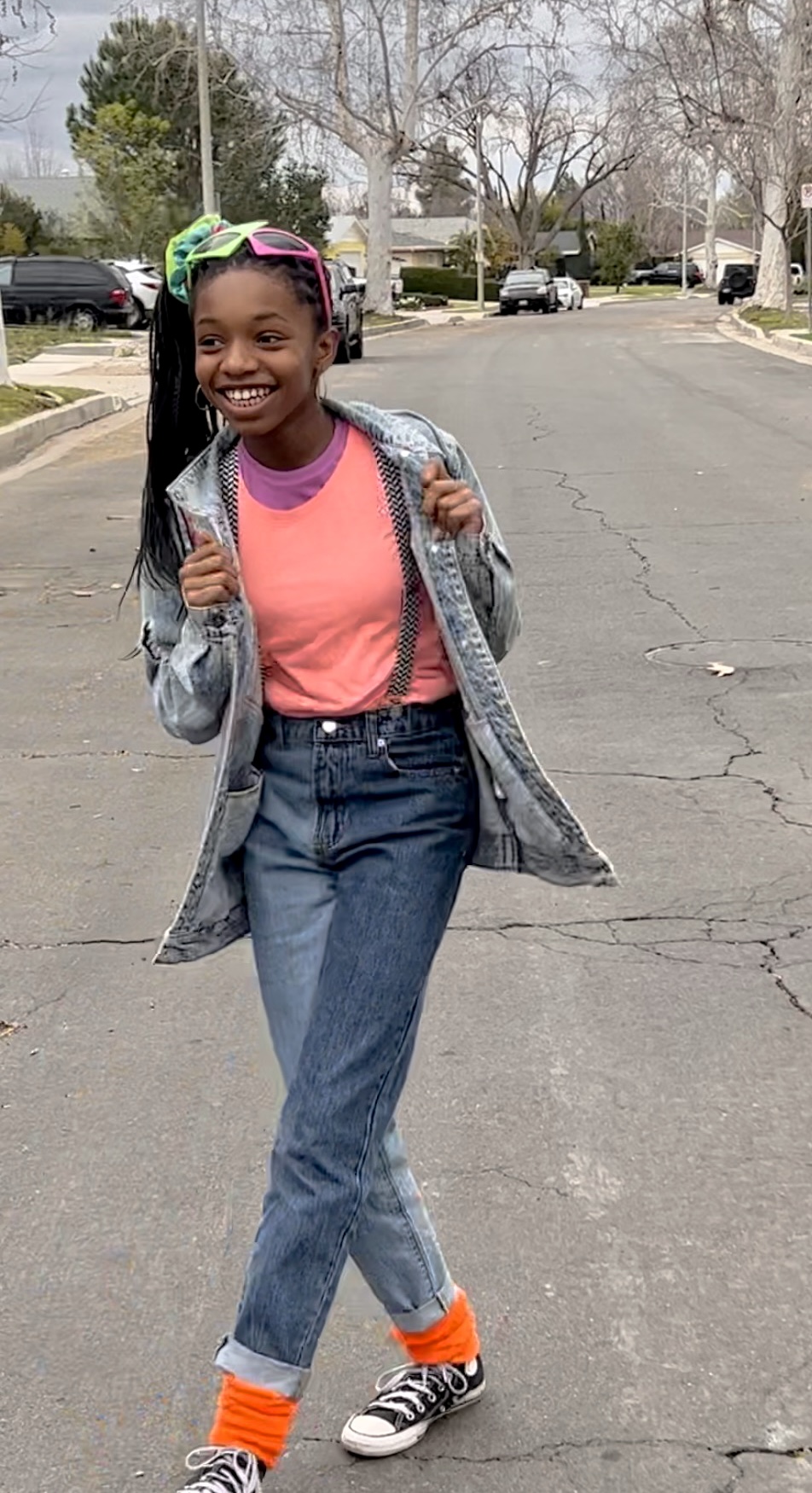
Ashlei Sharpe Chestnut. Photo Courtesy of Viacom & CBS.

Welcome to an exclusive DirectSubmit NYCastings interview with Ashlei Sharpe Chestnut, the actress who has made her mark on the iconic series Star Trek: Picard. We had the privilege of delving into Ashlei’s journey, from her initial introduction to the Star Trek universe to her evolution as a performer within the groundbreaking series.

Prepare to embark on an unforgettable voyage as we delve into the intricacies of Ashlei Sharpe Chestnut’s craft, her experiences on set and the profound impact of Star Trek: Picard on her personal and professional life. P.S. Ashlei Sharpe Chestnut was also on Broadway. Read on!

NYCastings-Ashlei-Sharpe-Chestnut-Star-Trek-Picard-Pic2You play Sidney La Forge, Helmsman of the USS Titan, on the final season of Star Trek: Picard. With today’s special effects and movie magic, give us some examples of when you had to “pretend” you were reacting to something that wasn’t really there, or flying a ship that’s not really a ship, action scenes. How did you handle all of that?

The majority of the scenes that took place on the bridge used a green screen which was actually blue, so there was A LOT of pretending. I had to pretend seeing explosions, pretty space creatures, and people who weren’t even in the room. It was a pretty cool experience, because you’re just using your imagination, even with hitting buttons on my console to fly the ship, it was like playtime.

The Star Trek fandom is very hardcore and loyal. When you joined the cast, were you aware, or given tips from production, that fans might ask you for upcoming spoilers, maybe even ask you to marry them? How did your character turn into a fan favorite so quickly?

Well first, I haven’t had any marriage proposals from fans yet, at least that I’m aware of [laughs]. I had an inkling of how deep this fandom runs, because I’ve seen people cosplay characters and was aware of the excitement for this final season especially with all of the legacy characters returning. One of the jokes on set between a few of us newbies was that we hoped the fans would like our characters because if they didn’t, we knew they would be extremely vocal. It wasn’t until after episode 7 aired where I felt and heard from fans from so many countries about how much they resonated with my character. Our Star Trek fans are the best! Yeah, they are hardcore and loyal which made it more rewarding to know that my character became a fan favorite.

Was giving interviews, Comic Con, talking to the press a part of your Star Trek contract or did you just agree to do that on your own. When you decided to become an actor, even when you were little, did you ever think beyond just performing — that you’d be giving interviews? When signing an NDA, how does it work when you’re doing an interview weeks in advance prior to an episode being shown — are you allowed to talk about spoilers since the interview won’t be seen until AFTER the episode is aired?

No, doing press was not a part of my contract at all. Aside from fans promoting my work on the show, the majority of my exposure stemmed from my own publicity team helping to push me forward. There are so many things that I’ve learned throughout this journey specifically with a sci-fi show, like I knew Comic Con would be a given based on this franchise, but I didn’t know the behind the scenes work to get there. A lot of people have “con agents” for these conventions, so I’m taking meetings now for that. I have already had inquiries to attend a couple conventions, but I’m trying to align them with my schedule. But what’s nice is they cover hotels and flights, and you receive a fee among other things.

As for the NDA and giving interviews, that has been one of the highlights from this experience. Mostly because it’s new to me. We started filming these episodes almost a year and a half ago, so when people are asking detailed questions about my experience and plot points, I’ve had to jog my memory. But what’s also helpful was usually depending on which episode I was being interviewed for, I was granted access to screeners to be able to discuss episodes in detail. But not major spoilers for the season though, only things that were happening in those specific episodes because those interviews would be published after airing.

You attended the University of North Carolina-Greensboro where you graduated with a Bachelor of Fine Arts degree in Acting. What made you choose that University? Did you apply to several colleges or just that one?

I did apply to two other schools in Florida, but I had a really good friend at the time who raved about the arts program at North Carolina so I applied and got in.

After you graduated from college in 2015, you decided to move to New York to advance your acting career. Why did you choose New York? Tell us about the adventure it was of moving to the city that never sleeps.

What’s funny is I initially thought I would move to LA. My mom and I flew out to LA the summer before my senior year of college to see if it was a city that I’d be willing to relocate to after graduation. By the time we left, I was sold and fully prepared to make the move across country. But my acting class had a senior year showcase in NY, and I had a lot of agent interest, so I felt it was best to go where I had made a few industry connections because my feedback was “let us know when you graduate and officially move here.” But what’s funny is, once I officially moved, none of those agents called me back or emailed me back.

My first year in New York I lived with two classmates from my acting class from NC. I had a little bit of savings, but I told my mom that I would “book something big” in the first six months, and asked if she could help pay my rent for those six months. Did I have any auditions lined up at the time? Absolutely not, but I hustled my butt off. I was sending my headshot and resume everywhere, I would mail them, I would stop by agencies pretending to have a meeting to drop them off, I even heard back from acting scams… good times.

NYCastings-Ashlei-Sharpe-Chestnut-Star-Trek-Picard-Pic3How did you meet your agents? Tell us about your meeting.

My current agent? I reached out via email during my run in The Crucible on Broadway because the boutique agency that I was with shut down and went into management. At the time I didn’t think I needed a manager, so I sent emails to specific agents I wanted to work with — shoutout to IMDbPro — and luckily they agreed to meet. When I was taking those meetings, my main focus aside from looking for someone who would obviously advocate for me, was at minimum being with a team that had bi-coastal access, and opportunities for me to audition for bigger roles via casting offices that I hadn’t worked with, etc.

Soon after you arrived in New York, you booked your first Broadway play, the Crucible, which ran at the Walter Kerr Theatre. Tell us about your audition, rehearsals, wardrobe, etc.

Sure, I met one of the casting directors for that show at One on One in NY. I asked what was the best way to follow up with her and she told me to mail her my headshot and resume. I thought she was blowing me off because I had been doing that for the past month and having no luck. But I did it, and about a week later she reached out to me asking for me to audition for this Broadway show. God, I was so nervous! It was my first Broadway audition but it was so chill. The process was fairly quick. The audition was actually on my dad’s birthday, and the callback was the next day at Chelsea Studios, and at the last minute before my callback they sent sides for Susanna Walcott, the character I ended up booking, which is so funny because I had prepared extensively for another role and ended up booking this one essentially from a cold reading.

I had regional theatre experience prior to this show which was helpful because it allowed me some familiarity to jump into our eight show a week work schedule which can be taxing on your body especially with only one day off on Mondays. And for that show we had a lot of choreography and body contortion work so it was lovely that they had physical therapists on site that were free.

What’s the difference between performing on stage vs. on screen?

There are so many differences but also so many similarities. I think for theatre the difference is, yes you’re doing the same show for months and you’re able to play and try new things throughout the run, but each performance it’s like you only have one shot to get it right because each 500+ audience will never be in the same room ever again. Versus on screen, you kind of have the chance to do multiple takes in the moment, but you don’t necessarily have the flexibility to come back and try new things after you’ve wrapped filming, unless you’re lucky to get reshoots.

What’s your advice for aspiring young actors?

I have a few pieces of advice, but I was talking to a friend the other day about FOMO (Fear of Missing Out) in our industry. I’d encourage younger actors to not get lost in this business. And what I mean by that is, it’s important to have a life outside of acting. Because for me in the beginning, I would skip out on certain activities or trips or experiences in general because I was scared that I would miss an audition. Luckily the industry has changed with the development of self tapes now, but what I’ve learned is that what’s meant for you, won’t pass you. I’m a fervent believer on that. So I’d pass that advice along and recommend finding hobbies and exploring other things that bring you joy, because at the end of the day those life experiences will also help you become a better actor.

NYCastings-Ashlei-Sharpe-Chestnut-Star-Trek-Picard-Pic1Who came up with your name? Are you named after anyone?

My mom. The Fresh Prince of Bel-Air was on in the delivery room, and I was named after Ashley Banks. But my mom wanted to change the “ y ” to an “ i ”.

Anything else you’d like to say?

Yeah, I’m really thrilled to hopefully be coming back to Broadway soon, and going into production for some of the work I’ve written. And of course, stream season 3 of Star Trek: Picard if you haven’t already!

Ashlei Sharpe Chestnut Instagram

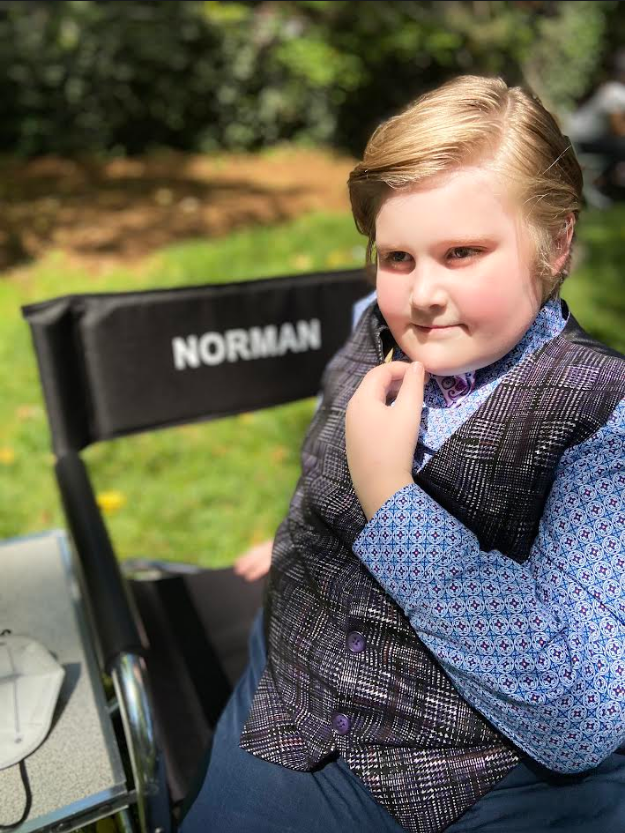
Simms May. Photo by Kenneth Dolin.

Simms May, a budding child actor, has recently left his mark on the big screen with his portrayal of the goofy kid, Norman Fisher, in the film adaptation of Judy Blume’s novel, Are You There God? It’s Me, Margaret.

At the tender age of 13, Simms has already demonstrated an extraordinary ability to bring characters to life, effortlessly immersing himself in complex roles with a depth beyond his years.

This NYCastings interview provides an exclusive look into Simms May’s world, as we discuss his time on the set of Are You There God? It’s Me, Margaret, his method for portraying a multifaceted character, and how this movie has influenced his personal development.

NYCastings-Child-Actor-Simms-May-Rise-in-Are-You-There-God-Its-Me-Margaret-ChairYou play Norman Fisher in the theatrical release Are You There God? It’s Me, Margaret, based off of the Judy Blume book written over 50 years ago. How’d you hear about the role? Tell us about your audition.

I am blessed to be represented by J Pervis Talent of Atlanta and they sent me the role to audition for in January of 2021. I was super excited as I thought it was a great script and an awesome role – but my mom was really excited because it was a book she had read and loved as a young girl. We actually read the book together in preparation for my audition.

It was a self-tape, and all my callbacks / auditions were via Zoom as this was during Covid. After the initial submission, I celebrated my first callback on January 20th. Then I had a one-on-one session with the amazing director Kelly Fremon Craig. I can’t say enough about how wonderful it was to work with her. Not only did she truly care about each one of us but took the time to sit down … literally on the floor… to discuss and work through any questions we had. Kelly asked me who I thought Norman should be. The initial audition called for Norman to be an awkward, funny kid with thick glasses and ill-fitting clothes. While on set, Kelly and I decided that Norman was much cooler and more confident than that. Norman still sported the glasses, which I loved, but was defined more by his snappy sweaters and confident attire and attitude.

After the session with Kelly, I had a couple more Zoom callbacks. Each lasted about an hour but were super fun. They let me improv the scenes which is what I love to do the most. I got the final call in late February and then headed to film in Charlotte, NC the first of April.

What tips and tricks can you share regarding remembering your lines? Did you forget any lines at all and have to do re-takes?

Studying the script and practicing with a live reader makes it easier for me. I have tried a couple of the apps, but I prefer a reader. I am a quick learner of my lines because I am usually really excited about the roles that I get auditions for. I did not have any retakes, because I did not know my lines, but I had several retakes in the scene where Norman kisses Janie as I had just turned 11 and that was my first kiss!! – forever documented on the big screen. :)

NYCastings-Child-Actor-Simms-May-Rise-in-Are-You-There-God-Its-Me-Margaret-Yellow-CarpetYou walked the yellow carpet at the premiere which was held in California. Being from Georgia, tell us how a premiere works.

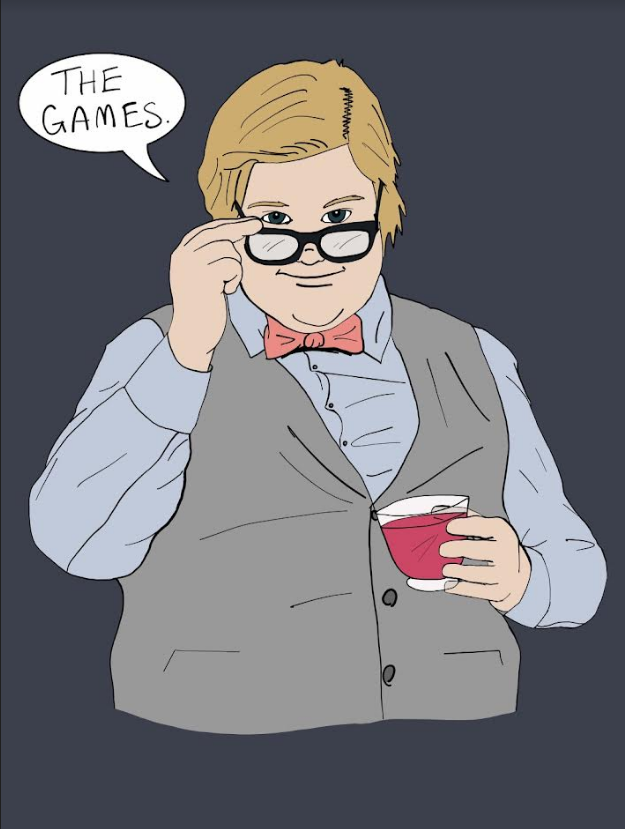
One of the cool things about Are You There God is that the cast of kids were from all over; Georgia, Mississippi, North Carolina, Chicago, Canada and of course Los Angeles. Being invited to the premiere was part of my contract, but if it hadn’t been, I would not have missed it for anything. We are all great friends in life and have talked or texted every week for the past two years since filming. We all were super excited about seeing the final product but were just as thrilled about being back together and hanging out for a few days. I bought a suit for the premiere, but I was most excited about my new Jordans that I wore with it. What you may not have noticed were my socks and pocket square! Jason Johnson, the Digital Imaging Technician, created a caricature of Norman. Norman stickers were everywhere on set and I loved it so much that I had socks and a pocket square made with Norman on them.

Drawing by Jason Johnson

You’re in 7th grade, so you’re how old? Do you go to public / private school? It’s known that starting middle school and into high school, there’s a lot of bullying. What types of precautions do you have in place if that ever happens to you?

I turned 13 in January of this year and I attend The Westminster Schools in Atlanta. It is a regular / day school and pretty tough academically. My favorite subjects in school are History, Spanish, Musical Theatre, PE and recess!

Middle school is just hard for everyone, I think AYTG addressed some of the awkwardness and pettiness of middle school, but yeah, bullying still happens all the time. For me, mostly due to my weight, but I try to stick to the thought that no matter what they have to say, it is not going to have an affect on me. They are wasting their breath and are just “being mean to be mean”. It’s hard, but unfortunately most of us at this age have experienced it.

Do you think that acting has made you a stronger person because you’re able to control emotions?

Yes, I do! I think it has kept me out of situations by being able to control myself and my emotions. I think it has helped in other ways as I can hold a conversation with just about anyone and I am not afraid to get up in front of a crowd or speak to ‘important people’.

Let’s talk about improv! You were in a child actor improv group. What a great way to be active and learn the craft! What are your favorite improv games?

My very first acting class was Improv. My instructor, Julia Jones, is amazing. She made it fun and taught me so very much! Julia was the first person “to see something in me” and she is still my acting coach today, and her Improv class is still my favorite. We have held several Improv shows across Atlanta in front of live audiences. My favorite improv games are Werewolf, Evil Twin and Zip, Zap, Zop. I especially enjoy the challenge of quickly coming up with my own characters and ZZZ is a fast paced fun game.

There are lots of kids you interact with in the film. What do you enjoy most about collaborating with other actors on set? How does teamwork contribute to the success of a project?

I can honestly say that when I discovered acting, I found ‘my people’. Actors are amazing, creative, weird, fun, accepting, people. I just fit. As I said above, the entire cast of AYTG became great friends and I honestly think we will be friends for life. You do your best work, so everyone and the film can be successful. It is a true team effort by everyone! And please don’t forget to mention all the people behind the scenes that make all the magic happen. I had no idea, and it was truly amazing to watch and be a part of. Getting the part is super competitive, but when you are all there together, creating art, creating something amazing, it is no different than a team sport where everyone works together to win.

Being in this movie must’ve catapulted you into a new kind of “normal”. How do you stay grounded and maintain a sense of normalcy in your life despite being in the spotlight?

Ha! That makes me laugh as I don’t feel that I am in the spotlight, I am just a normal kid trying to survive middle school. Now, it is fun when someone recognizes me and super special to sign an autograph (I need to practice this because my age group never learned cursive) but it is important to my family that I stay grounded, do what I love, but focus on my education.

NYCastings-Child-Actor-Simms-May-Rise-in-Are-You-There-God-Its-Me-Margaret-Goofy-1You have a great name, Simms! What’s the story behind your name?

Thank you! Well, I am the youngest of five children. I have two brothers and two sisters. When my next older brother was five years old, he Prayed for a little brother. William was six years old when I was born. Simms means “God has heard you”, so basically, I am the answer to his Prayers!

What advice do you have for aspiring young actors?

Work hard! Practice! Don’t give up on your dreams! Celebrate the accomplishments as they come. It does not have to be a role… celebrate every audition, every callback, every joke laughed at, every tear you can squeeze out and keep getting better every day. Baseball players don’t make the team without working hard and practicing, neither will actors. Do your best, be yourself and everything will work out.

Anything else you’d like to say?

First, I want to thank you for asking me for this interview, it has been fun. I must thank J Pervis Talent, especially Joy Pervis and team, for taking a chance, signing me and having the faith that I might earn the opportunities that they have put in front of me. Also, I want to thank my manger, Margot Menzel, of Luber Roklin Entertainment, Los Angeles, CA, for taking care of me in Los Angeles. I’m indebted to Julia Jones for seeing something in me and helping to pull it out of me during all my crazy auditions. Thank you Julia and Joe Massingill and everyone at Imagination Emissary, Marietta, GA, for the training and talent, that share their knowledge, enthusiasm and passion for this crazy business. Finally, a big thanks to all the casting directors and directors that have taken the time to watch my auditions and that have given me a second look or two.

I’m passionate about my faith in God, helping animals and those battling cancer. My favorite charities include St. Jude’s Children’s Research Hospital and the Leukemia Foundation.

Simms May Instagram

Facebook

Amari Alexis Price. Photo by Doreen Stone.

In the captivating world of cinema, young talents often emerge, bringing fresh perspectives and remarkable performances to the silver screen. Among these promising stars is Amari Alexis Price, a child actor who has captured the hearts of audiences with her portrayal in the film adaptation of Judy Blume’s timeless novel, Are You There God? It’s Me, Margaret.

Amari’s remarkable work ethic, coupled with a humble and down-to-earth demeanor, made her a joy to speak with for NYCastings. Amari Alexis Price demonstrates a genuine love for acting and has some great advice for aspiring young actors.

NYCastings-Exclusive-Interview-with-Amari-Alexis-Price-on-Her-Breakthrough-Role-in-Are-You-There-God-Its-Me-Margaret-80sYou play Janie Loomis in the film Are You There God? It’s Me, Margaret. Being fairly new to the acting world, tell us how you won such a great role!

Playing Janie Loomis was so much fun! It was my first theatrical role. I had been in commercials but had just started auditioning for movies and TV.

I auditioned for Are You There God? It’s Me, Margaret in 2021 and everything was self-tape during that time because we were still in
quarantine. About a week after I auditioned, I had a callback and a week after that, I had a director’s callback and then the next week I had a chemistry read with Abby Ryder Fortson, who played the lead role of Margaret. The chemistry read was my favorite part of the audition process, because we had to improv and I really enjoyed that. When the audition was over, I felt like I did a pretty good job with the material. I had so much fun improvising with Abby. I remember thinking, “This is what it would be like if I booked the role”. Which I did!

How old are you? How did you get started in acting? Please share your journey into the world of acting at such a young age. Was it your idea or your family’s idea for you to try your hand in front of the camera?

I started acting in 2021. Well, I started doing commercials a couple years before that, but I booked Margaret, my first role, in 2021. I had just turned 11 and now I am 13.

I wanted to start acting because a friend of mine was acting. I thought the idea of being on camera was really cool. My sister, Aiden, started acting at the same time I did, and my little brother acts also. His name is Kai. My little sister and I are actually in a film together called The Knife. It was such a cool experience to work together.

In the movie, you take Margaret to a Christian church. What are your thoughts on religion, specifically religious beliefs being portrayed in film and TV?

I am a Christian, like my character Janie, so it felt nice to show that on the big screen. I think religion is something that is important, but it can be a sensitive topic because people have different things they believe in. And that’s okay.

I really love that Janie was Christian in the movie because it shows a part of her that other girls can relate to and something she enjoyed. In the church scene, Janie and Margaret were dancing to the music and having a lot of fun. My church friends and I sometimes do the same thing at my church, so it was cool to show that side.

NYCastings-Exclusive-Interview-with-Amari-Alexis-Price-on-Her-Breakthrough-Role-in-Are-You-There-God-Its-Me-Margaret-DanceYou’re also a dancer. What benefits are there to dancing?

Yes, I love to dance. It keeps me healthy and it is great exercise. I don’t stretch as much as I would like, but it’s very important. It also helps with your flexibility, and I love the idea of being flexible. I was very flexible when I was younger, but not so much anymore. I also tumble a little and I have taken all sorts of dance classes. What I love the most about dance is I can put what I’m feeling into it. It’s a great way to express yourself and that’s something I really enjoy about dancing.

Has your participation in Are You There God? It’s Me, Margaret brought you immediate fame? What did your friends say? Did any of them see the movie? Are kids that you never hung out with talking to you now?

I wouldn’t say the movie has brought me immediate fame, but I would say that people are treating me a little differently now. Some people at school didn’t really want to be my friend until they found out I was in a movie. Like there was a boy who barely spoke to me and then one day he told me his mom saw my movie and now he speaks all the time.

My friends at my old school and my new school, were really excited to see the movie. We even went to the movies as a group to see it and it felt great to have everyone show up to see me. They are super supportive about it.

Please tell us about a memorable experience or funny incident that happened on set.

There were so many funny incidents that happened on set like Katherine Mallen Kupferer, who played Gretchen Potter, and I kept eating all the props for the party scene. And one of the most memorable experiences was when I shot the scene where Janie gets dressed up for the party. That was the very first day of shooting, so I was so excited. Although the set was very fun to be on, we also had some memorable and fun moments off set also. There were days where the kids and the moms would rent electric bikes and we would go on rides through the park and to different places in North Carolina. There were also days where we would go to a pottery place or just hang out. The whole experience was just something I will never forget.

What are your future goals and aspirations in the acting industry? Are there any specific roles or projects you hope to take on?

I definitely want to keep acting. In the future I would really like to be in a horror film. It’s my favorite genre to watch and it would be great to see how they are made. Another goal of mine is to just keep booking roles. I love being on set. It is so fun and I don’t know why I would stop.

What other creative outlets or hobbies do you enjoy outside of acting and dancing?

I am also a track runner. I ran track for most of this past season, but had to miss the last couple of track meets because of the movie premiere and dance. I think I do want to continue with track because l liked being a part of a team. The kids and coaches were nice and we would encourage each other and cheer for each other. I learned a lot.

NYCastings-Exclusive-Interview-with-Amari-Alexis-Price-on-Her-Breakthrough-Role-in-Are-You-There-God-Its-Me-Margaret-FunnyWhat advice do you have for kids who want to be actors?

I want kids who want to be actors to know that it is such an amazing thing / industry to be a part of. You have to work hard and you won’t always get picked, but that doesn’t mean that you are not great. There are so many different reasons why people don’t get picked, so no matter what, just keep trying and always do your best. That’s all we can do.

Anything else you’d like to say?

I would like to shout out my mom, Salena, for making this all happen for me and my dad, Denard for always taking care of us. I would also like to shout out my acting coach Pamela Azmi-Andrew who coached me through this, Ria Pavia and also Sara Arrington who was my coach on the set. They have all helped me improve and get to where I am today. I also want to shout out my agents Nick, Pat and Pierre at Pantheon and my manager Wendi at Atlas Artists. They are THE BEST. I appreciate everything they do for me.

Amari Alexis Price Instagram

@margaretmovie @lionsgate

Christian Convery in Sweet Tooth

Welcome to our interview with the talented young actor, Christian Convery, who has captured hearts and minds with his exceptional performances in the hit Netflix series, Sweet Tooth and blockbuster film Cocaine Bear. At such a young age, Christian has already established himself as a rising star in the entertainment industry, leaving a lasting impression on audiences around the globe.

Christian shares his insights on navigating the complex world of the acting while maintaining a balance between his blossoming career and a normal childhood.

Christian Convery also opens up about his passion for acting and his aspirations for the future.

Christian Convery
Christian Convery

Even though you’re only 13 years old, you’ve been acting for a very long time. How did you get started in show business? What age were you when you started going on auditions and booking work?

I’ve been acting for over 7-1/2 years, which is pretty crazy! I took acting classes from ages 4-6, and my mom and I decided I should try getting an agent. Once I received my first audition, I booked it! (the movie is called Hearts of Spring, and it was directed by Marita Grabiak). That’s when my professional acting career started.


You play the deer-boy hybrid Gus on Warner Bros. Television’s DC fantasy series Sweet Tooth, currently on Netflix. What was your first impression when you found out you’d be playing part human, part animal? What type of movie magic did you get to witness?

It was pretty crazy knowing I was going to play a lead role on a Netflix show called Sweet Tooth. I was ready to take on the challenge of playing Gus, and I was so excited to start my research on deers! There was lots of movie magic that was completely new to me (e.g Gus’ ears/antlers).

Tell us about your audition for Sweet Tooth.

Before anything, I’d like to say that the process was so insane to actually get hired. I had to do a self-tape because the auditions were in America. I did many callbacks (including Zoom, flying to LA many times, etc). I ended up doing around eight auditions / callbacks. This was because I was eight years old at the time, and many streaming companies (for stereotypical reasons) didn’t want an eight year old to be the lead of a big show. We finally heard we got it after a birthday and New Year’s Day had passed. Thanks, Jim Mickle for believing in me!

You were born in Los Angeles and raised in Vancouver, British Columbia. What prompted you to move to BC? Or did your parents already live in BC and for some reason, they just happened to be in LA when you were born? Do you have dual citizenship?

We moved to BC when I was around two years old because I had family that lived there, and I had never met them. We ended up loving it and staying! I do have dual citizenship, which can be a lifesaver at times, as many projects take place in America.

At what point in your career did you decide to get an agent? How did you find your agent?

Just like in question one, I got my first agent when I was six years old. To go into more depth, I don’t remember, (seven years ago). I believe we applied to many local agencies to establish a base. There were rejections, and after not accepting no for an answer, I finally ended up getting accepted with an agent who saw my potential and who believed in me! Within the first week of signing on with the agency, the agent sent me on my first audition which was a self-tape (not the norm back then), but I was on vacation in a different country, so I did the self-tape and miraculously landed the job! A year later, at seven years old, I flew to Los Angeles to meet with three talent agencies that my Canadian Talent Agent set up. I recall the meetings went well, and the agencies were great, however, it was their approach when speaking to my mother and me that was really different. One agent stood out with whom we felt most suited our personalities. This was important to me and still is. You need to make sure you choose to go with an agency and agent you feel most comfortable with. Trial and error, perseverance, and a lot of patience! My attitude has always been to “never give up, push yourself always, and continuously work on your craft – even when you don’t want to or you get the feeling you’re just never booking.” Remember, you audition to learn how to audition!

You play Henry in the 2023 comedy horror film Cocaine Bear. What’s the difference between working on a big movie set vs. a Netflix show?

I personally feel that big movies are just as fun as working on TV shows, although TV shows can be more taxing because they typically have longer shoots. But don’t get me wrong, the more you work, the more fun it gets!

NYCastings-Cocaine-Bear-and-Sweet-Tooth-Christian-Convery-Opens-Up-About-Child-Acting-ClimbingYour work schedule seems quite full. How does your family juggle life?

My mom is my manager, and she goes with me everywhere! So basically, my Mom and I, and my entire team all work together! It’s very fun.

Let’s talk about school. Did you ever attend pre-school, elementary school or middle school in a public setting? Or are you home schooled? Either way, what’s the rule when you’re on set regarding school?

I went to in-person school from PreK – Grade 4. I then skipped Grade 5 and transitioned to online. I have been online ever since (I’m going into Grade 10 this year). Being online gives me so much more flexibility than being in a traditional in-person school. So, if you want to become an actor, I highly recommend it. In addition, when I’m working on set, I also get a tutor to assist me in my school work, so it’s really helpful.

Now that you’re a teenager, what thoughts have you had about your future?

I’ll never quit acting – it’s my life! I love all sports, travelling, exploring, and discovering. Although I would like to go to university and major in finance / economics to start a business or many businesses!

To YOU, this is your normal childhood, but to others, you do not have a normal childhood. How do you respond to people who think you’re being exploited?

I’m not being exploited in any way! Acting is my passion and it’s truly my favorite thing. With acting there are so many amazing opportunities. I get to research and learn something new every day. I was fortunate to do stunt training, and I have had the opportunity to make amazing friends around the world. I’ve worked in countries like New Zealand, South Africa, Europe, and in the US and Canada! I will tell you though, that being an actor is not glamorous nor easy. You have to work extremely hard, there are a lot of expectations, juggling school with many long hours but at the end of the day, it’s the experiences you receive and the ability to share them with is what is the most rewarding.

What advice do you have for kids who want to become involved in show business?

It takes LOTS of time, REPETITION, and PRACTICE! It may seem like you aren’t getting anywhere but the more you do auditions, the better you become. What I said may seem obvious, but it’s often overlooked as a “whatever” thing.

NYCastings-Cocaine-Bear-and-Sweet-Tooth-Christian-Convery-Opens-Up-About-Child-Acting-Riding-WavesAnything else you’d like to say?

I hope that no matter who you are, that you are having a wonderful day, and if you are an aspiring actor, I believe in you! And most importantly, believe in yourself! Only you can manifest what you want in life. Go get it! Go after it! And never stop! Thanks to my team and NYCastings for this opportunity to speak with you! Peace :)

Christian Convery’s Instagram

Sweet Tooth Season 2 Trailer

Nurturing-the-Spotlight-Advice-for-Aspiring-Child-Actors

Brimming with talent and ambition, young actors often embark on a remarkable journey into the captivating world of acting. For aspiring child actors, the path can be both thrilling and demanding, requiring dedication, perseverance and guidance. To support these budding performers, it’s important to equip them with the right advice that nurtures their potential and safeguards their well-being. Let’s explore the best advice to give to these kids, providing them with the tools they need to navigate the exciting yet challenging world of show business.

Passion and Commitment

The foundation of any successful acting career, irrespective of age, lies in passion and commitment. Encourage aspiring child actors to develop a genuine love for the craft and to dedicate themselves wholeheartedly. Passion fuels the drive to learn, improve and persist in the face of challenges. Remind them that success in acting often requires long hours, sacrifices, and unwavering determination.

Training and Education

Advise young actors to prioritize their training and education. Enrolling in acting classes, workshops and theater programs provides valuable opportunities for skill development, fostering creativity and gaining industry knowledge. Encourage them to take diverse classes, including voice training, improvisation and scene study, to broaden their range and abilities. Emphasize the importance of continuous learning, as it lays the groundwork for long-term success.

Professionalism and Etiquette

Child actors must be taught the importance of professionalism and etiquette from an early age. Emphasize the significance of punctuality, respect for colleagues and a positive work ethic. Instill in them the value of being prepared and organized, whether it is for auditions, rehearsals or performances. Teach them to listen attentively, take direction and collaborate effectively with others. Professionalism not only earns the respect of peers and industry professionals but also ensures a smooth and enjoyable experience on set or in the theater.

Emotional Well-being and Support

The entertainment industry can be demanding, and aspiring child actors need to prioritize their emotional well-being. Encourage them to communicate openly with their parents, guardians and mentors, discussing any concerns or challenges they may face. Provide them with a support system that fosters a healthy balance between work and personal life. Help them maintain a positive mindset and remind them that setbacks and rejections are part of the journey. Encourage self-care practices, such as mindfulness, exercise and hobbies, to help them manage stress and maintain a strong sense of self.

Auditioning and Rejection

One of the most delicate aspects of an actor’s life is auditioning, and it’s essential for young performers to develop a healthy perspective on the process. Teach them that auditions are opportunities to showcase their skills and creativity rather than a judgment of their worth. Emphasize the importance of preparation, encouraging them to research the role, practice their lines and understand the story they are telling. Explain that rejection is common in the industry and that it is not a reflection of their talent or potential. Teach them to handle rejection gracefully, using it as motivation to improve and grow.

Build a Diverse Skill Set

Encourage young actors to explore different forms of performing arts, such as singing, dancing and even learning musical instruments. Having a versatile skill set opens up more opportunities and increases their marketability.

Networking and Building Relationships

Teach them the importance of networking within the industry. Encourage them to attend industry events, workshops and join theater groups or acting communities. Building connections with casting directors, agents, and fellow actors can lead to valuable opportunities and mentorship.

Adaptability and Versatility

To succeed in the acting industry, it’s crucial for aspiring actors to have adaptability and versatility. They should be open to various roles and genres and challenge themselves by taking on diverse characters in film, television, theater, or commercials. Demonstrating the ability to embody a wide range of characters showcases their versatility and enhances their likelihood of success.

NYCastings-Nurturing-the-Spotlight-Advice-for-Aspiring-Child-ActorsPersistence and Resilience

Remind young actors that setbacks and rejections are part of the journey. Encourage them to persevere through difficult times and maintain a resilient mindset. Encourage them to learn from every experience, grow from constructive criticism and use setbacks as motivation to improve.

Balancing Education and Acting

Emphasize the importance of education and finding a balance between school and acting pursuits. Education provides a well-rounded foundation and can be beneficial in the long run. Encourage them to prioritize their studies while pursuing their acting dreams. 

Stay Informed and Research

Advise young actors to stay updated on industry trends, new projects and casting calls. Encourage them to research and understand the projects they audition for, the directors involved and the production companies. Being informed helps them make better choices and showcase their knowledge during auditions.

Develop a Strong Work Ethic

Teach young actors the importance of discipline, dedication and hard work. Encourage them to set goals, create a routine and consistently work on their craft. Emphasize the significance of practicing regularly, rehearsing scenes and staying dedicated to honing their skills.

Stay Grounded and Maintain a Healthy Lifestyle

It is important to emphasize to young actors the significance of staying grounded and leading a healthy lifestyle beyond their acting careers. They should be motivated to participate in activities that bring them happiness, spend quality time with loved ones, and prioritize their physical and mental health.

Embrace Feedback and Continuous Improvement

Teach aspiring actors to embrace feedback and constructive criticism as opportunities for growth. Encourage them to seek out acting coaches or mentors who can provide guidance and help them develop their skills further.

Enjoy the Journey

Remind young actors to enjoy the journey and have fun along the way. Acting is a creative and rewarding pursuit, and it’s important for them to savor the experiences, make lifelong memories and cherish the process of bringing stories to life.

Exploring the Common Ground and Contrasts Between Entrepreneurship and Acting

As a child, I was brought into the acting world by my parents, who both had their own businesses. At the time, (I started acting and modeling at 6 months old) I didn’t understand the business aspects of the entertainment industry. As I grew up, my parents explained to me how things worked – how being creative and how entrepreneuriship merged together.

As I got older, I was captivated by the idea of bringing characters to life, performing on stage or in front of the camera and immersing myself in the world of storytelling. The allure of artistic expression overshadowed any thoughts of the business side of the industry. Little did I realize that pursuing an acting career would also require me to embrace my entrepreneurial side and become a business person.

As I ventured further into the acting world, I quickly discovered that success in this field involved much more than simply honing my craft. I had to navigate the complex landscape of contracts, auditions, networking, and self-promotion. It became evident that, like running a business, my career as an actor would demand strategic planning, marketing, financial management and the ability to build relationships.

The realization hit me that I needed to view myself not only as a performer but also as a brand. I had to identify my unique strengths, understand my target audience and develop a personal brand that would set me apart from the competition. This meant investing time in building a compelling resume, updating my headshots and creating a professional online presence through social media and a personal website. Mind you, the Internet wasn’t even a thing when I started out, so back then the marketing was a lot different. But as with anything, I had to keep up with technology and the times in order not to be washed out.

Networking became another critical aspect that I had to embrace. Attending industry events, workshops and connecting with fellow actors, casting directors and agents became part of my routine. Building these relationships allowed me to stay informed about potential opportunities and gain insights into the industry’s dynamics. It was clear that networking was not just about making connections but also about nurturing genuine relationships that could lead to future collaborations.

The management of my finances became a crucial factor in my life. Dealing with an unpredictable income and creating a budget became my new norm. I had to acquire the skill of handling the financial uncertainties that come with being an actor, guaranteeing that I could support myself during tough times and make wise investments during profitable ones. Familiarizing myself with contracts, bargaining for deals and seeking legal counsel when needed were all critical components of safeguarding my rights and obtaining fair payment.

Perhaps the most challenging aspect was reconciling my artistic aspirations with the realities of the business world. It required a delicate balance between artistic integrity and commercial viability. I had to make choices based on market demands, assess industry trends and be open to taking on diverse roles that would showcase my versatility. This meant continuously learning, adapting to new techniques and expanding my skillset to remain relevant and competitive.

Although initially surprised by the fact that being an actor meant also being a business person, I found it to be empowering. By embracing the business side of the industry, I was able to take charge of my career, make well-informed decisions and position myself strategically for success. This required dedication, perseverance and a willingness to learn and grow not only as an artist but also as an entrepreneur.

Today, I appreciate the importance of being a business person in the realm of acting. It’s taught me valuable lessons in resilience, adaptability and the power of strategic planning. By embracing the dual roles of an actor and a business person, I’ve gained a deeper understanding of the industry and set myself on a path to thrive both creatively and professionally.

Running a business and pursuing a career as an actor may appear to be vastly different endeavors on the surface. However, there are several striking similarities and notable differences. Both require a high level of self-motivation, strategic thinking and a commitment to personal growth. Let’s explore the parallels between these two paths and shed light on the distinctive aspects that set them apart.

Self-Employment and Autonomy

One common thread between running a business and being an actor is the element of self-employment. Both roles often involve working as independent contractors, where individuals are responsible for managing their own careers and securing opportunities. Business owners operate with autonomy, making decisions regarding their products, services and overall business strategies. Similarly, actors have the freedom to choose their auditions, projects and the direction of their artistic journey.

Auditions as Sales Pitches

Auditions can be seen as sales pitches. Much like a business owner selling their products or services, actors are essentially selling their talent and suitability for a specific role to casting directors. Just as a salesperson aims to convince potential clients of the value and benefits of their offering, actors must effectively present themselves in auditions to stand out among their competitors. They showcase their skills, portray the desired character and captivate the casting directors with their performance. Similar to sales pitches, actors need to be persuasive, confident and memorable to leave a lasting impression and secure the role. They must demonstrate their range, versatility and ability to bring characters to life, convincing the casting directors that they are the perfect fit for the project. Auditions require careful preparation, understanding of the character’s nuances and the ability to adapt and connect with the casting team. It is through these auditions-as-sales-pitches that actors have the opportunity to demonstrate their talent and land the coveted roles that can propel their careers forward.

Branding and Marketing

Effective branding and marketing are essential in both realms. Business owners strive to develop a unique brand identity that resonates with their target audience. Actors, too, must craft a personal brand that highlights their distinct skills, talents and qualities. Both must actively promote themselves to stand out among competitors, whether it’s through an engaging website, a strong social media presence or networking with industry professionals.

Networking and Relationship Building

Building a strong network is crucial in both industries. Business owners engage in networking events, conferences and industry gatherings to establish relationships with potential clients, collaborators and mentors. Similarly, actors must actively network with casting directors, agents, fellow actors and other industry insiders to create opportunities and stay connected. Nurturing these relationships can lead to future projects and professional growth.

NYCastings-Exploring-the-Common-Ground-and-Contrasts-Between-Entrepreneurship-and-ActingFinancial Management

Managing finances effectively is a shared responsibility for both business owners and actors. Irregular income is a reality in both fields, and individuals must learn to budget their earnings, track expenses and plan for the future. Developing financial literacy and seeking professional guidance can help actors and business owners navigate the financial intricacies of their respective industries.

Continuous Learning and Skill Development

Both business owners and actors must commit to ongoing learning and skill development. Entrepreneurs need to stay updated on industry trends, technological advancements and business strategies to remain competitive. Similarly, actors must continually enhance their craft, explore different acting techniques and adapt to changing industry demands. Continuous learning ensures they remain relevant and capable of meeting the evolving needs of their audience or market.

Artistic Expression vs. Profit-Driven Objectives

Perhaps the most significant difference lies in the core objectives of each pursuit. Actors primarily seek artistic expression, using their performances to evoke emotions, tell stories and connect with audiences. Their focus is on creative fulfillment rather than maximizing profits. In contrast, business owners operate with profit-driven objectives, aiming to generate revenue, achieve market share and provide products or services that meet consumer demands.

Clients vs. Casting Directors/Agents

Business owners interact directly with clients or customers, providing them with products or services to satisfy their needs. Conversely, actors work with casting directors and agents who act as intermediaries between them and potential roles. Casting directors and agents play a pivotal role in helping actors secure auditions and navigate the complex web of the entertainment industry. Actors’ “clients” are essentially industry professionals who cast them for projects.

Achieving success in entrepreneurship or acting demands a steadfast hunger for accomplishment. By acknowledging the resemblances and disparities between these domains, you empower yourself to make a well-informed decision regarding the path that harmonizes most effectively with your aspirations and ambitions.

The-Paradox-of-Acting-Striving-for-Authenticity-Amidst-the-Need-to-Perform

Being an actor is an exhilarating and fulfilling career choice, one that allows you to step into the shoes of various characters and transport audiences to different worlds. It’s a profession that demands immense dedication, hard work and an ability to constantly “put on a show.” However, there’s a paradox that aspiring actors often face — while they strive to embody different roles and captivate audiences, their friends may yearn to see the “real” person behind the masks they wear.

Acting requires us to dive deep into our emotions, stretch our abilities and portray characters that may be vastly different from our own personalities. It’s a craft that thrives on creating illusions, captivating audiences, and, quite frankly, pretending. But what happens when the curtain falls, and we step back into our personal lives, where authenticity is highly valued?

As an actor, it’s common to experience a separation between our on-stage characters and our personal lives. This can result in us frequently wearing a façade, adjusting to various social scenarios and consistently scrutinizing our actions to meet the expectations of others. This performance-based mentality can cause us to feel disconnected from our friends who may desire to see our authentic selves without any filters.

It’s understandable that our friends crave authenticity, but it’s important to keep in mind that acting doesn’t contradict our true selves. Instead, it showcases our adaptability and capacity to connect with different characters. As actors, we possess the remarkable ability to step into the shoes of others and explore the human experience from various angles. We are storytellers who can tap into emotions and experiences that may not be our own, yet still strike a chord with the universal human condition.

The performance aspect of our lives shouldn’t be seen as a betrayal or a hindrance to authentic connections. Instead, in my opinion, it should be embraced as an enriching aspect of our personalities. Our ability to switch between roles demonstrates our capacity for empathy, adaptability and versatility — traits that can enhance our relationships, both within and outside the acting world.

Through the continual exploration of characters and emotions, we can experience personal development and gain a profound understanding of ourselves. Every role we embody provides us with a chance for self-examination and contemplation, empowering us to comprehend our own strengths, limitations and drives. As we assimilate these fresh perspectives and encounters, we enrich our connections with others by bringing an abundance of emotional depth to our interactions..

Of course, maintaining genuine friendships as an actor requires effort from both parties involved. It’s essential to communicate openly with our friends about the unique demands of our profession, sharing our joys, struggles and the multifaceted nature of our lives. By involving them in our journey and inviting them to understand our craft, we can bridge the gap between our on-stage and off-stage selves.

At the same time, we must also strive to carve out moments of authenticity within our own lives. In the hustle and bustle of auditions, rehearsals and performances, it’s easy to lose sight of our own identities. Taking time to reconnect with our passions, hobbies and personal interests helps us ground ourselves and maintain a sense of self outside the world of acting. By cultivating a healthy work-life balance, we can nurture our relationships and find solace in the company of friends who accept and appreciate us in all our complexity.

Quick story which sparked this article. Years ago, I was at a community lunch sitting with a friend and six or seven strangers. I knew I was going to be bored out of my mind, so I decided to put myself out there and introduce myself to everyone, which generated some great conversation. In doing so, I was no longer bored, but the excitement of making so many new “friends” at once was incredible, to say the least. I was so happy and in the moment, really enjoying myself, when my friend said to me, “Stop putting on a show.” Honestly, I wasn’t putting on a show, or at least I didn’t think so. I’ll never forget how that one sentence made me feel. And I’ll never forget how me being so outgoing and bubbly made my friend feel.

In the end, aspiring actors must remember that their friends’ desire to see the “real” them stems from a place of love and a longing for genuine connections. While the performance aspect of our lives may create occasional friction, it’s an integral part of who we are and what we do. Embracing our roles as storytellers and ambassadors of human experiences can deepen our relationships and enrich our friendships.

The-Power-of-No-10-Essential-Lessons-for-Actors-in-Setting-Boundaries

Let’s get right to the point. Learn the power of ‘no’. It’s important to be selective with the projects you take on. Don’t be afraid to decline opportunities that don’t align with your goals or that would stretch you too thin time-wise.

You might be thinking, “As an actor, what would I possibly want to say ‘no’ to?”

Well, let’s see…

Unfavorable roles: You may come across scripts or roles that you feel uncomfortable with or that go against your personal values. In such cases, you might need to say ‘no’ to the role, even if it’s a potentially lucrative opportunity, in order to maintain integrity and protect your professional reputation.

Scheduling conflicts: Actors often have busy schedules, juggling multiple projects simultaneously. There might be instances where you receive offers or requests to participate in additional projects or events that clash with your existing commitments (we should all be so lucky!) In such situations, you may have to decline certain offers to prioritize your prior commitments and manage your workload effectively.

Unfair compensation: It’s not uncommon for actors to encounter situations where they’re offered roles or projects that don’t offer fair compensation for their skills, experience or the level of commitment required. In these cases, you may need to say ‘no’ to the opportunity in order to advocate for your worth and ensure you’re appropriately compensated for your work.

NYCastings-The-Power-of-No-10-Essential-Lessons-for-Actors-in-Setting-BoundariesLearning the Power of ‘No’

This is one lesson that took me a long time to learn. I was eager to grab at anything thrown my way; to make a dent. It took me years to realize that I should have done what my colleagues with more experience recommended, which was to be selective. Instead, I found myself spinning my wheels and losing precious time.

I’m going to tell you how I relate my mistakes to the entertainment industry. I may sound repetitive, but there’s really no other way to get the point across.

Saying no can be a difficult process for many people, especially those in the performing world. There are several reasons why it may take some time for you to develop this skill.

You might naturally have the urge to take every opportunity that comes your way. Pressure from your peers and fear of missing out may make it tough to refuse requests and projects. You may be anxious about saying no to certain auditions and roles, fearing that refusal would impede your success or damage your team’s relationships. (Team meaning agent, manager, publicity agent, stylist, etc.)

The competitive nature of the acting industry can create a scarcity mindset, where you might believe that opportunities are limited and that you have to say yes to everything to make progress. This mindset can make it challenging to decline offers or establish boundaries.

Saying no can be uncomfortable or evoke feelings of guilt. As actors, you may be empathetic individuals who genuinely enjoy helping others or being a part of creative projects. Saying no might feel like letting someone down or missing out on a potentially valuable experience.

However, over time, you’ll likely realize the importance of setting boundaries and prioritizing your own needs and goals. You may recognize that saying yes to everything can lead to burnout, lack of focus or compromised quality in your work. Learning to say no allows you to allocate your time and energy more effectively, ensuring that you can give your best to the projects that truly align with your aspirations.

With all of the above in mind, here are:

10 Tips On How to Say ‘No’

Eliminate ambiguity and be assertive: Express your opinion with clarity and promote it with confidence. Use a polite and firm voice to convey your message clearly and effectively.

Understand your priorities: Reflect on your goals, commitments and personal boundaries. Knowing your priorities will make it easier to decline requests that don’t align with them.

Be honest: Offer a genuine and concise explanation for your refusal. You don’t have to provide a lengthy justification, but honesty can help the other person understand your perspective.

Use “I” statements: Frame your response using “I” statements to express your feelings or limitations without blaming or criticizing others. This approach helps maintain healthy relationships.

Offer alternatives (if applicable): If you genuinely want to help but can’t commit to the specific request, suggest alternative solutions or compromises that might work for both parties.

Practice active listening: Listen attentively to the request and acknowledge the other person’s needs. By showing empathy and understanding, you can soften the impact of your refusal.

Stay polite and respectful: Maintain a courteous demeanor throughout the conversation, even when saying no. It demonstrates your professionalism and preserves positive relationships.

Avoid over-apologizing: While it’s important to be polite, excessive apologies might undermine your decision. Be sincere but avoid apologizing excessively for prioritizing your needs.

Set clear boundaries: Establish clear boundaries for yourself and communicate them effectively. When others understand your limits, they will be more likely to respect your decisions.

Practice self-care: Remember that it’s okay to put yourself first. Saying no allows you to protect your time, energy and well-being. Prioritizing self-care ultimately benefits you and those around you.

Saying no can be among the most difficult tasks to accomplish, but it is a skill that can be developed over time. It is essential to seek the right balance between satisfying your needs and respecting the requirements of others.

Stagecraft-101-Essential-Skills-Every-Actor-Should-Master

Actors should be interested in learning about stagecraft, which includes blocking, stage movement, interacting with props, understanding stage terminology and working with stage crew. It plays a crucial role in theatrical performances, contributing to the overall effectiveness and believability of a production.

Stagecraft is a collaborative effort involving various professionals, including directors, set designers, lighting designers, sound designers and technicians. It fosters teamwork, creativity and effective communication among the theater team, leading to a cohesive and well-executed production.

What’s all of that actually mean? Through the effective use of stagecraft, the audience is transported into the world of the play. It makes you want to be there instead of looking at your watch wondering when the show will be over. It elevates the production beyond the script and performances, creating a multi-dimensional sensory experience that engages the audience’s imagination, emotions and intellect. It may even make you want to see the show again and again.

Here are several reasons highlighting the importance of stagecraft:

Enhancing the Atmosphere: Stagecraft elements such as set design, lighting, sound and special effects work together to create a specific atmosphere or mood that complements the story being told. These elements help immerse the audience in the world of the play, evoking emotions and enhancing the overall theatrical experience.

Supporting the Narrative: The use of stagecraft helps visually and audibly communicate the story to the audience. Set pieces, props and scenic designs provide context and establish the environment in which the characters exist. They help transport the audience to different locations, time periods or even abstract settings, making the narrative more engaging and understandable.

Establishing Character and Setting: Through stagecraft, actors are provided with a physical environment that supports their performances. The set design, props and costumes aid in character development, reflecting their personalities, social status and historical context. The stagecraft elements serve as visual cues for the audience, enriching their understanding of the characters and their world.

Creating Visual Spectacle: Spectacle plays an important role in theater, captivating the audience’s attention and leaving a lasting impression. Effective use of stagecraft elements, such as lighting effects, scenic designs, and grand set pieces, can create visually stunning moments that heighten the dramatic impact and leave the audience in awe.

Guiding Focus and Emphasis: Stagecraft helps direct the audience’s attention to key elements of a scene or performance. Through lighting techniques, props placement and blocking, the director and designers can guide the audience’s gaze and highlight significant moments, important actions, or crucial details. This ensures that the intended focus and meaning of the scene are effectively conveyed.

Supporting Technical Requirements: Stagecraft also encompasses the technical aspects of a production, including sound reinforcement, set construction, rigging and stage management. These elements ensure smooth transitions, safe operations and the seamless integration of technical cues, allowing the actors to focus on their performances without distractions or disruptions.

At What Point is Stagecraft Too Much?

As an audience member, there have been plenty of times where I was distracted away from the story.

When stagecraft elements become overwhelming or overly complex, they can divert the audience’s attention away from the narrative or the actors’ performances. If the audience is constantly focused on elaborate set changes, flashy effects or excessive technical gimmicks, it can hinder their ability to connect with the characters and story.

I must admit, I do enjoy background “flashiness” and I love attending busy productions more than once just to see if there’s anything I missed – perhaps something small in the background that, while it doesn’t have a major purpose to the story, it subtly enhances the content.

This may not be the case for everyone, however. If stagecraft elements, such as set changes or technical cues, cause frequent interruptions or prolonged delays, it can disrupt the flow of the performance and diminish the audience’s engagement. What a task!

NYCastings-Stagecraft-101-Essential-Skills-Every-Actor-Should-MasterWhat Stagecraft Skills Should Every Actor Master?

Ah-ha! Now that we have an understanding of exactly what stagecraft means, we can get into the meat of it all. There are several foundational stagecraft skills that can benefit every actor…

Stage Movement and Blocking: Actors should develop a strong sense of stage presence and the ability to move confidently and purposefully on stage. Understanding blocking (the planned movements and positions on stage) ensures smooth and coordinated performances with other actors.

Prop and Set Interaction: Actors should learn how to handle props (objects used on stage) and interact with set pieces in a natural and convincing manner. Before using a prop, take the time to examine and familiarize yourself with it. Understand its purpose, function and any specific instructions or precautions related to its use.

Stage Awareness and Safety: Being aware of the stage environment and its potential hazards is crucial for an actor’s safety. This includes understanding stage markings, entrances and exits, backstage protocols and basic technical aspects of the stage. I’m sure you’ve heard of times where an actor trips or falls off the edge of the stage.

Adaptability and Versatility: Actors should cultivate adaptability to work in different performance spaces, with various set designs, and in diverse theatrical styles. Being open to learning new techniques and adjusting performances based on the specific requirements of each production is important for professional growth.

Stagecraft Awareness: While actors may not be directly responsible for executing technical aspects of stagecraft, having a basic understanding of lighting, sound, set design and other technical elements can foster collaboration and enable effective communication with the production team.

Ultimately, the appropriateness of stagecraft depends on the specific artistic goals, context and intended audience experience of each production. Striking the right balance between stagecraft and the core elements of storytelling, performance and audience engagement is essential to avoid crossing the line where stagecraft becomes excessive or overwhelming. Collaboration, thoughtful planning and maintaining a clear artistic vision are key in ensuring that stagecraft serves the production without overpowering it.

So you see, your job as an actor is not just the storytelling part – it’s being a part of the entire production. There’s so much more to learn and DirectSubmit @NYCastings will continue to bring you information and knowledge to help build your acting career. Be sure to follow us to enhance your career path!

7-Strategies-for-Efficiently-Managing-Your-Day

I’d like to touch upon the importance of time and prioritizing strategies for efficiently managing your day.

Actors, and when I say “actors”, I’m including every age, have to juggle family life, school, auditions, rehearsals, filming schedules and other extracurricular activities. Managing all of these responsibilities can be relentless and time consuming, so it’s essential for you to learn how to prioritize your time effectively. Depending on your age, parents may need to step in. My kids are in high school and I’m still helping them time manage. It’s overwhelming, and there’s really no way to turn it into a routine since auditions and jobs pop up on very short notice.

Seven Tips for Time Management

More often than not, roles in the entertainment industry entail many hours of performing, tight deadlines and constant travel. Having the discipline, resilience and capacity to effectively schedule your life and handle responsibilities is indispensable in this field. Finding a balance between work life and home life becomes important, as self-care and upkeep of psychological and physical well-being are essential to sustained productivity and creativity.

Prioritize and set goals: Identify your top priorities and set clear goals for what you want to achieve. This will help you focus your time and energy on the most important tasks. By determining what it is that you want to pursue in your acting career, you’ll feel more purpose in directing your steps and commitments. Setting plainly comprehensible goals will build a productive routine that will allow you to optimize your time and talents.

Create a schedule: Develop a daily or weekly schedule that includes all your commitments, such as auditions, rehearsals, classes and personal time. Use a planner or digital tools to help you stay organized.

Start by identifying all your commitments. Then, allocate specific time slots for each task, ensuring that you have enough time to complete them without feeling rushed. Consider your peak energy levels and concentration periods when assigning tasks to maximize productivity. Be realistic and allow buffer time for unexpected delays or transitions between activities. Regularly review and adjust your schedule as needed to accommodate new commitments or changes. With a well-structured schedule, you can optimize your time, minimize stress, and ensure that you stay on track towards your acting goals.

For me, early morning is when I’m at my best. So even on days when I can sleep in (ha!), I’m up being productive. I set my alarm for 10 minutes before I want to wake up so I can hit snooze two times.

Break tasks into smaller chunks: Large projects, for example, rehearsals, can seem daunting. Break them down into smaller, manageable chunks, and make progress by working on them in increments. Sidenote: You can’t always be the one in control of breaking up a rehearsal, but you can certainly make a suggestion for a five minute bathroom break.

Conducting a large task, such as memorizing a script, can be time-consuming and intimidating. Strike a balance between large and manageable by tackling them little by little.

Eliminate distractions: Minimize distractions during focused work periods. Turn off notifications on your phone or computer, find a quiet space to concentrate, and consider using productivity apps that block distracting websites or apps.

Figure out what common distractions exist in your environment, such as social media, excessive noise or your personal devices. Take proactive steps to minimize or eliminate these distractions.

Turn off all notifications on your phone or computer, enable automatic shutoff on devices or simply use dedicated apps or browser extensions to block distracting websites or apps during working periods. Find a quiet and dedicated workspace where you can minimize disruptions.

This drives me nuts because it’s so hard to do, especially in today’s times of always being connected. I came up with a little trick that works for me, in case you want to try it – instead of charging my phone overnight, I let the battery drain overnight so in the morning when I need that uninterrupted time, I don’t have access to my phone because it’s charging.

Of course, depending on what your day looks like, that may or may not be a good idea, so just in case you have to run out with a poorly charged phone, you may want to invest in a portable phone charger for the road.

Establish boundaries with colleagues, friends and family, communicating the importance of uninterrupted work time. Practice self-discipline by staying mindful and redirecting your attention whenever you notice yourself getting off track. By consciously eliminating distractions, you create a conducive environment for deep work and can fully immerse yourself in your acting craft, enhancing both productivity and creativity.

NYCastings-7-Strategies-for-Efficiently-Managing-Your-DayPractice self-care: Self-care is of central importance to high performance. You should prioritize sleeping, exercising, eating well and exercising for a much better sense of balance and well-being. Keep in mind, the goal is to maximize your efficiency, which means you have to be in a positive, healthy frame of mind. I realize it sounds like you’re squeezing every moment of time into that self-care hour or two, but you’ll see in the long run that you end up gaining time because you’re able to produce more effectively.

Delegate and collaborate: Having an agent or manager can help handle auditions, negotiate contracts and manage professional relationships. Collaborating with a director, fellow actors, or a production team enhances creativity, fosters a supportive environment and brings diverse perspectives to the table. Delegation and collaboration not only lighten the workload but also promote efficiency, enabling you to access resources, expertise and connections you might not have on your own.

The President of the United States has a team, why shouldn’t you? :)

Be adaptable: The acting industry can be unpredictable, with last-minute auditions or schedule changes. Stay flexible and develop strategies to adjust your plans when unexpected events arise. I know this sounds like an impossible task, but it’s the nature of the business.

Pro-Tip

This leads me to procrastination, but we can talk about that another time. Okay, we’ll talk about it now, so you don’t think I’m procrastinating by putting it off…

If you’re learning lines and rehearsal is in a few days, don’t wait until the day before to memorize the script, because chances are high that you’ll get an audition the day before, or your car will break down or something that never happens, happens, and then you don’t have your lines down for rehearsal. There.

Effective time management is a personal process, so feel free to adapt these tips to suit your specific needs and preferences.

Xolo Maridueña and Tanner Buchanan in Cobra Kai

Child actors have been a staple in the film industry for many years, bringing dynamic energy and fresh talent to the big and small screens. While the focus for many child actors is on acting, others have also found success in different areas, such as sports. The intersection of acting skill and athletic ability can provide many benefits for young performers in the field.

Below are some examples of child actors who are also skilled athletes. (Please note: Some of these child actors are now adults!) Their ability to showcase their sports skills in their work has helped to set them apart in the industry and gain recognition for their unique abilities.

Xolo MaridueñaYou’ll recognize him from the Karate Kid spinoff series, Cobra Kai. In school, he was on the tennis team and played basketball on the side. He has been practicing martial arts since he was a little kid. Pssst. Stretching your limbs is a big key!

Bella Thorne – Bella Thorne started her career as a child model before transitioning to acting, starring in the Disney Channel series Shake It Up. She is also a skilled dancer, having competed in various styles such as hip hop, jazz and ballet.

Cole Sprouse – Cole Sprouse rose to fame as a child actor on the Disney Channel series The Suite Life of Zack and Cody alongside his twin brother Dylan. He’s also a talented photographer and has a passion for soccer, having played competitively in high school. They starred in the straight-to-DVD soccer film Just for Kicks.

Dakota Fanning – Dakota Fanning began acting at a young age and has appeared in numerous films, including I Am Sam and The Twilight Saga. She’s also a competitive equestrian, having won several awards for her riding skills. Early in her career, she learned to ride in the film Dreamer, starring Kurt Russell, Elisabeth Shue, David Morse, Kris Kristofferson and Oded Fehr.

NYCastings-Child-Actors-Who-Excel-in-Sports-Jaden-Smith-and-Jackie-Chan-in-The-Karate-Kid

Jaden Smith and Jackie Chan in The Karate Kid

Jaden Smith – Son of actors Will Smith and Jada Pinkett Smith, Jaden has acted in several movies and TV shows, including The Pursuit of Happyness and The Karate Kid. He is also a skilled martial artist, having trained in Kung Fu and later becoming a black belt in karate.

How Sports Skills Are Utilized in Acting Roles

Athletic Roles – If a movie or TV show calls for an athletic character, a child actor who has sports skills can bring added authenticity to the role. For example, if a character is a soccer player, a child actor who has experience playing basketball can bring a realistic approach to the character’s movements and technique.

Physical Stunts – Some child actors may be called upon to perform physical stunts in their acting roles. If a child actor has experience in martial arts, gymnastics, or another sport, they may be able to perform their own stunts or execute the movements required with greater ease.

Movement and Coordination – Sports skills such as agility, balance, and coordination can translate well into acting roles. For example, if a character is required to move quickly or perform a choreographed dance routine, a child actor who has experience in sports such as gymnastics.

Confidence and Discipline – Participating in sports can also instill valuable qualities such as confidence and discipline, which can benefit child actors in their acting roles. These skills can help child actors stay focused and committed to their work, leading to more convincing and impactful performances.

How Being a Well-rounded Individual Can Lead to More Opportunities in the Industry

Becoming a well-rounded individual can lead to greater possibilities for child actors in the entertainment industry. Additionally, by developing a diversity of skills and life experiences, child actors can become more versatile, relatable, and professional, ultimately giving them a competitive edge in their careers.

Versatility – Child actors who are well-rounded and have experience in multiple areas, such as acting, sports, music, or dance, can bring added versatility to their performances. This versatility can make them more appealing to casting directors, who are often looking for actors who can handle a wide range of roles.

Relatability – Child actors who have diverse interests and experiences can often connect better with audiences. For example, a child actor who is also a skilled athlete may be able to connect with sports fans who are watching a movie or TV show. This relatability can lead to more opportunities and can help child actors build a stronger fan base.

Professionalism – Participating in sports or other extracurricular activities can also instill valuable qualities such as teamwork, discipline and time management. These qualities can help child actors to be more professional on set and to handle the demands of the industry with greater ease. This can lead to more opportunities and can help child actors to build a strong reputation in the industry.

Adaptability – Being a well-rounded individual can also make child actors more adaptable to different situations and environments. This adaptability can be invaluable in an industry where schedules and roles can change quickly. Child actors who are able to adapt quickly to new situations and challenges can be more successful in the long run.

Cole Sprouse
Cole Sprouse

Challenges That Come With Balancing Sports and Acting

So you thought we were done, hmm? Nope. There are constant challenges but with the right mindset and approach, child actors can overcome the obstacles that come with balancing sports and acting.

Physical Demands – Both sports and acting can be physically demanding pursuits. Child actors who are participating in sports must be able to maintain their physical fitness and conditioning, while those who are acting must be able to handle long hours on set and physically demanding roles. Balancing both pursuits can be challenging and may require extra effort to maintain physical health and stamina.

Conflicting Schedules – Conflicting schedules can also be a challenge when balancing sports and acting. A child actor may need to attend a sports tournament or competition at the same time as a crucial audition or filming schedule. This can lead to difficult decisions and may require sacrifices on one side or the other.

Mental Exhaustion – Balancing sports and performing can be challenging, as it requires concentration, self-control and sharp attention to detail. When the previous two pursuits end up competing with one another, a child actor might become too drained or overwhelmed. This can be a particular concern when considering students’ school assignments and other extracurricular responsibilities.

Time Management – Child actors must be able to manage their time effectively. They may need to attend rehearsals, auditions and film shoots while also attending practices and competitions for their sports teams. This can be a demanding schedule that requires careful planning and organization.

Being involved in sports as a child actor can have numerous benefits that translate into success on set. From increased physical confidence to enhanced focus and discipline, these young performers are building skills that will serve them well in the entertainment industry and beyond. Whether they’re pursuing future athletic careers or simply seeking a fulfilling hobby, child actors who engage in sports are setting themselves up for long-term growth and success. So, if you’re a parent of a young actor, consider encouraging your child to get involved in sports — it may just be the key to unlocking their full potential both on and off the screen.

—————–

If you or your child actor has skills that could land roles, those skills should be on your resume. Click here to add or edit special skills on your DirectSubmit resume!

Auditioning can be a nerve-wracking experience for any actor, but for child actors, it can be even more challenging. As a parent, you want to help your child succeed, but where do you begin? We share our top 10 tips for preparing your child for auditions.

Top 10 Tips for Preparing Your Child for Auditions

  • Do your research: Before your child attends an audition, research the project they’re auditioning for. This can help you understand the tone, style and genre of the production, and ensure that your child is prepared to perform.
  • Memorize lines: Make sure your child is comfortable with their lines and knows them inside and out. They should be able to recite their lines naturally and confidently, without sounding like they’re reading from a script.
  • Practice with a reader: Find someone to read the other characters’ lines during your child’s audition. This will help your child get used to reacting and responding to other characters, and will make the audition feel more like a conversation.
  • Choose appropriate clothing: Your child should dress appropriately for the audition. This means wearing something comfortable that doesn’t distract from their performance, and that fits the style of the production they’re auditioning for.
  • Be on time: Arrive at the audition early to give your child time to prepare and get settled. This will help them feel calm and focused before they go in to perform. There’s a saying – if you’re 15 minutes early, you’re already late.
  • Stay positive: Encourage your child to have fun and enjoy the audition process. Remind them that auditions are an opportunity to showcase their skills and that they should be proud of themselves for taking the risk.
  • Be flexible: Auditions can be unpredictable, and your child may be asked to perform in a different way than they expected. Encourage them to be flexible and willing to try new things.
  • Follow instructions: Make sure your child listens carefully to any instructions or feedback they receive during the audition. This will help them understand what the casting director is looking for and give them the best chance of success.
  • Practice relaxation techniques: Encourage your child to practice relaxation techniques, such as deep breathing or visualization, to help them feel calm and focused before the audition.
  • Celebrate their efforts: Regardless of the outcome of the audition, celebrate your child’s efforts and remind them that auditioning is an achievement in itself. This will help them stay motivated and confident as they continue to pursue their acting career.

Auditioning for a role as a child actor can be intimidating and overwhelming. Supporting your child through this process is essential to their success. By helping them stay organized, staying positive and providing constructive feedback, you can give your child the tools they need to take on the world of acting. Remind your child that there’s always something to learn and that rejection doesn’t have to mean failure.

Top 7 Tips For Your Child to Follow After the Audition

  • Relax: After an audition, it’s important to take a moment to relax and let go of any nerves or anxiety. Take a deep breath, stretch, or do something else that helps you unwind.
  • Reflect on your performance: Think about how the audition went and consider what you did well and what you could have done differently. This can help you learn and improve for future auditions.
  • Don’t obsess: Avoid obsessing over the audition or constantly replaying it in your mind. This can lead to negative self-talk and create unnecessary stress.
  • Move on: Once you’ve reflected on the audition, it’s important to move on and focus on other things. Keep yourself busy with other projects or activities to avoid dwelling on the audition.
  • Don’t overanalyze: Avoid overanalyzing the casting director’s feedback or trying to read too much into their body language. Remember that the audition is just one part of the casting process and there may be many factors that go into casting decisions.
  • Stay positive: Keep a positive attitude and stay optimistic about future opportunities. Remember that every audition is a chance to improve and gain experience, even if you don’t get the part.
  • Follow up (if appropriate): If you were given specific instructions to follow up after the audition, make sure to do so promptly and professionally. Otherwise, avoid reaching out to the casting director unless you have a legitimate reason to do so.

Overall, the key is to stay positive, learn from the experience and keep moving forward in your acting career.

Broadway's Alex Wyse of Good Night, Oscar. Photo Credit: Tyler Gustin.

Alex Wyse is a multi-talented Broadway actor, writer, director and producer known for his relentless work ethic and creative drive. With a diverse skill set and a passion for storytelling, he’s a true go-getter who always gives his all to every project he takes on. With numerous passion projects in the works, Alex Wyse is an artist to watch now and in the coming future. Please enjoy our exclusive interview!

Behind the Scenes of Good Night, Oscar

Your latest Broadway show, Good Night, Oscar, just opened at the Belasco Theatre. You play Max Weinbaum, a new Tonight Show intern and well-meaning fan of all things showbiz, who tends to Oscar (played by Sean Hayes) during his appearance. Tell us about your audition.

My first audition was a self-tape that I got from my agent. Then I had three callbacks. That first callback was my first in-person audition since before the pandemic. I was scared out of my mind, but I worked very hard to stay sane and foster my belief in myself. The whole process lasted about two months before I got the job.

Do you have your own dressing room or is it shared? Are there speakers in your dressing room so you can hear the show so you know when to come on, or do you stay backstage / near the stage throughout the whole play?

I have my own dressing room- my first time having my own Broadway dressing room! There are speakers, as is customary for nearly all backstage spaces. Otherwise, it’s just too risky. Once the show starts, I only go back to my room once in the middle of the play for a five-minute break. Otherwise, I stay on deck since I have lots of sporadic, quick entrances.

You’ve also been on Broadway in Spring Awakening, Waitress and Lysistrata Jones. For Good Night, Oscar, what is the rehearsal schedule? Do rehearsals from show to show differ in the way that they’re structured?

Rehearsal schedules are always a little different depending on the show. For Good Night, Oscar, we did a “straight-six,” meaning six hours with a twenty-minute break in the middle for lunch. Other shows might do a full eight-hour day with a one-hour break in the middle. But we kept it shorter, which was great, since that meant we got to sleep in later. I got the part in November; it was one of the happiest and most emotional phone calls of my life. I think I fell to the floor and screamed/sobbed, and we started rehearsals in March. I didn’t know my lines on the first day, but that was okay. Usually it’s not required that anyone does. I could have worked to study them before had I wanted to, but I decided to just familiarize myself and then actually learn them in the process while I was developing the character. That way I’d remain more malleable during rehearsals instead of becoming set in my ways. Rehearsals were held at New 42, and we were only called if we were in the scene being rehearsed. That being said, it was usually the full cast (just seven of us) present.

Photo by Matt Rodin
Photo by Matt Rodin

What’s in like coming out the stage door after a show and being bombarded by fans? Any crazy stories?

I get a little socially anxious, so it’s not easy for me to be in a crowd, but I always feel thankful that anyone notices what I do. So, I just remain thankful that there’s anyone at the stage door barricade… ever. In terms of crazy stories, there have been times in the past when people have said rude things to me, along the lines of, “You sounded good this time,” but I can laugh about that. For the most part, fans are passionate and respectful people, and I wouldn’t be doing what I’m doing if I wasn’t a fan myself. That’s a big part of what I can tap into in playing Max: the absolute wonder he feels at getting to hang out with his idol. Opposite Sean Hayes, it’s not a challenging quality to tap into.

Broadway has gone through many changes over the years. What trends do you see in the industry today, and where do you see Broadway headed in the future?

I am glad to see more diverse stories and creative teams on Broadway. It’s certainly better now than it was five years ago, even if there is still a way to go. I also hope we can create a better financial model so more diverse (and young) audiences are able to actually see these stories being presented. I don’t know how we can overcome capitalism, though. Also, I hope we see more original scores on Broadway. We don’t have enough!

You’re also a Writer, Director and Producer, having recently released a film called Summoning Sylvia, which you co-wrote and co-directed alongside your writing partner Wesley Taylor. How did you come up with the storyline for Summoning Sylvia? What did you do to make it more unique than other horror movies?

Wesley and I wanted to tell a story about a group of queer friends and create a suspenseful film around them where they weren’t killed off. That was task number one. Part of what we did was allow ourselves to write toward the conventions of horror movies but use the characters’ “otherness” and their specific friendship dynamics to let the plot go in unexpected directions. So, we both embraced the tropes and worked to advance the tropes within the genre.

This is not the first time you’ve worked with Wesley Taylor, having previously bonded over the Emmy nominated series Indoor Boys. How did you and Wesley meet? What was your first collaboration meeting like?

We knew each other through the theatre scene. But we really became close while living in Los Angeles. That’s when we started hanging a lot, then decided to make a web short together. Eventually that became Indoor Boys. I don’t know that our collaboration meetings ever felt that much different than us hanging out as friends. I think that’s what makes it work so well- it comes from a place of being great pals spending time together, and then we let that dynamic morph into the flow of ideas.

How do you get the funds to develop your passion projects?

At first, we used the money we were making as actors to fund the projects. As the projects became bigger, we started pitching the project to producers, co-producers, and investors, the same way anyone in theatre would raise funds for their shows. We create pitch documents, we work very hard to build responsible financial models, we knock on every single door until someone says yes. We’ve been lucky that some people have, including our brilliant lead producer Cody Lassen, who moved mountains to get our film to the finish line.

My guess is that you’ll continue making passion projects. What’s in store for your future regarding writing, directing and producing? Anything new in the pipeline?

Wes and I currently have three projects that are finished and waiting to be made. We meet up several times a week to work on developing new things. We are hoping to have a long career of making things together. So stay tuned!

Besides theater, you’ve also been on television series such as The Marvelous Ms. Maisel, Masters of Sex and NCIS: LA. What’s the difference between working on stage vs. working on a movie or TV set?

I love both mediums for different reasons. I will say, a negative I’ve experienced coming from a theatrical background is that working on television can sometimes feel impersonal. You don’t get to know people in the same way and the departments can feel a bit more disconnected, especially from the standpoint of an actor only present for a day or a handful of days. Also, TV can feel like you’re stepping into someone else’s house whereas in the theatre, it feels like we’re building the house together. But I love the challenge of scaling my performance differently for each medium. How do I keep it intimate for the camera and merely think the thoughts, how do I scale it up for the theatre so the last row gets the story? But I like it most when these mediums feel the same. Finding ways in which TV can be theatrical, finding ways in which the theatre can be cinematic. The only real difference is that one has a camera, and one has an audience. All the other differences are essentially made-up. Maybe that’s advice I need to take…working on freeing myself from feeling like there is such a huge difference.

You grew up in Cleveland, Ohio and received a Bachelor of Fine Arts from Boston University’s College of Fine Arts. What made you want to go to Boston University? What was the most valuable lesson you learned at college?

I chose Boston University because of their Theatre Arts program. In it, I was able to take the acting classes I wanted while also curating a well-rounded theatre education, studying things like playwriting, theatre ensemble, and design. But the most valuable lessons I learned were probably when I felt rejected by my school, didn’t get good casting, and got negative critiques from the teachers. That’s when I pulled myself up by my bootstraps, stopped relying on other people to choose me, and made my own projects.

How do you prepare for a role both physically and emotionally, and what techniques do you use to get into character?

Getting into character, for me, consists of taking a breath and quickly reminding myself of the given circumstances for the scene about thirty seconds before I enter. Outside of that, I’m not into a lot of prep. I’m into hanging out with people and fostering a sense of “play” for myself and the folks around me.

Photo by Matt Rodin
Photo by Matt Rodin

Acting is a scary career financially. How do you make sure you can pay your rent?

I’ve been lucky that I’ve made my living as an actor. To sustain it day-to-day, I eat a lot of cheap meals and make sure that I’m saving as much money as I can. Getting a significant paycheck has come infrequently, so I stretch my dollars, I invest the money I have, and I’ve gotten this far.

What advice would you give to aspiring actors who are just starting out, and what do you wish you had known when you were first starting your career?

I wish I hadn’t spent so much time trying to morph myself into what I thought everyone else wanted me to be. As I’ve gotten older, I’ve been better about saying, “No this is who I am, this is what I do.” If I lean into the things that make me into me, then the right projects come my way. But if I spread myself thin becoming someone else’s version of me, then I lose the qualities that make me special. Be yourself unabashedly, and that’s your power.

Anything else you’d like to say?

Come see Good Night, Oscar on Broadway, rent Summoning Sylvia on demand everywhere, check out the cast album of A Commercial Jingle for Regina Comet which is currently streaming, watch Indoor Boys on Here TV, and call your mother.

The-Impact-of-Diversity-and-Inclusivity-in-Childrens-Entertainment-Ethnic

We released an article about Why Diversity Matters In Storytelling. This was based on a spectrum geared toward adults. Now, we’re going to talk about the impact of diversity and inclusivity in children’s entertainment and how this creates new opportunities for child actors.

When children are exposed to a variety of different cultures and perspectives, it expands their understanding of the world at large and helps them develop emotional maturity, tolerance and respect for differing viewpoints. Media programs that encourage diversity can help establish confidence in people who may feel out of place in their native environments.

Children’s entertainment has the power to shape attitudes and beliefs, and promote positive social change. By portraying diverse characters and stories, children’s media can challenge stereotypes, reduce prejudice and promote social justice. This can have a lasting impact on how children view themselves and others, and help to create a more inclusive society.

So let’s talk about the economic and commercial advantages to creating diverse and inclusive children’s entertainment. As demographics continue to shift and evolve, there’s a growing demand for media that reflects this diversity. Companies that prioritize diversity and inclusion in their content are more likely to appeal to a wider audience and generate greater revenue.

Economic and Commercial Advantages to Creating Diverse and Inclusive Children’s Entertainment

There are four points:

1. It can expand the potential audience for a product or brand. By catering to a diverse audience, companies can increase their customer base and reach new markets. A more inclusive product can appeal to a wider range of people and generate greater revenue.

2. A brand that values diversity and inclusivity can be seen as socially responsible, forward-thinking and relevant. This can increase customer loyalty.

3. By incorporating different perspectives and experiences, creators can develop fresh and original ideas that stand out from competitors.

4. There’s a growing demand for diverse and inclusive content from consumers, particularly from younger generations who are more socially aware and expect greater representation and inclusivity. Brands that fail to recognize this demand risk losing relevance and market share.

Brands want to see money, and what better way to sniff out the dollars than to appeal to a broad, loyal audience?

NYCastings-The-Impact-of-Diversity-and-Inclusivity-in-Childrens-Entertainment-Issa-Rae-in-Barbie

Enter Barbie

Issa Rae in Barbie,
Courtesy Warner Bros. Pictures/Courtesy Warner Bros. Pictures | © 2022 Warner Bros. Entertainment Inc. All Rights Reserved

Did you know that the Barbie doll has evolved significantly over time to become more inclusive and reflective of diverse cultures, body types and abilities? Things like hearing aids, colorful prosthetic limbs and skin conditions are now a part of the Barbie line.

And not too long ago, Mattel introduced the Barbie Fashionistas line which includes dolls with different body types, including tall, curvy and petite. This was a significant departure from the classic Barbie’s unrealistic proportions and has been praised for promoting body positivity and inclusivity.

Mattel went even further than physical looks — they released dolls with different career options to better reflect the diverse aspirations of young girls. This includes dolls in science, technology, engineering, and mathematics (STEM) fields, as well as dolls in traditionally male-dominated professions such as politics and aviation.

Onto the entertainment portion of this article.

Barbie movies date back to 2001, with the release of the first animated film, Barbie in the Nutcracker. Since then, the Barbie movie franchise has grown to a multitude of films that feature Barbie in a variety of roles and adventures.

Speaking of adventure, the Barbie movie franchise has also expanded to include films that are based on popular franchises such as Starlight Adventure and Spy Squad. These films combine the positive values of the Barbie brand with exciting action and adventure to appeal to a wider range of audiences.

The-Impact-of-Diversity-and-Inclusivity-in-Childrens-Entertainment-BarbieThe Impact of Diversity and Inclusivity

With Mattel keeping up with the times, it’s given the brand the opportunity to collaborate with prominent figures in the fashion and entertainment industries to create dolls that represent a wide range of women. For example, Mattel has partnered with Olympic gymnast Gabby Douglas, plus-size model Ashley Graham and British fashion designer Vivienne Westwood.

Because of this, Mattel has been able to keep the Barbie brand relevant and inclusive for over six decades.

Barbie has spearheaded partnerships with organizations that promote diversity and inclusiveness, such as the NAACP and the Trevor Project. through these partnerships, Barbie has endeavored to raise an awareness of important social issues and promote positive change in society.

Barbie’s impact on diversity and inclusivity in children’s media has been significant and enduring. By promoting positive messages and representation for young girls, Barbie has helped to shape social attitudes and promote positive change in society.

How Do Children Influence Their Parents to Purchase Items?

Children can be powerful influencers when it comes to their parents’ purchasing decisions.

Pester Power: Children may use their persistent requests and demands, commonly known as “pester power,” to convince their parents to buy items they want. Children may persistently ask for a particular toy or treat, creating a sense of urgency and desire that may sway their parents’ purchasing decisions. I’ve fallen for this many times and I’m not proud of it.

Emotional Appeal: Children may appeal to their parents’ emotions by expressing how much they want a particular item and how it will make them happy. This emotional appeal can create a sense of guilt or obligation for parents to purchase the item for their children. Yep. I’ve been there.

Peer Pressure: Children may be influenced by their peers, and this can also have an impact on their parents’ purchasing decisions. If a child’s friends have a particular toy or item, they may want it too, and parents may feel pressured to buy the item to ensure their child doesn’t feel left out or different.

Advertising and Marketing: Children are exposed to advertising and marketing messages through various mediums such as television, social media and websites. These messages can be persuasive and create a desire for children to own certain products. Children may then ask their parents to purchase these items, and parents may feel pressure to comply with their child’s wishes.

Convenience: Parents may also be influenced by their children’s preferences for convenience. For example, if a child prefers a particular brand of food or snack, parents may choose to purchase that brand to avoid a tantrum or argument.

There’s no doubt that diversity and inclusivity in children’s entertainment can be a powerful driver of revenue and profitability for companies. The children’s media industry encompasses a wide range of products and services, including books, TV shows, movies, video games, toys and more.

New Opportunities for Child Actors

The push for diversity and inclusivity in the entertainment industry can create new opportunities for child actors from underrepresented backgrounds. By taking on diverse and inclusive roles, child actors can expand their casting opportunities, gain greater visibility, take on more complex and nuanced roles, promote representation and have a positive impact on the industry and society.

Here’s how:

Expanded casting opportunities: As the entertainment industry becomes more diverse, there are more casting opportunities for child actors from underrepresented backgrounds. This means that children who might not have had a chance to audition for certain roles in the past now have a better chance of being seen and considered for those roles.

Greater visibility: With the rise of streaming platforms, child actors who are cast in these productions have the opportunity to gain greater visibility and recognition for their work. This can lead to more career opportunities down the line.

More complex roles: Diverse and inclusive content often features more complex roles. This means that child actors have the chance to take on more challenging and interesting roles that can help them grow as performers.

Opportunities to promote representation: Child actors have the opportunity to promote. This can help to inspire other children to pursue careers in entertainment.

Potential for impact: When child actors are cast, they have the opportunity to have a positive impact on the industry and society as a whole. By portraying diverse characters and telling diverse stories, these actors can help to promote empathy, understanding and acceptance among audiences.

The significance and benefits of diversity and inclusion to young children’s entertainment are obvious. Not only is it a major social value for children, it also provides significant financial opportunities for companies and opens new possibilities for child actors from diverse backgrounds. As the entertainment landscape continues to change, it’s imperative that diversity and inclusion remain a top priority.

Jack Nicholson In 'The Shining'

Actors who feel they can re-write the script is a phenomenon where actors, often with significant influence or clout, believe that they have the authority or creative license to modify the screenplay or dialogue of a film. This can range from minor tweaks to major rewrites of entire scenes or storylines. While some actors have successfully made changes to the script that enhanced the final product, others have caused conflicts with directors, screenwriters, and producers, ultimately leading to tensions on set and potentially negative impacts on the film. This raises questions about the power dynamics in the film industry and the balance between an actor’s creative input and the overall vision of a film.

There’s also the question of, “Do I, the actor, tell the director I’m going to change the script, or do I just do it on the fly?”

Jenna Ortega who plays the lead role in Netflix’s Wednesday series, based off the popular show The Addams Family, had that conflict and chose to change the script without consulting the production’s writers. (If you want to hear more about Jenna’s experience, you can listen to the Armchair Expert podcast.)

Ut-oh, right? I guess she followed in the footsteps of some of the greats such as Marlon Brando, Dustin Hoffman, Robert De Niro and Jack Nicholson. (Did you see the film The Shining? Nicholson hacks his way through a bathroom door to get to his wife, played by Shelley Duvall. Once the door is broken, Nicholson pokes his head through and ad libs, “Here’s Johnny!”) This example demonstrates that actors have made significant contributions by rewriting and improvising their lines, often leading to iconic moments in cinema.

Why Do Actors Feel They Can Re-write the Script?

Creative input: Some actors may feel that they have a unique perspective on the character or the story, and that they can contribute to the creative process by offering suggestions or changes to the script.

Improving their role: Actors may feel that certain parts of their character’s dialogue or actions don’t feel authentic or don’t align with their vision for the role, so they may propose changes to make their character more compelling or realistic.

Improving the story: An actor may feel that the story could be improved by adding or changing certain elements, such as plot points or dialogue, and they may feel that their input could make the story more engaging or impactful.

Control: Actors may also want more control over their role and the story. They may feel that by suggesting changes or re-writing parts of the script, they can shape the narrative to better fit their vision for the project.

Ego: In some cases, an actor may feel that they know better than the writer or director and may want to assert their creative control over the project by making changes to the script.

I left Ego for last because I want to elaborate…

Some actors may feel that they have more experience or expertise than the writer or director, or they may believe that their ideas are better suited to the story. This can sometimes lead to conflicts on set or behind the scenes, particularly if the actor’s suggestions are not well received by the rest of the cast and crew.

While an actor’s ego can be a driving force behind their desire to rewrite a script, it’s not always a negative thing. Actors who are passionate about their work and invested in a project may genuinely want to contribute to the creative process and make the story as good as it can be. In some cases, actors who rewrite a script can help to elevate a project and make it more successful.

It’ll always be helpful for actors to understand the delicate nature of rearranging a script, and that there are many factors to consider when making changes. Changing even just one word can drastically change the feel of the scene. In my opinion, it’s important that actors communicate accordingly with other people on the team, and be willing to make changes to move forward and provide the best final result. When I say “be willing to make changes to move forward”, I mean the actors themselves should realize that if they make changes, there might be a domino effect for other changes.

NYCastings-Authenticity-vs-Vision-The-Tension-of-Actors-ReWriting-ScriptsThe Tension of Actors Re-Writing Scripts

There’s a bigger picture here…

While some actors may have legitimate creative reasons for changing the script, such as improving the authenticity or depth of their character, these changes may not align with the overall vision of the film’s director or screenwriter. This can lead to conflicts on set, delays in production and potentially negative impacts overall. On the one hand, actors may feel a sense of ownership and investment in their roles, and may have significant influence or clout that enables them to make changes to the script. On the other hand, filmmakers may feel that actors’ changes are not in the best interest of the film as a whole, or that the changes compromise the integrity of the story or characters. The tension of actors re-writing scripts therefore reflects a broader tension in the film industry between creative autonomy and the overall vision of a film.

Here’s my advice – ask the director in advance if you can have the opportunity to improvise during filming, should you feel the need. Please respect the director’s answer. It’s that simple.

Ultimately, actors, directors and screenwriters should strive to work together in a spirit of mutual respect and creative collaboration, recognizing that while each may have unique insights and perspectives, the ultimate goal is to create a compelling and cohesive final product.

NYCastings-The-Power-Struggle-Actors-vs-Casting-Directors

The power dynamic between actors and casting directors can be debated til the end of time. While both actors and casting directors play crucial roles in the industry, the power dynamic between them is not always equal.

Casting directors are responsible for selecting the actors who will play the various roles in a production and/or who will be introduced to the director for consideration. They have a great deal of power in this process. In some cases, casting directors may have specific requirements for the actors they’re seeking, such as a certain age range, ethnicity, accent or physical appearance.

Actors, on the other hand, may have little control over the types of roles they’re considered for or the specific productions they’re able to work on. This power imbalance can be particularly challenging for actors who are just starting out in the industry and may not have established relationships with casting directors.

How Do Casting Directors Make Decisions On Who Gets Cast for a Role?

To make casting decisions, casting directors typically hold auditions where actors can showcase their talent and suitability for a particular role. Auditions may involve reading from a script, performing a monologue, or demonstrating a specific skill required for the role. Casting directors also consider an actor’s past experience, training, and overall fit for the project.

In addition to auditions, casting directors may also rely on other factors such as industry relationships, recommendations from agents or managers, and personal experiences with an actor. They may also conduct background checks and research an actor’s reputation and public persona before making a final decision.

Casting directors use their expertise and judgment to make decisions that will serve the best interests of the production and its stakeholders, including producers, directors, writers and audiences. The casting director will present a small list of actors to the director. In some cases, especially if the CD has a long-standing positive relationship with the director, the CD will choose the final actors.

So since this article is about power…

NYCastings-Actors-vs-Casting-Directors-Mel-Brooks-Rick-Moranis-George-Wyner-in-Spaceballs

Mel Brooks, Rick Moranis and George Wyner in Spaceballs

Influential Casting Directors…a Quick Bit

Marion Dougherty: Often referred to as the “godmother of casting,” Dougherty was a pioneer in the field of casting for film and television. She helped to launch the careers of many actors, including Dustin Hoffman, Robert Duvall and Glenn Close.

Lynn Stalmaster: With a career spanning over six decades, Stalmaster is considered one of the most respected casting directors in the industry. He has cast some of the most iconic films in history, including Fiddler on the Roof, Tootsie and Spaceballs. (OMG, I love Spaceballs! Have you seen it? Produced by Mel Brooks.)

Allison Jones: Jones is known for her work in comedy, having cast hit TV shows like The Office, Parks and Recreation and Veep. For 2023, she was the CD on the Barbie movie. She has a knack for discovering talented comedic actors and helping them find success in the industry.

Does An Actor Lose Power When Nervous?

Actors – what’s the difference between auditioning for a casting director you’ve never heard of vs. a casting director who worked on blockbuster hits, such as the ones listed above? Well, if you read the sub-title, you’d know the answer. Did you get an A+?

When an actor is nervous, it can affect their performance, making them appear less confident and less able to showcase their talents. This may lead the casting director to have doubts about the actor’s ability to handle the role or to work well with the rest of the production team.

It’s important to know that nervousness is a common feeling among actors, especially during auditions. Many casting directors are aware of this and try to create a supportive environment to help actors feel more comfortable and confident.

Argh – I’m going to go on a tangent here. I keep telling myself to stop but it doesn’t work!

Some actors are able to channel their nervous energy into their performance, using it to create a more intense and compelling audition. It’s also worth noting that a strong audition tape or resume can help to mitigate any nervousness that an actor may feel during an in-person audition.

End of tangent! :)

So yes, an actor loses power when nervous.

NYCastings-The-Power-Struggle-Actors-vs-Casting-Directors-Margot-Robbie

Margot Robbie as Barbie. Courtesy Warner Bros. Pictures/Courtesy Warner Bros. Pictures | © 2023 Warner Bros. Entertainment Inc.

The Power of the Actor

There are many actors who have gained significant power and influence in the entertainment industry, both through their talent and their ability to leverage their success to make meaningful changes in the industry. Here are some examples:

George Clooney: Clooney is an Oscar-winning actor, writer and director who has also become a powerful force in Hollywood as a producer. He’s used his influence to support a number of charitable causes, including human rights and environmental causes.

Oprah Winfrey: While not primarily known as an actor, Winfrey has appeared in a number of films and television shows over the years. She’s perhaps best known for her daytime talk show, The Oprah Winfrey Show, which made her one of the most influential and powerful women in the world.

Margot Robbie: Robbie has leveraged her success in the entertainment industry to make meaningful changes through her production company, LuckyChap Entertainment. One of the key ways she has done this is by championing and producing projects that feature female-centric narratives and diverse talent both in front of and behind the camera.

Why am I bringing up how George, Oprah and Margot have influence over the world? How does this relate to power between an actor and a casting director?

Well, now let’s flip the table. If a casting director is casting a film and they want to audition the likes of an A-lister, perhaps now it’s the CD who loses power.

How an Actor’s Popularity and Talent Can Impact Casting Decisions

Actors who are well-known can help to secure financing and distribution for a production, making them more attractive to producers and directors.

Many casting directors and filmmakers will prioritize talent over popularity, as they recognize the importance of finding the right actor to bring a character to life.

That said, there are cases where an actor’s popularity may be more important than their talent. In some instances, an actor may be cast in a role simply because they have a large following or because they’re seen as “bankable.” This can be particularly true in the world of blockbuster films, where studios may be more concerned with securing a big name star than with finding the best actor for the job.

The Power Dynamic Between Actors and Casting Directors

The power dynamic between actors and casting directors is complex and multi-faceted. As noted, casting directors hold significant power in the early stages of the casting process. They’re often the first point of contact for actors and are responsible for making initial decisions about who should be considered for a particular role.

Casting directors are also tasked with negotiating contracts and salaries with actors, which can be a critical factor in determining an actor’s compensation for a role. In some cases, casting directors may be able to leverage their power to secure more favorable terms for a production, including lower salaries for actors or more creative control for the director or producers.

On the other hand, actors hold their own form of power in the casting process. Those who have achieved significant success and recognition in the industry may have more leverage when negotiating for a role, particularly if they are able to command higher salaries or have more say in the creative process. Additionally, actors who have a strong personal brand or a large social media following may be able to use that influence to their advantage, helping to attract attention to a production and generate buzz.

Thoughts?

The power struggle between actors and casting directors is a real issue in the entertainment industry. It is important that both parties understand the power dynamics at play, and how they can work together to create a successful outcome. In order to make sure this happens, actors must be aware of their own strengths and weaknesses, while casting directors should focus on helping them reach their goals. Additionally, communication should be open, honest, and respectful between the two parties to ensure that the process runs smoothly.

The Versatile World of Acting: Various Ways Actors Make a Living

In the dynamic and ever-changing world of acting, finding consistent work and building a sustainable career can seem daunting. However, the versatility of the industry offers numerous pathways for actors to make a living doing what they love. This article will delve into the various opportunities available to actors, from traditional theater and film roles to commercial work, voice acting, print work, live acts, and more. By embracing these diverse options and honing their skills across multiple disciplines, actors can create a thriving career in the captivating world of entertainment.

  1. Theatre Acting: Many actors begin their careers by performing in local theaters. From community productions to regional theater and eventually Broadway, theater acting is an excellent platform for honing your craft and gaining valuable experience. In addition, attending auditions and networking with fellow actors and theater professionals can lead to new opportunities and connections.
  2. Television and Film: Acting in television shows and movies is a popular career path for actors. Many actors find steady work through guest appearances, recurring roles, U5 roles, extras work or even leading roles in films and TV series. As an actor in television or film, you will have the chance to work with various directors, writers, and fellow actors, which can greatly expand your skillset and professional network.Note: Acting in Theatre, Film and Television is often referred to ‘Legit Acting.’ Legit acting often involves an emphasis on character development, emotional depth, and strong vocal and physical techniques. Actors pursuing this path usually have formal training in acting, often through conservatories or university theater programs. By participating in legit acting, actors can develop their skills, gain valuable stage experience, and establish a reputation in the world of theater.
  3. Commercials: Many actors find lucrative work in commercials, which often have shorter shooting schedules and higher pay rates. This type of acting can provide consistent income while still allowing you to pursue other acting projects. Building a strong commercial reel can help you land representation and more commercial opportunities. Actors can also take on the role of a corporate spokesperson, representing a company or brand in various forms of media, such as commercials, print advertisements, online content, or public events. As a spokesperson, actors may be required to deliver scripted messages, interact with the public, or participate in interviews. This type of work not only provides additional income but also offers actors increased visibility and the opportunity to develop a professional relationship with a brand. Being a successful corporate spokesperson can lead to long-term partnerships and further opportunities within the industry.
  4. Voice Acting: Voice acting is a unique and versatile field where actors lend their voices to various projects, such as animated films, video games, audiobooks, and commercials. This line of work allows actors to work from home and can provide a steady income while still pursuing other acting opportunities.
  5. Corporate and Educational Videos: Actors can find work in corporate (often referred to as: Industrials) and educational videos, which are produced to train employees, showcase products, or educate viewers on specific topics. These projects often require actors to portray real-life situations or demonstrate how to use a product or service, providing additional opportunities to develop your acting skills.
  6. Web Series and New Media: The rise of digital platforms has created new opportunities for actors to create and star in web series, podcasts, and other online content. These projects can generate income through advertising, sponsorships, or crowdfunding, and can also help actors build a fan base and gain recognition.
  7. Live Acts and Performances: Actors can also participate in live acts and performances, such as improv shows, sketch comedy, performance art, event MC or interactive theater. These events can take place at venues like comedy clubs, festivals, or private functions. Live performances not only provide additional income but also allow actors to sharpen their improvisational and audience engagement skills. Engaging in live acts can also lead to valuable connections within the industry and potential opportunities in other areas of acting.
  8. Print Work: Actors can also explore opportunities in print work, which involves modeling for advertisements, magazine editorials, product packaging, and promotional materials. This type of work can help actors gain exposure and establish connections with photographers, casting directors, and advertising agencies. Building a diverse portfolio that showcases your versatility and ability to embody different characters can lead to more print work opportunities and supplement your income as an actor.
  9. Motion Capture: Another avenue for actors to explore is motion capture, which involves the use of specialized technology to record an actor’s movements, facial expressions, and sometimes voice, for use in digital media such as video games, animated films, or visual effects. Actors wear special suits with markers that allow cameras to track their movements, which are then translated into digital characters.
  10. Theme Park and Cruise Ship Performances: Actors can find employment in theme parks or on cruise ships, where they perform in various live shows, musicals, or character roles. These opportunities offer consistent work, the chance to develop performance skills, and a unique environment in which to connect with audiences from around the world.
  11. Stand-in and Body Double Work: Actors can work as stand-ins or body doubles for other actors in film and television productions. Stand-ins take the place of leading actors during technical preparations, while body doubles appear on screen in place of the actor for specific shots or scenes. This type of work provides valuable on-set experience and networking opportunities.
  12. Stunt Performers: Some actors may pursue work as stunt performers, particularly if they have a background in physical activities like martial arts, gymnastics, or dance. Stunt performers are responsible for executing action sequences and dangerous stunts on film and television sets, which require specialized skills and training.
  13. Puppetry and Animatronics: Actors with an interest in puppetry or animatronics can find work in stage productions, theme parks, or film and television projects. This type of acting requires specialized skills in manipulating puppets or animatronic characters, as well as the ability to bring them to life through voice and movement.
  14. Roleplay and Simulated Patient Work: Actors can work as role players or simulated patients in various settings, such as medical schools, corporate training programs, or law enforcement exercises. These roles involve actors portraying specific characters or scenarios to help trainees develop their skills in real-world situations. A fun reference: In the Seinfeld episode titled “The Burning” (Season 9, Episode 16), which originally aired on March 19, 1998, the character of Kramer (played by Michael Richards) gets involved in simulated patient work. In the episode, Kramer discovers that he has a talent for playing the role of a patient with various ailments. He becomes a “disease actor” for a medical school, where he helps train medical students by portraying different medical conditions.
  15. Teaching and Coaching: Experienced actors often find satisfaction and financial stability by teaching acting classes, coaching fellow actors, or leading workshops. Teaching allows you to pass on your knowledge and expertise to others while still being involved in the industry.
  16. Pursuing Additional Income Streams: Many actors choose to diversify their income by exploring other creative pursuits or part-time jobs. Examples include writing, directing, producing, or working in technical roles such as stage management, set design, or costume design. These additional income streams can provide financial stability while you continue to pursue your acting career.

Conclusion: The world of acting offers a variety of ways to make a living, from traditional theater and film roles to voice acting, commercial work, and teaching. By remaining open to new opportunities and honing your skills in various aspects of the industry, you can create a sustainable and fulfilling acting career.

Why Acting Is the Most Ridiculous and Fun Profession Out There

Acting is one of the most bizarre and ridiculous professions out there. It involves pretending to be someone else for hours on end, all while wearing clothes that someone else picked out for you. It’s like being a human mannequin, but with a lot more talking and emotion.

One of the most important aspects of acting is the ability to pretend. You have to be able to convince people that you’re someone else, even if you’re just pretending to be a turkey sandwich. Yes, you read that right. Actors are often asked to play inanimate objects, like food furniture, animals or even trees. It’s a strange job, but someone has to undertake it.

Another key skill for actors is the ability to cry on cue. This means that they can make tears flow out of their eyes at a moment’s notice, even if they’re not actually sad. This is useful in everyday life, especially when you need to get out of a speeding ticket.

It’s not all fun and games in the acting world. Actors often have to endure grueling, sometimes days-long shoots with little food or sleep. They’re expected to be on their best behavior at all times, lest they wind up improperly portraying themselves. And don’t even get me started on the endless audition process. It’s like a never-ending cycle of rejection and occasional success, with the occasional feeling of disappointment.

Despite all the hardships, there are still plenty of perks to being an actor. For one thing, you get to wear a lot of different costumes. Whether you’re playing a superhero, a pirate or a ballerina, you’ll never be bored with your wardrobe. Actors have to wear some truly outrageous outfits, from superhero spandex to Renaissance garb. And let’s not forget about the infamous green screen suits, which make actors look like they’re wearing a skin-tight neon onesie. It takes a special kind of person to pull off these looks with a straight face.

Another great thing about acting is the opportunity to travel. If you’re lucky enough to land a major role in a movie or TV series, you could find yourself jet-setting around the world. Who knows, you might even get to visit places you’ve never heard of before, like Dull, Ohio or Mystic, Connecticut.

Of course, there are some downsides to traveling as an actor. For one thing, you never know where you’re going to end up. One day you might be filming in a luxurious mansion, and the next day you might find yourself in a sewage treatment plant in New Jersey. And then there’s the issue of jet lag. It’s hard to perform at your best when you’re feeling like a zombie. Unless you’re playing a zombie!

But perhaps the biggest downsides of acting are the limited job security, the pressure to maintain popularity and industry politics. Not to mention that your every move is being scrutinized by the media and fans alike. It’s a lot of pressure to handle, especially for those who are just starting out. But the world is your biggest cheer section, so plow through it!

Despite all the craziness, there’s still something magical about acting. There’s nothing quite like becoming someone else, even if it’s just for a little while. And when you finally get that perfect take, when everything comes together just right, it’s a feeling unlike any other. It’s the feeling of accomplishment, of knowing that you’ve done something special. Deep breath, yay!

So if you’re thinking about becoming an actor, why not? Let your silly self shine, and don’t hold back when it comes to making a fool of yourself. I’ve done that many times. After all, that’s what acting is about. Just make sure to bring your own turkey sandwich.

Why-Diversity-Matters-in-Storytelling-Bollywood

There’s been a growing emphasis on storytelling in the entertainment industry. Whether it’s in film, television or theater, audiences are drawn to stories that are emotionally compelling, thought-provoking and memorable. Because of this, there’s a greater focus on diversity and representation in the entertainment industry. As audiences demand more authentic and different stories, actors from underrepresented groups are being given more opportunities.

Stories that include a variety of perspectives and experiences help to reflect the diversity of our society. I was just talking to my brother today about the tech field and how at his job, a lot of the employees and contractors are from outside of the United States. People who come to the USA from different backgrounds crave inclusivity.

This type of storytelling also provides a sense of validation and visibility for individuals who may feel marginalized or excluded in their daily lives. It can provide a sense of belonging and help to promote positive self-esteem, especially for children and young adults who are still in the process of developing their sense of identity.

Moreover, the entertainment industry has a significant impact on culture and societal norms. The stories we see on our screens and in theaters can shape our perceptions of the world and influence our attitudes and beliefs. This helps ensure that the narratives we consume reflect the world we live in and promotes understanding and acceptance of many cultures and communities.

NYCastings-Why-Diversity-Matters-in-StorytellingLet’s Talk About Bollywood

Bollywood is the popular term used to refer to the Indian film industry, primarily based in the city of Mumbai (formerly Bombay). The name “Bollywood” is a play on the words “Bombay” and “Hollywood,” the American film industry.

With the increasing availability of Indian films in international markets, a small but dedicated audience in America began to take notice of Bollywood. This audience was primarily made up of Indian expatriates and their families, who sought out Indian films as a way to stay connected to their culture and heritage.

Quick overview: Bollywood films are known for their colorful, musical and extravagant productions. They often blend elements of drama, romance, action and comedy. The films typically include elaborate dance sequences, catchy songs and are known for their larger-than-life characters.

In recent years, Bollywood has seen a growing trend of films that tackle social issues and promote social awareness. The film Pad Man is based on the true story of a man who invented a low-cost sanitary pad-making machine to provide affordable menstrual hygiene products to women in rural India. The film addresses the stigma surrounding menstruation and aims to promote menstrual hygiene.

Bollywood has seen a growing trend of films that focus on societal issues and that touch on social awareness in the past few years. The movie Pad Man is based on the true story of a man who founded a machine that mass-produced low-cost sanitary pads for women in rural India. The movie conveys menstruation-related stigmas and aims to eradicate them.

A Bollywood film that addresses social and political issues is Article 15. The plot of the movie is inspired by the real-life events and follows a law enforcement officer who investigates the disappearance of three female residents in a small village. The film explores the themes of caste discrimination, corruption in law enforcement and social problems today in India.

Bollywood has also seen an increasing number of films that tackle mental health issues. The film Chhichhore explores the pressures faced by Indian students in their pursuit of academic success and how it can lead to mental health issues such as depression and suicide.

Bollywood has gained even more mainstream attention in America with the growth of streaming services like Netflix, Hulu and Amazon Prime. Many Bollywood films have also gained popularity for their crossover appeal, with American actors and musicians collaborating with Indian filmmakers to create cross-cultural projects.

Henry Golding
Henry Golding

The Changing Landscape of the Entertainment Industry

As a result of the ever-growing streaming platforms, audiences are no longer content with the limited perspectives and narrow representation that dominated traditional media, and they’re seeking out stories that reflect the world around them.

The storytelling doesn’t necessarily have to be fiction, or “based” on true events. Actor Stanley Tucci brought us to Italy, and now he’s bringing us to Mexico, led by Eva Longoria. You can catch Eva Longoria: Searching for Mexico on CNN.

This shift in audience expectations has had a profound impact on the entertainment industry, with studios and networks recognizing the need to create more varied content. The success of films such as Black Panther and Crazy Rich Asians has demonstrated that diverse stories can be commercially successful and have broad appeal. Similarly, shows like Pose and Master of None have received critical acclaim for their portrayals of underrepresented communities.

The demand for these types of stories has also led to a greater focus behind the camera, with more opportunities being created for women and people of color to direct, produce and write content. This not only ensures that wide-ranging stories are being told but also provides opportunities for those who have historically been excluded from the industry.

Letitia Wright
Letitia Wright

The Challenges

One of the most significant challenges actors face is the need to navigate the complexities of varied storytelling. This involves understanding and portraying characters from a range of backgrounds and experiences, often with limited or inaccurate representations in mainstream media. To overcome this challenge, many actors have turned to research and consultation with experts and community members to ensure they accurately portray the characters.

Another challenge is the need to break out of traditional casting limitations and overcome industry biases. For example, actors from underrepresented communities may face barriers to securing roles due to a lack of representation and the perpetuation of stereotypes. Because of this, many actors have taken advantage of opportunities to create their own content or collaborate with independent filmmakers and emerging platforms.

Despite the challenges, the demand for mixed storytelling has created new opportunities for actors to showcase their talent and connect with audiences in meaningful ways. For example, roles that were once considered “niche” or “unconventional” are now being recognized as valuable and important, leading to more opportunities for actors from underrepresented communities.

My advice to you is to open your mind and explore different worlds. Be open to new ideas and perspectives. When we engage with people from different backgrounds and learn about their cultures, we’re exposed to new ways of thinking, different values and beliefs and alternative approaches to solving problems. We can broaden our own thinking and challenge our own assumptions and biases. This can ultimately lead to personal growth and development, as well as a greater ability to collaborate and work effectively with others.

NYCastings-Masked-Theater-The-Flash

Masked theater is a form of performance where actors wear masks to portray characters, tell stories and improvise. Think Phantom of the Opera.

We have a lot to talk about so grab your favorite liquid drink, lean back and get ready to learn!

The roots of masked theater can be traced back to ancient Greek theater, where actors wore masks to signify different characters and emotions. This tradition continued in other cultures throughout history, such as Japanese Noh theater, Italian Commedia dell’arte, and Balinese dance-drama.

The use of masks serves several purposes. One of the primary functions is to enhance the performer’s physicality and expression. Because the actor’s face is covered, they must rely on their body movements and gestures to convey emotions and communicate with the audience. Masks can also create a sense of anonymity and universality, allowing the actor to embody a character without being limited by their own identity or appearance.

In addition to enhancing performance, masks can also have symbolic meanings. Different types of masks can represent specific characters, emotions or themes. For example, a red mask may represent anger or passion, while a white mask may represent purity or innocence.

Masked theater can be found in various forms and genres, from traditional ritual performances to contemporary experimental theater. Training for masked theater often includes physical movement, voice work and character development, as well as the technical skills required to create and manipulate masks.

I’m not going to go further into the history of masks here because there’s so much to share; I want to bring us to more current times.

MODERN ERA

In the modern era, masked theater has continued to evolve and adapt to new cultural contexts and artistic movements. Artists and theater companies around the world have experimented with new forms of masked performance, using materials such as paper-mache, latex and digital technologies to create innovative and thought-provoking works.

Tom Cruise, masked in Eyes Wide Shut

Now, I know I said I wanted to bring us into the present, but wearing masks is not just for theater. In the 1999 film Eyes Wide Shut, Tom Cruise and the cast wore masks. I’m sure you can think of many other films and television series that used masks. We would love to hear it! Follow DirectSubmit NYCastings to let us know!

Moving along, but still talking about film…

The use of masks has also been a popular device in certain genres, such as horror and superhero films. Masks can create a sense of mystery and suspense, allowing the audience to project their own fears and desires onto the character. In superhero films, masks are often used to conceal the hero’s identity and create a sense of mythic significance.

And the COVID-19 pandemic brought about new challenges and opportunities for actors wearing masks. In theater productions and film sets, actors had to wear masks to comply with safety protocols, which forced them to adapt their performances to the new restrictions. Some filmmakers and theater directors have even incorporated masks into their productions as a creative choice, using them to explore themes of isolation and identity.

How Masks Can Enhance a Performer’s Physicality and Expression

By covering the actor’s face, masks force them to rely more on their body language and gestures to communicate with the audience. This can lead to a heightened sense of physicality, as the actor must use their entire body to convey emotion and create character.

Masks can also help to amplify the actor’s expressions, as the exaggerated features of the mask can create a larger-than-life effect. For example, a mask with exaggerated eyebrows or a prominent nose can create a distinctive visual image that enhances the character’s personality and emotions.

NYCastings-Japanese-Noh-Masked-TheaterMasks Can Create a Sense of Anonymity and Universality

We briefly touched upon this above.

Because masks are often stylized and symbolic rather than realistic, they can represent a wide range of archetypal characters and emotions that are recognizable across different cultures and time periods.

For example, a mask that represents a tragic hero or a clown can evoke universal emotions of sadness, joy or humor that are familiar to audiences from all backgrounds. This universality can create a powerful connection between the performer and the audience, as they share a common language of expression that goes beyond the limitations of individual identity.

The anonymity created by masks can also help to break down social barriers and create a more inclusive and diverse performance environment. Because the mask conceals the performer’s individual features, it becomes less important to cast actors based on their appearance, ethnicity or gender. This can lead to more opportunities for performers from diverse backgrounds and create a more inclusive and representative performance community.

Skills and Techniques Required for Masked Theater

Masked theater is a highly specialized art form that requires a unique set of skills and techniques to be mastered. movement, voice and character work

Physicality: Masked theater is highly physical, and actors must have a strong understanding of body language, movement, and gesture. This includes techniques such as mime, acrobatics, and dance, as well as the ability to use the body to convey emotion and character.

Voice: Because masks often cover the actor’s face and restrict facial expression, vocal technique becomes especially important. Actors must have a strong understanding of vocal projection, diction and rhythm, as well as the ability to use their voice to convey emotion and character.

Mask-making: In some forms of masked theater, actors are also responsible for creating their own masks. This requires a range of artistic skills, such as sculpting, molding, and painting, as well as a deep understanding of the symbolism and meaning behind different mask designs.

Improvisation: Because masked theater often involves spontaneous interaction with the audience, actors must have a strong improvisational ability. This includes the ability to think on their feet, adapt to changing circumstances and create spontaneous moments of comedy or drama.

Ensemble Work: Masked performance often entails ensemble work, with actors working together to create a unified performance. This requires strong teamwork, trust, and collaboration, as well as the skill to work cohesively.

Emotional intelligence: Masked theater often requires actors to convey complex emotions and characters through physicality and vocal technique alone. This requires a deep understanding of human emotions, as well as the ability to create fully-realized characters that are both nuanced and compelling.

Storytelling: At its core, masked theater is about storytelling. Actors must have a strong understanding of narrative structure, pacing and character development, as well as the ability to engage and captivate the audience with their performances.

While the use of masks in theater, television and film has waxed and waned throughout history, their enduring popularity and versatility prove that they will continue to be an important and impactful tool for performers for generations to come.