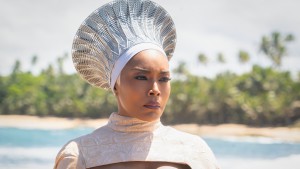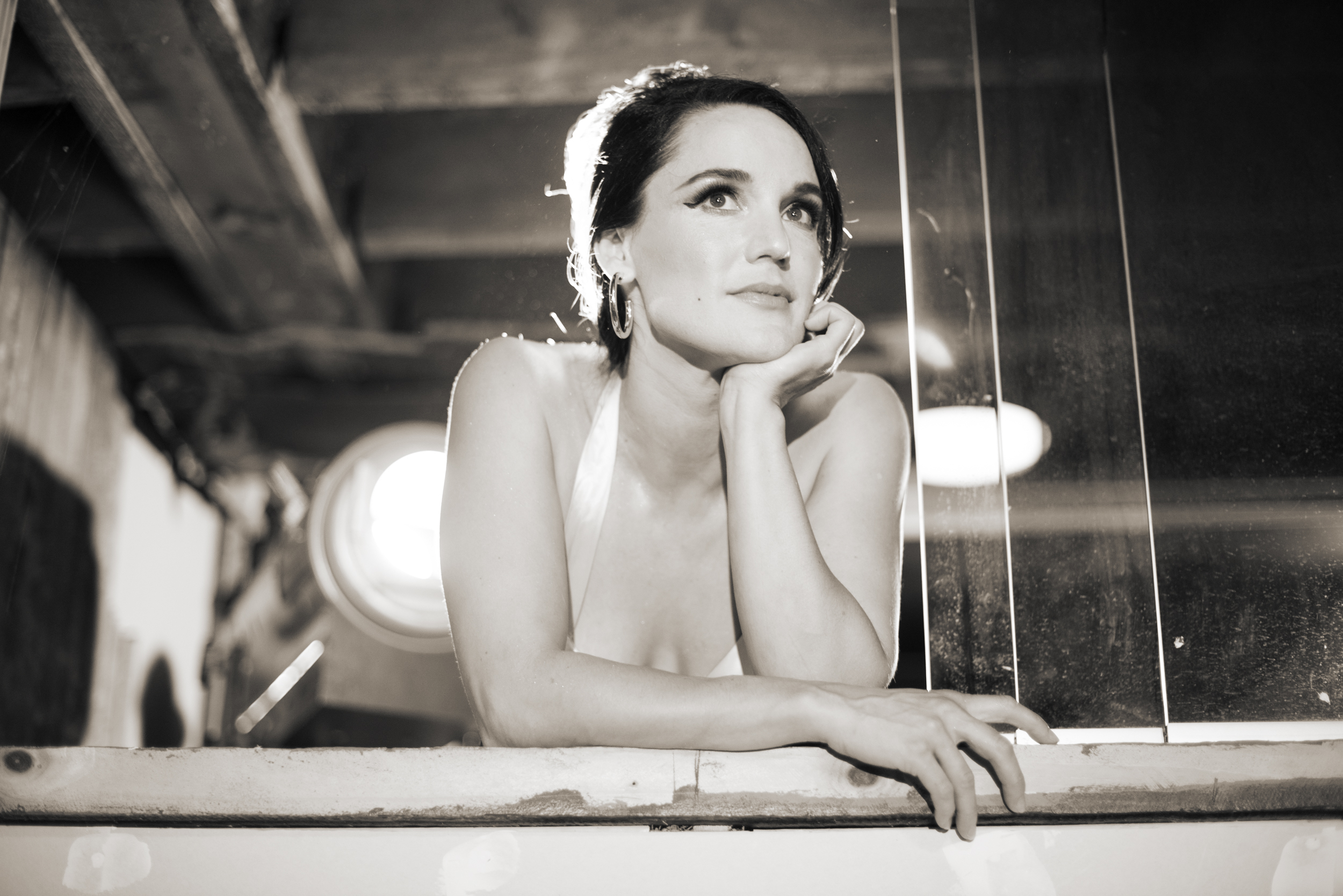
Hayley Sales. Photo Credit: George Holz

Hayley Sales is a singer-songwriter, actress and advocate who has made it her mission to promote a healthier world through her art and activism. In this candid interview, Hayley opens up about her personal experiences with marginalization and how she uses her platform to raise awareness and inspire change. From her early days in the music industry to her current work as a performer, Hayley shares her insights and perspectives on breaking down barriers and building a more equitable and inclusive world. Get ready to be inspired and motivated by Hayley’s passion and commitment to creating a better future for all.

You’re a very diverse person, being involved in the music and acting. What made you decide to go into show business when starting to think about a career?

Before I could talk, I’d apparently raise a finger and if my older brothers and parents didn’t simultaneously break into song. I would throw a tantrum tempestuous enough to scare a tempest. I was a very emotional, very dramatic, very stubborn, and yet very vulnerable child, with an imagination that ceaselessly took me on adventures, both good and bad. If I was performing, singing, or partaking in any form of art, the shadows inside me didn’t become nightmares, they became dreams. I’d spend my days sitting on the mixing board in my dad’s recording studio, running around the yard escaping witches and swooning over princes, re-enacting I Love Lucy episodes, serenading the chickens with Gershwin or reciting Shakespearean sonnets to the trees, swept away by my own romantic imagination. Once I realized I could perform and get people to watch, my mind was blown. I’d make my family sit in the living room for hours while I belted out whatever my little heart wanted.

My first official performance was a talent show when I was five years old. I remember it so clearly…the smell of the old curtains hanging in the theatre, the creaking chairs. I was clinging to the back of my mom’s shirt, hiding behind her. Then they called my name. It was my turn. I walked on stage, the heat of the lights hit my cheeks, and began to sing Dreams to Dream (Linda Ronstadt). I was home. The stage was home. I fell head over heels in love with performing…like I’d always been meant to be there. It’s funny to say, but I feel more comfortable on a stage than anywhere else in the world. Not because I’m escaping myself or my world, but more because singing, performing, acting is the language that’s easiest for my heart to speak. And it became my one focus in life, for better or worse. I like to think for better. I never had a plan B. I guess the closest you could say was writing. Or being a Shakespearean actor. But I was so driven so early on, I never considered another path. By first grade, I was going through the newspapers looking for theatre auditions. I just loved performing on such a deep level. I guess that’s the beauty of finding out what you want to do as a kid. You haven’t been jaded by the possibility that your dream isn’t possible. Having said that, being driven from such a young age has its drawbacks…I was so focused, that a lot of being a kid fell to the sidelines. And I thought I was over the hill at thirteen and missed my chance. So ironic now as I look back on my little baby face thinking she was old.

But that fire has kept me going when everything else fell apart. And everything else did fall apart. But somehow, I couldn’t give up. I just love this whole thing called show biz too much. That moment when you look out into the audience and see the stage lights reflecting off the eyes of the people there with me, that’s kept me going. I close my eyes and remember that feeling when everything else is falling apart. I’ll never give that up that love, no matter how hard things get.
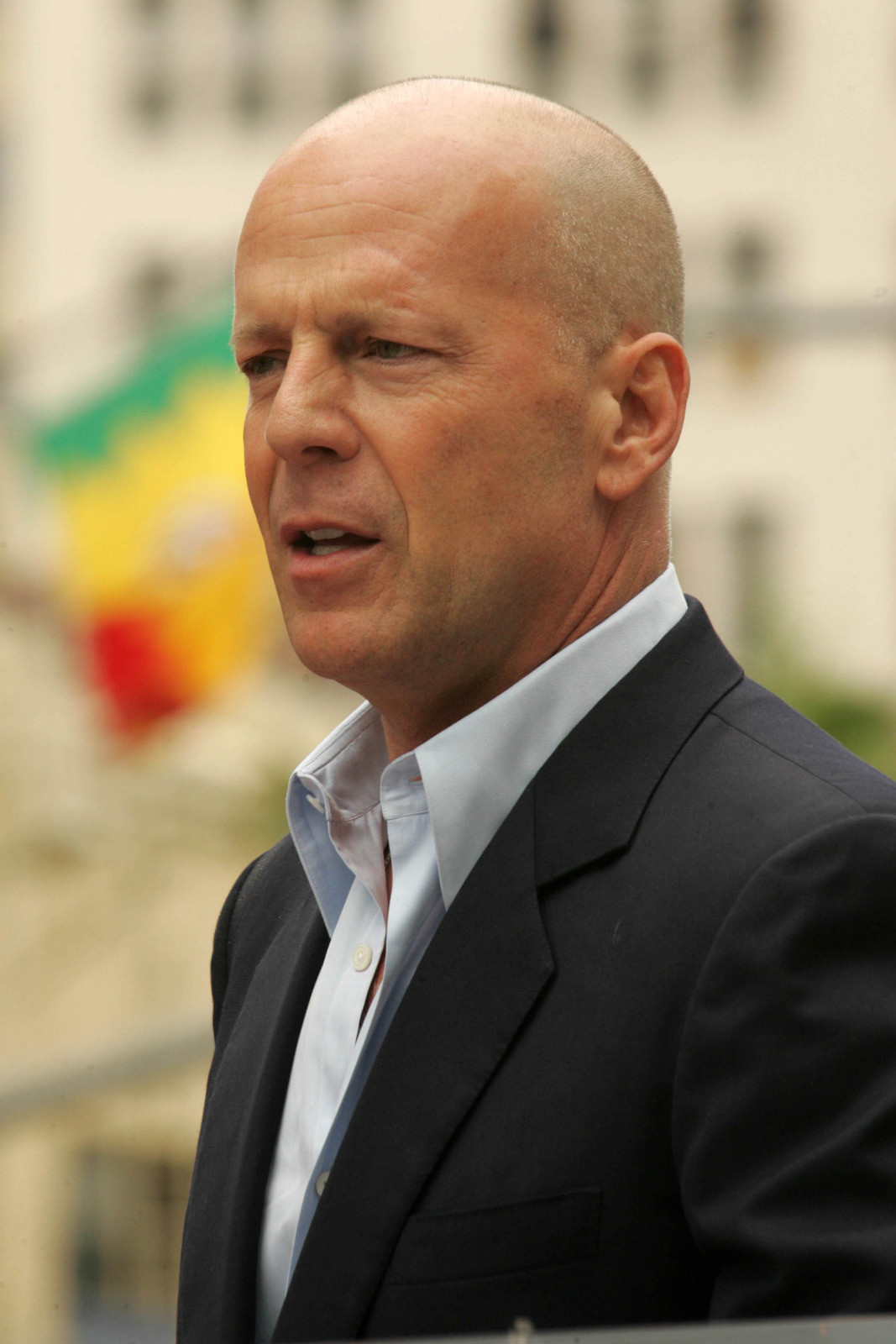
Bruce Willis
Bruce Willis

You have a great list of acting jobs behind you, including starring opposite Bruce Willis in Corrective Measures. How did you prepare for your role? Did you audition for this role?

My wonderful manager called me up as I was heading to get my Covid-19 vaccine. She had landed a wonderful opportunity for me to self-tape. The only catch? Due that evening. I hurried to the clinic, studying my lines on the way, and Zooming with my acting coach. When I got back home, I quickly threw on some makeup and pulled my hair back, propped up the backdrop and began the self-tape, having less than an hour to film and edit and upload. I tend to overthink things and generally worry about being terrible (don’t we all), so having so little time to overthink and mess things up probably worked in my favor on this opportunity.

As for preparing for the role, it was so much fun! I worked with my acting coach, Joe Anthony, for hours on end leading up to the shooting date. What I love about Joe Anthony’s approach, is that it isn’t technical. It’s story first. Empathy. Imagination. Daydreaming. It requires you to make the space to sit and daydreaming about every tiny aspect of your character’s story and not simply rely on tricks. It asks you to get out of your own way so that the story comes to life. “Hope motivates action. We tend to think of hope as a feeling but really hope is a vision of a future we’d like to manifest. So an important part of preparing for action is daydreaming about that future.” (Joe Anthony) Those are words I live by. I’ve trained primarily in The Meisner Technique (I’m a simply terrible actor if you ask me to do the line the same way twice), so my

approach has always been finding a way to not simply walk in someone else’s shoes, but wear them around long enough, they mold to your soul.

All in all, Corrective Measures will always be one of those projects I think about that instantly make my heart swell with gratitude. Everything I love about theatre, manifested on this film set. The entire project had so much collaboration built into its bones, thanks to our incredible director, that us actors were really given the freedom to dig into our character’s backstory, and bring it to life, even if that meant changing a scene. It was such an inspiration.

You grew up in your musician dad’s studio, which included being on an organic blueberry farm, but it was when you heard Judy Garland’s album that your life was changed. Tell us about this experience.

As I’m guessing you’ve picked up, I’ve been stubbornly in love with performing from the get-go but hearing Judy Garland’s voice anchored me to the type of artist I wanted to become. There is something about her…something you can’t put your finger on. It isn’t training. It isn’t perfection. In fact it’s the opposite. She’s all heart. There’s no facade. There’s no pretense. You can feel her enduring resilience, but also her brokenness and vulnerability. And so much romance. You could feel the longing and the passion in every note. She had such a humor and sadness mixed together. It’s hard to explain but when she sings you can feel everything that’s burning inside of her. I felt drawn to her heart. It beat like mine. And that was the type of performer I wanted to be. It’s still the type of performer I want to be…a big messy heart holding nothing back, singing because there’s something inside you that has to get out. We’re all flawed. No one wants to hear perfect.

Give us a rundown of your family history. What type of name is Sales? Are you named after anyone?

My last name has a bit of a history. Until my Great-Grandfather, the name was Sale. My great grandfather was born into a poor family in Virginia. Grew up in a Native community. His mother was a slave. She’d been given her freedom upon her landowner’s death, a man who’d fallen in love with her. When my Great-Grandfather came of age, he fell in love with a white woman. They married and created a life together. In 1924, Virginia passed the Racial Integrity Act, making their marriage illegal. They had to leave. It was no longer safe. They snuck across the border into Maryland, children in tow, my grandfather the oldest. They changed their name from Sale to Sales and hid their past. None of this story was talked about. My grandfather never told my grandmother. He went on to become the VP of Coca-Cola bottling on the East Coast. He refused to speak of his ancestry and went to his grave with the secret. It breaks my heart to think of the weight he must have carried. Of all my family, I actually look the most like my grandad. I remember him always asking me to sing in front of his friends and making me feel like a star. Another part of my Great-Grandfather was a Scottish operatic singer who spent his life doing Vaudeville and performing on Broadway. My dad still has a vinyl of him singing and it brings tears to my eyes to know that I am, in many ways, carrying on that legacy.

As for my name, they named me Julia after John Lennon’s song. The night my mom was going into labor, they walked around the grounds of the Basilica of the National Shrine of the immaculate conception in D.C, my dad singing that song over and over again. My middle name is Hayley, which they chose after the Halley’s comet and because my mom had heard it meant the sea.

Speaking of my mom! I owe everything to my mom. She and my dad met in high school. He was the musician drop out type and she was the homecoming queen. She’s an award-winning writer / journalist and fierce activist with a degree in modern dance. Back in the 60s, she choreographed a dance to one of John and Yoko’s tunes and when they were unable to attend the NYC premiere, they sent her a gorgeous vase and a hand-written note.

My mom is the reason I’m a pianist. When I was little, I didn’t want to put in the hard work at the piano. I just wanted to sing. I remember her sitting me down one night and saying, “That’s fine, but it means you’ll only be able to perform when you have someone to accompany you and that means less time on stage.” My little five-year-old brain jolted into action. I sat at that piano day and night from then onwards.

Tell us about your creative process when writing a song.

I often joke I can’t write a song. It writes itself. I just get out of the way. If I try to write a song, it inevitably sucks. And the muse doesn’t tend to strike when I expect it. But when it does, it’s almost like stepping out of time. It usually happens at night when I’m alone. I’ll be sitting at the upright piano in my bedroom. A melody will pop into my head. I follow the notes to see where they go. I find the chords that feel the way the melody feels. And then I dive into the soundscape, trying to translate what the whole thing is trying to say into words. Other times, I’ll be on the highway driving, feeling, and suddenly a lyric appears in my mind. I’ll pull over and write it down as quickly as possible before it runs off into the land of lost sonnets and unsent love letters.

How has your music evolved over the course of your career?

While I definitely played a chameleon for a while there as a teenager, I’d actually say the music I am about to release is very much the same music I was writing at a very young age. In fact, some of the songs on this record I wrote all the way back at thirteen…I just never considered releasing them, thinking that they weren’t relevant, too out of place for modern times. It took me longer than maybe it should have, thanks to some massive insecurities, but I’m finally at a place where I’m ready. Having said all that, I always see the ways I can be better. There is so much to learn as an artist. I think that’s one of the reasons I love it so much. And every time I learn something new, my style molds around that new nugget of inspiration, so I’m sure my music will continue to surprise me over the years.

Sharon Stone
Sharon Stone

How did your collaboration with Sharon Stone come about?

An incredible friend, one of the angels of my life, must have brought my music to Sharon. The next thing I knew, I was walking in front of Canters Deli in LA when the phone rings. I answer, mid bite into my sandwich, “Hi…It’s Sharon Stone.” I almost tripped into the middle of the road.

At the time Sharon invited me to write with her, I was rattled by the insecurity of having just lost my record label that year, a label I had been with since I was a teenager. I was hoovering on the edge of being swallowed up in a swath of fake eyelashes, hair extensions and Hollywood’s blinding lights. When I showed up at her house, I was a handful of nerves and excitement…I’d never done a co-write before and had no idea what to expect or how to even go about it. The second she walked into the room, all that went away. She was so warm and gracious, so absolutely unpretentious, and open.

We talked for quite a while, about absolutely anything and everything. She asked me, if I had one last performance to sing one last song and the world would know me by that song, what would it be and who would I be? I remember thinking on it for a second. I knew she was right. I’d done two albums with Universal, lost another one to a different label, toured all over the world…but I hadn’t done the music I needed to do yet. I’d been scared to. Perhaps subconsciously. I was an outsider, a misfit for the era. And for a while, as a kid, I hadn’t minded. But then I started to care. I tore down all the classic film posters off my walls and hid the entire library of musical films I’d collected…I tried to be what I considered ‘normal,’ quickly developing a tendency to only feel loved through my talents. Not that that was true, but I was so insecure…I dug into my career very intently at a very young age. At some point around the age of sixteen, I moved to LA. A record company exec told me my style of music was irrelevant. That I was too dark, to emotive, too different. That I needed to find an angle if I wanted to be successful. I was shattered and impressionable and incredibly ambitious. I put that entire side of myself, all those heart infused tunes, into the closet and conjured up an entirely different version of myself. I found a good deal of success with the lighter, less dramatic tunes I released with Universal Music and wouldn’t change a thing. I remember my mom laughing and saying “I can’t believe people think you’re easygoing. You’re the least easy-going person I know.” And it’s true. I’m deeply dramatic, dramatically goofy, and emphatically romantic… So, literally the opposite of the personae I had been promenading as a teenage pop artist. And Sharon, being incredibly perceptive, must have somehow divined that from my presence.

We both resonated with the idea of unabashed romance…There’s such a courage required in letting yourself be vulnerable, letting yourself be truly in love. Romance has always been an extremely important and inspirational part of who I am and how I express myself. And not just that fall in love type of romance, but romance as a way of life. Music has always been a space where I can access that feeling, whether romance was actually happening in my life…or not. When Sharon and I began writing Never Before, we wanted to capture just that…that very special moment in life when you’re so in love, time stops and every breath feels like velvet.

Sharon sat down on the couch, notebook in hand, and I slipped off my flip flops and settled in front of the gorgeous grand piano in her living room. Never Before just began to unfold between us. It was really magical. I began playing some chords and a melody that had been haunting me that morning, while she played with the words. We wanted it to be simple. To be straightforward. But to have that charming coyness of the American songbook. Very quickly, I could sense we were onto something special. I was blown away by Sharon’s ability to weave words around a melody. The lyrics and music somehow seemed to hum at the same frequency. I can’t quite describe it, and it definitely doesn’t always happen with co-writes, but it did with us.

How do you envision the future of our planet if we continue down our current path of inaction regarding global warming? What message do you hope your music sends to listeners about this issue?

I truly believe the most dangerous thing for our planet is apathy. And while my whole being aches watching our society disregard all the signs of climate change with blatant arrogance, I think the most important thing for all of us to do right now, is reclaim our own sense of hope. A hope that we can turn back the clock on climate change. A hope that we can create a society that isn’t based on anger and separation. A hope that we can, as people, truly work together to create a world that seeks to inspire, one another not destroy one another. I know it’s hard. The world feels like a battleground right now. And the last several years have been stolen from all of us. But I truly believe, if we let apathy win, our world will be destroyed. Because if we can’t hope, then what’s the point? I’ve worked closely with Climate Reality for several years now, and scientifically, if we take action, we can turn back the clock. I think we’re all just at this point of feeling tired of trying with no signs of change. But every little action we take does make a difference even if we can’t see it. That’s where hope comes in.

In many ways, I hope that we see a shift in entertainment as well. Music and films. We’re so caught up in technology right now, the beautiful mess of being human is, in many ways, been ironed out of art. And I’m ready for the imperfections to make a comeback. I hope that my music inspires listeners and other artists to become fiercely and radically human. Fiercely and beautifully imperfect. Fiercely and vulnerably hopeful. Fall madly in love with life. All of life. Fall madly in love with love. All types of love.

What upcoming projects do you have in the works?

I’m incredibly excited to play a recurring role on AMC’s Lucky Hank, which premieres this month! And on the music front, I’ve just gotten back the master to my third album, Till the End. I’ve been working day and night on the record ever since losing the last one to the label. My blood, sweat and tears are in the production, the performance, the editing, the songs, everything. I took Sharon’s advice. I made the album that I needed to make because the songs were burning inside me and the whole process was incredibly challenging. I was still so traumatized by hitting rock bottom, losing my last record, that my insecurities swarmed like a cloud of ghosts and at times, I wanted to give up. But the people around me kept me going. The people who stuck it out with me truly bring tears to my eyes. Michael Brauer mixed the album, Joe LaPorta mastered it, my dear friend Andrew Joselyn arranged and recorded strings on nearly every song, my dad donated all his time in the studio to help me produce all twenty songs…The album took on a life of its own. It’s no longer just my creation. It’s a stained-glass window of so many people I love. I’m so grateful to be able to say, we did it and that it will be released this year.
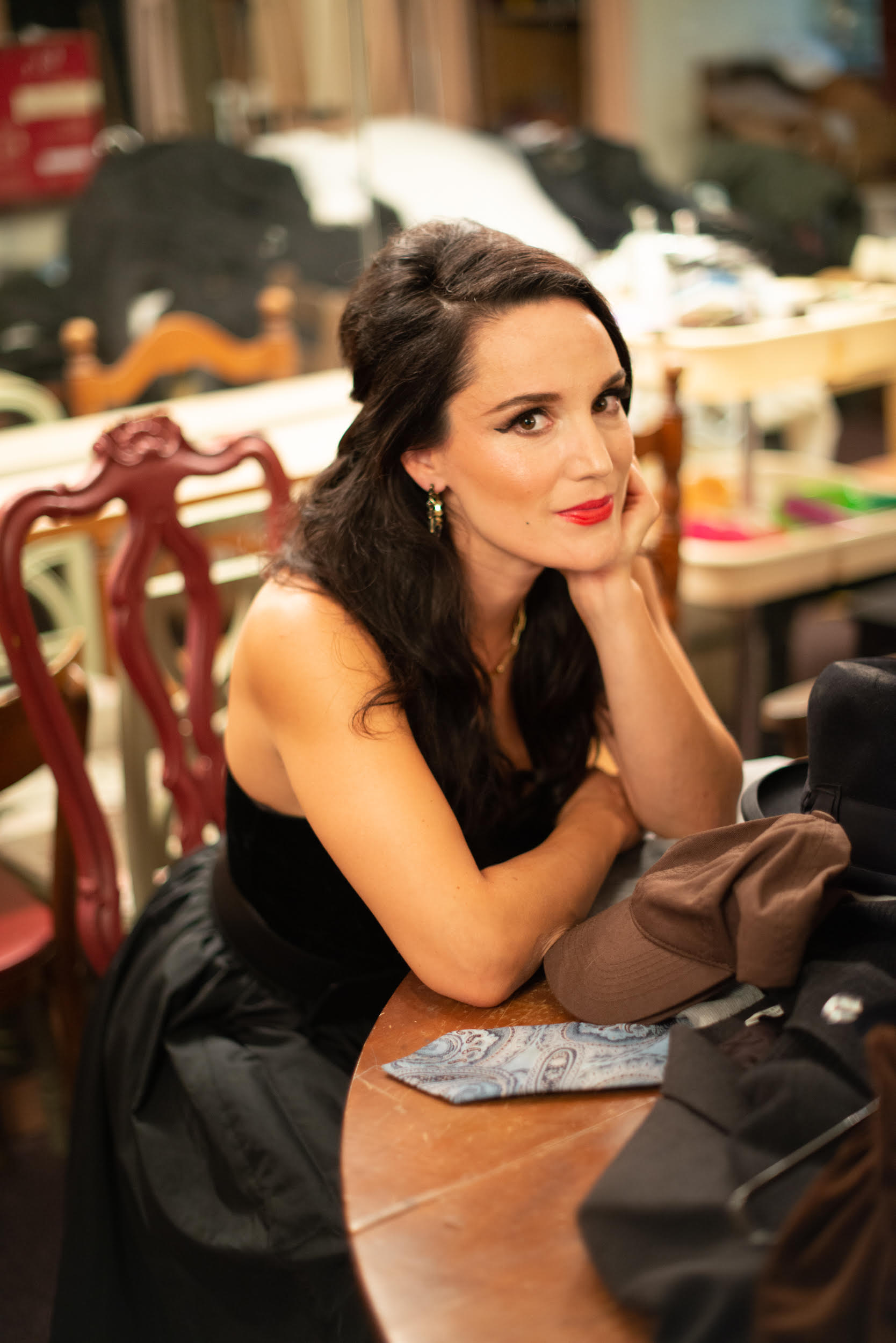
Hayley Sales: Photo by George Holz

Anything else you’d like to say?

I have an on and off again relationship with happiness. I’m one of the happiest people you’ll ever meet. I’m also one of the saddest. I’m a roller coaster. But as strange as it sounds, I love every facet of feeling. There’s a romance to the highs and also to the lows. Having said that, this early on during COVID, the sadness won. I was so broken hearted, depleted, hopeless and disillusioned, there wasn’t a single spark left. I’d lost a record to a label. I’d finished a record but couldn’t release it. There’d just been so many obstacles, I couldn’t push them aside to gain perspective anymore. I was so full of tears I could barely breath. For an entire day, I couldn’t pick my head up off the kitchen table. Perhaps it was the massive pause button COVID placed on my dreams or perhaps it was my stolen album haunting me and squeezing all the joy out of my truest love, Art…but the world just felt like a room I didn’t fit in. And I couldn’t seem to rally the romantic optimism into the trenches with me. I’d just reached rock bottom. I realized there were two options…staying stuck in that story or choosing a new one. And I forced myself to choose a new one. I began to meditate, something I’m terrible at being an incredibly A type, hyper-anxious person with an incredible tendency towards a 48-hour workday. I began to daydream and visualize the person I wanted to be. I spent hours in my mind sitting a grand piano on a stage, looking out into the gorgeous sea of eyes in the audience…and would burst into tears of absolute joy and gratitude. I felt such a sense of inner happiness, the state of dreaming became enough. At first, I thought the elation was simply a result of the daydreaming, that I was imagining my dreams finally becoming realities. And then I realized, it was deeper than that. The happiness was coming from within. That state of joy wasn’t outside of myself, it was inside me. And the more grateful I felt about the smallest of things, the more elated and inspired I would feel in my core. I’m not entirely sure happiness is the right word…our society has such a strange concept about what happiness is…but a grace, a levity, a deep sense of gratitude, started to bubble inside my heart. I’m a true believer, happiness is simply the way you look at things. And the more you can tell yourself the story you want to live in, and believe it before its reality, the quicker it will manifest.

It’s not going to be easy. There are going to be many reasons to give up. There are going to be hundreds of doors that slam in your face. And sometimes the rejection is going to get so thick, all that you can see plastered on your horizon is a big clump of failure and heartbreak. At times, the doors will slam so loudly you can’t hear the voice inside anymore and you might even question why. I know I did. I know some days I still do. But I genuinely hope you hear me when I say this: If you truly need to write, if you truly need to sing, if you TRULY need art to survive, let me be that person yelling out over all that rejection telling you to keep going. Don’t turn around. It might not happen overnight and that’s okay. In some ways, now that I’m starting to climb my way out of the dark, murky little dwelling I’ve been wading in for years, I’m more grateful for the loss and rejection than the successes. It forced me to develop grit.

When I lost everything in 2016, I crumbled up in a shell of myself. The betrayal, the unfairness, the loss, was so shattering, I almost couldn’t believe the pain. It was one, maybe two voices that got me back on my feet, that convinced me to not give up. And if there is any way I can be one of those voices for you, telling you to be resilient, to dig in and keep going, then I feel as though my entire experience was worth it. So, dig deep. Find whatever it is inside you that’s just aching to get out. There is no way you will fail. The art is worth it. People might not get it at once, and that’s okay. If you’re creating the music you need to hear, there will be many others who need to hear it too.

Just focus on the art. Keep your head down and keep going. If you work hard enough and are in it for the right reasons, your time is coming. And lastly, stay grateful. Stay grateful for everyone and every little thing that comes your way. Support is precious. Friendship is irreplaceable. And most important, stay in love with your art.

Industrial-Acting-101-What-It-Is-and-How-to-Succeed

Industrial acting continues to be a growing industry that provides actors with the opportunity to showcase their talents in a unique setting. Industrial productions are typically created for businesses to train their employees or to promote their products, services and initiatives. This means that industrial actors need to be able to deliver information clearly and effectively while still being engaging. (I’ll share a broader explanation down below.)

While it may seem like a departure from the glitz and glamour of traditional acting, there are plenty of reasons why actors might want to consider this type of work.

Why Become an Industrial Actor

Industrial acting can provide a steady stream of income between more high-profile gigs. Many actors find that the unpredictability of the entertainment industry can make it difficult to make ends meet, but by taking on industrial jobs they can enjoy more stability and financial security. Industrial acting also allows actors to use their skills in new and interesting ways while still challenging themselves creatively.

The Importance of Industrial Acting

Now we can get into the thick of it —

We’ve established that industrial acting is a subset of acting that involves using acting skills in a corporate or business setting. Industrial actors may work for a variety of clients, including corporations, non-profit organizations and government agencies.

Have you ever played laser tag or gone go kart racing? If yes, more than likely you were instructed to watch a short safety video. Wa-lah! The person in the video is an industrial actor!

To break it down, industrial acting can be an effective way to convey complex information in a way that’s memorable. By using acting techniques, industrial actors can bring training materials to life, making them more accessible and enjoyable for employees. In advertising, industrial actors can help sell products and services by delivering persuasive and compelling performances. Here are some examples:

  • Safety training videos: Actors are often hired to play out scenarios in workplace safety training videos, such as how to properly use equipment, how to handle hazardous materials or how to respond to an emergency situation.

  • Sales training videos: Actors may also be hired to demonstrate sales techniques, showcase product features or model how to interact with customers in a sales training video.

  • Corporate promotional videos: Actors can be cast to portray employees or customers in a corporate promotional video, where they may provide testimonials or demonstrate the benefits of a product or service.

  • E-learning courses: Actors can also be used in e-learning courses, where they may deliver lectures, role-play scenarios or provide examples to illustrate a concept or skill.

  • Internal communication videos: Actors may be employed to play out scenes in internal communication videos, such as company announcements, training videos or policy updates.

Training for Industrial Acting

Like traditional acting, industrial acting requires training and practice. Many industrial actors begin their careers with a background in traditional theater, film or television acting. However, there are also specialized training programs and workshops available specifically for industrial actors such as improvisation, public speaking and character development. And the actor must be comfortable working in a variety of settings such as corporate boardrooms, training sessions and advertising shoots.

How to Succeed as an Industrial Actor

  • Specialize in Industrial Roles: One of the best ways for an actor to succeed as an industrial actor is to specialize in roles related to the industrial sector. This could involve studying the technical aspects of industrial work, such as manufacturing, engineering or construction. By having a strong understanding of the industry, an actor can convincingly portray characters in industrial settings and bring authenticity to their performances.

  • Build a Strong Network: As with any acting career, building a strong network is crucial for success. In the case of industrial acting, this could involve connecting with casting directors, producers and other industry professionals who work specifically in the industrial sector. Attending industry events and networking with fellow actors and professionals can help an actor gain visibility and opportunities in the industrial space.

  • Develop Strong Communication Skills: Industrial acting often requires an actor to communicate technical information in a clear and concise manner. Therefore, it’s important for an actor to develop strong communication skills which can help an actor think on their feet and deliver lines with confidence and clarity.

  • Embrace Safety Protocols: Many industrial roles require an actor to work with heavy machinery or in hazardous environments. Actors should embrace safety protocols and take precautions to protect themselves and others on set. This could involve wearing protective gear, attending safety briefings and following all safety procedures.

  • Stay Flexible: An actor must stay flexible and adapt to the unique demands of each industrial acting role. This could involve learning new skills, researching technical information or taking on physical challenges. By being open to new experiences and willing to take on challenging roles, an actor can succeed as an industrial actor and bring authenticity and depth to their performances.

  • E-learning courses: Actors can also be used in e-learning courses, where they may deliver lectures, role-play scenarios or provide examples to illustrate a concept or skill.

  • Internal communication videos: Actors may be employed to play out scenes in internal communication videos, such as company announcements, training videos or policy updates.

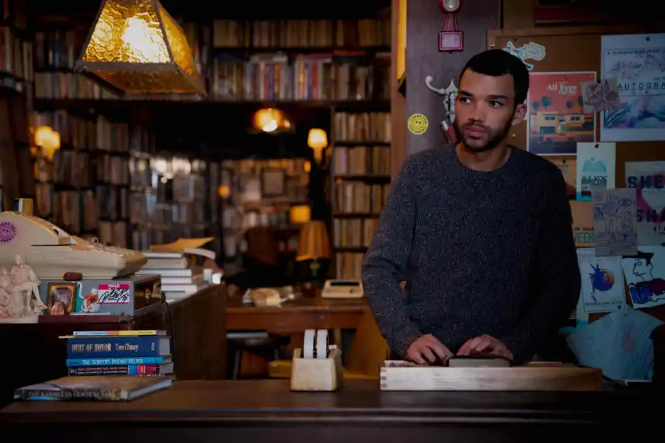
NYCastings-Justice-Smith-Plays-a-Bookstore-Manager-in-Sharper

Justice Smith plays a bookstore manager in the film Sharper

Career Prospects for Industrial Actors

If you play your cards right, industrial acting can be a lucrative and rewarding career path. The demand for industrial actors is high, with many companies looking for effective ways to deliver training and advertising messages to their employees and customers.

Industrial actors may work on a freelance basis, or they may be employed by a production company that specializes in industrial acting. Some industrial actors also work as corporate trainers, using their acting skills to deliver training materials to employees. (As boring as this may sound, think of it as an “entertainment” acting job, where you play the role of a salesperson or, let’s say, a bookstore manager in a film.)

In terms of salary, industrial actors can earn anywhere from a few hundred dollars to several thousand dollars per day, depending on the project and their level of experience. Some industrial actors also receive residuals, which are payments made for ongoing use of their image or performance.

Check Out This Industrial Training Video

I’ll leave you with this…

In case you’re wondering what an industrial training video looks like, watch this 1992 McDonald’s Employee Training Video because not only are actors in it, but so is the basketball player Michael Jordan! Even the great MJ does industrials!

The-Art-of-Puppetry-Bringing-Inanimate-Objects-to-Life-Jim-Henson-The-Muppets

To become a puppeteer, an actor needs to learn specific techniques that are unique to puppetry. While there is some overlap with traditional acting skills, such as creating character and expressing emotion, there are also many differences in terms of physicality and manipulation of the puppet.

Why puppetry, you ask? Simple answer: Marketability. As puppetry becomes more popular, there are growing opportunities for actors with puppetry skills to work in a variety of fields such as film, television, theater and advertising. By adding puppetry to your skill set, you can increase your marketability and open up new career opportunities.

We’ll get into what skills are needed in a moment. Let’s take a quick look at history.

The History of Puppetry

The history of puppetry can be traced back to ancient civilizations, such as Greece, Rome and China. In these cultures, puppets were used for religious ceremonies, entertainment and even education. Puppets were often made from materials such as wood, clay and cloth, and they were controlled using strings or rods.

NYCastings-The-Art-of-Puppetry-Bringing-Inanimate-Objects-to-LifeIn Europe during the Middle Ages, puppetry became a popular form of entertainment. Puppet shows were performed in public squares, fairs and festivals, and they often featured well known characters such as kings, jesters and witches. During this time, puppetry also became a tool for political satire, and puppet shows were used to criticize those in power.

In the 20th century, puppetry experienced a renaissance, thanks in large part to the work of puppeteers such as Jim Henson. Henson created The Muppets, a group of lovable characters that have become cultural icons. The Muppets have been featured in numerous television shows and movies, and they have inspired generations of puppeteers.

Oh! You may have heard of the 2003-2009 Tony Award winning Broadway play, Avenue Q. It was a delightfully, yet foul-mouthed play that captured the hearts of everyone. The actors were the puppeteers! Seriously, this could be you in the future!

Alrighty then. Let’s get to to the key skills that an actor needs to learn to become a puppeteer.

Puppeteer Skills and Techniques

Puppet manipulation: Puppet manipulation involves the physical manipulation of the puppet to make it move and express emotion. This includes controlling the puppet’s limbs, mouth and other features. Different types of puppets require different types of manipulation, so it’s important for a puppeteer to be familiar with a variety of puppet types.

Voice work: In addition to manipulating the puppet, a puppeteer must also be able to create the voice of the character. This involves not only creating a distinct voice but also syncing the voice with the puppet’s movements to create a seamless performance.

Breath control: Puppetry requires a great deal of physical endurance, as the puppeteer must often hold the puppet in position for extended periods of time. Breath control is essential for puppeteers to maintain their stamina throughout a performance.

Improvisation: Like traditional acting, puppetry often involves improvisation. Puppeteers must be able to think on their feet and react to unexpected situations, such as when a puppet malfunctions or a prop falls over.

Stage presence: Puppeteers must also be able to command the stage and engage the audience. This involves not only creating a compelling character but also being aware of the physical space and how the puppet interacts with it.

Collaboration: Puppetry often involves working as part of a team, so puppeteers must be able to collaborate effectively with other performers and technicians.

Technical skills: Puppeteers must be familiar with the technical aspects of puppetry, such as how to set up and operate the puppets, as well as how to troubleshoot technical issues that may arise during a performance.

Actors Who Are Puppeteers

Are you familiar with any of these actors who do puppetry? The list includes Dave Goelz, the performer behind the Great Gonzo and Dr. Bunsen Honeydew in the Muppets, and Frank Oz, the performer behind Bert and Cookie Monster in Sesame Street, Miss Piggy, Fozzie Bear and Animal from The Muppets as well as the voice of Yoda in Star Wars. These performers have made a name for themselves by combining their acting skills with their puppetry skills to create memorable and entertaining characters.

Contemporary Trends in Puppetry

Just as you thought you were ready to tackle puppetry, technology whooshed in and started taking over. Digital technology is being used to create more sophisticated puppets and to enhance the puppetry experience. Puppetry is also being integrated with other art forms such as dance and music. Experimental puppetry is also gaining popularity, with puppeteers pushing the boundaries of what can be done with puppets.

One significant change that technology has brought to puppetry is the development of digital puppetry. Digital puppetry involves the use of computer-generated images to create virtual puppets that can be manipulated in real-time. With this technology, puppeteers can create complex movements and animations that were once impossible with traditional puppetry techniques. This type of puppetry is often used in film and television production, where it allows for greater creative control and flexibility in post-production.

Another way technology is changing puppetry is through the use of animatronics. Animatronics involve the use of electronic and mechanical devices to create lifelike movements in puppets. This technology has been used in films such as the Star Wars franchise, where animatronic puppets were used to create some of the most iconic characters in the series, including Yoda and one of my all-time favorites, Jabba the Hutt.

Animatronics, virtual reality and other technologies have allowed actors and puppeteers to create more complex and sophisticated puppets that can move and interact with their environment in ways that were once impossible. However, despite these advancements, traditional puppetry techniques are still being used today and continue to captivate audiences around the world.

If you’re curious or want to enhance your skill set, check out this Guide to Puppetry video by the Puppet Nerd, Adam Kreutinger, for Puppetry 101.

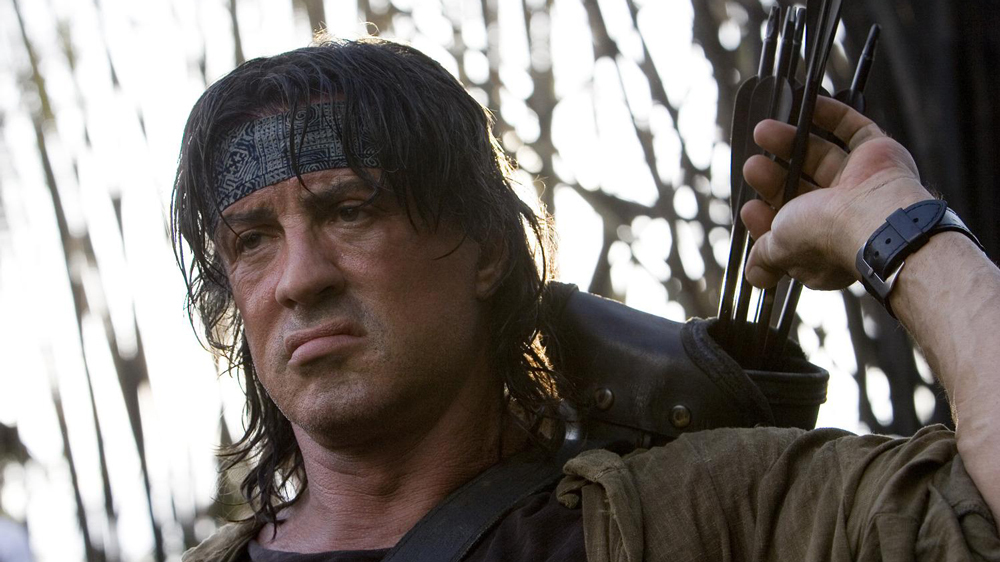
The-Thrill-of-the-Fight-A-Look-at-the-World-of-Action-Films-Sylvester-Stallone-in-Rambo-Bandana

Action films have been a staple of cinema for decades, offering audiences thrilling and exciting experiences through adrenaline-fueled sequences of explosions, car chases and hand-to-hand combat. These films have captured the hearts and minds of moviegoers around the world, drawing in massive crowds and generating billions of dollars in revenue. From the classic action films of the 80s and 90s to the modern blockbusters of today, action films continue to be one of the most popular and enduring genres in cinema. But what is it about these films that makes them so captivating? Let’s explore the evolution of action films, the key elements and their impact on popular culture. Whether you’re a die-hard action film fan or a casual moviegoer, this article will provide an in-depth look at the world of action cinema and what makes it so compelling.

The Evolution of Action Films

The action film genre has undergone significant evolution since its inception in the early 1900s (yes, 1900s!) Initially, action films were characterized by simple, linear plots and limited use of special effects. However, with the advent of technology, the genre has evolved to include more complex stories, advanced special effects and dynamic characters. The 1980s saw the rise of the “muscle-bound hero” with films like Rambo and Terminator, while the 1990s saw the introduction of more nuanced and emotionally-driven action films such as Die Hard and The Matrix. In recent years, the genre has further expanded to include superhero movies, spy thrillers and science fiction action films. As technology continues to advance, it’s likely that the action film genre will continue to evolve and push the boundaries of what is possible on screen.

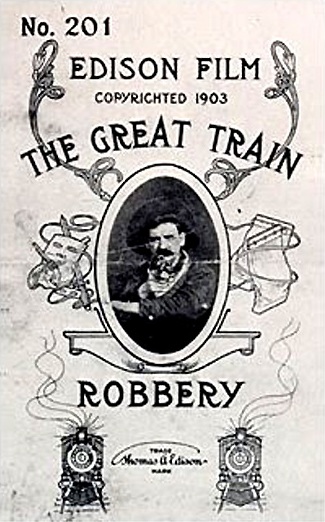
NYCastings_The_Great_Train_Robbery,_Edwin_S._Porter,_Edison_Films,_1903_PosterThis leads me to a little bit of history going back to 1903. Honestly, I didn’t plan to talk about the 10 minute silent film, The Great Train Robbery, in this article but I feel that I should, considering some historians consider this was the first action film. Directed and photographed by Edwin S. Porter, a former cameraman for the Thomas Edison Company, film tells the story of a group of outlaws who rob a train and are pursued by a posse. The movie ends with one of the outlaws shooting directly at the camera, which was a significant shock for audiences of the time.

The Elements of Action Films

Action films combine intense physical combat, thrilling stunts and explosive special effects to create a sense of excitement and adrenaline in the audience. Whether it’s a classic martial arts film or a modern superhero blockbuster, action films follow a specific formula that keeps audiences on the edge of their seats. There are just too many to list here, but we’d love to hear what your favorite action scenes are! Head over to DirectSubmit NYCastings and follow us to let us know!

A Compelling Protagonist: A great action film typically has a protagonist that the audience can root for and empathize with. This might be a hero with a troubled past, a rogue who’s seeking redemption or simply someone who’s fighting for what’s right.

High-Stakes Conflict: The conflict at the heart of the film should be significant and the outcome should matter. Whether it’s stopping a terrorist attack, saving the world from destruction or seeking revenge for a loved one, the stakes should be high enough to keep the audience invested.

Tension and Suspense: This is needed to keep the audience on the edge of their seats. This might include tense standoffs, narrow escapes or ticking time bombs.

Exciting Action Sequences: Action films are defined by their thrilling action sequences, whether that’s a car chase, a hand-to-hand fight or an explosion-filled shootout. These sequences should be well-choreographed and visually stunning, making the most of the film’s budget and technology.

Memorable Villain: A great action film often has a memorable and formidable villain. The villain should be a worthy adversary, with their own motivations and a sense of charisma or menace that makes them stand out.

Strong Cinematography and Soundtrack: Action films are often visually stunning and accompanied by a powerful soundtrack. This might include sweeping aerial shots, dynamic camera angles and a score that heightens the tension and excitement of the action sequences.

Sigh. You talked me into it. Here’s one of my favorite action scenes – from a little James Cameron movie called Aliens starring Sigourney Weaver and Carrie Henn. The music (not present in this scene), written by James Horner, is just so… mwah! Perfect! I literally just re-watched this scene five times while writing this article.

The Impact of Action Films on Popular Culture

Action films have had a significant impact on pop culture, inspiring fashion trends, music, video games, sports and even politics. While the genre has its critics, there’s no denying that action films have left an indelible mark on our cultural landscape.

Fashion and Style: Action films often feature iconic characters with distinctive looks that have become synonymous with the genre. For example, the leather jacket and sunglasses of The Terminator, the bandana of Rambo or the trench coat of Neo in The Matrix have all become recognizable symbols of action movies. These styles have inspired fashion trends and have even influenced the broader culture of clothing and accessories.

Pop Music: Many action films feature memorable soundtracks that have become hits in their own right, such as “Eye of the Tiger” from Rocky III, “Ghostbusters” from the film of the same name, or “Danger Zone” from Top Gun. Action films have also been an inspiration for music videos, with many artists incorporating cinematic elements and action sequences into their videos.

Video Games: One of my favorite things to talk about — the video game industry. Many video games, such as Grand Theft Auto, Call of Duty and Assassin’s Creed, draw inspiration from the action film genre, with their focus on combat, action sequences and stunts. In addition, many video game adaptations of action films have been successful, including the James Bond game series and the Batman: Arkham series.

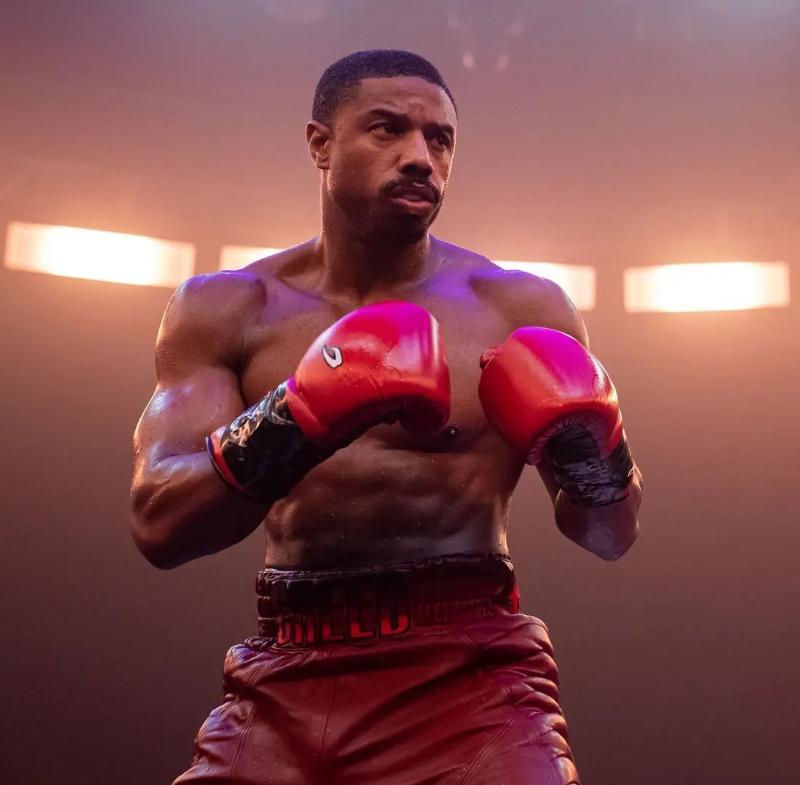
NYCastings-The-Thrill-of-the-Fight-A-Look-at-the-World-of-Action-Films-Michael-B-Jordan-in-Creed-IIIHere are some action films to check out:

Plane (2023) Official Trailer

Marvel Studios’ Ant-Man and The Wasp: Quantumania

Creed III

John Wick: Chapter 4

The Alexander Technique - Movement Training for Actors

The Alexander Technique is a method used to improve movement and posture, reduce tension and stress, and promote overall well-being. It can be very useful for actors, as it can help them become more aware of their physical habits and how those habits may be affecting their performances.

In acting, the Alexander Technique can help actors develop better stage presence and physical expressiveness. The technique focuses on teaching actors to release unnecessary tension in their bodies, allowing for more fluid and natural movement. This can help actors to become more relaxed and confident on stage, and to be more in touch with their emotions and their characters.

Some specific ways that the Alexander Technique is used in acting include:

  1. Body Awareness: The Alexander Technique teaches actors to become more aware of their bodies and how they move. This can help them to identify and release tension and other physical habits that may be limiting their performances.
  2. Breath Control: The technique also teaches actors how to use their breath to support their voices and their movements. This can help actors to project their voices more effectively, and to create more dynamic and expressive physical performances.
  3. Vocal Technique: The Alexander Technique can also be used to improve vocal technique. By teaching actors how to use their breath and release tension in their bodies, they can develop better control over their voices and create more nuanced and emotionally impactful performances.

Overall, the Alexander Technique can be a powerful tool for actors looking to improve their performances. By becoming more aware of their bodies, their breath, and their physical habits, actors can become more expressive and confident on stage, and create more dynamic and engaging performances for their audiences.

There are many exercises that are used in teaching the Alexander Technique, but here are a few examples:

  1. Constructive Rest: This is a simple exercise where the student lies down on their back with their knees bent and their feet flat on the floor. The idea is to allow the body to release any unnecessary tension and to let gravity do its work. The teacher may guide the student through a series of mental prompts, such as visualizing the body sinking into the ground, releasing tension in the neck and shoulders, and breathing deeply.
  2. Whispered “Ah”: In this exercise, the student stands with their feet shoulder-width apart and their arms relaxed at their sides. The teacher instructs the student to make a “sshhh” sound and then to whisper the sound “ah” while releasing tension in the neck and shoulders. This exercise can help to improve breath control and vocal technique.
  3. Monkey: This exercise involves imitating the movement of a monkey, with loose, floppy arms and legs. The student moves around the room, focusing on releasing tension in the joints and allowing the body to move freely. This exercise can help to improve overall body awareness and loosen up tight muscles.
  4. Body Mapping: This exercise involves using visualizations and mental imagery to become more aware of the body and its movements. The teacher may guide the student through a series of prompts, such as imagining a string pulling the head up towards the ceiling, or visualizing the spine as a long, flexible tube.
  5. Chair Work: This exercise involves sitting in a chair and becoming aware of the body’s contact with the chair and the ground. The teacher may guide the student through a series of prompts, such as feeling the sit bones on the chair, releasing tension in the neck and shoulders, and imagining the head floating upwards.

There are many famous actors who have used the Alexander Technique to improve their performances. Some of these actors include:

  1. Judi Dench: The renowned British actress has been a proponent of the Alexander Technique for many years and has spoken about its benefits in interviews.
  2. Kevin Kline: The Academy Award-winning actor has used the Alexander Technique throughout his career to help him maintain good posture and reduce stress and tension.
  3. John Cleese: The comedian and actor has credited the Alexander Technique with helping him to improve his physical performance and maintain his energy levels on stage.
  4. Paul Newman: The late actor and philanthropist was a strong supporter of the Alexander Technique and helped to establish the American Society for the Alexander Technique in the 1980s.
  5. Ian McKellen: The British actor has spoken about how the Alexander Technique has helped him to maintain good posture and avoid back pain during his long career in theater and film.
  6. Maggie Smith: The acclaimed actress has been a longtime advocate of the Alexander Technique and has spoken about how it has helped her to stay grounded and focused on stage.


Ana de Armas - Blonde - NYCastings

In this series, I will break down every acting nominee for the 2023 Academy Awards, one category at a time. This series will not attempt to predict the winners, nor will it declare that anyone “should” win. It is a breakdown and celebration of each performance and why they deserve to be recognized. Each article will also mention one eligible 2022 performance which was not nominated but is also worth discussing. Some of these breakdowns will mention plot points from the films, so watch out for spoilers. 

The 2022 nominees for Best Actress are: Ana De Armas, Blonde; Michelle Yeoh, Everything Everywhere All At Once; Michelle Williams, The Fabelmans; Cate Blanchett, Tár; Andrea Riseborough, To Leslie. Another performance worth mentioning is Viola Davis in The Woman King. 

Ana de Armas
Film:
Blonde
Role: Marilyn Monroe

Ana DeArmasBackground: At age 34, Ana de Armas is this year’s youngest nominee for Best Actress. This is not only her first nomination, but the first Best Actress nomination for a Cuban woman. A busy actress since she began at age 18, de Armas rose to prominence for her role as a holographic AI in Blade Runner 2049; she gained her first Golden Globe nomination a few years later for Knives Out. For her role as Marilyn Monroe in Blonde, she has been nominated for the SAG Awards, BAFTAs, Golden Globes, and many more.

Why she deserves to win: Blonde, Andrew Dominik’s adaptation of Joyce Carol Oates’ fictionalized account of Marilyn Monroe’s life received heaps of controversy and criticism, even leading the Razzie awards in nominations. However, Ana de Armas deserves none of the heat directed at the film. Her performance as Marilyn Monroe is astonishingly vulnerable and captivating. When Ana de Armas, who is Cuban, was cast as the iconic blonde bombshell, the choice was met with some skepticism from fans. However, the transformation is undeniable, as de Armas was able to masterfully capture Monroe’s mannerisms. While her natural accent crept through at times, it was not a problem. If anything, it seemed to serve as a reminder that this is not a biopic; rather, it is a heightened imagining of how an iconic sex symbol could become something bigger than herself while suffering abuse at every turn. Ana de Armas’ depiction of Marilyn Monroe was able to capture the tragic duality at the core of the character in the film: the charisma to win everybody over, contrasted with being lost and without a feeling of family. It may not be accurate to Marilyn Monroe’s real life, but it’s a compelling character performed excellently and is very deserving of this high-level recognition. Personally, I was worried that the controversy surrounding the film would lead to Ana de Armas getting snubbed, and I was happy to see her on the list. 

Cate Blanchett
Film:
Tár
Role: Lydia Tár, a world-famous classical music composer and conductor. 

Cate BlanchettBackground: For the last 20 years, at least 1 performer has swept the BAFTAs, SAG Awards, Golden Globes, and Oscars, winning all 4. With Cate Blanchett’s loss at the SAG Awards, this 20-year streak has been broken; after winning the BAFTA and Golden Globe, she was the last remaining undefeated performer. Considered by many to be the frontrunner in this year’s Best Actress race, Cate Blanchett is the only past Oscar winner to be nominated in any of the 4 categories this year (she won Best Supporting in 2005 for The Aviator and Best Actress in 2014 for Blue Jasmine). While Yeoh’s SAG win has thrown a wrench in Blanchett’s perfect campaign, her odds still seem very strong to take home her third trophy from the Academy.

Why she deserves to win: Blanchett’s performance in Tar lives up the hype. A powerful narcissist with high standing in the classical music sphere, Lydia Tar’s fall from grace happens gradually across the film’s runtime; even as the cracks start to form, she clings desperately to her pride. As she stubbornly refuses to appear pathetic, she allows everything she cares about to slip away. Much like in classic Greek tales of hubris, the character’s ego and power-drunkenness destroy her life, and once she recognizes it, it’s too late. Such a role requires a performer with undeniable charisma who commands power in a room; Blanchett does this effortlessly. It also requires an intricate balance to be found when the character begins to unwind. The performer must make the cracks visible while maintaining the character’s ignorance; they must use restraint to draw out the character’s realization for as long as possible. The demands of the role are met perfectly by Blanchett, who remains very engaging to watch through the highs and lows of the film itself. When the Academy likes a film, they typically like to give it something, and that’s an edge for Blanchett; while Tar and Everything Everywhere All at Once have both been very well-liked this award season, Tar isn’t the frontrunner in any other category. Blanchett may, essentially, be accepting the Best Actress award on behalf of the film itself. There’s nothing wrong with that, though – the film is elevated to its current level by the strength of Blanchett’s performance. 

Andrea Riseborough
Film:
To Leslie
Role: Leslie Rowlands

Andrea RiseboroughBackground: Can I rant for a little bit? Andrea Riseborough’s nomination has been deemed “controversial” and was even subjected to an investigation by the Academy. This is because she was nominated for a lesser-known film, which sort of popped out of nowhere. Rather than a traditional campaign backed by money from a studio, Riseborough’s nomination was the result of a word-of-mouth campaign led by A-list celebrities, including fellow nominee Cate Blanchett. To me, this is exactly the kind of performance that should be nominated: an astonishing performance that many people in the industry wanted to recognize, which has now been given significantly wider attention by the nomination. However, since her nomination was unexpected, many fans have rejected it. Andrea Riseborough has become the scapegoat for everybody who wishes their favorite actress got picked. This narrative is extremely annoying to me. We should be celebrating the fact that a very talented actress (who has been underrated for years) has defied the odds and earned her first Oscar nomination. It’s a massive win. And, in terms of the performances themselves, Andrea Riseborough shouldn’t be on the chopping block; she might even be the best of the bunch, only lacking hype due to the quiet limited release of To Leslie, which didn’t even break $30,000 at the box office. Please, before you tweet anything bad about her nomination or assert that she “stole” a nomination from someone else, at least watch the movie. Is that too much to ask?

Why she deserves to win: To Leslie follows Leslie, a former lottery winner who has, through years of bad decisions and alcoholism, lost all the money she won and burned bridges with everyone she knows. Now, only 6 years after her win, she is homeless. The humanity that Andrea Riseborough brings to such an unstable character is extremely impressive. She manages to convey the complexity of the character: Leslie has a drinking problem and needs help, but her unreliability and fits of rage make it nearly impossible for her to receive it. Riseborough transforms into the character, throwing herself in fully to demonstrate the toll that alcoholism and homelessness have on the body. She also shows incredible range in the performance, showing Leslie’s performative two-facedness as she attempts to hide how dire her condition really is. The performance’s range is also demonstrated by Leslie’s transformation through the highs and lows of her recovery. It’s a film built completely to showcase one incredible performance. If To Leslie was seen by as many people as the other films in this category, we might be discussing Andrea Riseborough as the frontrunner. 

Michelle Williams
Film:
The Fabelmans
Role: Mitzi Schildkraut-Fabelman, the mother of Sammy (Gabriel LaBelle).

Michelle WilliamsBackground: Steven Spielberg has wanted to make a movie about his childhood and parents for years, and The Fabelmans is the product of a long development period. The final product is worth the wait, as it’s one of the best films of 2022. Michelle Williams’ character, Mitzi, is based on Spielberg’s mother, Leah Adler. Williams’ Oscar campaign has been plagued by debates about whether she should be entered in lead actress or supporting; however, it’s clear that The Fabelmans is about Spielberg’s mother as much as it is about himself, and Michelle Williams more than earned a nod in the lead actress category. At the relatively young age of 42, this is a very impressive fifth nomination for Williams. However, despite winning many accolades in her career, including two Golden Globes, an Emmy, and a SAG Award, she has not won an Oscar yet.

Why she deserves to win: The character of Mitzi Fabelman is trapped in a tense family situation. Her son, Sammy Fabelman, is a young artist, while her husband (Paul Dano) is a very serious computer engineer. In her son, she sees an opportunity for her artistic side – something she’s long suppressed – to live on. Despite the beaming positivity she radiates, her character is very tragic; her life is a possible outcome for a child like Sammy who dreams of being an artist. The artistic child inside Mitzi has not died, but is trapped in a world where her dreams have been replaced with a home life. This child pushes its way out of her in unexpected ways, fighting hard against the depression Mitzi is feeling. Michelle Williams portrays the sweet sorrow of her character perfectly; moments like Mitzi dancing at night or buying a monkey are not only extremely believable, but strike a balance between the joy and sorrow at war within the character. Williams makes you love the character first before jerking at your heart (and ripping it to shreds). For me, it’s the most emotionally evocative performance of the 5 nominees; despite the film being about her son, Mitzi is the heart of a very emotional film. 

Michelle Yeoh
Film:
Everything Everywhere All at Once
Role: Evelyn Quan Wang, a wife, mother and laundromat owner, currently being audited.

Michelle YeohBackground: At age 60, Michelle Yeoh has scored her first Academy Award nomination. This also makes her the first openly Asian woman to be nominated in the Best Actress category. After rising to prominence in action films throughout the 80s and 90s, few would have guessed that her greatest, most unique role would come in 2022. But nobody can deny how impressive her performance in EEAAO is, already earning her a Golden Globe and many critics’ awards. She also scored the SAG for Best Actress in an upset over Cate Blanchett, putting the two neck-and-neck for frontrunner status.

Why she deserves to win: Everything Everywhere All at Once is a completely wild sci-fi comedy-drama film about a family thrust into a conflict spanning across the multiverse. The parallel universes in the film present the actors with a unique challenge and opportunity; they each must play various versions of their characters. Each must be identifiable as the same character while also being distinct from the other versions. These circumstances may be part of the reason that all 4 main actors in the film were nominated for Oscars this year. Yeoh’s character, the mother of the family, is the film’s lead, with the action centering around her. As she is thrust into the absurd world of the multiverse, she must process and adapt to what is going on. However, underneath the high-concept and comedic action of the story, there is also a family conflict that Yeoh’s character must deal with. This means that, despite the absurd circumstances, her performance is actually quite grounded. Her dramatic performance is the glue of the entire film. Michelle Yeoh is captivating. She also manages to show the flaws of her character while still remaining very likable to the audience. As the lead performer of an extremely fun movie, she rises to the challenge, bringing a fun, varied, and energetic performance which is also nuanced and “real.” 

Viola Davis
Film:
The Woman King
Role: General Nanisca, a warrior who leads and trains the Agojie, an all-female warrior unit. 

Viola DavisBackground: An EGOT winner, as well as the only African-American performer to win the Triple Crown of Acting (Emmy, Oscar and Tony), Viola Davis is one of the most lauded actresses of her generation. After being nominated for a BAFTA, Golden Globe and SAG Award for her role in The Woman King, it seemed somewhat likely that she would score her 5th Academy Award nomination as well. However, the film underperformed at the Academy, not earning a single nomination despite critical and commercial success. With criticism aimed at the 95th Academy Award nominations’ absence of any black performers in either lead acting category, Davis has become one of the most-discussed snubs.

Why she deserves to be mentioned: As the lead in one of the most exciting action movies of the year, Viola Davis’ performance is bold and memorable. Known as a great dramatic actress, Davis demonstrates incredible range by portraying the fierce and tough general Nanisca, showing complete command of various fight scenes. However, there is also a vulnerable side to the character, allowing Davis’ dramatic chops to shine through. On top of that, it is a historical piece; this gives the performance an additional layer, as Davis must capture the voice and mannerisms of an 1820s African warrior. While historical dramas tend to do very well with the Academy, performers in action films are often overlooked, putting this performance in an interesting gray area. I would also speculate that Viola Davis’ EGOT status isn’t doing her any favors in this case; with only 1 former Oscar winner being nominated across all 20 acting nominees (15/20 being first-time nominees), and several underdog/comeback stories like Michelle Yeoh, Andrea Riseborough, Brendan Fraser, and Ke Huy Quan dominating the awards season narratives, it appears that voters wanted to favor fresh faces this year. 

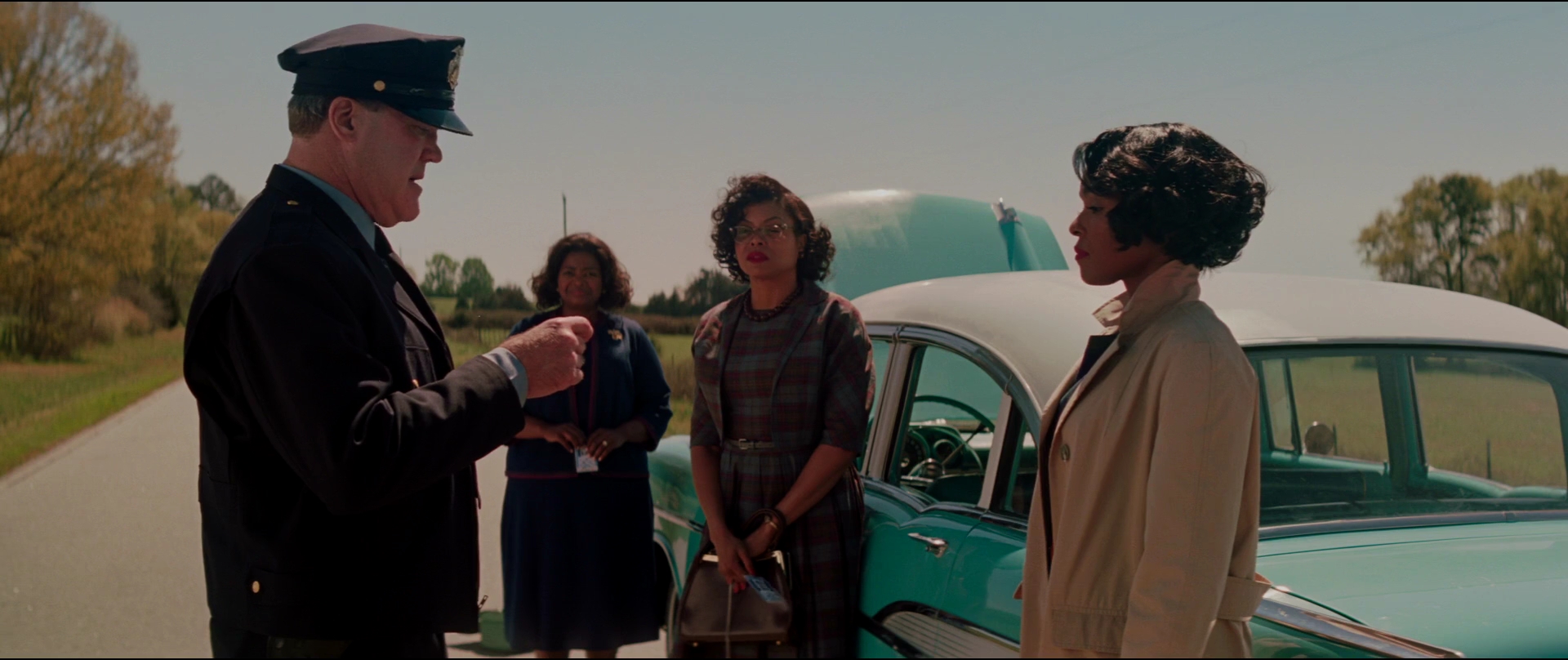
Taraji P. Henson, Ron Clinton Smith, Octavia Spencer & Janelle Monáe in Hidden Figures

Acting is an art form that has been around for centuries, yet, in my opinion, its potential has not been fully tapped. For all I know, it may remain fully untapped because the world is evolving so quickly, it’s a struggle to keep up.

The power of acting lies in its ability to connect people, to evoke emotions and to tell stories. It’s a medium through which we can learn about the human experience and empathize with those around us.

At its core, acting is about transformation. It’s about taking on a character and embodying their thoughts, feelings and experiences. Through this process, actors are able to tap into their own emotions and bring a performance to life in a way that’s authentic and moving. This transformation is not limited to the stage or screen; it can be applied to all areas of life.

I touched upon empathy up there. By taking on the perspective of another person, actors are able to understand and relate to their experiences in a way that few other professions can. This empathy is not only important, but it ‘s also a valuable skill for everyday life. It allows us to connect with others on a deeper level and to approach difficult situations with understanding and compassion.

Examples:

Active Listening: Actors are taught to listen actively, not just hear the words, but also understand the underlying emotions and motivations behind them. This helps them to connect with people on a deeper level.

Observing People: Actors often observe people in their everyday lives to understand human behavior and emotions. This helps them to develop a greater sense of empathy towards others.

Researching Roles: When preparing for a role, actors research the character they’re portraying, their background, experiences and emotions. This process helps actors to understand and empathize with the character they’re playing, which can also be applied to real-life situations.

NYCastings-Engaging-in-conversationEngaging in Conversation: Actors often engage in conversation with people from all walks of life, which helps them to understand different perspectives and experiences. This helps to develop their communication and interpersonal skills.

Practicing Emotional Regulation: Actors also learn techniques to regulate their own emotions, which can help them to connect with others on a more authentic level. This involves being able to recognize and manage their own emotions while remaining present and engaged with others. (I suggest you practice this on a continuous basis, as it’s not easy.)

In addition to empathy, acting also requires a great deal of creativity and imagination. Actors must be able to envision and bring to life a character that may be vastly different from themselves. This creativity is a valuable skill for problem-solving and innovation. It allows us to approach challenges with a fresh perspective and to find new solutions to old problems.

Here’s how you can apply creativity and imagination to every day life:

Ability to think outside the box: The “box” refers to the constraints or limitations that can be either external or internal, such as rules, traditions, social norms, habits, fears or biases. To think outside the box is to challenge and expand these constraints by exploring new possibilities, considering different perspectives, experimenting with novel approaches and being open to unexpected ideas and solutions. Something actors are very good at doing!

Adaptability: Actors are used to working in different environments, with different people and in various roles. This adaptability can help them adjust to changing circumstances in the real world, including where travel away from home for months at a time is not negotiable.

Collaboration: Actors often work in ensembles, requiring them to collaborate with others to create a successful performance. Think about how many different ways a scene can play out. Casting Directors see hundreds of actors in a day and I guarantee you, each audition performance varies from the next. By collaborating with many people, you may see value of trying something differently.

Risk-taking: Actors often take risks as part of the job which can lead to unexpected results.

Let’s apply this to the real world:

Physical injuries: Actors often perform their own stunts or engage in physically demanding scenes, which can lead to injuries such as broken bones, concussions and other serious injuries.

Health risks: Actors may have to undergo significant weight changes, follow strict diets or perform in hazardous environments, which can lead to health problems such as exhaustion, dehydration and other health complications.

Emotional risks: Actors may need to portray characters with intense emotions, which can be mentally and emotionally taxing. Additionally, actors may have to deal with rejection, criticism and public scrutiny.

Financial risks: Acting is a highly competitive industry, and many actors may experience periods of unemployment or underemployment, which can lead to financial insecurity.

Legal risks: Actors may face legal challenges such as breach of contract, copyright infringement and defamation.

Reputation risks: Actors’ careers can be significantly impacted by scandals or negative publicity, which can harm their personal and professional reputations.

Safety risks: Actors may need to perform in dangerous or risky situations, such as working with animals or in extreme weather conditions, which can pose safety risks.

Acting also has the potential to break down barriers and promote social change. By bringing to light stories and experiences that are often overlooked or marginalized, actors can create a platform for social justice and advocacy. Through performances, they can raise awareness about important issues and inspire others to take action. The actors in the 2016 film Hidden Figures do just that. The film illustrates the determination and perseverance needed to overcome racist and misogynistic attitudes.

Too often, acting is dismissed as a frivolous pursuit or a hobby rather than a legitimate profession. This attitude not only undermines the hard work and dedication of actors, but it also ignores the tremendous value that acting can bring to individuals and society as a whole.

To fully tap into the potential of acting, we must recognize its importance and invest in its development. This means supporting aspiring actors with education and training programs, creating more opportunities for diverse representation in the entertainment industry and valuing the contributions of actors in all areas of society.

Acting is an art form that deserves our respect and recognition, and we must work together to unlock its full potential.

This Is Good Training

As an actor, achieving peak performance requires more than just talent and skill. It takes consistent effort and dedication to develop habits that support your craft.

What is a habit?

A habit is a routine behavior or action that is performed repeatedly and often unconsciously. Habits are formed through repeated actions that eventually become automatic, requiring little or no conscious effort to carry out. Habits can be either good or bad, depending on their impact on our lives and goals. Good habits can help us achieve our goals and improve our lives, while bad habits can hinder our progress and hold us back. The key to forming good habits is to start small, stay consistent and be patient with the process of building new habits.

I’m going to give you an example of a habit that you may already do and compare it to acting.

Ready? Here we go… working out.

Yep, that simple.

When you’ve made the conscious decision to stay physically fit, you’ve made a commitment to yourself. Going to a gym or even figuring out what exercise you want to do at home can be overwhelming. Well, so can show business.

Start Small

Working Out: Begin by setting small, achievable goals for yourself. For example, commit to working out for 15 minutes each day, rather than trying to exercise for an hour right from the start. This will help you establish a consistent routine and build momentum over time.

Compare to Acting: Start with small roles, get used to being on set. Maybe even do a couple of background / extra gigs to familiarize yourself with how things progress during the day.

Create a Plan

Working Out: Make a plan for when, where and how you will work out. This can include scheduling specific times for exercise, choosing a gym or workout space and selecting activities that you enjoy and are manageable for your fitness level.

Compare to Acting: Build your skills. Take acting classes, workshops and attend industry events to improve yourself and network with industry professionals. Utilizing this plan will point you in the right direction.

Track Your Progress

Working Out: Set your goals and keep track of your workouts in a journal or fitness app. Seeing your progress and accomplishments can help you stay motivated and committed to your fitness routine.

Compare to Acting: Tracking progress involves keeping a record of your auditions, rehearsals, performances and feedback from directors or fellow actors.

Flexibility and Adaptation

Working Out and Comparison to Acting:

Both working out and acting require a degree of flexibility and adaptation. Just as your body may respond differently to various exercises, your performances as an actor may require adjustment and fine-tuning in response to feedback or changes in the script or production.

NYCastings-10-Habits-for-an-Actors-Peak-PerformanceFind a Buddy

Working Out: Working out with a friend or family member can help keep you accountable and motivated. Plus, it can be more fun to exercise with a partner.

Compare to Acting: Having an accountability partner can help keep you motivated to work on your lines, provide feedback and support and offer a fresh perspective on your performances.

There are also some key differences between having a workout buddy and an accountability partner. In the case of working out, having a buddy can help make the experience more enjoyable and social. You can work out together, have conversations and push each other to achieve your fitness goals. On the other hand, as an actor, having an accountability partner may be more focused on the craft of acting itself. You might work on scenes together, practice exercises and discuss your progress in a more professional context.

Reward Yourself

Working Out: Treat yourself for reaching milestones and accomplishing your fitness goals. This can be as simple as a small treat, such as a favorite food or new workout gear.

Compare to Acting: You might choose to reward yourself by treating yourself to something you’ve been wanting for a long time, such as a nice meal, a new piece of equipment or a vacation.

You get the picture. So now, let’s schedule your makeover! (By the way, if you ever try to schedule a makeover for an American Girl doll, be prepared to wait in line for hours and spends lots of money. If you don’t know what an American Girl doll is, one day you’ll come across one and that will trigger you to pass this article along to your friends and co-workers.)

Here are 10 habits for peak performance:

1. Practice and rehearse regularly to improve your skills and stay sharp.

2. Stay physically fit: You need to be in good physical shape to perform well on stage or screen. Exercise regularly and maintain a healthy diet.

3. Stay hydrated: Drinking enough water is important for maintaining mental and physical performance.

4. Get enough sleep: Make sure to get enough rest each night to perform at your best during the day.

5. Set clear goals: Define specific, measurable, achievable, relevant and time-bound goals to work towards and track your progress.

6. Develop a positive mindset: Positive self-talk and visualizing success can help you overcome challenges and maintain motivation.

7. Stay focused: Concentrate on your current task and avoid distractions.

8. Stay organized: Keep track of your auditions, rehearsals, and other acting commitments to avoid double booking and stay on top of your schedule.

9. Collaborate effectively: Be a team player and work well with directors, producers and other actors.

10. Take constructive feedback: Be open to feedback from others and use it to improve your skills and performances.

BONUS HABITS

11. Continuously learn: Stay curious and seek out new experiences and skills to enhance your craft.

12. Network effectively: Attend industry events and make connections with other professionals to expand your opportunities.

13. Stay adaptable: Be open to new experiences and able to adjust to changing circumstances.

14. Manage stress effectively: Develop healthy coping mechanisms to manage stress and anxiety.

15. Develop a strong work ethic: Be dedicated and committed to your craft, and consistently put in the necessary work.

16. Cultivate empathy: Develop a strong sense of empathy to better understand and connect with your characters.

17. Seek out diverse perspectives: Expose yourself to diverse perspectives and experiences to expand your creative range.

18. Communicate clearly: Be able to effectively communicate your ideas and emotions to your audience.

19. Stay true to yourself: Stay authentic and true to yourself, and don’t compromise your values or beliefs for the sake of a performance.

20. Embrace failure: Learn from your failures and use them as opportunities for growth and improvement.

By establishing consistent routines, staying disciplined and prioritizing self-care, you can maximize your potential and increase your chances of success. From regular practice and training to maintaining a healthy work-life balance, these habits can help you stay focused, motivated and mentally and physically prepared for your next performance. While the journey to peak performance may require hard work and dedication, the habits developed along the way can ultimately lead to a more fulfilling and successful career.

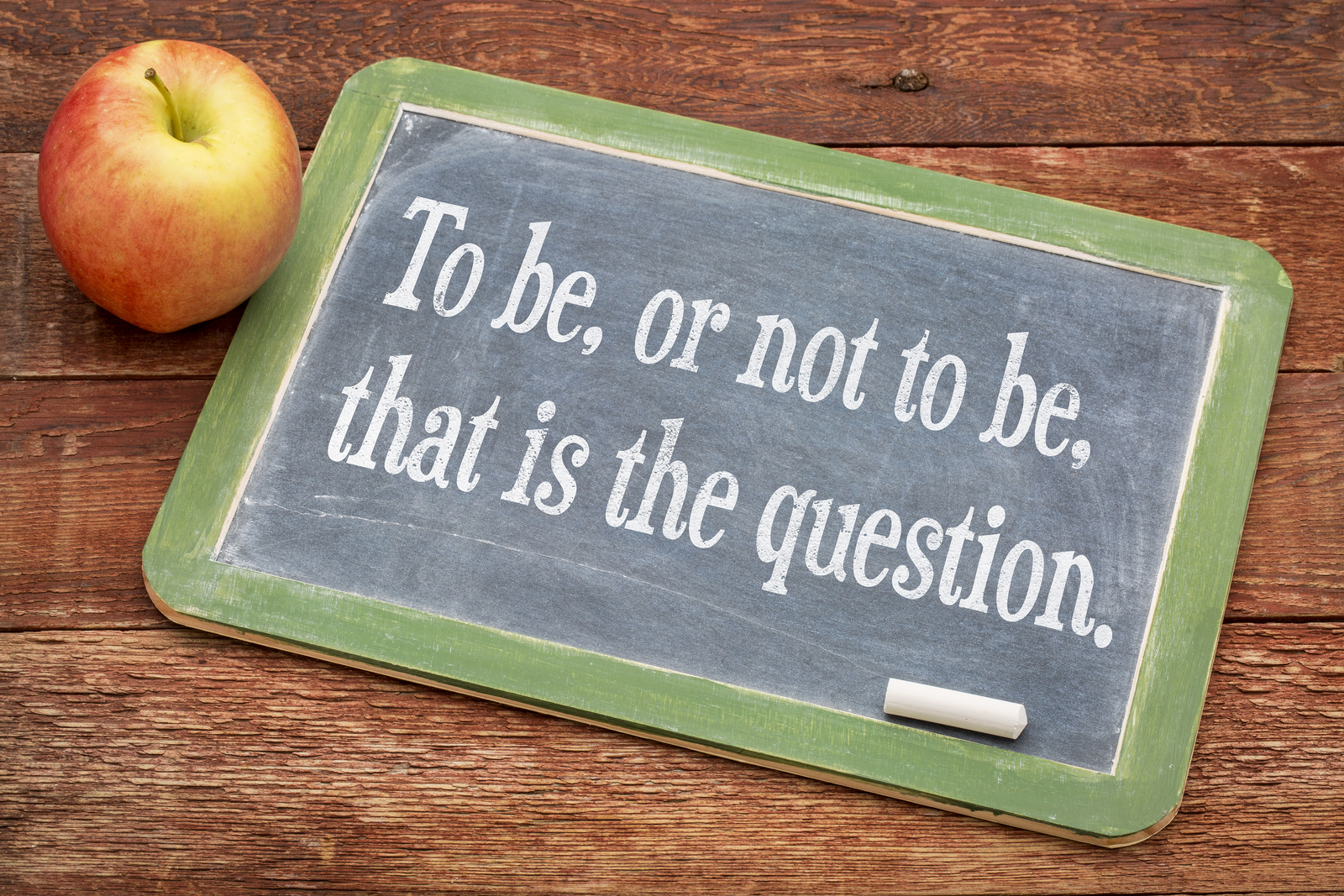
3-Things-Aspiring-Actors-Should-Learn-Shakespeare-To-Be-Or-Not-To-Be

If you’re an aspiring actor, you’ll want to develop a range of skills to help you stand out in auditions and bring your characters to life in compelling performances. Three main areas for actors to focus on are:

  • The history of theater, television and film

  • Voice and diction

  • Script analysis

Understanding the timeline of storytelling and performance, mastering vocal techniques and analyzing scripts are all a part of creating believable, engaging performances that capture the audience’s attention. Read on to learn why these skills are important and how you can master them.

THE HISTORY of THEATER, TELEVISION and FILM

Attaining a clear understanding of the history of happenings in theater and film will allow you to further learn of the development of styles over the decades. It’ll aid you to be aware of the accomplishments of previous generations of performers and to seek out the styles and strategies adopted by actors over time.

Here are some reasons why you need to learn the history of theater, television and film:

Evolution of Storytelling: The history of theater, television and film traces the evolution of storytelling, from ancient Greek theater to the present day. Understanding this will help you to appreciate the different techniques and styles that have been developed, and to identify the elements of storytelling that have remained constant.

Storytelling has been around forever and is an integral part of human culture. But no artist, in my opinion, has had a bigger influence on storytelling than William Shakespeare. His works spanned over hundreds of years ago and have become an invaluable source of inspiration for writers, actors, directors and more ever since.

NYCastings-Marc-Singer-Shakespeare-Macbeth-Capital-City-Amphitheater

Veteran stage and screen actor Marc Singer plays the title role in Macbeth at the Capital City Amphitheater. Photo by ALICIA DEVINE/TALLAHASSEE DEMOCRAT

Shakespeare’s plays are filled with timeless scenarios that we still witness today: the power struggle between family members, conquering ambitious goals, dramatic love stories and moral dilemmas universal to all of us. He wrote his stories in such a way that they remain relevant even centuries later, as he understood the complexity of human nature better than most other playwrights of his time. His characters often seem more relatable than those found in contemporary literature or films due to their deep introspection into the human mind and soul.

Shakespeare actor Marc Singer, who you may also recognize from screen gems such as The Beastmaster and “V”, strongly suggests that people train in Shakespeare. Marc makes a compelling argument, which you can read about HERE.

Appreciation of Previous Generations: This sounds like a partial repeat of what I discussed up there, but I want to stress how learning history is an important way to gain insight into the lives and works of previous generations of performers. By studying the techniques and styles used in various genres, it can give you a better understanding of how those particular crafts evolved over time and what elements played a role in their success. This knowledge can also be beneficial when considering your own creative endeavors, as it gives you an appreciation for the hard work that went into perfecting these skills.

Identification of Influences: History helps you to identify the influences that have shaped acting. By understanding the works of previous generations of performers, actors can identify the techniques and styles that have influenced their own work.

Contextualization of Current Works: Knowing how other performers and their works have developed will help you build a successful career in a saturated industry. By understanding the ways that your achievements add to a larger body of art, you’ll be able to create a distinctive performance.

Understanding of Audiences: By understanding the history of performance, actors can identify the ways in which audience expectations and tastes have evolved over time.

VOICE and DICTION

Aspiring actors should learn how to speak clearly and with proper pronunciation, tone and inflection.

Reasons why you need to learn voice and diction:

Clarity: You need to be able to speak clearly so that the audience can understand your lines and follow the story. Poor voice and diction can lead to confusion or misinterpretation of the character’s words. Oftentimes, you may find yourself displaying the closed captions on your screen when you are unable to identify what the actors are saying. This is what you want to avoid, because if you’re reading the captions, you’re now diverting your attention from the story and acting. Think about it – would you want your audience to read the captions instead of watching you?

Expressiveness: Good voice and diction can help you to express your emotions and convey the meaning of your lines. An expressive voice can enhance the audience’s understanding of the character’s emotions and motivations.

Versatility: You need to be able to use your voice in different ways to create different characters. Good voice and diction can help you to create different accents, dialects and vocal patterns. Read about How Auditioning With A Different Accent Can Help You Land The Role.

Projection: For stage, you need to be able to project your voice to reach the back of the theater without straining your vocal cords.

Characterization: Voice and diction can be used to create a distinct voice for a character, which can help to differentiate you from other characters in the play or movie.

NYCastings-Script-AnalysisSCRIPT ANALYSIS

You should be able to analyze and interpret scripts to better understand the character’s motivations, emotions and actions.

Script analysis is a massive skill because it helps you to understand the story, characters and the world of the play or movie. Script analysis involves breaking down the script into its essential components, including the plot, characters, themes and tone. This analysis will help you to understand the context of your character’s actions, motivations and emotions, which is what’s needed to create a convincing performance.

Various reasons exist why performing artists ought to study script analysis:

Understanding the Story: Script analysis helps you to understand the story you’re telling, including the plot, themes and symbolism. This understanding helps you to identify key moments and how your character fits into the overall story.

Developing the Character: You can develop your character by understanding their motivations, backstory and relationships with other characters. By grasping these elements, you can create a fully realized character that is believable and engaging.

Making Choices: You can make adjustments to your physicality, vocal choices and emotional choices by studying script analysis. Do the choices your character makes fit in with your character’s motivations and emotional state?

Collaboration: This may not seem like a big point, but trust me when I say that collaboration is vital to your career. As a part of a production, you’re collaborating with the director, other actors and the creative team. By understanding the story and characters, you can contribute to discussions about the overall vision of the story and how your character fits into that vision.

Interpretation: Script analysis can help you interpret a script in a creative and unique way. By understanding the story and characters, you can bring your own interpretation to the role, which can make the character more interesting and engaging for the audience.

You should take the necessary steps to learn all that you can about the acting craft. From learning the basics of acting to understanding the business side of things, having a well-rounded knowledge base will give you an edge in your career. If, as an aspiring actor, you’re willing to put in the time and effort, you have the potential to succeed in this competitive field.

Elliot Page in The Umbrella Academy

The entertainment industry is notorious for placing a high value on image and reputation. In an industry where success is often measured by popularity and public perception, celebrities and performers are constantly under pressure to maintain a flawless image.

From the red carpet to social media, every move and action is scrutinized by fans, media and industry professionals. The smallest misstep can result in negative publicity and harm an individual’s career. This pressure can have a significant impact on an individual’s mental health and well-being.

Let’s Talk About Social Media and Society

With millions of followers and fans, celebrities have an unprecedented level of visibility and access to their fans. Social media platforms provide an opportunity for celebrities to interact directly with their fans and promote their work, but they can also be a source of stress and anxiety.

Entertainers are often criticized for everything from their fashion choices to their political beliefs. Negative comments and online bullying can take a toll on an individual’s mental health, leading to anxiety and depression. The pressure to maintain a perfect public image can also lead to a lack of authenticity and a fear of being true to oneself.

An example is Elliot Page (formerly Ellen Page) who made his mark in the film Juno and is currently in the Netflix series The Umbrella Academy. In 2014 before the world knew Ellen was going to transition to Elliot, Ellen was giving a speech at a Las Vegas Human Rights Campaign Time to Thrive and came out as gay. You can see the speech and read the article HERE.

The pressure of hiding and wanting to confirm to what society and the acting industry told them they had to be like was overwhelming, hence Ellen saying, “I am tired of lying by omission.” Other news reports discuss how Ellen was forced to wear dresses for events and how uncomfortable they felt.

Fast forward to 2020. Now years later with more of an understanding about strength and mental health, Elliot was able to share that they are transgender. Perhaps Elliot himself didn’t even know he was transgender in 2014, but if he did, there may have been too much fear to publicly jump from the sweet little girl the world knew them as to a male. Elliot’s appearance drastically changed but this time, he was ready to take on any pressure thrown at him from society.

Which brings us to…

High Standards of Physical Appearance and Public Image

Celebrities are expected to maintain a certain level of physical fitness and attractiveness, often resulting in extreme diets and exercise regimens. The pressure to maintain a perfect physique can lead to eating disorders and body dysmorphia, as well as a sense of inadequacy and low self-esteem.

The pressure to maintain a perfect public image can also have a significant impact on an individual’s personal relationships. Public relationships and marriages are often scrutinized by the media and fans, leading to a lack of privacy and constant speculation. Divorce and breakups can result in negative publicity and harm an individual’s career, leading to a reluctance to enter into serious relationships. Think Brad Pitt and Angelina Jolie.

The pressure to maintain a perfect public image can be overwhelming, but remember that celebrities are human beings with emotions and vulnerabilities. The industry needs to shift its focus from perfection to authenticity, allowing individuals to be true to themselves without fear of negative repercussions.

Lizzo
Lizzo

This is one of the reasons I like the rapper / hip hop singer Lizzo, who has been a vocal advocate for body positivity and self-love. She has been open about her struggles with body image and has spoken out against the societal pressure to conform to a certain body type. Lizzo often performs in outfits that celebrate her body and encourages others to embrace their own bodies, regardless of their size or shape. She’s also used her platform to raise awareness about the harmful effects of body shaming and to promote body inclusivity in the media and entertainment industry. Lizzo’s positive attitude and empowering messages have inspired many people to love and accept themselves just as they are. 

Watch Lizzo’s Official Music Video Good as Hell.

Here’s how I feel about all of this — entertainers should be able to speak openly about their struggles with mental health and body image. The industry should provide support and resources to help individuals cope with the pressures of fame by promoting a culture of acceptance rather than perfection.

Here are some tips for dealing with the pressure of maintaining a perfect public image:

  • Practice self-care

Self-care is essential for maintaining good mental health and well-being. Take the time to engage in activities that help you relax and recharge. This can be anything from meditation and yoga to taking a long bath or going for a walk in nature. Whatever it is that helps you unwind, make sure you prioritize self-care in your daily routine.

  • Surround yourself with a supportive network

It’s crucial to have a supportive network of family, friends and colleagues who can offer encouragement and support when times get tough. A supportive network can help provide a sense of belonging and reduce feelings of isolation and stress. It’s also important to seek help from professionals such as therapists or counselors who can provide additional support and guidance.

  • Focus on your strengths

It is easy to get caught up in the negative feedback and criticism that comes with maintaining a public image. Focus on your strengths and what makes you unique. This will help you build confidence and maintain a sense of self-worth despite the pressures of the industry.

  • Embrace imperfection

No one is perfect (not even me!), so embrace imperfection as part of the human experience. Recognizing that making mistakes and facing challenges is part of the learning process can help alleviate the pressure of maintaining a perfect public image. Embracing imperfection also allows for authenticity, which can help build trust and rapport with fans and audiences. You may have read how actors get fan mail from viewers about how their character helped them in real life.

  • Set realistic expectations

Recognize that mistakes and failures are a part of the process and that progress takes time. Setting achievable goals and celebrating small successes can help build momentum and create a positive mindset.

What is Perfection Driven By?

The demand for perfection is driven by the need to attract audiences and maintain a loyal fan base, but it can also be a source of immense stress and pressure. This pressure to maintain a perfect public image can also be seen in the entertainment industry’s behind-the-scenes activities such as casting decisions, marketing campaigns and even production budgets. Studios and production companies are constantly striving to present themselves as flawless, even when facing difficult or controversial decisions.

We must recognize that perfection is not attainable, and that mistakes and flaws are a natural part of being human. As a society, we need to be more forgiving and compassionate towards those in the entertainment industry, recognizing that they too are human and susceptible to making mistakes.

The-Power-of-One-Embracing-Your-Independence-as-an-Actor

As an actor, it can be easy to fall into the trap of waiting for opportunities to come your way. It’s natural to feel like you need to rely on others, whether it’s a casting director, agent or manager, to give you a chance. The truth is that you have the power to create your own opportunities and build a successful career as a strong and independent actor. I’m talking about “The Power of One”. Yes, that means you, and you alone.

Embracing Your Acting Independence

Embracing your acting independence means taking ownership of your career and pursuing your goals with passion and purpose. It means being proactive, taking risks and staying true to yourself in the face of rejection and setbacks. (See our previous article to find out if you have what it takes to become an actor.) You have the ability to make professional decisions and choices without relying on others, such as being able to work independently without constant supervision (i.e. arriving to set on time), having the skills and knowledge necessary to perform your job duties without assistance (i.e. learning your lines) and being confident in your abilities to handle challenges or obstacles that may arise in your work (Follow us at DirectSubmit NYCastings to comment what obstacles you’ve encountered on set.)

Life Independence

There’s also life independence, which is something you should work on in order to be comfortable with acting independence.

Independence means that you’re able to take care of yourself and make your own decisions without relying on others for assistance. It means that you’re self-sufficient and can support yourself financially, emotionally and physically. Being independent involves taking responsibility for your actions and the consequences of those actions.

Here are key steps to help you embrace your independence and achieve success as an actor:

  • Define Your Goals: Before you can take control of your career, you need to know where you’re headed. Take some time to reflect on your strengths, passions and career aspirations. What type of roles do you want to play? What kind of projects do you want to work on? Once you have a clear vision of your goals, you can start taking action to make them a reality.

  • Build Your Skills: As an actor, your craft is your most valuable asset. Make a commitment to continually improve your skills through training, workshops and practice. Invest in yourself and your career by seeking out opportunities to learn and grow.

  • Create Your Own Work: Don’t wait for someone else to give you a role. Take the initiative to create your own projects and opportunities. Write a script, produce a short film or collaborate with other artists to bring your ideas to life. Not only will this help you build your portfolio and gain experience, but it will also showcase your creativity and initiative to potential employers. (If you’re not sure how to do this, or don’t have the funds, you can start out by making YouTube and/or TikTok shorts.)

  • Network: Building relationships with other actors, industry professionals and casting directors is essential for success in the acting world. Attend events, join online groups and connect with others in the industry. Building a strong network will help you stay up-to-date on industry trends, discover new opportunities and make valuable connections.

  • Stay Positive: The acting industry can be tough, and rejection is a common experience. It’s essential to maintain a positive attitude and keep pushing forward. Remember that every audition, every project and every setback is an opportunity to learn and grow. Believe in yourself, stay focused on your goals and keep working hard.

Related to being an independent actor includes being a responsible business owner (yes, you are your own boss) and financial duties.

Business: Acting is a business, and as an independent actor, you will need to understand the industry and how to market yourself. This includes developing your own brand, creating a website and social media presence and building relationships with agents casting directors, and other industry professionals.

MC Hammer
MC Hammer

Financial Management: You’ll need to learn how to manage your finances. This includes understanding how to budget your income, keeping track of your expenses and paying taxes. Expenses include rent, headshots, acting classes, travel and props. I must bring up MC Hammer, who was a millionaire rapper in the 90s. Go ahead and read this article about how he lost all of his money and his home. If this scares you, then good! Be sure you know how to handle your finances.

Below is a quick bullet list of some business and financial items you’ll need to incorporate as an actor. Be sure to head over to DirectSubmit NYCastings to read more helpful information on topics discussed here.

  • Marketing: Actors need to know how to market themselves to casting directors, agents and potential employers. This involves creating a professional portfolio, building a strong online presence and networking with industry professionals.

  • Contracts and negotiations: Actors should be aware of the legalities of the industry and understand how to negotiate contracts with casting directors, agents and other professionals. They should also be aware of their rights as performers and seek legal advice if needed. Do not, I repeat, do NOT sign a heavy duty contract without consulting an entertainment lawyer. There may be things in the contract that are not beneficial to you. On the flip side, what if you want to add something to the contract?

I asked attorney Alesha M. Dominique about adding a rider:

NYCastings: What if an actor / musician wants to put their own riders into a contract? Do you advise against “certain” requests or just put them in?

AMD: Riders are typically attached to an artist’s contract as a requirement for performance. It may be a technical requirement such as certain stage dimensions and lighting while performing, or things that simply make an artist more comfortable while touring, such as a special candy or foods to accommodate a dietary restriction. Unless you are a very well established artist, I would avoid over the top requests which may turn someone off.

  • Time management: Actors need to be able to balance auditions, rehearsals and performances with their personal lives. They should be able to manage their time effectively to ensure they can attend all necessary appointments and maintain a healthy work-life balance.

  • Continuous learning: Actors need to keep learning and honing their craft. This involves taking acting classes, attending workshops and seminars and staying up-to-date with industry trends and best practices.

Embracing your independence as an actor can be a powerful tool in your journey. The Power of One, the concept of taking ownership of your career and being proactive in creating opportunities for yourself, can help you stand out from the competition and make a name for yourself. By taking control of your life, career, developing your skills, building your network and seeking out opportunities, you can achieve your goals as an actor. Success as an actor is not solely determined by external factors, but also by your own personal drive and determination. So take the reins of your career, embrace your independence and let your talent shine!

Brendan Fraiser

In this series, I will break down every acting nominee for the 2023 Academy Awards, one category at a time. This series will not attempt to predict the winners, nor will it declare that anyone “should” win. It is a breakdown and celebration of each performance and why they deserve to be recognized. Each article will also mention one eligible 2022 performance which was not nominated but is also worth discussing. Some of these breakdowns will mention plot points from the films, so beware of spoilers. 

The 2022 nominees for Best Actor are: Austin Butler, Elvis; Colin Farrell, Banshees of Inisherin; Brendan Fraser, The Whale; Paul Mescal, Aftersun; and Bill Nighy, Living. Another performance worth mentioning is N. T. Rama Rao Jr. (also known as Jr NTR) in RRR. 

Austin Butler
Film: Elvis
Role: Elvis Presley, a successful singer dubbed the “King of Rock and Roll.” 

Austin ButlerBackground: This is Austin Butler’s first Oscar nomination; for his role as Elvis Presley, he has also won a Golden Globe and a BAFTA. Butler’s career started as a teenager on TV shows for Disney Channel and Nickelodeon. Despite being known for lighter fare such as comedies and teen dramas, his role in Quentin Tarantino’s Once Upon A Time… In Hollywood showed the world another side of him as a performer. However, his role as Elvis has opened up a whole new world for his career. He described the part as “the most intimidating thing I’ve ever done. I honestly didn’t sleep for about two years.”
Why he deserves to win: It’s usually hard to judge a performance, which can be measured in 100 different ways, each of which are subjective. However, when someone plays a real-life figure, we have a tactile metric to judge them by: were they accurate? That works to Austin Butler’s benefit, as his performance as Elvis Presley is extremely convincing. He vanishes into the role, capturing the voice and mannerisms of the King to perfection. He is also able to show off his range, as the story of Elvis follows him from life to death, including all the highs and lows along the way. Butler must sing, dance, be vulnerable in emotional scenes, and transform into an aging Elvis as he deteriorates through the last leg of the film. There’s not much more to say about it; personally, I’m critical of Elvis, but even I can’t deny that Austin Butler rose to every demand of the titular role. He’s the best part of the film. 

Colin Farrell
Film: The Banshees of Inisherin
Role: Padraic, a naive Irishman being snubbed by his best friend (Brendan Gleeson). 

Colin FarrellBackground: After almost 30 years of his successful career, Colin Farrell has snagged his first Academy Award nomination. For his role as Padraic, he has also received countless critics’ awards. Many pundits have painted this year’s Best Actor race as a 3-man contest between Farrell, Fraser and Butler, with Farrell’s edge being his popularity with critics. He’s also got the “it’s about time” argument on his side, having the most iconic roles over the years out of the 3.
Why he deserves to win: While his 2 biggest competitors are lauded for their transformative performances, there is something refreshingly grounded about Farrell’s performance. Not only is his character pretty much just a normal guy, he’s even using his natural Irish accent for the role. In this naturalistic performance, he is nuanced and vulnerable, evoking a variety of emotions in the audience from sadness to laughter. Padraic is a simple man who just wants the people around him to like him. Through the tough fallout of the film, he is forced to mature in a way. This transformation is a great demonstration of Farrell’s range, and the audience’s heart breaks as things get sadder for him. Overall, though, the best part of his performance is his incredible delivery of humorous one-liners; Banshees is one of the funniest films of the year, and Farrell does a great job leaning it with his earnest and heartfelt performance. 

Brendan Fraser
Film: The Whale
Role: Charlie, a reclusive and dangerously overweight English teacher. 

Brendan FraiserBackground: Brendan Fraser has had one of the great comeback stories of the year. After gaining popularity for a variety of roles in the 1990s, his work slowed down. Over the years, he dealt with health issues, as well as the fallout from sexual assault committed against him by the former president of the Hollywood Foreign Press Association. However, his career has been revitalized in recent years, culminating in his first Oscar nomination for The Whale, which also won him a SAG Award.
Why he deserves to win: Brendan Fraser’s role checks off all the boxes for an Oscar-winning performance. It’s transformative; Fraser had to wear large prosthetics, which took hours to put on, in order to become Charlie. This transformation also required him to put his whole body into selling the character. It’s extremely emotional; the character of Charlie is struggling with loss and has all but accepted his own death, with his only holdout being his broken relationship with his daughter. The entire role is extremely vulnerable, with many tearful scenes and one explosive scene in particular just screaming “Oscar winning moment.” It is very engaging; since The Whale is based on a play, it all takes place in one location, and is reliant on Fraser and the rest of the cast to keep things interesting. Fraser manages this effortlessly, evoking strong emotions from the audience and commanding the screen in every scene. It shows range; Charlie behaves differently around different characters, giving the audience a glimpse at his fun side and his tragic side. Overall, Fraser excels in the role, presenting a three-dimensional character that the audience feels deeply for. 

Paul Mescal
Film: Aftersun
Role: Calum, a young and troubled single father on a vacation with his daughter (Frankie Corio). 

Paul MescalBackground: Aftersun is the quietly profound feature film debut of writer/director Charlotte Wells. It’s a beautiful film, and it’s exciting to see the Academy give the project some recognition. Paul Mescal plays a father on a trip with his daughter. The whole film has a very nostalgic feel and uses devices like home video footage to make it feel like a memory. At age 27, Mescal is the youngest nominee this year across all 4 acting categories. Beginning his career in the theatre, then gaining more fame for his role in Normal People (for which he won a BAFTA), Aftersun is only Paul Mescal’s third role in a feature film, ever.
Why he deserves to win: Paul Mescal and his child co-star, Frankie Corio, spent time at a resort prior to production to help make their dynamic more authentic. This is likely one of many reasons that the film feels so natural. The tone of the film is very slice-of-life, with each of the characters appearing extremely real. The slow-burn directing style leads to many long, uncut shots of the characters, giving the performers nowhere to hide. It’s challenging to be so immersed and vulnerable in long scenes like that, but Paul Mescal makes it look easy. His charisma is a big part of why Aftersun remains engaging throughout. His vulnerable and captivating performance is a masterclass in restraint. While “big” performances often do well at awards shows like this, he deserves a nod for being the most grounded of the 5 nominees. 

Bill Nighy
Film: Living
Role: Mr. Williams, a British bureaucrat searching for meaning after a terminal diagnosis. 

Bill NighyBackground: At age 73, revered actor Bill Nighy has earned his first Oscar nomination. Previously winning two BAFTAs in 2004 and a Golden Globe in 2007, Nighy received nominations in 2022 across the three main precursors to the Oscar acting awards: Golden Globes, BAFTAs, and SAG Awards. While he hasn’t captured a win at any of those ceremonies, he has cruised to a nomination by the Academy for his role in Living, a British remake of Kurosawa’s classic film Ikiru, which was inspired by Leo Tolstoy’s The Death of Ivan Ilyich.
Why he deserves to win: Even though Living can’t live up to its source material, it is quite capably helmed by Nighy, who delivers a touching and sentimental performance. When Mr. Williams is first seen, he appears to be the embodiment of the suffocating bureaucracy of the institution which he manages. While his terminal diagnosis instills him with a desire to buck that life for something more fun, he has no idea how to have fun. It becomes increasingly clear that he is actually a quite caring person, and he becomes warmer throughout the film. Nighy does an excellent job capturing the awkwardness of an old man who, despite being an expert in his professional life, must ask younger people for advice on fun, which he knows nothing about. Needing help, especially with something that could seem silly on the surface, puts the man in a very vulnerable position. Bill Nighy’s emotionally rich performance contains several especially powerful moments. However, it’s the overall vibe created by his understated delicateness which makes the audience want to give him a hug. It’s a great thing that he was able to finally get this Academy recognition! 

N. T. Rama Rao Jr.
Film: RRR
Role: Komaram Bheem, a tribal leader who fights against British rule in India; a fictionalized version of a real revolutionary leader of the same name. 

T. Rama Rao Jr.Background: Starting his career as a child actor, Rama Rao Jr. has blossomed to become one of the highest-paid Telugu film actors. With the global success of RRR, his highest-grossing title to date, he has gained notoriety around the world. RRR is the second highest-grossing Telugu film of all time, and a Hindi dub released on Netflix helped spread the film’s popularity, becoming the first non-English language film to trend for 10 or more weeks on the platform. After RRR was not selected by India to represent the country at the Oscars, the film was only able to garner one Oscar nomination (Best Song: “Naatu Naatu”).
Why he deserves to be mentioned: The leads of RRR are pushed to every edge of their range as performers throughout the film’s 3-hour runtime. Rama Rao Jr. is able to effortlessly pivot between heartfelt emotional moments, hilarious comedic moments, mind-blowing action sequences, and incredible singing and dancing. His character is also living a double life; in order to infiltrate the city and help save an abducted girl from his village, Bheem takes on the false identity of a man named Akhtar. Due to this duplicity, he is faced with a complicated conflict when he discovers his best friend is also his enemy. Rama Rao Jr. is able to keep the characterization consistent through all of these highs and lows. If you clipped RRR into thirds, each hour on their own would contain enough content to warrant Oscar attention for NTR’s performance. Put them together, and you’ve got an overwhelming case for him, as well as his co-star Ram Charan, to garner Oscar nominations. However, even as international films have begun to earn more sway at the Oscars, the acting categories have remained hard to crack; even Parasite, the first non-English film to win Best Picture, did not garner a single acting nominee. As one of India’s most successful and versatile actors, N. T. Rama Rao Jr. should be someone to watch in the future as we look for someone to break into the Academy’s acting nominations. 


Do-You-Have-What-It-Takes-to-Become-an-Actor-Dwayne-The-Rock-Johnson-in-Black-Adam

Becoming an actor is a dream that many people hold. There’s something exhilarating about the idea of stepping into someone else’s shoes and bringing a character to life. But do you have what it takes to become an actor? Why do people even become actors? What drives them to pursue this challenging and competitive career? (And when I say career, I actually mean career, not a side hustle like what Tom Hanks originally did.)

Look. We all know that many actors are passionate about storytelling. They love the power of a great narrative to move, inspire and entertain an audience. Acting allows them to be part of that process, to inhabit the world of a story and share it with others. Whether they’re performing in a play, a film, or a TV show, actors get to connect with their audience on a deep emotional level and make them feel something powerful.

But acting isn’t just about the joy of storytelling. It’s also deeply challenging and rewarding. Becoming an actor requires intense training and practice, as well as a willingness to take risks and push boundaries. It demands discipline, focus and perseverance in the face of rejection and criticism. But for those who are willing to put in the work, the rewards are immense.

In order to succeed in show business, you need chops. I’m not talking about acting chops. I’m talking about “independent” chops. We’ll discuss being independent in a future article, but for purposes of right now, you need to know that you can’t go home running to mommy every time you don’t get the part.

NYCastings-RejectionHow to Handle Rejection

Rejection is a common part of an actor’s career, and handling it well is essential for maintaining a positive attitude and staying motivated. Here are some tips for how an actor can handle rejection:

  • Understand that rejection is a normal part of the industry: It’s important to remember that rejection is not a reflection of your talent or worth as a person. There are many factors that go into casting decisions, and often they have nothing to do with your ability.

  • Don’t take it personally: It’s easy to feel like the rejection is a personal attack, but it’s not. Casting directors are looking for specific things for each role, and sometimes an actor just isn’t the right fit.

  • Learn from the experience: Rejection can be an opportunity to learn and grow as an actor. Take the feedback you receive and use it to improve your audition skills. (If you’re not sure how to do this, ask your acting coach.)

  • Stay positive and keep moving forward: It’s important to stay positive and not let rejection bring you down. Keep pursuing your goals and stay focused. Remember that every audition is a chance to showcase your talent and potentially land a role – there has been numerous occasions where an actor went up for a part, didn’t get it, but was chosen for another part in the same or upcoming production.

  • Take care of yourself: Rejection can be emotionally draining, so it’s important to step back. Take time to do things you enjoy, spend time with friends and family and practice self-care to keep your mind and body healthy.

One of the biggest rewards of acting is the opportunity to collaborate with other creative professionals. Actors work closely with directors, writers, producers and fellow actors to bring a production to life. They contribute their own unique perspective and talent to a collective effort, and in doing so, they create something that’s greater than the sum of its parts (for all of you who think you don’t need to know math for the future, there you have it, I just used math as an analogy.) The sense of camaraderie and mutual support that develops between actors and their collaborators can be incredibly fulfilling and inspiring.

Collaboration

Collaboration is essential in producing projects, and actors can work with other creative people to bring their vision to life. Here are some ways actors can collaborate with other creative people to produce a great project:

  • Communicate: Communication is key in any collaboration. You should be clear about your vision. This can help ensure that everyone is on the same page and working towards the same goal.

  • Be open-minded: Collaboration is about sharing ideas and working together to create something great. You should be open to the ideas of other creatives and willing to try new things. This can help bring a fresh perspective to the project and lead to new and exciting ideas.

  • Build relationships: Building relationships with other people is essential in creating a successful project. You should take the time to get to know each other and build a rapport. This can help build trust and create a more collaborative environment.

  • Understand everyone’s role: Each person involved in the project has a specific role and responsibility. You should understand and respect the roles of everyone and work together to ensure that each role is fulfilled.

  • Be supportive: Collaboration can be challenging, and it’s important to be supportive of each other. You should also encourage each other and celebrate successes together.

Another great thing about acting is the variety it offers. No two roles are ever exactly the same, and no two productions are ever identical. Each project presents its own challenges and opportunities, and each role requires a different set of skills and approaches. For actors who love to learn and grow, there’s always something new and exciting to explore.

Ultimately, what inspires people to become actors is the chance to connect with others in a profound and meaningful way. Acting allows you to touch people’s hearts, challenge their perspectives and create shared experiences that stay with them long after the final curtain falls. It’s a calling that requires hard work and dedication, but for those who are drawn to it, the rewards are immeasurable. If you’re considering becoming an actor, remember that it’s not just a career — it’s a way of life that can bring you joy, fulfillment and endless creative possibilities.

Emma Stone in La La Land

There are several successful actors who initially didn’t think they had what it took to become an actor, but later proved themselves:

Emma Stone — she struggled with anxiety and self-doubt, but went on to win an Oscar for her role in La La Land.

Sandra Bullock — she studied acting in college but didn’t believe she had the talent to make it as an actor. She moved to New York City to pursue a career in broadcasting, but after taking some acting classes, she decided to give acting another try. Her breakout role came in the 1994 movie Speed, and she has since become one of Hollywood’s most bankable stars.

Dwayne “The Rock” Johnson — he was a professional wrestler before pursuing a career in acting. He initially struggled to find work as an actor and was even dropped by his talent agency early on in his career. However, he persisted and landed roles in movies such as The Scorpion King and Fast Five, which helped launch his career as a leading man.

As for having the independent chops to become an actor, while the road is difficult, with persistence, determination and a bit of luck, you can make your mark in the entertainment industry and bring your unique talents to the world.

To make sure you’re alerted when the next article is posted, please follow and comment at DirectSubmit NYCastings.

Cracking-the-Code-to-Confident-Acting

Acting is a craft that requires skill and an unwavering sense of confidence. The ability to embody a character, convey emotion and captivate an audience is no easy feat, and for many aspiring actors, finding that sense of confidence is not an easy task. The journey to achieving confidence on stage or in front of the camera can be a challenging one. However, with the right mindset and a few key strategies, it’s possible to crack the code to confident acting. Let’s explore the tips and techniques to help you build confidence in your acting abilities and unlock your true potential as a performer.

Preparation

Preparation is the key to confidence in any endeavor, and acting is no exception. Preparing for a role involves studying the script, researching the character and developing a clear understanding of the story’s arc. This process helps you feel more secure in your ability to deliver the performance required and enables you to relax and focus.

Then, of course, there’s memorizing the lines. Some people can read the script once and remember not only their lines, but everyone else’s lines as well, and then there are others who struggle. (When I was a child actor, I was able to memorize entire scripts in one reading. Now as an adult, uh-uh, no way. My brain is no longer a sponge.)

There are several techniques that you can use to memorize lines. Wow, where do I start?

– Repetition: One of the most common techniques is simply repeating the lines over and over again until they become second nature. This can involve reading the script out loud, reciting lines while walking or doing other activities or even recording the lines and listening to them on repeat.

– Breaking the script down into smaller chunks: Instead of trying to memorize the entire script at once, break it down into smaller sections or scenes. Focus on one section at a time until you have it memorized before moving on to the next.

– Using mnemonic devices: Actors sometimes use mnemonic devices (memory technique), such as creating an acronym or association with the first letter of each word in a line, to help them remember their lines.

– Visualizing the scene: Some actors find it helpful to visualize the scene as they’re learning their lines. They imagine the setting, the other characters and the actions that are taking place in the scene.

– Working with a scene partner: Practicing with a scene partner can be helpful for memorizing lines. By engaging in dialogue with another person, actors can recall their lines better.

Physicality

Confident acting requires a strong physical presence. We’ve talked about part of this in a previous article called How to Expertly Convey Negative Emotions Via Body Language. Developing a physical presence involves understanding your body, how it moves and how it can be used to convey emotion and intention. This includes developing good posture, breathing techniques and vocal exercises.

Experiment with different physical postures and movements to find what works best for the character. For example, standing tall and strong for a confident character, or slouching and shrinking for a more timid character. I always love to use the example of Biff and George McFly in this Back to the Future clip. Seriously, the example can’t get any better.

Improvisation

Improvisation is a useful tool for confident acting. It helps you to think on your feet, be present in the moment, and react in a way that feels authentic and natural. Practicing improvisation helps you to trust your instincts, be spontaneous and take risks. Be sure to read our article about how Actor Dhruv Uday Singh Of Good Trouble Improvs His Way Through This Interview!

NYCastings-Cracking-the-Code-to-Confident-ActingSelf-awareness

Self-awareness is an essential element of confident acting. Understanding your strengths and weaknesses as an actor enables you to focus on areas that need improvement, set realistic goals and develop a realistic sense of self-confidence. It’s also important to be aware of your emotions and how they can influence your performance.

I definitely want to talk a little more about this…

Actors, like everyone else, can vary in their level of self-awareness. Some actors may struggle with self-awareness, while others may possess a high degree of self-awareness.

In general, actors are (hopefully) trained to be observant of themselves and others and to develop a deep understanding of human behavior and emotion. This training can help them become more self-aware, as they learn to recognize their own thoughts, feelings and motivations, and how these affect their performance.

However, the demands of the profession can also make it difficult for actors to maintain a healthy level of self-awareness. For example, the pressure to constantly perform and meet expectations can lead to a focus on external validation rather than internal reflection. The intense emotional experiences that actors often portray can also lead to blurred boundaries between their own emotions and those of their characters, making it difficult to maintain a clear sense of self.

While some actors may struggle with self-awareness, the training and demands of the profession can also encourage and enhance their self-awareness.

Rehearsal

Rehearsal is critical to confident acting. It allows you to refine your performance, work out any kinks and build your confidence in your ability to deliver a convincing performance. It’s important to approach rehearsals with a positive attitude and an open mind, ready to learn and grow.

Sometimes you’ll hear that more established actors tend to skip rehearsals. I highly recommend that unless there’s an emergency, you attend all rehearsals because you have the opportunity to work on your lines, blocking, characterization and a chance to develop a deep understanding of the story and your role within it.

Connection

Acting is a collaborative art, and developing a strong connection with your scene partner or ensemble is essential to confident acting. This involves active listening, responding authentically and being fully present in the moment. Connecting with others helps to create a sense of trust and safety, which enables you to take creative risks and explore your craft fully.

To help build a connection, actors often engage in trust-building exercises and physical rehearsals to ensure that they’re both comfortable with the movements and timing of the scene. They also communicate openly with each other, discussing any concerns or fears they may have and working together to find solutions. One of my favorite trust-building exercises is where one actor falls down (with no mattress on the floor!) and the scene partner catches them before they hit the ground. Scary stuff, but when done correctly, falling into your scene partner’s arms can be a moment of incredible intimacy and trust. It can create a sense of shared experience and connection that can enhance the performance and leave a lasting impression on both the actors and the audience.

Mindset

Developing a healthy, confident mindset involves cultivating a positive attitude, focusing on the process rather than the outcome and embracing challenges as opportunities for growth. A confident mindset helps you to approach your craft with enthusiasm, curiosity and a willingness to take risks.

How do you develop a healthy mindset?

– Practice self-care: You must take care of your physical and mental health in order to perform at your best. This can include getting enough sleep, eating a balanced diet, staying hydrated, exercising regularly and taking time for relaxation and self-care activities. If you’re one of my avid readers, this is nothing new.

– Focus on the process, not the outcome: As you know, acting can be a highly competitive field, and it’s easy to get caught up in comparing yourself to others or worrying about the end result. Instead, focus on the process of preparation and performance and enjoy the creative journey without getting too attached to a particular outcome.

– Cultivate a growth mindset: A growth mindset is the belief that one’s abilities and intelligence can be developed through hard work, dedication and perseverance. You can work on developing a growth mindset by embracing challenges, learning from mistakes and seeking out opportunities for learning.

– Practice mindfulness: Mindfulness is the practice of being present and fully engaged in the current moment. You can practice mindfulness by focusing on breathing, tuning in to your senses and letting go of distractions and worries. (Tell us what your biggest distraction is by following and commenting.)

– Connect with a support system: Acting can be a lonely and isolating profession, so it’s important for you to connect with a supportive network of friends, family and colleagues. This can provide a sense of belonging, perspective and encouragement when times get tough.

By understanding and implementing the strategies discussed above, you can crack the code to confident acting. It’s important to remember that confidence is not a destination but a journey that requires continuous effort and self-reflection. By committing to this journey and consistently working on improving, you can achieve a level of confidence that will allow you to fully embody your characters and captivate your audiences.

9-Tips-on-How-to-Break-into-Dramatic-Roles

Breaking into dramatic roles as an actor can be a challenging, yet rewarding experience. These types of roles demand a high level of emotional depth, vulnerability and intensity, not to mention that the competition for these roles can be fierce. Whether you’re a seasoned actor looking to take your career to the next level or a newcomer hoping to make your mark in the industry, below are valuable insights and practical tips for breaking into dramatic roles.

Build a strong foundation: It’s essential for you to have a solid foundation in acting. This includes studying acting approaches, such as the Stanislavski method, Meisner technique or any other acting training that resonates with you. Enrolling in an acting school, joining a drama club or taking acting classes with a coach can help build your skills.

NYCastings-Samira-Wiley-Hulu-Dramatic-ActorSome famous actors who went to acting school include:

– Hugh Jackman, who turned down a role on a soap opera so he could finish his drama schooling.

– Glenn Close, who went to a college with a strong theater department.

– Samira Wiley, attended Juilliard (You’ll recognize her name from Netflix’s Orange is the New Black.)

– Al Pacino – shocker, right? He went to acting school to gain practice performing in front of an audience.

Work on your craft: Consistent practice is essential for you to perfect their craft. Working on your skills regularly by participating in plays, short films or student films is an excellent way to do this.

Practice lines, movements and emotional expression. By doing so, it can help you become more comfortable and confident in your abilities. It can also help you overcome stage fright or nervousness, which can impact your ability to deliver a strong performance. By consistently practicing their craft, actors can also develop a deeper understanding of their characters, allowing them to deliver more authentic and compelling performances.

Develop emotional range: Dramatic roles require actors to be able to display a wide range of emotions. Practice emotional exercises and work with a coach to explore the full range of your emotional capacity.

– Emotional Memory: This exercise involves recalling a personal experience that evokes a specific emotion and then transferring that emotion to the character. For example, you may recall a time when you felt intense grief. Use that memory to tap into the emotions required for a dramatic scene.

– Body Mapping: This exercise involves exploring how different emotions are expressed physically. You can experiment with different postures, gestures and facial expressions to understand how to physically embody a particular emotion.

– Improvisation: Improvisation exercises can help you explore different emotional states and react spontaneously to different scenarios. This can be especially helpful if you struggle with overthinking or feeling self-conscious.

– Voice and Breath Work: You can use vocal and breathing exercises to help you access different emotional states. Practicing deep breathing exercises can help you connect with feelings of calmness and relaxation, while voice exercises can help you explore the different tones and inflections associated with different emotions.

– Scene Work: You can work on scenes from the script, focusing on understanding the character’s emotional journey throughout the scene. By breaking down the scene beat by beat and exploring the character’s motivations, you can better understand the emotions you need to convey and how to do so authentically.

Get comfortable with vulnerability: Dramatic roles often require actors to become vulnerable and open themselves up emotionally. It can be challenging, but it’s necessary to convey complex emotions convincingly. Read Embracing Vulnerability: The Power Of Authenticity In Acting

Network: Networking is crucial for you to break into the industry. Joining an acting community, attending casting calls, participating in film festivals and building connections with filmmakers, directors and producers can help you get noticed. Don’t be shy! Get out there and introduce yourself!

Be open to criticism: Tough one, but accepting feedback and criticism is crucial for you to improve your skills. Listen to constructive feedback and work on improving weaknesses.

Be flexible: You should be willing to take on different types of roles to showcase you range as an actor. Don’t limit yourself to one type of role or genre.

Create your own content: You can create your own content and showcase your skills by producing short films, web series, or theater productions.

Build an online presence: In today’s digital age, building an online presence can help you get noticed. Create a website, social media pages, and an online portfolio to showcase their work and promote themselves.

Here are some more dramatic actors for your to study:

– Daniel Day-Lewis is widely considered one of the greatest actors of his generation, known for his intense and immersive approach to his roles. He has played a variety of dramatic roles throughout his career, including his roles in There Will Be Blood, Lincoln and My Left Foot, for which he won three Academy Awards for Best Actor.

– Cate Blanchett is a highly acclaimed actress who has showcased her versatility by playing a wide range of dramatic roles. She has been recognized with numerous awards and nominations, including two Academy Awards for Best Actress, for her performances in Blue Jasmine and The Aviator. Some of her other notable dramatic roles include her performances in The Curious Case of Benjamin Button, Notes on a Scandal and Elizabeth.

– Chadwick Boseman was a highly talented actor who played a number of dramatic roles in his career before his death in 2020. He is perhaps best known for his role as T’Challa / Black Panther in the Marvel Cinematic Universe, but he also played a number of dramatic roles, including his portrayal of Jackie Robinson in 42, James Brown in Get On Up, and Thurgood Marshall in Marshall. He received critical acclaim for his performances and was posthumously nominated for an Academy Award for his role in Ma Rainey’s Black Bottom.

– Riz Ahmed is a British-Pakistani actor who has become known for his dramatic performances. He has played a variety of roles in film and television, including his roles in Nightcrawler, The Night Of and Sound of Metal. Ahmed’s performance in Sound of Metal, where he played a drummer who begins to lose his hearing, was particularly praised by critics and earned him an Academy Award nomination for Best Actor. He has also been recognized with numerous other awards and nominations for his work in film and television.

Positive human reaction, feelings, attitude and emotions.

Acting can transport you to another world, allowing you to explore a variety of characters and storylines. It can be a deeply rewarding experience that boosts your confidence and allows you to express yourself in powerful ways. But it takes more than just talent to become an effective actor — passion is essential. Passion enables actors to become truly connected with their roles, resulting in a captivating performance that never fails to leave an impression on the audience.

We’ve all woken up and dragged ourselves to work before, but for those in the acting industry, waking up with a sense of great enthusiasm for the day ahead is a part of the job. Whether it’s an early call time on set or a few hours of rehearsal to prepare for an audition, actors know that when they wake up each morning there are exciting opportunities waiting.

Dedication and Eagerness

You must be ready to jump into any role, no matter how big or small, and show your best performance every single time. Achieving this requires immense dedication and eagerness which can get you through long hours standing in front of the camera or performing on stage. It also requires, you guessed it, passion – something that many actors feel towards their craft even from a young age – fueling them with excitement and energy as soon as they wake.

Different roles, different co-workers, different crews – it’s as if you’re starting a brand new job every production. That’s one of the reasons why the energy never fades.

Attitude of Appreciation

It’s key to have an attitude of appreciation for the work you do. Being grateful for the opportunity to be employed can give you a sense of purpose that can help build a passionate outlook. Also, acting positively towards everyone you encounter is essential in cultivating an atmosphere where others feel comfortable contributing their ideas as well.

One way to foster an attitude of appreciation is by thanking others for their hard work and effort. Showing gratitude reinforces good habits and encourages others to continue working at their highest capacity. Giving people compliments – even small ones – can go a long way towards creating an environment that encourages collaboration and creativity. Taking the time to express genuine appreciation for everyone’s involvement will help ensure that the production runs smoothly with everyone feeling supported through the entire process.

Showing appreciation doesn’t mean you have to give people gifts. Have you ever received a present that you don’t want? A gift that just doesn’t fit who you are as a person? Ever hear of the term re-gifting? (That’s when you take a gift that you received and don’t want, and give it to someone else.) There’s really no thoughtfulness when doing this.

NYCastings-Find-the-Passion-In-Acting

On the outside, this guy is a businessman. On the inside, his passion is soccer. Find your passion in acting and you will soar to new heights.

The most important thing is to be sincere with your words and actions. Acknowledge the elbow grease they put in or the kind gesture they gave you. Let them know that their efforts have not gone unnoticed and appreciate what they do without expecting anything back from them. You can do this by sending a note, or, if you do decide to get them a gift, make it something they would actually want. The way to do that is by getting to know them and what their passions are. Example: What outside of work do they enjoy the most? Gardening, reading, climbing mountains…

Passion Gives You the Drive to Learn New Skills

While it takes dedication and practice to hone your acting craft, having a passion for performing can be a major driving force that keeps you motivated.

The first step toward becoming an actor is learning all about the basics: how to project your voice, how to move on screen or stage, how to connect with other actors in scenes. Without passion this process could be tedious and uninspiring but with devotion and commitment, these important basic skills can become stepping stones on your path towards becoming a successful actor. Once you have these basics down you can start exploring more advanced techniques such as improvisation which require additional discipline and concentration. (Read about the Five Reasons Every Actor Should Do Improv)

Passion Gives You Motivation

Passion gives you the motivation needed to become a better storyteller as well as a better version of yourself. It helps you grow artistically and professionally by pushing you to take risks and try new things. But most importantly, passion makes the job of an actor more enjoyable and rewarding.

Everything Will Fall Into Place

If acting is your passion, everything will fall into place. There will always be pressure and you may feel intimidated, but if you remember why you became an actor in the first place, that’s the fire in your heart that will keep you going. And when others see your passion, it’ll invigorate them, creating what I call a “force field” of power.

triange-of-sadness

In this series, I will break down every acting nominee for the 2023 Academy Awards, one category at a time. This series will not attempt to predict the winners, nor will it declare that anyone “should” win. It is a breakdown and celebration of each performance and why each deserves to win. Each article will also highlight another eligible 2022 performance which was not nominated but is also worth discussing.

Some of these breakdowns will mention plot points from the films, so watch out for spoilers. The 2022 nominees for Best Supporting Actor are: Angela Bassett, Black Panther: Wakanda Forever; Hong Chau, The Whale; Kerry Condon, Banshees of Inisherin; Jamie Lee Curtis, Everything Everywhere All At Once; and Stephanie Hsu, Everything Everywhere All At Once. Another performance worth mentioning is Dolly De Leon in Triangle of Sadness.

Angela Bassett
Film: Black Panther: Wakanda Forever
Role: Queen Ramonda, the queen of Wakanda

Angela BassettBackground: This marks Angela Bassett’s second Oscar nomination after her role as Tina Turner in What’s Love Got to Do With It (1993) earned her the first. She has played several other real-life figures in her career, including Betty Shabazz in Malcolm X (1992) and Rosa Parks in The Rosa Parks Story (2002). This nomination marks the first time an actor has received an Oscar nomination for their role in an MCU film, and with a Golden Globes win and BAFTA nomination, Bassett’s odds to win the Oscar seem strong.

Why she deserves to win: The story of Black Panther: Wakanda Panther is a story of loss. The feelings of the Wakandans, who have lost T’Challa to a mysterious illness, directly mirror the feelings of the cast and crew of the film, as well as the audience, who lost Chadwick Boseman to cancer in 2020. That grief is front and center for every character in the film, but especially for Queen Ramonda, T’Challa’s mother. This provides Angela Bassett with many passionate, emotional speeches to sink her teeth into, with her character being summed up by one tearful line in particular: “I am Queen of the most powerful nation in the world! And my entire family is gone!” These high emotions are great for any Oscar case, and Bassett is able to reach deep within to muster these complex feelings of sorrow and frustration. The role is also transformative, as Ramonda is both a powerful figure and a citizen of a fictional foreign country. Bassett commits fully to the mannerisms, voice, and accent of the Wakandan queen.

Hong Chau
Film: The Whale
Role: Liz, a nurse and friend to Charlie (Brendan Fraser)

Hong ChauBackground: Hong Chau was born in Thailand after her family fled Vietnam while her mother was pregnant. They moved to New Orleans, where she grew up. Initially taking up acting while in school as a way to overcome her introversion, her talents took her to Los Angeles, where she was cast in many movies and TV shows, including a Golden Globe-nominated performance in Downsizing (2017). Directors have loved working with her, raving about her versatility. Her role in The Whale has secured Chau her first Academy Award nomination.

Why she deserves to win: The hype surrounding The Whale all year was about Brendan Fraser’s lead performance. Once the film was actually released to theaters, it became immediately clear that Hong Chau’s performance stood out just as much. As Charlie’s condition worsens throughout the film, he becomes increasingly reliant on his friend, Liz, who works as a nurse. This leaves Liz to grapple with complex emotions; she loves her friend and wants to save him, but he does not want to be saved. Hong Chau must nimbly find a balance between the empathy and frustration that her character is feeling. When emotions get high, she snaps at Charlie; however, due to Chau’s nuanced performance, it doesn’t come across as cruel. The source material doesn’t shy away from the ugliness that can come out of people during emotionally tense situations, and Hong Chau masterfully portrays a woman trapped in that minefield. So, even when the anger comes out, you can’t help but pity Liz. Finally, Chau is on the same emotional rollercoaster as the audience, and serves as a bit of an audience surrogate at times. Her reactions range between surprise, anger, empathy, and more; this is cathartic to the audience, who isn’t sure what to think about Charlie sometimes, either.

Kerry Condon
Film: Banshees of Inisherin
Role: Siobhan, the intelligent and ambitious sister of Padraic (Colin Farrell)

Kerry Condon BansheesBackground: Born in Ireland, Kerry Condon first found success as a stage actress in Ireland and England, even becoming the youngest actress to portray Ophelia in Hamlet for the Royal Shakespeare Company. On screen, she is best known for her recurring role on Better Caul Saul and as the voice of F.R.I.D.A.Y. in the MCU. Condon has collaborated with writer-director Martin McDonagh several times before on several plays and a film. Her role in his latest film, The Banshees of Inisherin, has vaulted her to greater international fame and her first Oscar nomination. Her role also received nominations at the BAFTAs and Golden Globes.

Why she deserves to win: Condon’s character, Siobhan, stands out in Banshees as the smartest member of the village. Condon does a good job seeming like the most mature person in the room without seeming snobbish. It is clear that her character is very empathetic, which leaves her with a strong internal conflict. She doesn’t like Dominic (Barry Keoghan), but she pities him. She wants to care for and spend time with her brother, but she also wants to leave the village and seek a better future. She is frustrated with the behavior of the men in the film, but may not be obligated to help them as much as she does. Finally, she decides to leave the village and accepts a job at a library on the mainland; it is very clear through Condon’s performance that this was not an easy choice. Through all these dualities of the character, Condon is walking an emotional tightrope; she captures the audience’s attention by deftly making sure she doesn’t dip too far in either direction. She manages to achieve the challenging task of being an extremely likable character while also being, by far, the most rational. In a film described by one critic as “a study of male loneliness and swallowed anger,” Kerry Condon serves as the crucial female foil, offering a range of reactions to the men’s behavior and giving depth to the film through her restrained depiction of heart and emotion.

Jamie Lee Curtis
Film: Everything Everywhere All at Once
Role: Deirdre, an IRS inspector auditing the Wang family

Jamie Lee CurtisBackground: The daughter of successful actors Tony Curtis and Janet Leigh, Jamie Lee Curtis has worked in a variety of genres since 1977, including TV Shows, cult comedies, and horror/slasher films. To date, films featuring Curtis have grossed over 2.3 Billion dollars globally. Despite her successful career, she has not received an Oscar nomination — until now. For her

role as a tertiary antagonist of the acclaimed multiverse-jumping sci-fi comedy-drama film Everything Everywhere All at Once, Curtis has received nominations at the Golden Globes, BAFTAs, and now, finally, the Oscars.

Why she deserves to win: Early in the film, Jamie Lee Curtis appears to be appearing in a cameo role; as the sour, grumpy IRS inspector Deirdre, she shows off her ability as a character actor by disappearing into an unexpected “type” for her as an actress. However, as the film progresses, different alternate universe versions of Deirdre are seen, and it becomes clear that her character is cosmically intertwined with the Wang family. Curtis seizes the opportunity to provide nuance and humanity to the character in a surprising way. Like the other main cast members of EEAAO, Curtis demonstrates range by portraying alternate universe versions of the same character. However, her challenge of bringing depth and likability to the film’s grouchy tertiary antagonist is unique to her. As the outsider among the main characters, the audience also sees her process the events of the story in a different way, helping the performance stand out even more. Overall, in a role that asks a surprising amount from the performer, Jamie Lee Curtis rose to the challenge, bringing a heaping helping of humor and heart to the film.

Stephanie Hsu
Film: Everything Everywhere All at Once
Role: Joy Wang, Evelyn (Michelle Yeoh)’s daughter seeking her acceptance; and, Jobu Tupaki, an interdimensional villain who may destroy the entire universe

Stephanie HsuBackground:
Stephanie Hsu was born in Los Angeles County, but moved to Brooklyn to pursue stage acting. From there, she found success in musicals, originating key roles in Be More Chill and The Spongebob Musical on Broadway. After a recurring role on The Marvelous Mrs. Maisel earned her more mainstream attention, Hsu was cast in EEAAO and received her first Oscar nomination at age 32.

Why she deserves to win: In her dual roles as Joy Wang and Jobu Tupaki, Stephanie Hsu may have shown more range than any other nominee. As Joy, she is frustrated at her family’s lack of acceptance for her girlfriend. As Jobu Tupaki, that frustration has escalated to an omnicidal level. Both of these characters are struggling to connect with their parents, and Hsu makes the audience feel for them both. She is also, quite simply, very entertaining to watch. Her acting choices are interesting, and her expressive face has surely generated plenty of GIFs. Joy’s arc of yearning for acceptance from her family is one of the most grounded and universally relatable aspects of the film, and Jobu Tupaki’s destructive quest is among the most over-the-top and outlandish. Hsu’s performance is a representation of everything that works about a film that has found great success combining grounded personal drama with bonkers and hilarious sci-fi. It’s an extremely memorable performance and hopefully the first of many nominations for Stephanie Hsu.

Dolly de Leon
Film: Triangle of Sadness
Role: Abigail, a cleaning woman on a cruise who becomes the group’s leader after they are
shipwrecked

Dolly deleonBackground: Many hoped that Dolly de Leon would become the first Oscar-nominated Filipino actress, with Variety’s senior editor even saying she “could be the frontrunner.” Gaining international attention after her role in Triangle of Sadness, de Leon was nominated at both the BAFTAs and Golden Globes for her role. Triangle of Sadness has seen plenty of success, winning the Palme d’Or and netting Oscar nominations for Best Picture, Best Director and Best Original Screenplay. However, in one of the biggest snubs of the year, Dolly de Leon missed out on an Oscar nomination.


Why she deserves to be mentioned: Triangle of Sadness is a class satire which takes place in 3 distinct movements. First, in the city; then, on a luxury cruise; and, finally, on a deserted island. The third act is perhaps the most poignant, and it is during this section where Dolly de Leon takes center stage as Abigail, a member of the cruise’s crew. It becomes immediately clear that the wealthy and powerful are spoiled and helpless in a survival situation, providing her with an opportunity to seize control of the group. The character of Abigail is one of the film’s funniest characters while also being the most compelling within the film’s themes. De Leon brings a playful likability to Abigail’s power grab. It is also very impressive to watch the subtleties of de Leon’s performance as the character calculates her next moves. The longer they stay on the island, the more Abigail is corrupted by her newfound power, becoming the very thing that had held her down in the past. This transformation showcases de Leon’s range. Overall, I was very disappointed to see her miss out on the nomination; she would have been my pick to win the award.

Expectation-vs-Reality-star-on-the-hollywood-walk-of-fame-ceremony-hollywood-ca

Becoming an actor is a dream shared by many individuals who are passionate about performing and entertaining others. The truth is that this path is often plagued with challenges and obstacles, and many aspiring actors have unrealistic expectations about the realities of the industry.

Let’s explore some of the common expectations that people have when deciding to become an actor and the realities of the acting profession.

Expectation: Quick Success and Fame

Many eager people believe that once they begin their acting journey, they’ll achieve quick success and fame. They imagine themselves as the next Hollywood sensation, winning awards and starring in big-budget productions. The reality is that success in the acting industry takes time, hard work and perseverance. Most actors struggle for years before they land their first big break, and even then, it takes years of continuous work to establish a successful career.

Reality: Competition is Fierce

The acting industry is highly competitive, and there are many talented actors vying for the same roles. The number of actors who are out of work at any given time is much higher than the number of working actors, which makes the competition even tougher. This means that actors must continually hone their craft and be prepared to audition and face rejection repeatedly.

Expectation: Acting is Easy Money

Lots of people believe that acting is an easy way to make money, but this is far from the truth. Most actors struggle to make a living, and even successful actors face financial insecurity as work can be inconsistent. Actors often have to take on multiple jobs just to make ends meet, and many are unable to support themselves solely through their acting careers.

Reality: Acting is a Lifestyle Choice

Acting is not just a job, it is a lifestyle choice. Actors must be willing to work long hours, travel and spend time away from their families. They must also be prepared to face constant rejection and criticism, and have the mental and emotional fortitude to overcome these obstacles. Acting is a demanding profession, and actors must be passionate about their craft and willing to make the necessary sacrifices to succeed.

Expectation: Instant Recognition

Many ambitious actors believe that they’ll be instantly recognized as soon as they step foot on a set or in front of an audience. They imagine themselves as the center of attention, receiving adoration and applause from fans. Recognition is hard-won in the acting industry and takes time to achieve. Actors must continually work to improve their craft, build their reputation and establish a strong brand to gain recognition and a following.

Reality: Constant Rejection

Rejection is an inevitable part of the acting industry, and actors must be prepared to face it repeatedly. They must be resilient and able to bounce back from rejections, as well as learn from them to improve their chances of success in future auditions. Actors must also be able to handle criticism constructively and use it to become better performers.

Expectation: Stable Schedule

Many people believe that acting offers a stable schedule, with regular work and a consistent income. The reality is that acting is a highly unpredictable profession, with irregular work schedules and inconsistent pay. Actors must be flexible and adaptable, and be prepared to take on multiple jobs to make ends meet.

Reality: Investment of Time and Money

Acting is not just a job, it is an investment of time and money. Actors must be willing to invest in their craft by taking acting classes, attending workshops and seeking out opportunities to perform. They must also be prepared to invest in their appearance, with cost considerations for wardrobe, grooming and transportation to auditions and events.

NYCastings-Expectation-vs-Reality-NetworkingExpectation: No need for Networking

Many promising actors believe that their talent alone will secure them work, and they don’t need to network or build relationships with industry professionals. The reality is that networking is crucial to success in the acting industry. Actors must build relationships with agents, casting directors, producers and other industry professionals to gain exposure and opportunities for work.

Reality: Physical and Emotional Demands

Acting is a physically and emotionally demanding profession, and actors must be prepared for the demands of their craft. They must be in good physical shape, as many roles require demanding stunt work or physically challenging scenes. Additionally, actors must be emotionally resilient, as they may have to portray intense or traumatic scenes that can take a toll on their mental and emotional well being.

Expectation: Acting is just about Talent

Many believe that talent is the only factor that determines success in the industry. The reality is that success in the acting industry is a combination of talent, hard work, dedication and luck. Actors must continually work to improve their craft, build their reputation and market themselves effectively to increase their chances of success.

Reality: Constant Learning and Growth

Acting is a lifelong learning process, and actors must be prepared to continually grow and evolve as performers. They must be open to new ideas, techniques and methods, and be willing to challenge themselves and take risks in their craft. The acting profession is constantly changing, and actors must be flexible and adaptable to succeed in a rapidly evolving industry.

Becoming an actor is not for the faint of heart, and those who pursue a career in acting must be prepared for the realities of the industry. The acting profession is challenging, but for those who are passionate, dedicated and willing to invest time and effort, it can be a rewarding and fulfilling career. Actors must be prepared to face rejection, criticism, and uncertainty, and must have the resilience and determination to overcome these obstacles and achieve their goals.

Be sure to visit our DirectSubmit NYCastings website for Casting and Advice! You can follow us on Twitter for up-to-the-minute information.

academy-awards-oscars

In this series, I will break down every acting nominee for the 2023 Academy Awards, one category at a time. This series will not attempt to predict the winners, nor will it declare that anyone “should” win. It is a breakdown and celebration of each performance and why each deserves to win. Each article will also highlight another eligible 2022 performance which was not nominated but is also worth discussing.

Some of these breakdowns will mention plot points from the films, so watch out for spoilers. The 2022 nominees for Best Supporting Actor are: Brendan Gleeson, Banshees of Inisherin; Brian Tyree Henry, Causeway; Judd Hirsch, The Fabelmans; Barry Keoghan, Banshees of Inisherin; and Ke Huy Quan, Everything Everywhere All At Once. Another performance worth highlighting is Ben Whishaw in Women Talking.

Brendan Gleeson
Film: The Banshees of Inisherin
Role: Colm, a man in a small Irish isle in 1923 who distances himself from his best friend,
Padraic (Colin Farrell).

Background: This is Gleeson’s second time collaborating with writer-director Martin McDonagh and co-star Colin Farrell after In Bruges (2008). Brendan Gleeson’s acclaimed career has spanned decades, with an Emmy win for his role in HBO’s biographical drama Into The Storm in 2009 and 5 total Golden Globe nominations. However, this is his first ever Oscar nomination. On the awards trail for this role, he has received nominations at the SAG, BAFTA, Critic’s Choice, and Golden Globe awards, as well as a win from the National Board of Review. His case is also bolstered by the love for Banshees of Inisherin itself; it’s a wonderful film which is considered to be one of the greatest Best Picture contenders.

Why he deserves to win: The character of Colm is sour and irrational; he is so dead set on cutting his friend out of his life that he even threatens to cut off his own fingers. The behavior is so hard to comprehend that the entire film’s premise is dependent on a convincing and believable performance from Gleeson. He was able to deliver on all that and then some. Gleeson brings a humanity to Colm, making the audience care for him despite his actions. It is believable that he was a good friend to Padraic at one time. Gleeson’s eyes speak volumes, with his microexpressions communicating the struggle going on in his head. It is hard for an actor to bring an audience into the internal struggle in a character’s mind; Gleeson seems to do it effortlessly. He also helps sell the comedy of the film by staying completely grounded; instead of hamming up the humor, he plays the character completely serious. Overall, he deserves to win for bringing a grounded subtlety to an absurd film and for bringing a complex humanity to an irrational character.

Brian Tyree Henry
Film: Causeway
Role: James, an auto mechanic dealing with physical and mental trauma after a car accident,
who befriends Lynsey (Jennifer Lawrence)

Background: Brian Tyree Henry gained fame for his portrayal of Paper Boi, a fictional up and coming rap artist, on hit FX series Atlanta. Since his breakthrough in 2016, he’s starred in a variety of films and TV shows, from intimate dramas to large-scale blockbusters. Now, in 2023, he has earned his first Oscar nomination. His nomination is the only Academy nomination for Causeway, which was released by Apple TV to a positive critical reception.

Why he deserves to win: Causeway is a very well-done movie with a relatively bleak tone overall. As James, Brian Tyree Henry brings some much-needed positivity to the film; his character is very kind-hearted and has some funny moments. However, there is also a tragedy to the character which simmers under the surface, revealed over time as he explains more and more of his backstory. James has made some mistakes in the past which still haunt him. There are several extremely vulnerable moments which Henry plays perfectly. He also has several “Oscar Winning Moments” – emotional monologues about his checkered past, delivered with natural and deep emotion. In one scene in particular, a drunk James shares a heartbreakingly sweet recollection of his life before his accident. The openness of that scene is very striking, because for much of the film, you can see in his eyes that he’s choosing his words very carefully. Brian Tyree Henry does an excellent job at letting us into the character’s headspace, turning his scenes from dialogue-heavy exposition dumps into fully realized character moments. It’s a subtle, yet very memorable, performance that hits the audience right in the feels.

Judd Hirsch
Film: The Fabelmans
Role: Uncle Boris, an eccentric extended family member who used to work in the movies.
Background: First nominated for his role in Ordinary People (1980), Judd Hirsch has broken the record for the longest gap between Oscar nominations with his second-ever nomination for The Fabelmans in 2023. While he has not snagged any major wins in the leadup to the Oscars this year, he does stand to benefit from the popularity of Fabelmans, which is a major Best Picture contender.

Why he deserves to win: Uncle Boris is only in a few scenes of The Fabelmans; he’s got the least screen time of any nominee this year across all 4 acting categories. That didn’t stop Judd Hirsch from leaving a gigantic impression on screen; even in limited scenes, he is one of the most memorable characters in the entire film. We all know an older guy with no filter who loves to tell stories and give advice. There is something inherently believable about a character like Uncle Boris coming to visit and completely ignoring social convention in favor of loud rants and intense comments. Hirsch is able to keep the character grounded while tip-toeing as close as he can to being a cartoon character. He makes bold, energetic choices with the poise that only a veteran actor can. The result is a fully realized, eccentric character that blasts in and out of the movie like a hurricane. Perhaps in part due to his success as a stage actor, Hirsch is able to fully commit himself to the role, engaging his body from head to toe while pushing the range of his vocal performance. A less confident actor could have taken this role and done “fine” – instead, the sequence of Uncle Boris’ visit is elevated to become one of the best sequences in the entire movie. Thank you, Judd Hirsch.

Barry Keoghan
Film: The Banshees of Inisherin
Role: Dominic, a troubled young man who is an outsider in the 1923 Irish isle where the film
takes place.

Background: Barry Keoghan has earned his first Oscar nomination at age 30. This cements his rags-to-riches story; the Irish actor has described growing up in foster care and “not even having €2.20 to get the bus to [his acting classes].” His rise to fame has been incredible to watch, as his 2017 roles in Dunkirk and Killing of a Sacred Deer vaulted him to international attention. As described above, Banshees is a major awards contender. Writer/Director Martin McDonagh has seen his cast succeed at the Oscars before, with his previous film Three Billboards Outside Ebbing, Missouri (2017) spawning 2 acting wins from 3 total nominations.

Why he deserves to win: The character of Dominic has a very interesting subplot in Banshees of Inisherin; while the main plotline is about a lost friendship, Dominic is an outcast without many friends. As Padraic begins spending more time with Dominic, he learns more about the abuse Dominic has suffered at the hands of his father, the town guard. Keoghan’s performance is incredible. His character’s story is the darkest of any character in the film, and he plays the dark comedy to a T without seeming “edgy;” rather, he plays the character in an extremely earnest and sincere way. While the character is annoying to the people around him, he comes across more like a child acting out than a dangerous man. His best moment in the film comes when he is rejected by Siobhan (Kerry Condon). As he attempts to express his romantic intentions with her, he nervously wanders around the point, fidgeting with his whole body. Once he is gently let down, he takes a moment to wrap his head around it before uttering one of the film’s best lines: “well… there goes that dream.”

Ke Huy Quan
Film: Everything Everywhere All at Once
Role: Waymond Wang
Background: After appearing as a child actor in classic films Indiana Jones and the Temple of Doom and The Goonies, Ke Huy Quan went years without acting work. He doubted his ability to pursue his dream, and pivoted his career to work behind the camera instead. Nearly 40 years after his iconic performance as Short Round, Quan returned with one of the best comeback stories in recent memory, delivering an incredible performance in Everything Everywhere All at Once which earned him a Golden Globe, a Saturn award, various awards from critics’ associations, and his first Academy Award nomination. Ke Huy Quan’s heartwarming comeback story is just one reason that his Oscar campaign is one of the greatest odds-on favorites in the whole ceremony.

Why he deserves to win: Within the first act of Everything Everywhere All at Once, a story which spans across the multiverse, the audience is introduced to two completely different versions of Quan’s character: Waymond, Evelyn (Michelle Yeoh)’s meek and goofy husband; and Alpha-Waymond, an action hero from an alternate universe who recruits Evelyn to help save the worlds. To play multiple versions of a character is a unique challenge; each version must identifiably be the same person, but they must each have distinctions as well. It’s an excellent way for an actor to demonstrate their range, which is part of why EEAAO saw the entire main cast get Oscar nominations. Even among such a stellar cast, Quan’s performance stands out due to the stark contrast between the versions of his character that we see. He also represents the emotional core of the movie, as his earnest performance as Waymond is as heartbreaking as it is hilarious. This performance presents Ke Huy Quan with a unique gift after such a long hiatus from acting: his extremely wide range as an actor has been showcased, and within a single film, he’s got a more diverse acting reel than most actors could have put together in the 40 years since he played Short Round.

Ben Whishaw
Film: Women Talking
Role: August, an educated man in a Mennonite community who is sympathetic to the struggle
of the women.

Background: Women Talking, adapted by filmmaker Sarah Polley from Miriam Toews’ 2018 novel of the same name, is an extremely powerful and dark drama film about a group of women in an isolated Mennonite community who must decide how to move forward after they are all sexually assaulted. The film features a very impressive ensemble cast of women, including Rooney Mara, Jesse Buckley, Claire Foy, and 3-time Oscar winner Frances McDormand. The only adult male performance featured in the film is Ben Whishaw, who plays August, an educated man who is sympathetic to their needs and, due to his ability to read and write, is able to keep notes of their meetings. Whishaw’s award campaign has been tamped down by the awkwardness of the situation – with an ensemble of incredible actresses, and a film literally titled Women Talking, isn’t it weird to give the recognition to the lone male performance of the film? However, his performance is too good to ignore, and August’s position as an outsider is exactly why he stands out among the ensemble cast. That’s why, despite not receiving an Oscar nomination, I have chosen to highlight him here.

Why he deserves to be mentioned: In a way, the character of August is an audience surrogate – someone watching and taking notes as the women have their discussion – which calls to mind the importance of active listening for actors. Even as his character is not talking, we can see the gears turning in Whishaw’s head. When he does speak, it is very clear that he is choosing his words carefully, offering insight into the character’s mind. The restraint demonstrated throughout – whether he’s tamping down his romantic feelings for Ona (Rooney Mara) or not getting angry when things get heated – make it an even greater payoff when August does have an outpouring of emotion towards the end. The emotional moments feel very earned and believable. As for him being the only man on the cast, I think this helps his case more than it hurts it. While the film is about the women’s attempt to forge a path forward after their abuse, August’s importance becomes clearer and clearer throughout; as the teacher of the boys in the colony, he has a responsibility to take a more active role in preventing these kinds of abuse. It’s not enough for him to be respectful and sensitive; he must also help set a precedent that the next generation will behave that way, too. Recognizing Ben Whishaw’s performance is also, in a way, recognizing that stories like Women Talking aren’t only for women – it is important for men to watch, listen and be a part of the solution.

The-Child-Actors-Guide-to-Financial-Responsibility-Managing-Bills-and-Expenses

This is show business, and just like any business, there are bills, expenses and financial responsibilities. From paying taxes to purchasing insurance, child actors have to plan ahead and be financially responsible in order to manage their earnings. Understanding what bills need to be paid is essential for these young performers.

I’m sure the last thing you want to think about when starting this adventure with your child is paying the bills. Well, it’s something that has to be done, so procrastination will not work.

If your child doesn’t already have a bank account, you’ll want to set one up right away. This can be done at any bank or credit union and is not to be confused with a Coogan account or Trust account. You can also read even more about the Coogan / Trust account here.

Many child actors choose to open up their work bank account at the Actors Federal Credit Union. Certain states require you to set up a Coogan or Trust account for your child, so there’s a convenience of having your child’s “regular” work bank account and the Coogan / Trust account held at the same bank or credit union.

Bills, Expenses and Financial Responsibilities

Learning about the business side of the entertainment field can be a daunting task for a child and their parents, but with proper planning and education, it’s possible to navigate the financial side of a child actor’s career successfully.

Below are some of the costs you will incur. As time goes on and your child gets deeper into the business, other expenses may pop up.

Training: Actors should take classes or workshops to hone their skills and stay up-to-date with industry trends. This can include classes in acting, dancing, singing, learning a musical instrument and learning a different language.

Tools of the photography trade. A professional photographer with his equipment.Headshots: High-quality headshots are a must for actors looking for work. These professional photos are typically taken by a photographer specializing in headshots for actors.

Agent and Manager Fees: You may choose to work with a talent agent, who will represent you and help find you work. Agents and managers typically charge a commission, which can be a percentage of your earnings.

Audition Expenses: You may need to travel to auditions, which can involve costs for transportation, lodging and meals.

Wardrobe and Costumes: You may need to purchase or rent costumes and wardrobe items for various roles. Not every job will provide this for you.

Reels and demo tapes: You’ll need to create reels and demo tapes to showcase your skills and attract casting directors.

Union Dues: If you’re a member of a union, such as SAG-AFTRA or Actors Equity Association, you’ll need to pay annual dues to maintain your membership.

Marketing and Promotion: You should invest in marketing and promotion to build your brand and get noticed by industry professionals.

Taxes: This can include federal, state and local taxes depending on where live. It’s important to keep track of all income earned so that your child’s tax returns are properly filed each year. Additionally, a financial planner or accountant may be needed in order to help your child file correctly and make sure nothing is missed when preparing their returns. The planner and accountant will charge you a fee.

Insurance: Another expense that needs to be kept in mind is insurance coverage for your child and any equipment used during filming or performances. Example: You may be asked to bring a bicycle or skateboard. What if those items get damaged on set?

Quick story: My children were doing a shoot in a park in New York City and were asked to bring backpacks (because they were playing school children who went to play in the park after school). So we just brought their regular school backpacks with all of their school books and homework (often times, when there’s downtime on set, you’ll see children doing their homework). We happened to be on a bathroom and food break when a PA (production assistant) decided to set up for a scene my kids were NOT in. When we returned from break, our backpacks were gone! We were very lucky in the fact that we were able to locate our backpacks, but if not, who would pay for the loss of our stuff? The production, you say? Good luck with that. Granted, backpacks are minor, but what if you’re asked to bring your expensive guitar or drum set?

The above are just a few of the many expenses that your child may need to incur in order to build and maintain a successful career. It’s important to budget for these expenses and manage their finances carefully in order to ensure long-term success.

Note: DirectSubmit NYCastings does not give financial advice. Please consult an accountant.