A-Guide-For-Parents-Of-Child-Actors-Positive-Attitude

Over the past couple of weeks, we gave you the Introduction Guide for Parents of Child Actors Part I and Part II. Now we bring you the concluding part of this series, which discusses how to cultivate a healthy mindset and how to handle rejections.

A Guide For Parents of Child Actors is a resource designed specifically for the parents and guardians of young performers who are pursuing a career in the entertainment industry. It provides valuable information on the challenges and opportunities that come with raising a child actor.

Foster a Positive Attitude

As a child actor, developing and maintaining a positive attitude is key for success. Many young actors struggle to stay optimistic throughout the highs and lows of their careers. It’s important to remember that having a positive attitude can be instrumental in helping create long-term success.

Definitely remain open minded while auditioning. By displaying enthusiasm and eagerness in the audition room, you can show that you’re excited about working on the project.

Fostering a positive attitude begins with setting realistic expectations and understanding that not every job will be an amazing opportunity; some projects just need to pay the bills. We’ll get more into bills and what not in a future article, so be sure to follow DirectSubmit NYCastings to get updates.

Child actors are often seen as role models for young people, so it’s important to maintain a certain level of positivity. It can be difficult to remain upbeat when constantly surrounded by an entertainment industry that is known to be competitive and cut-throat. However, with the right tools and support system, child actors can stay optimistic during their journey to stardom.

One key element of keeping a good outlook is having balance in life. While pursuing success in the industry, child actors should take time away from their careers and enjoy activities that help them relax and have fun. Having hobbies or participating in volunteer work are great ways to keep perspective on what really matters in life. Another important factor is surrounding themselves with positive people who will encourage them through tough times and celebrate their successes with them.

Balance is easier said than done, of course. Jenna Ortega, who plays Wednesday Addams in the Tim Burton-directed Netflix series, Wednesday, told the press that her schedule for the show was so grueling, she would often cry when calling her dad. As soon as she had a free day, production would fill it up with a cello lesson or something else needed for the show. Jenna had no balance. It’s hard to keep a positive attitude when you’re being pulled in different directions.

So you see, it can be especially difficult for young performers to stay optimistic when encountered with long hours, intense pressure and potential rejections.

There are ways that child actors can learn how to maintain a positive attitude despite these challenges…

– Child actors should understand that the entertainment industry is highly competitive and setbacks are inevitable. Learning to deal with disappointments is an important part of professional development and resilience building — skills that will serve them well throughout life.

– When setbacks occur (and they will), take a step back, get some perspective on what happened and use it as an opportunity to grow. This could mean talking through your feelings with someone you trust or taking some time away from the craft while still making sure you keep up with your studies or other hobbies.

Child actors should recognize that opportunities come along with being in the spotlight. Some include travel, eating at fancy restaurants and possibly high earnings. If you help your child keep these things in mind, it may produce a positive attitude.

NYCastings-Child-Actor-RejectedBe Prepared for Rejections

Ah. This is not an easy thing to do, yet actors everywhere are trained to handle rejection. Prepare your child from the get-go that they may not get every job.

Rejection is a natural part of life, especially when it comes to acting. As a parent of a child actor, you have an important role in preparing them for disappointment and helping them cope with it. Knowing how to help your child handle rejection before they experience it can be the difference between success and failure in their career.

When a child actor doesn’t get the role, it can be hard to break the news. Be honest and supportive as your child processes this disappointment. Parents should ensure their words are both encouraging and factual in order to help their children understand what happened and how they can move forward.

It’s essential to focus on reassuring the young performer that even though they didn’t get the job, their efforts were appreciated by casting directors. This will help them remain confident in their abilities moving forward. Parents should also make sure that no blame or guilt is placed on the child for not getting the part; this may lead to feelings of inadequacy or self-doubt.

Although difficult, there are many ways you can prepare your child actor for rejection. The key thing is communication; talk to your child about what kind of rejections they may face and how you expect them to respond. It’s also helpful to give examples from other actors who have experienced rejection yet still achieved success. Encourage your child by reminding them that the right opportunity will come along eventually if they stay positive and continue working hard towards their goal.

Here’s a simple explanation you can use:

Roles are sometimes not very descriptive because the casting director and others in charge like to see a variety of different actors. They may decide to go with a blonde instead of brunette, or they may choose a totally different ethnicity. You never know what casting is really looking for, so you go in to the audition, do your best and if you get the part, great! If not, we move onto the next audition.”

Parents / guardians – notice how I used the word “we” in the last sentence. By using “we”, you’re showing your child that you support them and that you’re taking on the world together.

You should be mindful of the challenges that may come with having a child actor in the family. It’s also imperative to stay involved, support your child and remember to take breaks. It can also be helpful to talk openly with your child about their experiences on set and the changes they’re going through. Remain aware of any potential exploitation or abuse in the industry and make sure that your child’s best interests are always at heart.

7-Tips-for-Building-Tension-and-Resolving-Conflicts-in-Character-Relationships

Building tension and resolving conflicts in a character’s relationship is a key aspect of performing in romantic comedies. These elements add depth and realism to the characters and the story, making the audience more invested in the outcome of their relationship.

I, for one, love a romantic comedy. Rom-com for short. To me, they’re something I watch when I need to decompress. There are lots of speculations out there as to what exactly a rom-com is, so here’s my definition (pretend I’m talking like a robot):

A romantic comedy is a genre of film that combines elements of comedy and romance. It typically centers around two characters who meet in unlikely circumstances and then fall in love, often with a comedic twist or obstacle preventing them from achieving their goals.

Romantic comedies usually feature protagonists who are both funny and endearing; they often have quirky personalities or characteristics that make them stand out from other characters in the film. The protagonist’s journey towards finding true love typically involves several minor obstacles that must be overcome before reaching the climax of the story where he/she finds his/her true love.

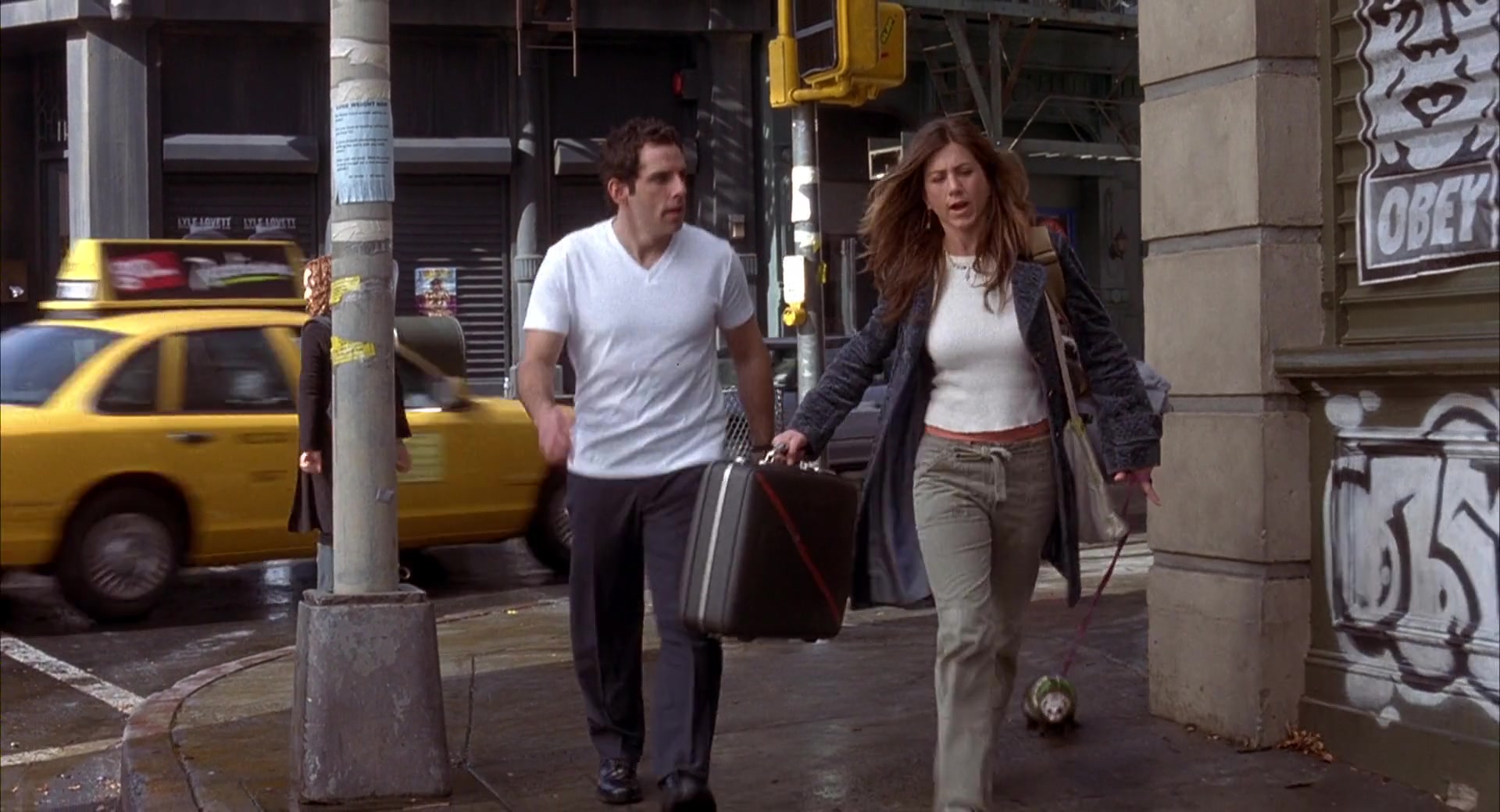
Along Came Polly
Along Came Polly

An example is the film Along Came Polly, starring Ben Stiller and Jennifer Aniston. Lots of great obstacles keeping them apart.

Speaking of Ben Stiller, what good would this article be without mentioning the movie There’s Something About Mary, which stars <drum roll> — Ben Stiller, Cameron Diaz and Matt Dillon?

While the above films are oldies but goodies, the rom-com genre usually peaks in February around Valentine’s Day.

There are a bunch of recent rom-coms that have rolled out and I’m sure you’ll be watching the trailers first before working on your acting technique, so let me share the titles with you real quick, and then we’ll dig deep into how, as an actor, you can make romantic comedies work.

Shotgun Wedding – with Jennifer Lopez and Josh Duhamel

You People – with Eddie Murphy and Jonah Hill

Book Club: The Next Chapter – with Jane Fonda, Diane Keaton, Candice Bergen, Mary Steenburgen

Alrighty! Now that you got your trailer fix, here are some tips for you to create effective tension and conflict resolution in your performances:

Start with character development: Before diving into the conflict, it’s important to understand the characters’ motivations, personalities and backstory. This will help you make informed choices about how the character responds to conflict and how they resolve it.

Create genuine conflict: Tension and conflict in a relationship should feel real and grounded. Avoid over-the-top drama and focus on natural, relatable conflicts such as communication breakdowns, jealousy or disagreements about life goals.

NYCastings-Couple-with-TensionBuild tension gradually: Tension in a relationship should build gradually, rather than exploding out of nowhere. This makes the conflict feel more organic and gives the audience time to invest in the characters’ relationship.

Use non-verbal communication: Body language and facial expressions can be just as powerful as dialogue. Make sure to use non-verbal cues to reinforce what’s happening in the scene. See our previous article How To Expertly Convey Negative Emotions Via Body Language.

Find the humor in conflict: Romantic comedies often find the humor in conflict, making the audience laugh while still feeling invested in the characters’ relationship. This can be achieved through physical comedy, witty banter or witty one-liners.

Show character growth through conflict resolution: Conflict resolution should be a turning point for the characters, showing their growth and evolution as individuals and as a couple. Make sure the resolution feels earned and satisfying for both the characters and the audience.

Practice with your scene partner: Building tension and resolving conflict in a relationship requires excellent communication and chemistry with your scene partner. Rehearse the scenes with your partner to make sure you’re both on the same page and to work out any kinks in your performances.

By studying techniques such as subtext, blocking, improvisation and understanding the characters’ wants and needs, you can develop these relationships into something meaningful and believable. Understanding the motivation of both characters can help to create tension while continuing to build the story towards a resolution. With practice, you can become more confident in your ability to bring your character relationship to life.

Bradley Cooper

Being vulnerable on stage and screen is a crucial part of the acting process. It requires letting go of your insecurities and exposing your innermost emotions to an audience. This level of vulnerability can be unsettling, but it’s also what makes acting so powerful. When you’re able to be vulnerable, you’re able to create a deeper connection with your character and the audience.

Vulnerability starts with trust. As an actor, you should trust the material you’re working on, your co-actors and the director. This trust allows you to let go of your fears and insecurities and fully embrace your character. When you’re able to be vulnerable, your performance becomes authentic and raw. It’s the difference between a flat, unengaging performance and a powerful, captivating one.

There are others who think that being vulnerable is NOT a requirement for success in the acting industry. In fact, some actors prefer to keep their personal lives separate from their professional careers and may not feel comfortable sharing their emotions or experiences in public.

It’s important to note that being vulnerable on the job is not the same as being vulnerable in real life. You must be able to draw from your own experiences and emotions, but you must also be able to separate your own feelings from those of the character you’re playing. This can be a delicate balance, but it’s one that allows you to be vulnerable without being overwhelmed.

I’m going to get into this a little bit more because I find vulnerability such an interesting topic…

You have the performer who acts vulnerable because it’s the job, then you have people who act vulnerable because they’re after something. Take what I say below as a way to explore different ways, as an actor, to treat vulnerability.

NYCastings-Expressing-Vulnerability-in-ActingPeople may pretend to be vulnerable for a variety of reasons, such as to:

Seek attention or validation: By appearing vulnerable, some people may hope to elicit sympathy or support from others.

Build trust and relationships: By being vulnerable, people may be able to build closer relationships with others by sharing their personal experiences and emotions.

Manipulate others: Some individuals may use the guise of vulnerability as a way to manipulate or exploit others, particularly in romantic or professional relationships.

Create a certain image: In some cases, people may pretend to be vulnerable as a way to present a specific image or persona, such as being perceived as more empathetic, relatable or authentic.

It’s important to note that true vulnerability involves genuine openness and self-disclosure, whereas pretending to be vulnerable is a form of manipulation or deceit.

Being vulnerable takes a lot of courage and practice. However, when you’re able to overcome your fears and insecurities, you’re able to create powerful, moving performances that touch the hearts of audiences.

To be able to successfully do this takes bravery and a willingness to open up one’s self emotionally on stage or in front of the camera. From Meryl Streep’s gut-wrenching performance as a mother mourning her son in Sophie’s Choice, to Bradley Cooper tackling mental illness with his Oscar nominated role in A Star Is Born, these actors are not afraid to put themselves out there and evoke real emotion from the audience.

So here’s my sound advice: Let go of your fears and embrace the power of vulnerability.

We’d love to hear your comments whether you are for or against using vulnerability in your acting. Follow us at DirectSubmit NYCastings to leave a comment.

A-Guide-for-Parents-of-Child-Actors-Part-II

The dream of becoming an actor is one that’s captivated young people for centuries. The glamour, fame and artistry associated with the profession is alluring to many children. Whether your child is just beginning to express a desire to pursue acting or they’ve been set on the path for some time, it’s important to know the realities of the industry and provide appropriate support.

Previously, we shared an Introduction Guide for Parents of Child Actors. Now, we’re delving into the heart of it all – Training and Finding an Agent — so take a deep breath and get ready to ride the roller coaster!

Training

Even the most accomplished actors still train with a coach. There are coaches for just about everything – acting, singing, dancing, fencing, you name it.

One of the things you want to always to be mindful of is burnout. Do not push your child to take so many classes that they feel overwhelmed. It’s okay to choose just acting classes, or just dance classes.
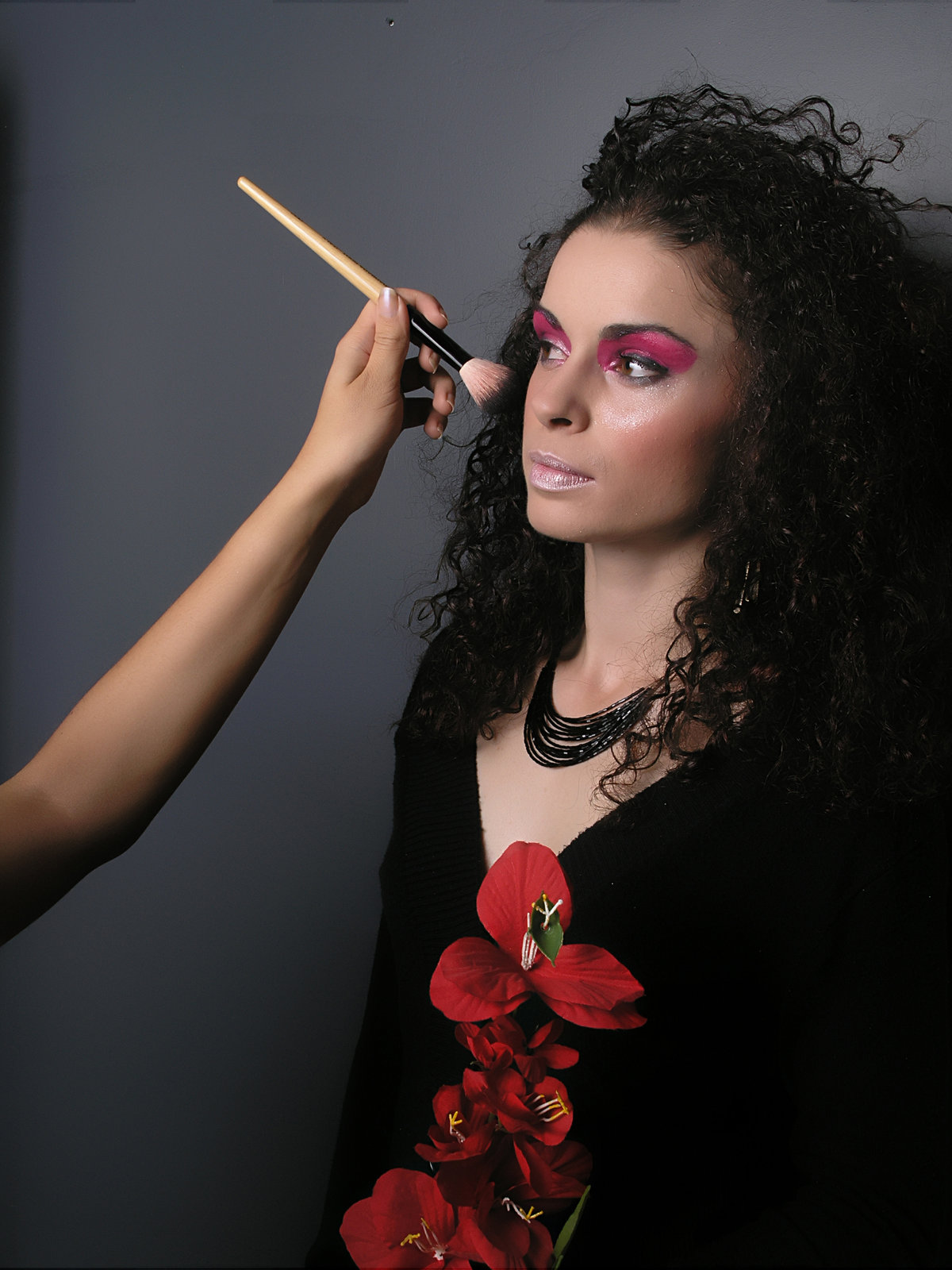
For purposes of this guide, we’re going to focus on acting. A good acting coach can help your child build confidence, develop their skills and reach their full potential.

Here are some tips to help you find the best acting coach for your child:

Determine Your Child’s Goals: Before you start your search, take some time to think about what your child wants to achieve through acting. Are they interested in stage performance, film or television? Knowing what your child is interested in will help you find a coach who specializes in that area.

Research: Take advantage of the internet to research potential coaches. Look for reviews and testimonials from other parents and consider reaching out to them for more information. You can also check the coach’s credentials, such as training and experience, to determine if they have the qualifications you’re looking for.

Schedule a Meeting: Once you have identified several potential coaches, schedule a meeting with each of them. This is a great opportunity to ask questions and get to know the coach. It’ll also give you a chance to see how they interact with your child and determine if they’re a good fit.

Observe a Class: If possible, observe a class taught by the coach. This will give you an idea of their teaching style, how they interact with the students and if they create a positive and supportive learning environment.

Consider the Cost: Acting classes can be expensive, so be sure to consider the cost before making a decision. Keep in mind that the most expensive option may not always be the best, and a more affordable option may be just as effective.

Trust Your Gut: Trust your instincts. If a coach doesn’t feel like a good fit for your child, move on to the next one. You want to make sure your child is comfortable and confident with their coach so that they can get the most out of the experience.

NYCastings-Child-ActorFinding an Agent

Getting an acting agent is an important step for any aspiring actor. An agent can help you find auditions, negotiate contracts and advance your career.

Unfortunately, finding an agent is a Catch-22 – it’s very difficult to get an agent if you haven’t done any work, yet you can’t get work unless you have an agent.

Because finding and choosing an agent is such a hard task, this will be the main focus of this section of the article. You don’t have to jump at the very first agent who’s interested in signing your child, but if you wait too long, the window may close. Talk about anxiety!

Here are some steps to help you find and secure an acting agent:

Research: Before approaching an agent, research and make a list of the best and most reputable agencies in your area. Look for agencies that specialize in representing child actors and have a track record of success in the industry.

Prepare your materials: Compile a portfolio that includes your headshot, resume and any demo reels or videos of your performances. Your headshot should be professional, and your resume should detail your training, experience and any notable credits. What if your child doesn’t have any credits? Well, you can’t expect an agent to want to sign you if you haven’t proven your chops. This is where local theater comes in. Contact all performing arts centers in your surrounding area, audition and get up on that stage.

But before you do that, make an account (or login if you already have an account) to DirectSubmit from NYCastings, find your Market (area you live near) and start sifting through the casting notices. You should do this every day, and if your child is really persistent, then twice a day!

Network: Attend industry events, workshops and networking opportunities. Introduce yourself to agents, casting directors and other industry professionals. Building relationships and making connections can help increase your chances of getting an agent.

Submit your materials: Once you’ve identified a list of potential agents, send them an email or submission package that includes your headshot, resume and any other materials you’ve prepared. Be sure to follow their submission guidelines and be respectful of their time.

Follow up: After submitting your materials, wait a few weeks and then follow up with a phone call or email to inquire about their interest. Remember to be persistent but professional.

Interview: If an agency expresses interest in representing you, schedule a meeting to discuss your child’s career goals, what they bring to the table and the types of opportunities you’re seeking. This is also an opportunity for you to ask questions and determine if the agency is the right fit for you.

Negotiate: Once you have chosen an agent, negotiate the terms of your representation agreement. This may include commission rates, payment schedules and the services the agent will provide. If this is your first agent, you really don’t have much negotiating power – actually, you probably have none at all. If they want you to sign a contract right there and then, tell them you’d prefer to take it home to review. This will allow you to contact a lawyer to go over it with you, should you feel the need.

If you think training and finding an agent are the hard steps, you’re half right. Come back for A Guide for Parents of Child Actors: Part III in the near future!

A-Guide-for-Parents-of-Child-Actors

Being a parent of a child actor can be an exciting and rewarding experience. It’s also one that comes with unique challenges. From finding the right acting classes to navigating auditions, there’s a lot for parents to learn. This guide provides introductory information for parents who are interested in helping their children pursue their passions in this field. It covers the basics, from getting started with acting classes to setting realistic goals.

Part II, and subsequent parts of the Guide, will dive deeper into the nitty gritty, so be sure to check DirectSubmit NYCastings frequently for updates and to read other articles that will help you gain control of your child’s industry wants and needs.

So Your Child Wants to Be an Actor

You must first understand the process of breaking into show business. Auditions can be intimidating for both children and adults alike; however, there are many resources available to help demystify the audition experience. Learning about casting directors’ expectations and researching casting notices can give aspiring young actors an edge when pursuing roles. Attending local workshops or taking classes from experienced instructors is invaluable in helping children understand what it means to become an actor professionally.

Support Their Passion

Acting is a competitive field, so it’s important to support your child’s passion and help them stay motivated. Celebrate their successes and be there for them during the challenging times.

Research the Industry

Before jumping into the acting world, it’s important to understand what it entails. Research the industry and find out what kind of acting opportunities are available for children, including TV shows, films, theater productions, commercials and voice overs.

Encourage Training

Consider enrolling your child in acting classes, workshops or summer programs. This will give them the opportunity to hone their skills and build their confidence.

NYCastings-Child-Actor-Holding-Clapperboard-for-Show-BusinessBuild a Portfolio

Create a portfolio for your child that showcases their acting abilities and skills. This can include headshots, demo reels and acting resumes. I know what you’re thinking – how can my child have a resume if they haven’t done anything yet? Enroll your child in local theater productions and classes, add their special skills (such as sports, gymnastics, musical instruments, etc.) and insert a different picture of them (perhaps doing a sport) on the resume itself, so that will take up some blank space.)

Find an Agent

Not as easy as it sounds. Consider working with a talent agent who can help your child find auditions and opportunities. An agent can also help negotiate contracts and ensure your child is being fairly compensated.

Connect with Industry Professionals

Networking is key in the acting industry. Help your child connect with casting directors, agents and other industry professionals who can help them get work.

Foster a Positive Attitude

A positive attitude can go a long way in the acting industry. Encourage your child to stay optimistic and focus on their goals, even when things get tough.

Be Prepared for Rejections

Acting is a competitive industry, and rejection is a part of the process. Teach your child to be resilient and to view rejections as opportunities to learn and grow.

Set Realistic Expectations

Acting may seem glamorous, but it’s also hard work. Remind your child that success in the industry takes time, dedication and patience.

Protect Their Childhood

Make sure your child’s acting pursuits don’t interfere with their education or overall well-being. Encourage them to pursue their dreams, but also ensure they have a balanced life and childhood.

Know the Law

Familiarize yourself with the laws and regulations that apply to child actors, including child labor laws, taxes and contracts. Please consult a lawyer for any contracts.

Overall, being a parent of a child actor requires patience, support, and understanding. Encourage your child to follow their dreams, but also make sure they are protected and informed about the realities of show business.

Over the upcoming weeks, we’ll be adding the more in-depth information to the Guide for Parents of Child Actors. If there’s anything you want us to touch upon, please follow DirectSubmit NYCastings and leave your comments.

See you soon!

Struggling With Occupational Stress

The acting industry can be an incredibly stressful environment, with high levels of competition, long hours and a lot of uncertainty. Not only do actors have to compete against their peers for roles, but they also have to face rejection regularly. This can quickly lead to burnout if stress isn’t managed properly. That is why it is essential for actors to find effective ways to manage stress and stay healthy both mentally and physically.

I guess I had an advantage over people who became actors in their adult years. I started in the business as a child actor and was taught from a very young age that I’m not going to win every role, that there will be pressure of doing homework and taking singing, acting and dancing lessons, as well as the fact that I’d be working in the adult world of business. I also didn’t have to worry about putting a roof over my head or food on the table, since my parents did that for me. So as far as I was concerned, I really didn’t have any surprises when it came to dealing with stressful environments.

The key to managing stress in the acting industry is to develop positive habits that will help you stay on top of your game. This should include things like taking regular breaks throughout the day, getting enough restful sleep each night, eating healthy meals and drinking plenty of water. Also, having an organized schedule or daily routine allows you to plan ahead so that you’re not rushed or behind on tasks when important auditions or jobs arise. Having a supportive network of family members and friends close by can provide moral support when feeling overwhelmed or stressed out about upcoming roles.

Developing Positive Habits

Start by setting realistic goals. Aim for achievable milestones that you can easily attain so that you’ll be able to cultivate a sense of achievement over time. This includes getting rest. Down time is often considered as leisure or relaxation time, away from work or responsibilities, used for personal pursuits or to recharge. (If you’re more like me, resting is the thing that gives me stress, so I rarely rest, but I recognize what gives me stress.)

You should also focus on developing good communication skills and self-care routines, such as meditating or exercising regularly. If you have any problems or concerns, reach out to friends or family members who can provide emotional support and help keep your spirits up during difficult times.

Have an Organized Schedule

Ha! How is that even possible with all of the running around actors do on a daily basis?

We all know that being an actor is a demanding job that requires utmost dedication and discipline. While the creative process can be unpredictable, one of the best ways to stay on top of work is by having an organized schedule. A structured daily routine helps you become more productive and better prepared for any tasks that come your way.

Having a plan in place allows you to prioritize activities, both within and outside of the profession. Aside from keeping track of meetings with agents or auditions, an organized schedule can also include exercises such as yoga or physical training sessions to stay fit for your roles. Setting aside some time for leisure activities or hobbies is also important for maintaining mental balance during intensive projects or periods without work.

NYCastings-emotional-stressHave a Supportive Network

For many actors the journey to achieving their dreams of becoming a successful actor is often fraught with obstacles and challenges. Having a supportive network of friends and family can be invaluable for providing encouragement, strength and guidance during these times.

Having close friends or family who understand your goals and ambitions can provide much needed support throughout your career. They may be able to provide constructive criticism as you practice lines or feedback on auditions, which can help bolster confidence in stressful situations. They may even be able to connect you with other industry professionals who could offer advice or potential job opportunities.

Friends and family can also offer much needed moral support when the going gets tough; reminding you of your dreams during the low moments where motivation feels hard to find.

Managing stress in the acting industry is no small feat. Every actor experiences different kinds of stress, and it’s important to find ways to properly deal with it. It’s also important to remember that everyone’s situation and needs are different, so finding the right balance between the highs and lows of the acting industry can be a challenge. There are many resources available to help you manage stress, such as talking to an experienced mentor.

You can also join online acting communities where you can connect with other professionals who understand what you’re going through. This type of support system is invaluable when dealing with any form of anxiety or depression that may come from the rigors of the job. There are also organizations such as Actors Equity Association which offers support services for members, such as financial hardship, health insurance and counseling services.

Unhappy Child Actor

Child actors, who often work long hours on set and maintain grueling schedules, are paying a heavy price for their success in the entertainment industry. While the bright lights of Hollywood may seem glamorous, the reality is far from it for young actors who are often pulled away from their normal childhood activities and education.

Long hours and intense schedules can lead to physical and emotional exhaustion for child actors, who are still in the process of developing both mentally and physically. This can result in disrupted sleep patterns, decreased focus and concentration and even burnout.

The constant demands of the industry can cause child actors to miss important events, such as school activities and family gatherings, as well as impede their ability to keep up with their education. Many young actors are home schooled or attend classes on set, but this may not always the most effective way for them to learn and grow.

The pressure to perform can be overwhelming; they’re expected to deliver their lines flawlessly and hit their marks while dealing with the stress of the job. The constant criticism and rejection can lead to low self-esteem, anxiety and depression.

Child labor laws and industry guidelines are in place to protect child actors, but many argue that these regulations are not always followed or enforced. As a result, it falls upon parents and caregivers to monitor the working conditions and ensure that their children are receiving the support they need.

See the Child Entertainment Laws.

The impact of long hours and intense schedules on child actors is a critical issue that deserves attention. The entertainment industry must do its part to support and protect young actors as they navigate the challenges of stardom.

But is there currently enough professional support for young actors? Share your thoughts by following us at DirectSubmit / NYCastings and leaving a comment.

Home Schooled, School on Set

Going back to the home / set schooled topic — I know I’m just plopping this down in the middle of the article, but I find it important to discuss…

I’m on the fence about kids who are schooled 100% on set or at home. On one hand, I like how they get devoted attention when it comes to learning, but on the other hand, I feel as if they’re missing out on the social aspect of going to a “regular” school, where they can sit with their friends at lunch, or stay after school for activities with other students.

Sometimes on set, there aren’t any other children so the child actor is missing out on conversing with their peers.

However…!

Studies have shown that home-schooled children can benefit from attending acting classes to help them develop social skills. Taking an acting class will give these kids the opportunity to work on how to interact with others in a group setting, as well as explore different character dynamics. They’ll also gain confidence in their own abilities by performing for an audience. Acting classes offer valuable lessons in self-expression, teamwork, communication and creativity which can help supplement any potential lack of interaction at school.

So you see the conundrum I’m in when discussing the school topic?

NYCastings-Child-Actors-Mental-Health-depressionMental Health in Children

Mental health is an important consideration for children. From a young age, these performers are exposed to difficult environments and working conditions that can take a toll on their well-being.

Parents play an important role in ensuring their kids’ safety and stability. It’s crucial that parents monitor their children’s moods and behaviors closely, paying special attention to signs of changes in attitude or performance that may indicate emotional distress or distress related to work demands. Parents should also look for any signs of self-harm or poor coping (yes, I used the word “coping”) strategies that could be indicative of deeper underlying issues such as depression or anxiety.

Child actors usually have a unique relationship with their parents. Many child actors learn very quickly how to manipulate their parents due to their ability to act. Because of this, they can often get away with behaviors that other children are unable to do. This can be a problem if the child actor’s parents don’t understand the power of manipulation and aren’t able to set boundaries.

For example, when a child actor requests something from their parent, they often use an “I really need it” line which is an effective manipulation tool that puts the parent in an awkward position. The parent usually wants what’s best for the child, so they might agree even though what is being requested may not be in the best interest of the family. Been there, done that, but now I realize my mistakes.

Let’s take this a step further. If a child doesn’t want their parents to know something, chances are the child will be successful due to their acting skills, as mentioned above. This, to me, is super dangerous territory, because the child may be having mental health issues, but won’t discuss them. This may be because the child doesn’t want to disappoint their parents or they feel that their parents won’t understand.

If your child’s behavior has changed dramatically and you suspect that they may be experiencing depression, look for common symptoms such as a lack of interest in activities, feelings of worthlessness or guilt, physical aches and pains, mood swings and having difficulty concentrating – perhaps their schoolwork is suffering Other signs include sleeping too much or too little and changes in appetite — eating more or less than usual.

The world today is still overwhelmed from Covid-19, so finding your child someone to talk to (whether it’s a therapist, psychiatrist, psychologist, clinician) may prove a difficult task, so if you suspect any of the above, take action immediately. Emergency Rooms may have a Crisis Unit if you’re unable to find immediate help.

Some of the child stars who have gone through mental health struggles are: Drew Barrymore, Mara Wilson, Macaulay Culkin, Lindsay Lohan, Britney Spears, Amanda Bynes, Demi Lovato and Elliot Page.

The mental health of child actors is a serious issue, that, in my opinion, needs greater attention. Many children in the entertainment industry suffer from stress and psychological distress as a result of their work environment. It’s essential that these problems are identified and addressed so that young talent has a safe and healthy space to thrive. Parents must be aware of any signs of mental health issues in their own children and consider the professional help they need if necessary.

The-Actors-Lexicon-Understanding-Acting-Terms-and-Phrases

Acting, like any other field of art, has its own unique terminology. If you’re looking to enter the world of acting or just curious to learn more about this creative pursuit, understanding these terms is essential. From terminology related to the physical act of performing on stage or in front of a camera, to terms used for describing the actor’s craft and training, there are plenty of phrases that are important to understand.

“On the nose” – referring to dialogue or acting that is too obvious or direct.

“Hit your marks” – a reminder for actors to physically hit their designated spots on stage or set.

“Lights, camera, action” – the traditional cue for actors to begin their performance.

“Theater of the mind” – referring to the ability of an actor to create a vivid mental image for the audience through their performance.

“Off-book” – when an actor has memorized their lines and no longer needs to refer to the script during a performance.

NYCastings-Break-a-Leg“Break a leg” – said to actors before a performance to wish them good luck.

“The show must go on” – said to remind actors that the performance must continue, even in the face of difficulties or setbacks.

“Stealing the show” – said when an actor gives a particularly powerful or memorable performance.

“There are no small parts, only small actors” – said to remind actors that even small or minor roles are important and can be made memorable through strong performances.

“Living in a fishbowl” – said to describe the intense scrutiny and public attention that actors and celebrities are often subject to.

“The fourth wall” – refers to the invisible barrier between the actors and the audience, which actors are expected to “break” or acknowledge in certain performances.

“Typecasting” – when an actor is consistently offered and identified with a particular type of role or character.

“Understudy” – an actor who stands ready to perform a role in case the regular actor is unable to do so.

“Method acting” – an acting technique in which an actor immerses themselves in the character’s emotions and experiences to create a more authentic performance.

“A star is born” – said when a previously unknown actor gives an impressive performance that propels them to fame.

“Green room” – a room provided for actors to wait in before and during a performance.

“Blocking” – the process of determining and rehearsing the physical movements and positioning of actors on stage or set.

“Character arc” – the development and change of a character over the course of a play or film.

“Improvisation” – when an actor creates or ad-libs their dialogue or actions in a scene without a script.

“The stage-fright” – referring to the nervousness or anxiety that actors may feel before a performance.

“Offstage” – refers to the area outside of the acting area, typically behind the curtain.

“Backstage” – refers to the area behind the stage, where actors and crew prepare for a performance.

“Call time” – the designated time for actors to arrive at the theater or set for a rehearsal or performance.

“Cue to cue” – a rehearsal in which actors only perform the sections of a scene leading up to and immediately following their own lines.

“Rehearsal process” – the process of preparing and rehearsing a performance before it is presented to an audience.

“Breaking down the script” – the process of analyzing a script to understand a character’s motivations, backstory, and relationships.

Motivation” – the reason or reasons that drive a character’s actions and decisions.

Subtext” -the underlying meaning or emotions beneath the surface of a character’s words and actions.

Table read” – a preliminary reading of a script with the entire cast and crew present.

Beat” – a significant moment or change in a scene or character’s arc.

Monologue” – a long speech given by one character.

Cold reading” – the act of performing a script that you have not previously read or rehearsed.

If you want to add to the list of acting terms, please follow DirectSubmit / NYCastings and comment!

10-Proven-Tips-and-Tricks-for-Delivering-a-Great-Acting-Performance

Acting is a complex and multi-faceted craft, requiring both imagination and technique. Whether you’re a beginner or an experienced actor, there are certain tips and tricks to help you achieve a great acting performance.

Overall, the steps when preparing for a role is to understand the story, setting, character background and objectives; this will help you build your character in order to create truthful moments. It’s also important to stay in the moment during all of your performances; this means making sure you listen carefully and remain present at all times. Some acting coaches suggest that actors should use their environment in order to bring life into their characters, such as using objects around them as props or even taking physical notes from the space they are performing in. We’ll explore this in a future article so be sure to follow DirectSubmit NYCastings for updates!

NYCastings-tips-and-tricksTIPS and TRICKS

Be Authentic and Honest in Your Portrayal of the Character

Authenticity means that you must commit yourself to understanding who the character is and their motivations, both positive and negative. It also means conveying these traits in an honest way so that viewers truly believe in your performance.

To achieve authenticity, you need to do extensive research into your characters. Yes, this is a “need”, not a “should”. This includes analyzing how they interact with other characters, their relationships with others and what drives them emotionally. Understandable motives are key because they make characters relatable while still making them unique. Additionally, in my opinion, you should draw upon personal experiences when playing a role as this brings an added layer of realism to it. Staying true to a character’s essence will help keep performances believable and entertaining for audiences as well as help create memorable roles for actors.

I want to add something real quick – when I say you should “draw upon personal experiences”, you can also think about how you would react from future experiences. Example: If you have a crying scene, you may want to think about burying a loved one (who is currently still alive) – in other words, if they just passed, how would you feel? Use that.

Practice Active Listening and Be Present in the Scene

The world of acting can be a daunting one, as you must learn to master the craft of embodying characters and speaking lines with conviction. But there is one key element that often gets overlooked in the process — active listening. Active listening refers to truly being present in any given scene and responding authentically to other actors’ words and actions. By mastering this skill, you can become more convincing when performing on stage or on screen.

The art of active listening is an essential part of any successful actor’s toolkit. It involves hearing what another person is saying, understanding it, processing it and then providing an appropriate response that reflects your character’s state of mind. When done correctly, active listening can make a performance feel organic and natural rather than forced or unnatural.

If what I said up there blows your mind, wait til you hear this… Active listening is a two-way street. The other person should also listen to you. Unfortunately, there may be plenty of times where active listening is a one-way street. If you’re willing to listen, but your scene partner isn’t, you may have to make some tough choices. Actors and directors fighting on set is nothing new, but it can be prevented by listening.

Make Bold and Specific Choices But Also Be Open to Adjustments From the Director

When it comes to acting, you’ll want to have the courage to make bold decisions. Taking risks and choosing specific moments is essential for creating believable characters that don’t feel like carbon copies of the same archetype. To do this, you need to trust your instincts and have an open mind when it comes to taking direction from the director.

Making confident choices requires you to fully understand the scene and what emotions you’re trying to portray. Researching background information on the character, understanding their relationships with others in the story and recognizing how their actions will affect those around them can add depth to a performance. It’s also useful for you to remember key phrases or ideas related to your characters in order to stay focused while performing.

Use Sensory Detail to Bring Your Performance to Life by Imagining How Your Character Smells, Tastes, Feels and Sounds

Sensory detail is an important element of acting that can help to bring a story to life. It adds vividness and realism, allowing the audience to feel as though they’re in the scene. Sensory detail involves all five of the senses: sight, hearing, taste, touch and smell. You can use these senses to create an environment for your characters that are both believable and impactful.

For example, if a character is struggling with grief, an actor might add details such as heavy breathing or a trembling voice in order to convey emotion. By using sensory detail rather than simply expressing dialogue, it becomes easier for viewers to empathize with what the character is feeling in any given moment. In addition, sensory detail helps you develop greater control over your emotions during a performance which allows you to deliver powerful performance without becoming overwhelmed by your own feelings.

[Author’s Note]: I had to read what I wrote up there twice because sensory detail, while it seems logical and easy from the way I wrote it, is in fact, very difficult to achieve. But I know you can do it!

Take Risks and Try New Things

This will help you to grow as an actor and try different approaches to your performance. Not to be confused with making bold choices as you read earlier in this article.

You should always strive to challenge yourself in order to become better at your craft, so taking risks is essential. When the opportunity arises that tests your limits or offers something unique and out of the ordinary, then you should consider taking the plunge. You may also want to break away from certain characters you usually play or genres you‘re used to working in. This could help you boost your profile and prove that you can successfully tackle any role thrown at you.

There are actors that even though they’re playing different characters in a different productions, they’re really playing the same character, just a different script. If you get too comfortable in a certain type of role, you may get bored and wonder why you’re still an actor. I’m here to tell you that there are so many different types of characters that you should never be bored. Take on the risk of playing a different role and get out of your comfort zone.

Be Versatile and Adaptable, Be Open to Change and Willing to Try Different Interpretations of a Scene or Character

When I was doing a voice over for food that was going to be played over the loud speaker of a supermarket, the director asked me to say the same exact five word line three different ways. But seriously, how many different ways can you say ONE short line? Well, it turns out, many different ways. Even though this was a voice over, I was able to do it in two different accents, changed my voice to be more nasal sounding and accentuated different words.

That’s just a tiny example of what you could do regarding being versatile and adaptable. One of the greatest advantages of being an actor is the fact that there are endless possibilities of how you can portray a character or run a scene.

Learn to Trust Your Instincts and Let Go of Self-Doubt — It Can Be a Big Obstacle in Delivering a Great Performance

Trust your instincts and let go of self-doubt — it’s a message that actors are familiar with, but one that can be applied to all aspects of life. We’ve established that acting is about taking risks and trusting yourself in the moment. To do so requires an unwavering faith in your own ability, despite any doubts or fears you may have.

To be successful as an actor, you must believe that you have the talent to succeed and understand that any fear or self-doubt will only hold you back. You must choose to trust your instinctive reactions while on stage or in front of the camera, instead of relying on conscious thought or overthinking what comes next. The best way to gain confidence is by doing — learning through experience and developing a comfort level with taking risks.

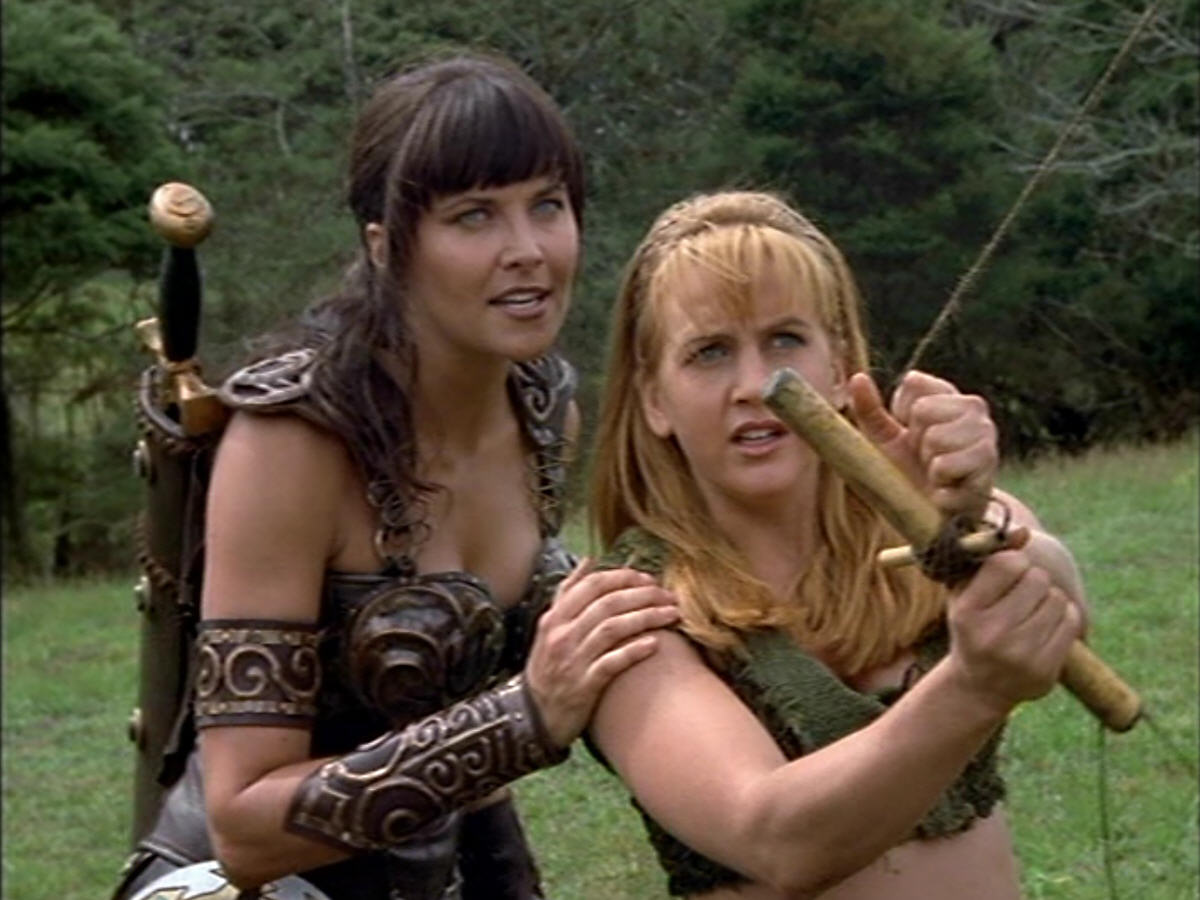
Lucy Lawless and Renee O'Connor
Lucy Lawless and Renee O’Connor

Use Subtext to Add Layers to Your Performance

Subtext is the unspoken thoughts and emotions that are happening beneath the surface of the dialogue. To me, adding subtext is like playing a game of Chess – you have a plan happening on one side of the board, while another underlying plan happening on the other side of the board, which you’re hoping will be undetected. The undetected plan is the subtext – it’s not written, yet it exists.

By using subtext, you’re able to add layers to your performance, making them more dynamic and compelling for an audience. This creates a connection between actor and character that goes beyond just words on paper.

One of the greatest examples of subtext can be found in the classic television series Xena: Warrior Princess. The characters that had subtext are Xena and her loyal sidekick, Gabrielle.

Xena and Gabrielle’s relationship is one of the most iconic friendships in television history. Not only did they share a bond of loyalty, trust and friendship but many fans believe there was also an underlying romance between them. The showrunners never confirmed whether Xena and Gabrielle were more than just friends, leaving it up to interpretation.

The two characters had more than platonic chemistry when they interacted with each other on screen. Their body language spoke volumes as they often hugged, touched hands or shared meaningful glances with each other. They even went as far as having their own secret handshake! This strong connection between them sparked much debate among viewers about the true nature of their relationship and opened up conversations about LGBTQIA+ representation in television long before it was widely accepted by mainstream media.

Check out Xena and Gabrielle’s bath scene to see subtext.

What shows have you watched that had subtext? Follow DirectSubmit NYCastings and leave a comment.

Work on Your Vocal and Physical Techniques

You must learn how to use your voice effectively in order to express the emotions of your character. This means learning the basics of projection, pitch, enunciation and phrasing. Meanwhile, physical techniques involve using posture and body language to convey emotion and character motivation. By mastering both vocal and physical techniques, you’ll be better able to fully embody your character.

Good vocal technique encourages clear articulation while still allowing for personal expression and creativity when interpreting dialogue.

Be Professional, Respectful and Punctual

No matter if you’re on set, in rehearsal or on a Zoom call, being professional, respectful and punctual are not only important traits to have but essential. Professionalism is key in the workplace as it creates a good impression on those around you. Respectful behavior should always be practiced and include treating your co-workers with respect and dignity at all times. Punctuality is also essential, as arriving late or leaving early can create doubt in the minds of others that you do not take your job seriously enough or lack commitment. Ensuring that you’re organized and well prepared are added benefits of being professional.

It’s no secret that Axl Rose of the rock band Guns N’ Roses is usually late to showing up on stage. Not only does this frustrate his band mates, but also the audience! Knowing that this is a habitual problem, Axl creates anger and anxiety. Even if he puts on a great show, the audience is left to fend for themselves after missing the last train home.

And this is a great way to introduce you to my favorite Guns N’ Roses song, Sweet Child O’ Mine. Who’s with me?! :)

Idina Menzel in Wicked. Photo by Jane Marcus.

Acting is an art that has captivated audiences for generations. Its power to evoke emotion and transport onlookers to another world is undoubtedly a skill admired by many, so it’s no surprise that actors are revered as some of the most influential people in the entertainment industry. To become a successful actor, there are secrets that must be unlocked in order to hone one’s craft and reach professional heights.

Preparation

As an actor, you need to not only know your lines but also the motivations behind them. It helps in developing a more layered performance if you understand why your character says or does something instead of merely going through the motions mechanically. Preparation also includes researching the period and observing real people who are similar to your character in order to be more authentic.

You may also work with a director, other actors and a dialect coach to perfect your craft. Additionally, you may take physical lessons, such as sword fighting or voice lessons.

Embrace Improvisation

I’m not talking about improv as you know it. I’m talking about being able to handle unforeseen circumstances like technical difficulties during a live performance.

NYCastings-Wendell-Pierce-Sharon-D-Clarke-Death-of-a-Salesman-on-BroadwaySharon D Clarke and Wendell Pierce in Death of a Salesman on Broadway

You may have heard about the unruly theater audience guest who started screaming during the middle of the show Death of a Salesman. The show’s star, Wendell Pierce, handled the situation with grace, but really – when you decided to become an actor, did you really think about how one day you may be put in danger?

This was the case with Idina Menzel who played Elphaba in Wicked. She broke a rib after falling through a trap door. (You may recognize Idina Menzel as the voice of Elsa in Walt Disney’s animated film Frozen.)

As for what I call creative improv, I’ve been involved in theater since I was a young child and embracing improvisation has become second nature to me. I find that when I’m free to improvise, it helps me become more creative and comfortable with my performance. When the script calls for improvisation, the challenge of coming up with something spontaneously on the spot can be exciting. It gives me the opportunity to explore new characters or scenarios that may otherwise not come out without some level of spontaneity.

For me, improvisation is about finding moments of discovery within a scene or story. It allows for unexpected surprises which can lead to unique plot points or personal growth for my character. By taking risks and going into uncharted territory, it forces me to think quickly on my feet while also being mindful of how my decisions impact the overall narrative of a production.

Of course, take everything I said up there with a grain of salt. Always discuss “improv surprises” with your director first. Some directors will be fine with it, others may want you to keep to their vision.

Presence and Connection

Presence and connection with one’s fellow actors is super important in the casting world. Once you get through the initial audition, you may be brought in for a “chemistry test” with other actors that are being considered for the production.

A chemistry test, also known as a chemistry read or chemistry audition, is a process used in casting where you’re brought in to read or perform scenes with other actors to test your chemistry and compatibility. This is done to see how well the actors you work together and if you have the right dynamic.

During a chemistry test, you’ll be given a scene or scenes from the script and will be asked to perform it with other actors who are being considered for the same or other roles. The casting director, director and producer will observe you as you perform and take note of how well you work together, your body language and how you interpret the characters.

You may also be asked to do some improvisation to see how creative you can be and how you react in unexpected situations.

It’s worth noting that some chemistry tests are done virtually, so you should be on the up-and-up regarding which apps and software you’ll need on your computer and/or phone.

Understanding the Fundamentals of Technique

Understanding the fundamentals of technique is something you should not take lightly. Acting requires a level of technical skill, emotional intelligence and creative imagination. Learning how to use your body effectively will help you convey emotions more effectively through movement, gesture and facial expressions. It’s also essential to understand the basics of vocal production such as breath support and diction in order to create a believable performance.

Here’s a breakdown of techniques you should familiarize yourself with:

  • Method acting: A technique developed by Lee Strasberg, which involves using personal experiences to connect emotionally with a character and fully inhabit the role.

  • Meisner technique: Developed by Sanford Meisner, this technique focuses on the use of repetition exercises to develop an actor’s ability to respond truthfully in the moment.

  • Stanislavski’s system: Also known as the “system,” this technique developed by Konstantin Stanislavski, emphasizes the use of an actor’s imagination and emotions to create a believable and truthful performance.

  • Physical acting: This technique involves the use of your body, voice and movement to create a character and convey emotions.

  • Improvisation: How to react in the moment, create characters and scenarios on the spot and think on your feet.

  • Voice and Speech: How to use your voice to communicate emotions, convey a character’s background or accent and to project your voice to be heard clearly in a theater.

  • Script analysis: How to break down a script, understand the context and historical background of the play and to develop a character’s motivations, backstory and mannerisms.

  • Auditioning: You’ll learn how to present yourself, how to read for a part and how to handle rejection.

Above are some of the techniques you may learn, but the specific techniques you choose to focus on will depend on your individual needs and preferences and the guidance of your acting coach.

Be Emotionally Aware

It’s important to be emotionally aware while performing. This involves being able to access inner emotions quickly so they can be expressed freely in line with the story being told.

Having Confidence

You want to embody the character you’re portraying, so it takes courage for you to really let go and commit to the performance.

The six secrets of acting are a great start to becoming a successful actor. By understanding the principles of dramatic action, personalizing characters, finding the balance between realism and performance, using improvisation to your advantage, mastering physicality and connecting with an audience, you can take your acting skills to the next level. As you begin to explore these secrets of acting further and apply them in your practice, you can unlock the door to success.

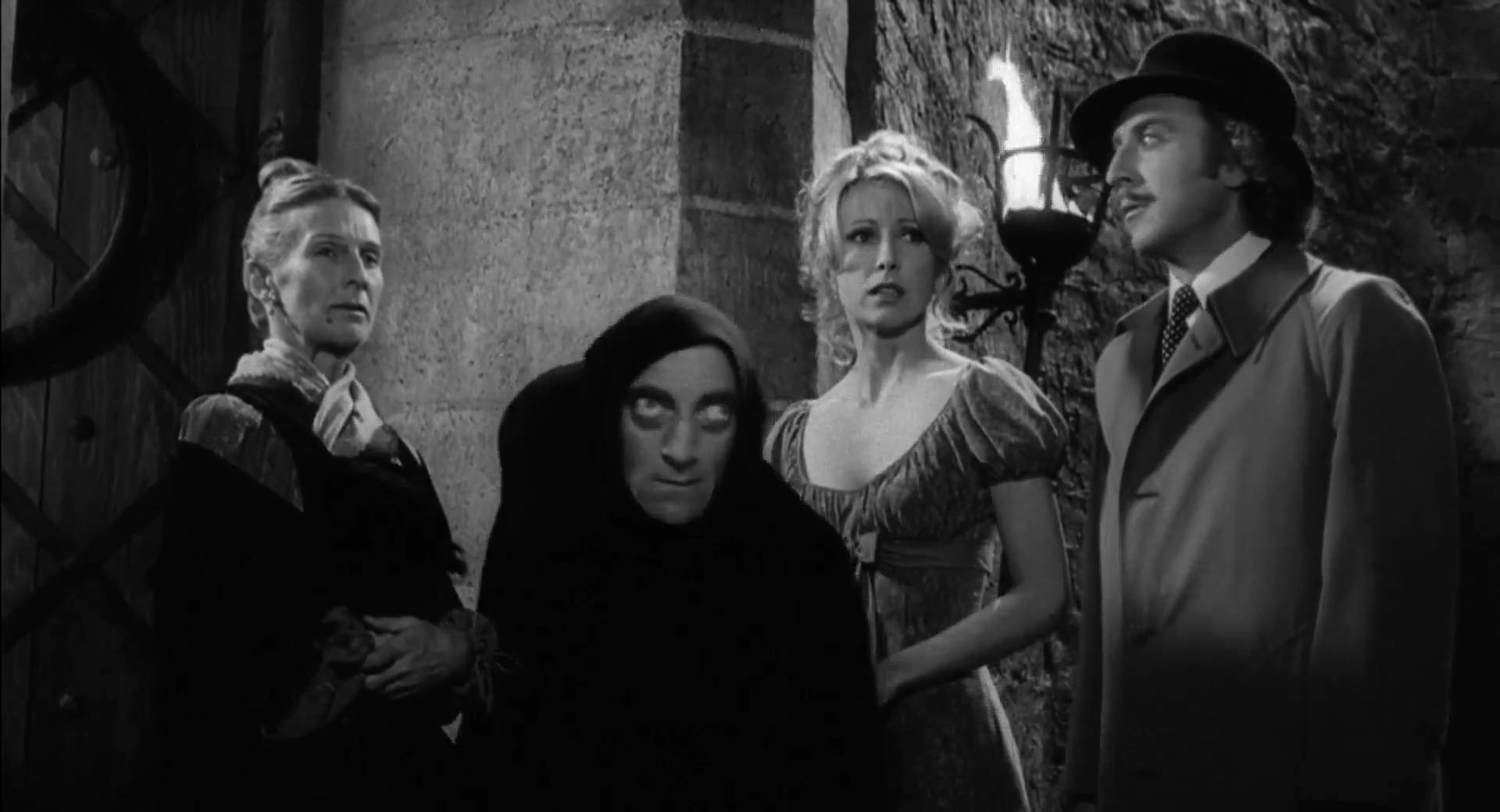
Cloris Leachman, Marty Feldman, Teri Garr, Gene Wilder in Young Frankenstein

This article delves deeper into body language, particularly, the negative kind. It’s a follow-up to our previous article Too Much Body Language can Destroy Your Performance. Be sure to check it out if you missed it because there are some great examples you can learn from.

Body language is an essential tool of communication, and one that successful actors must master if they’re to effectively portray their characters. In the theater, facial expressions and subtle gestures can create a powerful effect on the audience, while in film, knowing how to express emotions without speaking can be just as important. Unfortunately, body language isn’t always positive; some actors have to learn how to expertly convey negative emotions.

If you wish to demonstrate sadness, desperation or anger, you need to ensure your posture reflects these sentiments. Maintaining good posture with a straight back and open chest will help project strength and confidence, even when playing a vulnerable character. Meanwhile slumped shoulders indicate defeat, while leaning forward suggests aggression or intensity. Facial expressions such as frowning brows and down-turned lips may be used in combination with physical cues for maximum effect.

Let’s break down some negative body language expressions:

Frowning, poor stance, avoiding eye contact, inappropriate spacing, and as I mentioned in the previous article, overusing gestures.

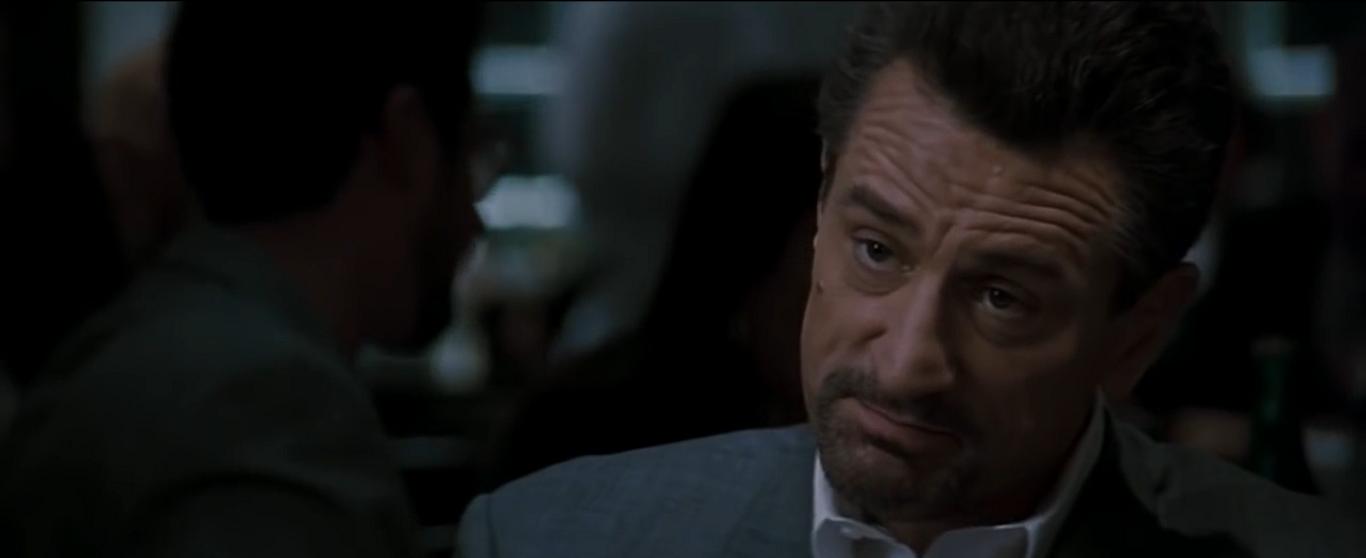
Robert De Niro in Heat

Frowning Brows and Down-turned Lips

Robert De Niro is a master at the frowning brows and down-turned lips. Have you seen the movie Heat with De Niro and Al Pacino? Watch this clip of a restaurant scene from the movie Heat. There’s a lot to learn from De Niro. I suggest you watch as many as his films as possible.

Poor Stance

Actors who have a poor stance during performances can be perceived as untrained or unprofessional by their audience. Poor posture projects an air of disinterest and laziness, giving the impression that the actor is not interested in the performance. It can even appear to disrespect the work being done on stage, leading viewers to believe that the actor doesn’t take their job seriously.

Having a proper stance while performing is important for actors to convey their message and emotion effectively. A strong posture through confident body language gives off an air of attentiveness and respect for not only one’s craft but also for those witnessing it. This sends a powerful signal of professionalism, skill and dedication which will create more opportunities for advancement within the acting world.

As for characters with poor stances, this is a way to make your mark because you will intentionally be trying to make the audience focus on the stance. Marty Feldman, who plays Igor in the Mel Brooks film Young Frankenstein, takes “poor stance” to the next level. Watch this scene and then subscribe to DirectSubmit / NYCastings to comment.

Avoiding Eye Contact

I love this one. So much can be said from the eyes. By avoiding eye contact, it gives off a vibe. And not just one vibe, but so many vibes that – well, so many vibes period, which is why I love this one so much.

Avoiding eye contact is an intriguing form of nonverbal communication, especially in the context of acting. More than just a physical action or gesture, avoiding eye contact can be used to convey various powerful emotions and messages. This technique is oftentimes employed by actors to add layers of meaning and authenticity to their performance.

When an actor avoids eye contact with other characters or the audience, they are making use of a powerful tool that allows them to express complex thoughts and feelings that cannot be easily conveyed through words alone.

Depending on the direction, avoiding eye contact on stage or screen can mean different things. On stage can indicate fear, shame or guilt; it can also create tension and suggest uneasiness within a scene. In film and television, this technique allows directors to craft stories with subtle nuances that tell us more about the characters without having them explicitly say anything at all.

Inappropriate Spacing to Make Someone Uncomfortable

Inappropriate spacing is a common issue that can affect the emotions of actors in theater and film. Not having enough space between people or objects on stage can have detrimental effects on the emotional context of a performance, ultimately making it difficult to portray real emotion.

Theatrical spaces are often limited, but when actors don’t have enough room to move around they might feel cramped or uncomfortable. This has an effect on the quality of their acting, as it creates a negative environment where actors are unable to give full emotional expression to their performances. The lack of physical space also limits the scope for different types of blocking – which is an essential part of creating meaningful scenes – further inhibiting natural acting ability.

There are characters who on purpose want to make other characters uncomfortable. Perhaps the character is an FBI agent who wants to intimidate a person of interest. Or maybe a psychopath who wants to install fear into their victim. No matter what character is, use of space can be a great way to achieve the goal.

Making someone uncomfortable by not giving them enough space can be done in a variety of ways. Acting is a key element when it comes to making someone feel uneasy without actually saying anything. Body language, facial expressions and subtle interactions are all cues that indicate someone may not have enough space – right? We all know that.

When you’re in the company of others, maintaining a comfortable distance between yourself and those around you is essential for healthy communication and social interaction. If you act too close or invade the other person’s personal bubble, it sends the message that you don’t respect their boundaries or privacy. Invading another person’s comfort zone can cause feelings of discomfort which could lead to an awkward situation or even confrontations if allowed to escalate.

So if your character’s intention is to create an uncomfortable situation, take an extra step toward them. Now that I think about it, this could be a great activity to try in an improv class.

Body language is a powerful tool for actors, especially to convey negative emotions. Remember to pay attention to your posture, facial expressions and movement when portraying a negative emotion. Practice with others so you can develop the skills needed. Ultimately, creating an emotionally captivating performance involves utilizing both verbal and non-verbal communication tools.

Stand-Up Comedy for Actors
Many stand-up comedians have become successful actors. This, of course, includes roles in comedies, but also includes dramas; great stand-up comedians like Whoopi Goldberg and Robin Williams went on to win Academy Awards (Goldberg for Ghost in 1990; Williams for Good Will Hunting in 1998). Sometimes, a comic’s break into acting could be attributed to them merely cashing in on their popularity. However, these two forms of performance may not be as different as they seem, and it is logical that skills in one area could translate to skills in the other.
Here’s a few reasons why stand-up comedy skills are great for any actor.

Audition Courage

An actor’s work, whether for stage or camera, takes place largely in an ensemble. Great actors must play well off their scene partners. However, an audition room tends to remove that aspect completely and put all the pressure on an actor to showcase their talents alone. This can be intimidating for many actors, and it makes sense; auditions are very awkward and strange for an actor. Stand-up comedians, however, are used to performing alone in front of a small group of people. They develop a comfort with that sort of pressure. Carrying that confidence over to an audition room could give an actor the edge over less confident performers!

Put Your Personality First

Many actors get caught in a headspace of transformation. They feel a desire to be transformative with their performances. They want to disappear into roles via accents, exaggerated mannerisms, etc. While this can be useful in some roles, most casting directors will be convinced whether to cast you or not based on who YOU are. The personality and vibe you put forward speaks volumes. In stand-up, comics must put their personality first. Whether they’re telling personal stories or joking about topics that interest them, a great comic has material that only they can tell. Being yourself, and quickly portraying yourself to strangers, is extremely important to both networking actors and stand-up comedians.

Diverse Pursuits

As a working actor, when it rains, it pours. Especially when they’re first starting out, it’s rare for actors to be working at a comfortable, consistent rate. More realistically, they will go through extremely busy periods and extremely dead periods. Having a few types of performance in your tool belt will help keep you consistently busy. A few months off from acting could make an actor rusty – but if that actor is performing stand-up comedy during those months, they will have all the momentum they need. In addition to keeping busy, it’s also great to have diverse pursuits when trying to network. The old adage, “it’s not about what you know, it’s about who you know” is extremely true. Trying stand-up will introduce you to many new people that you may not have met otherwise! Some of them will be other actors, some will be career comics, and some will even be writers or directors.

Beefed-up Special Skills

The “special skills” section of your resume is an opportunity to spark something in a casting director’s mind. It’s advantageous to put whatever you can in there. Having “stand-up comedy” on your acting resume could make you stand out in a positive way. Most people love comedy, and most people in the industry know what it takes – persistence, hard work, and thick skin. When you know your resume will be one in a tall stack, anything you can do to look better could get you work!

Practice Commanding a Space

As a beginning actor, many of your acting roles may be only a few lines. It’s important to take these roles seriously, but you might not have anything to sink your teeth into, and when it’s time for you to deliver big acting moments, you want to be ready. In stand-up comedy, performers must captivate an audience for their entire set. They cannot be too one-note, and must find nuance to their emotions. They cannot speak too fast or too slow. The immediate feedback of the audience is an incredible gift, as it helps performers learn what works. It is, in a way, a free acting monologue workshop with live, clear feedback. Many actors will try to “ham up” or overplay the emotion of a scene; stand-up comics know that honest storytelling resonates much better.

Thick Skin

Many people trying to work as actors were the prodigy of their high school or college theater department. Some early success or inspiration caused them to pursue acting in the first place. However, working as an actor requires perseverance despite constant rejection. It will beat you up if you let it. Stand-up comedy is the same way. All stand-up comics must deal with dead audiences, hecklers, bad shows, and bleak nights while not only making peace with it, but continuing to try again. Stand-up comic and actor Ray Romano said, “After performing stand up, performing in an audition situation was a piece of cake. I mean, what could these people ever say to hurt my feelings that some drunk in the city hasn’t already said?”
If you’re an actor considering trying stand-up, or a comic considering trying acting, you should do it! While the skills are not all the same, it is a great thing for any performer to try different challenges to get better. There’s probably an open mic night somewhere in your neighborhood.
Give it a try!

Faye Dunaway as Joan Crawford in Mommie Dearest

The power of body language has been established and recognized in many aspects of life, especially in the field of acting. It’s a potent tool in communication and can express subtle emotions that words may not be able to capture. By utilizing body language, an actor can convey a unique message to the audience. Body language also helps create a vivid character by conveying specific traits and emotions that are essential for any performance.

Now, I must warn you that too much body language can destroy your performance. Too many gestures, facial expressions and other nonverbal cues can take away from the reality of a scene and make it appear unrealistic. This is because using too much body language can create distractions for both the actor and the audience, as well as make it difficult for the actor to stay in character. An audience should be able to understand what’s going on in a scene through the actors’ words and actions – not just through movements alone. Therefore, finding balance between verbal dialogue and body language is key.

You should never become so focused on physicality that you forget your lines or fail to connect with other characters in the scene. Rather, you should practice self-control so that your movements are natural and effortless while still conveying emotion in a meaningful way. Also, you must make sure that your overall blocking (the way in which characters move around onstage) works with the script rather than against it.

According to body language experts, many actors are guilty of overdoing it on stage or screen. They suggest that subtlety is often much more powerful when conveying feelings or emotions.

This conflicts with actors who are playing larger than life characters. In particular, let’s talk about comedy. Too much body language is actually welcomed in comedy as it makes us laugh.

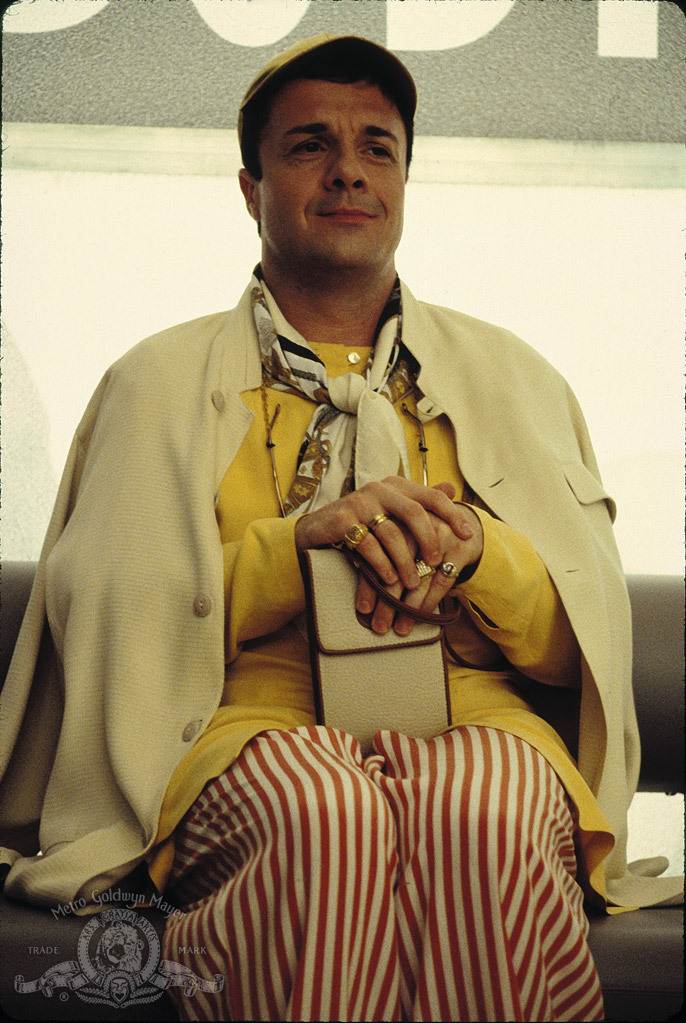
NYCastings-Nathan-Lane-The-Birdcage-Body-LanguageTake a look at actor Nathan Lane in The Birdcage. The film is about a gay cabaret owner (Robin Williams) and his drag queen companion (Nathan Lane).

Nathan’s over-the-top gestures absolutely made his character. To put it mildly, his character wouldn’t have worked any other way! Check out this clip where Robin Williams tries to teach Nathan how to act like a man.

Now, if The Birdcage was a drama, Nathan’s gestures wouldn’t work. You understand what I’m saying?

(By the way, if you like Nathan Lane, you can see him on Broadway in Pictures From Home, along with Danny Burstein and Zoë Wanamaker. Previews: Jan 13, 2023, Opening: Feb 9, 2023.)

Getting back to derailing your performance by overacting…

The film Mommie Dearest, which stars Faye Dunaway, is a classic example of a drama gone awry. Faye plays the character of the real life Golden Age Hollywood actress, Joan Crawford. Faye’s portrayal of Joan is way over-the-top in body language and facial expressions, giving the film more of a campy comedy vibe than its intended drama.

Watch this scene about Joan Crawford’s daughter using wire hangers in her closet.

So there you have it. Body language is an essential part of acting, but too much can be detrimental to a performance. You must strike the right balance between body language and vocal expression in order to bring your character to life and create a believable illusion for your audience. It takes practice and experience to develop the skills necessary to master this balance, but it’s achievable with the right guidance and dedication. A good actor will use body language to enhance their performance, not dominate it.

Tips On Delivering A Great Audition

Casting directors are tasked with finding the right actors to bring a script to life and bring a vision to reality. A great audition can mean the difference between a film, television show or play that resonates with audiences and one that falls flat. The actors selected will be the embodiment of the characters, and their performances will be the foundation upon which the production is built. As such, casting directors want actors to give a great audition because it helps them to identify the performers who will best serve the story and bring their characters to life in the most compelling and convincing way possible.

A great audition is a chance for actors to showcase their talents, and a chance for casting directors to see the performer’s potential and how they might fit into the project they are casting.

Here are a few pieces of advice from casting directors for actors who are auditioning:

  1. Be prepared: Make sure you have studied the script and know your lines. This will allow you to focus on the character and the scene, rather than trying to remember what you’re supposed to say.
  2. Be yourself: Casting directors are looking for authentic performances, so don’t try to be someone you’re not. Bring your own unique qualities to the role.
  3. Be adaptable: Be open to direction and willing to take notes and make changes to your performance.
  4. Be punctual: Showing up on time to your audition is essential. It demonstrates that you are reliable and professional.
  5. Be confident: Believe in yourself and your ability to do the role. Confidence can be contagious and will make a positive impression on the casting director.
  6. Be respectful: Remember that a casting director’s time is valuable. When you’re done, thank them for their time. And if you are not selected, don’t take it personal and move on.
  7. Be Rehearsed: They are looking for the best fit for the role and that might not always be the best performance. Many of the times is the combination of looks, skills and the best fit for the project.
  8. Be true to the Character: Try to know the Character inside out, Be familiar with the story line, the set and the context.
  9. Be aware of the context: Not only the context of the story but also the context of the industry or the production company. This will give you a sense of what they are looking for and what they might expect.
  10. Be open: Try to find new ways to approach a scene or a character and be open to take risks. A fresh take on the character or the scene might be just what the casting director is looking for.

Keep in mind that the audition process can be highly competitive, and the role may go to someone else even if you give a great performance. However, by following these tips, you’ll be doing everything you can to make a positive impression and increase your chances of getting the part.

The Meisner Technique Explained

The Meisner Technique, also known as the “Meisner Approach,” is a method of acting developed by the American actor and teacher Sanford Meisner. It emphasizes the use of improvisation and repetition exercises to help actors develop their ability to respond spontaneously and truthfully in the moment.

The foundation of the Meisner Technique is the “repetition exercise,” which is designed to help actors develop their ability to listen and respond to their scene partners in a natural and authentic way. In the exercise, two actors perform a simple scene, such as meeting for the first time, and repeat a line of dialogue back and forth to each other. The goal is for the actors to focus on each other and the reality of the scene, rather than their own emotions and thoughts. This exercise is repeated multiple times, with the actors experimenting with different emotions, attitudes, and behaviors each time, in order to fully understand the scene.

Another important aspect of the Meisner Technique is improvisation. Meisner believed that the key to creating believable and authentic performances is to be fully present in the moment, and to respond truthfully to what is happening around you. Improvisation exercises are used to help actors develop this skill. These exercises can take many forms, such as pretending to be a different person in a given scenario, or reacting to unexpected events in a scene.

The Meisner Technique also emphasizes the importance of “living truthfully under imaginary circumstances.” This means that while the actor is not in the scene, they should be living within the reality of the scene. This can be achieved by doing research, preparing the backstory and motives of the character, and also by constantly being in contact with the script and the given circumstances of the scene.

Meisner believed that an actor’s true instrument is their own life, and that the most powerful performances come from actors who are able to use their own experiences and emotions to inform their work. He encourages actors to be open and vulnerable with themselves, to let go of their self-consciousness and not to be afraid to make mistakes.

Overall, the Meisner Technique is focused on helping actors develop their ability to be present, spontaneous and emotionally authentic in their acting. It is known for its emphasis on practical, repetition-based exercises to develop the actors listening, focus and reaction skills. Actors who trained using this technique are known for their ability to be present, connected and truthful in their performances, and for the naturalism of their performances.

Many well-known actors have studied or trained in the Meisner Technique, as it has been a popular method for developing acting skills for many years. Some examples of celebrities who have been known to use the Meisner Technique include:

  1. Robert De Niro: De Niro is considered one of the greatest actors of his generation, and he trained with Meisner at the Neighborhood Playhouse in New York City. He has credited Meisner with helping him develop his craft and with giving him the ability to “live truthfully” in his performances.
  2. Dianne Wiest: Wiest trained in Meisner Technique with Sanford Meisner himself, she is well-known for her ability to deliver powerful performances and for the naturalism of her performances, her two Academy Awards are a testament to her acting abilities.
  3. Paul Newman: Newman studied the Meisner Technique at the Actors Studio, and credited the training with helping him to develop the focus and concentration required for a successful career as an actor.
  4. Bruce Willis: Willis studied the Meisner Technique during his time at the Actors Studio and credited the method for teaching him to be more relaxed and natural in front of the camera.
  5. Elizabeth McGovern: McGovern studied the Meisner Technique with William Esper, a Meisner trained actor-teacher, and she has credited the technique for teaching her to trust her instincts and for helping her to develop a deeper understanding of the characters she plays.
  6. Jodie Foster: Foster studied the Meisner Technique and has credited the technique for teaching her to be more spontaneous in her performances.

These are just a few examples of many actors who have studied Meisner technique, some other examples include Mark Ruffalo, Peter Gallagher, David Mamet, Kate Burton among others. It is important to note that actors may have studied or trained in many different techniques, and may not necessarily identify exclusively with one. But the Meisner technique is well known for providing actors with a strong foundation for their craft.

The Meisner Technique is taught at many acting schools and conservatories around the world. Here are some examples of schools that specialize in, or have a strong emphasis on, the Meisner Technique:

  1. The Meisner Studio, New York City: This is the school that was founded by Sanford Meisner himself, and it is considered to be one of the most reputable places to study the Meisner Technique. The school offers intensive two-year programs that focus on the Meisner Technique, as well as classes for actors at various levels of experience.
  2. The William Esper Studio, New York City: This school was founded by William Esper, a former student of Meisner’s, and it offers a two-year professional training program that emphasizes the Meisner Technique, as well as other methods such as the Stanislavski System.
  3. The Joanne Baron/D.W. Brown Studio, Santa Monica, California: The school founded by Joanne Baron and D.W. Brown, who were also Meisner trained and emphasis on Meisner Technique, as well as other methods such as Michael Chekhov Technique and Alexander Technique. The school offers a two-year professional program that focuses on the Meisner Technique and is designed for actors who are committed to a career in the entertainment industry.
  4. The New York Film Academy, New York City, Los Angeles, and other locations: The New York Film Academy has programs that includes Meisner Technique in their curriculum and have many Meisner trained faculty member, they also have other locations around the world
  5. HB Studio, New York City: This school offers Meisner Technique classes for actors at various levels of experience, and the Meisner technique is a fundamental part of the curriculum.
  6. The Actors Gymnasium, Chicago: This school offers a Meisner-based training program, and also focuses on other physical theater techniques as well.

These are just a few examples of the many acting schools that teach the Meisner Technique. It is important to research and investigate the different programs and faculty, as well as to attend classes to see if the teaching philosophy and approach align with what you are looking for in your training.

Babylon’s Telvin Griffin

You may recognize Telvin Griffin from the Emmy-Award-Winning ABC comedy, Blackish and a bunch of national commercials including Dodge Ram.

Well, Telvin just made his big screen debut alongside Brad Pitt, Margot Robbie and Diego Calva in the Paramount Pictures feature film Babylon. This is a big deal, and I’m going to tell you why.

Making the jump from television to film is not an easy feat for any actor. It takes a great deal of preparation and dedication to make the transition successful. However, for those actors who are willing to put in the necessary work, it can open up a world of possibilities.

– With the right role in a blockbuster movie, an actor can become an international star overnight and enjoy increased financial security.

– Actors are able to explore independent projects that may offer them creative freedom or allow them to work with acclaimed directors. These types of opportunities can provide an actor with unique experiences and help them develop their craft even further.

– Actors gain access to new markets around the world and boosts their chances of acquiring agent representation abroad.

NYCastings-Telvin-Griffin-Photo-by-David-Zaugh-Photography

 Telvin Griffin. Photo by David Zaugh Photography.

So how did a boy from Texarkana, Arkansas get his feet wet in the entertainment field and land a high profile film? By setting high goals: Telvin wants to follow in the footsteps of some of today’s most influential actors, such as Sidney Poitier, James Earl Jones and Denzel Washington. And in case you were wondering, yes, Telvin attended college. He studied broadcast journalism at the University of Arkansas.

DirectSubmit / NYCastings had an opportunity to touch base with Telvin Griffin and we’re happy to share the interview with you.

You portray Reginald, a straight-shooting saxophone player, who is faced with an unexpected rivalry with fellow trumpet player Sidney Palmer (portrayed by Jovan Adepo). When you were in school, you took up piano and saxophone. What was it about those two instruments that made you gravitate toward them?

That’s a fantastic question. What made me gravitate towards piano and saxophone was the fact that they complement each other. There were certain notes I could play on the sax that just translated to the piano. I was playing the piano before I started playing the sax. Both instruments bring a level of swagger with them, and honestly, I am in my own world when I’m playing. I saw former President Bill Clinton playing the saxophone at a White House dinner when I was a kid and knew then I wanted to play. Especially with Clinton being from my home state, Arkansas, a town about 10 minutes from mine.

Tell us about your audition for Babylon?

The audition process for Babylon went quickly. I remember being home with my family for a few months because we were still in the middle of the pandemic. I had just shot a Dodge Ram National campaign in Austin, Texas, so I decided to stay home and spend some more time with my family. When the audition came, I didn’t really know how huge the film was looking to be. I remember getting the full script and thinking to myself, “holy cow, this is a monster of a film”. I sent my initial tape in and just did my thing and just carried on about my day; you gotta leave it in the room and get on with life, so you’re never second-guessing your creative work. About a week went by, and my reps sent me an email from casting saying the Director, Damien Chazelle, wanted to have a director’s session with me along with actor Jovan Adepo. So now it’s getting exciting because it looks like I’m getting closer, and at this point, it’s about who I am and how I may stand out. I knew the fact that I actually played the saxophone could count for something, so before the chemistry read, I called every music store and pawnshop in the area to find one. I ended up finding a sax at a pawnshop and bought it that day. I spent a day re-teaching myself the notes and fingering on the sax and learned a quick little song, “I’ve Got Sunshine.” During my chemistry read, I didn’t want them to know I had the sax, so I waited until the time in the scene where I play to pull it out, and it took both Damien and Jovan by surprise. And I guess the rest is history. Once I got back to Los Angeles, the studio sent a couple of saxophones to my house to get even more familiar with before I started shooting, which was pretty cool. The moral of that story is always to find something within your arsenal that sets you apart in your creative process, and don’t be afraid to use that. Because I had read the entire script beforehand, I knew my character Reggie was this passionate guy, full of energy, who wanted to catch his big break, just like Sidney, and navigate his way through this crazy transitional period in Hollywood. I really loved the fact that Damien allowed Jovan and me to really have fun and play off of each other during our scenes. He is truly an actor’s director!

Babylon is a star-studded film. What type of security did you notice on set?

Ha yeah, no kidding, right?? You don’t really have an idea of how massive a film will be until you start getting closer to shoot dates and you start seeing press clippings of who’s joining the cast. I remember thinking on my first day on set how many big bodyguards were present. Well, at least we know we’re safe — haha!! In all seriousness, security did an amazing job from day one all the way to wrap.

Babylon-Photo-by-Scott-Garfield-Paramount-Pictures

Babylon Party Scene. Photo by Scott Garfield, Paramount Pictures

What was it like on your first day on the set of Babylon?

So my first day on set was surreal. I remember driving up, two PA’s (production assistants) came to my car and escorted me to my trailer, where I had all kinds of goodies waiting for me. I don’t think I was in my trailer for longer than 10 minutes before I was escorted to hair and makeup. The moment I stepped on set, I was floored by how many background artists we had for the first scene and how many moving parts that scene entailed. All the main stars were in the scene also, so that was so cool watching people I admire and have watched for years work in person. You’ll know what I’m talking about when you see the film. It’s one of the party scenes, and it was massive. We shot from sundown until literally sunrise. But we were having so much fun we didn’t even notice the time. Everyone made us feel welcome on that set. There were no egos during my entire time shooting. We all just believed in Damien’s vision and wanted to help make this film a masterpiece!

Give us some insight as to your childhood. You have a very unique name. Tell us about it.

I grew up in a small town called Texarkana, Arkansas, about two hours east of Dallas, Texas. From the moment I came out of my mother’s womb, I was looking for a microphone. Growing up, I always wanted to make people laugh. I used to pretend I was hosting shows in my grandparent’s study den. My parents always had a pulse on things that interested me. By five years old, I was taking piano lessons with a guy who lived next door to my grandparents. So the name Telvin actually means “Gift from God”, and Griffin means “Dangerously Fierce.” When I found that out, it put more fire under me to keep going and to never give up on my dreams, no matter how hard it was or how long it took. There was an inspiration that came from knowing that. I have two little brothers and two little sisters, so being the oldest comes with a level of responsibility that requires me to be a role model for my younger siblings. I love being that for them — they’re able to see how I handle adversity without letting it crush me.

Growing up, I was the kid in school that would make the class laugh and was kind of a “life of the party” type of kid. Sometimes it was good, and sometimes the teacher would call my parents. Other students sometimes couldn’t get their work done. I had a very structured upbringing with plenty of spankings because I thought I knew more than my parents, LOL!! But I can honestly say my parents did a fantastic job raising my siblings and me. I was always on the A&B honor roll as a kid, which was cool, but there were times that I’d finish my work so fast that I’d be bored, which led to me distracting other kids from their work. This led me to be tested for the gifted and talented program, which changed my life. There were only about six or seven kids that got accepted into the gifted and talented (GT) program, and I was fortunate to be one. It allowed us to use our creative juices in different ways. I stayed in GT until I graduated high school. I became involved with the church at an early age; my dad’s dad was a pastor. So we kind of had no choice. But again, with me loving the piano, I would always find myself on the piano before or after church playing until it was time to go. This led me to eventually become a church musician, and I’ve been one ever since, even to this day. I became interested in the band. I had seen on television HBCU bands playing, and the swagger they had during their halftime shows was enough to sell me on the idea of joining. I had fun during the two years I was in the band, but eventually, I wanted to play football, and you can’t do band and football at the same time, so I ended up dropping band.

You’ve done several national commercials. Can you share your experience with them?

Before moving to Los Angeles in 2018, I was living in Dallas, Texas, because that was the closest market to my hometown where I could act full-time and actually book quality work. Texas is a right-to-work state, so many commercials come there to shoot to save money. Commercials were my bread and butter. I built a great relationship with every casting director in that market. My agent would sometimes tell me that casting wanted to direct book me without even auditioning. I always tried to make some type of an impact with the crew and fellow cast mates. I still do to this day actually. In my experience, it always led to them calling me back to shoot more spots or referring me to other ad agencies. I’ve been very blessed to do this amazing thing called storytelling.

What part of the entertainment business do you like and dislike the most?

What I love most about this industry is the fact that nothing is ever the same from one day to the next. Each project you work on is different and allows you to be a different character in a different world every time. That’s the fun part. What I dislike the most is the business side. You can be the right person for the role but sometimes, based on your credits or lack of star power you may be passed over for a role, which can be frustrating at times, which is why it’s great to have something you enjoy that takes your mind off acting. For me, that’s refereeing high school basketball and college football.

Previous to becoming an actor, what did you do for a living?

Honestly, when I graduated from college in 2012 I jumped into acting. I signed with my first agent in Dallas and hit the ground running. Now there were times when things got slow, and during those times I picked up jobs here and there such as substitute teaching and working as a medical rep. Even here in Los Angeles, I drove Lyft for a year because I needed a car to get around the city for auditions and jobs that I booked. Now I just referee football and basketball games, which puts money in my pockets and allows me to still pursue my career full-on, with determination and passion. Those jobs were just a means for me to continue funding my dream of becoming a working actor. Sometimes you have to work on something that is not your dream to sustain your dream until it sustains itself, which will happen. You’ve just got to trust the process and never lose faith.

How did you land your agent / manager?

So at the current moment, I just have a fantastic manager who works her tail off, making sure that my career is going in the right direction. She gets and understands me as a person. I think that is very important when it comes to reps, especially managers, because they manage your career and, in turn, parts of your life on a day-to-day basis, but also, they’re the point of contact for you in the industry. They need to know your strengths and your weaknesses, so they can help guide you in the right direction. I took the meeting with her back in 2019 and told her, “Listen, I’m going to be a star, and I want you in my corner when that time comes.” For me, it’s never been “if” but always “when” because I trust in my gift as an artist, and I work my butt off to make that happen. She believed in me, and I left that meeting signing with her even though I had other meetings set up. We’ve been together ever since, and I look forward to sharing all my success in my career with her. I told her this was a lifetime commitment and we’re in it for the long haul, when times are good and when times are rough.

NYCastings-Telvin-Griffin-Red-CarpetAnything else you’d like to say?

First and foremost, I’d like to thank God for giving me life and the gifts He’s placed within me to contribute to this world. I’d like to shout out my amazing parents for bringing me into this world and raising me to be the man I am today. Completely separate note — I want to shout out everyone who did their part in voting in the last two elections we’ve had where our democracy and freedoms were on the line. We came together and put aside our political difference for the betterment of the country. I’m a huge advocate for voting rights and just human rights, period. So to all the organizations that make sure people are registered to vote and understand what they’re voting for, I thank you!!

Readers, if you haven’t already done so, register at DirectSubmit / NYCastings to see what opportunities await you!

what is method acting

Method acting is a technique used by actors to help them fully embody the character they are playing. It involves using personal experiences and emotions to bring authenticity and depth to the character’s portrayal on stage or screen. Method actors may also use improvisation, sense memory exercises, and other techniques to help them connect with the character they are playing. The goal of method acting is to create a sense of realism and truth in the character’s performance.

In method acting, actors use their own personal experiences and emotions to inform their portrayal of a character. For example, an actor might draw upon memories of their own relationships or past events in order to create a more authentic and believable performance. The idea behind method acting is that the actor’s own feelings and experiences can help them connect with the character on a deeper level, which in turn can help create a more powerful and convincing performance.

To help them get into character, method actors may use a variety of techniques, such as improvisation, sense memory exercises, and other acting exercises. Sense memory exercises, for example, involve the actor using their senses to recall specific memories or experiences in order to bring a character’s emotions to life. Improvisation, on the other hand, involves the actor reacting spontaneously to situations and stimuli in order to stay in character and build a sense of authenticity.

Method acting is often associated with a more intense and immersive approach to acting, and it can be physically and emotionally demanding for actors. However, many actors believe that the technique can help create a more powerful and believable performance, and it is still widely used in the acting industry today.

Method acting is a technique that was developed in the 20th century by actors and acting teachers, including Lee Strasberg and Stella Adler. It is based on the idea that actors can draw upon their own personal experiences and emotions to bring authenticity and depth to their performances.

There have been many well-known actors who have been associated with method acting, including:

  • Marlon Brando: Brando is perhaps one of the most well-known method actors of all time. He was a student of Stella Adler and Lee Strasberg, and is famous for his immersive and intense performances.
  • Robert De Niro: De Niro is also known for his commitment to method acting, and is famous for his willingness to transform himself physically for his roles. He has worked with directors such as Martin Scorsese and Francis Ford Coppola, and is known for his powerful and memorable performances.
  • Daniel Day-Lewis: Day-Lewis is known for his immersive approach to acting, and is famous for his commitment to his roles. He has won three Academy Awards for Best Actor, and is known for his ability to fully inhabit the characters he plays.
  • Meryl Streep: Streep is another actor who is known for her dedication to method acting, and is known for her ability to fully embody a wide range of characters. She has won numerous awards for her performances, and is widely considered one of the greatest actors of her generation.

These are just a few examples, but there have been many other actors throughout the history of film and theater who have been associated with method acting.

There are many places where actors can study method acting, including acting schools, universities, and private acting studios. Some well-known institutions that offer training in method acting include:

  • The Actors Studio: The Actors Studio is a prestigious acting school located in New York City that was founded by Elia Kazan, Lee Strasberg, and Robert Lewis. It is known for its emphasis on method acting and has trained many famous actors over the years, including Marlon Brando, Robert De Niro, and Meryl Streep.
  • The Lee Strasberg Theatre and Film Institute: The Lee Strasberg Theatre and Film Institute is another well-known institution that offers training in method acting. Located in New York City and Los Angeles, the institute is named after the famous acting teacher Lee Strasberg, who is known for his contributions to the development of method acting.
  • The Stella Adler Studio of Acting: The Stella Adler Studio of Acting is a private acting school located in New York City that was founded by the actress and acting teacher Stella Adler. Adler was a student of Constantin Stanislavski, the Russian actor and director who is considered one of the pioneers of method acting, and the studio offers training in method acting and other acting techniques.

In Los Angeles

  • The Ivana Chubbuck Studio: The Ivana Chubbuck Studio is a private acting school located in Los Angeles that offers training in the Chubbuck Technique, which is based on method acting principles. The studio was founded by Ivana Chubbuck, a well-known acting coach who has worked with many famous actors, including Halle Berry and Brad Pitt.
  • John Rosenfeld Studios: The John Rosenfeld Studios is a private acting school located in Los Angeles that offers training in method acting and other acting techniques. The studio was founded by John Rosenfeld, an acting coach and former member of The Actors Studio who has worked with many well-known actors over the years.

These are just a few examples, but there are many other acting schools and studios in Los Angeles that offer training in method acting. It is a good idea for actors to research and compare different schools and programs in order to find one that is a good fit for their needs and goals.

Tips for Picking a Monologue

Choosing a good monologue for an audition or reel is a daunting task. There’s so much out there, and so much of it doesn’t seem very good! The decision can also feel high-pressure, as finding the perfect monologue feels like it will set the actor up for success. Picking the right monologue for you is an important part of making a good impression, but with these tips, it will be easier!

Tip #1: Avoid Iconic Scenes

If the person watching you has seen the scene done before, the bar will be higher. Scenes and monologues that have been performed by iconic actors should be avoided. If you play the scene the same way they did, you could seem unoriginal or just simply fail to live up to their portrayal. If you play the scene differently from the famous version, you could seem like you’re doing it ‘wrong.’ In other words, you’re in between a rock and a hard place with famous source material.

Tip #2: Know Your Type

When you’re selling yourself as an actor, you’re selling yourself. If you’re a young person, don’t pick a monologue intended for someone in their 70s, for example. You want to be completely believable when reading the material. Maybe they’ll even forget for a second that you’re acting. In order to reach that level of transcendent performance, the person watching must be able to suspend their disbelief. This also applies to accents – use your natural accent unless the audition requests another accent specifically!

Tip #3: Be Quick and Concise

Leave them wanting more. This is especially true for self-tapes; don’t give them time to get bored.

Tip #4: Seek Present Activity

Many monologues are reminiscent. A character is recalling a memory or telling a story. These nostalgic monologues may be beautiful to read, but they are often one-note to perform. It is more interesting to watch someone with a clear objective and stakes. Maybe they’re trying to convince someone of something, for example.

Tip #5: Consider Parameters

If an audition posting gives any suggestion of what a monologue should be, this will help your search. The hardest part about looking for a monologue is how many options there are! So, rather than trying to bend the parameters you’re given, take them as a blessing. These specifications won’t just ensure that your monologue is a good fit; they’ll also narrow down the process of searching and make it easier.

Tip #6: Play to Your Strengths – AND – Show Range

Are you great at screaming and yelling? Cool! Are you great at crying? That’s great! Whatever you’re proficient at, you should do that in your audition – but don’t do the same thing for 2 whole minutes. Identify a few key areas where you can shine, and try to find a monologue that demonstrates a few of those talents in a short span. A great monologue won’t be one-note; it will be an opportunity for you to show your range. Monologues with clear discoveries or shifts are great for this.

Don’t let the process of picking a monologue scare you. Picking a monologue is only the first step in being prepared to showcase yourself as an actor! You can get your search started right here on DirectSubmit: https://www.nycastings.com/monologues-for-actors/

Goodluck with your search!

5-Tips-for-Mastering-Method-Acting

For aspiring actors looking to take their craft to the next level, method acting is a powerful tool. It involves becoming fully immersed in a character in order to create a more authentic and realistic performance. Actors will benefit from learning how to focus on details and use techniques like emotion memory and substitution to get into character.

Understand the Basics

Method acting requires you to really dig deep emotionally and physically to bring the character to life. It’s an approach to acting that focuses on creating realistic performances. It was developed by American actor Lee Strasberg in the 1930s and has since been used widely in film, television and theater. By understanding the basics of method acting, you can use this technique to create realistic performances that evoke emotion from your audience.

At its core, method acting focuses on bringing an actor’s real emotions into their performance rather than relying on scripted lines alone. Actors are encouraged to lose themselves completely in order to become the character they’re playing; they must research the role extensively and imagine how they would behave if they were really living through similar experiences.

Research and Analyze Characters

Study the script thoroughly. You should have a strong understanding of what your character has gone through, why they make certain decisions and how they interact with other people. You should also consider the body language and mannerisms of the person you’re portraying as well as understand how this character would react in any given situation.

Research not just your own part but that of other characters in the script too. Acting isn’t just about the individual on stage or in front of the camera; it’s also about creating relationships with other characters and understanding them from multiple perspectives. When researching a character, you should try to understand their motivations and intentions within the plot as well as draw inspiration from real life experiences.

Actors often rely on scripts to get a sense of who their character is, but you shouldn’t limit yourself to what’s written. It’s important to look back at previous examples of similar roles, watch films and shows that feature similar characters, read books or articles related to the subject matter or even observe people in everyday life that could serve as inspiration. (Known as “people watching” – did you ever walk by a restaurant and see customers sitting at the counter looking out the window at the people passing by? That.)

NYCastings-Actor-Practicing-Emotional-RecallPractice Emotional Recall

Actors are often lauded for their ability to recall emotion on cue. But what’s the science behind this seemingly superhuman feat? Actors, through practice and rehearsal, can develop an enhanced capability to recall emotional memories with great accuracy.

This ability is known as “emotional recall.” Not only does it involve remembering a particular emotion, but also the physical sensations and body language associated with it. You can use this tool in order to bring your characters to life by tapping into your own personal experiences. Through emotional recall, you’re able to inhabit your roles fully and create powerful performances that captivate audiences.

Work with an Acting Coach

Acting coaches help actors develop their craft and perfect the techniques that will make them stand out from the crowd. Working with an acting coach can launch your career to new heights, as well as help you get out of a slump. For those looking to specialize in method acting specifically, there are many benefits that come with working with an experienced teacher. An acting coach can provide tips and feedback on how best to approach this specialized method of performing, helping individuals take their skillset to the next level. They can also provide guidance on finding scripts or roles that will allow for maximum expression using method acting techniques.

Develop a Backstory for Each Character

When it comes to method acting, one of the most important techniques to master is the art of creating a backstory for each character. Understanding a character’s motivations and fears will help bring life and authenticity to your roles.

Think about the characters’ past experiences and relationships with other characters in the story. What were their childhoods like? Are there any significant moments from their formative years that may have shaped their views on life? It’s also useful to consider what role your character plays in the overall narrative — their goals, ambitions, secrets and weaknesses — to make sure you understand how they fit into the plotline.

Be sure to give your characters unique details that make them stand out from other film or stage characters.

Utilize Improv Techniques

This is one of my favorite tips.

Improv techniques are helpful tools for achieving success in many aspects of life, including method acting. Improv is an acronym for “improvisational theater,” a form of live theater that emphasizes spontaneity and creativity to create a unique performance each time it’s performed. By utilizing improv techniques, method actors can hone their skills and become better at creating believable characters.

We’ve established above that method acting is a type of performance technique in which the actor strives to fully embody the character they’re portraying by connecting personally with the role and drawing upon their own emotions and experiences to enhance their portrayal. Improv techniques can help bring out the nuances in the character so that the actor is able to portray them in a way that feels authentic to audience members.

Mastering method acting takes a lot of practice and dedication. It requires you to go beyond the surface of your character and find out what makes them tick. You must be willing to take risks, get creative, listen to feedback, stay focused and keep believing in yourself. With the right amount of determination and hard work, you can become a successful method actor. So don’t be afraid to take the plunge and start experimenting with this style of acting! Who knows?

Running-a-Theater-Business

Running a theater business is an exciting but daunting task. It requires immense dedication and hard work to make sure the show is successful, especially if you have kids in the play. For most people, this is a dream come true, as it allows them to combine their love of theater with their passion for helping young actors grow and develop. It’s important to understand all of the components that go into making sure your production runs smoothly and without incident.

You’re responsible for managing and running a successful operation. You must understand all aspects of the industry, from developing new concepts to marketing and advertising strategies. In addition, you must also be adept at creating strategic partnerships with other businesses to maximize profits and secure long-term success.

From finding the right space to building a passionate staff, there are many components to consider when opening a theater. With the right organization and planning, however, you can be successful in creating and running your own movie theater or playhouse.

The First Step – Finding a Location

The first step in starting your theater is finding the perfect location. Look for spots that have easy access from major roads, public transportation or local landmarks; this will make it easier for potential customers to find you. Additionally, assess the condition of the building you’re considering before signing any leases or contracts — does it need renovations? Will those renovations fit into your budget? Make sure to take all of these considerations into account before committing to any space.

Assembling Your Acting Team

Assembling a theater team can be an exciting process, especially if you’re bringing together actors with different skill sets and backgrounds. It’s paramount to select the right individuals for your theatrical needs. The best way to do this is by creating an effective auditioning process to find talented and qualified performers who are passionate about performing.

You need to define the roles that need to be filled for the production. Make sure you know how many people are necessary for each role; this will help narrow down your search and make it easier when casting from potential candidates during auditions. After defining roles, create audition materials that will accurately assess each candidate’s abilities in order to determine who fits best with the show concept.

You can pull monologues and scripts from DirectSubmit NYCastings. For auditions, you’ll want to choose a few different dates and times to make sure you accommodate everyone.

No matter how big or small your theater is, you should consider having multiple actors for each role. No doubt someone will call out sick. Consider having some swing actors.

A swing is an off-stage performer responsible for covering any number of ensemble tracks, sometimes as many as 12 or more. An understudy is a performer cast in the ensemble of a musical (or a minor role in a play) who is responsible for covering a supporting or lead role.

There’s a great article about Swings in Playbill.

Compiling Your Behind the Scenes Team

Your behind the scenes team is just as important as the players. It consists of individuals from all walks of life who are dedicated to bringing the story on stage to life. It should consist of directors, musical directors and choreographers, set designers, props, costume, hair and make-up, lighting and audio-visual media. Each member plays an important role in putting together a show that will entertain audiences.

The director is responsible for managing the entire production process — from auditions to rehearsals and finally to opening night. They provide guidance for the cast and crew throughout each step in order to ensure that everyone is working together harmoniously towards creating a successful performance. Additionally, they will make decisions about set design, costumes, music, special effects and more in order to bring the script alive on stage in its most spectacular form.

NYCastings-Choreographer-in-TheaterChoreographers are invaluable to the success of a theater production. Their expertise in creating and arranging movements, both on and off stage, can help bring characters to life, heighten tension during intense scenes, or provide moments of levity throughout the performance. As such, it’s important for directors and producers to find choreographers who can interpret their vision and create dances that will engage audiences.

The task at hand for a choreographer is as varied as the types of dance they must create — from traditional ballet to modern-day hip hop. The basic responsibility remains the same — to compose movement sequences that will add depth and emotion to each scene. Choreographers must collaborate with actors, designers, musicians and other creative partners in order to ensure each number fully conveys the story being told via dance.

The theater industry is full of talented and creative individuals, but none may be more important than the set designers. Set designers play an essential role in making sure that each production looks visually appealing and professional. They focus on the overall design of a performance space, working with directors to ensure that all elements are in place for a successful show.

Set designers must understand the purpose of each scene, as well as all technical aspects of the theater. This requires them to have an eye for detail and an understanding of lighting, sound effects, special effects and other components. In addition to this knowledge, they also need strong communication skills so they can collaborate effectively with other members of the production team. Set designers create unique settings for theaters that allow audiences to truly appreciate what is happening onstage.

Props, short for properties, are a vital element of any theatrical production. From the elaborate set pieces used on a Broadway stage to the simple items necessary to evoke a scene in an off-Broadway production, props help bring stories and characters to life. Props can range from small mundane objects like keys or newspapers to large and extravagant pieces like furniture or musical instruments. These essential components of theater add texture, authenticity and depth to the performance while helping actors remain in character.

When selecting props for a show, directors should consider their artistic vision as well as practicality and safety. Costumes must be chosen with care to ensure they effectively reflect the characters’ personalities, while functional items such as weapons must be handled responsibly during performances so that no one is injured.

Actress Emily Blunt was in a Tom Cruise movie called Edge of Tomorrow. In it, Emily had to wear an 85 lb costume. She started to cry the first time she put it on. It took everything in her to be able to wear the suit. In my opinion, things like this need to be considered. An actor has so many things on their plate, and worrying about a costume should not be one of them.

Hair and make-up in the world of theater is an art form in itself. Hair and make-up design can help to define a character, create a mood and even establish an atmosphere for the show. It’s a vital part of any successful production and must be carefully considered during pre-production planning.

NYCastings-Hair-and-Make-Up-in-TheaterThe hair and make-up designer must take into account the era of the show, natural elements such as humidity or wind on stage, budget restrictions, storage space, lighting conditions and also how each actor or performer needs to look for their role. The designer will then decide what type of hairpieces are needed — wigs or extensions — as well as which materials to use such as foams / latex / silicones, etc.

Lighting and audio-visual media are important components of theatrical productions. From the timeless works of William Shakespeare to modern musicals, these two elements can make or break a performance. While lighting is used to illuminate the stage and create atmosphere, audio-visual media adds depth and complexity with special effects, animations and soundscapes.

The use of technology in theater allows directors to explore new creative possibilities. Today’s theatrical productions can include multimedia elements such as video projection mapping, holograms, interactive visuals and artificial intelligence (AI). With advancements in lighting technology such as LED lights, dimmers, and smart controls even more options are now available for stage designers. As audio-visual media becomes more accessible through mobile devices and streaming services, it’s being embraced by theaters around the world for its potential to enhance performances.

As you can see, running a theater business requires dedication and hard work. It includes understanding the needs of your customer base, developing marketing strategies and maintaining a safe space for guests. It’s essential to be organized and have a clear plan in place for the day-to-day operations. You must also stay up-to-date with the latest technologies, regulations and industry trends. With these tips in mind, you can successfully run a theater business that your team and customers love.