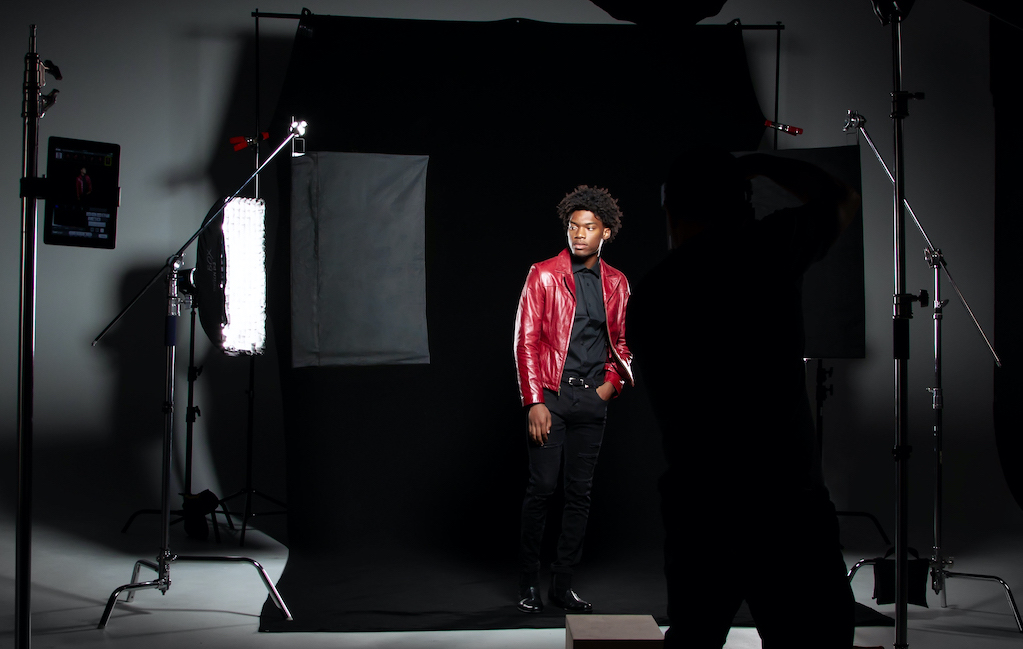
NYCastings Acting Headshots

Standing out in such an over-competitive market is at times difficult.  With that said, uniqueness becomes even more fleeting when we feel we are overcompensating to gain opportunities.  But for actors specifically, getting ahead may be as easy as one word – headshots.

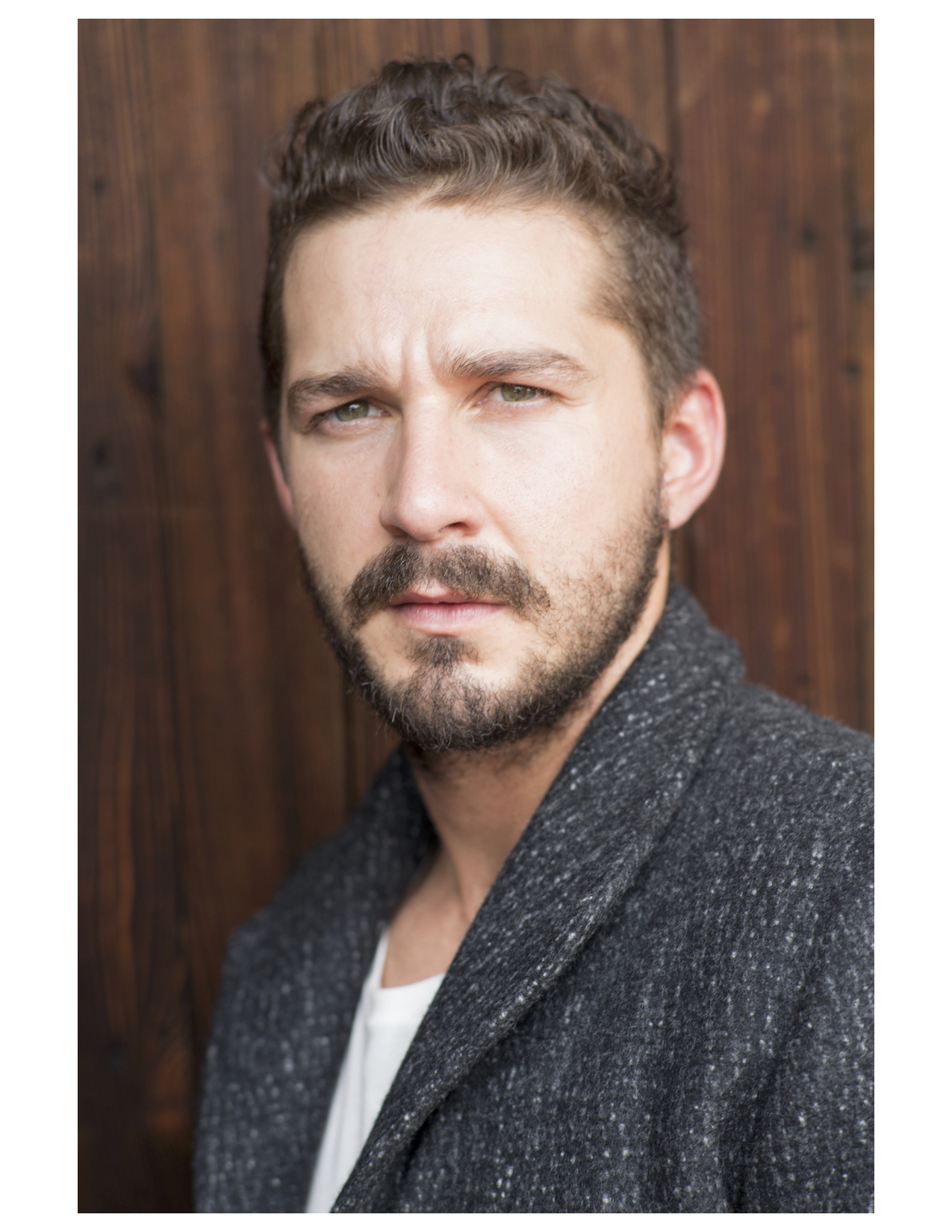
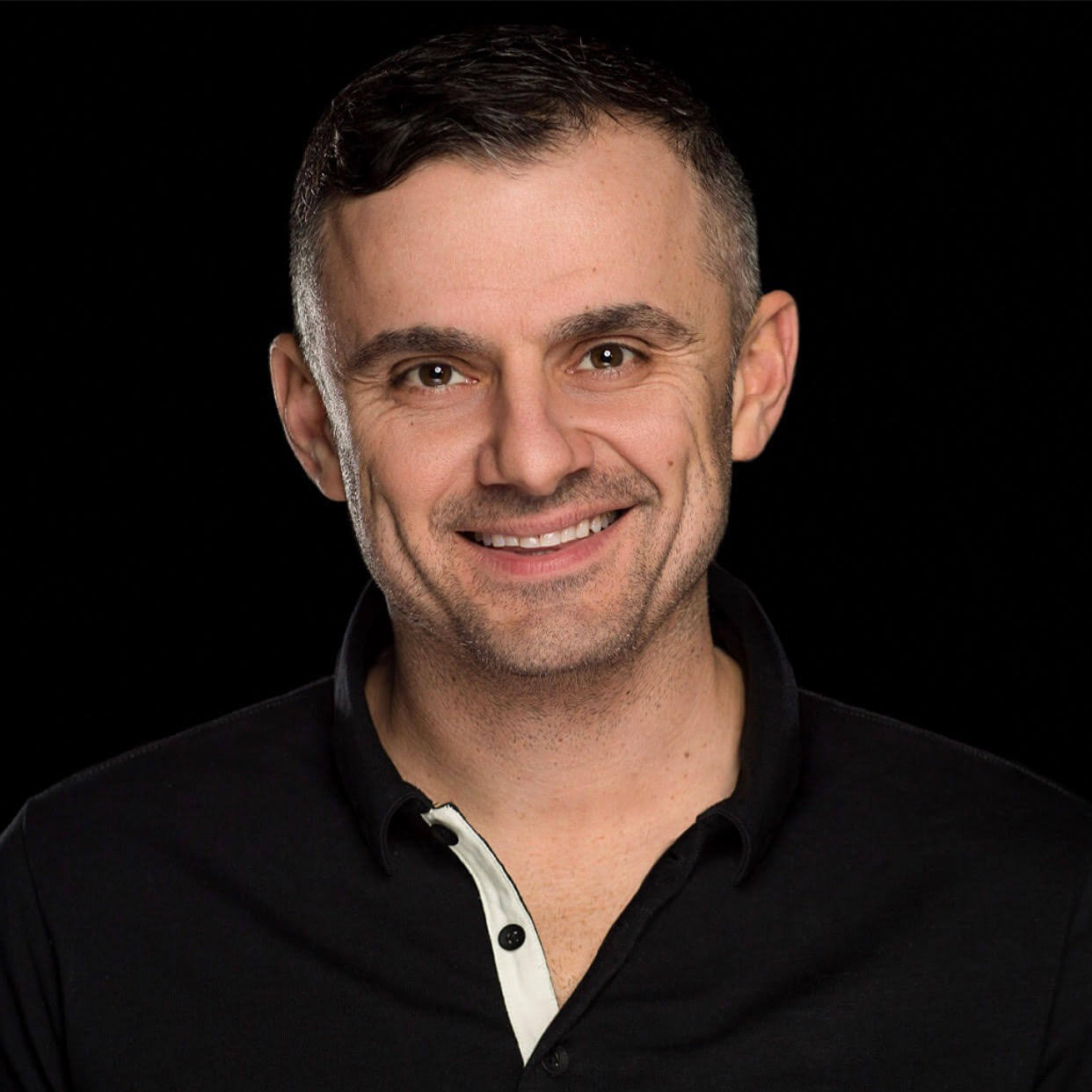
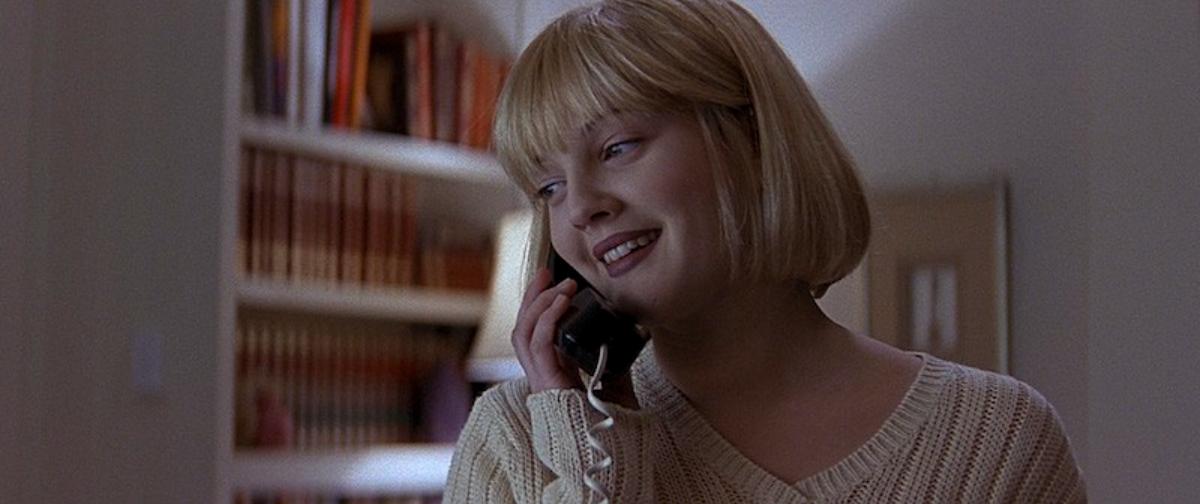
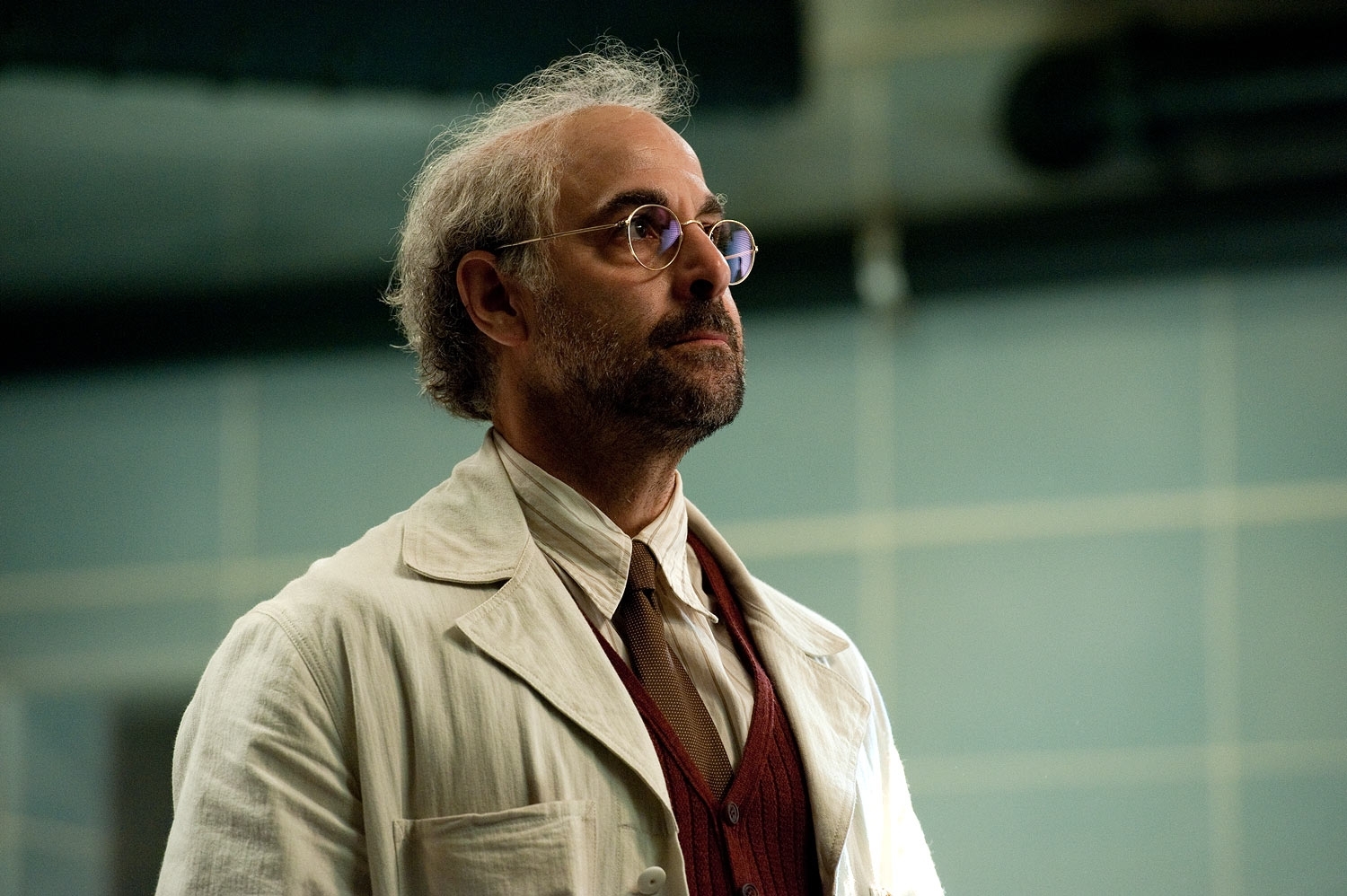
Headshots are the bread and butter for any serious actor or actress.  Through the use of displaying facial features and expressions, actors can make themselves fit into various roles they never thought possible.  

As the old saying goes, a picture is worth a thousand words.  Those thousand words, expressed in a headshot, can be the deal breaker between a successful career and continuous casting woes.

What Makes a Great Headshot?

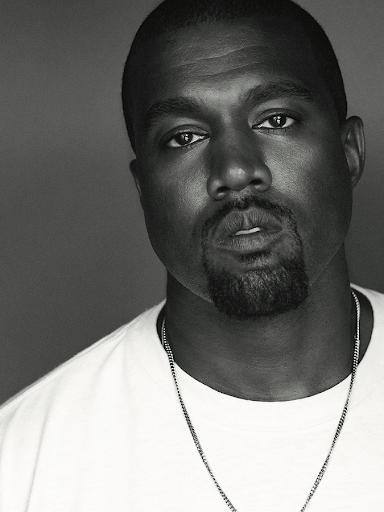
Headshots are much different than portraits and other personal photos.  In a headshot, it is most times insisted that photos be taken from the chest upward, or cropped in a manner that highlights facial features and structure.  This means the most successful headshots are those having very few distractions or details.  

What exactly those distractions and details are can get a bit confusing.  Generalized, here are the main components that should be looked at when outlining your Headshot.

  • Lighting and Backdrop
  • Clothing
  • Poses
  • Retouching

Lighting and Backdrop

Keeping it simple is always the best solution.  It is important that nothing in your background is visible enough to distract casting directors from the most important aspect of the photo – you.  

This is why solid color backgrounds work best.  Make sure your background is of a neutral color, preferably white, gray, or even a dark red.   If outdoor headshots seem more appealing, be sure your background is blurred and good lighting is scouted.

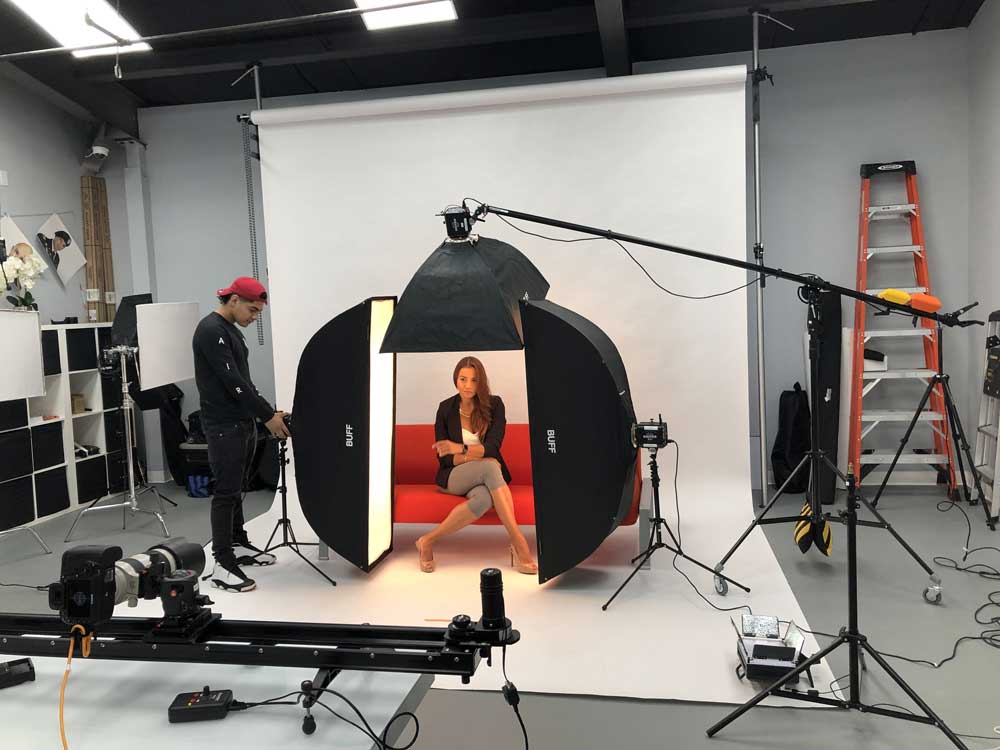
Speaking of lighting, you first want to make sure that no shadows appear in your shot.  Be mindful that everything should be of the same color tone.  The key here is to make yourself both flattering and focused.

Clothing is Your Character

Some agencies will tell actors to be neutral in their approach.  While doing so will get you auditions, it will not make your headshot stand out in a pile.

Getting the best results out of your headshot involves understanding who it is you are as a talent.  Actors first need to determine what their best archetypes are, and approach headshots from that standpoint.  

By understanding your best character types, you can select a series of outfits to support your abilities.

However, be careful not to take it over the top.  Using a more aggressive outlook still means you need to use rich or deep color tones.  Make sure your clothing patterns flow with your background and lighting.  Flow also means less use of props and accessories, including eliminating logos, photos, or shiny pieces.

The Perfect Pose

The perfect pose is practically nothing more than a standard straight forward look.

While different character types might require more stoic or playful facial expressions, it is most important that your look be focused.  Both eyes should be placed directly to the camera, with your body centered to the shot.  

Having angles slightly to the left or right may be appropriate to highlight your outfit, but also risk taking away from your face.

Restricted Retouching

Everyone wants to look their best.  And since a headshot is partly an actor’s resume, a lot of times retouching is done to an extreme.

Doing extensive retouching could not only lower your audition options, but get it to where you never even receive a call.  

Casting directors want to see who it is they are coming in contact with.  There is nothing more frustrating than seeing a picture and getting something different in person.  So, it is important the only retouching that is done is to create consistency within your photo.

How to Choose a Headshot Photographer

Now that you are more prepared on how to map out your headshot, it is time to go and find a photographer.  

Even though there are many talented people who can present glossy portfolios, finding the right person is about something much different than a creative outlook.

Here are a few things to consider.

What Makes a Good Headshot Photographer?

Any serious photographer is going to tell you they can take your headshots.  The real question that needs to be asked is how their work fits in with your individual needs.

The details of what makes a good headshot will only be understood by those who have taken headshots in the past.  After establishing that they are a headshot photographer, ask to see samples to evaluate if their work matches up with best headshot practices.  

Those who are best with taking headshots should be able to talk extensively with you about their work and experiences with actors.

Why Is Communication Key?

Being direct about what it is you expect in your shoot is important.  Be sure to see if your outlook is on the same page with the photographer.

It is oftentimes a good idea to book a consultation, whether it be in person or over the phone.  Go through with the photographer the aspects of your headshot : lighting, background, clothing, pose, and retouching.  

If everything seems like a good fit, the next step would be to come to terms in regards to cost.

How Does Headshot Cost Create Context?

We have all heard the phrase “You Get What You Pay For”.  This is no different in terms of selecting a headshot photographer.

While you may be eager to grab the lowest budget bargain to get your career rolling, it is important to understand that your headshot is equal to a first impression.  By spending extra money on your shoot, chances are you are going to get a better quality product and service.

Another phrase to keep in mind is “Quality Over Quantity”.  You should not be blinded by price.  Some of the best names in the business may charge higher costs based on their brand recognition, or even outlandish photo packages.  

If something doesn’t seem right about price, chances are you should stay away.  Since this is a people driven business, both actors and photographers need to gel well with each other, making sure there will be no misunderstanding in the direction of the project.

Realizing Your Results

Coming out of a headshot shoot, actors can develop various feelings about the work that has been done for them.  Even though these feelings are most times positive, moving forward with the photos that have been taken may be overwhelming or worrisome.   

Here are two questions you may be wondering.

How Often Should You Get New Headshots?

If you found a photographer who has given great results, you might be thinking about using them again.  But knowing exactly when to do so may seem conflicting.

The overall perspective here depends on the individual and their results.  If a headshot was creating callbacks, and suddenly stopped doing so, it may be time to reevaluate for the future.

Sometimes our looks change more dramatically than we may perceive in the present.  So, if you have recently changed your hair, or any other physical inconsistencies (cosmetic or aging), it may be time for an update.

Actors have also found that they sometimes outgrow their headshots.  If you find yourself mostly getting calls for roles that no longer fit well with your character types, this is a good indication you need new headshots.

Lastly, speaking with your agent (if you have one) is a good starting point.  Just like headshots should be outlined before selecting a photographer, a plan of action should be created by actors and agents, in an attempt to know exactly when it is time to pivot.

How Do You Tell a Photographer You Don’t Like The Photos?

While we always hope to have the most positive experiences, sometimes things don’t work out as planned.

Just as communication is Key in selecting a photographer, going through the final stages of a project requires just as much communication care.  

Like most times in life, taking an approach of making the outcome better, rather than using harsh words and judgements, typically works in realigning each other with the overall purpose of the project.

Avoid telling photographers that you “hate” their work, or that they “should” or “could” have done something different.  As a professional, these photographers know what they are doing.  Belittling will only cause further friction.

Instead, define what is wrong with the headshots and allow the photographer to speak.  Chances are there was a misunderstanding that can calmly be handled.

Looking for a few tips you can use after your headshot shoot has been completed?  Check out this video.

See some NYC Actor Headshots!

See some LA Actor Headshots!

See some Atlanta Actor headshots!

More Tips: 3 Actor Headshot Tips: Fix These Acting Headshot Mistakes Today!

NYCastings - Improv Class

There’s a well-documented history of comedic actors getting their start in improv. This includes SNL alumni like Will Ferrell and Tina Fey, as well as other icons like Jane Lynch. However, improv isn’t just for people trying to be funny – it is a great tool for every working actor. Here are 5 reasons why every serious actor should try improv classes, regardless of the genres they hope to work in.

Ad-libbing is very natural

Ad-libbing is when an actor either puts their lines into their own words or adds something. While some directors won’t want you to ad-lib, many directors love it! It will often be more natural than the script, leading to the dialogue feeling more real. It also allows for an actor’s personality to be stamped onto the role, making the performance more unique and electric! For these reasons, many casting directors love to see actors who are comfortable with ad-libbing in auditions. 

While ad-libbing is often seen in comedies, with hilarious films like Best In Show being almost 100% improv, it is just as powerful of a tool in dramas. Iconic movie lines such as “You talkin’ to me?” (Taxi Driver), “I’m walkin’ here!” (Midnight Cowboy), and “Here’s looking at you, kid” (Casablanca) are said to have been made up by the actors who said them. Ad-libbing has also been used on successful drama shows like Succession to help create more natural scene work. 

You must listen to your scene partner

When performing without a script, it becomes utterly crucial to listen to your scene partner! In an improv scene, both actors work together to build the reality of the scene, dropping details which are often called “gifts.” If you don’t listen to your partner, you miss out on these precious gifts; you might not even know who your character is or where the scene is taking place! But this level of listening and remaining present is important in any scene, even when the actors have scripts. 

You may have heard the phrase “acting is reacting.” This quote is often used by acting teachers using the Meisner technique, an approach to acting which stresses the importance of the environment around an actor. By focusing less on themselves and more on their scene partner, actors find their performances to be more “real” and less wooden. This technique has been studied by countless actors, from box-office stars like Tom Cruise to Oscar winners like Diane Keaton. Being forced to listen in an improv scene is a great way to flex those very same muscles. 

You will be better at making adjustments

Any director’s worst nightmare is an actor who can’t take a note. Whether you’re on set or in the audition, it is crucial for actors to be adaptable and make adjustments when needed. If you are buried in your script or rooted in choices you made when preparing, you could be frustrating to work with and end up missing out on roles.

Improv is great practice for the flexibility needed to be great at taking direction. You may have heard of “Yes, and,” an important principle in Improv. The rule dictates that actors should go along with the choices their fellow improvisers make while also adding their own choices. Letting go of your stubbornness will reap immediate results in improvised scene work. Practicing this principle will make you a dream for any director to collaborate with.

It is great for networking

Networking is important for any actor. While you will get jobs from auditions you find through agents and casting notices, you will also find success from the people you know. Seth Rogen once commented on this phenomenon, saying he “maybe got one role ever from auditioning.” While the early roles he landed in auditions were important for Rogen’s career, he landed many more opportunities through what he described as “deep rooted and long lasting creative relationships.” Improv is a fun and easy way to make new friends in the industry, helping you start building those relationships.

And while it may seem like you’ll only meet other actors while doing improv, this is not the case. If you stick with it, you will likely also meet a variety of writers, directors and producers who could be great building blocks for your professional network. Many influential creatives got their start in improv comedy, including award-winning directors like Jordan Peele, Adam McKay, Elaine May and Mike Nichols. 

You will step outside of your “type”

Many actors find themselves frustrated being pigeonholed in their careers, always being cast in the same types of roles. Not in improv! The buff guy who always gets cast as a meathead might find himself in an improv scene playing a sweet old grandma. Later in the same scene, an older woman might play the frat-boy grandson. A great improviser will play many types of characters within the same show.

Stepping outside of your type is great for many reasons. It can be a great opportunity for growth, challenging you not to get too comfortable in one archetype. It can make an actor feel more comfortable in roles that may be more exciting to them. And, if nothing else, it’s just plain fun! 

****************

Have you done improv before? Did you enjoy it? Follow us and Let us know!

And if you’re interested in giving it a try, look for improv classes in your city! Most cities have at least one theater which offers classes for all experience levels.

Helpful Improv School links:

https://ucbcomedy.com

https://groundlings.com

https://thepit-nyc.com

https://www.secondcity.com

https://www.michelledanner.com/acting-classes/improv-classes-los-angeles/

https://www.improv-la.com


NYCastings - actors playing real people

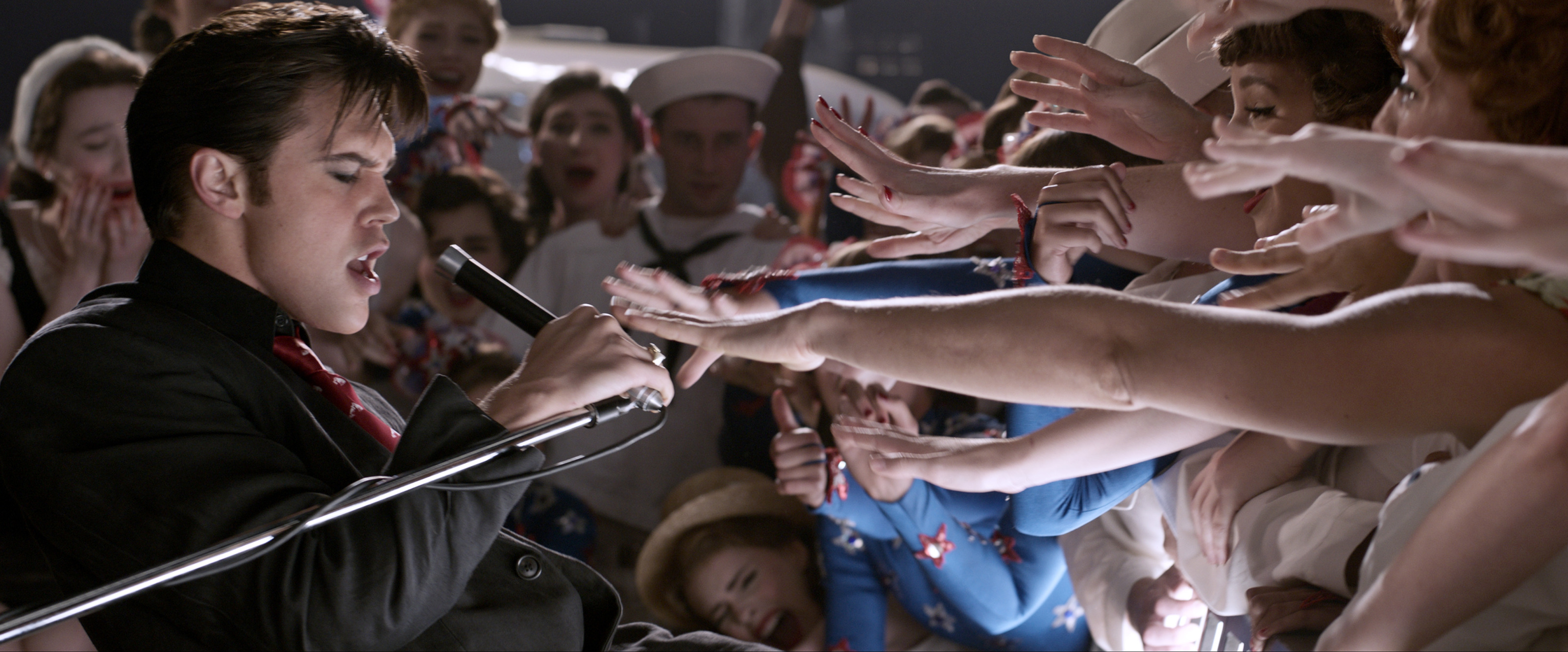
It’s Oscar season again, and Austin Butler’s buzz-worthy performance in Elvis has caused me to revisit a question I ask myself every year: why does Hollywood have such an adoration for actors playing real people? In a vacuum, there’s nothing odd about Butler’s performance being praised – he did a very good job portraying the King of Rock – but it’s indicative of a much larger trend.

Out of the last 10 Academy Awards ceremonies, 9 saw at least one of the acting categories awarded to an actor playing a real figure. The only exception was 2017 – and in that year, every acting category still had at least one biopic actor nominated. This isn’t just a recent thing, either – it can be traced all the way back to 1930, when George Arliss won the 3rd-ever Best Actor award for playing the titular Benjamin Disraeli in Disraeli.

We’ve become accustomed to this Hollywood obsession with actors playing famous people, but it can often be frustrating for movie fans; for example, Daniel Kaluuya’s incredible performance in Get Out lost to two different impressions in the same year (James Franco’s Tommy Wiseau at the Golden Globes and Gary Oldman’s Winston Churchill at the Oscars). Interestingly, Kaluuya would win his Oscar just a few years later – for playing Fred Hampton, a real-life figure (if you can’t beat ‘em, join ‘em, I guess?).

This trend of biopics being considered the “gold standard” of acting performances is obviously here to stay.

Here are 4 possible reasons:

The performances are transformative

vice-2000One anonymous voter explained when justifying their Best Actor ballot for Christian Bale’s 2018 performance as Dick Cheney in Vice: “He delivers a performance through his eyes and transformed the way he walked. He didn’t ever remind me he was Christian Bale for even one second.” This idea of ‘disappearing’ into a character is pervasive in acting circles. People are simply amazed to see someone become someone else.

This sentiment is only supported when actors need extensive prosthetics to look like the real-life people they’re portraying. When a well-known actor transforms into a well-known figure, it can seem like magic – and while this often requires entire teams of people to accomplish, it certainly helps an actor’s case. Since 2010, 8 out of 12 Best Makeup & Hairstyling winners at the Oscars spawned at least 1 acting nominee, with 5 of those films winning acting awards.

The subjects are popular

If you look at the top 10 highest-grossing films so far in 2022 (as of mid-October), you’ll notice something right away – they’re almost all franchise films or sequels, generating buzz by building off of successful IPs. The one non-IP film out of the bunch? Elvis – a biopic based on a universally popular figure. It’s not surprising, considering that Elvis is very popular – in fact, he is the highest-selling solo musical artist of all time. Perhaps the only way to compete with the box office dominance of decades-spanning blockbuster properties like Marvel is to capitalize on the popularity of well-liked celebrities.

While it’s not necessary for the subject to be well-liked, it certainly helps. In any given year, there’s at least one movie about a beloved musical artist and at least one movie about a civil rights figure. 2018 was a great example of films taking likability to the bank. Bohemian Rhapsody, a film about beloved band Queen and their frontman Freddie Mercury, received a lower Rotten Tomatoes rating than Vice, a film about controversial politician Dick Cheney; yet, not only did Bohemian Rhapsody net a Best Actor win for Rami Malek, it raked in over 10 times as much money at the box office. People just like Freddie Mercury more than they like Dick Cheney (do we blame them?).

The performances are big

Restraint is often necessary for an actor. Most novice actors are more likely to over-act than under-act, and learning to stay grounded and practice restraint is an important step for any actor to take. However, when it’s time to decide which performances are “best,” it’s the flashy moments that draw praise. Performances which contain intense scenes, often referred to as “Oscar winning moments,” garner more attention. With this in mind, it makes sense that biopic performances, while sometimes criticized for being “hammy,” would stand out from the crowd. As pop culture writer Kayleigh Donaldson describes, “They provide an acting showcase where subtlety isn’t necessarily required.”

These roles are often so flashy that they absorb the entire discussion around the films themselves. It is rare to see a biopic win in both an acting and writing category, for example, with Green Book and 12 Years a Slave being the only exceptions in the last 10 years (and both winning in the Supporting category). It seems that much more often, these films are created with the intention of being starring vehicles and showing off one performer’s chops. For example, 2019’s Judy saw only two nominations – Renee Zellweger for playing Judy Garland, and the makeup department for making her look like Judy Garland. It seems that the film, like many others, existed to showcase a talented performer and not much else.

The comparison is right there

The work necessary for an actor to completely change their mannerisms for a character is impressive, and it’s certainly easier to identify when both performer and subject are famous. Side-by-side comparisons of source footage and the actors replicating it have become a very popular way to showcase how spot-on the performers are. It’s so difficult to compare great acting performances to each other, which may each be great for their own reasons. The biopic provides us with an easy yardstick to measure them by: were they accurate?

NYCastings TheoryofEverythingThe ability to compare a performance to its subject factors into the actor’s process, as well. When tasked with playing Stephen Hawking in The Theory of Everything, Eddie Redmayne spent countless nights studying: “I tried to read literally everything I could get my hands on,” he said in an interview. He also worked hard with several trainers to replicate the necessary body movements of a man suffering from ALS. The hard work paid off, as Redmayne was lauded for his performance and won Best Actor. In biopics, this added preparation is deemed necessary because it is harder to “fool” an audience who is already familiar with the character. This partially explains why these performances tend to be so adored – surely, any performance would benefit from that level of meticulous work, but it is most commonly seen in biopics.


**************

What do you think? Are biopic performances the best of the best, or are they overhyped? Are there any famous people you’d like to play one day? Share this post and let us know!

Tom Cruise and Miles Teller

Denise Chamian, CSA, is one of entertainment’s top Casting Directors. She has worked on some of the biggest movies and TV shows over the past three decades, including Top Gun: Maverick, Elvis (2022), Love, Simon, Saving Private Ryan, Miss Congeniality and one of my personal favorites, The Ring, which frightened the life out of me.

(Okay, I wasn’t going to share this clip of The Ring with you, but after several skipped heart beats, I just have to. Best to watch it right before bed. In the dark. With no covers in sight.)

Back to Denise! Not only does she have an unrivaled ability to find the perfect actor for each role, but she’s also able to spot potential in others and identify what they need to do to excel.

We were able to get a sneak peak into the way Denise works, how she built her business from scratch and how she casts actors.

Denise Chamian
Denise Chamian

Denise, you are very mysterious. Why did you become a Casting Director?

I was born and raised in Los Angeles, CA. I had no idea what I wanted to do with my life until I started working for a small theatrical agency. After a few years, I knew I didn’t want to be an agent but I was referred to a casting director who needed an assistant and it seemed like a perfect segue. Once there, I knew I had found a career and not just a job. It was a great fit for my personality and interests.

You’ve cast blockbuster movies such as Top Gun: Maverick and Elvis. Let’s go back to the beginning of your career. What was the very first film or TV show that you cast and how did you get that job?

My first job was with Jackie Briskey, who taught me all of the basics about casting. She also had the ability to figure out what a role was supposed to be very quickly and I knew that was the skill I needed to develop in addition to accumulating a vast knowledge and catalog of actors who would fit those roles. My most important mentors would later be Jane Jenkins and Janet Hirshenson who taught me the art of working on big feature films with very well known directors. All the films or TV shows I ever cast once I was on my own were obtained through recommendations or relationships with producers. One thing kind of leads to another. I think the first film I cast on my own was Back to the Beach and the first TV series was Trial and Error, in which Brad Pitt had one line as a bellman.

Show business is a very tough field to get into, especially for women and minorities. What type of backlash, if any, did you receive when you were climbing up the ladder? How did you handle it?

I didn’t receive any backlash going up the ladder. I’ve always felt the casting profession has always been open to women. There was sexual harassment. But that was not unusual and when I started there wasn’t much you could do about it but deflect and ignore. We can all complain about the jobs we didn’t get or wonder why our career took one path or another, but I believe if you work hard, have talent and stay the course you can have success. We all have ups and downs in our careers.

Building a business from the bottom up is not something that’s easy to do. Did you attend university?

I did not attend college. A structured environment was not for me, which is why I think the entertainment industry was the perfect fit. I learned the business of casting from great casting directors. As I became more successful, I saw the need to learn also, to be a good business woman. Some of it was trial and error and some of it was reading about business practices. As the industry changed, I learned to change with it and understand that not only is there artistry involved, but the business of the business, so I figured out what I needed to expand and I adapted. I am still learning. Hiring people and getting office space is all part of it. There are many facets to having a successful casting company that doesn’t involve casting.

In dealing with actors on an everyday basis, what have you learned about the way an actor thinks?

I couldn’t say what one actor thinks over another and I wouldn’t stereotype any actor. Many actors are artists and they approach the craft that way. Others are workers and approach acting as a business along with the talent they have. Both work. I love actors and their process. I’ve never stopped being curious about how they do what they do. I am in awe of their skill and I do what I can to help them be the best they can be so they can succeed.

Nick Robinson in Love, Simon

It appears as if you have multiple projects happening all at once. What type of system do you have to keep track of it all? Has there ever been a time where you feel overwhelmed?

Being organized is crucial to casting multiple projects at one time. I have an associate for each project and an assistant for up to two projects. I have a very large database of actors that I have kept up for the last 30 years. I can refer to those lists to make specific lists for whatever roles I am casting. They include actors I have met, cast, seen on TV shows, films, read about in a magazine, etc. And of course, I have felt overwhelmed many, many times, and fearful that I couldn’t do something, but you put one foot in front of the other, you tackle the problems one at a time and solve them. It all works out. The older I get, the less I stress. After so many projects and every conceivable scenario, I know it will get cast and I will have done my best.

Have you ever cast an actor and found out later that they were wrong for the part What happened?

Yes, sure. Thankfully, not very often. When it happened it was usually because there was too much casting by committee. That’s why most bad pieces of casting exists, in my opinion. We are always fighting for the best version of the director’s vision.

How do you know if you should cast a “name” or cast an “unknown”? Who makes the final decision on who is cast? Example: Tom Hanks was in Elvis. Who chose Tom Hanks for the part? Did he have to audition?

The script and the budget determine if you cast a name or not. Sometimes the director, if it’s someone of note, will determine what level of actor you go after. But it’s a creative conversation that is had with the director and producer for each role. As for Tom Hanks, he did not audition. Movie stars don’t have to audition. When we first started casting, Baz Luhrmann, the director, was already in conversations with Tom’s agent and had sent him the script.

In Top Gun: Maverick, tell us the process of casting Miles Teller who played Lt. Bradley ‘Rooster’ Bradshaw. Was there a “cattle call” or did you only go through agents? Were the auditions taped or in person? What’s your process for weeding people out?

Miles had always been on the director’s short list. I put many actors on tape in person, showed many demos of actors who would not read. I don’t do cattle calls. I give actors opportunities to audition in a manner that allows them to prepare and have time with me in the office. We then selected our top 2-3 choices and those actors screen tested along with Miles Teller for the role. My process for weeding people out is simple… you’re a good actor and you’re right for the role, you’re in. You’re not, you’re out.

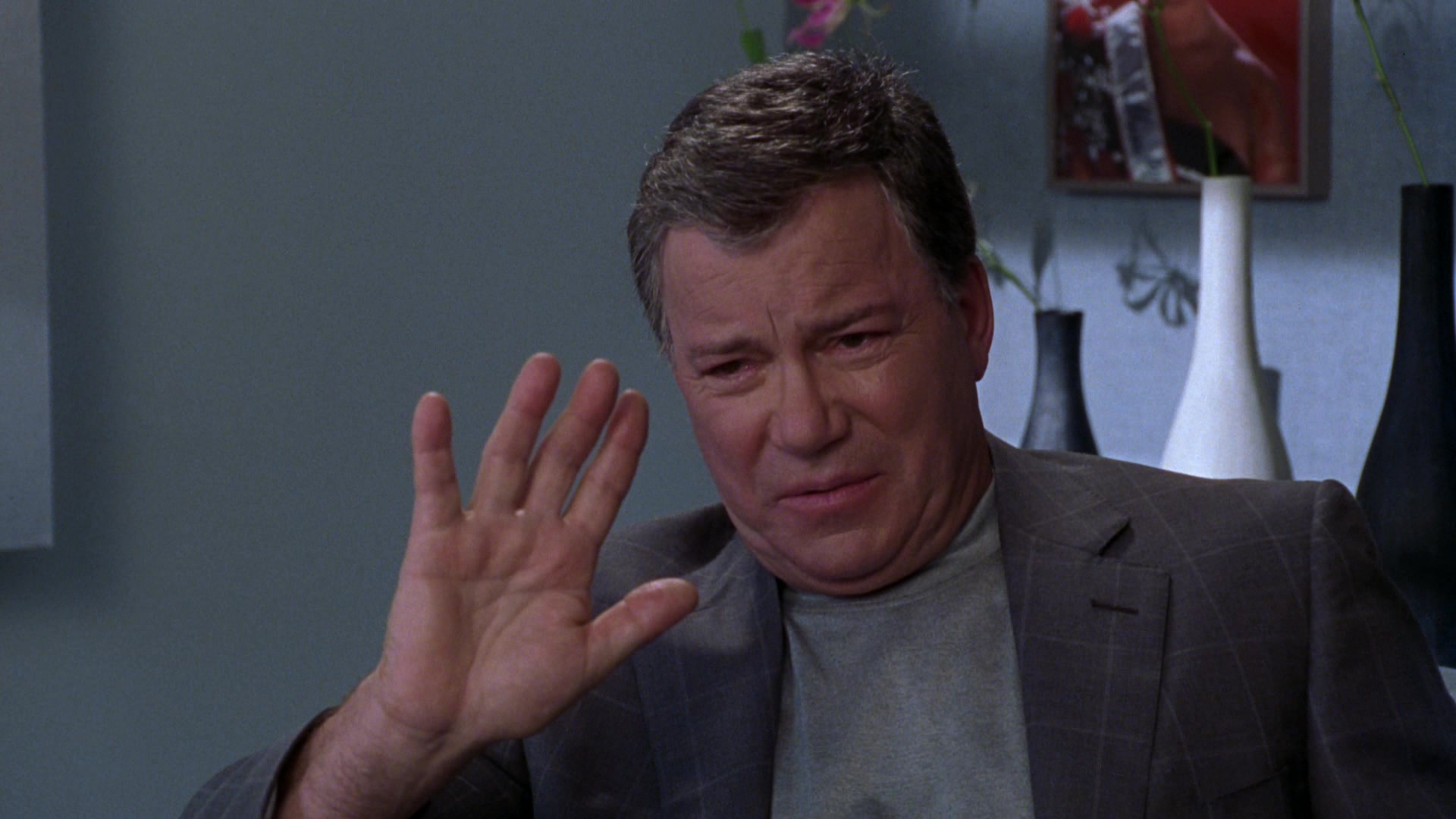
William Shatner in Miss Congeniality

What differences, if any, are there in casting a film vs. a television show?

The process is the same. In film, the director usually has the final say. In TV it’s the producer / writer / showrunner.


Follow DirectSubmit from NYCastings. We welcome your comments.

Everyone Should Take Acting Classes

Do you take acting classes? Well, you should. All aspiring and working actors should – they’d be like bodybuilders without a gym membership if they didn’t – but acting classes aren’t just for actors. The skills and techniques taught in an acting class are helpful for anyone in any profession. Whether you’re looking to improve your communication skills, work on your mental health, or make some new friends, an acting class may be just what you need.

Here’s why:

It’s good networking. 
Acting classes attract actors, sure. But they also attract aspiring writers and directors, stand-up comedians, film crew workers, talent agent assistants, photographers, musicians, and people who don’t even work in the arts or entertainment. It’s a diverse crowd to be certain, and that can be extraordinarily helpful for someone trying to get their foot in the door or collaborate on creative projects. After a few classes you’ll find that everyone has become comfortable with one another because you’re all working closely and toward a common goal. It’s in this type of environment where people often make lasting friendships and expand their professional networks; not to mention it’s a godsend for people who’ve just moved to a new city and don’t know many people.

It’s a confidence booster.
We all know that self-confidence is important and there are plenty of situations where it comes in handy: introducing yourself to strangers, nailing a job interview, giving a presentation, or coming out of your shell on a first date to name a few. While some people are naturally charismatic and some are more reserved, it’s important to note that these traits aren’t set in stone. The truth is that self-confidence is like a muscle and can be developed over time. On the same note, you can also lose your self-confidence if you aren’t regularly engaged in scenarios that utilize it. In other words, “Use it or lose it.”

While acting classes aren’t the only way to exercise your self-confidence, they are profoundly effective at helping people be more charismatic, composed under pressure, and relaxed in social situations. This is no joke – the results are almost instantaneous. This is because acting classes – oftentimes on the very first day – will scare the hell out of you. You will have to stand on stage, alone, vulnerable, feeling stripped down to your very core and instructed to share with the class who you really are. And once you do that, you realize that it wasn’t so bad, that the teacher just wants to help you, that your classmates are all embarking on the same journey, and that whatever you have left to do that day will be a walk in the park by comparison.

It’s a useful skill. 
We are required to interface with others on a daily basis; it’s a part of life. The people we have to interact with can sometimes be unpleasant, condescending, volatile, demanding, rude, mean-spirited, self-absorbed, and judgemental – this is where acting comes in. As an actor, you will have an arsenal of techniques and strategies at your disposal to handle these real-life interactions.

Acting classes teach a lot of useful skills, but perhaps the most applicable is the ability to BS someone in a believable fashion. An acquaintance you barely know invites you to his son’s christening? You tell him you’re getting bloodwork done that afternoon. A hiring manager asks you why you want the job? You say it’s because you align yourself with their mission statement and feel inspired by the historical impact they’ve had on their respective industry, when, in reality, you just want a steady paycheck so you can continue to exist.

On a sincere note, acting is more than that. It enables you to be perceptive of the emotional states of others by better reading body language and vocal inflection. It teaches you to control your emotions and channel them in ways that are intentional rather than unstable. It allows you to put on a brave game face when you need to do something daunting; plus public speaking, the ability to think on your feet, and quickly memorize written material. Needless to say these are skills that can pay in one’s personal and professional life.

It’s just plain therapeutic. 
There’s something magical about acting that leaves people feeling uplifted. It might be the thrilling escapism of immersing yourself in a new world and becoming someone else, solving the psychological puzzle of how the character should think and act, and interpreting how you can bring it to life. Or it might be the rush of adrenaline you feel when you perform a monologue in front of the class, or the feeling of relief and catharsis afterwards. It may be all those things, but what makes acting most therapeutic is how it requires you to take a deep, introspective look at yourself. To surrender your ego and become completely vulnerable – so that you can come to truly know yourself – is perhaps one of the most liberating experiences one can have, and you can rest assured knowing that acting classes will help you achieve that freedom.

When it comes to acting classes, like most things in life, it’s all about how much dedication you’re willing to put into it. It can also be nerve-racking. But the best things are nerve-racking, and if they aren’t, then are they really worth doing?

Here are some links to the best acting classes in New York and LA (my favorite is HB Studio in NYC):

NYC – https://www.timeout.com/newyork/theater/best-acting-classes-in-new-york
LA – https://mightyactor.com/17-best-acting-schools-and-colleges-in-los-angeles/

NYCastings-Tourettes Syndrome

When singer Billie Eilish opened up in interviews with David Letterman and Ellen Degeneres about how her Tourette Syndrome, a tic disorder, has affected her life and career, she probably brought the condition mainstream to a younger generation.

Tourette Syndrome is a neurological disorder that is characterized by tics — involuntary, rapid, sudden movements or vocalizations. What many don’t realize is that there are different types of tic disorders, and that people can live relatively normal lives with them.

The first time I heard of Tourette’s (TS) is when Anne Heche was on the television series Ally McBeal. She played the character of Melanie West who was accused of being responsible for an accident that killed her boyfriend, but her defense was that an involuntary tic caused the accident.

So when I learned that approximately 1.4 million people in the United States suffer from tics, I was curious as to actors who have tics and how they handle work… because surely if you’re having a tic during a rehearsal or performance, it can throw the whole thing off.

Before we get into how actors handle their tic disorders, here’s a quick list of celebrities with the condition: Dan Aykroyd, Dash Mihok (from Ray Donovan), Marc Summers (Nickelodeon’s Double Dare), soccer player David Beckham, music composer Wolfgang Amadeus Mozart, Joe Black (Drag Queen from RuPaul’s Drag Race UK), Howie Mandel and Seth Rogen.

How to Handle Your Tic Disorder When on Set

If you’ve had a tic disorder for a while, it eventually becomes a part of your normal life – so it may not even occur to you to tell the people you work with that you have this disorder. It may be alarming to others the first time they see you tic. See this clip of Billie Eilish on David Letterman, as mentioned above.

When you have a tic disorder, acting can be difficult. You have to be in control of your body and your movements at all times while still being able to focus on your performance.

Here are some tips on how to handle your tic disorder when you’re on set:

– Stay calm and relaxed. If you’re feeling stressed or anxious, your tics may likely get worse. Take a few deep breaths and try to focus on the task at hand.

– Keep your mind occupied. If you’re constantly thinking about your tics, they’ll become harder to control. So instead, focus on your lines or the scene you’re in. If you can stay focused on what you’re doing, it’ll be easier to keep your tics under control.

– Tics can manifest if you’re with other people who tic. So if you’re near a person who starts to tic, it may bring out your tics. Just something to be aware of.

If you’re an actor with a tic disorder, chances are you’ve been hiding it, even if unintentionally, from your co-workers. But at some point, you may need to tell them.

NYCastings-Tic DisorderHow to Share Your Tic Disorder Condition With Your Co-Workers

1. Educate yourself about your disorder. The more you know, the better equipped you’ll be to explain it to others.

2. Choose the right time and place to tell your co-workers. You don’t want to do it in the middle of a chaotic scene or during a break in filming.

3. Be direct and honest about what you’re dealing with. Let them know that you have a tic disorder and that it’s something you’re working on managing.

4. Reassure them that your disorder doesn’t affect your ability to do your job.

Actors with tic disorders have to contend with a lot of challenges, both in their personal and professional lives. However, they often find that the rewards outweigh the challenges. They are able to use their disorder to their advantage, by channeling it into their acting. In a way, this gives them an edge over other actors who don’t have tic disorders.

If you know someone with a tic disorder, be sure to be understanding and supportive. If you’re an actor with a tic disorder, or have worked with someone with the condition, we’d love for you to share your story at DirectSubmit from NYCastings!

5 Reasons Why Acting Is the Best Exercise for Seniors

Acting may seem like an unusual form of exercise for seniors, but it actually has a lot of benefits.

There really is no age limit when it comes to acting. There’s also no set timeframe of when you can become an actor. A lot of people think that they’re “too old” to start a new career and after retirement, wish they never stopped working. We’re here to tell you that you have an amazing opportunity to have fun, learn and fill up any spare time where you would otherwise be bored.

5 Reasons Why Acting is the Best Exercise for Seniors

1. Acting requires memorization, concentration and focus, which can help improve cognitive function.

The New York Times ran an article that talked about a study published by the journal Aging, Neuropsychology and Cognition where 122 older adults took introductory acting classes.

Dr. Helga Noice “did before-and-after testing of participants to gauge the effects of the mental effort involved in learning acting. Significant improvements were found in memory, comprehension, creativity and other cognitive skills. Subjects showed a 19 percent increase in immediate word recall (a test of memory), a 37 percent increase in delayed story recall (a comprehension test) and a 12 percent increase in word fluency (a measure of creativity).”

Musical theater is also beneficial as music plays a large part in brain activity.

Neuroscientist Nina Kraus, Ph.D., of Northwestern University, studies the biology of auditory learning. In her book, Of Sound Mind: How Our Brain Constructs a Meaningful Sonic World, “Nina Kraus examines the partnership of sound and brain, showing for the first time that the processing of sound drives many of the brain’s core functions.

2. Acting can help reduce anxiety and depression.

Acting provides a creative outlet for emotions, helping people to connect with others and giving them a sense of control. For seniors who may be dealing with retirement, loss of loved ones or other challenges, acting can be especially beneficial.

pic23. Drama and performance classes help keep seniors active, both mentally and physically.

Acting requires use of your entire body, including muscles that are not often used in other forms of exercise. This helps to prevent stiffness and maintain flexibility. It also helps to improve balance and coordination. When taking an acting class, you may be asked to do warm-ups to loosen you up. Popular warm-ups include:

  • Work your neck. Roll your neck around forward, side to side, backward

  • Shoulders

  • Circle your arms

  • Stretch your ribs by raising your arms above your head, then leaning to one side, feeling the tension release on your ribcage

  • Breathwork

  • Shake everything out

Check out this acting warm-up video called The Body Shake as demonstrated by Geffen Playhouse Manager of Theater Education Brian Allman.

4. Acting requires people to be aware of their surroundings and to react quickly to changes, which helps you stay alert and agile.

Becoming an actor requires you to be very in touch with your surroundings. You need to be able to take in everything around you and use it to enhance your performance. This can be a really useful skill in everyday life as well. If you’re more aware of your surroundings, you’re less likely to miss important details or get caught off guard.

Some people find that they become more patient after taking up acting. Having to sit through long rehearsals can make anyone antsy, but actors learn to just go with the flow. This newfound patience can also help you navigate through difficult situations in your personal lives.

5. Acting can be a social activity, which can help reduce loneliness and isolation.

In a pandemic world, we are becoming increasingly isolated. Many people are looking for ways to reduce loneliness.

Acting can be a great solution because it allows you to interact with other people on a regular basis. It also gives you a chance to explore new aspects of your personality. Acting can help you feel more connected locally and to the world.

If you’re interested in taking up acting in your senior years, you can look into your local community theater. For those of you who aren’t sure if you want to act, there are other ways to be involved…you can work behind the scenes!

You should also consider making an account on DirectSubmit from NYCastings. Here you will find up-to-the-minute casting listings in different areas of the United States. You never know what this could lead to!

We’d love to hear your feedback. Are you a senior actor or someone considering taking up acting? How has it helped you?

Don't Worry Darling

How do actors deal with the challenge of changing behaviors on set?

I’ve never started an article out with the title in the first paragraph, but I want it to resonate with you because there are two parts to this equation.

This question can be interpreted in two different ways:

1) Actors are often challenged with having to change their behaviors on set in order to fit the role they are playing. It’s a process that we’ll explore below.

2) Being on set with your new “family” also has its challenges as there are so many dynamics, people’s behaviors may change.

The Process: How Actors Change

Oftentimes, scenes are shot out of sequence. If there’s an outdoor night scene in the middle of the script, the shooting schedule will be determined by the weather and the time. Let’s say it’s a scary scene in the middle of a thunderstorm that requires lots of shivering and screaming. During the earlier hours of the day, a different scene might call for something fun and romantic.

So just how does an actor flip from light and enjoyable to shrieking and frightened?

This can be a difficult task for some. There are strategies that you can use in order to make this transition easier:

  • Study the script thoroughly. This will help when filming out of sequence.

    Sidenote: When it comes to filming out of sequence, there are pros and cons. On one hand, it can be difficult to keep track of the story line and where your character is at emotionally. On the other hand, it can be a great opportunity to explore your character in depth and really get into their headspace.

  • Develop a backstory for your character. By knowing your character inside and out, when it’s time to “flip”, you’ll already be a step ahead when figuring out how to react.

    Sidenote: To develop a backstory, ask the writer or director (or just make it up yourself) questions about your character’s motivation and psychology. Once you have a sense of who the character is, you can begin to adjust your own behavior accordingly.

Pic1Dynamics of Being On Set with Your New Family

Oh boy. Bringing the cast and crew together is like a happy engagement where everyone is excited. Being on set is comparable to being married as you’re with these people for long hours, months at a time. But just like real life, once you’re “living” with someone, people get frustrated and behaviors change.

A perfect example is the film Don’t Worry Darling, directed by Olivia Wilde and starring Florence Pugh and singer / actor Harry Styles. I wasn’t on the set, so of course I don’t truly know the details, but word on the street is that Olivia and Harry started dating during filming which upset Florence Pugh. Talk about drama!

Imagine working on a show where everything is fine and then one little thing, such as a romance, makes it miserable to go work every day. How can you be expected to perform with people who frustrate you?

  • It’s important for you to remember that you’re a professional and must maintain a level of composure.

    Sidenote: If you’re feeling frustrated, you should speak to the person who is causing the frustration and try to come to a resolution. It’s also important to be flexible and understanding. There may be times when another cast member does not meet your expectations, but it’s important to remember that everyone has different strengths and weaknesses.

  • Here’s how I would handle a situation like above. Actors pretend for a living. I’d pretend everything is hunky-dory. Seriously, let’s say you’re on the operating table about to have brain surgery. Do you want to be worried that your surgeon had a bad night and now can’t perform surgery with a clear head? Be the surgeon and do your job right.

Actors have a lot of power to change behaviors on set — whether it’s as a character or as a person “in real life”. With your influence, you can help to create a more positive and productive environment.

Have you experienced any of the above? How’d you handle it? Leave your comments at DirectSubmit NYCastings.

pic1

New York is the city of opportunity and there is no better place to start your child’s career than with a New York City talent agent. But before you start calling around, you need to ask yourself: Are you and your child ready to take the leap? We’ll talk more about this toward the bottom..

Don’t Get Scammed

Finding a legitimate talent agent that you’re comfortable with takes some work, but it’s worth it to find someone who can help your child get auditions and avoid the scams that are all too common in this industry.

The biggest scam of all is when you’re asked to put money down up front. That‘s a huge red flag. Do not under any circumstance part with your wallet – especially if the agency asks you to give them money for headshots or administrative costs. Legitimate talent agents should only be paid if and when they secure work for their clients (the agent’s fee is usually deducted from the pay before you receive your paycheck).

When talking to an agent, feel free to ask what kind of guidance they offer.

So just how do you go about finding the right agent? DirectSubmit from NYCastings has done the work for you!

Top 6 Legitimate New York Talent Agencies for Child Actors

IMPORTANT: Some of the agencies have detailed submission instructions, so be sure to visit their website first before making any phone calls. This list is in alphabetical order.

A3 ARTISTS AGENCY (formerly Abrams Artists Agency)
The Empire State Building
350 Fifth Ave.
38th Floor
New York, NY 10118
646.486.4600
contactny@a3artistsagency.com

NOTES: Since Robert Attermann, Brian Cho and Adam Bold acquired Abrams Artists Agency from Harry Abrams, it has been rebranded and now focuses heavily on digital. A3 has established itself in the digital and influencer space, e-sports and podcasting. So if your child falls into the digital online category, give A3 Artists a look. (JoJo Siwa types)

BUCHWALD
10 East 44th Street
New York, NY, 10017
info@buchwald.com

NOTES: Built on the cornerstone of their commercial and broadcast departments, Buchwald’s full-service agency offers representation in every area of the entertainment industry: commercial, broadcast, film, theatre, television, literary, feature film packaging, personal appearance, syndication (radio, television and digital), branding/digital, and emerging talent.

CARSON-ADLER AGENCY
250 W
est 57th St.
Suite #2
128
N
ew York, NY 10107
212.307.1882

NOTES: Carson-Adler Agency has guided the early careers of such unique talents as Ansel Elgort, Lea Michele, Jared Grimes, Jesse Lee Soffer, Carter Redwood, Rachel Hilson, Cynthia Nixon, Mandy Moore, Donald Faison, Celia and Andrew Keenan-Bolger, Miscia Barton, Ariana Grande, Ben Affleck, Matt Damon and Britney Spears.

CESD TALENT
333 Seventh Ave.
11th Floor
New York, NY 10001
212.477.1666
info@cesdtalent.com

NOTES: CESD is one of the nation’s most prestigious commercial, voice-over, print, digital influencer, theatrical/TV-film and young performer talent agencies.Based in New York City and Los Angeles, the company’s unique dimensions include offering performers complete representation for on-camera and voice-over commercials, digital, print/fashion, beauty, dance, animation and gaming, hosting, puppeteers, promos/trailers/narration, and television and radio affiliate marketing.

DDO Artists Agency
16 Madison Square Park West
12th floor
New York, NY 10010
212.379.6314
assistant@ddonyc.com

NOTES: DDO Artists Agency made its mark in the Entertainment business in 1969 when founder, Dorothy Day Otis created an agency to focus on representing the youth of Hollywood. After maintaining an extremely successful youth department, DDO expanded to offer more representation services to a larger group of clientele. Otis’ passion and determination marked DDO as a prestigious, well respected agency, leading to its expansion and continued accomplishments today.

JORDAN, GILL & DORNBAUM TALENT AGENCY INC. (JGD)
1441 Broadway
5
th Floor
New York, NY 10018
212.463.8455

NOTES: JGD has been instrumental in launching the careers of many of today’s stars such as Natalie Portman, Selma Blair, Corbin Bleu, Michael Angarano, Tyler James Williams, Ashley Tisdale, Katrina Bowden, Kyle Gallner and Michelle Trachtenberg. They boast strong relationships with casting directors and producers and have a major industry wide reputation for developing and fostering emerging talent.

There are hundreds more listed in the DirectSubmit /NYCastings Agents Directory

Pic2Are You and Your Child Ready For A New York Talent Agent?

As a parent of child performers, you might be wondering if you and your child are ready to take the jump and start looking for a talent agency. Agents work very hard to book auditions and don’t take it lightly if you say you are unable to make it.

Here are a some things to keep in mind:

If your child is under 18, you will need to be involved in their career decisions. Are you ready to hire a lawyer to review contracts? Are you able to, at a moment’s notice, drop everything, pull your child out of school and rush to an audition?

– You should be comfortable with the idea of your child being away from home for long periods of time. Even though children are restricted from working more than a certain amount of hours a day, you need to factor in travel, food breaks and nap time. While a child might not “technically” be working if they’re not needed on set, you’re still at the production location.

You should have a good understanding of the business side of things. Agents will expect you to know things like what SAG-AFTRA and AEA are, what union membership entails, proper on-set etiquette, at what point in earnings your child has to pay taxes, etc.

You’ll face many challenges when searching for the right representation for your child. The decision to pursue a show business career should be a family decision, and that the child’s happiness should always be the top priority.

Actors headshot

There’s one pet peeve that Casting Directors have, and that’s when an actor does NOT look like their headshot. Can you guess why? No need to think about it too much because I’m going to tell you why in just a minute. I apologize in advance if I sound a little stern, but that’s how strongly I feel about having up-to-date headshots.

Before we dig into the why, and before I offer my advice and tell you a really great story, feel free to check out these NYC photographers. At the bottom of the article, I have Headshot Pro-Tips to get you started.

Five Great HEADSHOT PHOTOGRAPHERS in New York City and the Surrounding Area

Xanthe Elbrick
Xanthe Elbrick

 Xanthe Elbrick Photography Xanthe Elbrick is a New York City based photographer. She specializes in exquisite natural light headshots. Renowned for her work in the performance arts, she also covers family, newborn, and pet portraits, theater, events, and weddings worldwide. Xanthe has a great passion and talent for making the most self-conscious subjects feel comfortable and beautiful. Her work reflects a personal desire to combine the best aesthetic, confidence, energy, and truth of each subject.


Christian Webb
Christian Webb

Christian WebbI’ve often been asked why I shoot headshots as opposed to something more glamorous and exciting like fashion. Truth is, I enjoy people and making my photos about…the person. It’s not about the clothes, the fashion, the styling, or the elaborate setup. It’s all about that one man or woman or child in front of my lens.”


Jess Osber
Jess Osber

Jess Osber Photography – Jess began her career as a photographer shooting headshots for friends on her roof. After an assistantship with top New York photographer, Peter Hurley, she opened my own studio in 2015. Since then, she’s had thousands of actors, opera singers, authors and creative professionals of all stripes visit her studio for a premium headshot experience.

Dorothy Shi
Dorothy Shi

Dorothy Shi Photography – Dorothy Shi is a respected and sought-after New York City Acting Headshot, Corporate Headshot, Corporate Event, Ecommerce, Pageant and Fashion photographer with over twenty-five years of studio and on-location experience worldwide. Her client list includes legendary recording stars The Who, Roberta Flack, Maxi Priest, Richard Tyler, Whitney Houston, Left Eye from TLC and Treach from Naughty By Nature.

Chris Macke
Chris Macke

Chris Macke – “My dad bought me a little film camera for my 15th birthday, and my mom insisted I attend a performing arts elementary/high school in Ohio. I majored in music and acting, which later landed me in Manhattan for college. Those two creative passions, photography and performance, coexisted independently until a few close and persistent friends asked for headshots and dance shots. People liked the work, and the experience, and suddnely my schedul filled up with shoots. Yay!”

*****

Having the right headshot is a big deal. You may think, “Oh, the audition is the important part so I can be considered for a role.” Well, yeah, the audition does play an important part of booking a role, but your headshot is what gets you into the audition. Your headshot is the first step to getting you on that set.

Just like most of us, CD’s are short on time. They have a deadline to adhere to and want to present their suggestions to the production. The last thing they want to do is see that you don’t have the look that you represented yourself to have.

Not only do you want your headshot to represent YOU, but you also want your headshot to represent the type of CHARACTER you play.

Years ago I was in an audition holding room with five people. The guy sitting across from me was huge, had a scruffy beard and dressed in dirty jeans and a ragged shirt. His presence actually frightened me. Of course, he caught me staring at him (ugh!) so I said, “You are one scary looking dude. If I saw you on the sidewalk, I’d cross the street!”

When he laughed, he dropped his headshot, which landed on the floor face up. He looked exactly like his picture. I actually felt uncomfortable looking at him, then his headshot, then him again… Not even able to speak, I nodded toward his headshot.

He said, “I used to have a clean-shaven headshot of me in a suit and I couldn’t book any work. One of my friends told me to change my headshot to represent the type of character I play, which is usually the bad guy, so I did, and I started booking jobs left and right.”

So just how do you get a headshot to look like you as the person that you are and the character you portray? That, my friend, is the million dollar question.

The answer is: you get multiple headshots!

[Flashback Fun Fact: Back in the day, actors would actually get ONE 8×10 and split it into halves or quarters, with each section having a photo with a different look. The headshots were also in black and white!]

Which brings me to this next point: do not under any circumstance get a black and white headshot. Just don’t. Not in today’s world.

*****

Pro-Tips How to Take a Headshot

– It may be a budget breaker, but your headshot is your calling card. Don’t skimp out – get professional shots

Interview more than one photographer and see who makes you feel the most comfortable

– You’ll need to have “sparkly” eyes, not “dead” eyes. Right before the shoot, look down at the floor. On the count of three (1-2-3), look up at the camera and smile with your energized eyes

– Wear simple, one color clothes without logos. Do not overdue it with accessories. You don’t want to distract the CD.

– Ask the photographer their opinion on an outdoor shoot, which uses natural light, vs. an indoor shoot with electric lighting.

– Relax and be yourself. The camera will pick up on any tension or nerves, so take a few deep breaths and try to relax.

– Less is more when it comes to makeup. You want your headshot to look natural and reflect your true appearance, so don’t go overboard with the makeup. A light foundation or powder, some mascara and lip balm is all you need.

– Practice your poses in advance. Take a few test shots with a friend before your actual headshot session so you can get a feel for what looks good on camera.

Children should have new headshots every six months, adults every year. If you have a drastic change in look, such as a haircut or weight gain/loss, you should immediately get updated headshots.

*****

Have you used any headshot photographers recently? Head over to DirectSubmit / NYCastings to share!

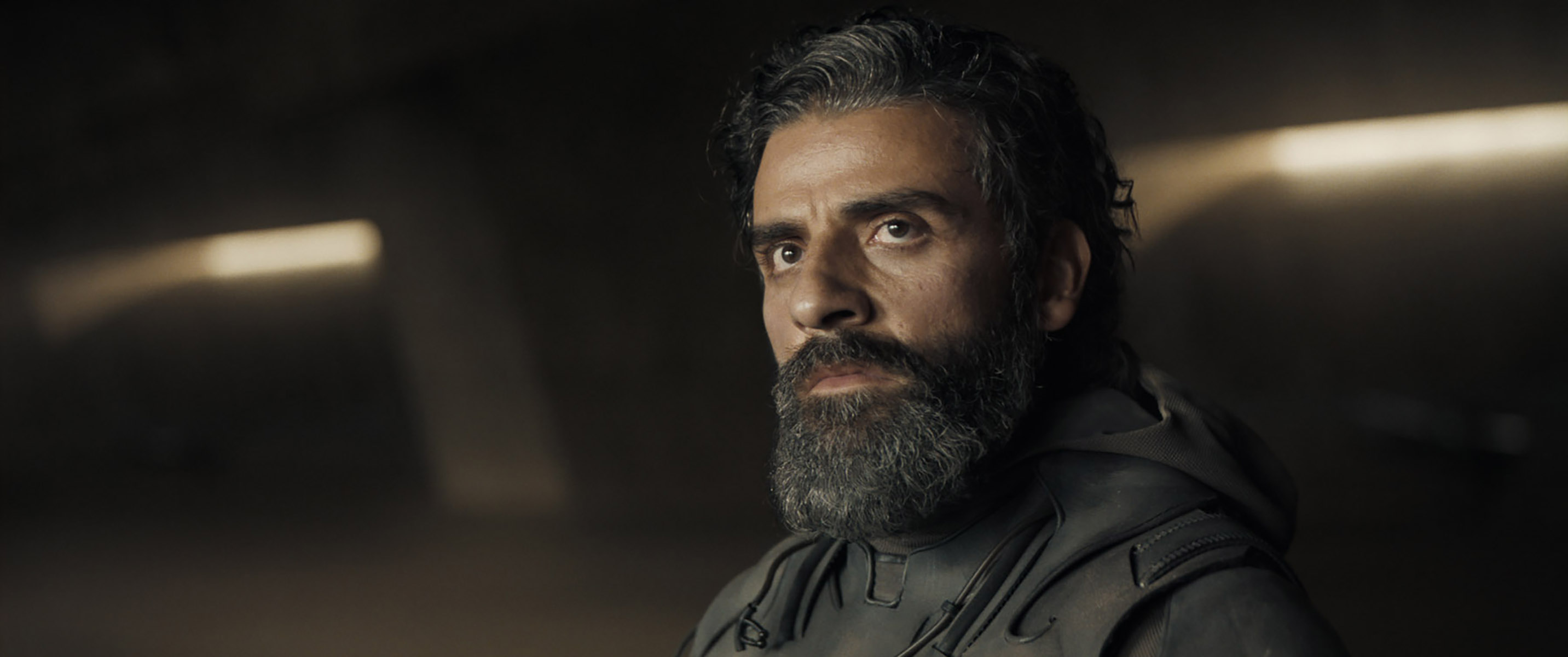
Oscar Isaac in Dune

Award Winning Latinx Casting Director CARLA HOOL weighs in on what it’s like to cast Latinx actors in today’s entertainment world.

She has been casting film and television for over 20 years. She has worked on films such as Coco, Stars at Noon and the Netflix show Selena: The Series.

Carla Hool
Carla Hool

In this interview, Hool discusses the challenges of casting Latinx actors and the changes she has seen in Hollywood’s attitude towards diversity.

As a bonus, Carla Hool gives all actors some great advice!

You are considered to be one of the most knowledgeable internationally focused casting directors in the film and television industry with strong casting affiliations in Mexico, Central America and South America and Spain. When you were a child, what was your dream job?

I wanted to work with animals. I wanted to be a vet. Of course that didn’t last long. It was just when I was really young and then when I was a little bit older, I wanted to work in art restoration and therefore I studied art history. And then I got married and ended up not doing the restoration part of it.

Your producer dad has something to do with you being a casting director.

Yes, my dad had something to do with me being a casting director. I had just recently gotten divorced and had kids. I was a yoga instructor and I worked also in some art stuff.

My dad went to Mexico to shoot a film and he invited me to work with him. He put me in casting and I really, really liked it. That’s when he suggested I open something in Mexico because there weren’t a lot of professional casting directors down there, and so that’s what I did.

Out of all the jobs in entertainment, why did you choose to be a casting director?

I didn’t really decide to be in the entertainment industry. I had always been around it because of my family. I’m the fifth generation in the film industry and entertainment, so I had been around it all my life.

You began your casting career with Man On Fire, directed by Tony Scott. How’d you hear about the job? This having been the beginning of your career, did you have any fears or insecurities? Did you have a mentor?

I didn’t really decide I wanted to do that, but I just landed there nonetheless. And casting is where I landed and I really liked it. So I stayed there. I didn’t really begin my career with Man on Fire. I started on a previous movie that I told you about with my dad, and then I worked on a couple of Mexican films before I worked on Man On Fire.

How did I hear about the job? The second out of three projects I worked with my dad. I have worked with my dad throughout my 20 years of career — the very first movie and then this one. He and my uncle were producers on it, and they had some issues with casting in Mexico and they ended up hiring me to come on board and cast a few roles they were having problems with.

I didn’t have any fears or insecurities. I liked what I did and I just went for it. I did not really have a mentor in casting. I would say the only mentor I’ve had is my dad, but just in general, my dad and my uncle when it comes to the entertainment industry, not necessarily casting.

You’re fluent in English, Spanish and Italian and some French. Did you learn these languages to boost your career, or did your career spiral toward International casting because you know so many different languages?

I grew up bilingual with both English and Spanish because I grew up in Mexico. My mom is Mexican. My dad’s family is American, so I grew up with both languages. Then as I was growing up, I started studying French and then eventually Italian because I just liked languages and I lived in Italy for a year. That was just out of love of languages, really. My career spiraling towards international casting mostly was because it is with all the Latin American countries and Spain.

So that’s mostly because I grew up in Mexico. I started working down there and I have knowledge with the Latin Hispanic cultures.

Madison Taylor Baez in Selena The Series

Madison Taylor Baez in Selena: The Series

A report by the USC Annenberg Inclusion Initiative says that Latinos make up about 4.5% of principal roles. Why are there not more roles for Latinos? What are people doing to educate the entertainment industry to have better representation?

That’s a very good question. There are more than when I moved to Los Angeles and that was in 2007. There are a lot more. Now have whole shows that are for Latinos, but there’s still a lot of work to be done in that department. 4.5% is very low.

Regarding what are people doing to educate the entertainment industry to have better representation, I don’t know. I think we’re all trying in our areas… writers, creators, by writing Latinx stories. There’s still, as I said, more representation, but I don’t think we’re we’re there yet. Unfortunately, a lot of the Latinx shows recently have been just getting canceled. I do not have an answer on why that is happening. We definitely need more Latinx people in every department and every area of the entertainment industry.

Talk about the Latinx stereotype. When a Director says they want Latinx, do they have a particular “look” in mind?

There is a lack of knowledge really on what the Latinx community really is. There is this stereotype of all Latin people being brown, for example. The truth is that it’s not an ethnicity, it’s a culture. It’s not a race, it’s a culture. So we have white Latinos, we have black Latinos, we have Asian Latinos, we have Indigenous Latinos. So we have a whole mix. We have more European Latinos. It’s very, very diverse. So you’re actually saying here, Latinos have so many diverse looks. How do you know what look the director wants? Well, they usually tell you. This is something I’ve been fighting for, for many years to, to make everyone understand that we have very diverse looks. If you look at me, you would probably not think I’m Mexican, or most people don’t think I’m Mexican, but I am absolutely born and raised in Mexico. So there is a big, big diversity and we need to educate people about it. I think it’s time to stop with the stereotypes.

Do people think of spicy and stallion when they ask for Latin actors?

I think that is changing a little bit. I haven’t really had a whole lot of of that recently. Whether when they want a Latina or Latinx woman to be sexy and the Latino to be a stallion — I think that’s more like a stereotype that comes a little bit from soap operas and the very few things that people have gotten to see from the Latin culture.

You cast the American computer-animated fantasy film Coco, produced by Pixar Animation Studios and released by Walt Disney Pictures. When casting animation, does the actor’s ethnicity matter? What if there’s a non-Latino actor who can portray an authentic accent for an animated film? Would you consider auditioning a non-Latino actor for roles like that? Why are why not?

I think with all the social movement after the pandemic, things have kind of gone to the other extreme where if the role is LGBTQ, you need to cast an LGBTQ person, for example. Or if it’s Latinx, you need to cast Latinx. In principle, yes, I think you try to cast definitely the ethnicity that the role is, but if you can’t find someone who’s great for that role, that is that ethnicity, I think you can cast someone who’s not, whatever ethnicity you’re looking for, but who can portray it in an authentic manner. The way they look and the way they speak has to be authentic, for me, that’s for me personally because it’s all about respect and respecting all cultures.

I always try to cast authentically but I do also believe that we can’t go to those extremes. At some point, we need to come to a middle point where an LGBTQ person wants to play those roles, but also straight roles. Straight actors would wanna be able to play any kind of role because that’s what they do. They’re actors. It’s complicated because for so many years we’ve been fighting for representation that right now we need to be very, very strict about having everyone cast authentically. If the role is Latinx, we should cast a Latinx actor. That I am absolutely all for that because we haven’t been given the opportunity of portraying these roles before.

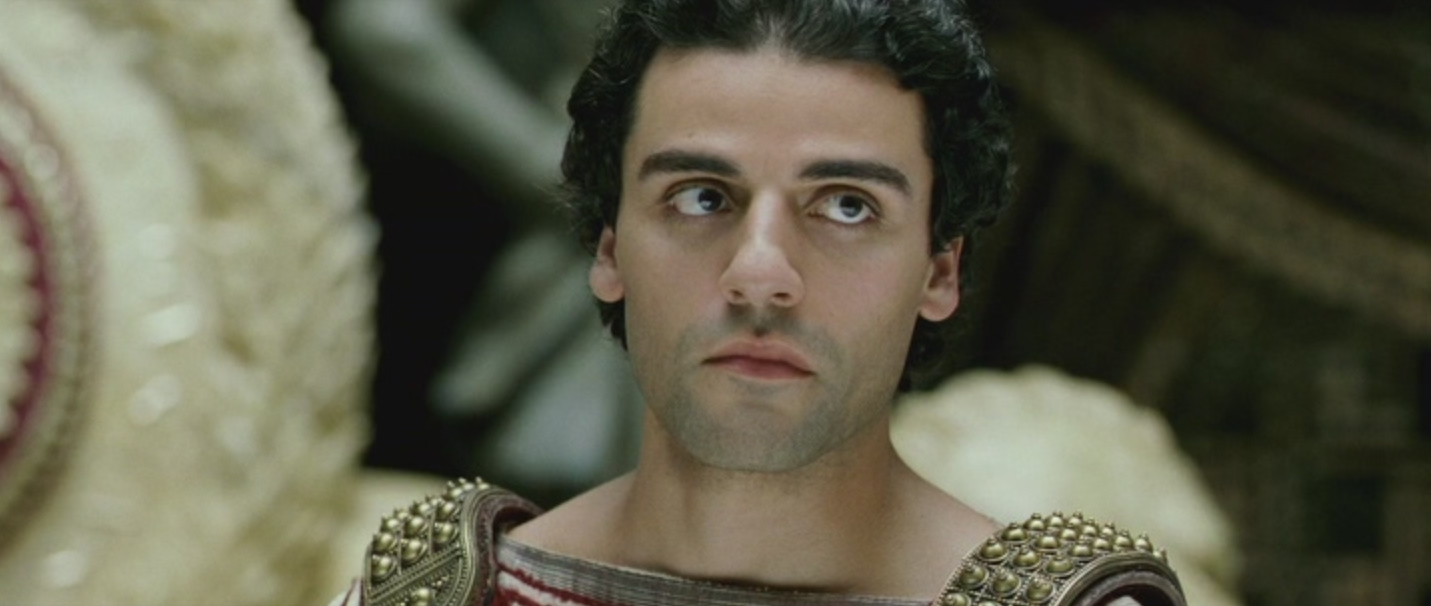
Oscar Isaac in Agora

I think once things balance out a little bit, and who knows when that happens, there might be a time where we can explore the possibility of casting actors to play whatever they can portray authentically. For example, there is one actor I always bring up because he’s a perfect example, and that is Oscar Isaac.

He is Latinx, but he doesn’t really play Latinx. He’s only played Latinx I think in one or two projects. But every role he’s portrayed, he’s done it authentically and you don’t doubt that he is whatever that role is. So in that sense, I think that is something that is correct and should be done. An actor like Oscar Isaac should be able to play whatever role he wants as long as he can play it authentically… him and any other actor.

So it’s a complicated subject. It’s delicate. I think the most important thing is being respectful and authentic always. That’s priority.

Is it true that the Directors and Showrunners have the last say in who is cast — that the Casting Director narrows down the potential actors for the production to choose from? What if you have a Director / Showrunner who is not familiar with different accents? Do they rely on you 100% to bring them actors who can do certain accents?

The last say, it’s not really the directors or the showrunners. The last say would be studio and network, and of course the opinion of directors and showrunners — they’re going to fight for who they want. What I do is I narrow down all the potential actors who are right for the role and I show those to the showrunners and to directors. Then we do callbacks and then we select the ones that they liked the most and those are the ones that go over to Studio and network.

If there’s a director who is not familiar with Latinx accents, yes, they completely rely on me for accents and whether they speak the languages or not. The languages I know.

You’re a part of Casting Society of America (CSA). At what point in your career did you decide to join CSA? What benefits do you receive from your membership? Do you also use it as a status symbol for professionalism?

I joined CSA shortly after I moved to LA. It’s a society, not a union. They have a lot of events, a lot of workshops, the Artios awards. It’s a group and we help each other.

Do I use it as a status symbol? Well, I mean, it is being a part of a society, a group. Yes. Being part of CSA brings something of status to you being a professional casting director in the United States. Or in different countries being part of CSA is also possible.

In 2020 you were invited to join the Academy of Motion Picture Arts and Sciences. What does your inclusion to this prestigious Academy bring to the industry? Does your joining the organization allow you to do more? If yes, how so? If no, what does being a part of the Academy do for you?

It is great to be a part of the Academy in the sense that I can be a part of watching movies, all the movies, all the foreign films, which I love watching all the foreign films, and being able to also vote and have a voice. That I think is the most valuable thing — being able to have a voice or participate and having a voice — and it’s a beautiful recognition. I mean, after 20 years of very hard work it’s definitely a huge recognition to be invited to join the Academy.

How can actors get on your radar?

Well, projects that I watch, that’s how I find actors and also I tend to read a lot of actors for each role to see new people, so that’s another way to audition. Sometimes I get emails from actors. I don’t always have the time to see everything, but sometimes somebody will pop and be right for something I’m casting in the moment, and I’ll have them take.

What advice do you have for actors who are ethnically ambiguous?

My advice for all actors, not only the ethnically ambiguous, is if you can, get rid of your accent because that is going to open all of the doors for you to play any role possible.

In the U.S. we see people from all over the world and you can play American being from any part. So if you’re ethnically ambiguous, but you have no accent, you can play any role you want, almost any role. The point is it opens up a lot of doors versus if you are ethnically ambiguous and you have an accent, then you’re limited to whatever you can portray with that accent.

Anything else you want to say?

I’m very passionate about fighting for representation for diversity. I think the only thing I would like to say is out for all Latinx people to please just let’s be a united front and help each other and support each other instead of trying to bring each other down. I think we need to support all the Latinx projects out there and turn around and help the people that are coming up behind you.

Follow Carla Hool Casting:

Instagram

Facebook

Pic2

I don’t know about you, but my attention span has been disrupted over the past several years. Recently, I was asked to play a game of Scrabble and just the mere thought of sitting there for hours on end thinking about waiting for the other players to have their turn made me go bonkers. As you may have guessed, I politely declined.

With our ever-growing reliance on technology, it was only a matter of time before the entertainment industry began catering to shorter attention spans. Films are now shorter, television shows have shorter seasons and even video games are being designed with shorter playtimes in mind. This is not to say that there is less content available, but rather that the content is more digestible.

Not to put an age on me, but when I was growing up, television shows had 22 episodes per season and were 44 minutes long (if you didn’t count the commercials.) Nowadays, we have series as small as four to five episodes per season and of all different time lengths… or should I say time “shorts”?

Pic1In the age of the Internet, it’s no surprise that our attention spans are shorter than ever. With an endless supply of content at our fingertips, it’s easy to become overwhelmed and simply tune out. Or fall asleep, like I do, almost every night watching my phone (that sounds funny, doesn’t it? “Watching my phone”) – and then the phone hits me in the head and I wake up in the morning with a drained battery.

While there used to be only a handful of channels to choose from, today there are hundreds, if not thousands, of shows available on streaming services like Netflix, Hulu, Amazon, HBO Max, etc. As a result, we’re more likely to start watching a show and then move on to something else when we get bored.

Of course, this isn’t necessarily a bad thing. With so much great content available, why waste time watching something that isn’t holding your attention? However, it does mean that producers have to work harder than ever to keep viewers engaged.

How Do Productions Keep Short Attention Span Viewers Engaged?

Television series and films employ a variety of techniques. One common method is to cliffhang, or end, each episode or chapter on a suspenseful note that leaves viewers eager to find out what happens next. Another way is to introduce new and interesting characters throughout the story. That’s nothing new. But something I found very interesting is the use of foreshadowing in order to give viewers subtle hints about upcoming storylines.

Foreshadowing “back in the day” was usually at the end of an episode where they showed a clip of next week’s episode. There was a voiceover, for example, that said, “Next on Falcon Crest…” (If you happen to watch the Falcon Crest clip, it looks like it was taken from VHS!)

Now with streaming and full seasons being released all at once, there’s no anticipation since you don’t have to wait to see the next episode. So the foreshadowing has moved from the end of the episode to inside the episode. Productions hope that by doing this, it keeps you watching.

[Sidenote: In 2015, Microsoft conducted a study on the decline of attention spans and it mentions that adult humans now have less of an attention span that a goldfish. Just thought I’d throw that in here for good measure. :) Read about the Microsoft study here.]

How Do Short Attention Spans Affect Actors?

Traditionally, actors were cast partly based on their ability to memorize lines and perform long scenes without faltering. However, with shorter attention spans, viewers are less likely to tolerate errors or long pauses. As a result, actors must now be able to deliver their lines flawlessly and keep their performance interesting for the entire duration of the scene. Just think about most films written by Aaron Sorkin.

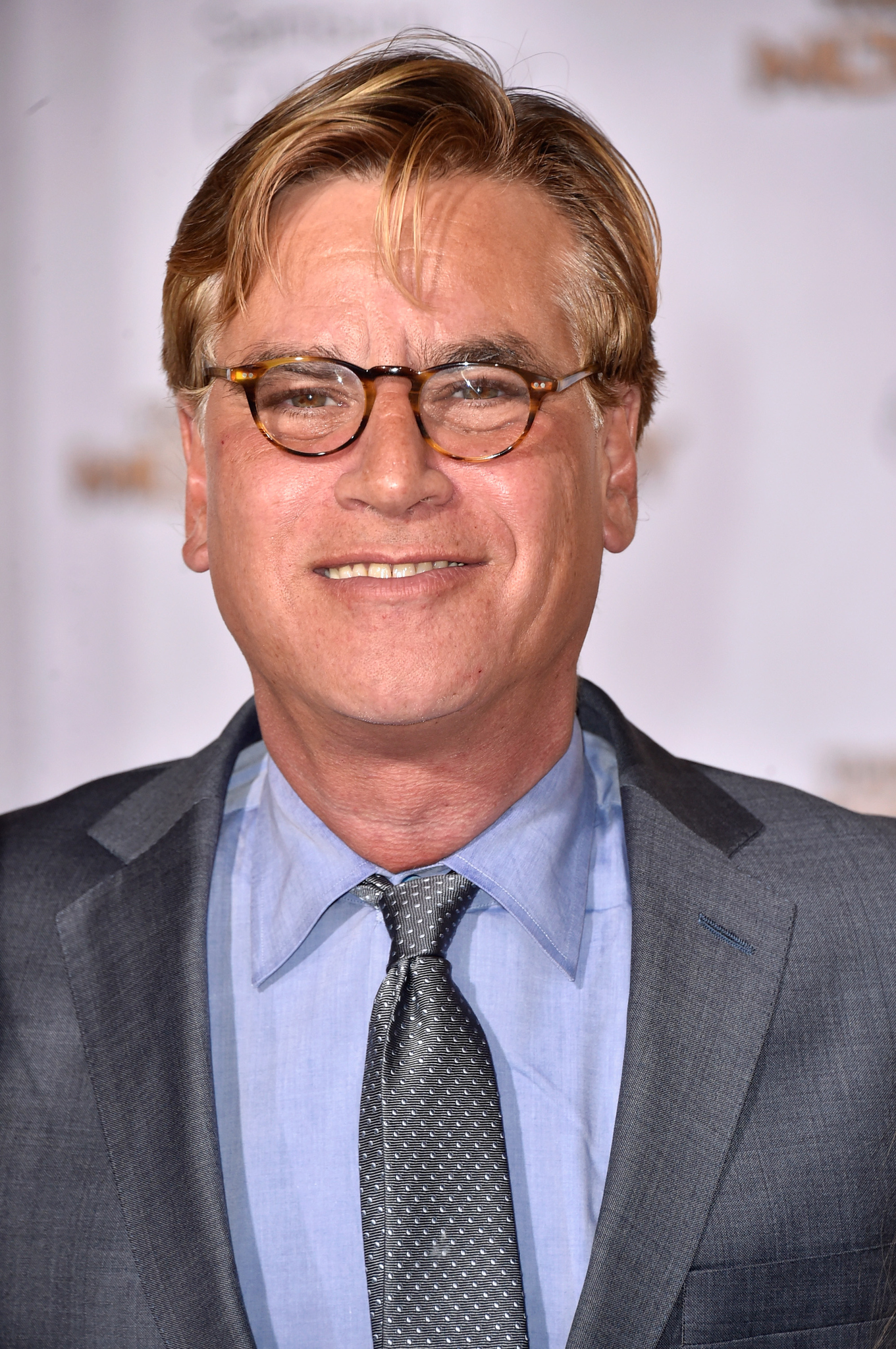
Aaron Sorkin. Photo by Frazer Harrison © 2014 Getty Images

(In case you’re not familiar with Aaron Sorkin, Wikipedia describes his screenwriting as:Sorkin is recognized for his trademark fast-paced dialogue and extended monologues, complemented by frequent collaborator Thomas Schlamme‘s storytelling technique called the ‘walk and talk. These sequences consist of single tracking shots of long duration involving multiple characters engaging in conversation as they move through the set; characters enter and exit the conversation as the shot continues without any cuts.)

[Another Sidenote: Due to my own short attention span, I only read the above Wikipedia description once.]

Out of curiosity, if you’ve started watching a show and decided not to finish, or if it took you a while to continue watching, OR if you have something to add about how shorter attention spans affect show business, let us know on the DirectSubmit / NYCastings Twitter feed.

Feature Pic

If you’re serious about being a dancer and/or choreographer as a career, I highly suggest you start looking into agency representation.

Dance is an incredibly important and popular form of art that has been around for centuries. It is a way to express oneself through movement and can be used to tell a story, convey emotion or simply entertain.

The Big Apple offers endless opportunities for aspiring dancers and choreographers to showcase their talent and hone their craft. From world-renowned dance companies to avant-garde performance art groups, there’s a vibrant dance community in New York that welcomes newcomers with open arms.

Each agency has a different set of rules when it comes to auditioning for them. So I urge you to do your research before signing.

New York Dance and Choreographers Agencies

bloc Agencybloc is a talent agency representing choreographers, dancers and extreme athletes for feature film, episodic and commercial television, live stage and theatre performances, industrials, music videos and print.

Clear Talent GroupThe Clear Talent Group Choreography & Dance Department in New York represents the leading talent in the world of theatre, television, film, music, commercials, tours and industrials. Their mission is to provide the New York entertainment industry with a diverse choice of A-list professionals.

DDO Artists Agency – The theater department represents a diverse roster of actors, singers, and dancers working successfully on Broadway, off-Broadway, in resident productions, and on national and international tours. The department is committed to nurturing established artists as well as up-and-coming talent.

LDC Artist Representation – Based in New York City, LDC Artist Representation prides itself in providing quality service and guidance to the finest directors, choreographers, and artists in the industry.

MSA Agency MSA is the premier agency representing choreographers. Our clients have won numerous Tony, Emmy and MTV awards. MSA choreographers work in every medium… film, television, music tours and videos, commercial, stage, corporate, digital and spectacle. From character movement with actors to full out razzle dazzle production numbers, their clients are adept at executing any scenario.

How To Audition for a Talent Agency

Most agencies will require dancers to submit a video audition, so you should make sure your video is high quality and showcases your strengths. They will be looking for dancers who are versatile and can execute various styles of dance.

For in person, you should go into you auditions with confidence, knowing that you have prepared as much as possible. You should also be ready to answer any questions they may have about your training and experience.

Dance is your pulse, your heartbeat. a group of ballerinas warming up before practicing their routine.Be Sure to Warm Up!

This is a no-brainer. Warming up helps prepare the muscles and joints and can help prevent injuries. If you’re injured, you can’t dance, right? If you’re injured, you can’t work. In my mind, warming up for dance is equivalent to a singer warming up their voice before a performance.

There are several different ways you can warm up. You can do a combination of light cardio exercises and stretching. Cardio helps get the heart rate up and gets the blood flowing to the muscles. Stretching helps loosen tight muscles and improves range of motion. It’s important to listen to your body during a warm-up and to stop if you feel any pain.

pic3What to Wear

This obviously depends on what type of dancer you are. The main thing is that you want to wear something comfortable that will allow you to freely move around. There’s no need for fancy costumes, but you may want to choose something that’s form-fitting. If you’re a hip-hop dancer, casual clothes are fine, but be sure not to wear anything that will cause you to trip.

Dance Videos to Enjoy While on the Way to Auditions

Nothing like a little inspiration! Here are my top pics of dance performances. We’d love to see your picks! Leave links on the DirectSubmit NYCastings Twitter feed!

Tap Dance Kid 1984 Tony Awards

Gene Kelly – Some of his greatest work

Street Dance 2 Salsa Battle

Jive Bunny And The MasterMixers – Swing The Mood

Step Up 2 – Rain Dance

Stanford Viennese Ball 2013 – Opening Committee Waltz

Center Stage

Michael Jackson – 1983 Moonwalk – Billie Jean Appearance

Michael Jackson

Actors can learn to 
manipulate people and situations like a puppet.

There’s a conflict in the acting world of whether an actor should or should not manipulate different types of situations. Then, there’s the conflict of real life manipulation vs. storytelling manipulation.

Actors are often called upon to manipulate situations in order to create a desired effect. This can be done through their words, actions or even their appearance. While this manipulation can be used for good, it can also be used for evil.

When an actor manipulates a situation for good, they are using their power to help others. For example, they may use their acting skills to convince someone to give up smoking. Or they may use their influence to get a message of peace across to those who are at war. Whatever the case may be, the actor is using their power for good.

However, there is also a dark side to manipulation. When an actor uses their power for evil, they are harming others instead of helping them. For example, they may use their acting skills to convince someone to commit a crime.

In any given situation, there are always going to be people who try to manipulate it to their own advantage. This can be for any number of reasons, but often it’s simply because they want to get ahead.

Pic1What reason does someone have to manipulate a situation?

When someone tries to manipulate a situation, they’re usually trying to control it in some way. This can be done by taking advantage of others, or by using them as pawns in their own game. Either way, it’s not fair to the people involved.

Manipulators often create an us-versus-them mentality, which can quickly lead to conflict. People who feel like they’re being manipulated are likely to fight back and that’s when things can really start to get ugly.

Is manipulation a powerful skill for actors?

Actors are often seen as people who are able to manipulate any situation they are put in. While this may be a skill that is useful for their job, it is not something that should be done in every day life. Manipulating situations can lead to negative consequences, such as people not trusting you or feeling like they can never truly know you. In some cases, it can even result in legal trouble.

But in the world of acting, it has become popular for actors to manipulate situations in order to create a more believable performance. However, this practice can often have negative consequences.

Manipulation can lead to actors feeling detached from their character and the story. Additionally, it can create an unrealistic portrayal of the situation which could confuse or mislead the audience. Ultimately, this practice does not benefit either the actor or the viewer.

Why it may be okay to manipulate situations:

Actors may want to manipulate situations in order to stay true to their art. The art of acting is all about pretending to be someone else, and in order to do that, actors need to be able to control their environment. If they can’t control their environment, then they can’t control their performance.

pic3Manipulating emotions:

Actors should also be able to manipulate their emotions. They need to be able to cry on cue, or look angry when they’re supposed to. If they can’t control their emotions, then they can’t give a believable performance.

In order to manipulate a situation, one must be able to read and control the emotions of those around them. This can be accomplished by studying the actions and reactions of the people involved and then using that information to your advantage.

For example, if you want someone to do something for you, you would first need to establish trust. Once that trust is established, you can begin to subtly influence their actions and decisions. If done correctly, the person will believe that they are acting of their own accord, when in reality they are being manipulated.

It is important to remember that manipulation should only be used for good; using it to take advantage of others will only serve to damage relationships and ultimately lead to loneliness and isolation.

Creating a more believable character through manipulation:

First, by manipulating a situation, an actor can create a more believable character. If an actor is able to convincingly portray a character who is manipulates others, it can make for a more compelling performance.

Additionally, manipulating situations can help an actor to better understand the motivations of their character. By understanding why a character might manipulate a situation, an actor can bring greater depth and nuance to their portrayal.

Finally, manipulating situations can simply be more fun than playing them straight!

*****

The bottom line is that actors need to be able to control both themselves and their surroundings in order to give a believable performance. They use their voice, body and emotions to control the audience’s perception of the character. This control allows the actor to create a three-dimensional character that is more believable than a two-dimensional character. If they can’t do that, then they’re not doing their job correctly.

Sean Penn in The Thin Red Line

Many people believe that bad behavior cannot be successful, however, there are many examples of people who have been successful despite behaving badly. Bad behavior can be successful because it can attract attention, create a sense of urgency and provoke action. Additionally, bad behavior can be used to manipulate others and get what you want. While bad behavior is not always successful, it can be in some cases.

Bad behavior can be defined as out of control actions or words that hurt others. Most bad behavior is learned early in life, from parents or caregivers who may not have known any better. Once learned, bad behavior is often repeated because it gets attention or seems to work in the moment.

While bad behavior may get someone what they want in the short-term, it usually leads to long-term problems. People who regularly behave badly often have trouble keeping friends, holding down a job, and maintaining healthy relationships. They may also end up in legal trouble more often than those who don’t exhibit bad behavior.

In order to be successful, bad behavior must adhere to a strict set of guidelines. First and foremost, it must be consistent. This means that if you are going to be late for work, you must be late every day. Secondly, it must be disruptive. This means that your behavior should interfere with the productivity of those around you. Thirdly, it must be tolerated. This means that those in positions of authority must allow your bad behavior to continue without consequence.

Some examples of actors and entertainers who have had bad behavior, yet who are successful, are Sean Penn, Kanye West and Lindsay Lohan.

Sean Penn

Sean Penn is known for his bad boy image. The actor has been in the public eye for his controversial behavior for years. Penn has been arrested for assault and battery, disorderly conduct and DUI. He has also been accused of domestic violence. Penn’s bad boy image may be part of the reason why he is considered one of the greatest actors of our time.

Did you know that Sean Penn is permanently banned from entering Russia? It just seems that even when Sean thinks he’s doing something good, it’s bad in the eyes of some others. Yet here he is, in the news, getting publicity for his new film. I’d say that’s a success.

A bit about Sean Penn:

Actor Sean Penn is one of Hollywood’s most respected and well-known actors. He has starred in some of the most iconic films of our generation, including Dead Man Walking, Mystic River, and Milk. Penn is also an accomplished director, screenwriter, and producer. His body of work has earned him numerous awards, including two Academy Awards for Best Actor.

Penn was born in 1960 in Santa Monica, California. He comes from a family of actors; his father Leo Penn was a television and film director, and his mother Eileen Ryan was an actress. Penn began his acting career in the early 1980s with small roles in film and television. And oh, he was married to Madonna.

Kanye West
Kanye West

Kanye West aka Ye

Who can forget when Kanye West, a seemingly unknown singer at the time to people not in tune with the music rapper’s world, burst on stage during Taylor Swift’s MTV Video Music Awards acceptance speech, grabbed the microphone from Taylor and bashed her by saying that Beyoncé’s video should have won instead. This outburst catapulted Kanye’s name into every home watching, giving him instant fame outside of his universe.

A bit about Kanye West:

Kanye Omari West is an American rapper, record producer and fashion designer. His musical career has been marked by dramatic changes in styles, incorporating an eclectic range of influences including soul, baroque pop, electro and rock.

West first rose to prominence as a producer for Roc-A-Fella Records, where he eventually achieved recognition for his work on Jay-Z’s album The Blueprint (2001). After leaving Roc-A-Fella Records in 2004, West released his debut album The College Dropout (2004) to commercial and critical acclaim. He went on to pursue a variety of different styles on subsequent albums Late Registration (2005), Graduation (2007), and 808s & Heartbreak (2008). In 2010, he released his fifth album My Beautiful Dark Twisted Fantasy to further critical praise.

Lindsay Lohan
Lindsay Lohan

Lindsay Lohan

Lindsay Lohan has long been a tabloid favorite, thanks to her bad behavior. From her days as a child star to her tumultuous personal life, Lohan has always been in the public eye.

Lohan has made headlines for her string of arrests and court appearances. She has been in and out of rehab multiple times and her career has suffered as a result. Yet Hollywood kept giving her more and more chances to redeem herself.

According to Jessica Sager’s article in Parade, Lindsay Lohan “ultimately maintained her household-name status thanks to her often bad behavior offscreen”. Sounds like a win to me.

A bit about Lindsay Lohan:

Lindsay Lohan is an American actress, model and pop singer. She started her career as a child fashion model when she was three, and later appeared in films such as The Parent Trap (1998), Freaky Friday (2003) and Mean Girls (2004). In 2013, she pleaded guilty to reckless driving and lying to police officers, and was sentenced to 90 days in jail.

I’m not telling you to exhibit bad behavior on set…

In today’s society, it is becoming increasingly common for people to be fired from their jobs because of bad behavior. Whether it’s fighting with cast mates, calling in sick too often or being rude to people, there are a number of things that can get you fired from your job. While some people may think that they can get away with bad behavior, the reality is that it can come back to bite you. If you want to keep your job, it’s important to be on your best behavior at all times.

No one likes a diva. In the world of acting, unprofessional behavior can land an actor in hot water with casting directors, producers and other industry professionals. Good behavior, on the other hand, can lead to more work and better relationships with the people who can further an actor’s career.

Be professional.

So what does it mean to be professional? First and foremost, it means being punctual. If an actor is late to an audition or a callback, it sends the message that he or she doesn’t value the time of those in charge. Secondly, actors need to be prepared. This means knowing your lines and being familiar with the material you’re auditioning for. Finally, it’s important to be easy to work with. An actor who is difficult on set or in auditions is likely to find they are out of work very quickly.

Confident man blame you, frowning and pointing finger at camera, accuse person, judgemental stare, standing over light blue background

We’ve all been there before. Something goes wrong and we’re quick to blame someone else. But is that really the best solution? More often than not, blaming others only makes the situation worse. It’s time to take responsibility for our own actions and stop looking for someone else to blame.

When it comes to on-set relationships, the blame game is all too easy to fall into. If two co-stars are fighting, it’s all too easy to point the finger and say “they’re at each other again.” But who’s really to blame?

Sure, the actors themselves are the ones doing the arguing. But that doesn’t mean that their co-stars are blameless. After all, they’re the ones who signed up to work with these people day in and day out. They knew what they were getting into.

Ego and Tension

Why do actors blame their co-stars? It’s a question that has been asked time and time again, and one that still remains relatively unanswered. While there could be a multitude of reasons as to why an actor might blame their co-star, it typically boils down to one key factor: ego.

An actor’s ego is often what drives them to succeed. It’s what gives them the confidence to audition for roles and ultimately land the part. However, an actor’s ego can also be their downfall. When an actor gets too caught up in their own success, they start to believe that they are the only reason for the success of the project. This is where problems start to arise.

If an actor starts to feel like they are carrying the entire project on their shoulders, it can lead to tension with their co-stars.

Is Your Bad Performance a Reason to Blame Others?

In the entertainment industry, it’s not uncommon for actors to point the finger at others when things go wrong. Whether it’s a co-star, director or producer, there are always plenty of people to blame for an actor’s bad performance.

Shia LaBeouf
Shia LaBeouf

One notable example is when Shia LaBeouf blamed his poor acting in Transformers: Revenge of the Fallen on director Michael Bay. LaBeouf claimed that Bay’s chaotic directing style made it difficult for him to deliver a good performance.

Another actor who has been known to blames others is Jennifer Lawrence. Lawrence has been vocal about her dislike for certain directors and producers, and has even gone so far as to call out Hollywood executives for making sexist remarks.

While some actors may feel like they have no control over their work, the truth is that they are ultimately responsible for their own performances.

Tips on how not to blame others:

When it comes to the success or failure of a project, it’s easy to want to accuse someone else. But if you’re an actor or co-star, it’s important to remember that there are other factors at play and that ultimately, you’re not responsible for everything.

Here are some tips on how not to blame others:

1. Remember that everyone is working towards the same goal.

Even though it may feel like everyone is out to get you, at the end of the day, everyone is working towards the same goal: making the project successful. So try to focus on that shared goal rather than any personal differences.

Whether it’s in the media, politics or even our personal lives — we are constantly looking for someone to point the finger at. However, what would happen if we all stopped looking for someone to blame and instead worked toward the same goal?

If we could set aside our differences and work together, imagine what we could accomplish. We would be able to solve problems more efficiently and effectively. We would also be able to build stronger relationships with others.

So next time you’re tempted to point the finger, remember that it takes two hands to clap. Instead of looking for someone to blame, look for ways that you can work together toward a common goal.

2. Take responsibility for your own actions.

If something goes wrong, it’s important to take responsibility for your own actions rather than blaming someone else.

Actors are often seen as role models by the public. With this status comes a great deal of responsibility. Actors must be careful not only about their own actions, but also about the message they send to fans.

Many young people look up to actors as heroes. They see them on TV and in movies and think that they have it all together. What these young fans don’t realize is that behind the scenes, actors are just like them. They make mistakes, they have bad days and they sometimes do things that they regret.

Just because someone is an actor does not mean that they are perfect. It is important for fans to remember this. No one is perfect, no matter how it may seem from the outside.

Actors have a responsibility to set a good example for their fans.

*****

Gary Vaynerchuk
Gary Vaynerchuk

I’ll leave you with this… I started watching Gary Vaynerchuk (aka Gary Vee) on YouTube when he only had a million subscribers.

In business and in life, Gary Vaynerchuk is a firm believer in taking responsibility for your own actions and not looking to blame others when things don’t go as planned.

“I think too many people look externally when things don’t work out,” Vaynerchuk said in an interview with Entrepreneur. “The biggest thing I see is people that want to put the onus on somebody else.”

Vaynerchuk himself has faced plenty of challenges and setbacks over the years, but he’s never been one to shy away from taking responsibility and learning from his mistakes.

“Every time something hasn’t gone my way, I’ve taken full responsibility for it,” he said. “And I think that’s given me a lot of strength over the years.

About Gary Vaynerchuk

In the business world, Gary Vaynerchuk is known as a serial entrepreneur and investor. He’s also the chairman of VaynerX, a modern media holding company, and the CEO of VaynerMedia, a full-service advertising agency.

But to many people, Gary is simply known as “GaryVee” – an Internet celebrity who has built up a large following on social media platforms like YouTube and Instagram. On these platforms, Gary shares his thoughts on entrepreneurship, marketing, and technology with his millions of followers. While some people love GaryVee for his candid and often blunt advice, others have criticized him for his brash attitude and “blame game” mentality.

FeaturePic

In the industry of acting, it is not uncommon to feel pressure from your fellow actors. This pressure can come in the form of competition, comparison and even just simple peer pressure. While this pressure can be motivating, it can also be debilitating.

And in today’s fast-paced world, it’s easy to get caught up in the pressure of everyday life. Whether you’re an actor trying to land that big role or a student juggling homework and extracurricular activities, stress can take a toll on your mental and physical health.

When you’re under pressure, it can be difficult to stay calm and collected. But if you want to be a successful actor, it’s important to learn how to control your nerves and focus on the task at hand.

Here are some tips:

1. Take a deep breath.

When you feel yourself getting tense, take a few deep breaths and focus on your breathing. This will help you relax and clear your mind.

In our fast-paced lives, it’s easy to get caught up in the rat race and forget to slow down. But taking a few deep breaths can do wonders for your body and mind.

When you’re feeling stressed or overwhelmed, take a few minutes to yourself to focus on your breath. Taking deep, diaphragmatic breaths helps to oxygenate your blood and relax your body. It’s also a great way to clear your head and refocus your thoughts.

So next time you’re feeling frazzled, take a deep breath and give yourself a moment to relax. You’ll be surprised at how much better you’ll feel afterwards.

2. Visualize success.

Instead of dwelling on all the things that could go wrong, visualize yourself achieving your goal. This positive thinking will help increase your confidence and reduce stress.

– Start by picturing what you want to achieve. really see it in your mind’s eye.

– Think about how you will feel when you achieve it. Allow yourself to experience those positive emotions.

– Now, start thinking about the steps you need to take to get there. See yourself taking each action and moving closer to your goal.

– As you continue picturing the steps you need to take, also visualize any obstacles that might come up.

– See yourself overcoming those obstacles and continuing on toward your goal.

-Believe in yourself and know that you can achieve anything you set your mind to.

– Remember, visualization is a powerful tool that can help create the life you want for yourself. So use it often!

– “The best way to predict the future is to create it.” (maybe Abraham Lincoln said this quote, but no one can confirm it.)

3. Talk to someone who can help talk you through the situation.

Sometimes it helps to have someone else’s perspective on things.

If you’re feeling lost, helpless or just need someone to talk to, don’t hesitate to reach out for help. Talking to someone who can help talk you through the situation can be incredibly beneficial. Here are a few reasons why:

– They can offer impartial advice.

– They can help you see the situation from a different perspective.

– They can help you develop a plan of action.

– They can provide support and encouragement.

-They can help you stay motivated and focused on your goals.

Pic24. Try not to let the situation get the best of you.

You are in control of your own emotions and reactions. This is a fact. You are the only one who can determine how you feel and how you will react to any given situation. While it’s true that other people and circumstances can influence your emotions, ultimately you are the only one who is in control of them.

So what does this mean for you? It means that you have the power to choose how you want to feel. If something happens that makes you sad, angry, or scared, you can choose to react in a positive way. For example, instead of getting angry, you could choose to laugh it off or walk away from the situation.

It’s up to you to decide what kind of person you want to be. Do you want to be someone who gets easily upset and lashes out at others? Or be the type of person that people want to work with over and over again?

5. Make a plan.

If you’re feeling overwhelmed, sit down and make a list of everything you need to do.

When starting out as an actor, it’s important to have a plan. This will help you stay focused and motivated, and make the most of your opportunities. Here are some things to consider when making a plan for your acting career:

– What kind of roles do you want to play? Do you want to focus on TV or film? Theater? Commercials? Make a list of the types of roles you’d like to book, and start targeting those specific types of projects.

– How much time can you realistically commit to acting? If you’re working another job or attending school, you’ll need to factor in the time you have available for auditioning, rehearsing, and performing.

– What are your goals? Do you want to be a working actor, or are you just doing this for fun?

pic16. Take a break if you need to.

When it comes to working on set, there are a lot of different opinions on taking breaks. Some people believe that it is perfectly fine to take a break when you need one, while others think that it is unprofessional and disruptive. So, what is the right answer?

Well, it ultimately depends on the situation. If you are feeling sick or exhausted, then it is probably a good idea to take a break. However, if you are just feeling slightly uncomfortable or bored, then it might be best to tough it out and continue working.

Of course, there are always exceptions to the rule. If the scene you are shooting is particularly emotional or demanding, then you may need to take a break in order to avoid burning out. Ultimately, it is up to the actor to decide whether or not they need a break.

Pro-Tips:

1. Know your lines

2. Get to set early

3. Bring a snack

4. Talk to the crew

5. Relax and have fun

By following these simple steps, actors can avoid feeling pressured while on set and focus on having fun with their work.

Pic1

Throughout your acting career, you will experience many different phases. The first phase is the beginning, where you are full of hope and dreams of becoming a successful actor. You may have some success early on, but it is often hard to find work and you have to take whatever roles you can get. The second phase is when you start to become more successful and get better roles. You may still experience some ups and downs, but overall things are starting to look up. The third phase is having had success, you maintain a steady flow of work. Finally, the last phase is when you decide to retire from your entertainment career.

Whether you just started taking acting classes or you’ve already booked your first gig, you probably have a lot of questions about what a career in acting looks like. Although every actor’s journey is different, there are some general stages that most actors go through on their way to becoming a successful working actor.

What an acting career entails:

An acting career entails a lot of hard work and dedication. A successful actor must be able to memorize lines, block out distractions and stay in character. They must also be able to work long hours, sometimes 12 or more hours a day. Acting is not only about performing on stage or on screen, but also about the business side of things. A successful actor must be able to network and market themselves. They must also be able to handle rejection. An acting career can be very rewarding, but it is not always easy.

The First Step: Training

In order to have a successful acting career, one must be properly trained. Acting is not just about memorizing lines and reciting them on cue. It is about becoming the character and telling the story through your performance. Proper training will help you develop the skills necessary to create believable and compelling characters that audiences will love.

There are many different ways to train for an acting career. You can attend a performing arts school, take classes from a local theater group or even study independently. No matter what method you choose, make sure you are getting quality instruction from experienced professionals. This will give you the foundation you need to grow as an actor and hone your craft.

With proper training, you can achieve success as an actor. By studying hard and advancing your skills, you may land roles in major productions and create performances that audiences will remember for years to come.

In your spare time, you should be reading advice and interviews from actors, directors, casting directors and producers. You know what that means? It means you won’t have any spare time to do much of anything else. Do you have what it takes to give up your spare time? If yes, pop on over to the Advice page and get reading!

The Second Step: Starting out

If you’ve always dreamed of being an actor, but don’t know where to start, be sure to read this article in its entirety. Here’s what you can expect when starting out as an actor:

You’ll need to be dedicated and passionate. Acting is a competitive field, so you’ll need to be prepared to work hard and audition often. You may not get every role you audition for, but don’t get discouraged — keep pushing yourself and perfecting your craft.

You’ll also need to be adaptable. Every role is different, and you’ll need to be able to adjust your performance accordingly. Be open to feedback from directors and coaches and always be willing to try new things.

As a beginner, you may not yet have an agent. However, don’t let that stop you from finding auditions. Click HERE to see the casting notices on DirectSubmit.

Remember that acting is a business as well as an art form. Stay professional at all times, and make sure you’re taking care of your finances and paperwork.

Pic2The Third Step: Making it

In order to make it as an actor, one must be passionate and dedicated to the craft. There is no guarantee of success, but those who work hard and never give up usually find some level of success. The key is to keep learning and growing as an artist, and to always be prepared for whatever opportunities come your way. With a positive attitude and a strong work ethic, anything is possible.

The Fourth Step: Sustaining a career

There are a number of things that actors can do to sustain a successful career in acting. First and foremost, we’ve already established that they need to be passionate about their craft and work hard to polish their skills. They also need to be lucky enough to land good roles in quality projects. But even the most talented and fortunate actors will eventually face rejection and setbacks. The key is to never give up and keep fighting for your dream.

You also need to be lucky enough to land good roles in quality projects. Even the most talented and fortunate actors will eventually face rejection and setbacks, but the key is to never give up and keep fighting for your dream. Dedication and perseverance will help keep you on the right track.

PicRIPThe Fifth Step: Ending a career

For some actors, retirement is a natural and welcome end to their career. They may have achieved all they set out to do, or simply feel ready to move on to other things. For others, retirement may be forced upon them by age, illness or changing circumstances. Whatever the reason, ending a career in acting can be a difficult and emotional time.

For many actors, their career is not just a job but a passion and an integral part of their identity. When it comes to an end, it can be hard to let go. Some may find themselves struggling with depression or anxiety as they adjust to life without acting. It is important to seek professional help if you are finding it hard to cope.

*****
So, if you want to have a successful acting career, you must be willing to go through all the necessary phases. You must start by studying the craft, then move on to building your resume and making connections. Once you have made a name for yourself, you can then start to think about making a living as an actor. However, none of this will matter if you do not have the passion and drive to keep working hard and never give up on your dreams.

Pic1

My father taught me a very important lesson that he learned when he was a boy in school. It was about following the instructions. Very simple, yet why is it so hard to do and how can it affect you from getting auditions?

The story my dad told me is that his class was given a written exam. At the very top of the paper, it said “Read the exam in its entirety before answering the questions”. My dad, as well as most of his classmates, ignored those directions and began writing down the answers to the exam questions without reading the entire page first. The very last question, which was actually a statement, said, “Now go back to the top and only answer Question #1.”

Pic2Not reading the instructions could hold you back.

When talent doesn’t read the submission instructions given by a Casting Director on DirectSubmit, it can often lead to problems. It’s very frustrating, not to mention time consuming, for a CD to sift through unqualified submissions. When I say unqualified, I mean submissions that are not following the instructions, whether it’s something missing or even maybe too much information given by the talent.

For example, a talented musician may not realize that they need to read the music before they can play it. This can lead to them making mistakes and not being able to play the song correctly. Similarly, a talented artist may not realize that they need to follow the instructions on how to properly use the paintbrushes before they start painting. This can lead to their artwork not looking as good as it could have and potentially destroying the brushes.

In case you weren’t aware, there’s actually a button on DirectSubmit that the CDs can press to block and even delete talent from being able to submit to an audition. Don’t be one of the people that gets blocked or deleted. That will diminish your ability to audition and get work.

If you can’t follow submission instructions, how can you be trusted to follow a Director’s directions?

Casting directors are the people in charge of finding the right actors, dancers and musicians to fill the roles in a movie, TV show or play. You know this already. But what you might not consider is that they’re also responsible for making sure that these performers are following the instructions given to them by the director.

This can be frustrating for casting directors, who have to deal with last-minute changes and recalibrate their vision for the project. It’s even more difficult when multiple cast members don’t adhere to direction, which can throw off the entire production.

Sometimes, this can result in the talent being replaced with someone else. You need to think really hard if you’re in a position to get fired with the possibility of word getting around the industry not to hire you because you don’t follow the rules.

If big name talent can break the rules, why can’t I?

Some of the most successful talent in the entertainment industry are those who don’t always follow the director’s directions. While it’s important to be able to take direction, many actors, musicians, and dancers have found that sometimes it’s necessary to break the rules in order to create something truly special. They have to be able to think outside the box in order to be successful in their field. And isn’t that a good thing?

One of the most famous examples of this is actor Marlon Brando. He was known for his method acting technique, which often meant going off-script and improvising on set. This led to some conflict with directors, but it also resulted in some of his most iconic performances.

Musicians are also known for pushing boundaries and doing things their own way. Jimi Hendrix is one of the most famous examples of this. He was constantly experimenting with new sounds and techniques, much to the consternation of his producers.

Celebrities are simply more famous than “regular” people, so they have more power and influence. This means that they can get away with things that other people couldn’t. Sometimes the production is willing to look the other way because they know the talent’s star power will bring in the audience, which of course results in a lot of money.

Here are some TIPS for following instructions:

1. Practice mindfulness. Be aware of your surroundings and what’s being asked of you. Pay attention to the details and don’t let your mind wander.

2. Repeat the instructions back to the person giving them to you (or say them to yourself if you’re submitting online.) This will help ensure that you understand what’s expected of you.

3. Break down the instructions into smaller, more manageable steps. This will help you focus on one thing at a time and not feel overwhelmed by everything that needs to be done.

4. Ask for clarification if anything is unclear. It’s better to ask for help than to try to guess what someone wants and end up doing it wrong. DirectSubmit is happy to help you should you need further explanation.

So what exactly should you do? Read the submission instructions carefully and follow them to the letter. This may mean including specific information or sending additional materials along with your headshot and resume. If you’re asked for a certain type of photo, be sure to send one that meets their requirements. The same goes for format — if they prefer PDFs, don’t send a Word document.

Pic3If you want more auditions and jobs, follow the submission instructions.

Okay! We’ve established that if you can’t follow even the simplest submission instructions on DirectSubmit that you may not be able to be trusted to follow the directions on set. Everyone’s busy, I get it. But if you’re too busy to read the directions, what makes you think the CD and Director are going to hire you? (If someone asked me that question when I was younger, I would have replied with, “Because they’re not going to find someone as perfect as me for the role.”) Of course, in my years of wisdom that I now think I have, I realize that there are more than enough perfect people for the role. And the CD and Director are going to choose the person that gives them the least friction.

So do yourself a favor and follow the submission instructions.

Drew Barrymore had a Cameo in Scream

In Hollywood, it’s all about the leading role. The actor who gets top billing and is featured prominently in the trailers and posters. But sometimes, the best performances come from the supporting cast, the actors in smaller roles who flesh out the story and provide comic relief or a shoulder to cry on.

We have two things happening here:

1. Actors who are not A-listers taking on small roles

2. A-List actors doing cameos

What is a cameo?

A cameo is a short appearance by an actor in a film or television show. Usually, the actor has a small role and appears for only a few minutes. In some cases, the actor may appear in just one scene.

Cameos are often used to add humor to a film or TV show. For example, an actor who is known for playing serious roles might make a cameo appearance as a clown. Or, an actor who is known for action movies might make a cameo appearance in a romantic comedy.

Cameos can also be used to surprise viewers. For example, an actor who is known for playing good guys might make a cameo appearance as a villain. Or, an actress who is known for her work in drama might make a cameo appearance in an action movie.

Actors who are not A-listers taking on small roles

There’s no shame in taking a small role. In fact, it can be quite beneficial to an actor’s career. Here are a few reasons why:

1. It can help an actor get their foot in the door. A small role is a great way to start working with a new director or studio.

2. It can help an actor hone their craft. Even the smallest roles require actors to prepare and rehearse. This is a great opportunity to practice your craft and improve your skills.

3. It can help an actor build their resume. Every role, no matter how small, is an opportunity to add another credit to your resume. This can be helpful when seeking out larger roles in the future.

There are many factors to consider when deciding whether or not an actor should take a small role. The most important factor is the actor’s career goals. If an actor is just starting out, taking a small role may be a good idea in order to get experience and build their resume. However, if an actor is more established, they may want to avoid taking small roles as it could be seen as a step back in their career. Another factor to consider is the pay. Small roles often come with smaller paychecks, so actors need to decide if the money is worth it. Finally, the actor should think about the time commitment required for the role. A small role might only require a few days of filming, while a larger role could take weeks or even months. Actors need to decide if they have the time to commit to a small role before accepting it.

That last line sounds ironic to me… “Actors need to decide if they have the time to commit to a small role before accepting it.” Usually actors would have to think about committing to a large role due to time restraints. Back to the topic at hand!

A-List actors doing cameos

In a world of blockbuster films and huge movie franchises, it’s easy to forget the cameos. But there are some actors who have taken small roles and made them unforgettable. We’ve seen more and more A-list celebrities taking on smaller roles in films and television. Whether it’s a brief cameo or a supporting role, these actors are using their star power to elevate the projects they’re involved in.

It’s not just about lending their name to a project — these actors are often using their smaller roles to take on new challenges and stretch themselves creatively. For example, Oscar-winner Lupita Nyong’o took on a voice role in the animated film The Jungle Book. And she’s not the only one — other big names like Emma Stone, Jennifer Lopez and Seth Rogen have all taken on voice roles in recent years.

Paul Rudd in Ghostbusters Afterlife

Paul Rudd in Ghostbusters: Afterlife

One of those actors is Paul Rudd. You might know him as Scott Lang in the Marvel Cinematic Universe, but he’s also made cameos in some of your favorite comedies. In Anchorman: The Legend of Ron Burgundy, Rudd played Brian Fantana, a news anchor with a love for cats and cologne. He brought his signature dry wit to the role, and even though it was a small part, it’s one that fans remember.

Another actor who knows how to make a cameo is Danny DeVito. He’s appeared in everything from It’s Always Sunny in Philadelphia to Batman Returns.

Drew Barrymore played a small role in Scream, but she made a big impression. She was only in the movie for a few minutes, but her performance was memorable.

Now, what kind of film and television fan would I be if I didn’t mention (take a quick second to guess who). Second is over! What did you mean you didn’t guess who…?

Stanley Tucci in Captain America The First Avenger copyright Paramount Pictures

Stanley Tucci in Captain America: The First Avenger. Copyright Paramount Pictures

One of the most prolific actors when it comes to cameos is Stanley Tucci. He has appeared in over 30 films and television shows in a variety of different roles. Some of his most memorable cameos include his appearances in The Hunger Games, Captain America: The First Avenger, and The Office.

While it may be surprising to see such big stars taking on such small roles, it’s actually a smart career move.

But why? This is likely due to a combination of factors, including the growth of streaming services and the increased popularity of independent films. Whatever the reason, it’s clear that these actors are willing to take on roles that are less significant both in terms of screen time and pay.

One of the most hilarious cameo I’ve ever seen is in the movie The Holiday starring Kate Winslet and Jack Black. They’re in a video store talking about The Graduate (which starts Dustin Hoffman and Anne Bancroft) and you see Dustin Hoffman browsing DVDs in the background! Ha!

Respect the small role

Respecting the small role is not easy. It requires a certain level of humility and grace that not all actors possess. However, those who do respect the small role understand that even the smallest part can make a big impact.