sundance-515

Regarded by attendees as “influential,” “amazing exposure” and “a whole lot of fun” – Sundance 2012 is about to kick off in Park City, Utah and NYCastings has the pre-festival scoop for you! Starting with what it means to attend this prestigious festival… it’s personal significance and career boosting potential.

Once you read this VIP glimpse into the minds of Sundance’s hottest actors, filmmakers, and industry gurus – you’ll want to leave on a jet plane and bask in the heat of Sundance too!

11 share their Sundance stories with you….

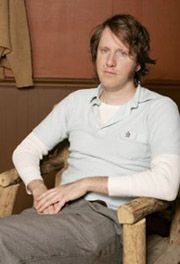
1. Kyle Henry, Director of Fourplay: Tampa

FOURPLAY: TAMPA – from Executive Producers Michael Stipe (R.E.M.) and Jim McKay, a surreal, slapstick comedy set in a public bathroom about a gay Latino “Charlie Brown” looking for love in all the wrong places.
 

Q: What does it mean, to you, to have a film at Sundance?

FOURPLAY: TAMPA’s screening at Sundance first means a whole lot of fun for me and the crew! It’s a Chaplinesque “NC-17″ short about a Charlie Brown type guy looking for love in all the wrong places … in this case a Tampa, Florida, mall restroom. All I can safely say is that Sundance audiences will have never seen anything like this and if previous screenings are any guide, l look forward hearing some squealing, hooting and hollering.

But seriously, we’re also looking for distribution for the compiled FOURPLAY feature film, an anthology of shorts regarding sexual intimacy, executive produced by Michael Stipe. Distribution for the feature will go a long way to boosting the career of every actor involved in the project, especially TAMPA’s lead Jose Villarreal, who gives a comedic performance worthy of Chaplin or Buster Keaton … in a mall bathroom … with a lot of other guys looking for love.

Q: How can going to Sundance boost a career?

I know Sundance can boost a career because I’ve been there before with a feature film, ROOM, in 2005. That film’s lead, actress Cyndi Williams, got an Indie Spirit Award Best Actress nomination and was able to also attend the film’s screening at Cannes’ Directors Fortnight. That allowed Cyndi to acquire an agent and get gigs in projects such as HBO’s “Temple Grandin.” For up-and-coming actors, Sundance and Cannes can really open a lot of doors through the amazing exposure and industry presence in attendance scouting for talent.

CHECK OUT: Trailer: www.fourplayfilm.com/fourplay_trailers.htm 


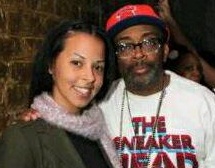
2. Eve Lora, Actor in Red Hook Summer – Spike Lee
Q: What It Means To Have A Film At Sundance?

In general, it is a huge accomplishment as Sundance is the largest Independent Cinema Festival

in the US. Personally, it is an epic moment in my career, as not only is the Director of the film Spike Lee – but Red Hook Summer is a personal project of his that has received big head Lines for its

participation at the Festival.

Q: How Can It Boost Your Career?

Immensely, the event showcases projects from America and International Independent Filmmakers. Your face and name will be recognized to the veteran Directors & also the Rookies that, tomorrow will become our veterans.


CHECK OUT: http://www.imdb.com/title/tt1989593/

http://facebook.com/evelora


3. Adrian Bustamante, Actor – ABC’s “Don’t Trust the B—- in Apartment 23, “

 

Q: Why are you attending Sundance?

The reason I am going to Sundance is to meet as many people in the industry as possible. I believe that you do not have to have a film in the festival to go. I still go to Sundance to get myself out there and talk about the projects I am working on. The projects are not a part of the festival, but they are a part of the industry and you never know who you will meet there. And people have their guard down. They are not worrying if you are trying to pitch them, so it is easier to meet people. And you never know what will come out of the meetings.

Q: Why did you hire a PR person?

I don’t like talking about myself. I have a hard time doing it. I use the PR person to talk about me, to open the gates so I can walk in and it has been good. Josh is a hard worker and he has a mouthpiece on him so he is a good PR person for me. (Josh Mitchell http://wickidpissapublicity.com/)


Q: Do you go in with a set meetings?

Josh set me up with certain people and meetings with writers and producers . Everything is in close proximity there, it is easy to meet up. I go in with my set list and then that list quickly grows.

Q: Do you have a particular goal?

My particular goal is to be able to meet a lot more people in the industry that can affect my career and leave there with a few more people knowing who I am.

Q: So, going to Sundance can boost your career?


Yeah. I have some actor friends who have gone to Sundance and they met the right person who got them an audition or ended up getting them booked. So, there is proof in the pudding. Especially in this town and industry. You are always one conversation away from doing something that is going to expand your career.

Q: You’re career is really rolling. What advice do you have for actors on how to present themselves as they network at a place like Sundance?


Anytime I go into a conversation, unless it is a specific meeting about a project, I just go in as I would when I normally meet people. You have normal banter about what are you doing at Sundance and during that I’ll say, “I am an actor promoting a couple of shows and films that I am working on.”

I take a soft approach versus actors who say, “You should put me in your show.” That may work, but I am the type of person where I will have a conversation with you versus going in aggressive.


Q: Do you bring marketing materials?

Just business cards. For the most part, what I have noticed is that everyone is out there for a specific reason and everyone is walking around. So the last thing you want to do is give them a bunch of stuff. You just want to give something that they’ll remember you by. Last year, I just asked for their email. I typed it in my phone real quick. Sometimes, that is the better way to go about it because I am being pro-active by reaching out the them. And that way I know I can keep in touch at another time.

CHECK OUT: http://www.adrianbustamante.com/blog.html

http://www.adrianbustamante.com/index.html


4. Colleen Davie Janes, Director/Producer

Q: What do you hope to get out of attending Sundance?

I get so much work done in one week at Sundance it’s just wonderful. This year I am working on attaching myself as director to a feature, and with the assets I can bring to the table I look forward to finding a possibility at this Sundance. That said, I am also reaching out to Lit agents for top unproduced screenplays that speak to me as producer and/or director. I’m looking for powerful, commercial, moving and unforgettable stories. And commercial does not have to mean big budget.

Q: As a Director, how can actors best present themselves as they network with you at Sundance?

Actors can relax and have fun and talk about anything but themselves. I of course love to know who someone is, what brings them to Sundance, but in a chance meeting I want to know who you are. I also am there to meet producers, financiers, other Filmmakers – so actors who understand that are ahead of the curve.

Q: Have you ever scouted talent from a festival?

Only to the extent that I will see a film and remember a talent, or if I miss someone’s film whom I meet they will follow up with a screener or invite to a live performance. Never from meeting at a party.

CHECK OUT: www.DavieJanesLocker.com

http://pro.imdb.com/name/nm1638633/

twitter: @scarletfurie


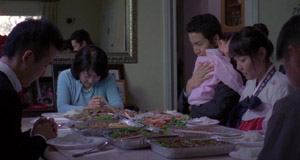
5. Andrew Ahn, Director of DOL (First Birthday)

DOL (FIRST BIRTHDAY): A highly personal twist on the coming out story, set in the Korean-American community of Los Angeles.
Q: What does it mean, to you, to have a film at Sundance?

It’s amazing to be a part of an institution that has been so influential in shaping cinema. For small films like mine, Dol (First Birthday), to have a festival like Sundance screen your film is amazing. Small, intimate films can be important too! These films may not have special effects or big Hollywood stars, but they can be emotionally expansive. Sundance does the hard work to find these films and they give us an audience we normally wouldn’t have.

Q: How can going to Sundance boost a career?

Going to Sundance will definitely give me the confidence to take risks, not only professionally but also artistically. I can tell riskier stories, try inventive cinematic story telling techniques. I hope that my risk taking helps diversify and enrich the medium.


CHECK OUT: Trailer: http://vimeo.com/23904100


6. Fuad Omar, Producer, Get Down Brown Productions Limited

Q: Why are you attending Sundance and what do you hope to get out of it?

The main aim of this trip is to meet certain people that is pre-arranged and also scout talent.

I’m very aware that Sundance is a film-lover’s paradise so the reaction of the audience to talent is a good barometer of what people want to see. I’m also on the look-out for scriptwriters to commission some work to as we have a large number of projects and some that are delayed year on year, it’d be great to allow fresh blood to have a stab at it.

Q: How can a screenwriter make the best impression on you when networking at Sundance?

Be prepared and know your craft. When I speak to someone, I want to see passion and knowledge about the art of screenwriting as well as appreciation for commercial viability. If I meet someone and they can’t follow through with a sample of their work which grabs me within a short span of time then they’ve wasted an introduction. I meet a lot of ‘potential’ screenwriters with a great idea for a story. We have treatments ready and are looking for scriptwriters to listen, understand the story we’re trying to tell and ones that have the ability to make their mark on the story.

Q: Will you be looking for actors for future films while at Sundance, as well as scripts?

Sundance is an opportunity to make a great first impression. If you thrive in your work environment then you’re soaked in it because of this event. You’re surrounded by filmmakers, actors, crew and everyone else. If you’re an actor and are eager to make an impression, don’t let a moment pass you by because film festivals are one of those places where ‘the hunger’ is evident. Those hungry for work, enthusiastic about getting roles they can sink their teeth into and dedicated to making it happen are easily identifiable compared to those who are waiting to ‘be discovered’. Have your showreel ready, follow up to ask what someone thought of it and ask to be kept informed on any relevant roles. You never know. I’m not looking for actors but if someone makes an impression on me I won’t miss the opportunity to see them shine.

CHECK OUT: www.getdownbrown.com


7. Laurence Thrush, Director of Pursuit of Loneliness

Pursuit of Loneliness: When an elderly woman dies in a Los Angeles county hospital with no known next of kin, four strangers search for her family.

 

Q: What do you hope to get out of attending Sundance?

I am hoping to meet other filmmakers, directors, cameramen and producers. That is my main hope, to come away with a couple of people that I may keep in contact with; other writers and likeminded people.

Q: As a first time Director in the NEXT category, do you have any advice to future filmmakers on how to make a film on a budget?

Yes! I never do a budget, that’s the main thing. Whatever it costs, it costs. If I ever did a budget and looked at it on paper, saw what it would cost me, I may have never done it. So, that is my advice.

CHECK OUT: http://www.pursuitofloneliness.com/


8. Marshall Lewy, writer/director of CALIFORNIA SOLO.

California Solo: A former Britpop rocker who now works on a farm gets caught driving drunk and faces deportation after living in Los Angeles for many years. His efforts to stay in the U.S. force him to confront the past and current demons in his life.

Q: What does it mean, to you, to have a film at Sundance?

CALIFORNIA SOLO is my first film to premiere at Sundance and I am honored to be included at the festival. Having a film play there has been a dream of mine for a long time, and it feels a little like being given a spot on the independent film all-star team. Sundance is very supportive of independent filmmakers and personal filmmaking at a time when it’s tough to get those movies to a wider audience. I hope that by premiering CALIFORNIA SOLO there, it will get the chance to reach a wider audience so everyone can see the great work that was done by the cast and crew.

CHECK OUT: Web: www.californiasolo.com

Twitter: @californiasolo


9. Rhys Ernst, Director of The Thing

THE THING: A moody and mysterious road trip adventure about a trans-man and his beautiful girlfriend.

Q: What does it mean to have your film at Sundance?


Going to Sundance is like going to the Olympics of indie film. It’s a ridiculously large affirmation of your work, but will no doubt be also be a humbling experience to be among some of the best filmmakers in the world.

Q: How can going to Sundance boost a career?

Just to be able to say your film has played there is huge. Before my film even premiered a number of doors opened for me. You’re suddenly a contender.

CHECK OUT: Trailer: http://www.facebook.com/#!/TheThing.film


10. Selen Uçer, Actress in ‘Can’

Can: A young married couple live happily in Istanbul, but their decision to illegally procure a child threatens their future together.
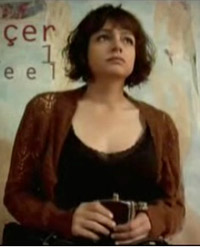
Q: What it means, to you, to have a film at Sundance?

I always thought Sundance as a very unique festival, it is kind of a ‘myth’. Many directors that I am a fan of -Jim Jarmush, Tarantino and many others – started up their career with Sundance.

Being the leading role of a competitor movie at Sundance is a ‘once in a lifetime’ opportunity. Especially for me it is meaningful, since I am one of the very few Turkish actors who did a masters in acting in US. I lived almost 4 years in Chicago-New York. Especially in New York, as I was an intern at Ensemble Studio Theatre, – so I was a ‘struggling’ independent NY actress for a while- There was a joke between some friends, while we were rehearsing a scene-or auditioning for a show. We used to say: ‘One day at Sundance, we will laugh about these days.’ And it is happening for me now…It is a dream come true, what more can I say.

Q: How can going to Sundance boost a career?

I will see that after Sundance :) But I am aware of the fact that Sundance is the heart of new directors, new projects, international movies. So I am hopeful. This was my aim when I started my career, that’s why I came to US for graduate acting program, to get a universal point of view and practice for acting. With ARA, previous movie in 2008, (I played the lead and got the Best Actress award at Adana Golden Boll Festival in Turkey) I travelled throughout Europe via couple of festivals. And now with CAN (dir by RaÅŸit Çelikezer) at Sundance, we will be introduced to a worldwide network. I am grateful!

CHECK OUT: http://www.selenucer.com/
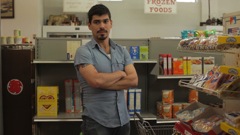
11. Raúl Castillo, Actor in MY BEST DAY

Q: What it means, to you, to have a film at Sundance?

For me, having a film at Sundance is about so much more than just what happens in Park City.  Yes, being there means you are part of a legacy
of independent filmmaking of the highest caliber and that is an incredible honor.  But it also means that the rest of the world will now stand up and pay attention to your film.  People generally associate Sundance with a certain quality of filmmaking.  It means our story will now reach a wider audience because of it.  It gives the film a visibility and respectability.

Q: How can going to Sundance boost a career?

My first time at Sundance was in 2009 with Cruz Angeles’s feature Don’t Let Me Drown.  It was at an after party for that film that I met My Best Day Casting Director Allison Twardziak.   Here we are three years later, she brought me on board for MBD, the whole thing has come around full circle.  So, yeah, this project, for me, is a direct example of how going to the festival can boost your career.  Also, for a New York actor, it’s a good opportunity to meet industry people from the West Coast; from all around the world for that matter.

sandra-logos copy

Sandra Palmeri breaks through – and – breaks down barriers.

HEAR YE – Get ready to believe that it’s never too late to go after your dreams…. because this year’s Top Booker for NYCastings has only 3 years of acting experience AND is female over 40!

Whoot! Toss Confetti!!!

Now please join me in a huge round of applause for this year’s Top Booker – Sandra Palmeri who raked in 92 days of work, totaling over $25,000 just from submissions through NYCastings.

Indeed this is one fiercely inspiring success story. So without further festive rambling… here is how Sandra Palmeri made her magic happen…

Q & A with NYCastings Top Booker for 2011 Sandra Palmeri

Sandra PalmeriQ: WOW, congrats. What helped to make 2011 so impactful?

One of the big changes that I made this year is to put a reel up on NYCastings. I originally put up a four minute reel. Then, I changed that to two reels – one for commercial and a separate reel for film. After that, very recently, I changed it again to one single reel, under two minutes, with everything from film and TV to modeling. I think that really helps because people can see who I am very quickly and they can make a decision in the first couple of frames… Do I like this girl? Do I want to book her?

Also, I always have my Blackberry on me and I try to submit as soon as possible. Sometimes I am busy working, but on the days that I have the liberty to submit right away, I do. I think it helps.

Q: Any other NYCastings tips that helped you book a ton?

Yes. Probably every month or so I update the pictures and even move them around. Sometimes I’ll have one headshot up for a couple of months, if it is getting a good response. But then I’ll move on to another. I think it is important to keep your headshots as current as possible with a range of looks.

Q: How often do you get new Headshots?

Once every year and a half. Also, I am always getting new tear sheets from jobs. I just got one from a medical shot and it’s not a headshot but it’s really pretty. I put that picture up on NYCastings right away.

Q: Do you use images, like the medical shot, when submitting?

When I submit, I keep it basic – please view my reel, resume and photos – and then just say thanks, Sandra. So I am asking them to view the photos and people do look at your pictures on NYCastings. I’ve booked a lot of jobs just off pictures. People will say they really liked a certain picture or they liked a jacket in a certain picture and want to know if I will bring it.

To me, the key thing in our business is the pictures. If your pictures don’t look good, you are not going to get the call. That is your one chance. Even if the picture is an inch by an inch on the screen, it has to pop and make them want to learn what you are all about.

Q: How important are online casting sites to your success as a NY actor?

To me, I have to submit online. I can’t just rely on my agent. I have to make my own work. It is pinnacle. It is the most important way I book work and for a potential client to see me. If I relied just on my agent, I’d book a much smaller percentage.

Q: Sounds like you are always at it. You have tenacity!

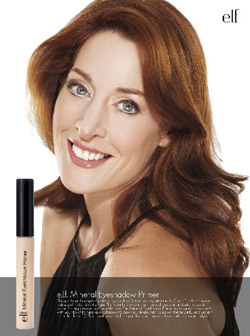
As far as the tenacity, I do keep at it. And once I book a job, I follow up with my clients. If I work with them once, I let them know that I am still around. If they are open to it, I send emails once every three months. I usually try and put something catchy in the subject line like “Sandra just booked an E.L.F. campaign for 40+ models.” And then I start with something about the day and quickly get to what I’m up to with a link below to see more images or the commercial or whatever I’ve just worked on. I never ask for more work. It is a soft sell. Though, I did have one client ask me to stop. So I did. You’ve got to respect that.

Q: It doesn’t intimidate you that a person asked you to stop?

No. You know, it’s kind of funny. I was just analyzing my life the other day because I am reading “Eat Pray Love” and I was thinking of the apple falling close to the tree. My father was very creative. He was a cabinet maker and a dreamer. And my mother worked for an electronics company in sales and was always traveling and analyzing. And somehow, I got both their traits. I am creative, yet I look at this as a business and strategically look at how to achieve my goal. I take in what everyone says and let it feed me. It gives me more energy to move on.

You always have to look at the bright side. If you don’t, in this business, you can get down quickly. Especially with the audition that I have this week. I had to memorize the script for the audition and I have been rehearsing. I know how many hours I am putting into it but I don’t know what the casting director or producer will see – if they will realize the work I am putting into it. But I still work hard. I have to work hard to memorize and get into character and know who the charter is so I am prepared.

Q: Sounds like you live and breathe acting. Is it you full time job?

Some of my income still comes from my sales job, but I would say that I am a full time actor with other sources of income because on a daily basis I am working on my craft. When I am not applying for roles, I am working. This morning I had a booking for modeling, so last night I had to make sure that my nails were done, clothes laid out and nothing was left to last minute.

Q: Do you ever feel unprepared?

I did when I shot a travel rewards program. I was playing the host and I got the script at the shoot, after my makeup was done and it was four pages without a teleprompter. I had worked with them before and they thought I could just do it. We worked it one paragraph at a time. My throat was so raw by then end of the day, I couldn’t even speak. And my mind was constantly working to pick up the line and deliver it to camera.

Q: How do you keep your nerves from taking over?

Sometimes the nerves are there, but I allow my personality to take over and shine through my nervousness. For the film I shot over the summer, “The Class Reunion,” I originally auditioned for the Principle – a stern role. Then, the director called me and offered me the role of Cindy because I was more flirtatious and a little more righteous than the character I read for. My personality just came through. I thought I gave them what I thought they wanted. But really, I gave them me. And the role was perfect for me. I saw some of the film and I am very pleased with my work and my co-workers. The film looks amazing.

Q: You just let yourself shine through and that works?

Yeah! Of course, sometimes it doesn’t. A few weeks ago I got an audition and a callback for a national commercial, but I didn’t book it. For me, I just always keep rolling with it and try to not get discouraged.

It’s difficult sometimes when I speak with people who are not in the business because they think that I must be so disappointed when I don’t get a role and I think… yeah, but there is another job around the corner.

Q: That’s a great way to look at it! And it must help to not seem desperate?!

That is something I learned early on – you don’t want to let them see you sweat. I have always been a big believer of “fake it until you make it.” I learned that when I was a hairdresser. The owner told me that “you can be a great hairdresser with a horrible personality and have no one in your chair. Or you can be an OK hairdresser with a fabulous personality and you will work all the time.” I worked all the time.

Of course, it is a very fine line of knowing who you are speaking with and reading them the best you can. Don’t try and say what someone wants to hear, that would be fake. But if you see that someone is stressed out, don’t sit there and make small talk. It’s about knowing what to say and what not to say.

Q: So… You got discovered while working as a hair dresser, right?

Yes. I am going on my third year in this business as an actor but I got discovered as a model while hairdressing. I was modeling full time in my late twenties early thirties.

Q: What brought you to acting 3 years ago?

The economy changed and the company I worked for decided that everyone was no longer going to get a salary. All sales people were going to work on commission. So I decided to start modeling again and get back in the business. I called one of my old agents and spoke with my booker and got new pictures. I also started submitting to acting jobs and started booking background. And I remember I was on the set of “Ugly Betty” and someone backstage asked if I was an actress. I said no I was a model. But then they gave me a monologue to read and they told me that I was an actress. So, I declared myself an actress.

Q: How often do you study acting?

I am currently studying with AFTRA and they have classes for scene study, on camera and voice technique. I take them all on a regular basis. At least once a week. I also work with a couple of different actors from AFTRA on scenes. We met every week over the summer to help each other.

I feel that networking and getting a core group of actors together to see what works and doesn’t work – really helps.

Q: And you often book repeat business?! Like for BLUM and FINK – you worked a lot with them this year.

Yes. I originally booked BLUM and FINK through NYCastings. They liked me when I met them. They thought I was the perfect personality, age and height. Also, because I have the sales background, when I am in the showroom I know how to work with the high-end customers. I don’t say much. But when someone does ask me a question, I know what to say.

I feel as if I put a good reputation out. That if you booked me once, even if it was a year ago, you will remember me.

Q: Sounds like you have your act together!

I do have my act together and I don’t know how! I guess, I observe people and try to make the best choices in situations.

In life you have a choice. You can choose to be one way or another. Every day you have choices from how you dress and take care of yourself to how much sleep you get. I also read a lot. That helps too because you can get a collective idea of what works.

My fiancé calls me a spin doctor. He says that I can spin something out of nothing,

With your imagination anything can happen.

Q: Any advice for NYCastings members for 2012?

I would wish for everyone to just keep trying and really learn from mistakes. Look at the opportunities not the negatives. That’s really how you get through life the best way.

In my world, bright and shiny wins the race.

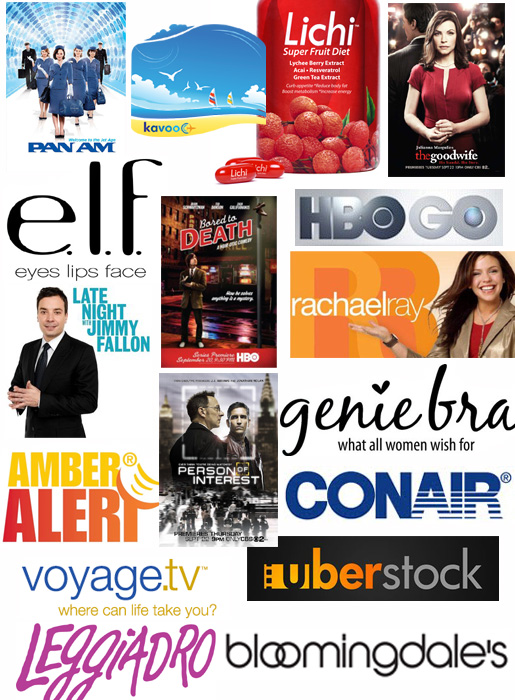
Sandra’s Jobs booked:

Date   Job                                        Rate           Hours     Total
1/1/11 Concept TV                             300 day              4      $300.00
1/1/11 St. John show                         150 hour              3     $450.00
1/2/11 Jimmy Fallon show                  150 day               3      $150.00
1/3/11 Tri Star- chopper                      200 day              4      $200.00
1/5/11 Tri Star- genie Bra                   225 day               8      $225.00
1/19/11 The Good Wife                      144 day               8      $144.00
2/5/11 Aluma- Wallet                         150 Day              3      $150.00
2/8/11 Rachal Ray Show                    473 day               2 hours fitting/3 hour shoot  $473.00
2/8/11 Rachal Ray Show                    354.75 Residuals         $354.75
2/8/11 Rachal Ray Show                    165.55 Residuals         $165.55
2/14/11 Blum and Fink                      300 day               4     $150.00
2/15/11 Blum and Fink                      300 day               4      $150.00
2/16/11 Blum and Fink                      300 day               8      $300.00
2/17/11 Blum and Fink                      300 day               8      $300.00
2/11/11 Tri Star – Salad Chopper         400 day               8      $400.00
2/9/11 RMA NY Shoot DR                 125 day               5      $125.00
2/13/11 Out of a Clear Blue Sky Film 25 day                  1       $25.00
2/18/11 Jewelry Shoot                       100 day               4      $100.00
2/24/11 The Good Wife                      144 day            14.6   $325.66
3/1/11 Blum and Fink                        300 day               4      $150.00
3/2/11 Blum and Fink                        300 day               4      $150.00
3/3/11 Jordan Fashions                     100 hour              2      $200.00
3/7/11 Eden TV Pilot                         144 day               8      $144.00
3/9/11 Blum and Fink                        300 day               4      $150.00
3/10/12 Blum and Fink                      300 day             12     $300.00
3/16/11 Blum and Fink                      300 day               4       $150.00
3/20/11 HBO Go                               400 day               8       $400.00
3/21/11 Blum and Fink                      300 day               4       $150.00
3/23/22 St. John show                       150 hour             4       $600.00
3/24/11 Blum and Fink                      300 day               1       $150.00
3/24/11 Georgetown TV Pilot             144 day             12.8    $336.93
3/30/11 Blum and Fink                      300 day              4       $150.00
3/31/11 Rachal Ray Show                 473 day              2 hours fitting/3 shoot  $473.00
3/31/11 Rachal Ray Show                 165.55 Residuals          $165.55
4/1/11 Blum and Fink                        300 day               4       $150.00
4/7/11 Leggiadro                               150 hour              2       $300.00
4/14/11 e.l.f shoot                             500 day               8       $500.00
4/22/11 The Good Wife                      144 day              4       $288.00
4/23/11 Lichi shoot                            500 day              6       $500.00
4/24/12 Board to Death                      144 day            14.5    $342.30
4/25/12 Board to Death                      144 day             14     $300.00
4/27/11 Blum and Fink                      300 day               4      $150.00
5/2/11 Blum and Fink                        300 day               4      $150.00
5/10/11 Blum and Fink                      300 day             10      $350.00
5/11/11 Empire Gold and Pawn          350 day              6       $350.00
5/31/11 Blum and Fink                      300 day              4      $150.00
6/2/11 Leggiadro                               150 hour             2      $300.00
6/5/11 Jordan Fashions                     100 hour             6      $600.00
6/6/11 Jordan Fashions                     100 hour            5.5    $550.00
6/8/11 Blum and Fink                        300 day              4      $150.00
6/14/11 Conair Show                         200 day              2      $200.00
6/23/11 Human Relations Media         175 day              8     $175.00
6/29/11 Satin Smooth Conair              400 day            10.5  $550.00
7/20/11 Blum and Fink                      300 day              4      $150.00
7/21/11 Blum and Fink                      300 day              2      $150.00
7/21/11 Concepts TV                        200 half Day        4      $200.00
7/25/2011 The Class Reunion Film     2% of sales         6      $-
7/26/2011 The Class Reunion Film     2% of sales         4      $-
8/3/2011 The Class Reunion Film       2% of sales         4      $-
8/10/2011 The Class Reunion Film     2% of sales         4       $-
8/14/2011 The Class Reunion Film     2% of sales         8      $-
8/1/11 Jordan Fashions                     100 hour              2      $200.00
8/2/11 Person of Interest                   147 day               4      $147.00
8/4/11 Concepts TV -Pedi Spin          100 shoot            4      $100.00
8/15/11 Voyage.TV.com                    250 day              4      $250.00
8/16/11 Concepts TV Mat Shoot        250 half day         4      $250.00
8/18/11 Amber Alert PSA                  Free                    3      $-
8/18/11 NYAC show                         175 show             2      $175.00
8/22/11 The Good wife                      147 day             13.3    $351.35
8/24/11 Kavoo/ Eagle Air                   250 day               8      $250.00
9/8/11 Leggiodro                              150 hour              2       $300.00
9/11/11 Scenes for the Eproch film     100 day              3       $100.00
9/15/11 Bloomdales show                 300 show             2      $300.00
9/22/11 AHRC Show                        175 show             2      $175.00
9/23/11 THE READING HOSPITAL AND MEDICAL CENTER 1200 day 8  $1,200.00
10/7/11 The Good wife                      147 day             14.5    $341.29
10/17/11 Uber Stock                         300 day              3       $300.00
10/18/11 Gerard’s Garage Door Shoot 450 day              2      $450.00
10/19/11 Gerard’s Garage Door Shoot 450 day              2      $450.00
10/25/11 Voyage.TV.com – Travel Rewards Host 1500 day 9.5  $1,500.00
10/28/11 Sandra Lee Friendsgiving with Baileys 500 day   3.5   $500.00
11/3/11 Bloomdales show                  150 show           3      $200.00
11/8/11 Pan Am                                147 day            14.5  $495.30
11/17/11 The Good wife                     147 day            2.5     $147.00
11/30/11 Womens Wellness shoot for Image source 150 day 8  $150.00
12/1/11 Leggiadro                              150 hour            2      $300.00
12/3/11 Leggiadro                              150 hour            2      $300.00
12/6/11 Rachal Ray Show                   473day             3      $473.00
12/8/11 The Good Wife                       147 day            8      $186.36
12/11/12 Jordan Fashions                   100 hour           8      $800.00
12/12/11 Jordan Fashions                   100 hour           5      $500.00
12/13/11 The Good Wife                      147 day           7.5    $186.00
12/14/11 Corp Shoot for Live World       50 hour            1      $50.00
Total    $25,840.04

repeat biz copy

I repeat, I repeat… If you want to score more acting jobs – book the company, not just the gig.

As an actor, you know the work that goes into getting auditions. Every day, you pour your soul into training, submitting and audition prep-work. When you land a job, it’s total victory! And… a chance to book repeat business.

So… to help NYCastings members make the most of every opportunity, we asked fellow members to share how they’ve turned their “one day gigs”… into long lasting RELATIONSHIPS!

Q&A with NYCastings Repeat Bookers

LINDSAY-ELIZABETH HAND

Since moving to NYC two years ago, Lindsay-Elizabeth Hand has been lucky enough to be cast in over 50 different Union and Non-Union projects here in NYC. Acting has been her only job since last June, and her main goal is to ride this wave as long as she can.
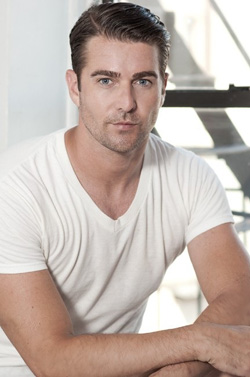
As of late, Lindsay-Elizabeth is putting all of her energy into her new theatre company that she just started this summer – Edge In Motion Theatre Company. However, to arrive at this point in her career – Lindsay Elizabeth made many lasting impressions.

Here is her repeat biz story & advice for fellow NYCastings members…

Q: What client(s) invited you back?

Repeat customers include – College Humor, Oxford Shakespeare Company, a Casting Director from Women’s Entertainment Network (WE), a director who is at Nicu’s Spoon Theatre and Identity Theatre Company, and up and coming film directors Daniel DiFilippo and Jean-Louis Fragnay, to name a few.

Over the course of living here for the last two years, I have developed a network of people in the industry – through auditioning, attending showcases, industry mixers, etc. Because of this – I have a base of indie film and theatre directors, who pass my name around because they had a positive experience working with me.

Q: How did you come across the audition notice(s)?

I find a lot of my auditions on NYCastings – actually some of my favorite gigs that I have ever booked, I found at NYCastings. I booked all my College Humor shoots, my most recent play, a Keds Spec. commercial that eventually went National, and an Apple and Eve commercial – all from NYCastings.

Q: Did you stay in contact after the shoot(s)? If so, how?

I always stay in contact with people after a shoot. I want them to remember me for their next project! I bring business cards to the shoot so I can pass them along to anyone interested. I always follow up with a cute and short email thanking them for the opportunity. If it’s appropriate, I usually add them on my favorite social networking site, and I always check back in every 3 months. It’s good to make friends or at the very least – be friendly.

Q: Why do you think they wanted to work with you again?

I stay caffeinated, happy, and organized. I respond to emails quickly, I am always on time, and I am a positive person when I show up. In other words, I strive every day to be PROFESSIONALISM, and to conduct myself as my own business. Over time, your network grows, and I like to find a way to connect people in my network with each other. If I hear someone saying, Oh no, our editor is backing out last minute! I will chime in with Hey, no problem! I know a great editor. Would you like her number? Hopefully, that good karma comes your way later on (and even if it doesn’t, you still really helped them out).

– Great advice! For more info on Lindsay-Elizabeth Hand check out www.lindsayelizabethhand.com

JONATHAN DWYER

Prior to acting, Jonathan Dwyer expressed his artistic inclination as a portrait painter. His deep interest in the human condition led him to the heart of Manhattan’s theatre district where he was accepted into Catherine Gaffigan’s two year method acting program. Since then, Jonathan has continued to advance his training while working in Film and Television.
The roles he goes out for are so varied – from commercials, shorts, and features to comedies, thrillers and romance. “As an actor starting out,” Jonathan shares, “you have to be open to all roles and take each and every opportunity that comes your way.”

With regards to Jonathan’s goals, he wants to quite simply continue to find success, challenge himself as an actor and most importantly, have fun!

Q: What client(s) invited you back?

I have been called back by numerous clients, most recently Shock Blocker”, a sports aid for tennis and golf players. This was an all media commercial shoot and they have invited me back for a new shoot commencing this month. I have also worked repeatedly with Porsche Design NY – having first found the casting on NYCastings.

In addition to this I have also been invited back for principle roles on TV shows Celebrity Ghost Stories and “Celebrity Close Calls as well as two additional short films which are currently in pre-production. I am also on hold for two additional commercial shoots.

Q: How did you come across the audition notice(s)?

ALL found on NYCastings.

Q: Did you stay in contact after the shoot? If so, how?

I also ALWAYS take a moment after each and every shoot to personally thank members of the crew for the opportunity. I have received so many emails from crew members and directors alike asking for my availability for additional roles, and also friendly notes just saying ‘thank you’ for being part of their project.

Q: Why do you think they wanted to work with you again?

I would like to say it’s my professional and reliable attitude but to be honest it could come down to me looking and sounding the part for certain roles. I do believe; however, the simple gesture of a thank you, and giving them the best you can give, goes a long way. And of course, always being friendly and personable with everyone on set.

– Thanks Jonathan!  To learn more about Jonathan Dwyer check out www.jonathandwyer.net

SANDRA PALMERI

Sandra Palmeri kicked off her career as a professional hairstylist. From there, she was quickly discovered and soon became a Fashion Model working with several top designers. Acting professionally for just over two years now, Sandra is loving it. Her goal is to land a recurring role on a Prime Time Show or on a commercial as brand spokesperson – like the T-Mobile girl or Progressive gal. In fact, a few of her customers already say she’s “their face on film.”

Sandra’s belief in herself and the things she can control are her driving force. “Remember,” Sandra says, “never beat yourself up today for what you can learn tomorrow.”

Q: What client(s) invited you back

Several clients have invited me back to work with them again and again including Voyages.tv, Bloomingdales, Tri-Star Products, Concepts TV, Reading Hospital and Medical Center, Conair and CHANEL and several Directors such as David Winkfield for “Anatomy of the Lonely” and Gerren Daniels for “Penitence.”

Q: How did you come across the audition notice(s)?

On NYCastings.com and Actors access, I got the audition and just won them over :)

Q: Did you stay in contact after the shoot? If so, how?

Most definitely! The key is staying on their radar without over doing it. Every three months or so I send out emails with some updates of what I have been doing professionally, with links to some of my current work. This always generates feedback and sometimes a new booking.

Q: Why do you think they wanted to work with you again?

My talent and looks! And, also, I am easy to work with. I am very professional. I show up on time, with the right attitude, right clothes and I know my lines.

– You rock Sandra!  To learn more about Sandra Palmeri LIKE her at http://www.facebook.com/pages/Sandra-Palmeri-ActressModel/262456797114039

LINNEA SAGE

Originally from Boston, Linnea Sage was a part of the film scene there for about five years. She moved to NYC after college and has had a great year and a half acting in independent feature films, commercials, and new media. Linnea has also been very successful with voice over!

Q: What client(s) invited you back?

I was invited back by Baskin Robbins to host their training industrial. Originally, I was hired as a model for photographs about training etiquette but the producer liked me so much that six months later she invited me to narrate and host the entire training video! I didn’t even have to audition.

Q: How did you come across the audition notice(s)?


A casting director in New Hampshire, John Campanello – who I’ve booked a lot through, got me the audition! I only submitted my headshot since it was for a print modeling gig and I was hired on the spot!

Q: Did you stay in contact after the shoot? If so, how?


I didn’t stay in touch. I didn’t have their contact info. One day, I just got a call from the casting director again asking me to host for them! I suppose I made a great impression on them!

Q: Why do you think they wanted to work with you again?

I am cute and articulate. Professional and nice. Not a diva. I can read from a teleprompter. I’m fun and humorous.

Honestly, the only advice I have is that it’s not about talent, because at some point you reach a level where everyone you are working with is the same amount of “talented.” It’s about being a nice person who is easy to work with. A lot of times it’s in the best interest of the director/producer to rehire their favorite talent because they know what they are going to get and they enjoy the company and they already know they have great chemistry.

– Awesome info Linnea!  Hear more from Linnea Sage at www.LinneaSage.com


bewhoyouarecopy

Movie stars and glamour queens may grace the pages of magazines, but when it comes to commercial print work… “natural and approachable” people snap the real money shots.

“There is a difference between what someone wants to see themselves as, what their family and friends think is a pretty shot, and what works in this industry,” shares Commercial Print Agent Rick Miller, owner of Rick Miller Agency, Inc. “Natural works. I cannot emphasize it enough. People look at glamour magazines and see airbrushed pictures, but those are celebrity pictures. It’s celebrity hype. Commercial print work is all about relatable people.”

With over fifteen years of commercial print experience, Rick Miller can look at any headshot and “determine in 5 seconds who is marketable, who will book the jobs consistently.”

Rick Miller’s insight has helped NYCastings before in an intro to print work feature ARE YOU DELICIOUS.

This time around… he’s about to reveal how much an awesome, commercial print headshot – can affect your chances of getting auditions.

Q&A with Rick Miller of the Rick Miller Agency – Taking Headshots – Head on!

Q: What makes an awesome commercial print headshot?

When an actor is looking at their headshot, in terms of commercial print, it is about people who are warm, friendly, approachable, and photograph well. There are some people who just happen to have a very marketable look, who are warm, friendly, and approachable – with substance. They look right into the camera with a confidence. They are relatable and have features that photograph well.

Q: How is a commercial print headshot different from a legit headshot?

First of all, the lighting for commercial print headshots is usually very crisp, clear, and on the bright side as opposed to legit shots for theatre and film, which can be more artsy looking. Commercials, and commercial print, tend to have people dressed in non-provocative clothing. They look very J.Crew, very relatable, very familiar. Sometimes, I will receive headshots that are clearly legit by the shadowing or the mysterious, serious look. The majority of commercial print work is not looking for that. They are looking for very relatable people and clear, focused pictures.

In commercial headshots, there is also a connection in the eyes. The person has such a connection with the camera that you can see into a person’s soul, and it is a very positive message. Most of the time the picture is a smile, showing teeth, but not cheesy. We want to see warmth, someone who is very comfortable in their skin, who we want to get to know.

Q: What clothing choices should a person make for a print headshot?

The clothing should look appropriate for a print shot, very neutral, very girl next door or guy next door. I am not saying that everyone has to wear a J.Crew turtleneck and a sweater, but overall, for the main headshot, you want to keep it neutral. The clothing is the dressing on the salad to sell yourself, to say this is what I am. It is bringing the type who you are, to light in that picture. I do have a guy who has a great shot with a business suit on. But if you’re a woman, who is the perfect suburban mom type, you would not be dressed in a suit. If you are a soccer mom, you will have on sweater. You would have a soccer mom kind of feeling to your clothes. For people with an amazing body, a body shot would be great. But I wouldn’t use it as the main picture because ninety percent of commercial print is everyday people who photograph beautifully. If someone is going strictly for fitness magazines, then the guy should have his top off or the female should wear spandex. But that is such a specific category. Overall, those types of shots should be secondary.

Q: What is the most important element of a print headshot?

The most important thing is that people don’t skimp on getting the right kind of shots. If someone wants to do print work, they are going to have to do it right, the right way. Your picture will get you into the agency, to the casting director, to the eyes of the people who are booking the jobs. There are photographers who shoot people so well for commercials. They shoot money shots. It is so hard to know these nuances unless someone like me talks about them from years of experience. I know who will get called in from a shot, when the casting director doesn’t know about them. Agents intuitively know what their clients are looking for.

Q: So, a high quality shot is essential to getting auditions?

The reality is… this is such a competitive field, I cannot stress that enough. When I speak in seminars, so many people apologize for their picture and I think to myself, off the bat, that there are so many faces and it is so competitive. When someone gives me a headshot and all of their elements are in play – when it is warm, and friendly, and crisp, and in focus – there is a much greater chance of someone calling you in. Also, my clients know that I provide a certain caliber of clients, I’ve got an amazing roster.

Q: How should the print headshot be cropped? Any different from a legit headshot?

There is not much of a difference in the cropping. Sometimes, with acting headshots, especially in programs of Broadway shows, there is a lot of face in those pictures. For a good commercial headshot, it should not be cropped so close. Pull back. Have the headshot end a little above the chest without cropping off your head. I am also fond of a 3/4 shots where someone looks comfortable, has their arms crossed, and is looking into the camera as if they are saying, “you love me and want to get to know me.”

You should get a little sense of someone’s physique in a headshot, because the picture can be deceptive. By showing a little of your physique, a casting directors can get a better essence of you as a person.

Q: In regards to touching up a print headshot, what are the protocols?

I would say that for commercial print, touching up should be mild, mild, mild. If someone is an opera diva, they can have false eyelashes. But especially when I am speaking to the mature people, the 50’s into the 80’s people, I tell them to not go crazy with the make-up. Particularly the women should not go crazy with touch ups. We want to see who you are. We want to see your age, with very light make-up. We want to see people who photograph well, and who do not look artificial. If a client wants someone without wrinkles, they will go with someone twenty years younger. So, be who you are. There are so many beautiful older women who have wrinkles, who look like they have lived life, and they are still very appealing. A good commercial photographer knows how to photograph you naturally, while also making you look delicious. 

Q: Do you present information differently on a print headshot resume?

No. You put the same information on the front of the headshot. It should have your name on it. The back of the resume shouldn’t be different either. Except, there is no need to list print work. You should say, “print and TV commercials upon request.” If people list their print ad experience, it could knock them out of the running. The appropriate protocol is to say, “upon request.”

Also, many times, people ask me if they need a resume when they go on casting. I always say, yes. The majority of casting calls these days say “commercial print caliber talent… we want actors.” So, if I am sending out people who have theatrical credits and film credits, it shows that they are not off the street, that they have experience.

Q: Is there any difference in the quantity of headshots you order for print?

These days, you do not need to order as large of a quantity as you used to. The days of ordering 500 pictures aren’t happening anymore. Gone are the days when I need 30 pictures. I do not require more than 5 hard copies because I am not messengering copies anymore. I scan them in my system, and they are all sent via email. You should be pretty ok with ordering around 100 pictures. That cuts down on copies, but you should still have an ample supply because you should bring a copy to each audition. Even if the person doesn’t take the picture, you should bring it.

Also, my observation has been that although comp cards are great, they are not necessary anymore. I take people on constantly who just have one great headshot where I see that warmth, that message in their eyes. It’s not about the quantity, it’s about that one great headshot.

Q: How much does an awesome new headshot affect getting auditions?

Your picture is your calling card I can’t stress that enough.

There have been people who I’ve met that I knew could do better with their headshots. I just sent a guy, whom I knew had a good look, to a photographer who takes amazing commercial print shots. I was blown away. They guy instantly got an audition for a coca cola commercial.

The connection is so important, the photo has to be crisp, clear and professional. Sometimes, people ask me for a name of a photographer or two, and I always mention that I have no ties to any of them other than the fact that I love their work. There is no other reason. There are just some people, in particular, whose work I know is great. I know that when people go to the right photographers, for the correct pictures for this venue, I say, “Oh my god now you have money shots, now you are a contender.”

And, I know that if I am interested in these people my clients will be interested as well.

Q: Do you have any advice for those actors who are looking to get started, get print headshots and delve into commercial print work?

Embrace who you are, get the best quality pictures for this venue, and just keep putting one foot in front of the other. Keep submitting.

THANKS RICK! That is very encouraging information and advice!

For more information on Rick Miller, visit http://www.rickmilleragencyinc.com/

filspotlight-juan

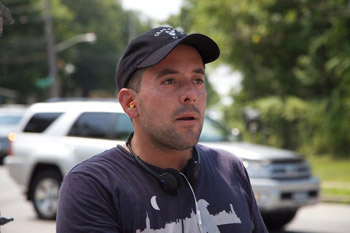
Filmmakers, “you never have to give up.” If you are passionate about a project and know what you want, “you can always get it,” says writer, director Juan Reinoso who is about to shoot a film called The Senator’s Daughter, a politically charged short written by: Dianne St George.

Juan Reinoso has over fifteen years of filmmaking experience and believes in working on socially relevant stories. “Everything that I do has to do with the human condition,” shares Juan. Some of his past films include Down the Road, Approaching Heaven, The Vedict, Snowfall and Flowers for Norma.

To help NYCastings members learn more about filmmaking, passion and the human condition, we decided to spotlight Juan’s latest directorial mission… The Senator’s Daughter.

Here is a behind the scenes look at the film’s pre-production stage…

Q & A with Juan Reinoso, Director of The Senator’s Daughter:

Q: How did you become a part of this project?

I am always looking for new projects and one of the things that I had wanted tackle was a gay themed project. I had a friend email me about this film who said that they were looking for a director. I sent them my reel, I read the script and spoke with the writer, Dianne. The very next day, I had the job.

Q: How does this project compare to others that you have worked on?

The biggest difference is that I normally write and direct my projects. This will be the first film that I am doing that I didn’t write. Two of the three features that I have coming up I didn’t write, but this is the first one.

Also, I have a producing team and normally do it all myself. So it has been an experience working with the creators of the project. In a way, it is like working on a commercial where you have the creative people, the clients and are trying to please everyone while at the same time make sure that your vision gets worked in. You guide the process but also put your own stamp on it. You speak with everyone about what they want and then compromise to make sure your own vision gets put in there because or else it becomes a job for hire and is not creatively stimulating.

Q: So it is important for a new director to make sure that they get their vision included?

Yes, but there has to be a balance. Many times, they will go overboard. They will not realize that they have other people to answer to and they can get themselves fired because they try to control everything. You have to work together and there is a fine line. Either you could not put enough into it or you can try too hard and you wind up alienating the people that put you to work to begin with.

Q: What are some of the things you looked for in location scouting?

The most important thing is that the location serves the film. In the case of this story, we wanted to make sure that the house serves the purpose of the principle characters who live in it. It had to look senatorial. It had to look like it belongs to a political dynasty and this one did. Location scouting can be one of the most mind numbing things, but this place was close to perfect and definitely workable for our means.

Q: Any tips on how to make location scouting less mind numbing?

It is hard for it to not be mind numbing – unless you have money to hire a location scout who takes your criteria and finds places for you to see. One of the key things for limited budget projects is that you need to be able to show that you’re passionate about the project so you can get people to come on board and not have to pay money. You have to never give up. If you have a specific place you want, you can always get it. If you want a mansion, you can get it. You just have to come up with the right way to pitch it to people. The more you know, and the more you excite the people who will have to uproot their lives for however long the project is, the more they realize that they will be honored to give up their space to be a part of the project.
Q: Most unexpected part of pre-production so far?

The project has been smooth. Most of that comes from my experience beforehand plus we had so much time on this project. We had the same amount of time as you would have on a feature film so there were no hiccups. Also, it is about the people you hire around you and I have a core group of people around me that understand me and the way I work. They have experience and know how to do everything. I am fortunate because I have more than fifteen years of experience and connections that allow projects to happen for virtually no money, or a lot less than it should. It goes back to passion… especially for those starting out with less experience. You have to have a lot of passion and then surround yourself with people who have more experience than you. That will make things go smoother.

Q: What obstacles do you anticipate, if any, in the upcoming shoot and how do you plan to overcome them?

I already have the whole film edited in my head. Part of the thing with projects I choose is that I have to love the script. If I am passionate about it, then in my brain, I automatically see everything visually. I sit down and write the shooting scripts because I know the core shots and everything that I want. Then, I discuss it with the cinematographers and producer so they all help me get what I need. And when they day comes, I like to be in the moment and take it organically. The plan can adjust but we have already anticipated 95% of the challenges that may come up. Being prepared allows you to come up with more creative options in the moment. The less prepared you are, the less opportunities you have to make creative options or else it will all fall apart on you. This goes back to getting the best, experienced crew around you as possible.

Q: What are you most looking forward to about the shoot this coming weekend?

What I am most excited about is the opportunity to tell this story. One of the challenges for me is that the script had an element that I felt was too heavy handed. I made changes on this portion because I wanted to make it more universal. When it comes to gay rights, one of the problems is that people are ignorant. And. because people are so extreme about the topic, I wanted to make this film open eyes. I want everyone, gay or straight, to really come away from watching this film with more understanding. I am hoping that some person who may be “morally” against gays, will see the film and understand a little more. I hope they will find themselves a little more accepting. For me, I am excited to tackle that challenge. I am kind of a kid in a candy store as soon as we show up on set. It is my favorite place to be. I just love making films.

For more information on Juan Reinoso check out his IMDB page…

http://www.imdb.com/name/nm0718254/

and like the film at…
http://www.facebook.com/#!/media/set/?set=a.108636225894977.17190.108636139228319&type=1

school guide-stella

NATURE vs. NURTURE…


When it comes to that age old debate…  both nature and nurture are equally impactful for actors looking to reach their highest artistic level.


“Growth as an actor and growth as a human being are synonymous,” shares Stella Adler’s Artistic Director – Tom Oppenheim. “Our training will nurture their depth as actors and people.”

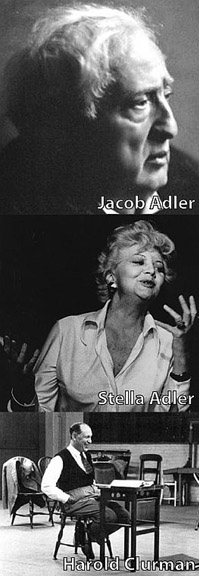
Stella Adler dedicated her life to preserving and expanding the highest level of art in the theatre. The youngest daughter of Sara and Jacob Adler, Stella began her career on her father’s stage at the age of four in a production of Broken Hearts. In 1949 she establish her own studio called the Stella Adler Theatre Studio (later renamed the Stella Adler Conservatory of Acting and finally the Stella Adler Studio of Acting). She went on to teach some of the most prolific stage and film actors of the 20th Century.

Of course, the history of the Stella Adler Studio of Acting includes more than the teachings of Stella Adler. It also bears inclusion of Konstantin Stanislavski, Jacob Adler, Harold Clurman and the Group Theater… and Tom Oppenheim oversees it all.

For the past 15 years, Tom Oppenheim has continued Stella’s tradition and has built upon it, adding components that emphasize social outreach and the potential for theatre to influence society. Tom was born in New York City and studied acting at the National Shakespeare Conservatory and with his Grandmother, Stella Adler. 

To find out more about the nature of their nurturing approach at the Stella Adler Studio of Acting (and it’s LA division – The Art of Acting Studio) NYCastings spoke with Stella Adler’s Grandson – Tom Oppenheim.


Q & A with Stella Adler’s Artistic Director – Tom Oppenheim


Q: How does Stella Adler studio nurture the ability of an actor?


We do that through our mission… that growth as an actor and growth as a human being are synonymous. The mission is to create an environment that nurtures theatre artists so that they value humanity, their own and others, as their first priority while bringing art and education to the community – which is a greater community. 


When I took over the studio 15 years ago, my first goal was o answer the  question… “What does it mean to be a student of Stella Adler today?”  I didn’t want the school to degenerate into a kind of wax museum devoted to Stella Adler’s memory. That could lead to choosing less gifted teachers over more gifted teachers. So what do we follow as our guide? That is where we came up with growth.  When I watched my grandmother teach, what seemed like the through line present in every word,  is that actors have to develop ways of nurturing their humanity. That acting is, in a way, bigger than acting. 


Q: What is Stella Adler’s vision of an actor?


Someone who is passionate about acting, who wants to scale the heights of dramatic literature. But, also, an artist and an  evolving human being. Our mission entails a number of different things – including excellent teachers and a well organized curriculum. Our primary programs are conservatory programs, programs that are 2, 3 or 4 years. Our conservatory program is 30 hours and we have a full time evening program that is 30 hours. Our objective, in terms of following our mission, is to identify the best possible teachers, a world class faculty, and then organize our curriculum in a way we feel empowers out actors.


The environmental part of the mission is to create an environment, an intricate swirl of extracurricular programs which involve the presentation of art forms – including but also extended beyond the theatre. For example, when Stella was around, the actor was compelled to not only study acting with great passion and to reach for the highest standards but to read literature, poems, to listen to great music, to study history to go to the museum.


The idea that growth as an actor means growth as a human being compels action. It compels the actor to become engaged culturally in the world and get engaged with other art forms, to understand what is in the greater family of artists and to draw on the arts as a whole.


At Stella Adler, we have the Harold Clurman art series that includes a lecture series,  a symposia, poetry reading series with Nobel prize winners, a concert series in which we present primarily jazz and classical music and our students study in this kind of environment where there is a constant presence of cultural activities. 

Q: How does your technique help actors succeed long term in this biz?

Part of the key to longevity is, in fact, to resist the market inclination to pigeon hole you – in that which, in your youth, makes money for you… which is your  meal ticket. What we try to communicate to actors is that who they are includes the daily, habitual self and often it is the daily habitual self that is your ‘type’ and how people see you. It includes that so you can exploit it – sell toothpaste or be on a sitcom – but it includes a great deal more. As you grow, you are able to include more in your work and present it. 


Q: How does your approach give New York actors an edge at auditions?


In terms of the mission, I feel that when you are grounded in the great depth of yourself, you are able to present yourself with great confidence… this is who I am. You have a bigger purpose. I have heard casting directors say that they are attracted to actors who do not bring into their room that desperateness, that their sense of worth depends on them getting that job.


I think that if you help actors see a higher vision, they bring a profound confidence into the audition – and that is attractive.


Also, at the end of our daytime conservatory, we focus on production and performance. At that point, we put what they learned into practice and focus on audition techniques. We simulate as many types of auditions and interview situations as possible. And we have PROS – professional resources outside of school. That is the nuts and bolts… teaching students how to audition with monologues for theatre, for film, cold readings, multi camera, introducing them to agents and showcasing them.


Q: What type of person is best suited for your style of training?


People that are passionate, have endurance and want to learn how to be actors from the ground up. People who have the passion to learn voice and movement and improv. Who want to spend all day and night in the studio. Our students who do 30 hours a week with us, that is just class. They are really here 50 hours with rehearsing and all. 

I often ask actors, “What do you love other than acting?” And I am looking for those actors who are engaged in life in a number of different ways. I love when they say they are into poetry or hiking or are inspired by the idea of growth as the actor and human being. People who want to be in that kind of environment. 

Q: Are you primarily a school for theatre training?


We believe that the best trained actors are stage trained actors, that is true. Particularly in the first year we focus on the three dimensional reality of the stage. Film is a two dimensional world and there are different rules for that. The profound questions that an actor has to ask, we feel are best addressed when there is no reference to a camera. Who am I? What am I? What are the life and death stakes of the character? What is this play about? 


But, we do very much acknowledge that young actors need to feel very comfortable in front of a camera and in a studio. In the third year, we very much include this in the PROS class and encourage our actors to understand that their lives will include film and television.


Q: If you had one word to sum up why someone should study at YOUR studio – what word or saying would you use?
Growth as an actor and growth as a human being are synonymous. Our training will nurture their depth as actors and people.

Q: Can you share some inspirational advice that you got – from your family?

I remember being in class with Stella and she described the gesture of bowing, of why actors bow. She said that when an actor bows to an audience, it is in the way a servant bows to royalty. Actors serve humanity. That is our objective. We have a service which is to reflect humanity to itself. 

To learn more about the services at Stella Adler Studio of Acting and how to grow as both an actor and human being…. visit their New York and LA sites.

NY: http://www.stellaadler.com/
LA: http://www.artofactingstudio.com/

Thank you to Tom Oppenheim for his studio insight!


backtoschoolcopy

School is never out… whether it be for summer, fall or winter… for actors who must always be prepared to spring into auditions!

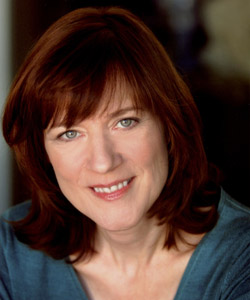
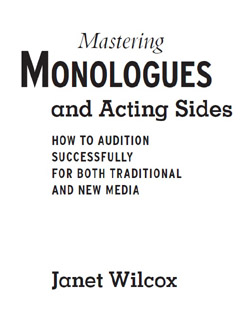
Learning, “How to Audition Success fully for Both Traditional and New Media” takes constant re-assessment. Luckily, actors have a new tool to help them prep… a book called Mastering Monologues and Acting sides,” by voiceover industry veteran Janet Wilcox. The book is everything an actor needs to land a great part in today’s rapidly changing performing arts industry.

Janet Wilcox wrote the book primarily because she “was inspired by voice actors and the fact that so much of what they do is a monologue.” And because she “went to the bookstore and saw that acting books haven’t changed much.”

“I wanted to create something that was more modern – a modern guide to the working actor,” shares Janet.

For today’s actors, looking to add extra credit to their auditions, here are some bonus points, beyond the book…

Q&A with Janet Wilcox

Q: Just like in school, performing a monologue is a lot like taking an exam. The actor often has to sit still through the intense moment, and not let their eyes wander too much. Do you have any helpful tips on how to master this?


When you are on camera doing a monologue or scene where you are stationary, in a medium shot, and not moving… as an actor you need to make let your imagination work for you. Create a scenario where you have to be very still. Your character may be in a situation where there is not a lot of movement. Use it to your advantage.

Also, you can move all you want when you rehearse to add colors that will be there for you when you are still. I just had a student for a voice over animation audition – they moved around, did their blocking and then went back to the mic, because you can’t move off mic in voice over.

Q: How can actors learn to get more comfortable with that ‘imaginary spot’ on the wall?

Use it like your fourth wall on the stage, put things there and let your imagination be fluid. It can be a window at one moment. It can be a picture the next moment. The imagination is very fluid so use that as a window for your character in a visualization process.

Also, as long as you are in the make believe world, you are fine. When you leave that, is when all the bad things come up such as… they are not listening to me. Or… I don’t know if I nailed that last line. You have to live in that imaginary world and you are fine.

Q: Many times actors try to be a ‘Jack of all trades’ and perform monologues or sides of all different types. Should an actor focus on a particular type or have a range on hand?

Your type does come into it. Aside from what is dictated – comedic, dramatic, classical and so forth – you want to find something that really shows you off the best. It is finding the characters that are a good match for what you bring to acting. An audience wants to see you as a certain role. When you go against type, you have to prove to us that we want to see you do this character. For example, maybe an actor isn’t someone with a leading character’s looks so they have to overcome that for us to be entranced by their performance. So you may like being a certain role but lay it in a way that we believe it and can see you doing it. It is like the perfect wardrobe. When you wear something you look fabulous in, you feel fabulous.

Q: Your book seems to be a master class in astrology – with many key points about studying the stars. How can an actor learn from an acting pro… viewing them as a study versus entertainment?

Go into it with that mindset that you are watching it to learn. Tell yourself there is going to be a quiz. You say, “I am going to watch this movie to see how this person created this character.” Or, “I am going to see how this actor deals with listening and responding.” Maybe you want to watch them on the phone, which is a real technique thing. That takes a lot of imagination because there is often no one there with you.

Watch for their moment of inspiration.

Q: You mention that actors should grade themselves, record their practice and decide if they should have landed a part? How can an actor do this without bias?

I think distance is a great thing. If you record something, and look at it right away, you are more connected to it. A week later, you have more perspective. As a voice over artist, I have to record and send my auditions out all the time. So, I often listen a week later to see if I still believe it was a good audition.

Q: How can actor’s see their performances as shades of grades versus pass or fail?

Any time you are facing fear, in motion, making acting choices and pushing yourself beyond your comfort zone, you grow. So, you think… Maybe it wasn’t an A, but it will lead to another part that you will book.

After an audition, you could write down all your feelings as a means of remembering the ideas that you want to learn from. But other than that, it is in the past. You have to take away what will help you and not belabor the mistakes you made. Mistakes lead to success. If you learn from them.

Q: When actors have a day of personal tests, one audition after the next, how can they get from say… a C to an A mindset?

Self reflect on what you won’t do again. It’s like when you are on stage and you make a mistake in front of an audience. That is one of the best teachers, because you made a mistake in front of a lot of people. So, again, be a little objective but also take the sports model of shaking it, get rid of that negative thing you did and tell yourself that you are going to do better. A lot of it is psychological.

Also focus on your imaginary reality so you are drawn there and not distracted. It is no different than being on stage. If you go out and are not the character, then the audience will let you know it. Or, at least you feel it.

Q: Just like in the classroom, auditions have incorporated many new styles of multimedia. How has the Internet changed auditions?

I am a voice actor and we’ve been dealing with that for quite some time now. It does take a lot of energy to juggle everything. For example, taping your own auditions for an actor is difficult. Perhaps you find a friend to help you. Staying on top of industry trends in important and you have to learn to adapt your skills to the medium. Improv skills can come in handy for webisodes. Everything is becoming tech savvy. I think it is good to have a network of people and support systems that will help you stay abreast of the new trends.

Q: You create a real classroom setting in your book. What were your reasons behind that?

The reason why I created a classroom setting is because I have taught online education and online education is based on students working at their own pace. Also, people in all parts of the country can benefit from a class taught in Los Angeles and New York by having contributors from both costs.

Q: When an actor is learning from a book, versus a class, how do you recommend they best absorb the material? A chapter a day and let it soak in? As much as they want? Etc?

There are two methods to do this book. One is to take the chapters in at your own pace. The other is to select material that is needed for your immediate audition needs. It is both linear, with building blocks of knowledge, but you can pick and choose what you need when reading it.

And, if possible, do exercises and record them. Because then, they can be a bit more objective with exercises.


Q: What inspirational advice schooled you, personally, the most?

You have to believe that you’re sharing something important with others. And really love acting. Creative plays and scripts help people make sense of their lives and you are helping people by being an entertainer. You are giving a lot of yourself, but don’t forget to take care of yourself too.

Q: What would be your CliffsNotes advice on how to not freak at auditions?

It is a play, so play! It really is about enjoying the make-believe and the play of it. It’s fun. Have fun. So many people are accountants. This is the most fun you can have. You have to allow yourself the ability to enjoy it. The hard thing for actors is that they have to support themselves as well, while they are doing it. That is the challenge. But give yourself permission to take that time. You’ve earned it!

Earning… is certainly what this acting world is all about. What you put in – you get back!

Thank you to Janet Wilcox for her time!

Mastering Monologues and Acting sides – is available for pre-order on Amazon and allworth.com

The Official release is Oct 4th. Come to the book signing… and see monologues performed.

The New York book signing and reading will be on Saturday, October 22nd at Actors Connection from 2:30 to 4:30. (Actors Connection630 Ninth Avenue, Suite 1410 – between 44th & 45th)

The L.A. Book Signing: October 13th from 7PM-9PM (Book Soup 1818 Sunset Blvd. W. Hollywood, CA)

revampyourhostingcopy

Hello! And welcome to Revamp Your Hosting Reel.

I’m your writer, Kelly Calabrese. Today, I’ll be revealing all the nitty-gritty details about what agents look for in hosting reels with insight from our expert – agent, Mark Turner.

As part of a visionary team in the the Host/Broadcast Division of Abrams Artists Agency, Mark Turner represents quality hosts, anchors and reporters for all areas of reality based television in both NY & LA with a specialization in pitching and packaging TV shows.

By the end of today’s article, NYCastings members will have all the knowledge they need to make or make-over their hosting reels.

So, let’s get started! Tell me Mark…

Q: What are your overall expectations when viewing a hosting reel in terms of content, length, variety…

As a general rule, it has to show off a person, their personality. A good demo reel can be three minutes in length, with different looks, edited in a way that you are not on one segment too long. And, if someone is an expert, make sure you are showcasing your knowledge in your area of expertise. But most important, is personality. The reel should grab the viewer right off the bat.

Q: How long should each segment be?

Pretty quick. I wouldn’t stay on any one clip for more than ten seconds. To clarify, this is for hosting reels, not news reels. News reels are a different story. For hosting reels, I would not have an interview go on for a minute straight. You can do more than ten seconds of an interview, but cut it up where you see bits and pieces rather the whole interview straight.

Q: You mentioned having “different looks” on the reel – What do you mean by that?

It means that the reel should show diversity. It can have an interview bit, a straight-to-the- camera bit, an in-the-field bit. Show different sides of who you are. It should be diverse in showing your qualities and attributes. It doesn’t have to do with what you look like or wear. When you interview someone in a field – that is a look. Reading from a teleprompter- is a look. You should show all sides of your personality… being comedic, being serious. Be versatile.

Q: What stands out to you on a hosting reel?

I would use the term charisma. A sense of humor. You need to be a big personality without coming across as phony, or unnatural. Or else it looks forced.

Q: When watching a reel, how long does it take for you to spot the kind of charisma you want to represent?

Very quickly. Within the first 30 seconds.

Q: What are some common mistakes that one can avoid on a hosting reel?

I see people putting things on their hosting reel that shouldn’t be there – like commercials or infomercials or something that looks really homemade. In today’s world, the video has to look professional. It can’t look like you made it in your basement.

Q: Since having a niche is important in hosting – How should a reel showcase a niche if the host has one?

If you are solely an expert, say someone is a scientist, then their reel should be solely about that. However, if someone has multiple areas of expertise, they should make it metered to that. So… If someone is a general host and also a real estate expert, they should make a general reel and a real estate specific reel. These days, we want to be as specific as possible.

Q: If a person has a niche and wants to become a host in it – does a self-made reel interest you even if the person as no actual hosting experience?

It does. And the reel doesn’t have to be perfectly professional but it can’t look so homemade.

Q: When creating a reel to specifically showcase a niche, can the reel have one sample clip /show or should it have several, quick moving segments as you mentioned earlier?

The model should be the same as for a hosting reel.

Q: If an actor has hosted for industrials, should they include that on the reel?

Truthfully, I don’t do many industrials. That tends to be much more straight-laced. Infomercials don’t usually showcase a lot of your personality. If someone sends me an industrial reel, it is not usable for getting most jobs. You might want to put some of your industrial work on your reel, if it shows a different side of your personality. But in general, industrials tend to be more on the serious side.

Q: Should a host keep in mind a target audience that they hope to host for?

I think you just want to be who you are. Be authentic.

Q: Any advice on how an actor can sharpen their hosting skills?

You can take classes to help you with interviewing and teleprompter, but hosting is something that you either have the personality for or you don’t. It is hard to teach charisma. The best hosts are the ones who are most comfortable in their skin.

Q: Once a person peeks your interest with a reel, what should they expect when they meet with you?

They should be themselves. Have a conversation as opposed to an interview. Tell me who you are, what you do and have a realistic understanding of the types of shows you are right for. Never say, “I will do anything.” Realize what your strengths are and tell me why you are right for certain shows.

Q: What types of hosts are trending right now?

Outdoors. Survivalist. Military. Therapists. Scientists. The auction collectable space. Therapy. Parenting. Tech.

Q: What does it take to break into entertainment, food or travel? The kind of hosting gigs that everyone seems to want to get into.

Well, that is the million dollar question. When you talk about fashion and food, those are crowded spaces. They have been done extensively. To break in, a lot of it is based on personality – what you have that is not already out there. And success. A major chef, who has written books and owns major restaurants, is going to go a lot further than someone who just graduated culinary school.

Q: How hands-on are you with your client’s reels?

We don’t create reels here. We advise as to what should and shouldn’t be on one and refer hosts to editors.

Q: Do you watch non solicited reels?

I look at everything.

Q: How do you prefer to see hosting reels? Online, DVD?

Online links. Vimeo and YouTube are ideal

Q: What is the most rewarding part of representing hosts?

When someone works hard, is marketable, and I am able to book them on something – that is very rewarding. It makes me proud.

Well… I’m proud to share this advice with NYCastings!

Thank you so much for joining us, Mark.

For more info on Mark Turner and Abrams Artists Agency, check out abramsartists.com

filmsetsurvival copy

Taking the leap from an audition on to a film set can sometimes feel like Indiana Jones diving into the snake pit. But do not fear. Just…

“Think of being on the set as a continuation as the audition process” shares CD Harley Kaplan of Powers/Kaplan. “You got that part because of your confidence, your ability and your geniality in the actual audition. Don’t lose that. Come in the same way. If they have any changes, they will address it to you. But don’t lose your confidence after the audition, because they were happy with you. Never forget that.”

Remembering what got you on set is golden advice, for sure. But what about the protocols beyond your lines? For that, NYCastings and Harley Kaplan bring you… A film set survival guide.

Having worked on all facets of a film set, Harley Kaplan is now one of the two Casting Directors of the newly formed Powers / Kaplan Casting, consisting of Harley Kaplan and Brandon Powers. Prior to Powers/Kaplan Casting, Harley was part of the casting team at PalmStar Entertainment and he worked for New Line Cinema, Hopkins, Smith and Barden, and Jennifer McNamara, working on films and television series, such as, The Cider House Rules, Boys Don’t Cry, Any Given Sunday, and Sex and the City. In addition, he also writes and produces his own short films.

Here is his solid advice / must-have tools for any film set…

Q&A with Harley Kaplan

Q: When stepping on to a big film set, versus an indie, what should an actor know about the differences? What to look out for?

With big features, you really have to keep your eyes open. Don’t bump into anything. There are so many safety issues, like wires and unions grips and best boys. You trip over one thing and you can’t move it because everybody is union. It can be frustrating. But I think, from the actors perspective, you should be really aware of all your surroundings. Have a 360. Don’t walk backwards into things or sideways into something. And it’s really good to know who everyone is and what they are doing.

On a huge film, you may have a trailer and be held there all day until you walk out to work. Your stand in has done everything with lighting and blocking and you can feel like an outcast and just appear out of nowhere to do your thing.

On the smaller stuff, even stuff that I’ve produced like Death 4 Told, we had the actors sitting around watching. I love when the principle actors want to watch the stand ins so they’re more aware of everything and know who everybody is. There is much more of a collaborative feeling on independent films. I like when ADs and writers are open to the suggestions of the actors as to what feels more natural and organic rather than dictated beforehand to follow like paint by numbers in your head.

Q: What are some of the aspects about working on a film set that come with experience?

The more you work on a film, the more experienced you are, the more aware you are of your lighting. I watch really seasoned actors and they just know where their camera angles are, where the mic is. Everything and it is so natural. It comes so second hand.

Q: What should an actor know about their role / function on a set?

I’ve worked with actors who have extensive theatre backgrounds or television backgrounds and they don’t realize that they are not that important most of the time. They are almost peripheral. Everyone else is so focused on their job. It’s funny, that old saying how… “Actors act for free. They are paid to wait.” In theatre and TV, they do not realize the whole scope of the film production. Especially big, big films. When I worked on Die Hard Three, I felt like a nothing. Nobody could have cared less. They had so many different ADs and stunts going on. So on these sets, you really have to know how to manage your time. You have to be able to turn off and focus on something like reading. I do not advise having headphones on. When you are sitting there bopping to the music and someone is saying something, you should really listen. Things change all the time too. Shots change, schedules change. Keep your eyes and ears open and try to be polite and listen. But you could be there a day and not even shoot. So do something where you can listen and know what is going on, but still have your mind semi-occupied.

Q: Is it OK for an actor to occupy themselves with their cell or internet?

No. Of course you are going to have to answer some calls and hopefully you will know when you are not needed for a couple of hours. But they can come and get you in one second. The old fashioned book is a great choice.

Q: Are there any actions that can be viewed as offensive on set?

Just be nice and polite and appreciative that you are there. I know that jobs are getting harder to come by. And I think a lot of people still don’t realize that no matter how long, our how short, they say the day is going to be… you have to clear your whole schedule. Think about your dogs and kids and your other job and spouses and social life and everything else beforehand and get it ironed out. Let people know that they just can’t bother you.

Q: What if an emergency happens?

That seems to happen a lot. Actors have to make money but when they say their job called and they have to go, or the dog walker didn’t show up, or they have to get somewhere to get keys… all these little things affect the production. You can’t think of it as just you. You are part of this gigantic piece of heart at this time and you’ve got to just let those things go. Hopefully your friends and other job will understand that this is what you are going to do.

But if you do have an emergency, you should politely let the 2nd AD know about it and hopefully they can accommodate you and change a shot order or shooting schedule. But once those things happen you get an unreliable reputation. Even if they seem to understand, it sticks in people’s

minds and it gets back to casting. It gets back to your agent.

Q: What are some other mistakes that get back to agents and casting directors?

There are always those actors that you hear about who complain. It could be about anything… the food is too hot or too cold. The room is too hot or too cold. Bring a bag, bring a sweatshirt. Everyone’s body temperature is different. I’ve heard in the same room an actor boiling and an actor freezing. Both telling PAs to turn the heat up or down. It is not all about you at this time. You’ve got to realize that and all that stuff isn’t productive and makes the shoot more difficult for everybody.

Q: When background needs to use the restroom they are supposed to let the PA know. Is that the same for speaking roles?

Definitely. But you don’t have to raise your hand and announce it to everyone. And be as quick as you can. If you are going to run off for one second to go to the bathroom, don’t think it is a good time to return every call and do your online banking and update your Facebook page. Be focused. Once you get out of your focus and are responding to what people are doing that day on Facebook, then you walk back to set and your mind is somewhere else. I see that all the time. Then you aren’t in character anymore and have to get back into it. Everyone else is ready to go and you aren’t. You have to be on the same pages as everyone else. Think of it as working in a factory. One person can be slowing down the whole line. And it reflects on the ADs. They are the ones who seem to get yelled at. Really watch your ADs and know that their time is so important. Let little things and problems go.

Also, you see people arrive at the beginning of the day and they are late and make a million excuses. When you are there – be there, nothing else should matter. If you are doing a play you don’t get on stage and say, “sorry everyone I was late.” You go right into the character. For film, it is the same thing.

Prepare your day the night before. People will say they are late because their iron didn’t work or they had to get their makeup perfect at home when it is going to be done on set anyway. They didn’t want to show up without makeup but that is what you are supposed to do. Now, they have to take your make up off and put your make up on. Think about the whole production that day.

Q: What about going to craft services? What is your advice on that?

It’s funny, I’ve seen actors stand there waiting for more coffee to get brewed or for sesame bagels to come out. Don’t starve yourself just because there is going to be craft services. If you have a temp job, do you show up looking for your breakfast burrito? Do the things you have to do. I’ve seen people wait around forever and do everything they can accomplish for their normal everyday lives and then they will go to hair and make-up or wardrobe. And shoots get held up because of one person.

If there is a choice of NO breakfast, grab something and go to wardrobe and hair and makeup. I’ll see people grab food, sit down and make a smorgasbord for themselves. It’s good to eat, it’s really important, but if you take an hour to have breakfast – do it at home. Don’t come in and say you cannot start your day without coffee. You did. You got there.

Q: What should an actor do if the principle cast talks to you? Should you talk back or keep quiet?

If they are talking to you, be polite. Some people are nervous and they worry, “Should I even respond?” But that comes off as rude. I say, if a person say’s, “Hello” – just leave it there and do not get into “I loved you in this film” and “my kids think you are great.” I’ve worked on films where background came up to the leading actors and wanted her autograph. She went and told the director and the ADs got fired in front of everyone. I’ve also been on sets where there is a clause that background, and even day players, couldn’t look the principle players in the eye – which is awful. So don’t ever cross the line. Be polite and keep it to a minimum in terms of what is going on in the film. Be genial and open but definitely try not to blab.

But everyone is different. There are actors who are the nicest people in the world and might want to even share a cab afterwards. When I was a stand-in a hundred years ago, I worked with some actors who were so childish and others who were as warm as could be and it didn’t reflect who was more experienced. And now in casting, I think back to these people who treated others as crap and you don’t want to work with them. And others who were so nice – I still bring in. I was a producer on a film where an actress was vegan but her agent didn’t specify anything. We didn’t have any vegan options. She just ate a plain bagel and was so great. She hung out with everyone and had the best time. Ended up playing Frisbee with craft services and I’ll never forget that. I would call her in for anything. She is a fantastic actress and all those other things make her just right.

Also, it depends on what type of film you are working on. Some of these scenes involve some improv and other actors are just trying to make it more natural. But let them make their move. Think of it as going to a forest and letting the deer come to you.

Q: When it comes to lines, if you have questions – should you try and clear it up the night before?

That depends. A lot of people have questions over lines and whatever they did at the audition was natural enough. Some people want to make things so fluid, but sometimes the writer wrote things that are trying to be natural. If you listen to people talk in real life, half of the things they say have nothing to do with the conversation. There are broken lines. So if they are happy with what you are doing, don’t over complicate it. A lot of directors we are working with now, the actors are coming in with so many questions and we are like “throw it away.” There seems to be such a trend toward naturalness right now. Too many questions can be a turn off.

But if you do get the sides the day before and have questions, for time purposes you should iron it out before you are on set.

Q: Can you ever improvise a line on set?

I’ve seen actors blatantly change lines for things they wouldn’t normally say, like profanity. If you are really uncomfortable, don’t do it in the audition and then try and change your lines. But in indies, I love when an actor adds their ums and ahs and their own words. I like when a director will say, “make it your own, be natural,” and they really want to see some improv.

If you see the other actors improvising a little, play with it. If they have a problem they will say something. I’ve been on sets recently where I thought they were going to stick to the script verbatim. Then, they day player comes in and is asked a question by the lead player and a really good actor is able to pick that up and go right with it. To me that is incredible to watch and I know I’ve done the right choice hiring them. Other actors are like, “Wait. I don’t understand. Your line was supposed to be…” and that never goes well. They act like the lead forgot their lines. They can’t improvise and sometimes it costs them the roll.

Q: If you are working on a non-union film and you feel like something is not right, if you are not comfortable, how should actors speak up about it? i.e., about nudity?

Sometimes people think, “I don’t want to get fired,” and then they sign their life away. There is a character in Jack and Diane who was non union and they asked her to go further than the script implied. She did. I don’t think she regrets it but when I heard about it, it made me nervous because I know how vulnerable people can be. They think this is their big break and are in the moment. But the next day they may regret it and there will probably be nothing they can do because they have signed all types of releases. I do not want anyone to regret anything. I think all those things, union or non-union, should come out beforehand in the breakdown and be addressed.

If it does happen, it depends on how small the project is, but it really should be the AD you speak to. I have seen people at the last moment ask for a body double. They can’t always get one. I have also seen people fired because they wanted someone a little more daring. I do not think that is right. There are all sorts of situations. You’ve got to watch out for yourself, regardless of if you have an agent. Over the years there are people like Debra Winger who has stood up for their principles and their work as thrilled me forever. They are true artists. They are not going to be treated poorly. There is a big difference between complaining and being true to yourself.

Q: What advice can you share based on what YOU learned as an actor on film sets?

I remember way back thinking I will memorize the lines and they’ll tell me what to do and it should never be that. Be the character. It is not just about the lines, it is everything about you. It is being a real person, in a real world, even though everything is fabricated. So never expect to be told what to do. Just make it as natural as you can. Of course you should know the lines, but things may change that day. You should always be able to learn quickly, on your feet. Once you know who everyone is, and what everyone does, then you are not going to trip over things and step on people. You’ll just be comfortable with the other actors.

Also, when you get older, you get a lot more confidence and don’t get so nervous. That confidence works. I should note, there is a huge difference between being confident and being cocky. Never be condescending. Just be accessible. Be malleable, yet 100% ready to do your own thing because most of the time that is what you will be doing.

100%… This has been a fantastic film set survival guide. Many thanks to Harley Kaplan for his wise and warm advice.

inthebestlisght copy

THE END… of an audition often fills an actor’s head with thirteen conversations about one thing – Will they chose me for that role?

Of course, you want the part! But worrying about every detail will only spin you into a dreary tizzy. So hold on tight and prepare to see the light…

“An audition isn’t always about getting that part,” shares casting director Adrienne Stern.

And, “It is out of your control.”

Helping actors put things in perspective, Adrienne Stern spoke with NYCastings about what actually goes on inside a CD’s mind during the audition process.

Adrienne Stern is known for working closely with Directors and Producers to secure the types of casts that open doors to major film festivals and distribution packages. Her films have premiered at Sundance, Toronto, Cannes, Tribeca, Berlin, South by Southwest, Seattle and many other prominent film festivals, many taking home prestigious awards. 

Currently, Adrienne is working with Circle of Confusion casting Hellbenders, written and to be directed by JT Petty. Also slated for 2011 is Shoedog written by George Pelecanos and to be directed by John McNaughton, starring Sean P. Diddy Combs, Wes Bentley, Heather Graham, Sam Shepard and Kris Kristofferson and A Wake Up Call starring Mira Sorvino, Ashanti and Dan Hedaya

Get ready for an illuminating glimpse inside the mind of CD, Adrienne Stern…

Q:  To you, what is an audition truly about?

Even though we know you want that role, an audition is about getting into a casting office and doing a really wonderful audition. If you are not right for that particular part, for whatever reason that is out of your control, then maybe there is another part in that project that you are right for. 

You want to get called in over and over again in that casting office. That, to me, is what an audition is truly about. It is about getting into everything that a casting office is doing so that when the right part comes along… you come in, you read for it, you own it and it’s yours. Then, the casting team feels very proud that they’ve really nurtured their relationship with you. That they helped to get you to a point of confidence where you know that Adrienne Stern’s casting office is a warm and welcoming environment. Where you know that you will give your best audition and we are rooting for you.

Q: What are you looking for when an actor walks into a room?

The actor should come into the room with a warm energy.  Simply say hello, make it clear that you are ready to jump into the audition and always connect with the person reading with you – whether it be the casting director or reader, make sure you say hello to them. Tell them where you are starting. Let them know if you are going to sit or stand so that the camera can follow you. If they ask you to sit, that is something you will have to do. But, if you have anything to ask that is imperative to the audition, make sure you say that ahead of time. 

And then, once you begin, know that you own that time. It is about you and all eyes are on you.

Know that you are there because we invited you there. We want you to do a great job. We want to make it easy for you. We want our client to like you. We want our job to be done sooner than later. If you come in and do a great job, then that’s all we ask of you.

Q: Do you ever get nervous for an actor? 

No, I never get nervous. I understand that an actor gets nervous and I can see that they get nervous. I see the sides shaking in their hands and that they get flustered. 

Q: What thoughts go through your head when you see a nervous actor?

If I know someone well and it’s not a great audition, I will absolutely give them adjustments. Or, I will ask them to have a seat outside and I will discuss with my producers and the director about the person. How the person is capable, what they’ve done and suggest we bring them in again and give them another shot. Absolutely, I will do that.

Q: If you don’t know the actor, will their nerves make you think they are not ready for this?

You can’t overall say one answer. Everyone is an individual. Every actor comes in with something different to offer. Yes, there are people who audition and have the right look but you have to say, “Can a person carry a film for an hour and a half? Or, are they better suited in a smaller role? Or an ensemble? Or as one of five characters in a group that play off one another?” I do make those types of decisions as well.

Q: Do you take note of how the actor relates to the reader? The connection and the chemistry?

I don’t. An actor will come in and read with myself or an associate or a reader. They may not read with the person who will play the part opposite them. They might not even be an actor.  And I know that when we bring someone in for call backs, and do mixes and matches with other talent, that it takes the audition to another level. They are interacting and playing off another actor who could possibly  be cast with them.  So in no way does it limit them.

Though, through the years, I see a lot of less experienced actors do something which I call “giving the audition to the reader.” Meaning, they come in and they are waiting for the reader to feed them every single line so they can act off it. The actor has to learn not to do that. 

For the more experienced actors who come in and audition, the words are just words that are being said to them. They are going to come in and play the way they want to play the scene no matter how the sentence opposite them is read.  Many experienced actors don’t even connect with the reader in terms of eye contact. Maybe when they first arrive in the audition room, they will say hello and let the reader know where they will start. But once they take off, they take off and they own it. 

That’s what an actor needs to learn how to do. They need to learn how to own an audition and not make it about the reader feeding those lines. 

Q: If an actor comes in VERY focused, without smiling or being overly warm to the room, could that make a poor impression on you?

Not in the least, we completely understand. Some of these roles are very difficult. I am just about to start a film where we will be looking for a deaf boy and I know that many of these actors coming in are going to be prepared the minute they walk in. I do not want to knock that out of them. I don’t want them to lose their focus. Then, after the audition is over, if they want to relax and say thank you and good bye that’s fine. But we are all aware that they are coming in focused.

Q: In a ‘Casting Tip of the Week’ of Facebook, you mention that actors should not leave their coats on. What message does that send you?

When someone doesn’t take their coat off, I feel as if they are not relaxed. It feels as if they walk into the room and they have one foot out the door. Plus, they are hidden under the coat. It is as if they are hidden under a tent. 

Q: Are there other misdirected signals an actor sends out?

Women, more than men, have a tendency to sit in the chair, cross their legs and then lean back. They are so relaxed that they forget they made choices, that they stood while they worked on their sides. 

I also think that a lot of actors get very nervous by the third page of the sides and they rush through it. They may have started off the audition very well but they become self aware that they are standing in front of people and so they rush through it and it leaves them flat in the end. They don’t know how to finish their sides is what usually happens.

You have to find the fine line. You don’t want to speak to slow or rush through it. You have to find a happy place. 

When you have all eyes on the reader, waiting for them to feed you a line, maybe instead just make it a voice that is feeding you lines. Pick a place that you are looking at and make that your spot so you are not having to look at somebody that is going to distract you.

Q: How can a less experienced actor get more polished – beyond just getting more audition practice?

I think it doesn’t hurt to get together with a group of your actor friends. If someone has a camera, bring all you sides and work on them together. Have someone film you and watch it and see what you do. Time yourself and figure out what your pluses and minuses are.

Q: Do you ever get disappointed that someone doesn’t work out as well as you hoped they would?

Absolutely. When we feel someone is almost there we will read them over and over again. We will work with them and give them adjustments in the room. But if they just don’t get what we are looking for, there is nothing we can do. If my producing and directing team walk away and feel as if this person wasn’t able to bring to the role what they were looking for, then we need to move on and there is nothing we can do. We gave it our best shot.

Q: Beyond the audition, how much does an actor’s resume weigh on your mind?

My clients are very eager and interested in watching reels and being familiar with the work that somebody has done in the past. Many actors get offered parts in films based on previous work. But each role is different and there are opportunities for people who are just getting started or people who have done a few things. Every project has different qualifications and reasons as to why we are casting one person or looking for one type of actor over another.

Q: Can you share some insight into the inside of a casting director’s mind. How you process thoughts during the audition and decision process?

My mind is a file cabinet. I have a lot of things that are constantly being pulled out of their folders. And, I think that actors have to realize that the film industry is a business. People are investing money to make a film and so decisions need to be made no different than any other business.

Q: Switching from the casting director’s mind to the actor’s… How can an actor get into the best auditioning mind set?

You need to come in with an open mind. Always remember that we invited you to the audition, we gave you an appointment, and think of all the other people that wish they were there but we chose you to be there. So walk in be happy to be there, do your best and walk out. That is all you need to do, nothing more than that. 

As Adrienne mentioned at the start of this article. “Auditioning is about getting on the casting director’s list so you are called in over and over again.” 

“There is absolutely no way of knowing who else they are considering for the part; who else has read before or after you. You just have to go in and give your best job because it is not always about getting that part but about getting a part in that casting office.”

It is about creating that…  BEGINNING.

Thank you Adrienne Stern for giving NYCastings a glimpse inside your indie mind! 

For more wise advice, follow Adrienne Stern Casting on Facebook… 

http://www.facebook.com/pages/Adrienne-Stern-Casting/49493369954


school guide copy

Ever think, “I MUST become a successful, working actor or I’ll die!”

Well… taking a class at the renowned T. Schreiber Studio in New York City will help you ignite that passion, not just for acting but for every character.

“I always start with I MUST,” says Terry Schreiber, “because I MUST propels you. ‘I MUST have Juliet tonight or I’ll die.’ And I ask you what that means to you, not just intellectually. What does that mean to you in your body?”

Since 1969, Terry Schreiber has helped open up actors with his relaxed, safe and supportive atmosphere. The Studio began with Terry Schreiber teaching classes twice a week to twelve actors in a converted loft on the Upper East Side of New York City. Enrollment increased and the group began mounting productions in what were the early beginnings of New York City’s Off-Off Broadway movement and building its reputation of high quality productions and performances. Today, the Studio resides in a renovated multi-use space on the 7th floor of 151 West 26th Street in New York’s lively Chelsea neighborhood. Classes and productions run continuously throughout the year.

To help you learn more about T. Schreiber Studio, NYCastings spoke directly with the legendary, passion filled man – Terry Schreiber…

You MUST read this Q & A with Terry Schreiber

Q: In your studio, you focus on removing the tension that blocks feelings. How does this help actors?

In every class we do relaxation exercises. We differentiate between nervousness and tension because if you’re not nervous when you are about to go on stage – you are not alive. The tension is what gets in the way. We tend to build up guards to protect ourselves from feelings that we don’t want to have. Our exercises will help you to release that without analyzing who you were at what age to block that feeling. That is one thing I am deft on in acting classes is a teacher trying to be a psychologist. We have a class called Body Dynamics and Carol Reynolds is a certified Bioenergetics teacher.

Bioenergetics is really helpful because we lock different areas in our body. Someone who comes from a dance background has a lot of pelvic lock. The whole principle is really learning how to take the energy up from the floor and open up – especially in the pelvic area and the thighs because that is where your power source is located. It is like a fist that tension. It is learning how to breathe into that fist and let it open up.

Enlarging your range is the purpose behind it. Sometimes, the areas you have to go to into in acting are very difficult areas to open up to. It gets into some feelings that have been blocked for a while. It’s amazing what happens after that 45 minutes because you are so centered and the concentration is right there and available. It opens up your imagination, your inner life, that organic life that you want to get to.

I talked to Ed Norton about American History X and asked “How could you say those things to Elliot Gould it had to be very hard,” because Ed is such a liberal person and Ed said it was. The dialogue can be thick in your mouth but you have to get free with the words because the character is.

Q: How does being relaxed and centered affect how a person portrays a character?

I was working with a guy the other day who is really wired. Out of the relaxation exercises, suddenly his face, which is usually pinched and tight and leaves him as an offbeat character actor, was wide open and I told him, “You’ve just gone from that character to really being a handsome young man.”

No athlete is going to come out and just play a game. They get to the park hours early and warm up. An actor has got to do the same. You cannot convince me that anyone can come to the theatre at 7:30 and be ready to perform at 8pm. There is just too much going on in our personal lives. Look at someone like Mary-Louise Parker who has her own keys to the stage door and gets there at 5pm. You’ve got to get rid of the day. You can’t just walk out there and be ready to go. You’ve got to be centered in what you are going to do that night. You have to do a gradual warm up and find out where your energy is in your body. Is it high or low? You want to get down to that lower energy.

Q: How does your technique help actors succeed long term in this biz?

For the experienced actor, the actors use it as a gym. They use it as a place to work out, so that the audition is not the be all end all of their career. It is a good opportunity to do the roles they are afraid of, to do writers who have a different rhythm than their own and to stretch. Especially, if they have trouble getting to the things that are called for many times in auditions – the vulnerability or anger. You’ve got to find that in you because you are your own instrument.

I don’t think you can ever just ‘as if’ yourself through a role without being on top of the role and connected to it. When you see the really good actors they are connected to what they are doing. They aren’t doing just an idea of the role. The inner connection comes from you, that you open up yourself and share that side of you with us. Once you are doing it, the audience thinks you are the character and in the classroom you are opening up to that.

Q: How does an actor get started with T. Schreiber Studio?

We do a big orientation here every Monday night for new people for an hour and a half because we do a presentation and individual interviews. You have to audition for any intermediate or advanced classes.

If you begin with the beginner class, we have an intensive that introduces Meisner work. After three months of that, you move to Intensive Two and that adds much more scene work and other kinds of exercises.

We try to create a very safe environment here so people are comfortable taking risks or chances without judgment. I have no auditing for that reason because I think that is a complete violation. If you have twelve new people in class, every time, it is a performance. I don’t want that. I want you to really explore your work and fall on your butt a couple of times because out of that comes growth. It’s got to be a supportive atmosphere. The minute you have auditors you have judgment either finding out if the class is good enough for them or the teacher.

Q: If someone is trained but not in your style, will they start at beginning or intermediate level?

It depends on the background. If I am interviewing, or Peter is interviewing, we will ask if you’ve had any Meisner training or Strasberg training with sensory work and physical conditioning. We ask who you have been studying with and what kind of approach did they take because I feel it is very unfair to put an actor in a class over their head. They should feel comfortable yet challenged. As we move along the exercises get more demanding. We try to build through a whole series of exercises where each gives you more courage and freedom. It will still be difficult to jump in but it is about you finding tools that work for you.

Q: How does your approach give New York actors an edge at auditions?

I tell my actors to not get involved in a conversation with someone at auditions. You can say to someone you haven’t seen in a while that you’ll go for a cup of coffee afterward, but first you have to prepare. You have to get into yourself. You can do drop overs or shake outs through the spine. Sit in the chair and drop over and don’t care if some other actor wonders what you are doing. You’ve got to be willing to do that. There may be people who kid you but you’ve got to laugh it off and go back to what you were doing. It is key.

Q: What type of person is best suited for your style of training?

Somebody who is open enough to give themselves to this kind of work and want to explore. Some of the exercises will work for you and some not and that’s ok because you come out with tools.

It is very difficult to work with someone, even in the beginning stages, who is really locked up. A lot of us go into acting because we have not had very happy home lives and we think acting gives us a good chance to escape ourselves and what we learn is that if you are going to do it well you are going to go deeper inside yourself then you ever have.

When you are really playing an objective your objective plays you and you have to give up control to do that or else you are just up in your head, manipulating it. You are not really taking it on.

Q: Your Studios seems more like a community than a school with all it’s theatres. Is it?

Yes, it is a family here. We do a three play season, we just finished a couple of weeks ago with our last production for the season, we are doing a bare bones production in July and will open again in October with Lobby Hero.

I have an arrangement with Actors Equity that we cast strictly from people studying here and alumni. Because if we don’t trust our work, what’s the purpose. You go study at Atlantic Theatre Company and the whole play is cast outside so then where is the work that’s done in the classroom going? Where is their chance to perform? We are 43 years old and I just finished doing The Changing Room and the owner and the locker room attendant are both 84 years old that played those roles. We do have age appropriate casting here.

And we have a commercial class, a voice over class, Peter Miner who has been with me for years teaches on-camera 1 & 2 so if you’ve never had any experience you can get your feet wet with On-Camera 1. We are going to add a musical theatre class. We also have Shakespeare and the body dynamic vocal classes. We cover everything that you are going to face out there in the world.

Q: If you were to choose either Theatre, Film or TV – what would you say is your niche. What are you the GO TO studio for?

Theatre. I feel as if the best film actors are stage actors. There is an adjustment to make but they are always the deepest, richest work.

Q: If you had to sum up why someone should study at YOUR Studio – what verb, adjective or phrasing would you use?

I think we are really about providing an open and supporting atmosphere to explore the work, to explore the craft. You can feel safe here. And that’s a very important thing. Some teachers attack, they strip someone’s ego to rebuild them, and I think that’s out the window. They are not a therapist and can leave a person in trouble.

After you do a scene at our Studio, I will ask you where that takes you and you will feel the freedom to share and talk about it. To say it reminds you of a time in high school. I just need a hint of where you are going with the role or what you are trying to get inside or share with yourself. Whatever you are playing it’s got to come back to you and finding that character within you. Sometimes that is very hard, you can be playing someone who is nasty and you can’t judge that character. You’ve got to play it and let the audience do the judging.

Q: Any advice you have been given that helped you stay inspired?

When I first came to New York I was introduced to Kim Stanley who for me is the greatest actor I’ve ever seen on stage. When I was leaving her house, she took my hands and said, “Just remember, as you go along with your career you may have to sell out on some things but just make sure you can buy them back.” It was a wonderful point about integrity.
I also believe that it is very important to keep growing. When a young person hits it and then stops there, doesn’t use a class again for a gym, that’s a trap. There is always an opportunity to grow. When you shut off learning and think you know it all that’s when the instrument starts to shut down. Look at the actors you admire, like Meryl Streep, and the risks and the chances they take.

IF YOU… must take a chance on T. Schreiber Studios – check out their site for more detailed class info… http://tschreiber.org/

Thank you to Terry Schreiber for his time and insight!

toask copy

Meeting a Talent Agent for the first time can feel momentous, as if you should genuflect or feel devoutly grateful but, “We are all just pieces of a puzzle,” shares Bloc’s Legit Talent Agent Jim Daly. “When that show finally goes up on Broadway or that episode airs on TV, we are all a part of it. We all just serve different purposes. No one is better than anyone else.”

So take in a deep breath and get ready to alter the way you view seeking representation. As Jim Daly shares with NYCastings, “It’s a relationship that you are hoping to build. You just have to be yourself in these interviews.”

“If you are so nervous, all I see are the nerves that are going to come out in the auditions,” shares Jim. “So walk in and think, ‘this is just another human being that you want to make a connection with.’ Be present and see what can happen, what’s on the table.”

“I’ve had meetings where we are just busting out laughing because we are having so much fun and the people are just really comfortable in their own skin. Those people are dynamite, very easy to want to rep.”

As the head of the legit department at Bloc NYC since late 2007, Jim Daly reps a wide range of talent from young dancers in the ensemble of today’s hottest Broadway shows to classical actors on the stage and screen. Jim has worked as a Talent Agent, a casting director and earned a BFA from the University of Michigan. He was last seen onstage in Off-Broadway’s hit musical, Altar Boyz and has a great deal to share with actors from his years of experience.

Here is what Jim Daly has to say about… that all mighty, first talent agent meeting.

Q: When meeting with an actor for the first time in your office, should they come in with questions already in mind?

It is a little weird when someone comes in and says, “Actually, I have fourteen questions to ask you.” All of a sudden they were very present but then they shut down and pull out a pad of paper. I don’t mind if they have two things to ask that pertain to my agency and shows they have done their research, but don’t ask a whole list of questions that you would ask to any agency. I like to know that someone has done their work and is looking for the best person out there for them, for the best relationship between actor and agent.

Q: What do agents look for during a meeting?

Agents want to get a sense of the person they are meeting with because it is going to be a relationship for a year, hopefully longer. If I am getting a sense of crazy or desperation that’s not good. I want to know that this is a person who will be enjoyable to work with and that we will both get something out of it. I look for someone to come in and be comfortable, know where they fit in the industry and what roles they are trying to get. Have a good sense of where you are, right now. Don’t come in as non-union and say you should be seen for a new lead on Broadway because you should know that the industry doesn’t work like that.

Actors should also have a sense of the questions that I will ask them… Who do you know?, Who do you have a good relationship with?, Where are places you have worked?, Where are you trying to get into?

I have a spiel that I share with actors about how we work here at Bloc. The actor does their monologue or song and then I go into what Bloc is, how long we have been around and what we call, ‘our ideal client.’ That comes out within the first ten minutes. After I’ve given you all the information you can’t get somewhere else, I hand the floor to you and ask what you want to know. What do you need to know from me to help you with your decisions?

Q: Bloc has offices in LA and Atlanta, should an actor ask about being sent to auditions in other cities?

People do ask that if they will be going in for episodics in LA, and this is how I feel about it. To be a bi-coastal client you have to already have developed some type of presence on the other coast. There are so many actors out there already. They aren’t dying to bring in someone whose not in the city. And the turnaround is so fast in this business. So, you are not going to be submitted for Glee because you would have to be in LA tomorrow morning and you can’t just send a video.

I tell actors that, “Yes, it is a possibility in the future. But first we have to build you up in this microcosm of the world and then introduce you to the other side to let people know you are available.”

Q: When actors see roles that are right for them, should they call their agent about it or leave the job up to the experts?

It’s a difficult line to cross. You have to trust that I do not just have you here to build up my client list. If I have you here, it’s because I am looking out for jobs that you are right for and I’m doing my best to get your foot in the door; talking you up. The last thing I want is for everyone to call me and say, “Hey, I hear they are looking for a new Glinda in Wicked and I think I’d be great.” What I need is for you to add fuel to the fire. Tell me if you’ve been studying with an assistant musical director on a show. Or, if you used to room with a person in summer stock who is now the assistant casting director for a show. Tell me things that I don’t know, that I may be able to use to get you in the door. Anything that is not just obvious and on your resume. Anything beyond your voice, your height and special skills. Also, on the breakdowns I may not know something like the dance captain off hand or the assistant choreographer who you may be connected with. Let me know that.

When it comes to sharing info…

I always prefer an email because the information you share may not come up until two days later when it’s time for me to make a push with casting. Then, I need to find out who you know, the spelling of person’s name and how long you’ve known each other.

Q: When it comes to the question, “Tell me about yourself” – what should actors say?

I don’t ever ask that question. I might say. “Tell me where you feel you are at right now in your career and where you want to go. Tell me what you are passionate about, where you are working now and where you want to see yourself in a year.” That gives me a sense of the actor and they are very present when they answer. The question, “Tell me about yourself” is so broad it can cause an actor to say, “Well I went to school here.” But agents need to know where are you right now. With the help of an agency, what are you hoping to achieve?

Q: Should an actor ask how to best communication with you and how often?

Sometimes I bring that up in our meeting and sometimes not. It is really tough if someone calls me every time because calling makes you stop whatever you were doing to talk to the person. If you have something going on, shoot me an email. I am so on top of my emails. If I am not finished with what I am currently doing, I keep the email open on my screen so I can get back to it in thirty minutes. We pride ourselves on getting back to everyone and having an answer at Bloc. An actor wrote me back yesterday and said, “You’ve now won the award for quickest agent I’ve ever had” because I saw the email, answered it and sent it back. I always do my best to make sure that people know I hear them. I want people to know that I value what they want to share with me. It’s just that a call interrupts. So, leave phone calls for emergencies, for if something is happening right now.

Q: If you met an actor at an event and showed interest, how should they follow up with you / check in to see if you want to meet with them?

The best things to share is what work you are getting on your own and who is calling you back. I want to hear that you got called back for White Collar or got called back in by Tara Rubin. These kinds of things mean that those people know who you are, that you are out there hustling, doing your job and pounding the pavement on your own. That you are just looking for an agent to team up with. Especially let us know about a call back because it means you are doing something right. It means there is another person out there who is a fan of your work and maybe we should revisit calling you in. If we didn’t hit it off the first time, it isn’t going to change my mind. But if I’m teetering a bit, if I liked someone a lot, it may.

A casting director told me years ago, “It’s ok to just be a fan. You don’t have to rep everyone you like. You can just be a fan of their work.” That really changed how I view things. When someone moves me in an audition, I have to ask myself if I think the agency is right for them. Usually, I sleep on it and if I’m seeing breakdowns the next day and still thinking of you, then I have to call you in. If I am still thinking of what you would be like as a client and how we would work together, that’s a good thing.

Q: Should an actor ever ask why they interested you? Why you called them in for a meeting of possible representation?

That’s almost like asking why someone is attracted to you in the dating world. It could be the craziest thing where you thought you looked bad that day but there was actually something so real about you. It’s so subjective.

Q: Are there any specific questions that you don’t like to hear?

What I don’t like is, “Where are you going to put me? How do you see me?” Usually, I’ve seen one monologue. I can tell them some things from first glance but I am going to build my knowledge of you over time and through feedback from casting directors who share where you really do shine. You may think you are a star in the contemporary play world but you are really a stronger commercial candidate. I get a sense of you over time for where you really do stand out.

To start, I am just looking to get you opportunities. My job is to open as many doors for you as possible. One of the really exciting things about coming to an agency like Bloc is that it gives you so many kinds of opportunities. I left the University of Michigan musical theatre department and came to New York with a very narrow view of what I wanted to do. I wanted to do musical theatre. I didn’t have an agent for the first couple of years, I didn’t even try to find one. I just wanted to audition for musicals. But coming to a place like Bloc, once you audition with us and we have signed you across the board, you can just as easily be going out for a commercial or TV. As long as you have some of the training and the talent, then I can get you out there and see how you do.

Also…

Don’t ask, “What types do you represent? Do you have anyone like me at your agency?” We just built a new website and are filling it with all our clients. You can get a sense of what kind of clients we have by going to our website. That would make sense for anyone to do before meeting an agent. And ask around. See if any of your friends have worked with us. A lot of people know of me or have worked with me and you can ask what their feeling is. Or you can ask a casting director that you’ve worked with. That will give you a good sense of who to avoid and who everyone has a good feeling about. I think a big part of my job is building and maintaining that relationship with casting directors and I believe they would say, “Jim is fantastic and I really like working with him.” And you can find all that out before you walk in the door.

Q: What is the best way for an actor to walk into a meeting or audition?

This was told to me back in college… Walking into any of these rooms, especially into an audition, is like you are hosting your own party. It’s like the accompanist is there to play for you and the people behind the table are who you’ve invited. You bring the energy into the room and it is your chance to entertain the guests. The only thing that will stop you is if you are not prepared with your material. If you feel prepared and can entertain the guests, the whole vibe of the room changes.

The same thing with meetings here at Bloc. If you walk into the room and are not feeling confident about what you have to offer, or it is a new song or monologue for you, the cracks start to show. Why would you waste an opportunity when it could be something great? It is all about the mindset. We are all just trying to get the job done and would love something natural and wonderful to happen from it.

This job can be so rewarding and so much fun. For my clients, I am their biggest cheerleaders and celebrate with them because I know it is a big deal in their life.

Q: From your personal experience performing in Off-Broadway’s hit musical, Altar Boyz, do you have any words of advice to share with actors?

Because I had to swing the show, it could never be perfect. It was never muscle memory. I knew the choreography but instead of hitting it on three I might hit it on four and I was always in my brain about it. I grew up a perfectionist and this show didn’t allow that for me so it was a stress in the beginning, that I could never get cemented and be perfect all the time. But watching some of my cast mates, especially one in particular, there was a sense of play. It was not prefect every night but it was different. And because I couldn’t expect perfectionism, once I dropped that need, I was able to stay more present and play with the boys around me in that show. I dropped the “it has to be” and learned to just be in the moment and fun.

We are not brain surgeons. We are here to entertain people and put on a show. That was a great gift to learn and leave the biz with.

It is a gift to be a working actor. There are so many people in the city. That’s also how I feel about auditions. People are like, “I can’t believe I wasn’t seen for this role,” and I think every audition and appointment is a little gift because casting has got a million people that want that time slot. If they think you’re so right for it, that your necessary to be seen by the creative team, that is a gift every time one of those come through. It is not something you should expect. It is something you should be proud of.

Proudly, Bloc Talent Agency works with actors, singers, dancers, choreographers, and extreme athletes for feature film, episodic and commercial television, live stage and theatre performances, industrials, music videos, and print. With sister offices in Los Angeles and Atlanta, Bloc specializes in all areas of the performing arts.
For more information on Bloc please visit nyc.blocagency.com

Thank you to Jim Daly for sharing such inspirational and helpful meeting confessions :)

score film funds copy

Writing is easy. Living is hard,” states the tagline of a musical drama in post-production called HOW DO YOU WRITE A JOE SCHERMANN SONG, written and directed by Gary King.

In this movie, the main character struggles with the harsh realities of show biz – a challenge that rings true for many artists on a journey. Especially, when it comes to hauling an idea from script into production.

To help ease the burden for aspiring filmmakers, Gary King offered up his film making advice to NYCastings, a site that he also uses when casting projects.

“NYCastings is one of the sites that I always use to post my listings because they are very professional and I get such a great response,” shares Gary.
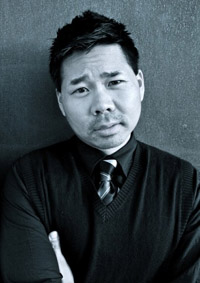
In fact, Gary first connected with the lead of this film, Christina Rose, 4 or 5 years ago through NYCastings for a web commercial. “We never worked together but we kept in contact and three years later I emailed her about an audition,” says Gary. “I met a lot of great people through NYCastings that I still work with today.”

Over the years, Gary King’s work as a contemporary DIY American filmmaker has earned him a reputation for powerful performances with an emphasis on a strong, visual style. He has written, directed and produced several critically acclaimed feature films including NEW YORK LATELY which has been hailed by The Independent Critic as a remarkable achievement and Row Three as a beautiful film making its Top Ten Films of 2009 List.

Here is an exclusive glimpse into how Gary King creates his films…

Q & A with Writer, Director Gary King

Q: Tell us about your process of making called HOW DO YOU WRITE A JOE SCHERMANN SONG, from the production side.

I knew it was going to be a musical and that the scope was going to be larger than my normal type of film so I talked to a few people about viable ways to raise money. There is the traditional way where you find investors or self finance through credit cards. But I learned about Kickstarter and crowd funding through other projects and thought it could be a good way to raise money for the musical. I shot my previous film for $3,000, but for this one we needed to record vocals and dancing. We needed to pay more in order to hire the people for the film and pre-production work.

For the first round on Kickstarter, we raised 31k for the production. All together we raised close to 50k.

Q: How did you raise so much money?

Many films raise a lot of money because they have a name attached to it. They are by a Sundance filmmaker or have a Colin Hanks in the film. We were really proud that although there is no “famous” person in our musical, we have a great fan following and community that believes in us. To raise money like this, we had to foster relationships for years before we even tried.

Q: How do start fostering those relationships?

A lot of different ways. I have other films that I’ve done. Before this musical, I directed two of my own films and was hired for two others. All of those films have different fan pages. I am also active on Facebook, Twitter and my blog. I don’t know the magical formula but I am grateful to have a lot of people believe in me. I think it has to do with being accessible.

One of the coolest things that happened was near the end of the second campaign. I met industry producer Ted Hope and filmmaker Lance Weiler who both donated to the campaign and tweeted about it for me. That brought people in. When someone of that level supports you, other people think your project must be solid.

Q: Speaking of solid, your Kickstarter pitch video is engaging and professional. Do you think that helped raise funds?

With Kick starter, there are two ways to use the site. You can get an invite from someone who already used the site or apply and get accepted. It usually has to be an artist related project that has a finite ending to it. Once you are on the site, you don’t have to have a pitch video but I think it is the most compelling part. You get to meet the person behind the project, see their passion and really believe in it. That kind of video can be done with just a cheap camera as long as you have passion to shine through.

For my pitch videos, I had actual clips from the film to show people that their money in the first round of fundraising was put to use. If you show some of your work, people will see you have quality and they won’t think they are wasting money.

Q: On your site, you mention that HOW DO YOU WRITE A JOE SCHERMANN SONG, “will not be your typical song and dance musical.” – Was it important to stress that point when raising money for the film?

It was extremely important because I didn’t want people to think I was recycling a story or musical. I do say when people question the tone that it is ONE meets ALL THAT JAZZ. It is a drama with song numbers that make sense when they happen.

Q: Other than Kickstarter, how did you raise money?

We did have some executive producers that came on board because they saw the Kickstarter campaign. These were people that I met at a film festival in Wisconsin. I went there with my first film, NY Lately. It’s important to go to festivals with your film no matter the size of the festival so people get to know you.

Q: To help people get to know you, your website offers amazing photo stills, videos, links, a running Twitter feed so much more! Did it take a lot of time and money.

There is a lot of work that goes into it, mainly on the programming side. Some themes I buy for $20 or so, but you can get free plug in themes. I did the content and had someone program the layout, fill in the content, the posters, the images, the videos – that kind of stuff. The only expense is time because it takes a lot of time to do it. If you are connected to a programmer, they can help you for nothing and eventually you will return the favor for them. I did not have to pay out an arm and a leg.

Q: What is the biggest advice you have about scoring funds for films?

First of all, I would say to make the film however you can. Once you know the level of money you have, you can set the scope of how big you can go. As I said, my previous film shot for 3k. If you are passionate about your project, and have friends who believe in you, you can get them on board. Make a project that people will be proud of and you can get people to help. But don’t think it’s too expensive because once you start doing it people will get on that train with you.

Q: Any advice for approaching people about that FREE help?

For me, what I think helped was that I made two short films before I made my feature. For those short films you aren’t asking for a lot of commitment. You can build and foster relationships that way. You can find who you really get along with, make friends and those are the people you bring along to features. The people that I’ve kept in contact with would jump to help me. It goes back to making those types of connections and friendships so you aren’t asking strangers to do things for you. You are asking your skilled friends, people who are know how to use equipment, actors, anyone in the industry who is talented. Those are the people you call in favors from and, of course, when they need help you jump to go help them out.

Q: What did you learn from this musical drama?

We are not fully done yet and this is my first time that I am scoring with a live orchestra, so this is a new learning lesson for me.

In terms of production, for this project we shot the entire film over 32 shooting days and had 4 crew people. I learned that a 4 person crew can make a film. After working on other projects, I learned where to scale back and where not to. I realized that you don’t need 20 people if you know what you need and are not being the glory, “I want to be the director and everyone else works for me” type of person. If you are willing to get your hands dirty, you can make it without 20 people as long as you bring together a skilled team.

On my very first short film, I hired every department to do things because I didn’t go to film school. The short was my film school. I wanted to see all the departments and learn. But the best way to see what every department does is to PA or intern on a bigger set. That way you can see what you like or don’t like. Then, when you make your own movie you can bring in what you like.

THANKS GARY KING – NYCastings likes your advice!

For more information on HOW DO YOU WRITE A JOE SCHERMANN SONG and Gary King visit http://www.joeschermannsong.com/

getacuecopy

Looming in front of you, that giant white poster board holds the copy for your commercial audition. The magical words you’ll need to convey with both accuracy and honesty.

Don’t worry!

Renowned commercial casting director – Joan Lynn – breaks down the whole process for you…

Joan Lynn is a powerhouse in the commercial casting world with over 28 years of experience casting commercials for major National Advertisers including Disney, McDonald’s, Milk, Home Depot, Children’s Motrin, Kraft Cheese, GE, Subway, Cheerios, Dentyne Ice, Pizza Hut and many more.

Most importantly, Joan Lynn believes in helping actors have the best audition possible. Hence, she offered to help NYCastings members with her commercial audition insight.

Cue to Cue with Joan Lynn of Joan Lynn Casting

Q: What is the best way read commercial copy off a cue card and take direction?

As far a cue cards go, every casting director has different printing. I am left handed so I always have a good assistant that can print big and neat for the actors because I feel that’s important. If an actor comes into the room and the cue cards are tiny and they are squinting, it is going to ruin their performance. They will worry about how they are coming off.

Also, I tell actors, when you go into a room and first see the cue card don’t be afraid to ask the casting director to move it closer to the camera or to you. This is your one minute to shine.

Q: Any advice on going off the cue card and improvising?

A lot of times the advertising agency writers like to hear their words. They don’t want you to go off copy. But each commercial I cast is different. Sometimes, they will say it’s ok for the actor to improvise a little. And at certain points, the copy must be read exactly. Especially, for pharmaceuticals. Every casting director should give information ahead of time to the actor about what they are looking for. When my actors come into the room, I have spoken to the director or ad agency producer, and know what they are looking for so I will give that direction. You have to ask the casting director, if they do not bring it up.

Q: Advice on looking at the camera versus the cue card?

First of all, I have rehearsals. I don’t just have actors come into the room and do it. I really care about the auditioning process and who I bring in. I give an actor every opportunity, before I tape, to make them feel comfortable so they can get used to the cue card. I ask if they want the cue card closer and am always very courteous. I love actors and want to help them. I also feel that anyone I bring in is an extension to my resume. I want everyone to do a good job.

Q: What happens if an actor loses their place?

Every job is so different. Sometimes there is a lot of copy and sometimes just a few lines. If there is a lot of copy, the clients are more understanding. If you missed a line on a cue card, you can improvise and catch up with the next line, then read it. They can tell within the first couple of lines anyway, if the person is right for their commercial.

For me, personally, I will stop the tape if the actor gets flustered. If they lose their concentration, it doesn’t look good when we post to the director and ad agency people.

Q: What about memorizing versus relying on the cue card?

When actors go to the auditions and see that there is copy, it’s not good to overly memorize it because it has to come off fresh, as if you are saying it for the first time.


Q: What should actors do with the 2nd take?

If not given any direction, ask! With me, I am in the room. You get me from soup to nuts. I don’t have a taper. I direct everyone, tape them and take notes. Some of my clients ask for my notes and some don’t, it depends on the director.

Q: As a casting director, what is the biggest mistake an actor can make in your audition room?

When they come into the room, they should be prepared. I don’t like when people are very late and they say, “Ok, I’m ready” and then they come in and didn’t realize there was a lot of copy because they didn’t time to look at it outside. Also, I like people to be on time because if they are late, I run behind and I don’t like to keep actors waiting. It’s best to get there early and prepare. When you see that there is copy, don’t sign it. Take it, disappear and then come back three minutes before the appointment because we usually have to take a digital picture and have the actor fill out a size card.

Also, actors should know their sizes… hat size, shoe size, waist size, dress size, etc. And be truthful about your sizes, especially for women.

Q: Cue to cue, in the room – what is the best way for an actor to enter and leave?

The thing that I don’t like is shaking hands because I see a lot of people. How much of that anti germ stuff can you put on your hands?! And, a pet peeve is in call backs – when there are a lot of clients in the room, don’t shake hands. Come in and the casting director will show you where to stand, or the director in a call back.

Also, let’s say they are just doing one take. Several hours later an actor will come back to me and say, “I thought about it and didn’t like that take. Can we do it again?” And no, you can’t, because it is on the DVD already and I can’t erase it.

Just say thank you and hopefully it was a pleasant experience.

Q: Can an actor pick up any cues of how well they did, after the read? From your reaction? Anything you say afterward?

No. It is not up to me, I am just the first part of the process. I am step one. It is up to the ad agency and the director. And if there is a call back, I’d consider it a gift. It is a gift for actors, it shows they are doing something right.

Thank you to Joan Lynn for cueing us in!

roadie

Dreams can take you on a magical journey, or they can take their toll on you.

This truth takes center stage in a film called Roadie, co-written by brothers Michael and Gerald Cuesta. The film shot locally in New York and just played at The Tribeca Film Festival. The cast also stars Ron Eldard, Bobby Cannavale, Jill Hennessy and David Margulies.

In Roadie, Jimmy Testagross (ER’s Ron Eldard) has lived his childhood dream: being a roadie for his childhood heroes, Blue Oyster Cult. But the band’s Arena-Rock glory days are a distant memory.

The question arises… What do you do when your dream hits a roadblock? Do you keep going? Or give up?

To find out, NYCastings got exclusive insight from the director and lead actor.

Director Michael Cuesta also directed L.I.E. and episodes of Blue Bloods, True Blood, Dexter, Homeland, and Six Feet Under.

Actor Ron Eldard, a former golden gloves boxer, found success on stage, television (ER) and in feature films.

Here is what Michael and Ron have to say about following your dreams and that winding road to film making magic…

Q & A with Michael Cuesta and Ron Eldard

Q: On this filmmaking journey, what is the most important thing you learned?

Michael: You learn something new every time you work with a new cast and make a film. On this one, I learned to trust the material my brother and I scripted. It came together relatively quickly and there were times that I wanted to try something else and Ron said “what are you doing? Why are you fixing it when it’s not broken?” He asked to try it first before I changed it.

Ron: Michael co-wrote something great. Often an actor tries to figure out how to make the writing work. Can we change this? Bridge this? For the complete piece, I wanted to just say his words. Even in really good films there is major re-writing on the set. It’s a living, breathing thing that changes, it’s a collaboration. But on this film, it was a pleasure to speak these words. It worked.

Q: Tell us about the cast, the people who took this trip with you?
Michael: A lot of the directing was in the casting. Once I decided to work with Ron, three quarters of the work was done. I am an actor’s director, I come from visuals and am a visual thinker. I have no training in theatre or how to direct actors but think if you cast well you can then get out of the way. On this one I did a lot of that. Ron was always in the character, we talked about things and tried new things and rehearsed, but then I got out of the way.

Q: When is it good to ‘pack’ light, to not overload?

Michael: There are times when you can sit down and over talk the character too much. The more I make films, the more I learn to just play it. Some actors may hate that and want to know what I’m looking for. Some love that. I just did a project where we did over talk it. It came out great but I remember sitting in the room thinking, ‘This is too much, let’s just start doing it.”

Q: On the road to making a film, how important is it to be real and realistic?

Ron: Michael said something to me when we first met. He said, “I really want this to not be acted. He said I want this to feel like it’s just life. I want people to confuse it with real life.”

Michael: Because this movie takes its time, not a lot happens and its really intimate, I was nervous that I was relying so much on dialogue. I was afraid because it’s the least visual movie I’ve made. But in a way it is one of the more visual movies because of the power of the close up. We shot for a long time in Ron’s eyes. I learned the power of the close-up on this one. My other films were more schematic and incident based.

Q: How do you create magic and carry it throughout the filmmaking process?

Ron: I think you can train all you like, I am a trained actor, but you can’t train for magic. It doesn’t work that way. In Laurence Olivier’s autobiography, he would say the magic comes when it comes. I’ll do Hamlet eight show a week and am lucky if in one or two of them I get magic. The rest is craft. This movie had tons of magic and there are magical actors in it. These are people who gave it up. Also, we had a script and a crew that were magic. It starts with you writing something that has magic in it and then you get people who believe in it with skill.

Michael: As far as the filmmaking goes, putting it together is another part of the magic. The tone, the visuals, the editing, the way you cut it. Sometimes one of the things keeps it from being completely magical. Whatever it is, it doesn’t all line up. That is where it becomes filmmaking. You hope that in that scene where Ron is singing in the hotel room that he’ll lose himself and he did. That was the first time when I was shooting that I became a pure spectator. I couldn’t see through the frame. I held the camera on him, hoping it would stay framed.

Ron: I love sports and grew up athletic. Magic happens in sports only when it is done after a million hours of training so that when we are suddenly in a fight, in the game and the pressure is on you are able to just relax and let it happen. Magic comes from instinct, what we know and trust. People ask “How did you do that?” and I don’t know. I just did it. It comes from sensibility, it’s what defines you. It comes from how you see the world.

Michael: And creating magic in film is even harder because it’s such a collaborative thing. I’ve done movies where I knew there was something magical but when I saw the film either the editing wasn’t there or the lighting. It’s not just saying action and cut, you need real filmmaking. In the scene where Ron walks home, we had the camera over his shoulder and just followed him. We caught the shot right. Even choosing that house, that was right.

Q: What is it like to film, on the streets you grew up on?

Ron: I grew up in Queens and several of the places where we shot were ten minutes walking distance to where I lived. Some of that, if you can be present for it, you don’t have to do much. Film, on the camera, is a different thing than stage. I love stage but it is a different thing. There are great stage actors who are no good on film. And there are great film actors who have no clue what to do on the stage. Cameras do a lot of work for you. It’s mostly just relax. Camera’s don’t lie, you just have to let them in.

Q: How do you handle the ghosts along the way, the less likeable sides of a character you play?

Ron: I would not play a character without dignity, even the worst human being. I’ve played people who do terrible things but there has to be a moment, a flash, where that person has a redeeming amount of humanity. This guy can lie, be a joke, mess up, be a dreamer and its ok. Everyone is that. Everyone is a mess up. Everyone knows what it feels like to be a loser. Everyone has dreams that didn’t work at any age. I had the same feelings when I was ten or eight. I remember moments through my whole life when I thought time was slipping by that it wasn’t going to happen.

Q: Did you hit any roadblocks on your acting path?

Ron: When I was a kid in acting school, I didn’t know anything about acting, I thought I was going to be an athlete. I looked around and saw there were no blonde actors who were great actors. There were blonde movie stars, but what about great actors? And then I saw Gérard Depardieu and he was a great actor and I thought, “Oh you can be blonde and be a great actor, now I can be serious.” It really mattered to me. I thought I’d have to dye my hair.

Another funny thing is I did comedy and stand up. I thought it took great balls to be a comic and so tried it. In school, everyone then thought I could only do comedy. I knew I had to show them I could do other things. Funny enough, now more often than not people think I can only do dark things. Although, I am very comfortable with comedy. Now I’m like, “What do you mean you don’t think I’m funny?” It’s all those things you have to overcome.

Q: How important are all the other actors on the street / in the room with you?

Ron: I always, in watching movies, notice the background because I can tell when they are not doing a great job and looked stagey. They make and break scenes in a very major way. They are real important and when I’m on set they have to be in the scene with me. Unfortunately, they are often treated poorly, like children. Barry Levinson, when I worked with him, he was the opposite. He would talk to the background and tell them what the film was about and what he needed.

Q: What advice would you give to actors, to take with them on their journey?

Ron: I think you have to be honest about what your dream really is. To quote Stanislavsky, “Love the artist in yourself, not yourself in the arts.”

For me, many actors want to be stars to be famous celebrities. That’s fine. There is nothing wrong with that. But it is a very different skill set than being an artist. There are very successful celebrity stars and if you watch them you can tell they wanted to be starts their entire life. What they did to get there has very little to do with acting, most of the time.

The most important thing with your dream is to be honest about it. If you have problems in your life, get real. Most people I’ve been around do not succeed because they have an addiction of some sort – drugs, love, food, alcohol, fame. Then, when the dream comes they lose it because of all that. Be honest with yourself, because that is really the only person you get to deal with. Take care of your life. Take care of your life!

For more information on ROADIE visit, www.roadiemovie.com/


reelservicesstorycopy

Ask yourself… Do you want, need, hope that a casting director will see your work? An agent? A manager?

“With Reel Services, a casting director can be looking at you, within moments,” shares Angelita Ali – Senior Editor/ Producer/Camerawoman for “REEL SERVICES” in New York City.

“Having a reel will directly increase an actor’s chance of getting work. Without one, it may appear as if you have never worked on screen or on a set. Many actors think a head shot and a resume will do the trick but a photo can only show so much.”

“Having a reel, a video and audio representation of you, is the single greatest way to showcase your talent when you can’t be there in person.”

Wondering… How do I get started?

Q&A with Angelita Ali of Reel Services

Q: Why is it important to get your reel done by a professional?

There are so many do’s and don’ts involved in creating a great reel. Anyone can buy an editing software and TRY to make a reel, but what you need is to create a successful reel that will bring you results. This is why it’s best to find an expert editor who understands the field of acting. The editor needs to know how to cut and combine your scenes without taking away from your performance.

For Instance, say you have one minute to dazzle a casting director with your acting, you better make sure the first few minutes of your reel does just that — or there goes your chance. You need to start marketing yourself in a way that will get you hired.

Q: How long should a reel be – max/min?

An ideal reel is no more than 3-4 minutes. That’s more than enough time to show them what you’re capable of doing.

Think of it like this, the definition of the word “Demo” is the shorter version of something. I know you may be head over heels with your one hour monologue performance, but don’t even think of putting the whole thing on your reel. I’ve heard casting directors claim that they would rather see 30 secs of the best monologue you have ever done than a 5 minute reel full of variety. The shorter the better.

Q: How many clips of work do I need for my reel?

You can have as many as you would like, depending how long each scene/commercial is (ideally 3-4 scenes). We will help you eliminate choices and bring your most amazing moments to the screen.

Q: What type of files do you need?

VHS, DVD’s, Mini Dv’s-, etc— we can convert all footage. (Even if your video is online, we can capture it for you!)

Q: Do you mix commercial and legit scenes on one reel?

Normally, you would keep a commercial reel separate from a legit reel. You don’t want any distractions when jumping from clip to clip, it can hurt the flow of your reel and distract from your performance. Plus, you have to make sure your reel is in the correct order if you do have both commercial and legit on it. Why would you want a legit casting director sit through your commercials?

Q: What if I don’t have a hard copy of my scene, just a link to it online?

No worries, we can capture the footage and convert it into a format usable for your reel. Even if you just want to capture work that you did online for your own personal files, not for a reel, we can capture it before anyone deletes it online and convert the file for you to keep.

Q: What if some of my scenes appear really dark or have low sound, can you fix that?

We do all our editing with Final Cut Pro”, this professional software provides us with tons of capability to adjust lighting and add color correction/brightness to your footage, so your scenes may be savable.

Q: Should I include work from classes I’ve taken that get filmed?

Depends on the quality of the footage and performance. Like I mentioned before, a casting director would rather see the best 30 secs of a scene, so if you happen to capture that in an acting class, you can use it. The whole point is to show them what you can do. PERIOD.

Q: Are college short films good to include?

The quality of these student films keep getting better and better. I used a student film in a clients reel because it looked like a full budget movie. The clarity and the way it was shot was amazing. It’s worth doing these short films because it gives you footage for a reel, experience on set and it shows that you can work in a professional environment even though you may not get paid for it.

Q: How do you decide the order for the reel?

The first rule of building a demo tape is to make the first clip the best one. If you’ve got something brilliant on your reel, you have to lead with it. I always sit with the client and help pick out the scenes that show them at their best. We make the decisions together.

Q: How do you decide where to cut a scene?

The whole point of editing your scenes is to cut out other actors and make you the center of attention. You don’t want someone else stealing your shine on your reel. You need to eliminate back and forth convo’s to where it’s only you the casting director will see, while keeping the essence of what’s happening in the moment. It’s editing like this that makes it necessary to have someone with experience about cutting scenes together to tell a story. You have to know how to edit. You need to make sense of what’s going on. I have chopped people out of scenes, without losing the momentum. You have to have a good eye for these things and a sense of order.

Q: Can you edit a scene to make my part more prominent?

Of course, the whole point of a real is to make you stand out. To cut the other actors and you become the main focus. I make you the star of your reel!

Q: Should I have my picture in the beginning and end? If so, the same picture or two different ones?

A professional head shot in the beginning of your reel is usually the way to go. It’s a good first impression, but the photo in the beginning will only be on screen for about 3 secs. It wouldn’t take up much space on your reel. The closing photo can stay a bit longer if you choose to add contact information onto your reel. You can choose two separate photos. The opening head shot should be like a greeting, a very welcoming image. You can choose to close with a different look, maybe something more business oriented or sexy showing a different side of yourself.

Q: Should I put a montage of pictures in the reel, or just scenes / work that I’ve done?

If your main focus is acting and you have enough to work with, you do not need the photos. It depends on what purpose you are trying to fulfill with your reel. The only time you should add a montage is if you are trying to get an agent with your reel. Agents would want to see all your looks and that’s where the montage of photos would come in handy. Some people have done great Modeling Ads and want to incorporate the doctor, fireman, pilot or office look into their reel. This is filler stuff and can work if done the right way. However, a montage is not recommended for acting reels. Reel Services has worked on all types of reels for different types of artist such as choreographers, stuntman and hosting reels – these reels are the ones that would include music and photos to create more of a theatrical look.

Q: Do you also do Voice-Over Reels?


Yes, we record and edit voice overs right in our studio. We also do audition tapings and actors introduction reels. Reel Services specializes in creating high quality video & audio materials for professionals in the entertainment business.

Q: What is the cost to get a reel done, are there any hidden extra fees?

The starting price of a reel is $250.

A basic package includes:

· Editing 4 clips.

· 2 hours of editing time – searching through your work, selecting scenes and editing them together.

· 1 DVD with a menu and the QuickTime version of your reel – so you can burn your own DVD copies after that.

· We also provide a web formatted file so you can upload your reel onto websites or email them out.

I always make sure my actor knows what they need and how much it will cost them. I never throw curve balls or hidden fees. The price you agree to will be what you are paying once your reel is complete.

Q: What if I want to edit something in a couple of months?

Your reel is stored onto a hard drive. This allows you to come back in a few months or so an update it with new footage you may have .

Q: Do I get copies? How many?

You walk away with whatever package you choose. We do offer to burn you additional DVD copies if you need.

Q: Once my reel is done, how do I get it online at NYCastings?

We can upload it for you right on the spot. Just log you in and add it to your resume page.

Q: How do I put it online, on my website?

We will provide you with the web formatted file needed according to your website requirements, or we can do it for you.


Q: How do I get started, on your schedule? And how long does it take until my reel is ready?


The turnaround time for a demo reel is 48 hours. I have a very flexible schedule that will be suitable to actors who are working parents or have busy schedules themselves. Just give me a call at 212.219.3339 x3, and we can definitely work around your schedule. I stay later in the evenings and have come in on weekends to assist actors with tapings or editing of a reel.

For more information on Reel Services or to see demos, please visit http://www.ReelServicesNY.com


Angelita Ali received her Bachelor’s of Arts in Media Arts in May 2009. Experience has been the key to her success and growth. She broke away from the traditional classroom setting by working hands-on in a network-quality multi-million dollar studio during her four years of high school. Following graduation from the Media Arts High Tech Program she landed a six-year stay with Jersey City’s award winning channel, JC1TV. In 2004 Ali was honored by Teen People Magazine for being one of the 21 Teens who will “Change the World”, and landed a spread in an April issue along with other teens including celebrities Raven Simone and Jesse McCartney. The event credited her efforts towards stopping school violence for Pax’s “Speak Up” Campaign.

During the summer of 2008, Ali also worked as a production Intern for Cablevision Advertising Sales in Hoboken, N.J., where she helped produce 30-second commercials for national broadcast. She currently runs “Reel Services” in NYC under the supervision of Aaron Seals. Working in all aspects of video production (including scripting, producing, directing, editing, and filming) has fueled her interest to further pursue this career path. 


askalawyer

Pen in hand, you are about to sign a contract for your latest acting gig as so many questions pop into your head… 


Is this contract worded fairly? How will my image be used, exactly? Should I really sign away the rights to ‘everything in the universe known or not known’ because that wording sounds kind of crazy to me!


Indeed, signing a contract can be both nerve-racking and intimidating to many actors, especially those without union, legal or agent/manager representation. So, NYCastings sought help from one of our own – Attorney and Actor Robert Sciglimpaglia.


Robert Sciglimpaglia knows the ins and outs of both law and entertainment. After graduating from Pace University School of Law, Robert passed the Connecticut, New York and Pennsylvania bar exams on his first attempt. Currently, Robert works as a practicing attorney, as well as an actor and accomplished voice over artist. He even hosted a radio show called, “Ask the Lawyer.”


We did ask – and Robert answered! 


Legal guidance from Robert Sciglimpaglia:


Q: For Non-Union contracts, what key words/phrases should an actor look out for to protect themselves?


This is a tough one because most of the time Contracts that are signed by Actors are one sided in favor of the Producer, so there are a couple of things I would look out for, 1) Any clause that says the work can be used in perpetuity for any purpose, should try to be limited, ie, to non pornography or other areas that an actor may want limited.  2) I would like to see a hold harmless clause put in there to protect the ACTOR, meaning it should say that the Producer will hold the Actor harmless for any lawsuits brought against the actor as a result of the production.  I have seen hold harmless clauses where the ACTOR agrees to hold the PRODUCERS harmless, including paying the Producers attorneys fees!  This clause should definitely be stricken by the Actor.


Q:  Are there any terms that specifically could limit an actor’s future work?


In commercial contracts, it is standard practice that you can’t work for a competitor’s product as it is considered a conflict.  So, I would try to put a time or geographic limit on these clauses in the contracts so a non union actor is not FOREVER barred from acting in a competitors commercial, for instance, Coke vs. Pepsi.  If you do a local Coke Commercial, I would say something like the actor is only barred from acting in a Pepsi commercial in the same area where the actor’s spot is running, and for the time period the spot is running.


Q: Do non-union actors have the right to ask for more payment if the project will end up being in many more mediums than originally expected? (i.e.: the post said industrial but the paper work says industrial, print, web, etc.)


That needs to be spelled out in the contract, and it SHOULD be addressed by the actor where if, suddenly, say a Spec Commercial (which would be considered an industrial) becomes nationally broadcast, the actor has the right to be paid broadcast rates when it starts airing.  If it is a buy out in the contract, where the actor is being paid once and bought out then the producers have the right to use that recording for any purpose in the future.


Q: Often, contracts have a clause such as “everything known and unknown in the universe” – why do companies include this? 


This is more common now with technology emerging, like the internet, Netflix, the Ipad, etc.  Producers want the right to play the pieces on all of these new media outlets.  An actor can certainly negotiate for limits to the media the piece will run, and for additional compensation for future media.


Can/should an actor do anything about it?


 Yes, if the work is a buy out.  The actor needs to specify that future uses of the work, in whole or in part, need to be compensated, or the Producers will have the right to use them forever.


Q:  What clause could an actress/actor add to a contract that contains partial/full nudity or simulated sex to be protected at the same level that SAG people are protected?


The SAG language is perfect to put in the non union contracts, where actual sex is not allowed, the sets need to be closed, etc.  I would just use that same clause and insert it into the Non Union contract because it exists to protect actors from these situations.


Q:  How can an actor better protect themselves when agreeing to partial/full nudity or simulated sex issues (i.e. make sure that it cannot be used on the Internet, that no one is taping or taking pictures, etc?)


Again, like any other contract that is bought out, it is up to the actor to make sure that the contract specifically spells out how that piece will be used, or else the producers will be able to use it for any purpose.


Q:  If an actor discovers their project in use for something beyond what the contract allows – what can a non-union actor do?


If it is spelled out in the contract what the uses are for the piece, and the producers breach that clause, an actor has the right to sue to recover damages.


Q:  Are there inexpensive ways for actors to get solid law advice on contracts?


Unions, of course, provide legal services to their members.  Volunteer Lawyers for the Arts vlany.org, is a great organization that helps starving artists, and there are attorneys out there that know what actors go through, (including me, since I am one), that charge very reasonable rates to review contracts.  


Q: As a lawyer and an actor – are there any contract challenges that you’ve come across that you want to share with other actors, to help them avoid it?


There was one time when I went to a non union audition and the producer requested that I sign a talent release that basically said the producer had the right to use my audition for any purpose, including on the internet, etc.  I refused to sign, so they said I could not audition unless I signed, so I left.  That is ridiculous.  You should NOT have to sign a talent release until you actually do the job.  I have had times where the producers had me sign a release saying I agreed to be filmed at an audition and the recording would be shared with the producers in the audition process, and that if I got the job, the tape could be released.  That is fairly normal release to sign at an audition, but a full talent release giving them full rights to your audition was very fishy to me.  It was a sign that the producers did not know what they were doing, or they were trying to rip me off.  Either way, I pass.  No actor should be so desperate that they lose their morals or common sense.


THANK YOU Robert for your time and insight! 


For more information on Robert Sciglimpaglia visit http://www.robpaglia.com/ or become a Facebook Fan at: www.facebook.com/pages/Robert-Sciglimpaglia/127812936384


filmfinancing copy

Start spreading the news…

“There has never been a better time to make and produce independent films in New York and elsewhere,” says Steven Beer, a counsel to numerous award-winning writers, directors and producers.

Steven Beer shared these inspiring words at The New York Lounge during Sundance 2011, where he co-sponsored daily panel discussions along with The Governor’s Office for Motion Picture & Television Development .

In 2011, over ten New York films played at Sundance. These films got made because New York has a “great community of people who are excited to be involved in innovative, groundbreaking work.”

So, how do YOU get your film on a path to Sundance and the coveted box office?

“It’s a bit of a dance,” says Steven Beer. “The biggest question is in setting up a financial package. How do I get the talent if I don’t have money? And how do I get money if I don’t have talent?”

To help answer this question about finance and packaging, here are some tips from New York experts…

LIVE from The New York Lounge, Park City Utah!

Advice from a New York Producer…

When it comes to making films in New York, the cost can be much lower than you expect!

“We shot Martha Marcy May Marlene (A 2011 Sundance film) in upstate New York and when people find out the cost they say, “How come everyone can’t make films then?” says Rose Ganguzza, executive producer of many features, including The Guitar, Afterschool, Margin Call, and The Romantics.

“We had this amazing cast; John Hawkes, Sarah Paulson, Hugh Dancy. We put them up in a rundown farm in Upstate New York for seven weeks and they had such a great time.”

“All of the films that I’ve done have had superb casts,” shares Rose. “I find that our attitude in New York is a lot different and our talent pool is a lot different. Our talent pool includes people who really love their craft and the process of doing new things; people who love stories and are willing to put themselves out there at scale to do good material.”

To get strong talent, “I think one of the best dollars you can spend in the beginning of the process is with a casting director,” shares Rose Ganguzza . “Every director should create a relationship with a casting director who they have synergy with. It is very important to let professionals help you.”

Getting high caliber talent can be vital for financing.

“A lot of the money you put together on the film, or at least a third of it, comes against money for foreign rights and foreign rights are almost exclusively driven by talent.”

Once you secure talent for the film, to keep costs down “you have to be very economic in scheduling their time,” says Rose. “Make sure that you and the director are working closely together to keep their days to a minimum.”

Minimalistic methods help at every level.

As a producer, when Rose Ganguzza reviews a script she, immediately reads the lines to see all the things she can get for free or barter.

“There is another element in what we do as producers,” says Rose. “We use brands in a direct barter. That goes for everything from the art department, to costume, to transportation, to where you put the actors up.”

“There are more and more film friendly people than you can imagine and what I call multinational brands who are actually putting the money up against equity in the film for promotional reasons. “

They bottom line to saving money is, “to be very resourceful.”

Advice from a New York Casting Director…

Casting Directors can help organize your film, for better financing and packaging!

“As soon as you have your script ready to go out, you should come to me right away,” says Adrienne Stern, a casting director known for working closely with Directors and Producers to secure the types of casts that open doors to major film festivals and distribution packages.

“Even if you don’t have other elements in place in terms of financing or attorneys, there are often missing pieces that I can help with.”

“The first thing I will say to any filmmaker, is that we need to be very organized,” shares Adrienne Stern.

“Who are the managers of the project? The executive producer? The producer or people we can pull form and have a discussion with? Who is the director of photography in your film?”

” A lot of filmmakers forget that the actors, especially if you are a first time director, will ask, ‘Who is shooting the film?’ There has to be a confidence level. If you are a director and there is good information about you on IMDB, you better make sure that the information is available for an actor to look at. They will read your script and look for you on IMDB.”

Also, “I am a big believer in putting a website together for your film, just for that film. Have your reel on your website. The more professional you look, the easier it will be for me to go out and attach talent for you.”

“I have to work with you as a team,” says Adrienne Stern. “We have to figure out what our game plan is and what kind of talent we want. A lot of people will come to me and say we have X actor attached to play the lead role and I will then say to them, ‘Well, is this going to help us raise money?’ We may have to re-evaluate. Are you are going to find the talent you want based on the talent you have already attached?”

“If you put the money together yourself, then have the dream cast you want. But if you are looking to get to that next level, you will need to finance the film through other equity, you will need producers to come on board and will need to look at your script and direct your script and see where you can put in name actors. “

For example, “I worked on a film where there were three female leads and I said for them to combine two of the characters into one because two of the roles just were not big enough to go after name actors. They did that and it worked.”

“You have to dissect your script and say, ‘Here is a place where we have this great character. I want a familiar face, but is there enough for them to do?'”

“You also have to figure out when you are going to shoot your film.”

“A lot of people come to me and they are ready to shoot their film in March/April, hopeful that they are going to get this great cast. But they are not going to, because it’s pilot season that you are competing against along with major studios and great filmmakers who want to make their films for the Sundance deadline. If I were producing a film, I would shoot my film in the fall because that’s when actors have already done their other projects. They are finished with television and are ready to go out there and look for that film that is under one million. You have a window of August through December. That is something to think about when you go out to make your film.”

Advice from a New York Production Lawyer…

Creating a film requires a strong formula!
“The most important element in making the project and getting money – is credibility,” says Jonathan Gray – A practicing attorney since 1990 and a dedicated advocate for emerging and established directors, producers, production companies, screenwriters, investors and distributors in film, television and other media.

“As a production lawyer, we work on 35 to 40 films a year, there has to be some structure where the money makes sense. “

“If you are making a $7,000 film, it is much different than if you are making a $7million film in terms of structure. You can’t make a 7 million film without a strong formula.”

As a part of this strong formula, “it is very important to have a cast and at the same time I am getting calls from the lawyers and managers saying, ‘is this real?'” shares Jonathan Gray. “Many times, you have someone attached to a project, you make an offer to Justin Timberlake, but in the legal world you cannot make an offer unless you can back it up. So that bottom line is subject to financing, subject to meeting the director.”

“If you go out there and are able to finance a film, if the talent is available and you have a start date – you can create a model where it makes sense for the actor. You can create a structure where the talent has a participation that is equitable, where they are investors in the film.”

“We have 18 films at Sundance this year and a lot of them are 1/2 million, million dollar films because they are good films, good product that attracts the talent. It attracts the DPs and casting directors and all these elements that come together to make money.”

“Preserving credibility is essential,” says Jonathan. “Be up front. Be transparent and create a model that is equitable, where people who are giving their blood and their time have a piece of the upside. There is a way to structure that, I promise you.”

Advice from the CEO of IndieGoGo…

http://www.indiegogo.com/

If you put in the work – you can have a good result!

“I think film is one of the most active communities in fundraising. People are raising 5k, 10k, 75k – it’s really as much as you want to try and raise,” says Slava Rubin, CEO and co-founder of IndieGoGo – the largest international funding platform – which provides anyone with passion the tools to fulfill their dreams and fund creative, entrepreneurial or cause campaigns.

“In terms of how the process works, Indie GoGo is an open platform where anyone is allowed to create any campaign they want. We believe that fundamentally supply should meet demand and have equal opportunity.”

“In terms of how it works is… you offer perks in return. So, there is a shift in the way people think. It is not just about transactions, it is about relationships. You are offering products, experiences, services discounts.”

“In the film world, what comes up are discounted DVDs, getting your name in the credits, getting to walk in the movie, getting to be at Sundance -whatever you want to do,” says Slava Rubin. “You engage the audience using the tools we provide. You try and get your own traction and we get millions of page views, so you get an opportunity to get strangers to look at your campaign.”

“Some campaigns do not get a dollar from a stranger; some get 90% from complete strangers. So the question is how you get the 90%. There are three things that a good campaign is based on… 1. Having a good pitch. 2 being pro-active. 3. Having an audience that cares.”

“The same applies for the analog world, this just happens to be for online.”

“A good pitch specifically means – you want to have a video that engages the audience, which is personal and not a trailer. 120% more money will come into a campaign with an engaging video. You want to have cool perks, cool copy and a realistic goal and deadline. Set it between 1 and 120 days. We see the best activity happening between 30-60 days.”

“The second thing is being pro-active. Use all the tools you have out there. Everyone knows about Facebook, Twitter, Widgets, etc. You need to push out to your community and you need to be pro-actively updating. You don’t just update your campaign and walk away; you have to continually give updates. People want to know what is going on.”

“The third is having an audience that cares,” says Slava. “First you need to tap into your own credibility; your own inner circle. They validate your campaign typically before a stranger will give $1. Typically if you get 30-40% of your goal, strangers will start getting money.”

AND – a final word from The New York Lounge sponsors…

New York has amazing incentive programs!

“For films made for under fifteen million, you can get 30% of your below the line budget as a refundable tax credit that will come to you as cash when you finish your production. It will be almost everything you do below the line,” shares Pat Swinney Kaufman, Executive Director of the New York State Governor’s Office for Motion Picture and Television Development.

“Our program is designed for narrative feature films, episodic television and the pilots that lead to it. It works for low budgets as well as huge mega budgets. You have to apply before you start filming for the incentive. Our office will help walk new filmmakers through the process.”

“For films that are under 15 million, you do have to shoot at least one day on a qualified stage in New York. You can go to www.nylovesfilm.com, to see a list of sites.”

“Unless you spend 3 million on that stage, you also have to do 75% of your location work within New York State, ” says Pat Swinney Kaufman.

For post-production breaks… “You have to do 75% of your qualified post production in New York.”

“You can get everything done in New York,” shares Pat. “Our post production is amazing. You can do all of your color correcting, special effects and editing in New York. If you do that as well, you get 30% on all your below the line from beginning to end.”

“Another way to save money is to shoot in Buffalo or Rochester or Hudson Valley.”

“Never underestimate the value of going somewhere where they still think it’s 1950 in their price structures,” says Pat Swinney Kaufman. “There are many ways to keep your budget tight.”

For more information on New York film financing and incentives visit www.nylovesfilm.com.

SAGAFTRA_logo

What a HUGE dilemma…

Do you join a union as soon as possible or when you have to?

Joining a union has many upsides – higher paying gigs, union protection and that much needed health insurance! Yet, joining also means turning down those smaller jobs that build both your resume and your bank account.

To help with this big decision, NYCastings asked some of our own top bookers to share their opinions.

But first – Let’s meet our fellow actors who worked a ton last year, thanks to NYCastings…

Seregon O’Dassey – AFTRA, Sag Eligible.

Seregon booked a ton of work through NYCastings in 2010, including commercials, web spots, print ads, industrials, live events, Anthony Bourdain’s “No Reservations” TV show, Damages, As the World Turns, Celebrity Ghost stories, White Collar and a Ricky Rude video-music video.

Eric Rizk – AFTRA

Eric landed roles on Blue Bloods, Spike TV, A Legal Mind, Benjamin – Dream of Mirrors, The Good Wife, Rescue Me and a pedestrian in a Tribeca Print Project.

Lauren SusanNon Union

In 2010, Lauren started working with Chic Models, booked a Germany’s Next Top Model Commercial, worked on Spike TV Weekend Pre-Game, Love In Zodiac, Law and Order CI, StarGazer a NYFA thesis project, The Nate Burkus Show (a Mad Men makeover fashion segment) and a Target pop up store event.

Do you find that more jobs are available for union or non-union?

SEREGON: It depends on the union. There are a myriad of AFTRA jobs but I see only background for SAG. As far as feature films go, I think a lot of them are going non union now because it’s less expensive.

ERIC: I think there are more jobs posted for Non-union. Agents tend to have access to the Union work.

LAUREN: I find that non union & union jobs are neck & neck for background work & U5 roles. Most film castings I see are usually indies & are non union. I feel agents have access to the most of the union work, because it is a higher value of work & usually needs grade A actors. I do however think that big productions are willing to audition unknown talent, but only through an agency.

Why did you join the union(s)? Or if you are not union – Why haven’t you joined the unions yet?

SEREGON: I joined AFTRA because I booked three daytime TV gigs within a few months of each other. I am SAG eligible, but I haven’t joined yet because I feel the fee is high, and I’m booked on three non union films so far this year. Since they’re all paying jobs I don’t want to lose them.

ERIC: I joined the union, when I was cast to work 3 days in a row on White Collar. I was Non-union at the time, and they were going to waiver me as AFTRA for the 3 days. You make significantly more money doing Union work, even if it is background. I believe if you are going to have a shot at making a living as an actor the main things that make that possible are getting residuals from commercial, film, or television projects. Most Non-Union work there is a one time buy out. I joined because I am interested in making a living as an actor. I am pursuing some voiceover and audiobook opportunities which fall under AFTRA contracts. In the meantime I do AFTRA background work to make some extra money. I am AFTRA, but Non-SAG. I have 2 SAG waivers however.

LAUREN: I am an AFTRA must join. I want to join but it is very expensive. AFTRA wants the money up front and I can’t afford it at this time. I know a lot of people in the same situation & it’s rough because since I am a “must join” I can’t submit to certain castings. I do hope to be a member by the end of this year.

What do you think are the benefits of joining / waiting?

SEREGON: I don’t think someone should join a union because they “can.” I think they should wait until they absolutely have to. Build up your resume, get your name out there, then join when you have a great gig that requires you to make that leap, because once you do you can’t go back. I see too many actors join Sag and then they complain because there isn’t any work.

ERIC: I think you should wait to join. Training is very important. The money you spend on union dues could better be spent that way. Also you want to do some bigger Non-union projects to put on your reel. I think if you have no training and run out and join both you will mainly get caught up into doing only Union background work. I think once you have established some work and training you should then consider joining. Think of it as the next step, and investing in your future.

LAUREN: I feel the benefits of joining the union is more pay(obviously) and more job opportunities. Most jobs have gone AFTRA and if you’re a must join, like myself, you really can’t work on anything until you join. I also feel when you list a union on your resume it does make you look a tad bit more professional. Don’t get me wrong, I know there are many non union talented people out there, but let’s face it – an agent prefers union talent & union jobs are usually better gigs.

Do you feel that you have missed out on jobs due to your current union status?

SEREGON: No, I don’t. In fact I’ve gotten jobs because I was only eligible. If I would’ve been union, I would have lost all three films I signed on to do.

ERIC: Sure I have missed out on some work due to union status. I miss out on some Non-union work, but nothing too major.

LAUREN: I don’t know if I have missed out on gigs because of my union status. I do not submit to a lot of AFTRA work just because I know if I get booked I have to join AFTRA that very day. I am not in a position to do that right now, so I don’t submit. With that being said, I guess I feel kind of limited with television work.

Do you think that you can earn back the costs of union dues?

SEREGON: Yes, if you submit constantly and hone in on your skill, study and take classes to improve and get yourself booked you can make quite a bit of money, but you have to be proactive. You can’t just join the union and then sit back and wait for the phone to ring. I think AFTRA is cost effective, but I don’t believe SAG is. They keep raising their fees and then wonder why actors are not joining. Who can afford to shell out $3000 in this economy?! If SAG allowed a payment plan the way AFTRA does, I think there would be more actors willing to pay to join.

ERIC: Yes you can earn the union due back fairly easily. Even if all you do is Union background work, you can earn it back pretty quickly. You just have to be reliable, have a good look, and a flexible schedule.

LAUREN: I do feel if I joined AFTRA I could earn my costs back. AFTRA has taken over many television shows this past year and more members are working. AFTRA is only about $1800 to join, which is not a lot of money. However, it is a lot to shell out of your pocket all at once. I do think by joining it is cost effective and a person can earn it back. Not to mention if you’re a member some acting schools, photographers and stores do give union members discounts for being a member. I feel there is a lot to gain.

Inconclusion…

SEREGON: I do believe unions can be useful in protecting actors and “sticking up for the little guy.” For example, even though I am only SAG eligible, I recently called them to report a casting that required actresses to have REAL SEX during the scene. They shut down the project. I’m very grateful to have them looking out for us.

ERIC: Unions definitely help actors. There are resources available for health care, schooling, and training that are available through Unions. Also if you earn enough you can qualify for medical benefits and even retirement. Plus Union work is usually the only work where an actor gets paid residual income for what they do. Most Non-union work there is only a one time buy out.

taxadvice copy

Working odd jobs, booking gigs and racking up so many necessary expenses… actors have a lot to figure out come tax season – so NYCastings is here to help you.

For example, did you know that you can deduct your yearly NYCastings membership! It’s true!

Acting is a business – hence why Walter Gowens, President and founder of Prudential Vanguard Financial Services, has a special focus on helping actors and artists.

Walter Gowens has more than 25 years of experience in accounting, finance, budgeting and investments. He is an Enrolled Agent, Certified Financial Planner, listed in Who’s Who In America and a member of the National Society of Accountants and National Society of Tax Professionals.

Most importantly – Walter Gowens has helpful tax answers.

An Actor Focused Q & A with Walter Gowens….

Q: What is better for an actor – a W2 or 1099?

There is no one right answer, it depends on your situation as an individual. For a W2, the withholdings are already taken out of your pay. As a 1099 person, you are responsible for paying the social security and Medicare that would normally come out of your pay as well as the amount the employer would normally pay. Yet, you can write off a lot more as a 1099 person. For example, if you have a desk in your apartment that you use as your home office space – then when you leave your house for an audition or performance you are doing business travel and that is deductible. However if you do not have this space, you are commuting and it is not deductable.

Q: What if you have a W2 and a 1099?

That means that whatever expenses you have for your classes, materials, etc – you can apportion them out between the 1099 and W2.

(Whatever expenses are from 1099 work, get apportioned to that job. The expenses from your W2 work get apportioned to that job.)

Q: Where do I file taxes if I have a different address on my driver’s license?

Your state of residency is where you intend to go to as your home. Even if you go out of town temporarily, as long as you intend to go to a place you call home that is still your place of residency. Only when you no longer intend to return, do you sever ties and have a new place of residency. If you lived in Ohio and intend to return there one day, then you file taxes as if you are an Ohio resident. If you moved out of Ohio and do not intend to return, then your place of residence is no longer Ohio -it is where you are now, New York.

Q: If you are a 1099 person, can you deduct train expenses for travel?

Yes. If you have a desk set up in your apartment then you are going from one business location to another and that is deductable.

Q: If you are in an academic setting and going to auditions, can you expense it?

No it is not, it is considered commuting.

Q: Can you deduct rent?

If you have a space in your apartment that is 100% used for business, a desk in a corner of your room that has to be for business, then you can claim it. Whatever percentage of your apartment that the desk takes up, you are able to claim. If your desk takes up 10% of your apartment, then you can claim 10% of your rent and utilities. (Not the total rent, your rent)

Q: Can you deduct your entire phone bill?

You cannot. You have to claim specific calls as business.

Q: Can you claim your computer?

It would be a portion of the computer cost that you use for business.

Q: If you have a W2, how do you know if they are withholding enough taxes?

If you have just one job, one W2, it will generally be enough because they will withhold taxes based on what you tell them (single, married, etc). However, in performing arts you don’t usually have one job – you have four, five, six different jobs a year and will earn different amounts at each. When you add it all up you will be at a higher tax bracket at the end of the year.

Each employer withholds as if that job is your only income. So the job where you earn $5000 is withholding as if you are only making $5000 a year. When you add together your total income, you are in a higher bracket and so it may not be enough.

Q: How do you make sure enough is withheld?

One way, is to change the way you withhold taxes on the W4 form your employer gives you. If you put single and 1 allowance and find it is not enough, put single and 0 allowances. If that is still not enough, you can ask them to withhold a specific amount more; whatever you need to make sure you will not end up owing money when you file your April 15th Tax return.

Another way to avoid owing money is to pay in installments. April 15, June 15, Sept 15 and Jan 15th are dates that the government have set up for you to send money in on untaxed income or situations where you want to pay additional amounts to cover yourself because you are not sure. This way you are paying in installments rather than waiting and finding out that you owe at the end of the year and ending up in a bind.

Q: If you are 1099 person, must you make those 4 installment dates?

Yes. If you have no W2 work – if you are just a 1099 person, then those dates are set in stone.

If you earn income between January and March you need to pay taxes for the income earned during that time on April 15th. The installment dates trigger penalties and interest. If you were supposed to make a payment on April 15th and you wait until June 15th, then you will be charged penalties. You have to make sure you pay by due dates. If you are going to incur a tax liability, then you need to make estimated payments unless your expenses are going to add up that you will not have a liability. If you are going to have a liability, then you must make the payments in order to avoid penalties.

However, If you have a W2 job and had no taxes withheld all year but tell your employer to withhold your last paycheck as taxes, it is still timely. W2 withholdings are considered timely no matter when they are paid. It is 1099 payments where you have to be cognizant of the dates.

Q: How do you keep track of 1099 income?

The best thing to do is for those four installment dates, total up your income for that time period. Then total up your expenses for that time period. If you have more income than expenses then you need to

make an estimated tax payment.

Q: What is tax liability?

The amount of tax you owe is your liability.

You have income that you have earned and are allowed certain deductions. If you have W2 income and earned $20,000 and you are single and you don’t have any write offs – you are allowed a standard deduction and a personal exemption without having to prove anything. You take your $20,000 and subtract $5,700 and $3,650 and are left with your taxable income. Out of the $20k you have made, you are going to pay taxes on less than that.

If you have a 1099 and have made $20,000 over the year and have kept track of $10,000 worth of expenses, then you have to pay taxes on $10,000 as well as social security and Medicare.

Q: How do you figure out how much to pay?

There are tables, a booklet from the government that has what you owe based on your income and marital status.

Q: What if you are on tour?

If you are on tour, you have to look at your pay stub to see what state they are taking taxes for. If you are a New York resident and working in Ohio, then you are responsible for paying taxes in New York. If they are withholding Ohio taxes, Ohio taxes are less than New York and you may need to make up that difference.

Q: Do you get taxed in both the tour state and your home state?

When you are working in another state, you do not get double taxed. The state where you live has the right to tax your income and the state where you work has the right to tax your income because that is where you are working. But the state where you live gives you credit for your Ohio tax on your New York tax form – that way you avoid double taxation.

Q: When on tour, how does a per diem work?

When you are on tour, instead of saving receipts each city has a per diem allowance. If you are a New York resident doing a show in Los Angeles, there is a per diem allowance allowed for Los Angles and you can claim that instead of saving receipts.

If you are given a per diem of $40 a day and you spend $70 a day, then you would want to save the receipts and claim the $70 instead of the per diem.

Since you do not know at the beginning of the year if you will itemize, you will need to keep all your expenses organized to avoid having to scramble through appointment book and shoe boxes.

Q: What about traveling comedians and per diems?

For comedians traveling to one club on one night and another on another night, you get to claim different per diems per night depending on what state you are in. There are tables that tell you what the per diems are for each locale.

Q: What if you are on tour and they do not give you a W2 or a 1099?

Then it is between you and your conscious what you report. Who is to tell the Internal Revenue Service? But you are responsible as a law abiding citizen to report it.

Q: Is clothing deductible?

Clothing that you cannot wear outside your craft are expenses. For example, if you have a police costume or a nurse costume you are not going to normally wear that on the streets of New York. Dry cleaning is deductible for audition / performance clothes.

Q: What is a Qualified Performing Artist?

It is a Government term. You have to earn less than $16,000 for the year. You have to have worked at least two performing jobs and earned at least $200 at each of those jobs. That allows you to call yourself a Qualified Performing Artist. This came about in 1987 and has not been risen since then. If you do qualify, there is a line on your tax form where you mark your qualification.

Q: If you are 1099, how do you claim your expenses?

You have to attach a separate schedule called a Schedule C where you will record your income and expenses. Once you determine your bottom line, you carry that over to your tax forms. And, keep in mind, you have to pay your own Social security and Medicare.

Q: If you get W2 and 1099 how do you file?

W2 goes on the form where it says W2 and your 1099 goes on Schedule C and is a separate form you attach.

Q: What about Health Insurance?

If you pay your own health insurance, you can use that to lower your overall liability. If you are 25 and under, you are allowed to remain on your parent’s health insurance.

Q: What about education / training?

If you have tuition, you can claim it. There is an American Opportunity Credit that applies to degree courses and the Lifetime Earning Credit that applies to any learning.

For more information please visit http://prudentialvanguard.net