Not to sound cliché, but hey, I’m being cliché — it’s important to understand the fine line that separates having an ego from being confident. While confidence can propel actors to new heights, an unchecked ego can hinder growth and create barriers in their professional and personal lives.
Defining Ego and Confidence
While ego and confidence are often used synonymously, they have unique variations. Ego is an overbearing demeanor that may result in conceit, privilege, and a disregard for others. In contrast, confidence arises from self-assurance in one’s capabilities without pursuing affirmation or superiority over others. Actors can depend on their abilities, take chances, and handle obstacles effortlessly with confidence.
Example 1: The Audition Room
When two actors audition for the same role, Actor A comes in with a huge ego, thinking they are better than everyone else and deserve the part. This attitude comes across in their performance, making them seem selfish and not connected to the character. On the other hand, Actor B is confident but doesn’t put down others. They portray the character with authenticity and focus, leaving a lasting impression on the casting directors.
The lesson here is that while confidence enables actors to bring their best to the table, ego-driven behavior can create barriers, isolating them from opportunities and collaborations.
Understanding Personal Growth
Actors often face rejection, criticism, and setbacks throughout their careers. How they handle these experiences reveals much about their ego and confidence. While ego resists feedback and denies shortcomings, confidence embraces growth and sees challenges as opportunities for improvement.
Example 2: Receiving Constructive Criticism
Imagine a director gives feedback to Actor C on their performance. Actor C’s ego takes offense, dismissing the director’s suggestions as irrelevant and criticizing the director’s taste instead. In contrast, Actor D approaches the situation with confidence, acknowledging the director’s expertise and using the feedback constructively. They are open to learning and adapting their performance based on the input received.
By being open to growth and receptive to feedback, confident actors can constantly refine their craft and expand their artistic horizons.
Building Professional Relationships
Acting is a collaborative art form, and forging strong relationships with fellow actors, directors, and crew members is vital for success. Confidence allows actors to collaborate effectively, respect others’ contributions, and create a harmonious working environment. Ego, on the other hand, can strain relationships, hinder teamwork, and foster a reputation for being difficult to work with.
Example 3: On-Set Dynamics
Consider a production where Actor E exhibits ego-driven behavior. They constantly demand attention, belittle their co-stars, and disregard the director’s vision. The result is a tense and disengaged atmosphere, affecting everyone’s performance and overall morale. In contrast, Actor F approaches the set with confidence, supporting their colleagues, and valuing everyone’s input. Their positive energy fosters a collaborative environment, elevating the performances of the entire cast.
By nurturing confidence and maintaining humility, actors can cultivate lasting professional relationships, opening doors to future opportunities and a supportive network within the industry.
The Pursuit of Authenticity
Actors strive to embody a wide range of characters, each with their own unique traits and experiences. Genuine and heartfelt performances require actors to tap into their vulnerability, shedding their ego’s self-consciousness and embracing their inner truth.
Example 4: Emotional Depth
Imagine a scene that requires an actor to portray intense grief. Actor G, burdened by their ego, resists showing vulnerability, fearing it may undermine their perceived strength. As a result, their performance falls flat, lacking the genuine emotional depth required to captivate the audience.
On the other hand, Actor H approaches the scene with confidence and an open heart. They embrace the vulnerability necessary to delve into the character’s grief, allowing themselves to be fully present in the moment. Their authentic portrayal resonates with the audience, evoking genuine empathy and leaving a lasting impact.
This example highlights the importance of setting aside the ego’s need for self-preservation and instead embracing vulnerability as a pathway to authentic and compelling performances. By shedding the layers of ego, actors can tap into the raw emotions and connect with their characters on a profound level, captivating audiences and creating memorable experiences.
By understanding the subtle differences between ego and confidence, actors can consciously cultivate a healthy level of self-assurance without compromising their humility. They can embrace feedback, seek personal growth, foster harmonious working relationships, and deliver performances that resonate with authenticity.
Striking the delicate balance between ego and confidence is a continuous journey. As actors embark on this path, they will discover that by prioritizing genuine connections, vulnerability, and continuous self-improvement, they can unlock their true potential and thrive in the ever-evolving world of acting.
It’s important to note that actors are complex individuals, and instances of ego-driven behavior should not overshadow their entire careers or define their personalities. Many actors have learned from these experiences, grown personally and professionally, and have gone on to make significant contributions to the art of acting.
The entertainment industry in the United States is dominated by New York and California. Despite providing actors with varied opportunities, these states have unique qualities that differentiate them. This piece will examine the fundamental distinctions between acting in New York and California, emphasizing the divergent atmospheres of the East and West Coast acting scenes.
Now, before you go off yelling at me for not mentioning your area, I want you to know that the focus of this article is primarily on the longstanding and well-established acting scenes in New York and California, but it’s worth noting that Atlanta, Philadelphia, Chicago and other cities have become influential players in the industry and offer their unique set of opportunities for actors.
New York and California each offer unique opportunities and experiences for actors, but they also have distinctive characteristics that set them apart.
Industry Focus
The entertainment industry emphasis of New York and California differs significantly. Los Angeles, specifically, is recognized as the hub of the film and television sector, earning the title as the center of Hollywood. It’s home to significant film studios, production firms, and headquarters of numerous entertainment conglomerates. Conversely, New York is renowned for its flourishing theater industry. The city’s cultural landscape is dominated by Broadway, Off-Broadway, and regional theater productions that present a varied and abundant selection of stage performances.
Opportunities
The film and television industry is closely tied to California, especially Los Angeles. Hollywood was born there, and it provides many chances for hopeful actors to succeed in screen acting. California has many production companies, major film studios, and television networks based there, so actors always have access to auditions, casting calls, and networking events. Actors who live in California have more opportunities to work on various film and television projects, from independent films and web series to big-budget blockbusters and long-running TV shows. The state’s industry infrastructure includes well-established talent agencies and casting offices that help actors connect with the right people and secure roles.
The theater scene in New York is well-known for providing numerous chances for stage actors to shine. Broadway, Off-Broadway, and regional productions dominate the city’s cultural landscape, giving actors a varied platform to display their skills. From grand venues to unique intimate spaces, New York City offers a diverse range of productions across different genres. The theater community in the city has a reputation for maintaining artistic integrity, giving actors the opportunity to work on highly-regarded plays and musicals, collaborate with well-known directors and playwrights, and perform live in front of audiences.
Both California and New York offer opportunities for actors in other sectors of the industry. California’s film industry presence extends beyond Los Angeles, with regions like San Francisco and San Diego also hosting film and television productions. Moreover, California’s commercial industry is strong, providing actors with opportunities to feature in commercials, advertising campaigns, and corporate videos. New York, aside from its theater prominence, also has a thriving television industry, with numerous television series and streaming platforms shooting in the city. Actors in New York can explore opportunities in episodic television, cable networks, and digital content, expanding their range beyond the theater stage.
It’s important to note that while California may offer more opportunities in film and television, New York’s theater scene offers a unique platform for actors to develop their craft, gain valuable experience, and establish a reputation within the industry. Both states have their own distinct advantages and pathways for actors, catering to different artistic preferences and career aspirations.
Training and Education
Both New York and California offer excellent training and educational opportunities for actors. California has renowned film schools like the University of Southern California and the American Film Institute, which provide comprehensive programs that concentrate on screen acting, directing, and production. These prestigious institutions are closely linked with the industry and present networking and internship possibilities. In contrast, New York is renowned for its exceptional drama schools such as Juilliard School, NYU Tisch School of the Arts, and Actors Studio Drama School. These institutions prioritize theater training, highlighting the enhancement of actors’ stagecraft skills and the importance of live performances.
Lifestyle and Culture
The acting scenes in New York and California are influenced by their contrasting lifestyles and cultures. Those looking for the glitz and glamour of the film industry are drawn to California’s sunny weather, laid-back atmosphere, and glamorous Hollywood image. The West Coast’s focus on physical appearance and celebrity status fosters an image-conscious culture. On the other hand, New York’s gritty urban environment, cultural diversity, and fast-paced lifestyle cultivate a unique artistic energy. The city’s theater scene embodies authenticity and passion, attracting actors who crave the raw intensity of live performances and the chance to connect with a diverse audience.
Networking and Connections
To advance their careers, actors must network effectively. California and New York both provide distinct opportunities for networking. In California, actors can attend numerous industry events, red carpet premieres, and social gatherings to meet influential individuals such as agents and casting directors. The close proximity of industry professionals facilitates the establishment of connections. In New York, the theater community is closely connected, which promotes a sense of camaraderie among actors. Theater festivals, workshops, and community-oriented events offer actors chances to network, collaborate, and establish meaningful relationships with other performers, directors, and producers.
For decades, the debate about East Coast versus West Coast actors has persisted. Although both coasts have generated remarkable talent, the distinctions in their training and techniques are apparent. The East Coast prioritizes conventional theatrical training, while the West Coast places more emphasis on acting for the screen. It’simportant to acknowledge that neither coast is better than the other because talent can arise from any location. Ultimately, each actor’s career goals determine individual preferences and what works best for them. Regardless of whether someone supports the East or the West, it is undeniable that both coasts have made significant contributions to the entertainment industry.
Secretly, we all know which Coast is better for actors… Follow DirectSubmit / NYCastings and join the conversation to let us know your thoughts on which Coast takes the spotlight in the world of acting!
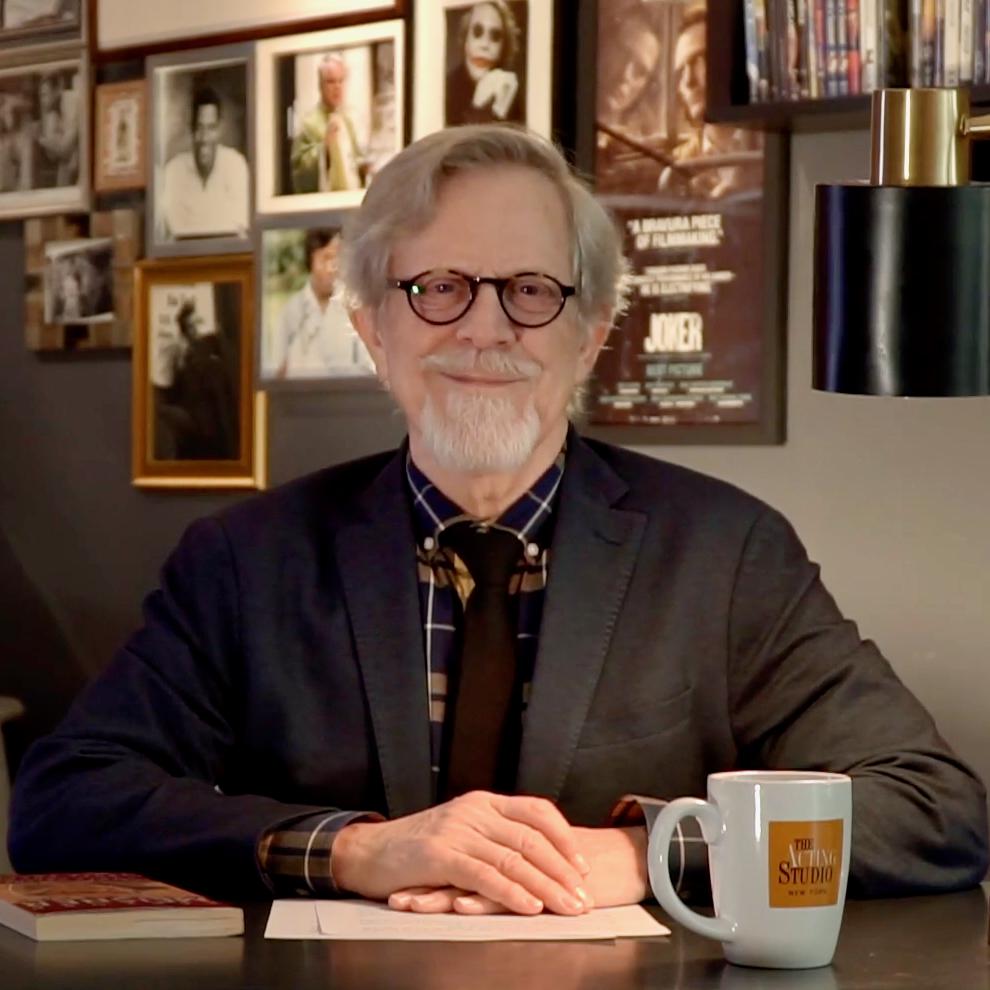
In the realm of theater and the performing arts, the names of iconic actors shine brightly, leaving an indelible mark on the stage and screen. Behind the scenes, however, lie the visionary individuals who shape and nurture these stars, enabling their talents to flourish. One such luminary is James Price, the founding Director of The Acting Studio – New York, who has spent decades guiding aspiring actors on their transformative journeys to the limelight.
James Price’s name resonates throughout the acting community, recognized as a mentor and guiding force for countless aspiring actors who have walked through his doors. As a seasoned actor and passionate educator, Price has dedicated his life to not only honing his own craft but also to sharing his expertise and nurturing the next generation of thespians.
At The Acting Studio – New York, Price has curated a unique approach to teaching, one that encapsulates his belief in the power of the individual and the importance of fostering a nurturing and collaborative environment. By combining classic techniques with innovative methodologies, he has developed a comprehensive curriculum that equips actors with the tools they need to explore their craft fully.
You’re the founding Director of The Acting Studio – New York which began in 1983. Extensive training includes Acting for Beginners, Commercial Auditions, Foreign Accent Reduction, Classes for Teens, Monologue Audition, Scene Study, Script Analysis, Singing For Actors, Stage Violence and Voice-overs.
When you first started the studio, what vision did you have in mind? How did the studio evolve into what it is today?
The main idea behind The Acting Studio – New York (originally The Acting Studio, Inc.) when it first began in 1983 was to offer actors in New York City a decent, functionable homebase where they could obtain actor training that was legitimate and practicable, and while at the same time a place where they can gain practical out-of-classroom experience by acting in plays presented in our own black box performance space under the watchful eye of our very own Off-Off Broadway theatre company. It was in 1984, that the Studio’s current resident theatre company was formed under the name Chelsea Repertory Company and began presenting public performances in main stage plays and workshop festivals.
When The Acting Studio, Inc. officially opened in its beautiful new home and first of its kind in a commercial loft located on W 21st Street, NYC in January 1984, I only offered the traditional two-year Meisner training. Along the way, the Studio branched into offering other adjunct classes such as Linklater (Voice and Speech), movement for actors, Alexander technique, etc. The Acting Studio, Inc. was created to keep the actor’s focus on the craft of acting and not on the actor (i.e. Actors Studio). Over the next forty years I experimented; trying out new classes (and instructors), finding out which worked and keeping those classes that were seen as helpful to actors in their development and discarding those that were not useful to them overall. What we currently offer at The Acting Studio New York has stood the test of time. We don’t peddle in classes, we train actors.
Why did you decide to teach full-time instead of acting full-time?
In truth, I always wanted to be teacher ever since I was little. My life, however, took an expected turn when I was offered my first professional Actors Equity contract at age 20. It was that job and fate that ultimately lead me to New York to train under the expertise of Sanford Meisner. And although I did pursue acting briefly after the Playhouse, I decided I wanted a more stable life than always pursuing my next acting job. I function best under a regimented life, and I hated the feeling of being unemployed or idle. I teach full time, but I still do act whenever the opportunity arises. I hardly ever turn down an acting job or opportunity, but I do not seek them out. But during these past forty years, I have been a steadfast proponent of Sanford Meisner’s acting principles and his training system to which I have added newer elements and recalibrated some exercises, at the suggestion of Mr. Meisner personally, for further improving and maintaining its effectiveness. This is a cause to which I have dedicated most of my life as both a personal friend and protege to Sandy, which is a term he personally granted to me in 1984 as a young teacher under his tutelage.
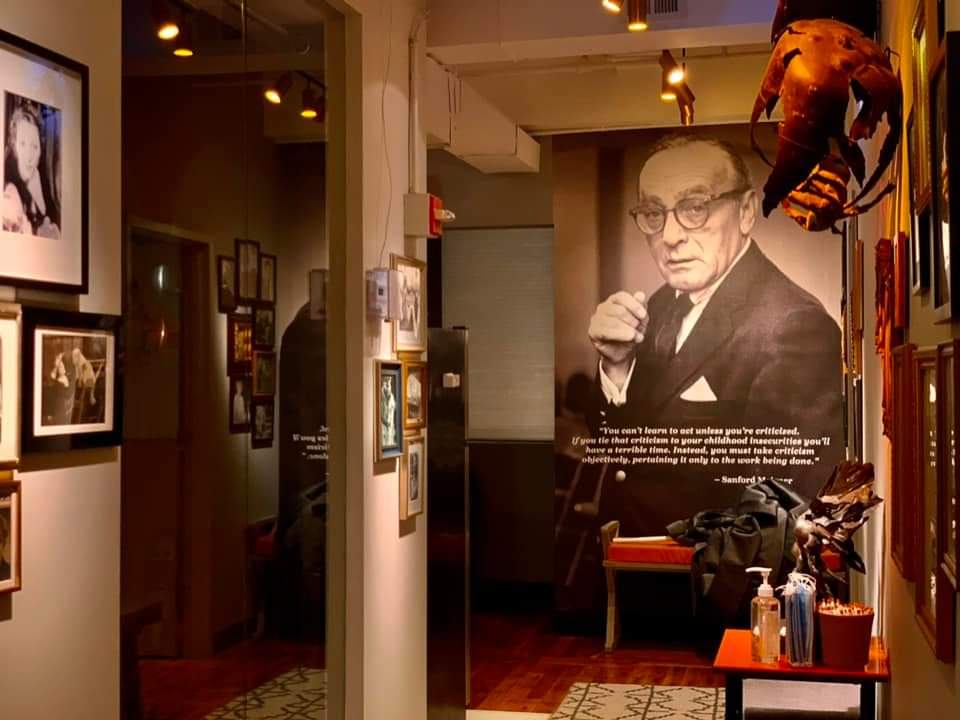
Sanford Meisner
You were trained under the legendary American acting instructor, Sanford Meisner, in what’s called the Meisner Technique. What made you choose the Meisner Technique as opposed to Classical Acting, Stanislavski’s Method, Method Acting or the Chekhov Technique?
I did not choose to study any particular acting technique. I chose to study under Sanford Meisner because of what I had heard about him and his reputation as a teacher and actor back in 1972. That was my determining factor. Over the years since then, and as a serious teacher of acting, I studied and revisit the works of Stanislavski, Vakhtangov, Toporkov, Rapoport, I. Sudakov, G.B. Shaw, Hagan, Strasberg, Adler, Michael Chekhov, Joseph Chaiken, etc. and I draw from all of them, and their ideas on acting to be added to those principles espoused by Sanford Meisner.
Let me state here, unequivocally, that I was never a sycophant of Sanford Meisner and in a manner of speaking there is no such thing as the Meisner Technique; not as a recipe or panacea for acting. Sandy did not teach Meisner Technique. He taught acting. He was an acting teacher. The term Meisner Technique, if used properly, is a system of exercises that help actors develop basic yet vital skills needed when acting. Every actor develops their own technique over time and no two actors approach acting the same, including Meisner-trained actors. Mr. Meisner never taught any two classes exactly the same. He started to teach in 1935 and over the next 50 years he constantly experimented, changed and evolved his exercises and approach in his teaching. In the latter years one may be surprised to read that he was actually thinking of dropping the word repetition exercise. It is problematic in design, most often misunderstood, and when in the hands of an unskilled teacher, absolutely pointless to do. At present, I have fixed those elements I found to be inherently problematic, and ever since it has been smooth sailing.
What are your thoughts on actors who do not have any formal training, yet are A-list stars?
Ha ha, this is a good one Ilana. The short answer is, at present, I have no thoughts about any stars on the A-List.
But since you have asked I will create some. I know of one life-long A-List star who spouts he never had any formal acting training and I know him to be a big liar. What is his definition of “formal”? Are they referring to the elitist schools such as Yale, or Juilliard? You can’t get any more formal in training that the commitment to the traditional two year acting technique training period which this person had privately with teacher Philip Gushee. Where the hell did he learn to jump up and down on sofas, or to dance lip-syncing in his tighty-whities? He didn’t get that from his acting classes at HB Studios which he also had. I can think of another A-List star that may say they never had formal actor training, but then again, what the hell is the WWE wrestling school but a formal acting school for goons?
Acting as a craft, which by definition means to exercise skill in making something. And a skill is defined as the ability to do something well or with expertise. Making movies is one thing. Acting is something entirely different. While acting may be a useful skill in making movies, making movies is worthless to acting. I imagine that most A-list actors almost always hire a private coach which is in itself a form of training albeit not formal. And as you well know, but maybe some of the readers do not know, the A-List is about commerce and not craft. It means be bankable. One can be on the A-List because of attributes other than acting skill. To get on the A-list of stars without any acting training is like playing the lottery. Good luck to you.
By the way, submitting to a program of actor training, whether good, bad, or otherwise, does not guarantee anyone will become a good actor. And being a good actor does not mean you will become successful. It’s the individual personal learning process and skill development and good old fashioned luck that matters. Taking a class is tantamount to reading a book on acting. I would not consider it training. Acting is not for everyone and neither is taking classes for everyone.
The Acting Studio currently has many permanent and adjunct teachers. Do you yourself make it a priority to meet each and every student? What does the student gain from having an encounter with you?
Yes, all primary ACTING CLASS applicants who are new to the Studio do require an initial personal interview with me. These classes would be the Acting for Beginners, Introduction to Meisner, Meisner Techniques 1 and 2, Monologue Audition, and Scene Study / Rehearsal Technique, and 6-Week Acting Conservatory. I feel it is important for applicants and me to have, at the very least, voice contact and at best, in-person contact to talk privately in simple conversation so each of us can better determine whether or not the Studio and the student are a right fit for each other. This also gives the applicant a time to ask any unanswered questions regarding the particular acting class and nature of the instruction to be given. It also gives me the opportunity to ascertain whether the applicant understands their obligation to each class, the outside work required of them, and the commitment they are making regarding their overall conduct and professionalism. If an applicant is viewed as incapable of making the adequate commitment needed, for whatever reason, then we will pass on that person for the sake of all involved.
All in all, most interviews are usually a pleasant, relaxed, heart-to-heart, personal conversation about the applicant as people, their life experience and emotional temperament, previous acting experience, if any, etc., and what they are looking to achieve by taking the particular class. This is how I interview all prospective acting class students. Can they sit down and talk simply and honestly to me and connect as one human to another which has a lot to do with acting. And with most applicants, it usually puts us both at ease to be ourselves. I am also able to let the applicants know of some of the free benefits the Studio offers its students, both current and former, which are our monthly-held Chelsea Rep Acting and Playwriting LABs. These forums offer Studio actors opportunity to gain out-of-class acting experience and greater knowledge through their participation in these Labs and play festivals.
Tony Danza
You’ve coached actors such as Julianna Margulies (The Good Wife, The Morning Show) and Tony Danza (Taxi, Who’s the Boss). As a matter of fact, Tony still works with you to learn to improve and polish his skills, as well as acquire new ones. With that being said, how do you stay current with industry trends and changes in acting techniques?
Well, this is big question and I will give you a big answer. Ilana, first let me say in full disclosure while it is true that Julianna Margulies studied with me in my Meisner Technique 1 class for many months back in the late 80s when the Studio was first located on W 21st Street, (formerly The Acting Studio, Inc. back then) for the sake of absolute clarity it would not be proper to suggest here that I coached her. However, the technique work she did in classes with me while studying is clearly apparent in all of her acting. Julianna is a shining example of skillfully living in the moment off what exists under the imaginary circumstances. It was shortly after her time at the Studio she booked her iconic role on ER which resulted in her winning numerous awards which was the start of her long illustrious career as actress and producer and one of which I am pleased to say I knew her when.
And yes, it is true that ever since Tony was a student back in 2012, he and I have remained friends and are still comrades in acting, as well as all of our life adventures. I’ve had the honor of coaching Tony over these years on several roles including on Broadway, film and television as well as other theatre-related events that have popped up over the years. My association with him has been a fount of inside industry information of the past, as well as up-to-date information regarding what are the current trends, etc. Stanislavski once said, “Artists who don’t go forward, go backwards.” Life always goes forward, and as a teacher, actor and business owner I strive to stay abreast of all new trends in order to impart that knowledge to our current students, and to incorporate it into my overall teaching process.
As an acting coach, people every week contact me with new material for their auditions, and/or upcoming projects, and I help them in their preparation and self-taping. And in many cases, I use these opportunities to help them apply certain acting techniques they had never been exposed to prior to coming to me. For many, I aid them in discovering what the casting director is specifically looking for in giving them a particular side, and in some cases, up to even four different scenes for which they are to submit. In addition to my coaching duties, and in order to better suit myself, I make a point of asking that acting clients share with me their self tape submissions so I can see exactly what they are submitting, and especially those where they booked the role. In all these matters I am proactive with our current clients and former students, and Studio graduates.
You and Tony Danza have been working together since 2012. How did you meet? What expectations did you, and do you still have, from him? Considering Tony was a well established actor before 2012, did you have any reservations about working with him?
Yes, Tony and I have continued to work together since we first met in March of 2012. Tony came in one day for information on the studio and to schedule an interview that day for my upcoming acting technique class — Introduction to Meisner. When I arrived at the Studio that afternoon and was told, “You have an interview at 4:30 with Tony Danza.” — it sent me into a terrible fright. Celebrities scare me and I’m not sure why, but I am not very comfortable around them. However, upon my meeting Tony he was the nicest guy, and we had a pleasant, heart-to-heart, 30-minute chat sharing stories and getting to know each other. He had several up and coming possible acting projects and had been away from acting for a considerable time. You may recall he was in an American reality show two years prior (2009-2010) on A&E called “Teach: Tony Danza” where he was a 10th grade English teacher at Northeast High School in Philadelphia. So he wanted to get back in the acting mode.
For Tony to step into an acting class as basic as the one he did in 2012 was not easy thing to do as an actor, especially given his celebrity status and early successes performing on television and on Broadway in various plays and a musical (The Producers). How vulnerable he had to be to open himself up to the work that class required, is a testament to his sincerity to continue to improve as an artist while brushing up on his old skills, he had to acquire new ones. As an acting teacher it is not an easy task helping an already established talent in the industry to leave their comfort zone and be open to trying something new. It required my getting Tony to drop what had been his style or trademark of his past successes and to trust moving his talent in a different direction. Tony was prior, to my mind, the quintessential charming nice guy. But underneath was this vast reserve of deep feelings, intuition and raw emotion about to erupt forth catapulting him into realms unknown and that few have seen.
For ten weeks he participated with the rest of the group as just one of the students. During this time he regaled us on occasion with great stories that helped illuminate points being made in class. The average age of our Studio students is usually around 30 years old. Tony was the oldest student in that class which can usually range in age from 70s or as young as 18 years. That first night, it was somewhat humorous that half of the 16 people (our limit) didn’t know who he was. But the fellow sitting next to him, who was a complete beginner, said “I cannot believe I am sitting next to Tony Danza.” It was a lot of fun. I think it was that night after class, Tony told me I was good luck for him because when he got home after our interview, he received a call from Joseph Gordon Levitt offering him a role playing his Italian father in DON JON’S ADDICTION (later distributed under simply DON JON) which was my first coaching stint with him.
What would make a student want to apply and join The Acting Studio – New York over the tons of other acting studios and classes available countrywide?
Let me say that I believe in education and a college education is important. However, if the goal is to become an actor then we need to reconsider that option. When I was a young person back in the late 60s there were very little colleges that offered any kind of programs for actors. But over the years since that time, they have realized they were missing a lot of revenue by not offering it. So now almost everyone offers some kind of acting or actor related program and/or degrees. Unfortunately, colleges deal in academics, not talent development and acting is not an academic subject. It is, as stated before, a craft. So college is not for everyone.
Our Studio and programs were always designed to complement those students who have graduated from an undergraduate or MFA program, and who have come to New York to pursue acting as a profession. To offer these people from all over the world a homebase here in New York City; a place to belong. These people flourish in our Studio community of artists. We offer them what the college cannot and did not — true development in the craft of acting on the level that the industry will be looking for when they audition.
The Acting Studio – New York is a private studio where classes are smaller in size and where intimate, personal, and real, moment-to-moment work is done with no clock attached. We have a face, and a human personality attached to our Studio and our student body reflects our society and the world as it is today; populated by real people, with lives and struggles and dreams. The average age of our students is 30 years old. They are more mature and dedicated to the learning process. We deal in developing talents, not in just holding wholesale classes as some of the well-funded and costly popular ones in NYC that cater to a large volume of unsuspecting people being led to believe this is what actor training is. We also offer training to people at all levels of their development. And if they do not maintain our standards then they are not allowed to continue training at the Studio.
Unique to The Acting Studio – New York is the on-going activities of Chelsea Repertory Company and LABS that offer practical experience to practice what we are teaching and what the student is learning. This comes at no cost to the actor except of their time and energies. There is good reason why many of our members have been involved with the Studio since its earliest inception in 1983. We are their family, their homebase where they can feel comfortable and yet still be challenged. We are the safe place in their artistic life; a diverse community where they continue their artistic journey.
How do you help actors with their emotional range and authenticity in their performances?
I start with the bigger picture first by teaching ACTING IS STORYTELLING. And what makes for a good storyteller is that they are: 1. CAPTIVATING; 2. BELIEVABLE; 3. AFFECTIVE; and 4. CLEAR. Then we move into the fundamental technical aspects of Stanislavski and Meisner’s idea that ACTING IS DOING. Acting comes from actions and actions are a thing done; therefore the most important basic principle of acting is the REALITY of DOING. DON’T PRETEND. REALLY DO IT. Our goal as actors is to make the audience believe that real things are happening to real people; to convince the audience that we are who the story says we are, and to actually experience what the story says we experience. You can’t accomplish this by pretending. We teach you how to do this at The Acting Studio – New York. As film editor Jordan Goldman says, “I can edit around just about everything except an actor’s lack of authenticity. If it’s less than authentic, then it must be cut out, including the entire scene, if need be.”
Humans are creatures of habits. If you want to change your life, change your habits. If you want to change your acting, change your acting habits. Bad ideas about acting, and bad acting habits, are the foundation of bad acting. With each bad habit I can get an actor to break and replace it with a better habit, the quality of the acting improves exponentially. This is a tedious task for a teacher to do and requires a sharp, watchful eye and patience. My actors are taught that they are in the reality business and they are also in the true emotion business. Reality without true emotion is unbelievable, not effective, uninteresting, and without meaning. Emotion establishes meaning. And a story gets told by the truth of your reactions. “If you don’t have a strong sense of reality, good luck to you,” Meisner would warn. Emotions come from struggle and actions. The more an actor works to make something happen to the other person, the more it will cause something true to happen in them. So key to achieving this is to keep one’s attention off of them self by engaging what is in front of them, the other person, and to always be ready for the unexpected to happen. And then, when it does, embrace it. The biggest mistake an actor can make is to ignore a mistake. Embrace it. Use it. Mistakes always happen. That’s life. Get over it. It never goes the way you want it to, but still we go on living. Life is an improvisation. To live is to improvise. The characters are improvising moment by moment. But the actors are scripted and there in is the problem. I endow my actors with the techniques to solve that huge problem.
How do you balance the need for structure and discipline in acting training with allowing for creativity and improvisation?
It’s fairly easy. Structure and discipline is for the approach to teaching and learning the proper use of an actor’s imagination and improvisational spirit through self exploration. It is the freeing of the actor emotionally, and harnessing their individual uniqueness to their own creativity and passions. Technique is a means of leading one through a process that produces in the actor an unimaginable source of possibilities. Technique is the vehicle, not the destination. Unfortunately, and sadly so, when one has been through any kind of acting technique, they now have such technique in their head and still not in their heart or being. This only perpetuates the same problem of head vs instinct.
The conditioning process in an actor’s development happens gradually over time. The foundation I lay in acting skills I teach are introduced one by one, class by class, exercise by exercise. And over a period of time, and with persistent regimented practice, these skills, or habits if you will, become a living part of the actor’s every day being. It is no longer a technique that they have to think about. It is a way of life; or “living truthfully” as Meisner might refer to it. Sandy was obsessed with truth and hated lies and especially liars. You can’t teach his approach if you are a liar. Those of us who knew him personally, knew this well. He was an empath, which likened him to a human polygraph (truth machine). There are many who wrongly teach what they think is Meisner’s acting technique. One unnamed person who never trained with Meisner in his teaching process, sells certification in teaching the technique to unsuspecting professors who are now wrongly teaching generations of unsuspecting students in their colleges. “Good luck to them,” as Mr. Meisner would say, and, “If they can’t see he is lying to them, then they deserve to study with him.”
Sanford Meisner knew what he liked in acting; that which came spontaneously, instinctively and truthfully from the heart and not from the head. He spent his lifetime trying to improve his teaching process toward imparting that to others, and as he once said, “He strived to never lose sight of what it (acting) could be.”
Anything else you’d like to say?
Yes, indeed. In closing, let me thank you, Ilana Rapp and DirectSubmit / NYCastings for giving me this opportunity and forum in which to answer these thought-provoking questions regarding this subject of acting and training of actors which has been my life-long passion and the driving force in my life. Also, I’d like to thank Charlie, Kyla, and Jill from the JFPR Team for making this possible, and of course, the good man and friend, Tony Danza for his love of acting and constant support throughout our friendship. Tony has been a long-time supporter of the arts community and especially of giving back to young people where acting and the arts can make a huge difference in their lives. I and my Studio are a supporter of this worthy not-for-profit group, THE STARS OF TOMORROW PROJECT, Inc. As Tony says, “When you teach a kid how to act, you teach a kid HOW TO ACT!” Please help others, helping others by donating.
The world of historical reenactments is a captivating way to transport audiences to significant moments in history and provide a tangible connection to bygone eras. Actors who specialize in reenactments of past events are at the heart of these immersive experiences. These dedicated individuals bring past events and figures to life with their passion, research, and performances, playing a pivotal role in preserving and educating about our shared heritage. Whether at museums, historical sites, or living history events, reenactment roles make history come alive.
Becoming a Historical Reenactment Actor
To become a historical reenactment actor, one must possess a distinct combination of abilities and devotion. Such actors are essentially historians themselves, immersing themselves in the rich history of the past to accurately depict events, attire, and personalities. Adequate research and a strong commitment to authenticity are crucial to maintain the integrity of each performance and stay true to the historical era being portrayed.
Actors specializing in historical reenactments spend countless hours studying primary and secondary sources, examining photographs, documents, and artifacts to gain an in-depth understanding of the time period they are representing. They immerse themselves in the language, customs, and societal norms of the era, providing a holistic portrayal of the past.
The authenticity of historical reenactments is dependent on the actors’ skill in creating genuine performances that take spectators on a journey through time. Every aspect, from language and behavior to attire and weapons, is thoroughly studied and replicated. A significant part of a reenactor’s job is to be able to improvise and connect with the audience while staying in character. They often engage with visitors by answering questions and responding to comments in a way that reflects the era being portrayed. This interaction enriches the educational aspect of the event, enabling viewers to experience history firsthand through dialogue and other interactive activities.
Preserving Heritage and Educating the Masses
Historical reenactments serve as powerful educational tools, offering a hands-on way for people of all ages to learn about the past. These performances kindle curiosity and cultivate a greater appreciation for our shared legacy by presenting historical events in an aesthetically pleasing way.
Actors who specialize in historical reenactments contribute significantly to historical preservation efforts. Their performances breathe life into the artifacts and narratives that might otherwise be forgotten. By evoking the struggles, triumphs, and everyday lives of those who came before us, these actors ignite a sense of connection to the past, enabling audiences to better understand and relate to history.
Impact on Museums and Historical Sites
Museums and historical sites often rely on historical reenactments to enhance visitor experiences. By incorporating live performances, these institutions create an engaging atmosphere that goes beyond static displays. Actors portraying historical figures bring depth and realism to the exhibits, allowing visitors to witness history unfolding before their eyes.
Living History Events: An Immersive Journey
Living history events offer a unique opportunity for actors to showcase their craft on a grand scale. These events recreate entire historical eras, bringing together actors, artisans, and enthusiasts who meticulously recreate all aspects of the time period.
These events immerse attendees in a fully interactive experience, allowing them to step into the shoes of people from the past. From battle reenactments and camp recreations to traditional crafts and demonstrations, these events transport visitors to a different time and place. Historical reenactors act as both educators and entertainers, taking on the roles of soldiers, craftsmen, or civilians to provide a comprehensive understanding of the past.
Challenges and Controversies
Although historical reenactments are often praised for their capacity to make history more vivid, they encounter difficulties and disputes. A significant obstacle for actors in historical reenactments is striking a balance between authenticity and present-day sensitivities. Occasionally, historical precision conflicts with current principles, and actors must tread carefully to prevent upsetting or isolating the audience.
Another challenge is the constant need for research and staying up-to-date with new historical findings. As our understanding of the past evolves, actors must adapt their performances accordingly, ensuring that they provide the most accurate and nuanced portrayal possible. This requires ongoing education and a commitment to staying informed about the latest historical scholarship.
Controversies can arise when historical reenactments fail to address or acknowledge the darker aspects of history, such as slavery, colonialism, or war crimes. It’s essential for actors and event organizers to approach these sensitive topics with care, providing context and educational opportunities for dialogue to promote a deeper understanding of the complexities of the past.
Historical reenactments can also be criticized for romanticizing or glamorizing certain periods or events. It is crucial for actors to strike a balance between entertainment and education, ensuring that they do not oversimplify or distort historical realities for the sake of spectacle.
The Future of Historical Reenactments
The world of historical reenactments is constantly growing and changing with time. With the advent of advanced technology like virtual reality and augmented reality, there’s a possibility of transforming our experience and involvement in historical events. These cutting-edge tools can intensify the immersive quality of reenactments, giving viewers the chance to engage with virtual characters and surroundings, making it difficult to differentiate between the past and present.
Historical reenactments are increasingly focused on inclusivity. To achieve this, there are attempts to incorporate diverse narratives and perspectives that recognize the contributions and experiences of marginalized groups throughout history. This approach enhances the educational value of reenactments and promotes a more comprehensive understanding of history.
Here are some examples of the types of historical reenactments that exist:
Battle Reenactments: Battle reenactments recreate historical military conflicts, ranging from ancient battles to major events like the American Civil War or World War II. These reenactments involve large groups of actors portraying soldiers, complete with historically accurate uniforms, weaponry, and tactics. Battle reenactments often take place on specific anniversaries or at dedicated historical sites.
Living History Events: Living history events aim to recreate an entire historical era by immersing participants and visitors in a particular time period. These events often include actors portraying various roles, such as soldiers, craftsmen, farmers, or nobility. Participants live in period-appropriate camps or settings, engaging in activities that reflect the daily lives and traditions of the time. Living history events may include demonstrations of traditional crafts, performances, and educational workshops.
Historical Pageants: Historical pageants are large-scale productions that combine theatrical performances, music, and visuals to depict significant historical events or periods. These pageants often involve professional actors, volunteers, and community members who collaborate to create a grand spectacle that unfolds on stage. Historical pageants may focus on a specific event, such as the signing of a significant document, or highlight the broader history of a region or nation.
Museum and Site Interpretation: Many museums and historical sites employ historical reenactment actors to enhance visitor experiences. These actors bring historical figures to life, engaging visitors in interactive dialogue and performances that provide a deeper understanding of the site’s significance. They may demonstrate traditional skills, offer guided tours, or participate in scripted performances to create an immersive and educational environment.
Historical Festivals and Fairs: Historical festivals and fairs celebrate specific periods or events in history, often incorporating reenactments as a central feature. These events offer a mix of entertainment, education, and cultural experiences, attracting both reenactors and the general public. Historical festivals can include jousting tournaments, medieval markets, Renaissance fairs, or colonial-era celebrations, among others.
Theatrical Productions: While not strictly reenactments, theatrical productions that focus on historical events or figures can also contribute to our understanding of the past. These productions often combine historical research with creative storytelling, allowing audiences to engage with history in a more dramatic and narrative-driven format. Historical plays and performances offer a different perspective, emphasizing the emotional and human aspects of historical events.
Acknowledging the specialized actors who perform historical reenactments is crucial in comprehending their role in preserving history and promoting a better understanding of our collective legacy. By engaging in these performances, we can acquire a newfound appreciation for the challenges and accomplishments of our predecessors, leading to a stronger sense of identity and connection to the past.
If you’re interested in seeing reenactments to get a feel for the job as an actor, or just to enjoy it, check out some of the below events:
Children’s theater is a vibrant part of the performing arts world, focusing on creating theatrical experiences specifically designed for young audiences. It demands a unique set of skills from actors, including the ability to engage, entertain, and inspire children through interactive performances, storytelling, and physical comedy. There’s a magical world of children’s theater which is significant in the development of young minds, and specialized techniques are employed by actors to create memorable experiences for their young spectators.
The Importance of Children’s Theater
Children’s theater is extremely important for the emotional and artistic growth of young individuals. It offers a secure and imaginative environment where kids can develop their critical thinking, empathy, and creativity. Through attending live shows, children are introduced to diverse artistic forms, characters, and stories which expand their outlooks and enrich their appreciation of different cultures.
Life skills such as active listening, social interaction, and emotional intelligence are also fostered by children’s theater. By engaging in interactive performances, young viewers acquire an appreciation for teamwork, collaboration, and consideration for others. It’s worth noting that some children in the audience may aspire to become actors, placing them in a world where adults with diverse personalities reign supreme. Thus, respect is crucial.
A brief mention regarding respect — teaching children to value respect enables them to handle their interactions with others and the world. Recognizing the significance of attentive listening, respecting diverse viewpoints, and exhibiting good etiquette helps children develop wholesome relationships, promote inclusivity, and make constructive contributions to their communities. By fostering a respectful environment early on, we provide children with the necessary skills to become empathetic and accountable individuals who can create a favorable influence on society. If a child is going to be working in an adult world, respect should be a number one priority.
Why Would an Actor Want to Act in Children’s Theater?
Performing in children’s theater allows actors to make a positive impact on young lives, develop versatile skills, experience joy and fulfillment, cultivate creativity, enhance communication and adaptability, contribute to accessibility, and facilitate personal growth and development. These factors make children’s theater an appealing and rewarding choice for many actors.
Interactive Performances
At the heart of children’s theater are interactive performances that invite young spectators to become active participants rather than passive observers. Actors use various techniques to encourage audience engagement, such as direct address, call-and-response, and interactive games. These interactions create a sense of connection between the actors and children, fostering a dynamic and immersive theatrical experience.
Actors use captivating narratives that resonate with the imaginations of young minds. They weave tales of adventure, friendship, self-discovery, and resilience, often incorporating moral lessons and values into their stories. By presenting relatable and engaging narratives, actors spark children’s curiosity, stimulate their imaginations, and inspire them to explore the world of possibilities beyond the stage.
Physical Comedy and Expressive Performances
Children’s theater relies heavily on physical comedy and exaggerated expressions to elicit laughter and evoke emotions. Actors employ a wide range of physical techniques, including slapstick comedy, clowning, puppetry, and exaggerated gestures, to create moments of hilarity and wonder. These physical performances captivate young audiences, as they respond with infectious laughter and uninhibited joy.
Adaptability and Flexibility
Acting for young audiences demands adaptability and flexibility from actors. Children have diverse attention spans, and their engagement levels may vary throughout a performance. Skilled actors in children’s theater are attuned to these nuances and are adept at adjusting their performances to cater to the needs of their young spectators. They maintain high energy levels, incorporate audience participation, and possess the ability to seamlessly transition between different characters and situations to sustain the children’s interest and involvement.
Educational and Social Impact
The impact of children’s theater on education is significant as it boosts literacy, emotional intelligence, and social awareness. Through live performances, children develop an understanding and admiration for literature, language, and the art of storytelling. They also gain knowledge about diverse cultures, historical events, and social concerns, which helps them to be more understanding.
Important issues like bullying, friendship, and environmental conservation can be tackled by children’s theater. By portraying these subjects in a way that connects with young viewers, performers can motivate them to ponder their own lives and take constructive actions.
Collaboration and Teamwork
Collaboration is a key aspect of an actor’s work, as they team up with directors, playwrights, designers, and other artists to craft visually stunning sets, costumes, and props that elevate the overall production. Additionally, actors work together closely to establish a seamless ensemble, supporting one another’s performances and ensuring a cohesive and captivating storyline for young audiences.
The impact of children’s theater on young minds is profound. It can shape a child’s creativity and worldview for years to come, providing both laughter and valuable lessons. Whether it’s a musical, play, or puppet show, children’s theater offers an excellent opportunity for exploration and fun. As responsible adults, we should encourage and support children’s participation in theater programs to foster their creativity and develop important life skills. Let’s celebrate the joy of children’s theater and its ability to inspire future generations.
For centuries, audiences have been captivated by the ancient and intriguing art form of clowning. A well-crafted clown character is the key to a successful performance, as it goes beyond mere makeup and costumes to create a special connection with the audience. This article will delve into the steps involved in creating a clown character, from developing a unique personality to establishing a signature style. Whether you’re a seasoned clown or an actor interested in adding clowning to your skill set, these tips will assist you in crafting an unforgettable and captivating persona.
Understanding Clown Archetypes
Before diving into the process of creating a clown character, it is important to understand the various archetypes that exist within the world of clowning. Each archetype represents a different type of clown and embodies specific characteristics and traits. Some common clown archetypes include the Auguste, the Whiteface, the Tramp and the Character Clown.
The Auguste is known for their slapstick humor, exaggerated facial expressions, and chaotic energy. They are often the “clumsy fool” who gets into humorous and mishap-filled situations. The Whiteface, is elegant, sophisticated and precise. They rely on visual gags, illusions and skillful manipulation to entertain the audience. The Tramp clown is characterized by their tattered clothing, downtrodden appearance and bittersweet humor. They often evoke empathy and play on the contrasts between comedy and tragedy. The Character Clown represents a specific character, such as a bumbling chef, a mischievous child or an eccentric inventor. They rely on specific mannerisms and traits to bring their character to life.
Choosing Your Clown Archetype
Selecting the right archetype is crucial when developing a clown persona. It should align with your comedic style and personal strengths, as well as the type of humor you want to convey. Experimenting with various archetypes allows you to discover their distinctive traits and how they match your personality. Once you find an archetype that resonates with you, your clown character will feel genuine and effortless.
Developing the Personality
After selecting your archetype, the next step is to build your clown character’s personality. Begin by brainstorming and reflecting on their background, peculiarities and motivations. What motivates your clown? What are their aspirations, anxieties and hopes? Are they cunning, pure or knowledgeable? By exploring these aspects, you can form a multi-faceted personality that enhances the intricacy and richness of your clown character.
Consider incorporating contrasting elements into your clown’s personality. A mix of strengths and weaknesses, virtues and flaws, can create an engaging and relatable character. For example, a clumsy and lovable Auguste clown might have a heart of gold but consistently finds themselves causing accidental chaos. Embrace the contradictions and idiosyncrasies that make your character unique.
Physicality and Movement
The physicality of your clown character is crucial in conveying their personality and comedy. Explore different physical mannerisms, gestures and movements that align with your character’s traits. Experiment with exaggerated facial expressions, body language and comedic timing to enhance the comedic impact of your performance.
Pay attention to your body posture, gait and use of space. Does your clown character move with a light and bouncy step, or do they have a heavy and deliberate stride? How do they interact with objects and other characters on stage? Use your body as a tool to communicate emotions, intentions and comedic moments.
Twisty from American Horror Story
Costuming and Makeup
When selecting a costume, consider the colors, patterns, and style that reflect your character’s traits. Bright and vibrant colors often evoke a sense of joy and playfulness, while mismatched or tattered clothing can add to the charm of a Tramp clown. Pay attention to the fit and comfort of the costume to ensure ease of movement during performances.
Makeup is an essential aspect of creating a clown character. Experiment with different makeup styles and designs that accentuate your clown’s features and express their personality. The makeup can range from simple and minimalistic to elaborate and exaggerated, depending on the desired effect. Consider using face paint, exaggerated eyebrows and oversized features to enhance facial expressions and create visual impact.
It’s important to remember that makeup and costuming should complement your character rather than overpower it. The goal is to create a cohesive and visually striking appearance that enhances the comedy and uniqueness of your clown.
Developing a Signature Style
To truly make your clown character memorable, you want to develop a signature style that sets you apart from other clowns. This can be achieved through a combination of unique gags, catchphrases, or specific routines that become synonymous with your character. Experiment with different comedic techniques, such as physical comedy, wordplay, or audience interaction, to find the style that resonates with you and showcases your clown’s personality.
As you develop your signature style, consider your strengths as a performer and the comedic elements that elicit the most laughter and audience response. Refine and polish your routines through practice and audience feedback, constantly striving to improve and add new elements to keep your performances fresh and engaging.
Building a Relationship with the Audience
To create a memorable and entertaining experience, clowning requires a strong connection with the audience. This highly interactive art form involves engaging with the audience through direct communication, physical gestures and eye contact. To involve them in your routines, invite their participation and respond to their reactions.
Continued Growth and Exploration
Creating a clown character is an ongoing process of growth and exploration. As you perform and receive feedback, continue to refine and develop your character’s personality, physicality and comedic style. Embrace opportunities to collaborate with other clowns, attend workshops, and learn from experienced practitioners to expand your knowledge and skills.
Keep in mind that the fundamental aspect of being a clown involves making others laugh and feel happy. Embrace the fun, openness and inventiveness that come with clowning, and allow your individual clown persona to shine brightly.
With dedication, practice and a touch of humor, your clown character will bring laughter and joy to audiences for years to come.
There are countless opportunities for performers to embody a diverse range of characters. However, many actors find themselves stuck in the confines of typecasting and stereotypes. Breaking free from these limitations and expanding one’s range is a crucial pursuit for any actor seeking to grow and excel in their craft. Let’s explore the challenges of typecasting, the importance of breaking stereotypes, and provide practical strategies for actors to broaden their range and challenge industry norms.
Understanding Typecasting and Stereotypes
Typecasting occurs when an actor consistently gets cast in roles that conform to a specific stereotype or character archetype. It’s often a result of the industry’s tendency to rely on preconceived notions and marketability. For example, an actor may find themselves repeatedly cast as a villain, a comedic sidekick or a love interest based on their physical appearance, ethnicity or previous successful roles.
Generalized and oversimplified portrayals of certain groups or characters are known as stereotypes. These can perpetuate harmful biases, reinforce social norms and restrict actors from exploring the depth and complexity of their craft. To fully showcase their talent and range, it’s crucial for actors to challenge these stereotypes and break free from the constraints of typecasting.
Uzo Aduba in Orange Is the New Black
The Importance of Breaking Stereotypes
Actors who break stereotypes bring benefits not only to themselves but also to the industry. They help create a more diverse and inclusive portrayal of humanity on both screen and stage, which enables audiences to gain exposure to a broader range of perspectives, experiences and identities. This fosters social progress, empathy and understanding.
Actors can display their versatility and adaptability by breaking stereotypes. This enables them to embody characters that transcend the constraints of their previous roles, delivering engaging and captivating performances that appeal to both audiences and industry insiders.
Strategies for Expanding Range and Breaking Stereotypes
Continuous Skill Development: Actors should invest in ongoing training and education to expand their repertoire of skills. By acquiring new techniques, studying different acting methodologies, and embracing various genres, actors can showcase their adaptability and versatility.
Collaborate with Independent Filmmakers and Theater Companies: Independent projects often provide more opportunities for actors to explore unconventional characters and narratives. By collaborating with filmmakers and theater companies that prioritize diversity and creativity, actors can challenge stereotypes and find unique roles that challenge their comfort zones.
Showcase Range in Auditions: During auditions, actors should aim to present a diverse range of performances. Choosing monologues or scenes that showcase different emotions, personalities and physicality allows casting directors to see the actor’s versatility and potential to break free from typecasting.
Create Original Work: Actors can take control of their own creative journeys by developing and producing original work. Whether it’s writing their own scripts, directing short films, or starting a theater collective, this enables actors to break free from industry constraints and explore characters and narratives that defy stereotypes.
Seek Collaborative Partnerships: Actors should actively pursue collaborative partnerships with directors, producers and casting agents who prioritize diversity and challenge stereotypes in their projects. By aligning themselves with individuals and companies that share their values, actors can enhance their prospects of being considered for a wider variety of roles.
Embrace Unconventional Training Opportunities: Actors can expand their range by exploring unconventional training opportunities such as workshops, classes or intensives that focus on niche performance styles or disciplines. This exposure can help them develop new skills and approaches that set them apart from their peers.
The above strategies empower actors to defy industry norms, explore unconventional characters and narratives and leave a lasting impact with their performances.
As actors challenge stereotypes and expand their range, they open doors for greater authenticity, depth and complexity in storytelling. Audiences benefit from the richness of these performances, gaining a broader understanding of the human experience.
Actors courageous pursuit of artistic excellence helps redefine the boundaries of what is possible in the world of acting, inspiring future generations of actors to embrace their uniqueness and strive for a more inclusive and vibrant creative landscape.
The field of therapy has expanded to embrace diverse and alternative approaches that recognize the profound impact of creativity, expression and self-discovery on emotional well-being. One such approach gaining recognition is acting as therapy, harnessing the power of performance to promote healing and provide cathartic benefits. While traditional therapeutic methods remain essential, the integration of acting as a therapeutic tool offers unique avenues for personal growth and emotional release.
Acting as therapy involves the intentional use of theatrical techniques, role-playing and creative expression to explore and process emotions, confront personal challenges and build self-confidence. By stepping into different characters and assuming their perspectives, individuals can tap into their inner selves, discovering new insights and perspectives. This process not only facilitates self-awareness but also cultivates empathy and understanding towards others.
How Does Acting Promote Healing?
Acting promotes healing by offering a unique and powerful avenue for emotional expression, exploration and catharsis. [Dictionary definition of catharsis is “the process of releasing, and thereby providing relief from, strong or repressed emotions.”]
Here are several ways in which acting can contribute to the healing process:
– Emotional Release: Acting provides a means for individuals to access and express a diverse range of emotions, including those that may be challenging to access in their daily lives. Through the embodiment of various characters and their experiences, actors can safely explore and release repressed emotions, offering an avenue for emotional release and solace.
– Healing Trauma: Through acting, individuals can confront and work through personal traumas and difficult experiences. By portraying characters who have undergone similar challenges, actors can indirectly process their own emotions and gain a fresh perspective on their past. This enables individuals to gain a sense of closure and foster healing.
– Self-Exploration and Self-Awareness: Through delving deep into their own thoughts, feelings, and experiences, actors cultivate self-awareness and gain a better understanding of their emotions, motivations and patterns of behavior. This introspection fosters personal growth and healing by providing a strong foundation for self-exploration.
– Empowerment and Confidence Building: Acting challenges individuals to step out of their comfort zones, take on new roles, and push their boundaries. By successfully embodying different characters and performing in front of others, actors can experience a sense of achievement, empowerment and increased self-confidence. This newfound confidence can extend to other areas of life, promoting personal growth and healing.
– Connection and Support: Collaboration and support are integral to the world of acting. Actors can feel supported, connected and understood through shared experiences and a sense of belonging within their community. This network of support fosters healing, provides encouragement, feedback and validation in a nurturing environment.
The Empowering Role of Role-Playing
Role-playing, a fundamental aspect of human development and imagination, has long been recognized for its power to transport individuals into alternate realities and assume different personas. Beyond its recreational value, role-playing holds immense potential as an empowering tool within therapeutic contexts. By engaging in role-playing exercises, individuals can unlock a range of psychological and emotional benefits, facilitating personal growth, self-awareness, and empathy.
The experience offered by role-playing lies in its capability to surpass personal limitations. By taking on the roles of others, individuals can gain new perspectives on life’s obstacles and step beyond the confines of their own identities. This enables them to explore different facets of themselves, access repressed emotions and liberate themselves from self-imposed restrictions. This process helps build confidence, overcome fears and develop a proactive approach to personal development.
Role-playing also serves as a catalyst for building empathy and understanding. By assuming the roles of others, individuals are encouraged to adopt different perspectives, shedding preconceived biases and embracing a more compassionate outlook. This process fosters a greater appreciation for the diversity of human experiences, bridging the gap between individuals and fostering connections based on empathy and understanding.
When I was younger and navigating the corporate world, I found myself dreading the role-playing games that were often integrated into professional development workshops and training sessions. The forced participation and contrived scenarios felt artificial and disconnected from the realities of my day-to-day work. It seemed like an insincere attempt to improve interpersonal skills or address workplace challenges. I viewed these activities as a mere checkbox exercise, lacking the depth and authenticity that I craved. The pressure to perform and the fear of judgment from colleagues further exacerbated my discomfort, making the whole experience feel disingenuous and inconsequential. Rather than finding empowerment or personal growth through these role-playing games, I felt constrained and frustrated, longing for more meaningful and genuine interactions within the corporate environment.
At the time, I was unaware that role-playing in a corporate setting is distinct from role-playing in an acting environment, with differences in purpose and execution. In a corporate context, role-playing functions as a training tool to enhance specific skills like communication, conflict resolution, or leadership. The primary objective is to simulate workplace situations and enable participants to practice and improve their professional abilities. Nevertheless, these exercises may seem contrived and disconnected from reality, leading to doubt and opposition. Conversely, role-playing in an acting environment is founded on storytelling and emotional expression. It’s a lot more fun, too!
Confronting Personal Obstacles and Building Self-Confidence
Successfully portraying diverse roles and navigating through various character arcs fosters a sense of accomplishment and empowers individuals to confront their fears and limitations. Also, the validation and recognition received from peers and audiences can significantly boost self-confidence, affirming their abilities and talents. Through the journey of acting, individuals gradually develop a belief in their own capabilities, enabling them to face personal challenges with increased resilience and self-assurance.
Although there may be obstacles and ethical issues to consider, it’s important to investigate and incorporate the therapeutic benefits of acting. By recognizing its ability to inspire transformation and instill confidence, we can harness its immense potential for promoting emotional health, individual empowerment and deep healing.
Child actors must develop emotional resilience to cope with the ups and downs of their careers. They can achieve this by comprehending the nature of triumph and disappointment, fostering a positive mindset, establishing a supportive community, expressing emotions through creative means and gaining knowledge from both acceptance and denial. By building a strong foundation of emotional resilience, they can handle industry obstacles with poise and preserve their emotional health. This will allow them to progress and flourish in their quest for a rewarding and prosperous acting career.
Understanding the Nature of Success and Rejection
Success and rejection are two sides of the same coin in the entertainment industry. Child actors must grasp the reality that not every audition or role will result in success. Rejection is not a reflection of their talent or worth as individuals. Similarly, success should not be taken as an indicator of constant achievement or validation. Understanding the unpredictable nature of the industry and separating self-worth from external outcomes is crucial for emotional resilience.
Cultivating a Healthy Mindset
Child actors should focus on their personal growth, rather than solely on external validation. This involves recognizing that rejection is a normal part of the process and that setbacks can be opportunities for learning and improvement. Encouraging positive self-talk, self-compassion and maintaining a balanced perspective can help child actors navigate the highs and lows of their career.
Building a Supportive Network
A strong support network plays a vital role in helping child actors develop emotional resilience. Parents, guardians, mentors, and fellow actors can provide guidance, encouragement, and a listening ear during both successful and challenging times. It is important for child actors to surround themselves with individuals who understand the industry’s dynamics and can provide emotional support and constructive feedback.
Channeling Emotions through Creative Outlets
For child actors, creative outlets are an effective means to manage and utilize their emotions. By participating in activities like writing, painting, dancing or playing a musical instrument, they can express themselves in a positive and beneficial manner. Furthermore, enrolling in acting classes or workshops gives them a safe space to experiment with various techniques and emotions, which promotes emotional strength and development.
Learning from Rejection and Celebrating Success
Rejection can be an opportunity for growth. Child actors should view each audition or role as a chance to learn and improve their craft. After facing rejection, it’s important for them to reflect on their performance, seek constructive feedback, and identify areas for growth. This mindset allows them to bounce back stronger and more prepared for future opportunities.
Similarly, celebrating success is equally important. Children should acknowledge and appreciate their achievements while remaining grounded and humble. Gratitude for the opportunities they receive and acknowledging the contributions of others involved in their success fosters a positive and resilient mindset.
Key Skill
One of the most critical skills for child actors to develop is emotional resilience. Success and rejection are inherent parts of the industry, and learning how to handle them is important for maintaining a healthy mindset and long-term growth.
When it comes to children in show business, parental involvement is crucial for their success and well-being. However, finding the right balance between being an advocate and being overbearing can be challenging. While parental guidance is essential for navigating the complex entertainment industry, it’s equally important to respect a child’s individual journey and foster their independence. In this article, we’ll explore the importance of parental involvement in children’s show business, discuss the potential pitfalls of overbearing behavior and provide valuable insights on striking the right balance for the benefit of the child.
Establishing Open Communication
Effective communication is the foundation of healthy parental involvement. Parents should maintain open and honest lines of communication with their child, allowing them to express their thoughts, concerns, and aspirations. This includes actively listening to their child’s desires and dreams, as well as providing guidance and support based on their understanding of the industry.
Educating Themselves about the Industry
Parents who actively educate themselves about the entertainment industry can better support their child’s endeavors. This involves understanding the intricacies of auditions, contracts, working conditions, and legal requirements. By becoming knowledgeable about the industry, parents can provide informed advice and advocate for their child’s rights and well-being.
However, it’s important for parents to strike a balance between being well-informed and overwhelming their child with industry-related details. Parents should filter information appropriately, sharing relevant aspects while shielding their child from unnecessary stress or pressure.
Encouraging Autonomy and Independence
While parental guidance is valuable, encouraging autonomy and independence assists in the child’s growth and development in show business. Parents should support their child’s decision-making process, allowing them to explore their own interests and make choices based on their passions. This involves respecting their child’s opinions, aspirations and boundaries.
By allowing their child to participate in decision-making processes, such as choosing auditions or roles within reasonable limits, parents can give them a sense of control and accountability in their career path. This approach also helps the child acquire the skills required to navigate the entertainment industry on their own.
Balancing Advocacy with Allowing Natural Consequences
As advocates for their child, parents play a crucial role in safeguarding their best interests. However, it’s equally important to strike a balance between advocacy and allowing natural consequences to occur. Shielding a child from all disappointments or failures can hinder their personal growth and resilience.
Parents should guide their child through challenges and setbacks, helping them develop coping mechanisms and problem-solving skills. By allowing natural consequences, children can learn from their experiences and develop the resilience needed to thrive in the industry.
Collaborating with Industry Professionals
I talk about this a lot. Collaborating with industry professionals can provide a well-rounded support system for both parents and children. This includes engaging reputable agents, managers, coaches and mentors who have the expertise and experience in guiding young performers. These professionals can offer valuable insights, industry connections and support networks to navigate the complexities of show business.
Parents must play an active part in their child’s career and guarantee that professionals uphold their child’s welfare and limits. It’s crucial to create open lines of communication with these professionals, encouraging a collaborative strategy that puts the child’s welfare first.
Example of an Overbearing Parent
An example of an overbearing parent in show business is the fictional character of “Emily”. Emily is a passionate and determined mother who wants her child, “Sarah,” to achieve stardom in the entertainment industry. However, her overbearing nature often crosses the line and becomes detrimental to Sarah’s well-being.
Emily constantly pressures Sarah to succeed, pushing her to auditions, rehearsals, and acting classes without considering her child’s own desires and interests. She micromanages every aspect of Sarah’s career, making decisions without consulting her or considering her input. Emily becomes obsessed with Sarah’s success, making it the sole focus of their lives and neglecting other important aspects such as education and personal development.
Additionally, Emily excessively criticizes Sarah’s performances, creating a constant atmosphere of stress and self-doubt. She fails to acknowledge Sarah’s accomplishments and is always demanding more, causing Sarah to lose her passion for acting and develop a fear of failure.
Moreover, Emily becomes confrontational with industry professionals, demanding preferential treatment for Sarah and causing tension on set. She often disregards the boundaries set by directors, producers and other professionals, causing disruptions and hindering Sarah’s professional relationships.
In this example, Emily’s overbearing behavior hinders Sarah’s growth and well-being. Her constant pressure, lack of respect for boundaries, and neglect of Sarah’s individual desires and needs create a toxic environment that hampers Sarah’s potential for genuine success and happiness in the industry.
I could go on and on about overbearing parents, so I’ll continue because it doesn’t just apply to show business, but to the “real world” as well.
When parents become overbearing, constantly pressuring their children to achieve success, it can lead to significant consequences. Children may experience increased stress, anxiety and a diminished sense of self-worth as they constantly strive to meet their parents’ expectations. This pressure can hinder their emotional and psychological development, leading to burnout, lack of enjoyment and a diminished passion for their chosen field.
Overbearing parents often neglect their child’s individuality, interests, and desires. By exerting excessive control over every aspect of their child’s career, these parents stifle their child’s creativity, personal growth, and independence. The child may lose sight of their own dreams and aspirations, succumbing to the relentless pursuit of their parents’ goals and desires.
Ultimately, parental involvement should be a source of guidance, support and empowerment, rather than control and dominance. By striking the right balance, parents can create an environment that nurtures their child’s development, passion and long-term success in the world of show business.
Being a child actor comes with the responsibility of maintaining professional conduct both on and off the set. Proper set etiquette and on-set behavior are expected for kids to thrive in the industry while fostering positive relationships with cast and crew members. In this article, we’ll explore the importance of professional conduct and provide valuable tips on navigating set etiquette.
Respectful Communication
Effective communication is the cornerstone of professional conduct on set. Child actors must always remember to communicate with respect and courtesy towards their fellow cast members, crew and production staff. This includes using polite language, active listening and addressing others by their proper names or designated titles.
In addition, young actors should learn to express their thoughts and concerns constructively, ensuring their opinions are heard while maintaining professionalism. This involves being open to feedback and criticism and responding with grace and maturity. By practicing respectful communication, child actors can foster positive relationships and create a harmonious working environment on set.
No matter the age group of the child, it is crucial to uphold this kind of behavior, even though it may be challenging.
I remember being on the set of a commercial with six kids in the age range between 8 and 10 years old. Five of the kids sat with their parents, worked on homework or played their handheld games, while the sixth kid decided to run all over the place and even tried to “rock climb” a wall in the historic church we were being held in. At the end of the day, I heard the father asking why his child wasn’t used in the shoot.
Punctuality and Preparedness
Punctuality is a vital aspect of professional conduct. Arriving on set or to rehearsals on time demonstrates reliability and respect for the production team’s schedules. Child actors should strive to be prompt, allowing ample time for any necessary preparations such as wardrobe, makeup or vocal warm-ups.
The children should come to set familiar with their lines, blocking and any additional instructions given by the director. Being well-prepared not only showcases professionalism but also allows for smoother production processes and avoids unnecessary delays.
Always take into consideration that you may run into traffic, may get a flat tire, the public transportation is running late, bathroom breaks and a million other things that may delay you from arriving on time (“on time” is actually arriving 15 minutes earlier than your call time.)
When I was in a play in NYC as a child, my mom and I took the bus into the city from New Jersey. We always arrived early so we didn’t have to rush into wardrobe. Well, would you believe that one time, the bus was delayed for so long, that the entire play couldn’t start because I was in one of the very first scenes. As luck would have it, my mom happened to have my costume on hand because she took it home to wash, so I changed clothes while on the bus and my mom did my hair (double ponytails were a thing back then.) There were no cell phones back then, so my mom called the theater from a payphone to let them know our status. When we finally arrived at the theater, the director was happy to see I was already in costume and ready to go.
Since I was a kid, I really don’t know if any of the audience was upset or demanded their ticket money back, but now, as an adult, I’m pretty sure that may have happened.
Adaptability and Flexibility
Production schedules can be unpredictable and circumstances may change at a moment’s notice. Child actors must be adaptable and willing to adjust to new scenes, changes in dialogue or unexpected challenges.
Showing flexibility also extends to working with different directors and fellow actors. Child actors should be open to different acting approaches and be receptive to direction. They should embrace opportunities to collaborate and contribute creatively to their roles while maintaining professionalism and respecting the vision of the production team.
Set Safety and Boundaries
Child actors’ safety and well-being are of paramount importance on any set. They should be familiar with the safety protocols and guidelines in place, such as wearing protective gear and following instructions from the production crew. If a child actor feels uncomfortable or encounters any safety concerns, they should communicate it promptly to the appropriate adult on set.
Also, be aware of personal boundaries. The children should understand what is appropriate and inappropriate behavior and be encouraged to speak up if they feel uncomfortable or if their boundaries are being violated. Set environments should foster a safe and respectful atmosphere for all, and child actors play an active role in upholding these standards.
Gratitude and Professional Relationships
Expressing gratitude and maintaining positive professional relationships are essential for child actors’ long-term success. They should show appreciation to cast and crew members for their contributions and support, whether it is a kind word, a thank-you note or simply showing respect and appreciation on set.
Building strong professional relationships can lead to future opportunities and a positive reputation in the industry. Child actors should strive to be team players, treating everyone they encounter on set with kindness, respect and professionalism. This includes being supportive of their fellow actors, being mindful of their actions and avoiding gossip or negative behavior that could damage relationships or reputations.
Quick Tip: If you decide to buy a gift for someone, it’s important to consider their interests and passions. Take the time to learn about your coworkers’ hobbies and preferences so that you can personalize your present accordingly.
One last thing I want to add…
Integrity
The career path of child actors heavily relies on their integrity. The public attention they receive puts them in a difficult position where they must uphold a professional image while dealing with the difficulties that come with possible fame.
At its core, integrity refers to the ability to stay true to one’s values and principles, even when faced with difficult choices or challenging circumstances. It encompasses a range of traits such as honesty, fairness, responsibility and accountability.
At age 16, Aidan Wojtak-Hissong has already established himself as a rising star, and his latest role in the film adaptation of Judy Blume’s novel, Are You There God? It’s Me, Margaret, is further proof of his talent.
Are You There God? It’s Me, Margaret holds a special place in the hearts of readers worldwide, exploring themes of identity, self-discovery and the challenges of adolescence. Aidan’s involvement in this important project not only demonstrates his commitment to compelling storytelling but also reflects his dedication to portraying characters that resonate with audiences and inspire meaningful conversations.
In our exclusive DirectSubmit NYCastings interview, we speak with Aidan Wojtak-Hissong about his experiences of growing up in a show business atmosphere.
You play the teen character Moose in the film Are You There God? It’s Me, Margaret and are also known for portraying Liam in Netflix’s I Am Not Okay With This. What are the differences between working on a big time movie set vs. a Netflix series?
They were both pretty awesome experiences. What I liked about both projects is that they were pretty tightly run ships. Both Kelly Fremon Craig (the director of Margaret) and Johnathan Entwistle (the director on I Am Not Okay With This) were pretty clear about what they wanted and they didn’t waste a lot of time getting the right shots. I learned a lot from both of them. Food on both sets was great. I might give a nod to the food on the Netflix set as being slightly better. Their craft table was unbelievable. I’ve never seen so many good snacks. I used to fill my pockets before I left for the day because they were so good
Tell us about your audition for Are You There God? It’s Me, Margaret.
I first sent in a self-tape and then got a callback with the Director, Kelly Fremon Craig via Zoom. The callback was a lot of fun because it was important to Kelly that I was able to improvise. So we improvised the scene with Margaret where I offered to mow their lawn. The reader who was playing the role of Margaret asked me what I was going to do with the money I earned from mowing lawns and I told “Margaret” that I was saving up for a gas mower.
When you were five years old, you were in a play at camp, which started you on the acting bug. After camp, your mom was looking into activities for you and found acting. How did you go from “kid at camp” to “kid auditioning for a television commercial”?
When I was a baby, this lady stopped my parents and told them that I should be a ‘baby model’. When I was three years old, my parents took me to an agency but got immediately turned off because there were hundreds of kids there and you had to buy their photography package which started at $700 so it seemed like a scam to them.
After I was in the play Walking on Sunshine, I said I wanted to keep acting, so my parents found a small reputable agency in Toronto that took me on. My first gig was in a Christmas Telus commercial called “Lift Off”. Then I did a Hyundai commercial and then I had a small role in a movie with Nicholas Cage called Pay the Ghost.
At what point did you get an agent? Tell us the story on how you connected with your agent and what you talked about that made you decide they were the right fit for you.
Ummm… I think I was five years old when I got my first agent. There wasn’t really any discussion about whether they were the right fit for me since it’s the only agency we went to! My parents didn’t know anything about the acting business at that stage, so we basically signed on with the first agency we contacted! My Mom kind of figured out after a while that I should probably be with an agency that specialized in kids so after about eight or nine months, I switched agencies.
What were your thoughts when you found out you’d be working on a “girl coming of age” story based off of a popular book from over 50 years ago?
I did read the book and even though it’s a girly book, I liked it. And I was pretty excited when I learned that I got the role of Moose. I loved meeting Kelly Fremon Craig during my audition and it was super exciting to get the chance to work with her. I also loved the role of Moose. He’s a kind kid who sees the good in Margaret, even though she’s a little geeky.
You’re at that age now where you’re not a kid anymore, but not quite an adult. Yet you’ve been working in an adult world most of your life. What lessons have you learned ahead of your time?
I turned 16 years old on May 18. I think the most important thing I learned is how to talk to people. My parents have been amazed when they’ve given rides to some of the kids I know and the kids don’t talk. They just assume that all kids are as talkative as my brothers and me. I have always loved talking to adults and I find it pretty easy.
I also learned that acting is a job. I got my first lead role at the age of seven years old on a kids show called Playdate. I worked five days a week for three months and they expected me to show up every day prepared. It was hard work for a seven year old.
What’s it like being a teen heart-throb? Have any fans stopped you in the street asking for pics or autographs? How do you handle strangers coming up to you?
It’s been interesting. I’ve been noticed a few times in my city. It’s nice to hear what people think about the movie and my performance. My Mom expected throngs of 11 year old girls recognizing me in the grocery store but I’m not sure how many 11 year old girls have seen the movie. So, so far, my life as a “teen heart-throb” has been pretty quiet!
Your little brothers, Finlay and Coleby, are also actors. How crazy busy is it at your house?! Do you have any pets? Talk about sports.
Our house is a pretty busy one especially when my middle brother and I are on sets at the same time. Fortunately that’s only happened once and we had to call a family friend to take me to Pittsburgh for filming.
We have a Newfoundland dog named Olive. She’s 11.5 and weighs about 130lbs. She’s a gentle giant.
I am a huge sports fan. I play on my high school basketball team and I’m the quarterback of my high school football team. I’d love to be an NBA player but I think I’ve come to accept the fact that I’m about a foot too short for that dream to come true! But I can hoop, so if any scouts are reading this, please feel free to call me!
What advice do you have for young, aspiring actors looking to become a part of the show business world?
I’m not going to lie, it’s hard. You put in a lot of self-tapes and then you don’t hear back and you keep wondering what you need to do differently. You never really get any feedback so you don’t know why you’re not getting callbacks or landing roles. Plus now that it’s all self- tapes and you never see casting agents in person, it’s even harder. But you just have to keep trying and to keep working at it and find yourself a really good coach. Try to get some insight as to your limitations as an actor and then work on those.
The most important part is to persevere.
Anything else you’d like to say?
Thank you to my parents for supporting to me and my wonderful agents, Amanda Rosenthal Talent and Coast to Coast. I’ve also had friends and other family members who have supported me and I couldn’t have done this without them. Oh and I can’t forget about my acting coach and good friend Sara A… she knows who she is.
Katherine Kupferer, who plays Gretchen Potter in the film adaption of the Judy Blume book Are You There God? It’s Me, Margaret, has brought to life one of the most cherished characters from the pages of this iconic coming-of-age story. Her portrayal captures the emotional depth, challenges, dreams and insecurities of a young girl on the cusp of adolescence.
Having discovered her passion for acting at a young age, Katherine Kupferer dedicated herself to honing her craft through years of training and hard work.
You play Gretchen in the film adaptation of Judy Blume’s classic Are You There, God? It’s Me, Margaret. How did you feel when you found out you got the role in this movie?
When I first got the role of Gretchen, it was actually on the Zoom call where I was having a directors meeting. Basically I finished my scene and the producer, James L. Brooks, said to my director Kelly Fremon, “Hey, I just sent you a text” and she looked at it and laughed and then said “We’d like to welcome you to the team.” My mom was the first one that heard because she was standing behind the computer, she was completely shocked and stunned to speak. because her and I really didn’t think that I would book it, so it was a massive surprise.
Tell us about your audition for the film.
I auditioned in person the very first time and actually I read for Margaret, but then we decided that I’d be better for Gretchen which is who I ended up getting. But then the production got put on paused because of the pandemic. A couple of months in, we got an email saying that casting wanted to see a self tape from me. From there, I did multiple director sessions and then got the role. For auditions, I wore the same thing every time which was a striped red shirt and overalls. The glasses that you see in the film are real because I am as blind as a bat and they are incredibly similar to the ones that I have myself.
You were born to theatrical parents so some might say acting is in your DNA. What are your thoughts about children being brought up in the entertainment world starting from a young age?
Yeah, so I was pretty much born into the theater community in Chicago and grew up with both my parents in the industry which, sometimes was hard, but mostly it’s really awesome. I think that when a young actor gets big it can either end very good or bad and we have seen this in the past multiple times. But for me personally being brought up in this community has made me (I think) much more mature and definitely gave me a boost in my career. I think that it also educated me on world problems in a way that school or just living couldn’t because not only do I see my own experiences but issues from other perspectives… and I think that’s very important for anyone.
Did you face any challenges while working on the set of Are You There, God? It’s Me, Margaret? How did you overcome them?
During Margaret I think the only challenge that I faced was making sure that I maintained a certain energy level throughout all of filming and that it looked real every time. Because especially when you’re younger doing the same scene over and over again can get pretty boring and tiring — even more so in the heat. But through coaching I was able to learn tactics and exercises to keep my concentration and energy high.
How did you balance your schoolwork and acting commitments during the filming of the movie?
Filming was during the school year, but since it was in Covid, I was all online already. Basically each kid had to get three hours of school a day and sometimes more depending on what you were doing that day. So my teachers at school would send me the assignments and then I had a tutor who would work on them with me and make sure that I was getting my hours everyday.
How did your family and friends react to your success in the movie? Did it change any dynamics in your personal life?
My family and my friends were so happy for me and there was no real jealousy, just loads of support. I had a group of people that came with me to see it the day the movie came out and many more friends still wanted to see it with me. I think that the weirdest thing about it was how at the movie theaters people would come up to me and ask for a photo, I just couldn’t get over how someone who I had never talked to knew exactly who I was.
Please share a valuable lesson or skill you learned from working with the experienced cast and crew members.
The whole crew on the movie was so top of their game it was more like a master class when we were filming. Through this I was able to see what great work ethic looks like and it also provided me with a very clear picture of what filming a magic movie would look like. I also think that Kelly, our director, was good with us kids and really gave us a space where we could bring our own ideas to the screen and insert our own personalities into the characters.
How do you plan to use this experience as a stepping stone for your future acting career? Are there any specific roles or genres you would like to explore next?
This is a huge stepping stone for my career not only because of how big a movie it is right now, but it’s a story that is going to be around and relevant forever, while also connecting to different generations. So being a part of this will hopefully keep my name in the industry for a while. I hope that I can get into some other TV or movies but I really want to get some roles that are a little darker where I can play a troubled girl – LOL.
You love horseback riding. Tell us how you got into riding and tell us all about your horse.
I ride at my family farm in upstate NY and have been riding since I was a little girl. I have my own horse and her name is Piper. Together we compete in three day events that include different disciplines. I compete against older people in a division called novice and I am also in the United States Pony Club.
Anything else you’d like to say?
I want to give a huge thanks to the crew and amazing cast of Margaret and to my parents who are my biggest supporters, and dropped their lives to help me with the movie and auditions. Also go and watch Are You There God? It’s Me, Margaret in theaters right now!
Ashlei Sharpe Chestnut. Photo Courtesy of Viacom & CBS.
Welcome to an exclusive DirectSubmit NYCastings interview with Ashlei Sharpe Chestnut, the actress who has made her mark on the iconic series Star Trek: Picard. We had the privilege of delving into Ashlei’s journey, from her initial introduction to the Star Trek universe to her evolution as a performer within the groundbreaking series.
Prepare to embark on an unforgettable voyage as we delve into the intricacies of Ashlei Sharpe Chestnut’s craft, her experiences on set and the profound impact of Star Trek: Picard on her personal and professional life. P.S. Ashlei Sharpe Chestnut was also on Broadway. Read on!
You play Sidney La Forge, Helmsman of the USS Titan, on the final season of Star Trek: Picard. With today’s special effects and movie magic, give us some examples of when you had to “pretend” you were reacting to something that wasn’t really there, or flying a ship that’s not really a ship, action scenes. How did you handle all of that?
The majority of the scenes that took place on the bridge used a green screen which was actually blue, so there was A LOT of pretending. I had to pretend seeing explosions, pretty space creatures, and people who weren’t even in the room. It was a pretty cool experience, because you’re just using your imagination, even with hitting buttons on my console to fly the ship, it was like playtime.
The Star Trek fandom is very hardcore and loyal. When you joined the cast, were you aware, or given tips from production, that fans might ask you for upcoming spoilers, maybe even ask you to marry them? How did your character turn into a fan favorite so quickly?
Well first, I haven’t had any marriage proposals from fans yet, at least that I’m aware of [laughs]. I had an inkling of how deep this fandom runs, because I’ve seen people cosplay characters and was aware of the excitement for this final season especially with all of the legacy characters returning. One of the jokes on set between a few of us newbies was that we hoped the fans would like our characters because if they didn’t, we knew they would be extremely vocal. It wasn’t until after episode 7 aired where I felt and heard from fans from so many countries about how much they resonated with my character. Our Star Trek fans are the best! Yeah, they are hardcore and loyal which made it more rewarding to know that my character became a fan favorite.
Was giving interviews, Comic Con, talking to the press a part of your Star Trek contract or did you just agree to do that on your own. When you decided to become an actor, even when you were little, did you ever think beyond just performing — that you’d be giving interviews? When signing an NDA, how does it work when you’re doing an interview weeks in advance prior to an episode being shown — are you allowed to talk about spoilers since the interview won’t be seen until AFTER the episode is aired?
No, doing press was not a part of my contract at all. Aside from fans promoting my work on the show, the majority of my exposure stemmed from my own publicity team helping to push me forward. There are so many things that I’ve learned throughout this journey specifically with a sci-fi show, like I knew Comic Con would be a given based on this franchise, but I didn’t know the behind the scenes work to get there. A lot of people have “con agents” for these conventions, so I’m taking meetings now for that. I have already had inquiries to attend a couple conventions, but I’m trying to align them with my schedule. But what’s nice is they cover hotels and flights, and you receive a fee among other things.
As for the NDA and giving interviews, that has been one of the highlights from this experience. Mostly because it’s new to me. We started filming these episodes almost a year and a half ago, so when people are asking detailed questions about my experience and plot points, I’ve had to jog my memory. But what’s also helpful was usually depending on which episode I was being interviewed for, I was granted access to screeners to be able to discuss episodes in detail. But not major spoilers for the season though, only things that were happening in those specific episodes because those interviews would be published after airing.
You attended the University of North Carolina-Greensboro where you graduated with a Bachelor of Fine Arts degree in Acting. What made you choose that University? Did you apply to several colleges or just that one?
I did apply to two other schools in Florida, but I had a really good friend at the time who raved about the arts program at North Carolina so I applied and got in.
After you graduated from college in 2015, you decided to move to New York to advance your acting career. Why did you choose New York? Tell us about the adventure it was of moving to the city that never sleeps.
What’s funny is I initially thought I would move to LA. My mom and I flew out to LA the summer before my senior year of college to see if it was a city that I’d be willing to relocate to after graduation. By the time we left, I was sold and fully prepared to make the move across country. But my acting class had a senior year showcase in NY, and I had a lot of agent interest, so I felt it was best to go where I had made a few industry connections because my feedback was “let us know when you graduate and officially move here.” But what’s funny is, once I officially moved, none of those agents called me back or emailed me back.
My first year in New York I lived with two classmates from my acting class from NC. I had a little bit of savings, but I told my mom that I would “book something big” in the first six months, and asked if she could help pay my rent for those six months. Did I have any auditions lined up at the time? Absolutely not, but I hustled my butt off. I was sending my headshot and resume everywhere, I would mail them, I would stop by agencies pretending to have a meeting to drop them off, I even heard back from acting scams… good times.
How did you meet your agents? Tell us about your meeting.
My current agent? I reached out via email during my run in The Crucible on Broadway because the boutique agency that I was with shut down and went into management. At the time I didn’t think I needed a manager, so I sent emails to specific agents I wanted to work with — shoutout to IMDbPro — and luckily they agreed to meet. When I was taking those meetings, my main focus aside from looking for someone who would obviously advocate for me, was at minimum being with a team that had bi-coastal access, and opportunities for me to audition for bigger roles via casting offices that I hadn’t worked with, etc.
Soon after you arrived in New York, you booked your first Broadway play, the Crucible, which ran at the Walter Kerr Theatre. Tell us about your audition, rehearsals, wardrobe, etc.
Sure, I met one of the casting directors for that show at One on One in NY. I asked what was the best way to follow up with her and she told me to mail her my headshot and resume. I thought she was blowing me off because I had been doing that for the past month and having no luck. But I did it, and about a week later she reached out to me asking for me to audition for this Broadway show. God, I was so nervous! It was my first Broadway audition but it was so chill. The process was fairly quick. The audition was actually on my dad’s birthday, and the callback was the next day at Chelsea Studios, and at the last minute before my callback they sent sides for Susanna Walcott, the character I ended up booking, which is so funny because I had prepared extensively for another role and ended up booking this one essentially from a cold reading.
I had regional theatre experience prior to this show which was helpful because it allowed me some familiarity to jump into our eight show a week work schedule which can be taxing on your body especially with only one day off on Mondays. And for that show we had a lot of choreography and body contortion work so it was lovely that they had physical therapists on site that were free.
What’s the difference between performing on stage vs. on screen?
There are so many differences but also so many similarities. I think for theatre the difference is, yes you’re doing the same show for months and you’re able to play and try new things throughout the run, but each performance it’s like you only have one shot to get it right because each 500+ audience will never be in the same room ever again. Versus on screen, you kind of have the chance to do multiple takes in the moment, but you don’t necessarily have the flexibility to come back and try new things after you’ve wrapped filming, unless you’re lucky to get reshoots.
What’s your advice for aspiring young actors?
I have a few pieces of advice, but I was talking to a friend the other day about FOMO (Fear of Missing Out) in our industry. I’d encourage younger actors to not get lost in this business. And what I mean by that is, it’s important to have a life outside of acting. Because for me in the beginning, I would skip out on certain activities or trips or experiences in general because I was scared that I would miss an audition. Luckily the industry has changed with the development of self tapes now, but what I’ve learned is that what’s meant for you, won’t pass you. I’m a fervent believer on that. So I’d pass that advice along and recommend finding hobbies and exploring other things that bring you joy, because at the end of the day those life experiences will also help you become a better actor.
Who came up with your name? Are you named after anyone?
My mom. The Fresh Prince of Bel-Air was on in the delivery room, and I was named after Ashley Banks. But my mom wanted to change the “ y ” to an “ i ”.
Anything else you’d like to say?
Yeah, I’m really thrilled to hopefully be coming back to Broadway soon, and going into production for some of the work I’ve written. And of course, stream season 3 of Star Trek: Picard if you haven’t already!
Simms May, a budding child actor, has recently left his mark on the big screen with his portrayal of the goofy kid, Norman Fisher, in the film adaptation of Judy Blume’s novel, Are You There God? It’s Me, Margaret.
At the tender age of 13, Simms has already demonstrated an extraordinary ability to bring characters to life, effortlessly immersing himself in complex roles with a depth beyond his years.
This NYCastings interview provides an exclusive look into Simms May’s world, as we discuss his time on the set of Are You There God? It’s Me, Margaret, his method for portraying a multifaceted character, and how this movie has influenced his personal development.
You play Norman Fisher in the theatrical release Are You There God? It’s Me, Margaret, based off of the Judy Blume book written over 50 years ago. How’d you hear about the role? Tell us about your audition.
I am blessed to be represented by J Pervis Talent of Atlanta and they sent me the role to audition for in January of 2021. I was super excited as I thought it was a great script and an awesome role – but my mom was really excited because it was a book she had read and loved as a young girl. We actually read the book together in preparation for my audition.
It was a self-tape, and all my callbacks / auditions were via Zoom as this was during Covid. After the initial submission, I celebrated my first callback on January 20th. Then I had a one-on-one session with the amazing director Kelly Fremon Craig. I can’t say enough about how wonderful it was to work with her. Not only did she truly care about each one of us but took the time to sit down … literally on the floor… to discuss and work through any questions we had. Kelly asked me who I thought Norman should be. The initial audition called for Norman to be an awkward, funny kid with thick glasses and ill-fitting clothes. While on set, Kelly and I decided that Norman was much cooler and more confident than that. Norman still sported the glasses, which I loved, but was defined more by his snappy sweaters and confident attire and attitude.
After the session with Kelly, I had a couple more Zoom callbacks. Each lasted about an hour but were super fun. They let me improv the scenes which is what I love to do the most. I got the final call in late February and then headed to film in Charlotte, NC the first of April.
What tips and tricks can you share regarding remembering your lines? Did you forget any lines at all and have to do re-takes?
Studying the script and practicing with a live reader makes it easier for me. I have tried a couple of the apps, but I prefer a reader. I am a quick learner of my lines because I am usually really excited about the roles that I get auditions for. I did not have any retakes, because I did not know my lines, but I had several retakes in the scene where Norman kisses Janie as I had just turned 11 and that was my first kiss!! – forever documented on the big screen.
You walked the yellow carpet at the premiere which was held in California. Being from Georgia, tell us how a premiere works.
One of the cool things about Are You There God is that the cast of kids were from all over; Georgia, Mississippi, North Carolina, Chicago, Canada and of course Los Angeles. Being invited to the premiere was part of my contract, but if it hadn’t been, I would not have missed it for anything. We are all great friends in life and have talked or texted every week for the past two years since filming. We all were super excited about seeing the final product but were just as thrilled about being back together and hanging out for a few days. I bought a suit for the premiere, but I was most excited about my new Jordans that I wore with it. What you may not have noticed were my socks and pocket square! Jason Johnson, the Digital Imaging Technician, created a caricature of Norman. Norman stickers were everywhere on set and I loved it so much that I had socks and a pocket square made with Norman on them.
Drawing by Jason Johnson
You’re in 7th grade, so you’re how old? Do you go to public / private school? It’s known that starting middle school and into high school, there’s a lot of bullying. What types of precautions do you have in place if that ever happens to you?
I turned 13 in January of this year and I attend The Westminster Schools in Atlanta. It is a regular / day school and pretty tough academically. My favorite subjects in school are History, Spanish, Musical Theatre, PE and recess!
Middle school is just hard for everyone, I think AYTG addressed some of the awkwardness and pettiness of middle school, but yeah, bullying still happens all the time. For me, mostly due to my weight, but I try to stick to the thought that no matter what they have to say, it is not going to have an affect on me. They are wasting their breath and are just “being mean to be mean”. It’s hard, but unfortunately most of us at this age have experienced it.
Do you think that acting has made you a stronger person because you’re able to control emotions?
Yes, I do! I think it has kept me out of situations by being able to control myself and my emotions. I think it has helped in other ways as I can hold a conversation with just about anyone and I am not afraid to get up in front of a crowd or speak to ‘important people’.
Let’s talk about improv! You were in a child actor improv group. What a great way to be active and learn the craft! What are your favorite improv games?
My very first acting class was Improv. My instructor, Julia Jones, is amazing. She made it fun and taught me so very much! Julia was the first person “to see something in me” and she is still my acting coach today, and her Improv class is still my favorite. We have held several Improv shows across Atlanta in front of live audiences. My favorite improv games are Werewolf, Evil Twin and Zip, Zap, Zop. I especially enjoy the challenge of quickly coming up with my own characters and ZZZ is a fast paced fun game.
There are lots of kids you interact with in the film. What do you enjoy most about collaborating with other actors on set? How does teamwork contribute to the success of a project?
I can honestly say that when I discovered acting, I found ‘my people’. Actors are amazing, creative, weird, fun, accepting, people. I just fit. As I said above, the entire cast of AYTG became great friends and I honestly think we will be friends for life. You do your best work, so everyone and the film can be successful. It is a true team effort by everyone! And please don’t forget to mention all the people behind the scenes that make all the magic happen. I had no idea, and it was truly amazing to watch and be a part of. Getting the part is super competitive, but when you are all there together, creating art, creating something amazing, it is no different than a team sport where everyone works together to win.
Being in this movie must’ve catapulted you into a new kind of “normal”. How do you stay grounded and maintain a sense of normalcy in your life despite being in the spotlight?
Ha! That makes me laugh as I don’t feel that I am in the spotlight, I am just a normal kid trying to survive middle school. Now, it is fun when someone recognizes me and super special to sign an autograph (I need to practice this because my age group never learned cursive) but it is important to my family that I stay grounded, do what I love, but focus on my education.
You have a great name, Simms! What’s the story behind your name?
Thank you! Well, I am the youngest of five children. I have two brothers and two sisters. When my next older brother was five years old, he Prayed for a little brother. William was six years old when I was born. Simms means “God has heard you”, so basically, I am the answer to his Prayers!
What advice do you have for aspiring young actors?
Work hard! Practice! Don’t give up on your dreams! Celebrate the accomplishments as they come. It does not have to be a role… celebrate every audition, every callback, every joke laughed at, every tear you can squeeze out and keep getting better every day. Baseball players don’t make the team without working hard and practicing, neither will actors. Do your best, be yourself and everything will work out.
Anything else you’d like to say?
First, I want to thank you for asking me for this interview, it has been fun. I must thank J Pervis Talent, especially Joy Pervis and team, for taking a chance, signing me and having the faith that I might earn the opportunities that they have put in front of me. Also, I want to thank my manger, Margot Menzel, of Luber Roklin Entertainment, Los Angeles, CA, for taking care of me in Los Angeles. I’m indebted to Julia Jones for seeing something in me and helping to pull it out of me during all my crazy auditions. Thank you Julia and Joe Massingill and everyone at Imagination Emissary, Marietta, GA, for the training and talent, that share their knowledge, enthusiasm and passion for this crazy business. Finally, a big thanks to all the casting directors and directors that have taken the time to watch my auditions and that have given me a second look or two.
In the captivating world of cinema, young talents often emerge, bringing fresh perspectives and remarkable performances to the silver screen. Among these promising stars is Amari Alexis Price, a child actor who has captured the hearts of audiences with her portrayal in the film adaptation of Judy Blume’s timeless novel, Are You There God? It’s Me, Margaret.
Amari’s remarkable work ethic, coupled with a humble and down-to-earth demeanor, made her a joy to speak with for NYCastings. Amari Alexis Price demonstrates a genuine love for acting and has some great advice for aspiring young actors.
You play Janie Loomis in the film Are You There God? It’s Me, Margaret. Being fairly new to the acting world, tell us how you won such a great role!
Playing Janie Loomis was so much fun! It was my first theatrical role. I had been in commercials but had just started auditioning for movies and TV.
I auditioned for Are You There God? It’s Me, Margaret in 2021 and everything was self-tape during that time because we were still in quarantine. About a week after I auditioned, I had a callback and a week after that, I had a director’s callback and then the next week I had a chemistry read with Abby Ryder Fortson, who played the lead role of Margaret. The chemistry read was my favorite part of the audition process, because we had to improv and I really enjoyedthat. When the audition was over, I felt like I did a pretty good job with the material. I had so much fun improvising with Abby. I remember thinking, “This is what it would be like if I booked the role”. Which I did!
How old are you? How did you get started in acting? Please share your journey into the world of acting at such a young age. Was it your idea or your family’s idea for you to try your hand in front of the camera?
I started acting in 2021. Well, I started doing commercials a couple years before that, but I booked Margaret, my first role, in 2021. I had just turned 11 and now I am 13.
I wanted to start acting because a friend of mine was acting. I thought the idea of being on camera was really cool. My sister, Aiden, started acting at the same time I did, and my little brother acts also. His name is Kai. My little sister and I are actually in a film together called The Knife. It was such a cool experience to work together.
In the movie, you take Margaret to a Christian church. What are your thoughts on religion, specifically religious beliefs being portrayed in film and TV?
I am a Christian, like my character Janie, so it felt nice to show that on the big screen. I think religion is something that is important, but it can be a sensitive topic because people have different things they believe in. And that’s okay.
I really love that Janie was Christian in the movie because it shows a part of her that other girls can relate to and something she enjoyed. In the church scene, Janie and Margaret were dancing to the music and having a lot of fun. My church friends and I sometimes do the same thing at my church, so it was cool to show that side.
You’re also a dancer. What benefits are there to dancing?
Yes, I love to dance. It keeps me healthy and it is great exercise. I don’t stretch as much as I would like, but it’s very important. It also helps with your flexibility, and I love the idea of being flexible. I was very flexible when I was younger, but not so much anymore. I also tumble a little and I have taken all sorts of dance classes. What I love the most about dance is I can put what I’m feeling into it. It’s a great way to express yourself and that’s something I really enjoy about dancing.
Has your participation in Are You There God? It’s Me, Margaret brought you immediate fame? What did your friends say? Did any of them see the movie? Are kids that you never hung out with talking to you now?
I wouldn’t say the movie has brought me immediate fame, but I would say that people are treating me a little differently now. Some people at school didn’t really want to be my friend until they found out I was in a movie. Like there was a boy who barely spoke to me and then one day he told me his mom saw my movie and now he speaks all the time.
My friends at my old school and my new school, were really excited to see the movie. We even went to the movies as a group to see it and it felt great to have everyone show up to see me. They are super supportive about it.
Please tell us about a memorable experience or funny incident that happened on set.
There were so many funny incidents that happened on set like Katherine Mallen Kupferer, who played Gretchen Potter, and I kept eating all the props for the party scene. And one of the most memorable experiences was when I shot the scene where Janie gets dressed up for the party. That was the very first day of shooting, so I was so excited. Although the set was very fun to be on, we also had some memorable and fun moments off set also. There were days where the kids and the moms would rent electric bikes and we would go on rides through the park and to different places in North Carolina. There were also days where we would go to a pottery place or just hang out. The whole experience was just something I will never forget.
What are your future goals and aspirations in the acting industry? Are there any specific roles or projects you hope to take on?
I definitely want to keep acting. In the future I would really like to be in a horror film. It’s my favorite genre to watch and it would be great to see how they are made. Another goal of mine is to just keep booking roles. I love being on set. It is so fun and I don’t know why I would stop.
What other creative outlets or hobbies do you enjoy outside of acting and dancing?
I am also a track runner. I ran track for most of this past season, but had to miss the last couple of track meets because of the movie premiere and dance. I think I do want to continue with track because l liked being a part of a team. The kids and coaches were nice and we would encourage each other and cheer for each other. I learned a lot.
What advice do you have for kids who want to be actors?
I want kids who want to be actors to know that it is such an amazing thing / industry to be a part of. You have to work hard and you won’t always get picked, but that doesn’t mean that you are not great. There are so many different reasons why people don’t get picked, so no matter what, just keep trying and always do your best. That’s all we can do.
Anything else you’d like to say?
I would like to shout out my mom, Salena, for making this all happen for me and my dad, Denard for always taking care of us. I would also like to shout out my acting coach Pamela Azmi-Andrew who coached me through this, Ria Pavia and also Sara Arrington who was my coach on the set. They have all helped me improve and get to where I am today. I also want to shout out my agents Nick, Pat and Pierre at Pantheon and my manager Wendi at Atlas Artists. They are THE BEST. I appreciate everything they do for me.
Welcome to our interview with the talented young actor, Christian Convery, who has captured hearts and minds with his exceptional performances in the hit Netflix series, Sweet Tooth and blockbuster film Cocaine Bear. At such a young age, Christian has already established himself as a rising star in the entertainment industry, leaving a lasting impression on audiences around the globe.
Christian shares his insights on navigating the complex world of the acting while maintaining a balance between his blossoming career and a normal childhood.
Christian Convery also opens up about his passion for acting and his aspirations for the future.
Christian Convery
Even though you’re only 13 years old, you’ve been acting for a very long time. How did you get started in show business? What age were you when you started going on auditions and booking work?
I’ve been acting for over 7-1/2 years, which is pretty crazy! I took acting classes from ages 4-6, and my mom and I decided I should try getting an agent. Once I received my first audition, I booked it! (the movie is called Hearts of Spring, and it was directed by Marita Grabiak). That’s when my professional acting career started.
You play the deer-boy hybrid Gus on Warner Bros. Television’s DC fantasy series Sweet Tooth, currently on Netflix. What was your first impression when you found out you’d be playing part human, part animal? What type of movie magic did you get to witness?
It was pretty crazy knowing I was going to play a lead role on a Netflix show called Sweet Tooth. I was ready to take on the challenge of playing Gus, and I was so excited to start my research on deers! There was lots of movie magic that was completely new to me (e.g Gus’ ears/antlers).
Tell us about your audition for Sweet Tooth.
Before anything, I’d like to say that the process was so insane to actually get hired. I had to do a self-tape because the auditions were in America. I did many callbacks (including Zoom, flying to LA many times, etc). I ended up doing around eight auditions / callbacks. This was because I was eight years old at the time, and many streaming companies (for stereotypical reasons) didn’t want an eight year old to be the lead of a big show. We finally heard we got it after a birthday and New Year’s Day had passed. Thanks, Jim Mickle for believing in me!
You were born in Los Angeles and raised in Vancouver, British Columbia. What prompted you to move to BC? Or did your parents already live in BC and for some reason, they just happened to be in LA when you were born? Do you have dual citizenship?
We moved to BC when I was around two years old because I had family that lived there, and I had never met them. We ended up loving it and staying! I do have dual citizenship, which can be a lifesaver at times, as many projects take place in America.
At what point in your career did you decide to get an agent? How did you find your agent?
Just like in question one, I got my first agent when I was six years old. To go into more depth, I don’t remember, (seven years ago). I believe we applied to many local agencies to establish a base. There were rejections, and after not accepting no for an answer, I finally ended up getting accepted with an agent who saw my potential and who believed in me! Within the first week of signing on with the agency, the agent sent me on my first audition which was a self-tape (not the norm back then), but I was on vacation in a different country, so I did the self-tape and miraculously landed the job! A year later, at seven years old, I flew to Los Angeles to meet with three talent agencies that my Canadian Talent Agent set up. I recall the meetings went well, and the agencies were great, however, it was their approach when speaking to my mother and me that was really different. One agent stood out with whom we felt most suited our personalities. This was important to me and still is. You need to make sure you choose to go with an agency and agent you feel most comfortable with. Trial and error, perseverance, and a lot of patience! My attitude has always been to “never give up, push yourself always, and continuously work on your craft – even when you don’t want to or you get the feeling you’re just never booking.” Remember, you audition to learn how to audition!
You play Henry in the 2023 comedy horror film Cocaine Bear. What’s the difference between working on a big movie set vs. a Netflix show?
I personally feel that big movies are just as fun as working on TV shows, although TV shows can be more taxing because they typically have longer shoots. But don’t get me wrong, the more you work, the more fun it gets!
Your work schedule seems quite full. How does your family juggle life?
My mom is my manager, and she goes with me everywhere! So basically, my Mom and I, and my entire team all work together! It’s very fun.
Let’s talk about school. Did you ever attend pre-school, elementary school or middle school in a public setting? Or are you home schooled? Either way, what’s the rule when you’re on set regarding school?
I went to in-person school from PreK – Grade 4. I then skipped Grade 5 and transitioned to online. I have been online ever since (I’m going into Grade 10 this year). Being online gives me so much more flexibility than being in a traditional in-person school. So, if you want to become an actor, I highly recommend it. In addition, when I’m working on set, I also get a tutor to assist me in my school work, so it’s really helpful.
Now that you’re a teenager, what thoughts have you had about your future?
I’ll never quit acting –– it’s my life! I love all sports, travelling, exploring, and discovering. Although I would like to go to university and major in finance / economics to start a business or many businesses!
To YOU, this is your normal childhood, but to others, you do not have a normal childhood. How do you respond to people who think you’re being exploited?
I’m not being exploited in any way! Acting is my passion and it’s truly my favorite thing. With acting there are so many amazing opportunities. I get to research and learn something new every day. I was fortunate to do stunt training, and I have had the opportunity to make amazing friends around the world. I’ve worked in countries like New Zealand, South Africa, Europe, and in the US and Canada! I will tell you though, that being an actor is not glamorous nor easy. You have to work extremely hard, there are a lot of expectations, juggling school with many long hours but at the end of the day, it’s the experiences you receive and the ability to share them with is what is the most rewarding.
What advice do you have for kids who want to become involved in show business?
It takes LOTS of time, REPETITION, and PRACTICE! It may seem like you aren’t getting anywhere but the more you do auditions, the better you become. What I said may seem obvious, but it’s often overlooked as a “whatever” thing.
Anything else you’d like to say?
I hope that no matter who you are, that you are having a wonderful day, and if you are an aspiring actor, I believe in you! And most importantly, believe in yourself! Only you can manifest what you want in life. Go get it! Go after it! And never stop! Thanks to my team and NYCastings for this opportunity to speak with you! Peace
Brimming with talent and ambition, young actors often embark on a remarkable journey into the captivating world of acting. For aspiring child actors, the path can be both thrilling and demanding, requiring dedication, perseverance and guidance. To support these budding performers, it’s important to equip them with the right advice that nurtures their potential and safeguards their well-being. Let’s explore the best advice to give to these kids, providing them with the tools they need to navigate the exciting yet challenging world of show business.
Passion and Commitment
The foundation of any successful acting career, irrespective of age, lies in passion and commitment. Encourage aspiring child actors to develop a genuine love for the craft and to dedicate themselves wholeheartedly. Passion fuels the drive to learn, improve and persist in the face of challenges. Remind them that success in acting often requires long hours, sacrifices, and unwavering determination.
Training and Education
Advise young actors to prioritize their training and education. Enrolling in acting classes, workshops and theater programs provides valuable opportunities for skill development, fostering creativity and gaining industry knowledge. Encourage them to take diverse classes, including voice training, improvisation and scene study, to broaden their range and abilities. Emphasize the importance of continuous learning, as it lays the groundwork for long-term success.
Professionalism and Etiquette
Child actors must be taught the importance of professionalism and etiquette from an early age. Emphasize the significance of punctuality, respect for colleagues and a positive work ethic. Instill in them the value of being prepared and organized, whether it is for auditions, rehearsals or performances. Teach them to listen attentively, take direction and collaborate effectively with others. Professionalism not only earns the respect of peers and industry professionals but also ensures a smooth and enjoyable experience on set or in the theater.
Emotional Well-being and Support
The entertainment industry can be demanding, and aspiring child actors need to prioritize their emotional well-being. Encourage them to communicate openly with their parents, guardians and mentors, discussing any concerns or challenges they may face. Provide them with a support system that fosters a healthy balance between work and personal life. Help them maintain a positive mindset and remind them that setbacks and rejections are part of the journey. Encourage self-care practices, such as mindfulness, exercise and hobbies, to help them manage stress and maintain a strong sense of self.
Auditioning and Rejection
One of the most delicate aspects of an actor’s life is auditioning, and it’s essential for young performers to develop a healthy perspective on the process. Teach them that auditions are opportunities to showcase their skills and creativity rather than a judgment of their worth. Emphasize the importance of preparation, encouraging them to research the role, practice their lines and understand the story they are telling. Explain that rejection is common in the industry and that it is not a reflection of their talent or potential. Teach them to handle rejection gracefully, using it as motivation to improve and grow.
Build a Diverse Skill Set
Encourage young actors to explore different forms of performing arts, such as singing, dancing and even learning musical instruments. Having a versatile skill set opens up more opportunities and increases their marketability.
Networking and Building Relationships
Teach them the importance of networking within the industry. Encourage them to attend industry events, workshops and join theater groups or acting communities. Building connections with casting directors, agents, and fellow actors can lead to valuable opportunities and mentorship.
Adaptability and Versatility
To succeed in the acting industry, it’s crucial for aspiring actors to have adaptability and versatility. They should be open to various roles and genres and challenge themselves by taking on diverse characters in film, television, theater, or commercials. Demonstrating the ability to embody a wide range of characters showcases their versatility and enhances their likelihood of success.
Persistence and Resilience
Remind young actors that setbacks and rejections are part of the journey. Encourage them to persevere through difficult times and maintain a resilient mindset. Encourage them to learn from every experience, grow from constructive criticism and use setbacks as motivation to improve.
Balancing Education and Acting
Emphasize the importance of education and finding a balance between school and acting pursuits. Education provides a well-rounded foundation and can be beneficial in the long run. Encourage them to prioritize their studies while pursuing their acting dreams.
Stay Informed and Research
Advise young actors to stay updated on industry trends, new projects and casting calls. Encourage them to research and understand the projects they audition for, the directors involved and the production companies. Being informed helps them make better choices and showcase their knowledge during auditions.
Develop a Strong Work Ethic
Teach young actors the importance of discipline, dedication and hard work. Encourage them to set goals, create a routine and consistently work on their craft. Emphasize the significance of practicing regularly, rehearsing scenes and staying dedicated to honing their skills.
Stay Grounded and Maintain a Healthy Lifestyle
It is important to emphasize to young actors the significance of staying grounded and leading a healthy lifestyle beyond their acting careers. They should be motivated to participate in activities that bring them happiness, spend quality time with loved ones, and prioritize their physical and mental health.
Embrace Feedback and Continuous Improvement
Teach aspiring actors to embrace feedback and constructive criticism as opportunities for growth. Encourage them to seek out acting coaches or mentors who can provide guidance and help them develop their skills further.
Enjoy the Journey
Remind young actors to enjoy the journey and have fun along the way. Acting is a creative and rewarding pursuit, and it’s important for them to savor the experiences, make lifelong memories and cherish the process of bringing stories to life.
As a child, I was brought into the acting world by my parents, who both had their own businesses. At the time, (I started acting and modeling at 6 months old) I didn’t understand the business aspects of the entertainment industry. As I grew up, my parents explained to me how things worked – how being creative and how entrepreneuriship merged together.
As I got older, I was captivated by the idea of bringing characters to life, performing on stage or in front of the camera and immersing myself in the world of storytelling. The allure of artistic expression overshadowed any thoughts of the business side of the industry. Little did I realize that pursuing an acting career would also require me to embrace my entrepreneurial side and become a business person.
As I ventured further into the acting world, I quickly discovered that success in this field involved much more than simply honing my craft. I had to navigate the complex landscape of contracts, auditions, networking, and self-promotion. It became evident that, like running a business, my career as an actor would demand strategic planning, marketing, financial management and the ability to build relationships.
The realization hit me that I needed to view myself not only as a performer but also as a brand. I had to identify my unique strengths, understand my target audience and develop a personal brand that would set me apart from the competition. This meant investing time in building a compelling resume, updating my headshots and creating a professional online presence through social media and a personal website. Mind you, the Internet wasn’t even a thing when I started out, so back then the marketing was a lot different. But as with anything, I had to keep up with technology and the times in order not to be washed out.
Networking became another critical aspect that I had to embrace. Attending industry events, workshops and connecting with fellow actors, casting directors and agents became part of my routine. Building these relationships allowed me to stay informed about potential opportunities and gain insights into the industry’s dynamics. It was clear that networking was not just about making connections but also about nurturing genuine relationships that could lead to future collaborations.
The management of my finances became a crucial factor in my life. Dealing with an unpredictable income and creating a budget became my new norm. I had to acquire the skill of handling the financial uncertainties that come with being an actor, guaranteeing that I could support myself during tough times and make wise investments during profitable ones. Familiarizing myself with contracts, bargaining for deals and seeking legal counsel when needed were all critical components of safeguarding my rights and obtaining fair payment.
Perhaps the most challenging aspect was reconciling my artistic aspirations with the realities of the business world. It required a delicate balance between artistic integrity and commercial viability. I had to make choices based on market demands, assess industry trends and be open to taking on diverse roles that would showcase my versatility. This meant continuously learning, adapting to new techniques and expanding my skillset to remain relevant and competitive.
Although initially surprised by the fact that being an actor meant also being a business person, I found it to be empowering. By embracing the business side of the industry, I was able to take charge of my career, make well-informed decisions and position myself strategically for success. This required dedication, perseverance and a willingness to learn and grow not only as an artist but also as an entrepreneur.
Today, I appreciate the importance of being a business person in the realm of acting. It’s taught me valuable lessons in resilience, adaptability and the power of strategic planning. By embracing the dual roles of an actor and a business person, I’ve gained a deeper understanding of the industry and set myself on a path to thrive both creatively and professionally.
Running a business and pursuing a career as an actor may appear to be vastly different endeavors on the surface. However, there are several striking similarities and notable differences. Both require a high level of self-motivation, strategic thinking and a commitment to personal growth. Let’s explore the parallels between these two paths and shed light on the distinctive aspects that set them apart.
Self-Employment and Autonomy
One common thread between running a business and being an actor is the element of self-employment. Both roles often involve working as independent contractors, where individuals are responsible for managing their own careers and securing opportunities. Business owners operate with autonomy, making decisions regarding their products, services and overall business strategies. Similarly, actors have the freedom to choose their auditions, projects and the direction of their artistic journey.
Auditions as Sales Pitches
Auditions can be seen as sales pitches. Much like a business owner selling their products or services, actors are essentially selling their talent and suitability for a specific role to casting directors. Just as a salesperson aims to convince potential clients of the value and benefits of their offering, actors must effectively present themselves in auditions to stand out among their competitors. They showcase their skills, portray the desired character and captivate the casting directors with their performance. Similar to sales pitches, actors need to be persuasive, confident and memorable to leave a lasting impression and secure the role. They must demonstrate their range, versatility and ability to bring characters to life, convincing the casting directors that they are the perfect fit for the project. Auditions require careful preparation, understanding of the character’s nuances and the ability to adapt and connect with the casting team. It is through these auditions-as-sales-pitches that actors have the opportunity to demonstrate their talent and land the coveted roles that can propel their careers forward.
Branding and Marketing
Effective branding and marketing are essential in both realms. Business owners strive to develop a unique brand identity that resonates with their target audience. Actors, too, must craft a personal brand that highlights their distinct skills, talents and qualities. Both must actively promote themselves to stand out among competitors, whether it’s through an engaging website, a strong social media presence or networking with industry professionals.
Networking and Relationship Building
Building a strong network is crucial in both industries. Business owners engage in networking events, conferences and industry gatherings to establish relationships with potential clients, collaborators and mentors. Similarly, actors must actively network with casting directors, agents, fellow actors and other industry insiders to create opportunities and stay connected. Nurturing these relationships can lead to future projects and professional growth.
Financial Management
Managing finances effectively is a shared responsibility for both business owners and actors. Irregular income is a reality in both fields, and individuals must learn to budget their earnings, track expenses and plan for the future. Developing financial literacy and seeking professional guidance can help actors and business owners navigate the financial intricacies of their respective industries.
Continuous Learning and Skill Development
Both business owners and actors must commit to ongoing learning and skill development. Entrepreneurs need to stay updated on industry trends, technological advancements and business strategies to remain competitive. Similarly, actors must continually enhance their craft, explore different acting techniques and adapt to changing industry demands. Continuous learning ensures they remain relevant and capable of meeting the evolving needs of their audience or market.
Artistic Expression vs. Profit-Driven Objectives
Perhaps the most significant difference lies in the core objectives of each pursuit. Actors primarily seek artistic expression, using their performances to evoke emotions, tell stories and connect with audiences. Their focus is on creative fulfillment rather than maximizing profits. In contrast, business owners operate with profit-driven objectives, aiming to generate revenue, achieve market share and provide products or services that meet consumer demands.
Clients vs. Casting Directors/Agents
Business owners interact directly with clients or customers, providing them with products or services to satisfy their needs. Conversely, actors work with casting directors and agents who act as intermediaries between them and potential roles. Casting directors and agents play a pivotal role in helping actors secure auditions and navigate the complex web of the entertainment industry. Actors’ “clients” are essentially industry professionals who cast them for projects.
Achieving success in entrepreneurship or acting demands a steadfast hunger for accomplishment. By acknowledging the resemblances and disparities between these domains, you empower yourself to make a well-informed decision regarding the path that harmonizes most effectively with your aspirations and ambitions.
Being an actor is an exhilarating and fulfilling career choice, one that allows you to step into the shoes of various characters and transport audiences to different worlds. It’s a profession that demands immense dedication, hard work and an ability to constantly “put on a show.” However, there’s a paradox that aspiring actors often face — while they strive to embody different roles and captivate audiences, their friends may yearn to see the “real” person behind the masks they wear.
Acting requires us to dive deep into our emotions, stretch our abilities and portray characters that may be vastly different from our own personalities. It’s a craft that thrives on creating illusions, captivating audiences, and, quite frankly, pretending. But what happens when the curtain falls, and we step back into our personal lives, where authenticity is highly valued?
As an actor, it’s common to experience a separation between our on-stage characters and our personal lives. This can result in us frequently wearing a façade, adjusting to various social scenarios and consistently scrutinizing our actions to meet the expectations of others. This performance-based mentality can cause us to feel disconnected from our friends who may desire to see our authentic selves without any filters.
It’s understandable that our friends crave authenticity, but it’s important to keep in mind that acting doesn’t contradict our true selves. Instead, it showcases our adaptability and capacity to connect with different characters. As actors, we possess the remarkable ability to step into the shoes of others and explore the human experience from various angles. We are storytellers who can tap into emotions and experiences that may not be our own, yet still strike a chord with the universal human condition.
The performance aspect of our lives shouldn’t be seen as a betrayal or a hindrance to authentic connections. Instead, in my opinion, it should be embraced as an enriching aspect of our personalities. Our ability to switch between roles demonstrates our capacity for empathy, adaptability and versatility — traits that can enhance our relationships, both within and outside the acting world.
Through the continual exploration of characters and emotions, we can experience personal development and gain a profound understanding of ourselves. Every role we embody provides us with a chance for self-examination and contemplation, empowering us to comprehend our own strengths, limitations and drives. As we assimilate these fresh perspectives and encounters, we enrich our connections with others by bringing an abundance of emotional depth to our interactions..
Of course, maintaining genuine friendships as an actor requires effort from both parties involved. It’s essential to communicate openly with our friends about the unique demands of our profession, sharing our joys, struggles and the multifaceted nature of our lives. By involving them in our journey and inviting them to understand our craft, we can bridge the gap between our on-stage and off-stage selves.
At the same time, we must also strive to carve out moments of authenticity within our own lives. In the hustle and bustle of auditions, rehearsals and performances, it’s easy to lose sight of our own identities. Taking time to reconnect with our passions, hobbies and personal interests helps us ground ourselves and maintain a sense of self outside the world of acting. By cultivating a healthy work-life balance, we can nurture our relationships and find solace in the company of friends who accept and appreciate us in all our complexity.
Quick story which sparked this article. Years ago, I was at a community lunch sitting with a friend and six or seven strangers. I knew I was going to be bored out of my mind, so I decided to put myself out there and introduce myself to everyone, which generated some great conversation. In doing so, I was no longer bored, but the excitement of making so many new “friends” at once was incredible, to say the least. I was so happy and in the moment, really enjoying myself, when my friend said to me, “Stop putting on a show.” Honestly, I wasn’t putting on a show, or at least I didn’t think so. I’ll never forget how that one sentence made me feel. And I’ll never forget how me being so outgoing and bubbly made my friend feel.
In the end, aspiring actors must remember that their friends’ desire to see the “real” them stems from a place of love and a longing for genuine connections. While the performance aspect of our lives may create occasional friction, it’s an integral part of who we are and what we do. Embracing our roles as storytellers and ambassadors of human experiences can deepen our relationships and enrich our friendships.



 Follow