Youthful-Stardom-Pros-and-Cons

Youthful stardom can be a dream come true for some, but it also comes with its own set of challenges. From the outside looking in, it may seem glamorous and thrilling to be a celebrity at a young age, yet there are both advantages and disadvantages to consider. Celebrities who are young often make headlines for their talent, fashion statements and personal relationships.

Viewers eat that “stuff” up — what I call tabloid fodder (no, not the “fodder” that is cattle feed, more the gossip type of fodder). Why does the world care who Taylor Swift is going out with, or who that song You Oughta Know by Alanis Morissette is about?

I must confess, I’m one of the people that reads and enjoys tabloid fodder, but I also think there’s more to a person than the above reasons for stardom. We’ll get into the Pros and Cons and youthful stardom in a moment; I want to preface the ups and downs first.

What is Considered “Talent”?

Talent is an elusive concept that can mean something slightly different to every person. Yet, it is often associated with show business, as our culture has long celebrated the successes of kids in this field. Talent has taken on a heightened significance when it comes to these child stars, as they must be able to handle complex roles and difficult tasks that are far beyond their age.

For young children, talent takes on a unique form depending on the genre in which they’re performing. For actors, it may mean being able to memorize lines quickly or convey emotion through facial expressions. On the other hand, singers must have a strong voice and musicians may need precise finger dexterity for their instruments.

So What’s the Difference Between “Talent” and “Hard Work”?

Kids in show business can be a tricky topic. While some may argue that success in this field is solely due to talent, there is more than meets the eye. The truth of the matter is that both hard work and talent are needed for one to succeed in this industry.

Talent alone won’t guarantee success when it comes to kids in show business. Most child actors have had some formal acting training, which involves hours of practice and dedication – something that simply cannot be replaced by natural talent alone. For example, young star Millie Bobby Brown from Netflix’s Stranger Things has achieved great heights of success despite being relatively new to the industry because she worked hard on perfecting her craft.

NYCastings-JoJo-Siwa-Girl-with-Big-BowsStardom from Fashion Statements

It can happen. It has happened. JoJo Siwa is a prime example. She’s a self-made star who is known for wearing big bows in her hair. And recently when she chopped off her locks, it made headline news. Other than her fashion line, which appears to continue to do well, I really don’t know what else JoJo does that’s made her such a popular star. I will say, however, that I admire her as a businesswomanShe found a hole in the fashion world and ran with it. I don’t think talent had anything to do with her stardom; I believe it was her business sense. This is what I’m talking about — on the outside, it appears it’s all about fashion, going to red carpet events and parties, but in reality, JoJo has a business mind on her shoulders.

Becoming Famous from Personal Relationships

Well, this is an easy one. Think of the Kardashian clan. They are socialites. Nothing more needed to get my point across.

Youthful Stardom: Pros & Cons

While some people may be quick to applaud the rise of youthful stardom, there are several pros and cons associated with putting children in show business.

On one hand, having a successful career in entertainment at an early age can provide financial security that many youngsters would not otherwise have access to. It also gives them an opportunity to pursue their dreams and gain confidence from being on stage or in front of the camera. Additionally, these young stars often make appearances at charity events or use their platform for good causes like raising awareness about important issues.

On the other hand, there are drawbacks involved as well. Being famous at such a tender age opens children up to public criticism and teasing from peers which can adversely affect their self-esteem. There’s also privacy and safety issues to consider.

NYCastings-Child-Actors-Child-Musicians-Talent-or-Hard-WorkPursuing Dreams – the Good Comes with Caution

Pursuing dreams is something that many children aspire to do. For those kids in show business, the journey can be a long and difficult one. It takes dedication, hard work and passion to make it in this industry. Whether it’s music, stage, television or movies that they are striving for, there are many things that young actors need to consider before taking the plunge into show business.

Parents must be supportive of their child’s dreams and decisions throughout the process. They should also research local talent agencies and attend auditions with their child so they can guide them through the process. Additionally, parents must ensure that their child gets sufficient rest while pursuing a career in show business since this demanding lifestyle can take its toll on young people both physically and mentally. Aspiring entertainers should also make sure to have fun during their journey!

Public Criticism, Teasing and Expectations

The realities of show business can be a harsh one for kids in the spotlight. With their lives open to public criticism and teasing, these young stars must navigate through a world with little privacy and high expectations.

Being exposed to such scrutiny at an early age can have lasting effects. Critics argue that the lack of childhood innocence and constant judgment from external sources can lead to mental health issues as children grow into adulthood. Corey Feldman, who began his career at the age of three and is now an adult in his early 50s, spoke about the abuse he and his co-workers were subject to.

Those in favor of having kids as part of entertainment argue that it is important for them to gain exposure and experience in a safe environment, while also helping support their families financially.

No matter what side of the debate you’re on, there’s no denying the immense pressure put on these kids to deliver satisfactory results while also protecting themselves from unwanted public criticism and teasing.

Pros and Cons to Consider

It’s important to consider the potential pitfalls of putting children into an industry that is often unpredictable and highly competitive.

The potential positives of having kids in show business include things like financial security (as discussed above), steady employment and access to unique opportunities. A child star may also have the chance to travel extensively and meet new people throughout their career. However, there are significant risks involved with this line of work as well; such as intense pressure from agents or managers, potential exploitation or harassment by adults in positions of power within the industry and even exploitative contracts which could drastically affect a child’s future career prospects.

The bottom line is that you and your child should make informed decisions when it comes to a show business life. As a parent or guardian, don’t let the possibility of stardom, fame and fortune get in the way of the child’s health and well being. Weigh the Pros and Cons carefully.
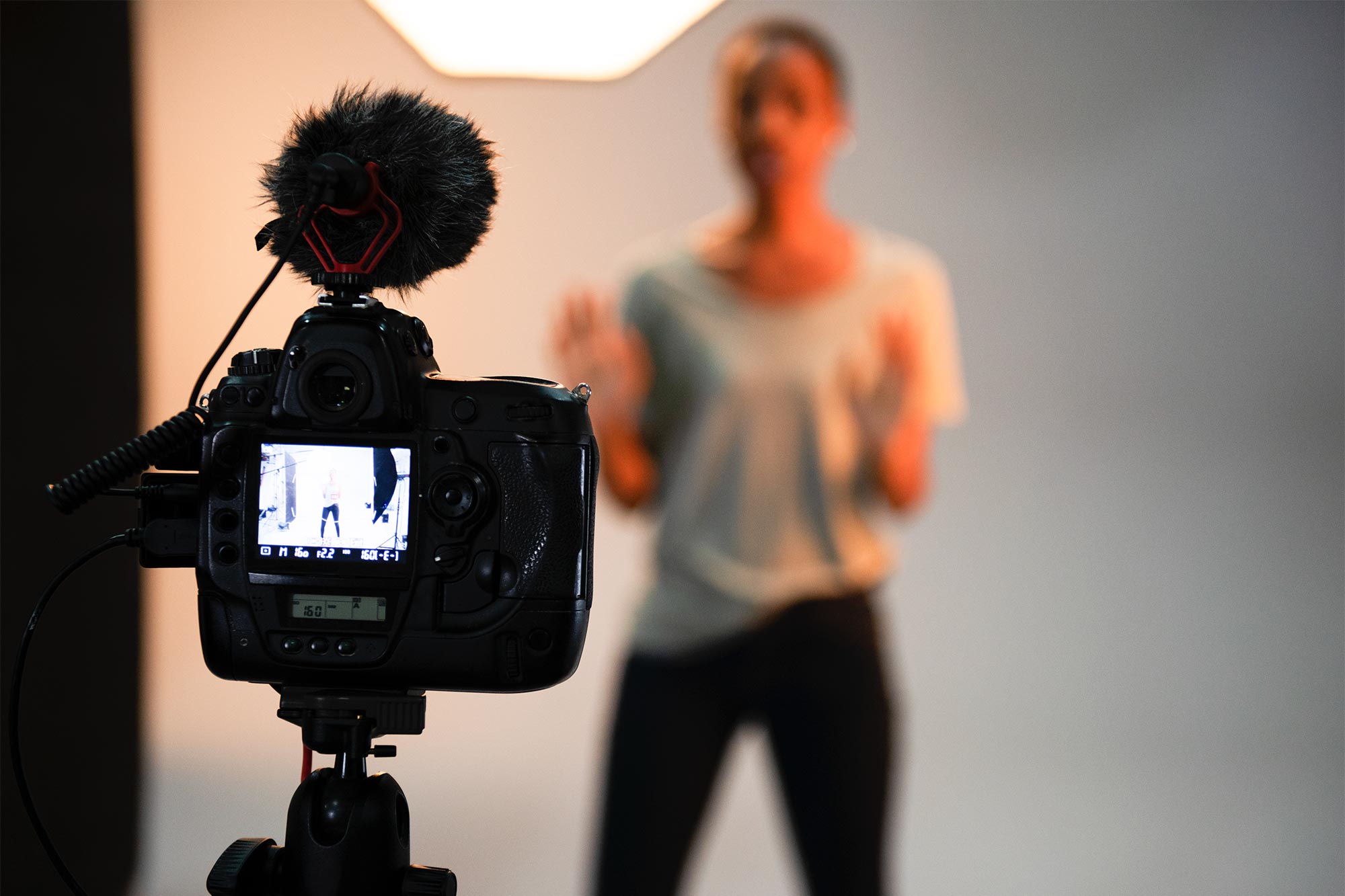
Actress in front of the camera in an audition

Pamela’s approach to coaching is an Artistic-Holistic directive.

As an Intuitive Acting Coach, Pamela uses metaphysical approaches when it comes to grounding, focusing, empowering actors. Fine tuning intuition and bringing out the silences in the performance. 

By being selective and not taking on a lot of students at one time, Pamela is able to give personal attention to each of her students.

Little known info about Pamela, besides being an active Casting Director/Producer/Intuitive Coach, she is also an energetic body healing, intuitive-medium.

Additional services:

*Intuitive Career/Life Sessions

*Self tape audition sessions

* Rates on 1 session, to 5 or 10 package rates.

Email: Bradleybaroncast@aol.com

Text: 201-805-3404

www.PamelaSKramer.com

IG: @bradleybaroncast

IG: @healingheart4

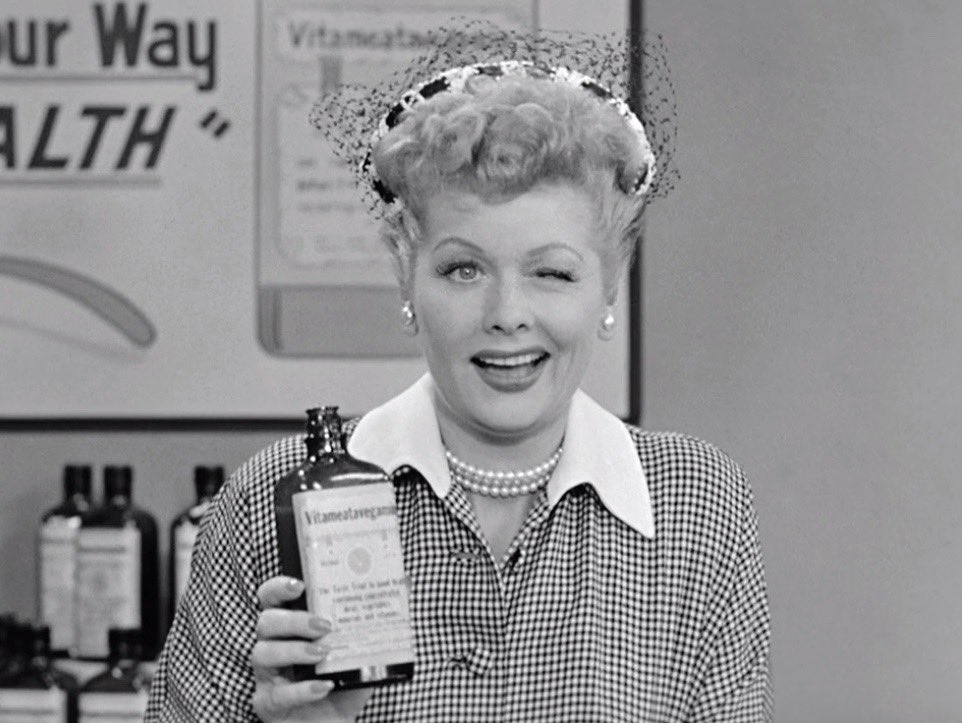
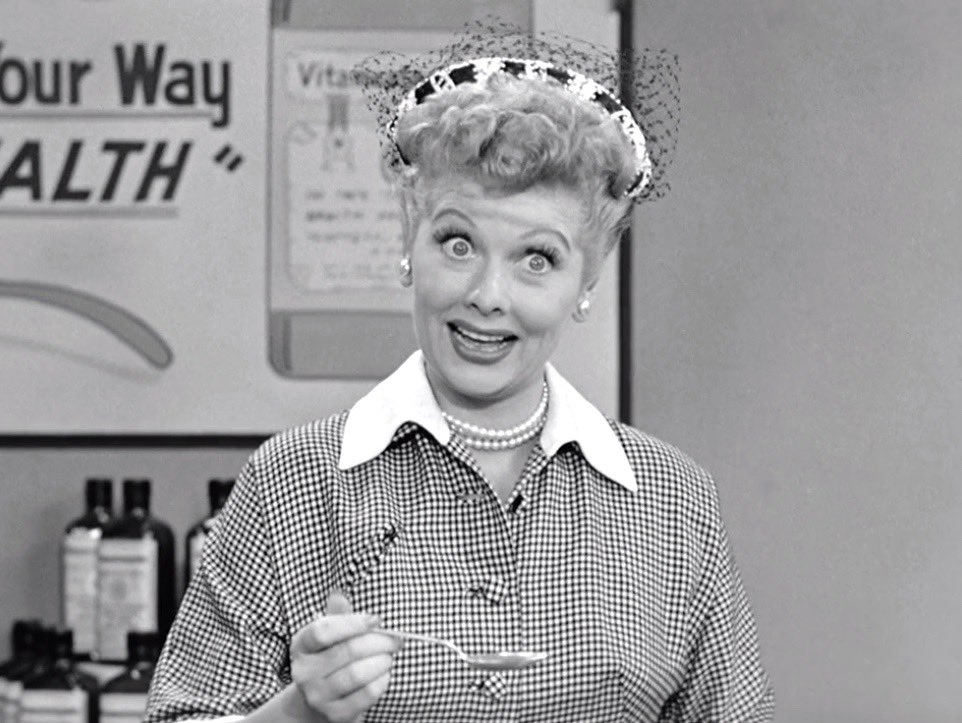
Lucille Ball in I Love Lucy

NYCastings-3-Ways-to-Capture-the-Audiences-AttentionCapturing the audience’s attention is a challenge all actors face. Whether it’s delivering a monologue, performing a scene, or even telling an anecdote on stage, the actor must be able to keep the attention of their audience. A captivating performance starts with an actor’s ability to connect with those watching and make an impression that lasts long after they leave the theater.

The best way to do this is by using engaging techniques such as subtle movement, vocal variation and experimentation with body language. By being creative and pushing yourself beyond your limits, you can bring life to any scene and truly mesmerize those watching you perform. Audiences respond to performances that demonstrate skillful emotional range, physicality and effortless improvisation.

Subtle Movement

When it comes to acting, subtle movement can make all the difference. Subtle movements are small actions that bring a scene alive in a realistic way and add nuance to any performance. In fact, many actors rely on subtle body language to show emotion and create depth in their characters.

Subtle movements can range from a simple head nod or hand gesture to something more complex like changing posture or facial expression. No matter the type of movement, it’s important that you remain conscious of your physicality while performing so you can convey the right feeling without being too overt. By focusing on smaller details like these, you can ensure that each moment is as naturalistic and believable as possible.

Let’s look at this scene in Maggie Gyllenhaal’s directional debut movie The Lost Daughter. There is SO much going on in this scene with words and subtle looks. Olivia Coleman, Dakota Johnson and Dagmara Dominczyk set the tone with their subtle movements.

Vocal Variation

Vocal variation is an essential skill for any actor to master. It encompasses a variety of techniques which can help to bring the script or character to life. You can use vocal variation to help establish the emotions, motivations and relationships of a character in a scene.

The use of vocal variation involves adjusting the pitch, volume and tone when delivering lines. This allows you to effectively convey what your characters are feeling as well as create subtle differences between characters who may have similar goals and motivations. By making small adjustments in these aspects of delivery, it helps keep performances engaging and dynamic throughout a scene or production.

NYCastings-I-Love-Lucy-Lucille-Ball
I Love Lucy

By utilizing these techniques properly, you can ensure that your scenes come alive through vivid portrayals of your characters’ emotions or attitudes.

What better example of Vocal Variation is there other than Lucille Ball and Desi Arnaz?

Just for fun, I’m adding in this clip of Lucy’s Vitameatavegimen Commercial because it’s just so funny I needed a belly laugh. What’s your favorite I Love Lucy episode? Follow DirectSubmit NYCastings on Twitter to comment!

Body Language

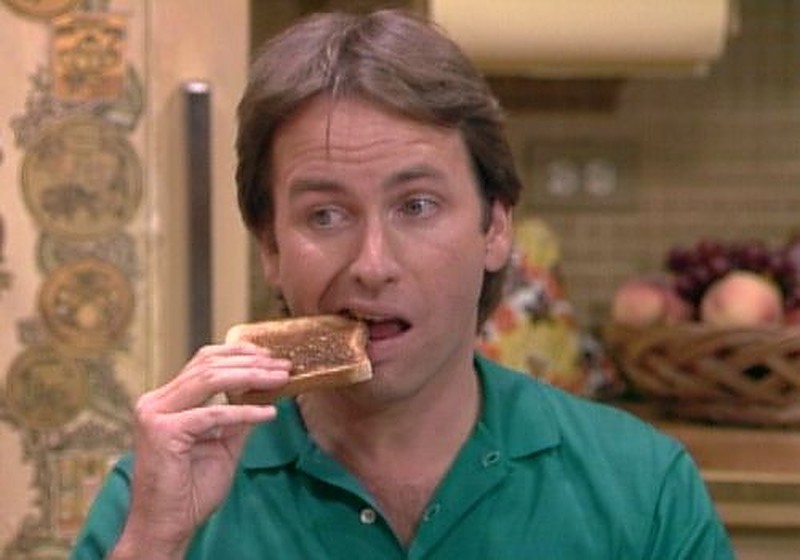
Knowing how to properly use body language is essential for any aspiring actor as it can help bring out the bits of each character, allowing you to truly become the person you’re portraying. Through movements such as eye contact, facial expressions, posture and gestures, you can convey emotions without having to say a word. This type of nonverbal communication allows viewers to connect with the character on an emotional level and believe in their presence. Furthermore, when movements are exaggerated or done out of context it can create comedic moments that add lightheartedness and charm to any performance.

NYCastings-Threes-Company-John-Ritter-as-Jack-Tripper
Three’s Company

There’s a lot of great body language in Three’s Company, especially when it comes to John Ritter. LOL! I just watched this clip like, five times.

Alright, so! Grabbing an audience’s attention is no small feat. It requires a combination of creativity, logic, and proper timing. With the right combination of these elements, an audience can be engaged, entertained and persuaded. It’s important for any performer to invest in understanding the psychology of their audience and learn what will capture their attention and keep it throughout the performance. (The last thing you want to see are people yawning in the audience!)

Filming scenes out of sequence - NYCastings

If you’ve been cast in a film, you may find the shooting schedule to be a bit confusing when you first receive it. Maybe you’re filming your death scene first, or doing a grand emotional scene before the scenes building up to it. When we watch a movie, we have a chance to get to know the characters in the beginning; the larger moments at the end feel “earned” and carry an emotional weight. As an actor, when shooting scenes in order, we can feel that same thing; feeling out the character in the beginning and reaching emotional highs once we’ve lived with them for a while. However, with the complicated nature of shooting locations, personnel availability, and many more things being thrown at the filmmakers, the schedule often needs to get jumbled around. So how can you, as the actor, adjust to that?

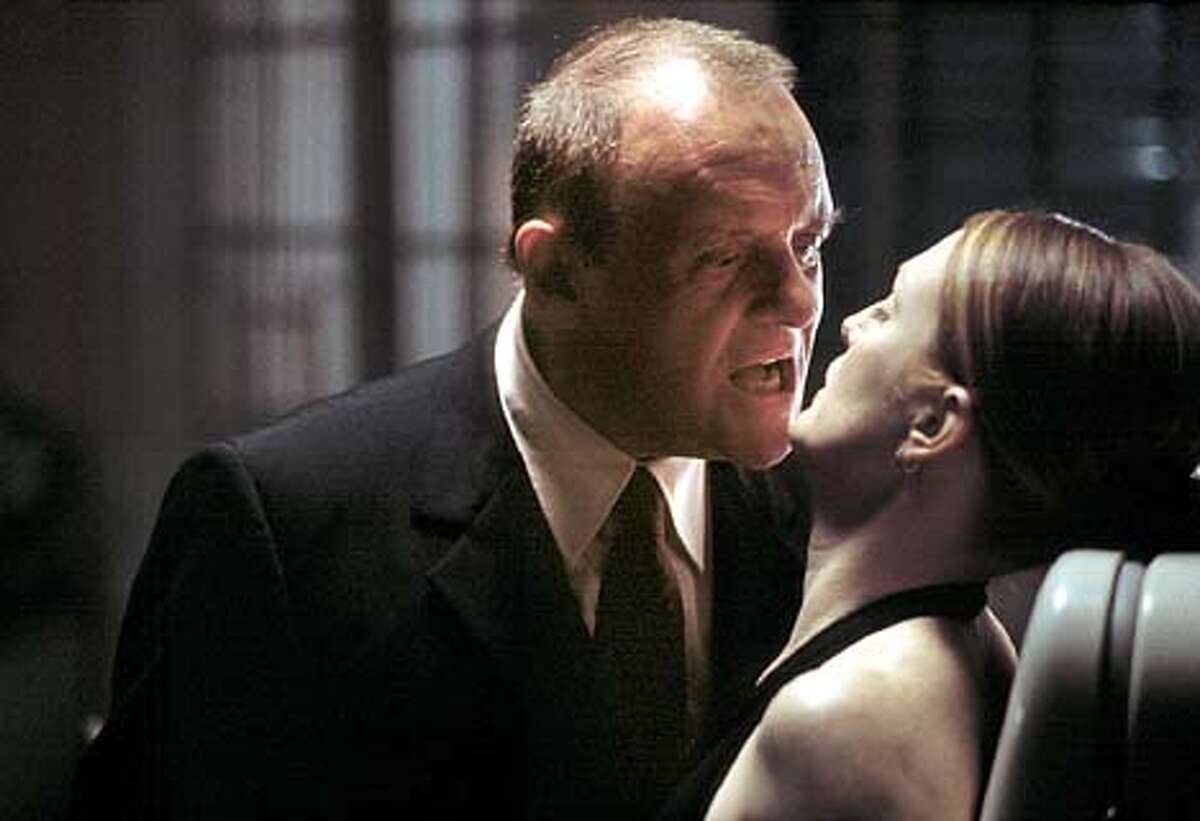
The simplest answer to this question is to study the screenplay thoroughly and in full. Veteran actor Anthony Hopkins once said when speaking about preparing for roles, “I learn the text cold, [and] read it maybe 100 or 200 times.” Over 100 read throughs of a script before production may seem like overkill, but a deep understanding of the story will prepare an actor better than anything else. If you understand the story inside and out, then jumping into it at any point will be easy. You’ll have a vivid image of what’s happening in the world of the characters leading up to the scene. 

Spending extensive time with a script before production may also initiate important discussions between the actor and creative team, leading to better preparation coming in. When shooting in sequence, it may be possible for actors to make discoveries in early scenes that carry throughout the film. The director may like a subtle mannerism or choice and ask for it to repeat, for example. When shooting out of sequence, this may become difficult. You may not be able to apply choices to future scenes when the future was already shot in the past. However, if the director and actors have already built a deep rapport about the characters, and the actors are very prepared with the script, it may be easier for the director and actors to jump around in the sequence of events while collaborating on interesting and fresh acting choices! 

Thinking about the “prior action” of a scene is also an important habit for any actor, whether shooting in or out of sequence. We may think a scene starts when the director calls ‘action;’ but, for the characters, it started when they woke up that morning. So, never stop asking yourself questions to understand the character’s headspace. Why are they running into the room? What were they doing before that? You can always go a bit farther back and understand a bit deeper. They just woke up? How did they sleep? Why? Getting into this habit will help with your acting in every setting, but it will also help while shooting out of sequence. 

How does all of this affect memorization? Well, for a longer project, it may be daunting to memorize the entire script before you’ve even begun production. Working to memorize scenes one at a time, as you’re about to film them, could be more manageable. This could seem a bit confusing if you’re working out of sequence. However, it may not be as daunting as it seems. I believe that memorization comes from a strong understanding of the causality of a scene. When every action is a reaction, then you hardly need to memorize at all – you just react accordingly when things happen around you. So, this memorization tactic also helps with shooting out of sequence; you allow yourself to live at the whims of the character’s world and seek to identify what they are directly reacting to. 

Overall, the answer to staying in the proper headspace when shooting out of order isn’t too different from how to act naturally in the first place. Understand the “why” of the characters, visualize the prior action, and identify what triggers each action you take. And, of course, understand the script on a deep level. If you keep these things in mind, it won’t matter what order you film in! 


Jennifer-Babiak-of-Fiddler-on-the-Roof-Discusses-Her-Pre-Show-Rituals

Every actor has their own unique pre-show rituals that help them prepare for a performance. Whether it’s an intense warm up or just a few moments of meditation, these rituals can become essential for any actor to get in the right mindset before taking the stage. From seasoned veterans to complete newcomers, many actors rely on these routines to help them focus and stay in character. Some of these rituals involve superstitious elements, while others are based on practicality. Such rituals can vary from actor to actor but often involve things such as meditation, stretching or vocal warm ups. It’s important for an actor to find the routine that works best for them in order to give the most powerful performance possible.

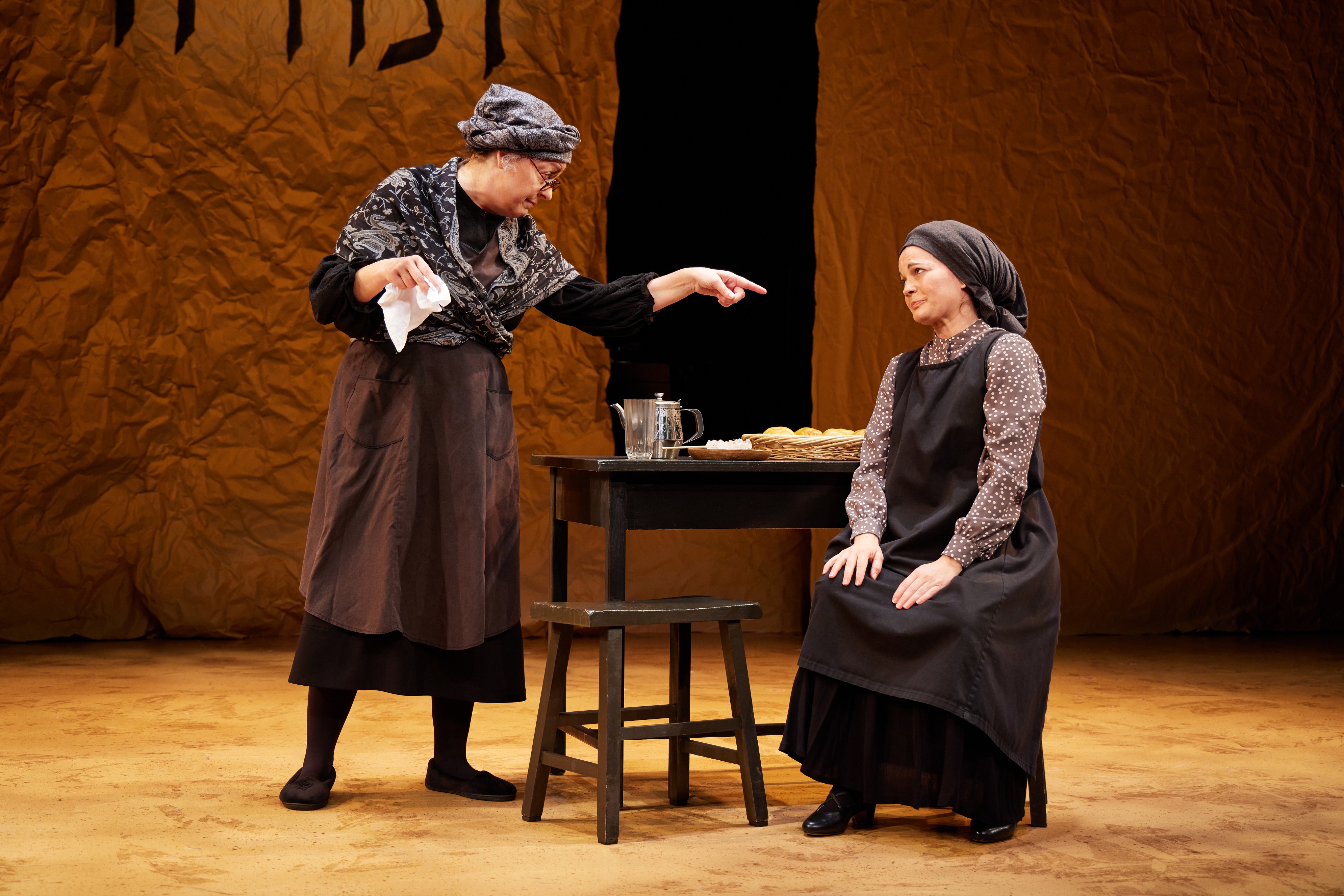
Actress Jennifer Babiak is currently reprising her role as Golde in the Yiddish version of Fiddler on the Roof which has supertitles in English and Russian, so you don’t have to speak Yiddish to enjoy the show. It’s playing at the New World Stages theater at 340 W 50th St, New York City.

A true New Yorker, Jennifer, who is very peppy and has a glowy excitement about her, takes us through the steps of her original audition, gives us some up close and personal insights into spending time apart from her actor husband due to work and shares with us her pre-show rituals.

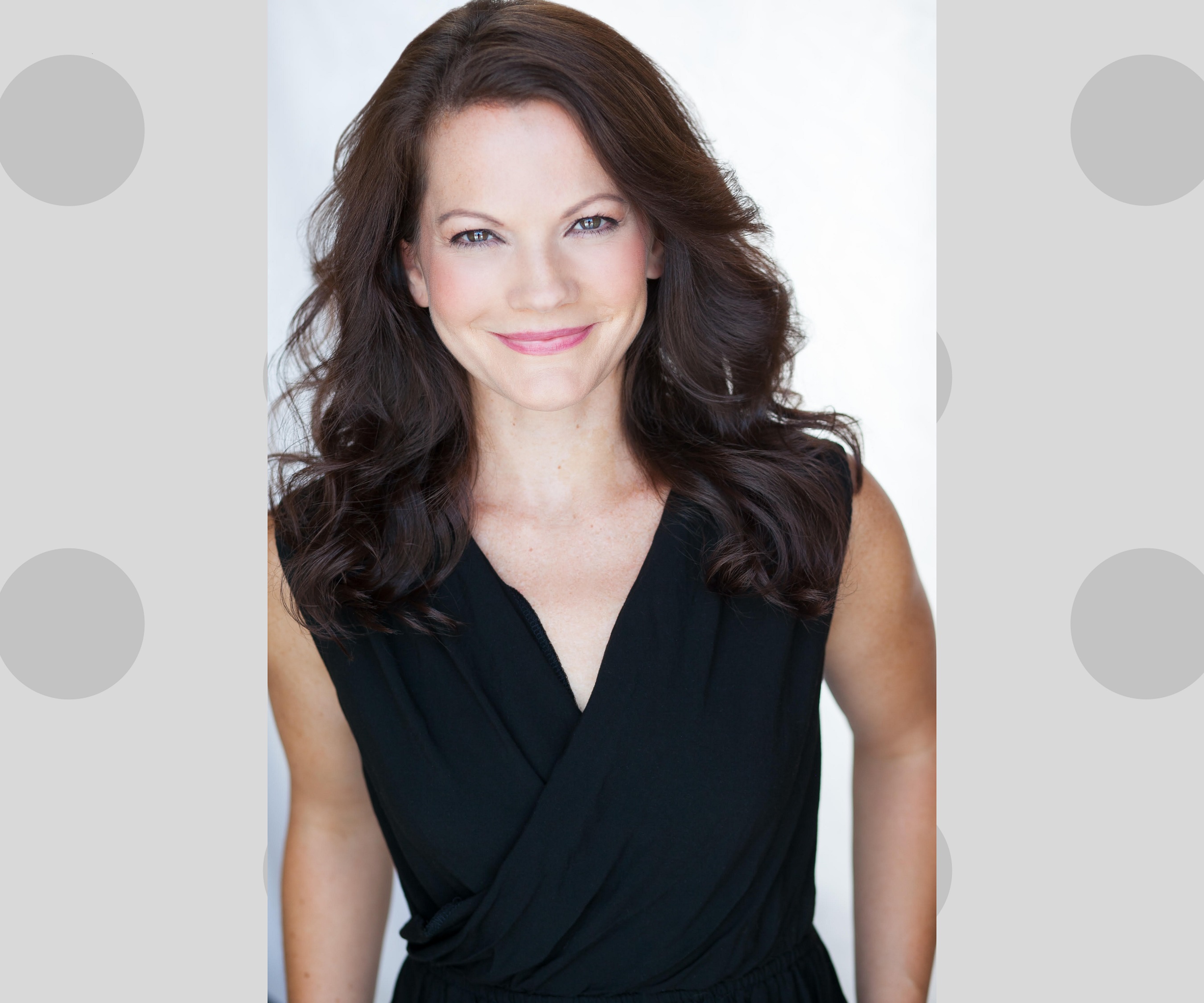
NYCastings-Jennifer-Babiak-Photo-by-Michael-Kushner

Photo by Michael Kushner for ‘The Dressing Room Project’

You play Golde in the Yiddish version of Fiddler on the Roof. Tell us about your audition.

For my initial audition in spring of 2018 I was asked to prepare Golde material in Yiddish, two scenes and a short cut of “Do You Love Me” in Yiddish. I wasn’t sure at first if I was right for Golde. I remember asking my agent if I read the e-mail wrong. But what I did know was that I wanted so badly to be a part of this production after hearing it was an all Yiddish production directed by Joel Grey. So I was willing to go for it no matter what. We were given a ton of helpful material to prepare, recordings with pronunciation of the scenes and songs. But when the actual audition day came it was a little scary going into a room auditioning in a language you do not know and knowing the Joel Grey was going to be there. I just remember walking in and Joel could not have been more warm and inviting and made me feel at ease with his beautiful smile. The entire team had the most supportive energy in the room and wanted us to succeed. I ended up being cast as Bobe Tsaytl and a Mame in the ensemble as well as understudying Golde. I then was asked to take over a few weeks into the run downtown and have played the role ever since. It has been one of the most rewarding and beautiful experiences of my life and career. And I am the luckiest actor getting to play opposite the incomparable Steven Skybell. He is the most incredible and giving person onstage and off. This entire cast is a dream and we are all truly a family. It has been amazing to be together for all these years and also welcoming lovely new family members to this production as well.

Golde is not an easy character to play. What rituals, if any, do you do to get into character?

I have my usual rituals getting ready for the show: steaming, tea, a banana and warming up but for this I particularly warm up my lower register speaking voice because she is placed much lower than I normally talk. I speak the Yiddish before each show to make sure it’s rolling off the tongue properly. But for getting into character I have a big physical transformation which helps me slip into character for sure; a padded suit, extra hair pieces for underneath my head covering, some age makeup, etc. I get to the theater very early to start the process and I love that prep time. At the start of the show I always watch our amazing Fiddler, Lauren Jean Thomas, as she plays the iconic opening, and I watch Steven Skybell walk out for his opening monologue. They set the scene so beautifully that I am ready to go on the ride and tell this beautiful story.

What’s it like working with the iconic director Joel Grey?

Just as he was warm, kind and welcoming at the audition, that is the way Joel has been with this show and this cast from day one. He loves this show so much and every single person involved. Joel has never stopped wanting to work on things and never stopped in keeping the show fresh and alive. He is collaborative and loves talking about the characters, scenes, moments and welcomes conversations with us actors. I particularly loved being in the room watching him work with others in scenes. It is beautiful to watch him work his magic. He says something and it’s as if you are seeing the scene for the first time — seeing Fiddler for the first time.

Why and when did you become involved in acting? Like any job, I’m sure it has its ups and downs. What are the ups and downs for you?

I got involved in the musicals in high school and doing community theater on Long Island where I grew up. I was a singer first and always loved music. I was obsessed with musical theater and took the LIRR frequently to see Broadway shows and didn’t care that I could only afford the worst seat in the house, LOL. I didn’t really fall in love with acting until I went to NYU and met my mentor and incredible acting teacher, Jack Allison. My eyes were opened and I was hooked on the craft from then on. There are ups and downs of course. Over the years I have had many gaps in time where I was waitressing for longer stretches than I had hoped. But then when getting to do what I love and having these precious moments like I am having now it is so special, so worth it, and I am incredibly grateful.

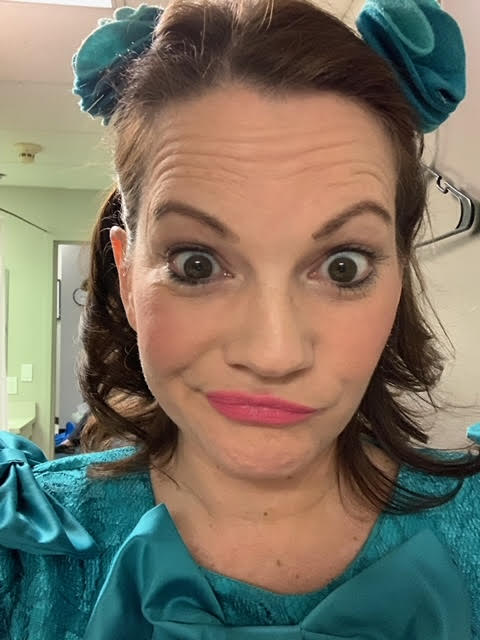
Always a Bridesmaid Never a Bride costume from I Love you You're Perfect Now Change

Oh Jennifer, you’re so silly! READERSCaption this photo! Follow DirectSubmit NYCastings to comment!

On December 8, you and the cast of Fiddler on the Roof will be at the Chanukah Spectacular which will stream December 8 at 7 PM ET. Are appearances such as this built into your contract, or is it something you’re asked to do on the side?

I am not involved in this event you mention, but in general when we have been asked to perform outside of the show we are asked in advance and asked if we are available so it’s not built into the contract. We have had the opportunity to do some incredible events over the years for Fiddler. Steven and I performed ‘Do you Love Me’ at the Drama Desk Awards in 2019 when our Fiddler won Best Musical revival. What a thrilling night!

Has the recent anti-Semitic happenings affected you in any way?

It’s absolutely horrifying. It does feel extremely important now more than ever to be telling stories like this and to be spreading as much empathy as possible into the world.

What place does politics have in the world of acting?

I feel it is so important again now more than ever when people’s rights are in jeopardy and when there is hate being spread in the world to do whatever we can to prevent it. So if I can help in any way by sharing or spreading the words of those politically who are fighting for what’s right, I feel compelled to do so.

Being an actor is not an easy job, what with crazy hours. How do you and your husband, Michael, work through that? Is Michael in show business?

Yes Michael is in actor as well (he’s amazing!) We support each other whole heartedly and although it is hard especially when doing shows away from home, we are both so proud of each other and we make sure we schedule in visits as much as possible. We actually got to be in a production together for the first time ever this past spring (‘I Love You, You’re Perfect Now Change’ at Act II Playhouse in Ambler, PA) and it was truly special.

What is it about Bernadette Peters that drives you and everyone else nuts?

I love Bernadette! I have always loved her voice, her wonderful personality, her phenomenal talent of course and she exudes grace, kindness and generosity.

NYCastings-Jennifer-Babiak-Photo-Credit-Ronnie-Nelson-Photo-by-Ronnie-NelsonAnything else you’d like to say?

Thank you for the lovely interview and I hope to meet in person at some point! Shout outs to a few of my favorite charities: Speaking of Bernadette — Broadway Barks, Broadway Cares and Girl Up.

Jennifer Babiak’s Socials:

Instagram

Twitter

3-Keys-to-Building-Trust-and-Rapport-with-Kids-on-Set

Working with children on set can be both incredibly rewarding, and incredibly difficult. With so many people involved in the production, it’s important that actors are able to build trust and rapport with the kids they’re working with.

There are three key strategies for actors to ensure their interactions with the kids on set are positive: how to create a safe space for the children, build a positive connection between actor and child and develop trust through consistency.

How to Create a Safe Space for the Children

Creating a safe space for children is an important task that parents / guardians, educators (if being schooled on set), actors and other production personnel must work together towards achieving. It’s important to know that the safety of a child isn’t something that can be accomplished overnight – it requires the right kind of support and an understanding of the needs and feelings of children.

You should be aware of any potential dangers or risks around your environment. Proper pre-production meetings should take place where safety protocols are discussed, such as controlling access to the set, monitoring any contact between cast and crew members who are interacting with minors and making sure all parties understand their roles in keeping everyone safe. Any instances of inappropriate behavior must also be reported immediately so proper action can be taken by production staff.

Actors should meet with the parents to discuss any potential concerns and meet the children beforehand to start establishing rapport (more on this below). Parents should also take the time to educate their children about risky situations and what steps they should take if faced with them.

While we would all love to think that being on set is safe, sometimes that’s just not the case (i.e. Harvey Weinstein). The union SAG-AFTRA even has a team dedicated to safety issues and sends a representative to set, when minors are involved, to make sure the young actors are being treated fairly.

Even as an adult actor, you may not feel qualified to “babysit” a child actor. Therefore, you should make sure that the parent or guardian – whoever the child comes to set with and goes home with – is close by at all times. The last thing you want is for a child to feel scared or insecure. Please note I specifically mentioned the person you want nearby is someone the child is familiar with – not a Production Assistant or another crew member, as they themselves may not feel qualified to watch them.

(Also, productions may not even do background checks on people who interact with the children, so that’s another reason to consider caution.)

Build a Positive Connection Between Actor and Child

Building a positive connection between actors and children is an important part of any production process. It can be a challenge to create positive relationships when working with kids, but it’s essential for the success of any performance. Establishing trust and understanding between adults and children is key for creating meaningful content on stage or screen.

Start by spending time talking with the child about their interests and hobbies. It’s also important to make sure that you’re honest, friendly and patient when communicating with them. Encouraging constructive criticism from both sides allows the child actor to feel comfortable voicing their opinion without feeling judged or criticized. When giving feedback on their behavior or performance, focus on what they could have done differently in order to achieve their goal instead of blaming their failure or creating negative associations.

Develop Trust Through Consistency

Trust is an essential part of any successful relationship, and this is especially true when it comes to working with child actors. Establishing trust on set can help ensure that everyone involved in the project can work together effectively. One key factor in developing trust is consistency.

Consistency helps create a sense of safety and security for everyone on set which makes it easier for child actors to feel comfortable enough to put their best performance forward and possibly take risks that they wouldn’t otherwise feel comfortable doing. Directors should strive to provide clear direction from the start by setting expectations for all members of the cast; this way, both adults and children understand what is expected from them. Showing respect will also go a long way in building relationships based on mutual trust. Although every role will require different approaches, having a framework of consistent standard practices makes everyone more comfortable with taking chances within their work.

NYCastings-Develop-TrustWorking with child actors requires a high level of patience and understanding. Consider the age and maturity of the young performers, keep their safety in mind and make sure they’re having fun while learning their lines. Be patient when it comes to their attention spans and allow them time to be creative on set. When guiding child actors, focus on clear communication, positive reinforcement and respect for their ideas.

PRO-TIP: When my children were toddlers on set, whenever the Director or Production Assistant wanted to speak with them, he/she would squat as to be closer to their height. Being on the child’s level helps create a safe space.

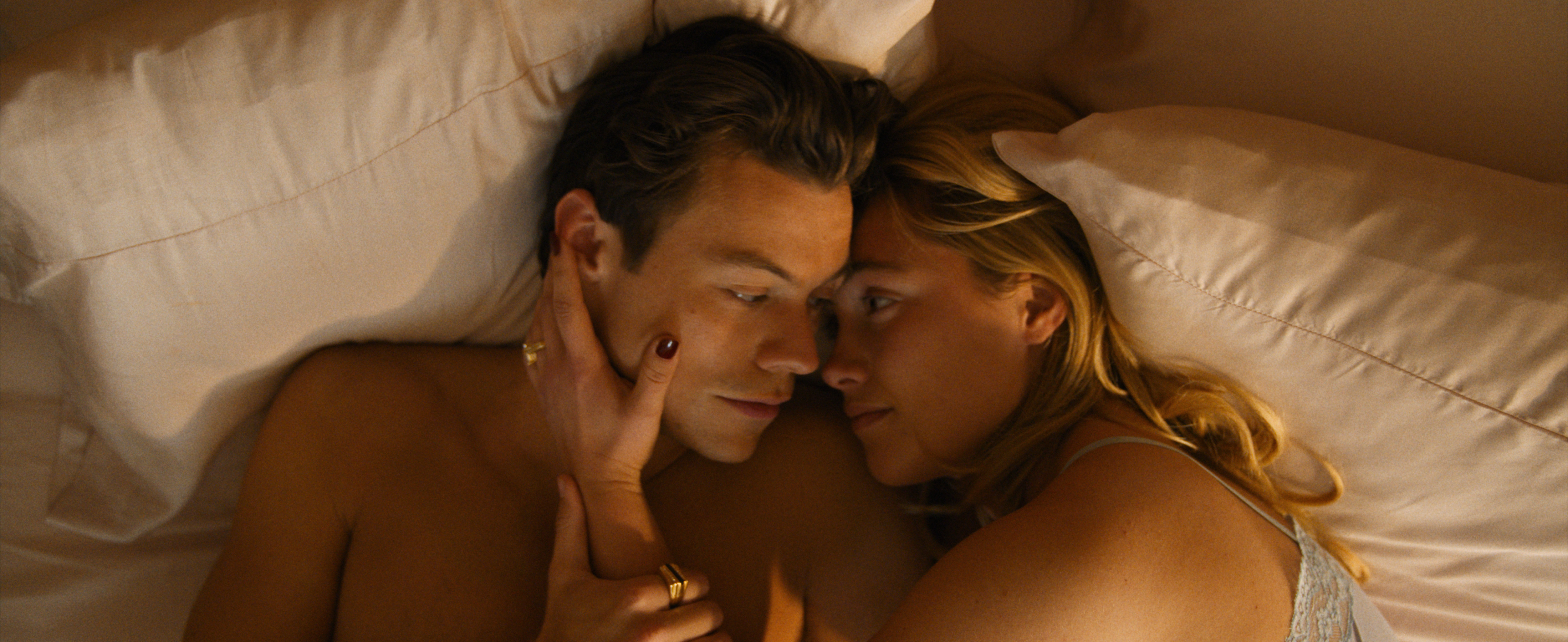
Harry Styles and Florence Pugh in Don't Worry Darling, directed by Olivia Wilde

Acting has been a staple of the entertainment industry for centuries and its influence on society cannot be denied. There has been an increasing concern that acting may be linked to social decline. I’m analyzing this possible link by examining the various ways in which acting can affect personal relationships and contribute to social disengagement.

It’s difficult to ignore the media’s influence on society. We’re constantly being bombarded with images of celebrities and their lifestyles in magazines, television and social media. But is there a link between these images and the deterioration of our social values? Let’s look at how acting can have an impact on public morality.

Acting is a popular career choice for many, but it can come with its own set of challenges. One of those challenges often involves personal relationships. People who make their living in the performing arts can be highly subject to working long hours and intense workdays, while being away from home or on location for long stretches of time. This lifestyle can take a toll on friendships, family relationships or romantic partnerships. Have you noticed that a lot of celebrities are involved with other celebrities? In my opinion, that’s because they understand each other’s hectic schedules.

Personal Relationships

In some cases, an actor’s career path may require them to move away from home and go where the work takes them. This may cause a strain on their relationship with family members. Spending extended periods of time apart or having limited communication due to conflicting schedules could lead to misunderstandings and resentment between couples.

Getting back to understanding each other’s schedules… I only know what I read, so I don’t have inside information, but look at actress turned director Olivia Wilde and singer Harry Styles. Harry is off on tour and Olivia wants to stay local with her kids. Of course I don’t know the real reason for their breakup, only what I see online. But this is a classic example of how personal relationships can be affected with people in show business.

Social Disengagement

Actors often become so committed to their craft that they forget how to interact on a genuine level with those around them during their off time. They may get lost in the narrative of their performance and find it hard to relate back to everyday conversations or situations. This can cause them to feel disconnected from society, leading them down a path towards social isolation.

Though actors may thrive in the spotlight, it can become difficult for them to handle social isolation that comes with the job. With spending long hours on set and being away from family and friends, this can lead to them experiencing loneliness amongst unfamiliar faces. (You may have heard how actors consider their co-workers their family.)

Mental Health And CounselingAs a result, many actors struggle with their mental health due to lack of connection with those they love. Research shows that feelings of isolation trigger negative thoughts and feelings such as anxiety or depression. This can lead actors down a dangerous path if left unchecked, causing serious damage not only to their own mental health but also their career prospects if they don’t receive professional help when needed.

Some familiar names have opened up about struggling with mental health: Ryan Reynolds, Britney Spears, Royal Meghan Markle, Bruce Springsteen, Angelina Jolie and Cara Delevingne, just to name a few.

Is Acting Linked to Social Decline?

As you can see from my argument above, acting can have various implications on social relationships and mental health. It often leads to a greater distance between individuals as they become preoccupied with their own performance. Furthermore, it can cause heightened levels of stress and anxiety as performers strive to achieve perfection in their act or satisfy their audience’s expectations. Is there a lack of true interpersonal connection or sustained communication between actors and audience members?

Communication between actors and audience members is an important aspect of any theatrical performance. It can create a more interactive, engaging experience for all involved. Communication between the two parties can take place both directly and indirectly.

Direct communication happens when actors interact with the audience in real time during the show, such as when an actor breaks the fourth wall or interacts with someone in the audience directly. Indirect communication takes place through subtle movements or facial expressions that let the audience know what is going on without having to say anything aloud. This type of communication allows actors to quietly convey emotions or messages, making it especially powerful in storytelling. Both types of communication help bring performances to life and create deeper connections between performers and their audiences.

So where is the line drawn? Do actors have a deeper connection with their audience than with family and friends? We’d love to hear your thoughts. Please follow us and comment at DirectSubmit NYCastings.

P.S. Deeper Connections with Audiences

With the rise of virtual shows and digital platforms, actors are getting creative in order to build deeper connections with their audiences. These connections often go beyond the traditional fourth wall of a performance, allowing performers to truly engage with their viewers.

Actors are going out of their way to create an immersive experience for audiences by providing them with a glimpse into what goes on behind the scenes. From live streams or Q&A sessions that provide insights into character development and rehearsal techniques, to interactive activities that invite audience participation – these strategies help bridge any distance between stage / screen and viewer. Audiences can now feel connected to actors on a personal level, resulting in stronger relationships between performer and fan alike. Furthermore, these innovative approaches have helped foster communities centered around artistic expression, creating lasting impressions far beyond the show itself.

How-Acting-Promotes-Negative-Values

Acting is an art form that has been around for centuries, and it has the power to both entertain and educate audiences. However, when executed poorly or without proper consideration, it can also be a conduit for promoting negative values. This article will explore how acting often encourages undesirable messages, such as racial prejudice, gender biases and cultural stereotypes. It will also discuss the various ways that actors and directors can take steps to ensure their performances do not inadvertently propagate these damaging ideologies.

Racial Prejudice

Racial prejudice is an issue that plagues many aspects of modern life, including acting. It’s kept certain minority groups from having access to roles they deserve and, in some cases, should have earned through hard work and dedication.

Racial prejudice affects casting decisions for roles, leaving many actors discriminated against because of their race or ethnicity. This can range from being offered roles that are stereotypical or offensive to being denied the opportunity to audition altogether. Racial prejudice also affects how actors of color are perceived by audiences, leading them to be cast in fewer leading roles than white actors.

We can take this a step further. Behind the scenes, there’s still a higher percentage of writers and directors who are white. But hold up! We can go even further because UCLA released study results in October 2022 which states that white men are given larger budgets to work with than people of color or women. You can see UCLA’s report here.

NYCastings-Positive-ValuesGender Biases

Gender bias in the acting industry is a pervasive and enduring problem. Women are routinely excluded from leading roles, typecast into certain roles and underpaid compared to their male counterparts. In recent years, there has been an effort to shed light on the issue of gender bias in film and television by highlighting disparities between women’s compensation and visibility versus those of men.

Women’s roles have traditionally been seen as supporting or secondary characters while men take center stage as protagonists and leads. Furthermore, women are likely to be cast in romantic comedies or action films that exploit their sexuality instead of building strong female characters with depth. Think Indiana Jones and the Temple of Doom. This form of gender stereotyping reduces opportunities for women to develop complex narratives that can challenge existing stereotypes about gender identity and representation within the entertainment culture.

Now, don’t get me wrong. The switch is flipping, but perhaps not fast enough. Take a quick moment to read about How Murdered and Abused Women Finally Got Their Due on TV.

Cultural Stereotypes

Cultural stereotypes in acting have been a long-standing issue. Hollywood has historically portrayed certain people of color, genders and ethnicities as one-dimensional characters with limited characterization. Over the years, this has caused an immense amount of backlash from viewers and critics alike who are fed up with these tropes being perpetuated on screen.

Despite increasing representation and opportunities for diversity, there’s still much work to be done. While some studios make strides towards rectifying this issue through casting decisions, others cling to outdated generalizations about certain cultures that can be damaging if left uncorrected. Consequently, actors of all backgrounds must take action both on set and off screen in order to ensure that their stories are being accurately represented within the industry for future generations.

NYCastings-Racial-prejudice-gender-biases-cultural-stereotypesHow Actors, Directors and Casting Directors Can Get Involved

Actors, directors and casting directors are often seen as the face of film and television production. They have the potential to bring positive values to their projects and influence audiences in a powerful way. With this power comes great responsibility, however; it’s up to these three roles within the entertainment industry to ensure that their work reflects a commitment to positive values.

To get involved with positive values, actors can dive into research about characters they play or topics related to their current project. Directors should consider stories that reflect universal truths rather than those that rely on stereotypes or outdated ideals. Casting directors should create diverse opportunities for all types of performers regardless of race, gender identity, or sexual orientation. All three can also seek out productions with an ethical code of conduct and use their platform to participate in social activism when possible.

See How Casting Director Carla Hool Is Changing The Game For Latinx Actors.

Now, I get it. There’s big money in entertainment which could influence people’s decisions on which roles they take and which movies to produce. But the industry is changing and we’re at a point in time where we can actually do something about it. So think about where you stand in the ever changing, hopefully growing, world of show business, and decide how you can help promote positive values instead of negative ones.

The-Impact-of-Film-and-Television-on-Society

Now more than ever, society is being exposed to the influence of film and television – both in our personal lives and in the public discourse. While film and television can be an excellent source of entertainment, its impact on society is undeniable. It can shape our beliefs, inform us about different cultures and serve as a reflection of current societal values.

I prefer the pure entertainment value, but unfortunately, I know how unrealistic it is not to watch the news. So I do, but the time that it takes me to keep up with world events takes away from my entertainment. It’s hard to say if this has an impact on my personal well being and mental state of health. What about you? Please subscribe and comment on our Twitter feed.

How Film and Television Shape Culture

Film and television have the power to mold culture in multiple ways. It can influence people’s opinions and values as well as provide a platform for representation of different genders and races. It’s been used for decades to spark conversations about societal issues as well as inform viewers on important topics such as politics or current events.

From classic films like The Godfather to more modern-day series like Game of Thrones, both the big and little screens can be powerful tools. Movies often bring up new ideas such as justice or morality while TV shows are able to present these topics in a more long-term way with the help of characters’ arcs throughout the show’s duration. For example, Netflix’s Stranger Things shows how one small town deals with supernatural forces while exploring themes such as friendship and loyalty.

Side Note: Do you prefer film over television, or television over film? This has long been a debate. I personally prefer television because I feel the characters are more developed since a series lasts longer than a 2-3 hour film. Yet, if a movie is done really well, I’ll also feel satisfied. Still – I’ll choose television. You?

NYCastings-How-Film-and-Television-Shape-CultureThe Influence of Cinematic Art on Society

Cinematic art is a powerful medium of communication, impacting society in many ways. It can influence people to think in new ways and challenge previously held beliefs, while also promoting the acceptance of diverse cultures and lifestyles. As a form of artistic expression, cinema captures and conveys complex topics that may otherwise be difficult or uncomfortable to discuss — allowing for meaningful dialogue between viewers.

From biopics to crime thrillers, filmmakers use cinematic tools to create stories that resonate with audiences around the world. Through captivating visuals and compelling soundtracks, cinema has the power to transport us into another world — making us laugh, cry, think deeply about important issues or take action on things we care about. By triggering thought-provoking conversations about social justice and other relevant topics, cinematic art encourages viewers to see the world from different perspectives — inspiring change both in individuals and larger communities.

Speaking of soundtracks, which are your favorite? I must say I love the soundtrack in James Cameron’s film Aliens! The score was composed by James Horner, performed by the London Symphony Orchestra and recorded at Abbey Road Studios in London.

Understanding the Effects of Visual Storytelling

Visual storytelling is an important tool for communicating ideas, messages, and stories to audiences. Whether it’s in advertising, marketing, or entertainment, visuals help people comprehend and remember ideas more effectively than words alone. Understanding the effects of visual storytelling can help marketers better engage with their target audience and create a powerful message that will be remembered.

Using visuals to tell a story not only makes it easier for the audience to understand but also helps evoke an emotional response. By creating engaging imagery that resonates with viewers on a personal level, brands are able to capture their attention and create an impactful message that sticks with them long after they’ve seen the work. Visuals can also be used to illustrate complex concepts in simple ways which helps break down barriers of understanding for viewers who may not have much knowledge about a particular subject matter.

I remember when CGI (Computer-Generated Imagery- special visual effects created using computer software) became a thing. What a game changer!

Examining the Impact of Popular Films and Shows

Popular films and television shows have a powerful influence on how we view the world. They configure our opinions, attitudes and beliefs, often without us even realizing it. It’s worth taking a deeper look at how these films and shows affect our lives, as an awareness of their potential impact can help us to make informed decisions about what we watch in the future.

In many ways, popular films and TV series are like mirrors into our society; they reflect what’s happening in culture at any given moment. From dramas to comedies to action-adventures, the messages that these works convey can be incredibly influential. For instance, video games which have little movie clips in them that depict violence as an acceptable response to anger can lead viewers down a dangerous path of thinking if this message is taken too seriously. It’s easy to blame the video game, right?

So there you have it — film and television have had a tremendous impact on society. From the emergence of new genres and fads, to the creation of new forms of entertainment. The advent of streaming technology has revolutionized how we watch movies and television, allowing for more diverse programming that is easily accessible. The influence of film and television can be seen in everyday life, from the language we use to the way we interact with each other.

Steven-Skybell-Fiddler-on-the-Roof-On-Anti-Semitism

Anti-Semitism is creeping back up. Or perhaps it never went away but is more prevalent in our lives due to instant news and social media. What does anti-Semitism have to do with acting? I’ll tell you…

Steven Skybell has reprised his role as Tevye, the lead in Fiddler on the Roof, which is on a limited run at New World Stages in New York City. This particular show is performed all in Yiddish with English and Russian subtitles.

For those of you not familiar with Fiddler on the Roof, it follows Tevye, a Jewish dairyman living in Imperial Russia during the early 1900s. Through his struggles with his five daughters’ choices of husbands, Tevye shows how his culture battles against societal norms and anti-Semitic attitudes from both within and outside their community.

Anti-Semitism in the acting world is an issue that continues to plague the industry and its performers. This type of discrimination has been around for centuries and is a particularly difficult problem to overcome, even in modern times. As Fiddler on the Roof is still performed today, it serves as a reminder of how far we have yet to go in terms of achieving true equality within the performing arts community.

NYCastings-Fiddler-on-the-Roof-Lauren-Jeanne_Thomas-Steven-SkybellSteven Skybell is the latest actor to take on the iconic role of Tevye. The musical was written by Joseph Stein and composed by Jerry Bock.

Skybell has been in several Broadway productions throughout his career. In addition to performing on stage, Skybell also has an extensive list of television credits including appearances on Madam Secretary, Law & Order: SVU, and NYPD Blue.

Skybell’s performance as Tevye is sure to be a memorable experience for both cast members and audience alike. With his vast experience and expertise as an actor, it’s no wonder why he was chosen to take up this cherished role.

You’ve reprised your role as Tevye in Fiddler on the Roof, performed in Yiddish. Do you actually know Yiddish or did you learn to speak it just for the role?

I had studied Yiddish prior to being seen for the Yiddish Fiddler. I had always had an interest in Yiddish music and plays. And I had studied with a woman at Northwestern University one summer when I was performing in Wicked in Chicago. I certainly wasn’t fluent in Yiddish, and as we rehearsed the Yiddish Fiddler initially, it slowly dawned on me that not only did I have to know everything that I was saying, but I had to know what everyone was saying to me as well. It became Acting 101 for me, and in that regard it was very challenging, but very rewarding.

There’s plenty of singing in Fiddler. Have you had formal voice training?

My first voice teacher was a woman by the name of Emilia Simone, and she taught me when I was 17 years old in my hometown of Lubbock, Texas. I continued to have voice lessons throughout school and most recently studied for many years with Neil Semer. His studio is in New York City. With Neil, I studied classical music which I feel gave me a very strong understanding about how to use the voice wisely. Tevye is a very large role: a lot of emotion, a lot of talking, and some demanding singing. It has always been a challenge for me to keep my voice healthy doing sometimes eight shows a week — and sometimes we did five on the weekends in 2019. Lately, I’ve been relying on the vocal know-how of one of our cast members, Rachel Zatcoff. She is a voice teacher, as well as plays the role of Tsaytl in our production.

Do you wear a wig and fake beard in the show?

Thankfully, I wear my own hair and beard in this production. I played Tevye at 17 years old at Interlochen, Michigan, and played Tevye again at Yale undergrad when I was 21. In both of those productions, I did wear a fake beard. I’m very happy to have my own hair and beard for this production. The only thing I have to do make-up wise is try to tone down some of the white hair that has crept in over the last few years.

With the recent anti-Semitic happenings, do you have any fear that someone is going to harm you and/or your co-workers? Did you have any discussions about this?

We did have a security meeting with the Shubert Organization, which addressed the idea of some thing untoward happening during a performance. With the rise of anti-Semitism, and the fact that so many violent shootings are happening in our country, I’m not going to tell you that it hasn’t crossed my mind that our very Jewish production might be in someways a target. Thankfully, nothing like that has ever remotely occurred. Not even heckling. With the rise of anti-Semitism, our Yiddish Fiddler on the Roof has definitely become more meaningful and its message more dire than I think it ever has been since Fiddler was created in 1964.

You’ve been in several Broadway and off-Broadway plays, including The Full Monty and Wicked. What’s the difference, as an actor, between Broadway and off-Broadway?

The question of Broadway versus off-Broadway is very pertinent for our Yiddish Fiddler. When we moved uptown in 2019, we were at Stage 42 on 42nd Street. This time for the 2022 revival, we are at New World Stages theater. Both of those theaters have 499 seats, so technically, they are one seat away from being the size of a Broadway house. And in that regard, it can be a little frustrating because our very celebrated production was not eligible for any Broadway awards such as the Tony’s. In terms of financing, an off-Broadway show is going to be less expensive. Our show is so intimate and so minimal, that I know the Director, Joel Grey, was very concerned that when we moved uptown, we not go to a theater that would cause us to have to be larger than the simplicity of what our show is. And I have to say that at New World Stages, the theater feels perfectly sized for our production, intimate yet large.

You did a residency at Colonial Williamsburg which focused on acting Shakespeare in both the colonial and current period. Tell us about this experience.

In 2019, I was asked to be the “artist in residence“ for a weekend at Colonial Williamsburg. This included a performance of Shakespeare soliloquies and monologues done in historical garb. It was a very exciting experience to be part of a gala at Colonial Williamsburg, in addition to my performance, there, (which was a one night gig), I also led a master class in Shakespeare for some of the people who work as the historical players in Colonial Williamsburg. My love of Shakespeare has led me to teach in a variety of schools, including Harvard, Yale School of Drama, Fordham NYU grad acting and Juilliard. And the challenges of performing Shakespeare are very similar to performing Tevye in Yiddish. The need to take a vernacular that is not inherently your own, and give it such spontaneity and life, that everyone feels this is your native tongue. The muscles used to have that happen are very similar between Yiddish, or any foreign language and Shakespeare, which is kind of a foreign language in English.

Your TV credits include Elementary, 666 Park Avenue, NYC 22, Law & Order, Sex and the City and All My Children. How is performing on TV different from performing on stage? Which do you prefer?

I have performed on TV and film throughout my career. The obvious difference between camera work and live theater, is the audience. Performing nightly for a new audience keeps the show alive and fresh and never routine. The audience is so important in a theatrical performance. In terms of camera work, there really is very little need to repeat anything. The camera will catch anything you do so repeating is never really part of the skill set, at least not in the way of a performance eight times a week. So there can be a feeling of great freedom in camerawork. But it also is very isolated. No audience and sometimes it can be a very minimal crew that’s there with you. It’s much more of an internal small experience. I love both camera and live theater for their various challenges. Certainly, there’s often greater monetary compensation in film and TV, and that can make it more desirable. The hours in TV and film are very long. The hours in theater can also be equally long certainly in rehearsals, but once the show is up and running, it’s definitely a shorter workday than TV and film. At this point in my life, I’ve built my career, mainly in the theater, and I can’t imagine that I would ever leave the theater completely for TV or film.

You taught acting at NYU, Juilliard, Yale Drama, Harvard’s ART, and Fordham. What type of acting classes did you teach? How did you get those gigs?

I have been teaching for almost 20 years now. I only ever wanted to teach Shakespeare, because I felt there was a lot of misunderstanding about how Shakespeare works, and I very much wanted to pass on a lot of the knowledge that I had gained in drama school, and in many productions of Shakespeare. The way I fell into teaching, is, I had a colleague, who had gone to undergrad and drama school with me, and she ran the directing department at Fordham Lincoln Center. Out of the blue I contacted her, wondering if she knew if the department would ever want a Shakespeare master class, but as it turned out, they needed someone to co-teach the Shakespeare class that semester. Ultimately, the other teacher couldn’t continue teaching that semester so the entire semester fell to me, and as they say, the rest is history. I’ve stayed on teaching at Fordham as long as my performance schedule has allowed me over the years. Then one school after another contacted me about teaching. I never really pursued it, but it became something that I felt I had a knack for and I enjoyed.

Steven Skybell’s Awards and Nominations:

Drama Desk Awards – 2019 – Outstanding Actor in a Musical / Steven Skybell, Fiddler on the Roof (in Yiddish) 

Drama League Awards – 2019 – Distinguished Performance Award / Steven Skybell, Fiddler on the Roof (in Yiddish)

Outer Critics Circle Awards – 2019 – Outstanding Actor in a Musical / Steven Skybell, Fiddler on the Roof (in Yiddish)

Obie Awards – 1996 – Performance / Steven Skybell, Antigone In New York


Actors-with-Dyslexia-Overcoming-the-Odds

Dyslexia is a common learning disability (a neurological disorder) that can affect reading, writing and spelling abilities. Although it’s most often diagnosed in children, it can also affect and/or continue in adults. Many famous actors have dyslexia, including Tom Cruise, Will Smith, Keira Knightley, Keanu Reeves and Jennifer Aniston.

However, having dyslexia does not have to be a roadblock to your acting career, as you may have guessed from the list of actors I just mentioned. You just need to work around it.

Many people with dyslexia have difficulty with phonemic awareness, word decoding and word recognition. This can make reading a script difficult.

If you’re dyslexic, you might think, “But how am I to read and memorize a script? How am I going to keep up with the rest of the cast?” That’s a solid question — especially in a world where scripts are shot out of order and there are last-minute rewrites.

How do actors with dyslexia read scripts?

Use a text-to-speech device such as the Scanmarker Air Pen Scanner. This item is portable so it can easily fit into any of your pockets or bags. Perfect for actors since we’re always on the go! One of the options the air pen scanner has is Text to Speech: “The Scanmarker apps will read the text back to you in real-time while scanning! Aids with memorization and reading comprehension, and is an effective assistive tool for those with dyslexia or other reading difficulties.” Bonus: It comes in different colors! :) :) :)

How do actors with dyslexia manage their condition?

There is no single approach to managing dyslexia. However, many experts agree that early intervention is key. The earlier dyslexia is identified, the sooner treatment can begin. This may involve tutoring, special education services and accommodations at school. So if you suspect your child actor may have dyslexia, don’t just brush it off.

Some people with dyslexia also find it helpful to join a support group or connect with other individuals who have the condition. With today’s technology, there’s a high chance you can find an online support group if you’re unavailable for in-person meets.

NYCastings-Actors-With-DyslexiaWhat are the challenges actors with dyslexia face?

The challenges are mostly related to the audition process. You may have trouble reading lines or memorizing them, which can put you at a disadvantage when competing for roles.

There are ways to overcome these challenges. Some actors use cue cards instead of traditional audition material. Others work with a coach to help them prepare for auditions. And many just work harder than their non-dyslexic counterparts to make up for any shortcomings.

The bottom line is that dyslexia is not a death sentence for aspiring actors.

How do actors with dyslexia prepare for roles?

You can read the script out loud to yourself to get a better understanding of the character and the story. You want to feel confident and prepared. (Actually, reading the script out loud probably works for the non-dyslexic community as well!)

What advice is there for actors with dyslexia?

People with dyslexia may often feel overwhelmed and underprepared when it comes to learning new tasks. However, there are a number of accessible strategies you can do to help.

But first, it’s important to remember that having dyslexia doesn’t make you any less capable than others. With the right strategies in place, you can still excel academically and professionally.
Create an environment at home or on set that is free of distractions such as noise or clutter so you can focus your attention on the task at hand. Additionally, breaking down large tasks into smaller chunks makes them easier to manage. Example, if you have a large speaking part, you’d want to consider each scene as a “smaller chunk.”

*******

Actors with dyslexia have proven that, even in the face of immense obstacles, anything is possible. Through courage and perseverance, they’ve been able to achieve recognition and success in the entertainment industry. It’s been shown that a diagnosis of dyslexia does not define one’s future or limit potential. Overcoming the odds is something you can do!

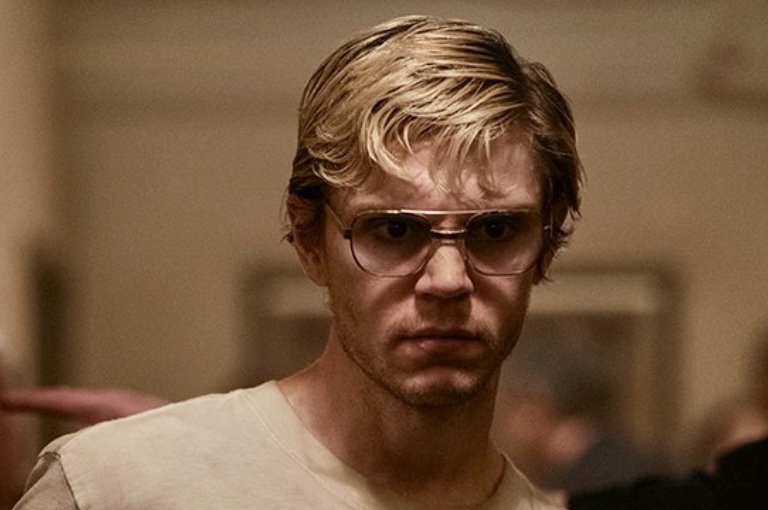
Even Peters as Jeffrey Dahmer

There are many different aspects that go into creating a believable character — there’s more to it than just memorizing and delivering lines. One important element is the physicality of the role. Whether it’s maintaining a certain posture, learning to fight like a medieval warrior or portraying a disabled person, actors must be able to physically transform themselves to convincingly inhabit their characters. In this article, we’ll explore some of the most physically demanding roles in acting… and most are not what you think.

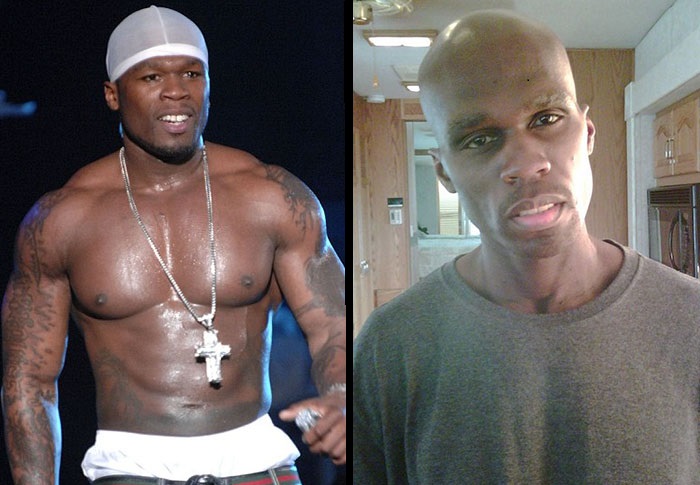
50 Cent
50 Cent

The physicality of acting can often be overlooked, but it is a crucial element in many roles. From action heroes to dancers, the most physically demanding roles require actors to be in top shape. Top shape includes top mental shape but we’ll save this for another article.

There are many different types of television viewers. To please everyone is not practical, so as an actor, you should do your best to portray your character with as much truth as possible.

Let’s start with the controversial Netflix series, Monster: The Jeffrey Dahmer Story. Created by Ryan Murphy and starring Even Peters as Jeffrey Dahmer, there’s a significant amount of work that goes into portraying a real person.

As stated in the October 29, 2022 issue of Variety, Evans said of Dahmer, He has a very straight back. He doesn’t move his arms when he walks, so I put weights on my arms to see what that felt like. I wore the character shoes with lifts in them, his jeans, his glasses, I had a cigarette in my hand at all times,” Evans explained. “I wanted all this stuff, these external things, to be second nature when we were shooting, so I watched a lot of footage and I also worked with a dialect coach to get down his voice. The way that he spoke, it was very distinct and he had a dialect. So I also went off and created this 45-minute audio composite, which was very helpful. I listened to that every day, in hopes of learning his speech patterns, but really, in an attempt to try to get into his mindset and understand that each day that we were shooting…”

Getting back to the viewers. Some people watch television to be entertained, while others watch it to learn. Some people watch television to relax, while others watch it to be stimulated. Some people watch television to escape from reality, while others watch it to understand the world better. So when you’re filming or on stage, the first question you should ask yourself is, “Who will be watching this show? Who am I doing this for?” The simple answer is, you’re doing it for yourself. The complicated answer is, you’re doing it for the audience. No one said there was no pressure in show business!

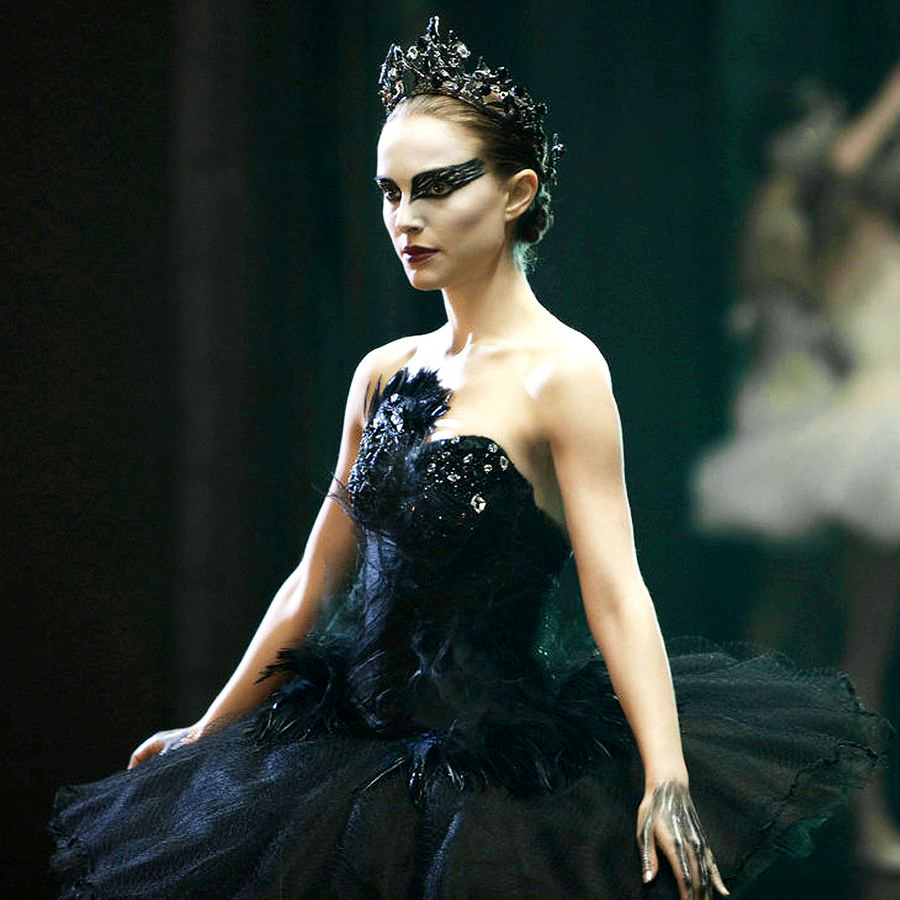
Natalie Portman
Natalie Portman

Pressure to portray a believable character in a physically demanding role is very much a real thing. In the film Black Swan, Natalie Portman and Mila Kunis play rival ballerinas. While Natalie Portman had some ballet training as a kid, Mila Kunis had none. Now, if you’ve ever seen a ballet, somehow, the dancers look like they’re effortlessly floating on air. If I try to do that, I come across as a heavy-footed 5-ton monster truck.

Both Natalie and Mila went through vigorous training and exercise programs in order to prepare for Black Swan. Imagine learning how to be an extraordinary ballerina in a short amount of time, toning your body to match that of a real ballerina AND learning your lines all at the same time.

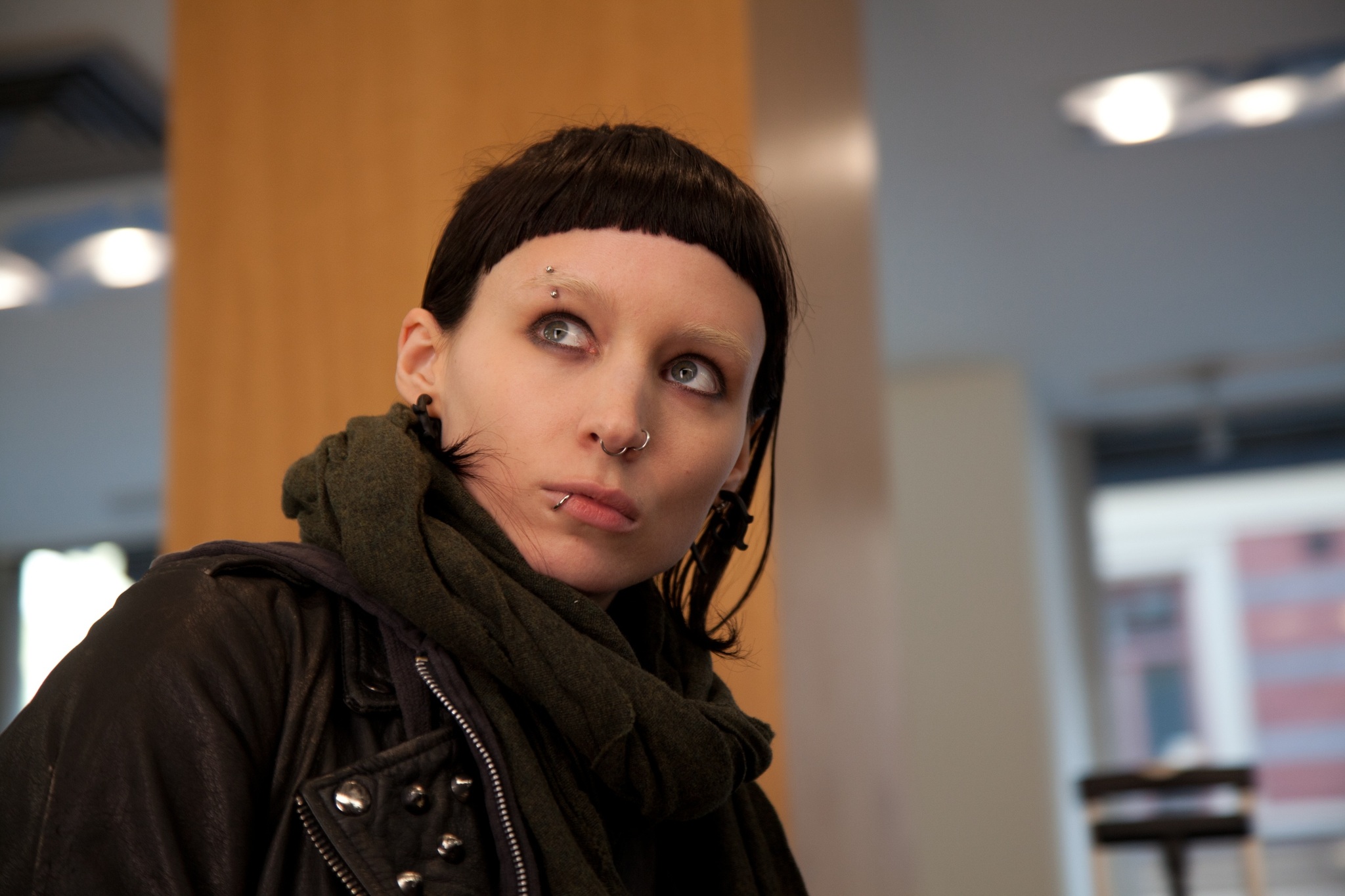
The physicality of a role doesn’t just mean body movements and dancing. Rooney Mara, who played Lisbeth Salander in David Fincher’s The Girl with the Dragon Tattoo, bleached her eyebrows and got multiple facial and body piercings.

Rooney Mara
Rooney Mara

And of course, weight loss and gain is probably the most well-known physical change a role may require. With the right diet and exercise trainers, actors have been able to accommodate their characters looks without the aid of loose fitting clothes and padded suits.

Some notable actors who have lost and gained weight specifically for a role are 50 Cent, Tom Hanks, Chris Hemsworth, Christian Bale, Chris Pratt, Jake Gyllenhall, Jonah Hill, Jared Leto, Demi Moore, Anne Hathaway, Daniel Radcliffe.

Although physically demanding roles in show business may be difficult to obtain, they’re well worth the effort. With the right training and attitude, you can succeed in this field.

How Do I Make My Self-Tape Auditions Look Good

Self-tape auditions became a necessity when COVID-19 broke out in 2020, and while many things have begun to revert back to “normal,” it appears that self-tape auditions are here to stay. But you’re an actor, not a camera operator or a lighting expert! It’s important for your self-tapes to look professional because you’re making a first impression on the people watching. But you don’t have to be a film school graduate or technical maestro to make a quality recording! Here are some of the top tips we recommend for a great self-tape:

Film Horizontally!

Shooting with your phone isn’t ideal, but it’s not a problem! Most phones have a nice enough camera to capture a great self-tape. But even when you’re recording on your phone, make sure you turn it sideways. A vertical video will not come across as professional.

Natural Light!

You may not have great lighting equipment or tons of experience with lighting people. That’s fine! The easiest way to bypass this and get a great lighting look is to film yourself facing a window. Make sure that the window is in front of you, not behind you. Natural light is more powerful and beautiful than any man made light. Lighting experts spend years trying to learn how to either sculpt and use natural light or imitate it with their equipment. For something as short and simple as a self-tape, you can get it right from the sun itself, and it will probably look better than a lighting setup that took you hours to create. Natural Light? What About My Ring Light? Ring lights are a trendy item to purchase for self-tapes and vlogging, but I personally believe they are overhyped. Even a great ring light will not look better than simply standing in front of a window. Plus, the circular light reflection in your eyes can be distracting – it may not be a problem for vlogs or makeup tutorials, but so much of a good acting performance takes place in the eyes! A ring light might help you in a pinch if you’re filming at night and can’t use the sun, but don’t sweat if you haven’t bought one.

Leave the Wall Behind!

Keep at least 3 feet between you and the wall. This will give you a better looking depth of field and avoid casting shadows. As for the wall itself, don’t worry about it! A neutral-looking wall is just as good as a backdrop, and a wall with decorations isn’t a bad thing as long as they aren’t distracting. A recent trend has seen more actors filming their self-tapes near paintings in their home to make their self tapes more interesting and show more personality.

Shush Your Roommate!

Don’t be rude to the people you live with! But sometimes you have to make sure it’s quiet for your self tape. I recently tried filming a self-tape while my roommate was playing video games in the other room. Once I listened back, I realized that you could hear it clearly. I had to re-record the whole thing, even though it was a good take! Take some time to practice your self-tape so that it won’t take too long to record it; then, when it’s time to start, make sure that everyone in your vicinity is keeping their volume down. You don’t need an expensive microphone or perfect audio, but background noise could be off putting!
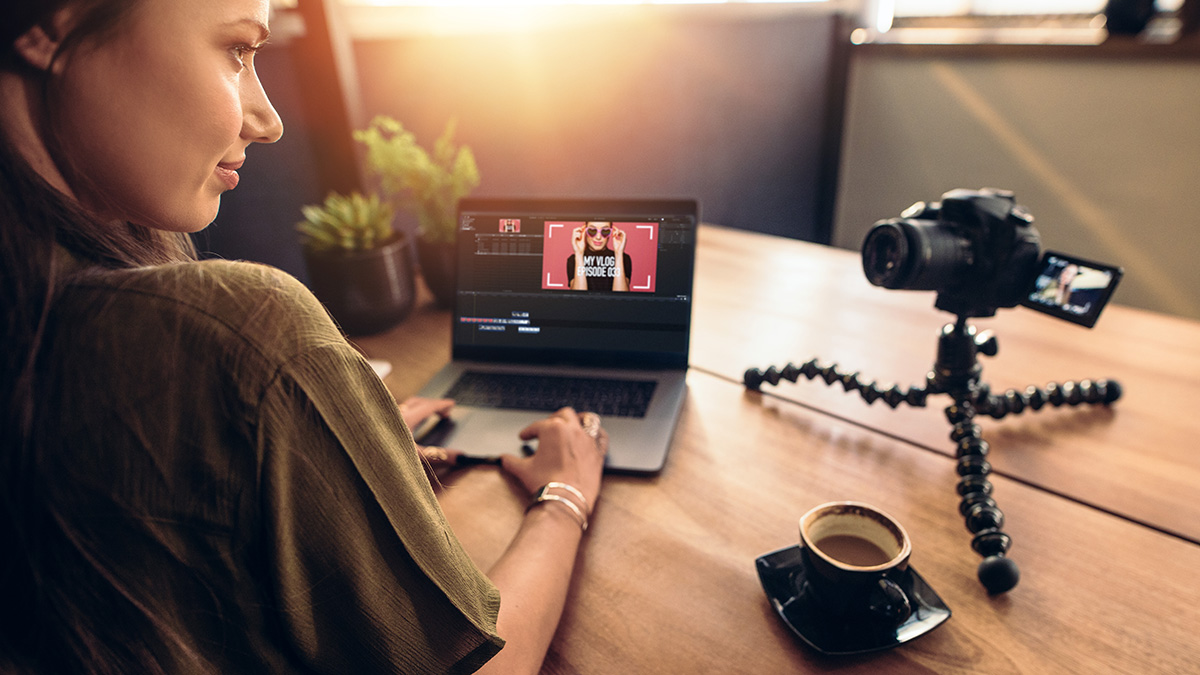
Frame Up!

You don’t want to appear tiny in the frame, and you don’t want to be in an extreme close-up. Setting the camera a medium distance away, at your eye-level, is great. The frame should go about from your chest to a bit above the top of your head. If you plan to move around in the tape, make sure you do not dip out of the frame. Also, even if you don’t buy a camera, you should buy a tripod to keep the frame stable and easy to tweak if needed – small tripods for phones, like this one, are easy to find online.

Good Eyeline!

Eyelines are a major thing that directors and cinematographers must consider. For a self-tape, you are the only subject being recorded, so you save yourself the trouble of worrying about exactly where you look. However, the rule of thumb for a great self-tape is to direct your eyes close to the camera without looking directly at the camera. If you have a reader with you, have them sit directly next to the camera and try to play against them naturally. This will allow the camera to catch your full performance straight-on.
—–
So there’s your little crash course on easy tricks to film yourself with high quality. I hope I saved you some money on film school. Good luck with your self tapes!

How-Murdered-and-Abused-Women-Finally-Got-their-Due-on-TV.jpg

Yes, TV has come a long way since the days of Leave it to Beaver and The Brady Bunch. There are now entire networks devoted to crime and violence, and many of these shows feature strong female characters who have been victimized by murder or abuse.

NYCastings-Murdered-Women-On-TV

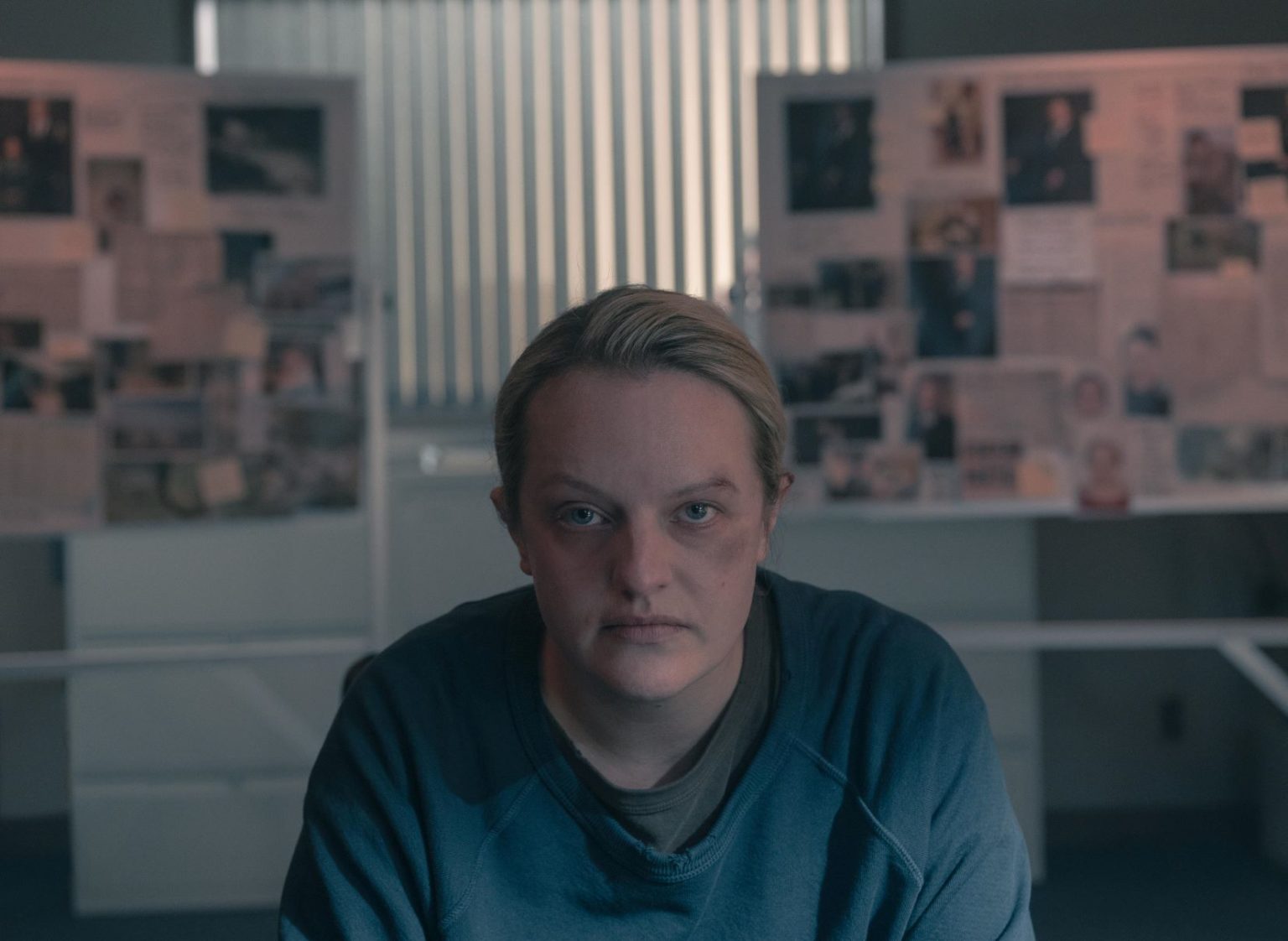
Elisabeth Moss in The Handmaid’s Tale

For too long, women on TV were either the perfect housewife or the damsel in distress. In more recent years, however, the landscape has changed dramatically. Women are now leading some of the most popular shows on television, and they’re playing roles that are far more complex and interesting than ever before. Now we have shows like Game of Thrones’ prequel House of the Dragon, The Handmaid’s Tale, Law & Order: SVU and How to Get Away with Murder (ended 2020) that feature strong, complex female characters who have survived horrific crimes.

These shows are important not only for entertainment value, but also for helping to break the silence around these issues. For too long, women who have been victimized by murder or abuse have felt ashamed and alone. Now they can see that there are others out there who understand what they’ve been through.

One of the most important aspects of this shift is the way that women are being portrayed. In the past, female characters were often one-dimensional and their stories revolved around their relationships with men. But now, there are more female characters who are defined by their own ambitions and desires. And while there are still plenty of romantic relationships on TV, they’re not always the central focus of the story.

As I see it, there are two items contributing to how murdered and abused women are finally getting their due on television:

1) There are more women working behind the scenes in show business

There are more women climbing the entertainment ladder to tell their stories. In the wake of high-profile cases (such as Harvey Weinstein) of sexual harassment and abuse in Hollywood, women are speaking out about the discrimination and mistreatment they face in the industry.

Despite the obstacles, women are making progress in breaking into male-dominated fields such as directing, producing and writing. And they’re using their platform to tell stories that have been traditionally overlooked, like those of women of color and LGBTQIA+ people.

However, there’s still a long way to go. Women are still vastly outnumbered by men in most positions of power in the business, and when they do achieve success, they often face even greater scrutiny and hostility from their male colleagues.

If Hollywood is truly going to change, it needs to do better at hiring and promoting women.

Let’s take a look at some of the women in elevated show business positions:

Shonda Rhimes is a highly successful creator, writer, producer and showrunner. She’s responsible for hits like Grey’s Anatomy, Inventing Anna, Bridgerton, Private Practice and How to Get Away with Murder.

Michelle King is a writer and producer who has developed and worked on shows The Good Wife, The Good Fight and Your Honor.

NYCastings-Abused-Women-On-TV

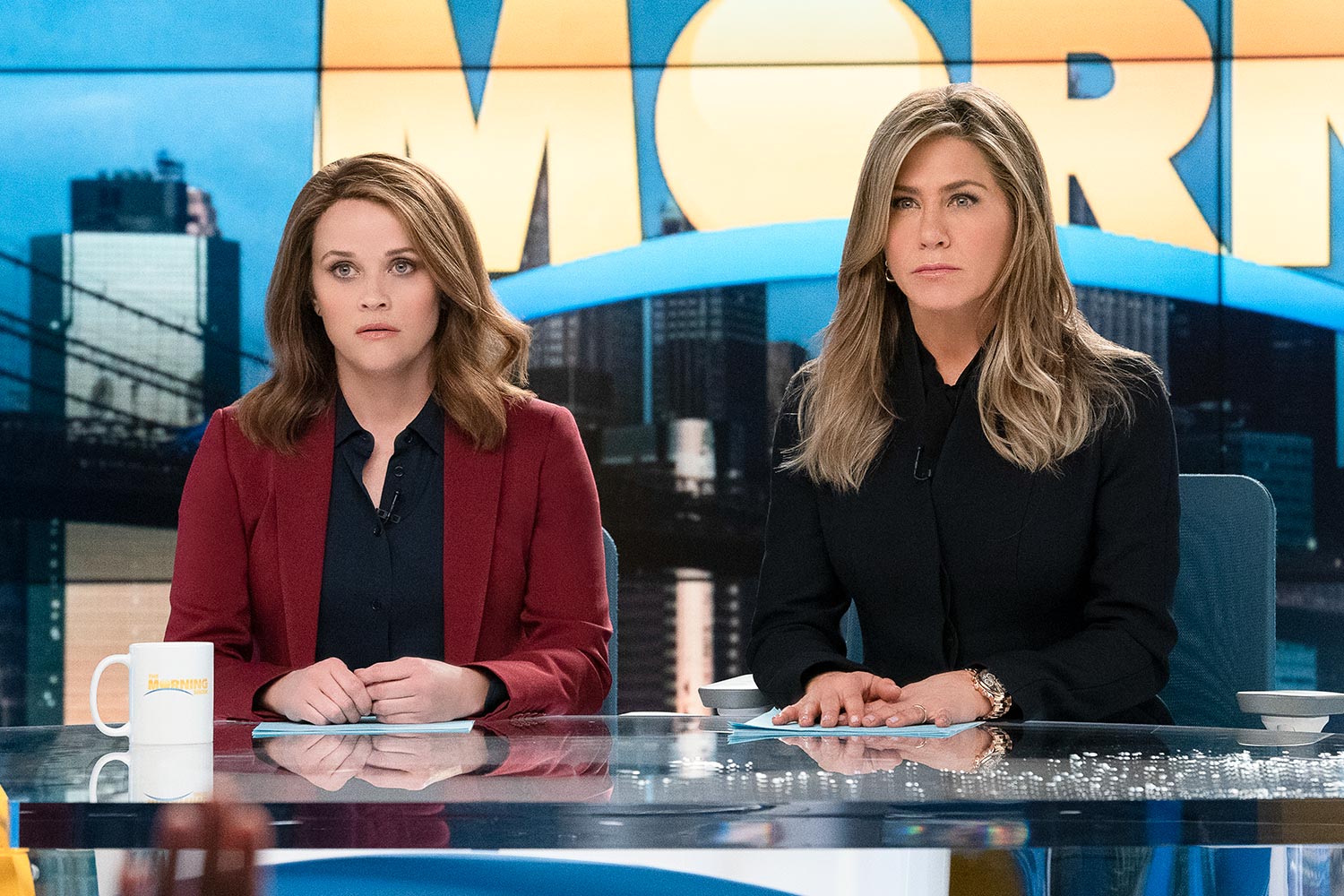
Reese Witherspoon and Jennifer Aniston in The Morning Show

Reese Witherspoon and Jennifer Aniston – actresses turned Executive Producers of Apple TV’s drama The Morning Show.

Michele Abbott, Ilene Chaiken, Kathy Greenberg and Marja-Lewis Ryan created the LGBTQ+ based The L Word: Generation Q.

Jamie Tarses (RIP) – Of course, we must honor Jamie Tarses who was the first woman to run a networking entertainment division and helped develop the shows Friends and Frasier.

We’ll stop here. Feel free to follow us at DirectSubmit / NYCastings to add more women to this list.

Also, Women and Hollywood has some very interesting statistics about Women Behind the Scenes, in case you’re interested in numbers.

2) More actors are willing to portray these victims

Ah. We can dig right into this one.

More actors willing to play victims is most likely due to the increased public awareness of abuse as well as the growing trend of social media users sharing their own personal experiences with abuse and violence.

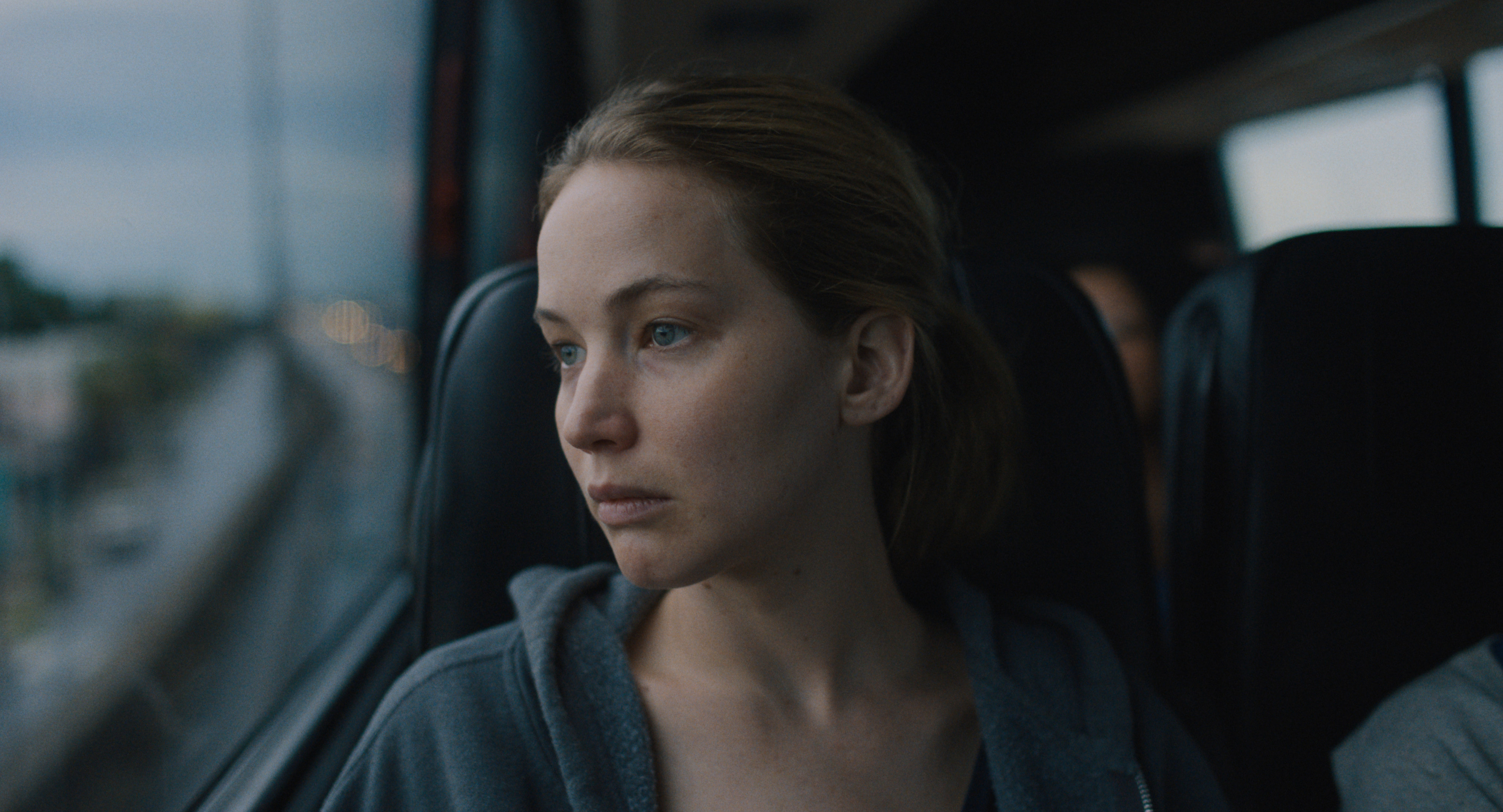
Actors who have portrayed victims of abuse or murder include Viola Davis, Jennifer Lawrence and Reese Witherspoon. All three have spoken out about their experiences with abuse and violence, and have said that they feel it is important to use their platform to raise awareness about these issues. Evan Rachel Wood, best known for Westworld and True Blood, is another actress to add to the list of people who use their fame to spread the word.

The willingness of actors to play victims on screen is a positive development, as it can help to educate the public about the prevalence of these issues and encourage more people to speak out about their own experiences. More actors are realizing that they can use their platform to shed light on important social issues.

NYCastings-Murdered-and-Abused-Women-On-TV

Jennifer Lawrence in Causeway

Despite the obstacles, women are making progress in breaking into male-dominated fields such as directing, producing and writing. They’re using their platform to tell stories that have been traditionally overlooked, like those of women of color and LGBTQIA+ people.

However, there’s still a long way to go. Women are still vastly outnumbered by men in most positions of power in Hollywood. And when they do achieve success, they often face even greater scrutiny and hostility from their male colleagues.

There needs to be more balance in the representation of women on television. But for now, it’s good to see that at least some progress is being made.

P.S. An article to read in your spare time is Variety’s Women’s Impact Report Class of 2022. Check out the powerful women in entertainment and what they’re working on.

Tatiana Maslany as Alison Hendrix in Orphan Black

What is it about a bad performance that is so alluring? Is it the *schadenfreude of seeing someone who is usually so polished and perfect stumble? Or is it something more, a chance to see a different side of an actor, one that is raw and vulnerable?

Whatever the reason, there’s no denying that there’s a certain appeal to watching a bad performance.

I’m not going to name names, but when I was a kid in 1983, I went to the theater and saw a movie called Krull – seven times. Anyone ever hear of or see this film? Follow us and comment because this, I’ve got to hear.

Okay, okay. You talked me into it. I’ll give you some reasons why people like watching bad acting:

– It’s entertaining. There’s something about watching someone struggle to deliver a line or hit their mark that just makes us laugh. Some people simply enjoy critiquing bad acting. They take pleasure in pointing out every flaw and nitpicking every detail.

– It’s relatable. We’ve all been in a situation where we’ve had to perform and we know how hard it is.

– It reminds us that we could be doing worse. There’s something comforting in knowing that no matter how bad our day is going, at least we’re not the one up on stage or screen flailing around like a chicken with its head cut off.

So, while many actors work hard to give great performances, some enjoy the allure of a bad performance because they feel it will be more entertaining for the audience. The actor may also feel that they can get away with more if their performance is not up to par.

Now, there’s an exception, of course. What if the actor is playing a character that is supposed to be bad at acting? In this case, the actor may feel that it’s more believable if they don’t give a great performance.

Tatiana Maslany as Alison

Tatiana Maslany pulls this off brilliantly in the BBC America series Orphan Black. Her character, Alison Hendrix, is a drunk soccer mom clone who joins the local theater and becomes the lead in a musical called Blood Ties. So just how does a drunk housewife act? Really, really bad… enjoy the clip!

Character Alison’s acting is so bad, it proves that actress Tatiana‘s acting is amazing! (Orphan Black fans, follow us and let us know which clone is your favorite.)

Looking at it from an actor’s perspective, watching bad acting can be a learning experience, teaching us what not to do. In order to not do bad acting, you need to be able to understand the character you’re portraying and be able to empathize with them. If you can’t understand or feel for your character, it’ll come across as fake and forced. You also need to be able to remain in character while still being believable. This can be difficult, especially if the scene is emotional or requires a lot of energy. It’s also important to listen to direction and take note of what works and what doesn’t. If something isn’t working, don’t be afraid to try something else.

*schadenfreude — enjoyment obtained from the troubles of others – don’t worry, I had to look it up once, too! :)

DirectSubmit : NYCastings Social Media for Actors

Social media has been a big part of our society for a few generations now, and while many people use it, it’s also quite polarizing. Some people find social media to be a fun way to connect to others, while others find it annoying! But no matter how you feel about social media, any serious actor should have a presence. Here are some of the reasons that social media is an important tool for any working actor!

Networking Becomes Easier

Instagram is this generation’s business card. Befriending people on social media achieves so many things at once. If you only exchange phone numbers with someone, they may forget who you are after a gap in communication; if you exchange social media, you will get occasional updates from each other, serving as a reminder that you exist. It also allows them to look at old posts or click on links to your work, giving a deeper understanding of who you are. Besides, being able to send DMs on the same platform achieves everything a phone number would. We’re lucky to have this tool for beefed-up networking, and we should all take advantage of it! 

It’s a Quick Representation of Who You Are

If a director, producer or anyone else hears about you and isn’t sure who you are, they will naturally take to the internet to find information. This could include IMDb (See the IMDb Pro casting partnership with DirectSubmit / NYCastings), Instagram, or any other platform you may have a presence on. If your content is up-to-date and portrays you in a positive light, then you’re on the right track to make a good impression! You can also include links to your best work, which further promotes you as a professional. If someone wants more information about you, make it available! You don’t want them to hit a dead end and just move on to the next person. 

Online Reach Could Make You Marketable

Producers aren’t just looking for a great actor. They’re also looking to build an audience. Getting their project in front of as many eyeballs as possible is crucial to making money. Therefore, actors with a social media following might be more appealing to productions! In an industry where there are, realistically, many people who are talented enough to capably handle any given role, you need any edge you can get. In many casting notices, you will even see directors, producers and casting directors looking specifically for talent with large social media followings!

Build Your Portfolio

If you’re out here hustling all the time, that should be documented! Your profile could contain your best combination of headshots, behind-the-scenes shots, and short acting clips. In a way, it’s like an additional, more accessible actor’s reel. So approach it the same way you’d approach your reel! Update it often and show your best self. 

Build Your Brand

You want to be an actor. That means you want to get brought on and handed a script, sure, but it also means you’d like to be a major creative collaborator. Actors are also the face of a project, so they’re used for marketing. Think about it – people are often motivated to watch new shows or movies by the people in the cast. The image of a project is intertwined with the image of the main cast. Think about what kind of projects would you like to be associated with, and why; they’re probably thinking about what kind of actors they’d like to be associated with, too. So, what kind of person are you? What’s your vibe? Your personality or experience could be a big factor in what you get considered for. 

Be An Influencer

In the era we’re living in, social media influence is a powerful tool that can be wielded in multiple ways. Some talent agencies, which can be found in our agents directory, represent social media influencers specifically; this means that being an influencer could help you get representation! Your following could also be used to earn you paid sponsorships as an easy side income, or it could help you launch fundraising campaigns for projects. Not everybody wants to be a social media influencer, but it’s hard to ignore the benefits: the more of a following you have, the more doors that will be opened for you. 

——–

Don’t panic if you aren’t a huge social media fan. You don’t need to love social media as part of your personal life in order to keep a steady and professional presence. Just imagine you’re a stranger viewing your profile, and ask yourself how you feel about this person. They don’t need to post every day, but they should have some indication that they’re an actor, and they should seem pleasant! Remember, there’s a lot of competition out there, and you need all the advantages you can get!


Margot Robbie and Leonardo DiCaprio in The Wolf of Wall Street

In today’s society, we’re seeing an influx of different cultures in the entertainment field. With this comes a new wave of actors who are auditioning with different accents. This can be a great advantage for landing a role.

Auditioning with a different accent can help you stand out from the crowd. It can also help you better connect with the character you’re auditioning for. If you’re able to successfully pull off the accent, it’ll show that you’re dedicated to the role and that you have the ability to change your voice to fit the character.

Different accents can also add depth and dimension to a character which makes it more believable. When done well, an accent can be one of the most memorable aspects of a performance.

Let’s take a look at some convincing accents:

Kate Winslet
Kate Winslet

Mare of Easttown – This HBO series takes place in Philadelphia, PA, USA. In real life, Kate Winslet is from the United Kingdom, so not only is she portraying an American Accent, but she adds an authentic Philly accent on top of it!

Idris Elba & Naomie Harris

Mandela: Long Walk to Freedom – Idris Elba played the historic figure, Nelson Mandela. Idris is a British actor and an alumnus of the National Youth Theatre in London. So when it was time to play Mandela, Idris worked with a dialect coach to learn the South African accent. Also, Idris’ parents are West African so even though they have a different regional accent, Idris was able to draw bits and pieces from his folks.

The Wolf of Wall Street – Margot Robbie is from Dalby, Queensland, Australia. In The Wolf of Wall Street, which also stars Leonardo DiCaprio, Margot’s character Naomi Lapaglia is from Brooklyn, NY, but not just from “Brooklyn”… she’s from Bay Ridge, Brooklyn!

Bonus Video: If you want some laughs, check out this video of Leah Remini and Jennifer Lopez Explaining Brooklyn vs. the Bronx accents to James Corden.

Heath Ledger & Jake Gyllenhaal

Brokeback Mountain – Heath Ledger (RIP) was born and raised in Perth, Australia, but you’d never know it from watching his films where he uses an American accent. In Brokeback Mountain, he uses a regionally specific Wyoming, USA dialect in which he has to twist his mouth in order to get the words out with the correct accent.

DirectSubmit NYCastings spoke with Broadway, television and film veteran actress, Faye Grant, who has performed with accents throughout her career. Growing up in Michigan, USA, Faye learned to adapt different dialects for her roles.

In the TV series State of Grace, Faye plays a Southern belle. Check out Faye’s Southern accent in this State of Grace reel. Her character, Tattie McKee, is so over the top, but that’s another discussion.

Faye Grant
Faye Grant

Faye Grant dived head on when we asked her about accents:

I don’t really look at roles with ‘accents’ as accents because the person with an accent doesn’t have one where they come from — they’re just trying to speak American English as best they can. (The exemption is the Brits, who seem to become more British when in the USA).

Body language shifts and changes depending on culture, especially for women (even in the USA — think of a New Yorker growing up having to push their way into a subway car vs. a person from Alabama where life is slow), so cadence and syntax is only a part of playing a person from a different culture.

I tell young actors to travel and observe. Cultural differences are most prominent when you see how specific cultures handle being late for something.

I try to honor the writers’ vision of a character when auditioning, but if I see it as a person from another culture, I try to embody that.”

Obviously, the outcome you want to see from an audition is that you book the role. For some actors that means using an accent. But does auditioning with an accent actually help win the role?

There are pros and cons to using an accent during an audition. On the one hand, it can help you stand out from the other actors who are vying for the same role. It can also make your reading more believable and authentic. On the other hand, however, using an accent can be risky. If you don’t sound convincing, it could backfire and cost you the part.

So what’s the verdict? Ultimately, it depends on the situation. If you’re comfortable with using an accent and you think it will help your chances of landing the role, go for it.

Why Actors Should Make Their Own Content

A lot is being asked of actors these days. Due to the pandemic, most auditions are self-taped, meaning actors are required to film themselves rather than attend in-person auditions. At first glance, this could seem convenient for actors – and maybe it is for some – but it can also be a laborious and tedious chore. As a result, however, this trend is teaching actors to be filmmakers at a time when self-produced content is on the rise. And that’s a good thing.

For aspiring actors, it can be difficult finding advice that helps advance their careers. The entertainment industry is full of half-hearted pointers, like, “don’t be afraid of failure” and “be authentic.” But what does that really mean? How does that help, actually? How can actors get noticed in the first place?

So, let’s talk about some of the actionable advice out there, like, “make your own content.” This advice is constructive, and there’s logic to back it.

Here’s why:

You obtain practice and build a reel

Like athletes, actors need regular practice. But unlike athletes, actors need reels. So, what better way to practice your craft than by creating your own content and building your reel all at once?

You can show people what you’re about and get noticed

People want to know who you are, they just don’t know it yet. By making your own content, you can promote your own brand, letting audiences and talent reps know who you are and why they should care. Think of it as an opportunity to get yourself out there and tell the stories you want to tell – maybe it’s your own story.

Your content could be turned into a real movie or series

Hollywood executives are actively searching for the next project to develop. These days, it’s not uncommon for an actor or comedian to be asked if they can turn their self-made videos into actual movies or TV shows. If you’re trying to get your big break as an actor, you might as well try to get some creative control along with it.

Talent reps want actors who can do it all

When talent reps consider signing a new actor as a client, they want to see that the actor is capable and ambitious. To be more specific, they generally look for a resourceful actor with the ability to attract an audience, and who possesses a versatile range of talents. Basically, what they really want is a client they can feel confident sending out on auditions. So, if you can demonstrate that you’re capable of being noticed without their help, they will want to sign you more than ever.

With social media and the internet enabling the mass distribution of video content, actors are presented with opportunities to promote themselves in ways that weren’t possible twenty years ago. A lot of actors know this and are making the most of it. For an aspiring actor, there are no guarantees, and following this advice may or may not do anything for you. But, out of all the advice for actors floating around out there, this is worth a try.

NYCastings Making an Actors Reel

A reel is a very important tool for an actor to have. It demonstrates their abilities as well as the way they come across on camera. Any working actor should either be working towards building their reel or revising it with new and improved footage. While it is important that you have a reel, it is also important that your reel is high enough quality to make a great first impression. Here are a few of the most common mistakes actors make when creating their reel:

The clips are too long

You acted in a short film, and it was great. You’re so excited about how it looks and how the scenes came together. Then you put it in your reel, and… oh, jeez. That scene didn’t seem like it would be so long. It’s half of the reel! Well, it’s such a good scene, you can just leave it uncut, right? Well, probably not. 

Casting directors probably won’t watch your entire reel unless they’re hooked quickly. It’s important for you to get the meatiest parts of the clips in, fast. They aren’t looking for context, and they don’t expect the clips to make sense; they want to see your on-screen presence. Cut, cut, cut. 

Too much or not enough scene partner

You’ve got a great scene with another great actor. They might even be famous. You feel like you’ve got to put it in your reel. You put it in there, but… now you’re watching it back, and you realize that you barely speak in the scene. The focus is completely on the other person. Should you cut their lines out, jumping straight to your lines? Well, this can be hard to navigate. 

You don’t want the clips to showcase another actor more than you. You also don’t want to completely cut out your scene partners. This balance may be hard to find, but it will elevate your reel when you do. The best clips will showcase you front-and-center while also showing your ability to play off of others. Share the screen, but not too much! 

Note: Be especially wary of scenes where your scene partner is a similar “type” as you. The people watching the reel won’t know you, so you shouldn’t risk confusing them with two people who look very similar.

It’s cut together like a montage

So you’ve got a bunch of clips of yourself. What if you set them to music and cut between them very quickly, like a sizzle reel? You could quickly show your wide range as an actor, plus you can throw in all your great reaction shots! Sounds like a great idea, right? Well, it shouldn’t. Don’t do this. 

Casting directors want to see your scene work. A montage at the beginning of your reel is going to seem like fluff to them, and they might even stop watching before it’s done. They want to cast you for a whole role, not a 3-second clip of your face, so jump right in and show them how you can handle a scene. 

The clips are not high quality

Any hungry up-and-coming actor wants to appear on screen, and that means taking any opportunity that’s available. Sometimes, that can lead to great actors working on sets that don’t have the best crew or gear. Let’s say you acted in a short film for a young writer who hasn’t made a film before. Now you’ve got some footage that isn’t well-lit, but it’s still good! The story and the characters still come across, and that’s what they’ll care about, so you should put it in your reel, right? Well, maybe not. 

You want to show yourself off as a professional. Your clips don’t have to be shot by Roger Deakins, but they should certainly be well-lit and have quality audio. These clips are all that they’ll have to judge you by, and even if the lighting wasn’t your job, it still impacts the quality of the clip. 

There are clips for multiple mediums

A good actor is multi-faceted. If you’ve done a healthy mix of on-camera work, theater, improv, voiceover, standup, or any other form of performance, you probably found that the experiences were valuable. But is it a good idea to include footage from all those types of performances in your reel? No. 

If you’re making an on-camera reel, it should include on-camera content. You may have a show-stopping musical number in a great theatrical production, but that’s not what they’re looking for. Performing naturally on a stage is a different skill than performing naturally in front of a camera; you may be good at both, but the stage stuff won’t be relevant to a casting director for a film. Leave it off your reel! 

***************

Please take all this advice, but don’t overthink it. As long as your reel contains all your best scene work, and you’re updating it regularly with any new footage, you’ll be fine. You don’t want to make these common mistakes, but the worst mistake you can make is to become paralyzed by the fear of making a mistake! Get yourself out there, they’re going to love you!

Add those reels to your DirectSubmit / NYCastings Resume here!

Henry Cavill in The Witcher

Some of the world’s greatest actors have a few secrets up their sleeves that help them to become the amazing performers they are. These secrets, while they may be different for each actor, all share one common goal: to create a believable and compelling character that audiences will love. Or hate, as in the case with Draco Malfoy (played by Tom Felton) in J.K. Rowling’s Harry Potter series. (I just had to go there. So now you’ll either love me or hate me.)

Make Sure That Your Own Emotions Are in Check

If you’re feeling angry, sad or happy, it’ll be difficult to convincingly portray another emotion. Great actors are able to keep their own emotions in check so that they can fully commit to the character they’re playing. I look at it like this – if you were having brain surgery, would you want your doctor to be thinking about his family drama or concentrating on you?

Understand the Character You’re Playing

What motivates them? What do they want? Why do they feel the way they do? The more you understand about your character, the easier it’ll be to portray them realistically on screen or stage.

Anjelica Huston and Raul Julia The Addams Family


Connect With Your Scene Partners

You should create a rapport with your scene partner and trust them so you can create real chemistry on screen. You need to be able to make each other laugh and feel comfortable in each other’s presence. This is what will make your scenes together feel natural and genuine.

*****


Here are some examples of actors with great chemistry:

– Anjelica Huston and Raul Julia in The Addams Family
– Liv Tyler and Viggo Mortensen in
The Lord of the Rings
– Jennifer Grey and Patrick Swayze in
Dirty Dancing
– Carrie-Anne Moss and Keanu Reeves in The Matrix series

Let us know what other actors fit the bill by following us at DirectSubmit NYCastings so you can comment on this article.

Know Your Lines

It may not be easy — especially if you’re working with Aaron Sorkin who is notoriously known for his long monologues — but definitely memorize your lines. This will allow you to focus on the scene.

In order to memorize lines, you must first understand the intention behind the words. You need to determine what the character is trying to achieve through the dialogue. Once you understand the motivation, you can begin to memorize the lines.

There are a few techniques that can be used to memorize lines. One is to break down the dialogue into small sections and recite it over and over again until it’s memorized. Another technique is to create a mental image of the scene and connect the words to that image. The more vivid the image, the easier it will be to remember the dialogue.

Whatever technique is used, it’s important for you to practice reciting your lines out loud. This will help you get comfortable with saying the words and will also help you make any necessary adjustments to their delivery.

Meryl Streep in The Iron Lady

Side note: Meryl Streep is one of the greatest actors of our time. She has a gift for making her characters come alive on screen and for making us believe in them. What’s her secret?

Some say it is her preparation. Streep puts a great deal of time and effort into researching her roles and understanding her characters. She has said that she tries to find the truth in her characters and to understand their motives. This allows her to give a believable performance.

Others say that it is Streep’s natural talent. She has a rare ability to make us feel what her character is feeling. We laugh with her when she is funny and we cry with her when she is sad. She creates an emotional connection with the audience.

My favorite Meryl Streep trick is that she’s able to transform her appearance and voice to suit any role she takes on. She often uses accents and dialects to further immerse herself in a character. Check out this clip of Meryl Streep in The Iron Lady.

Being Able to Take Direction is Crucial

Being able to take direction can be difficult for some actors, as they may have their own ideas about how the scene should be played out. However, it’s important for actors to trust the director and allow them to guide the performance.

There are some directors who will ask the actor their opinion on how a scene should flow, and they may even do several takes different ways to see which one fits the entire overall production better.

Here’s what I find interesting – what if there’s a different actor taking over the role, but the same director? It’s been announced that Liam Hemsworth will replace Henry Cavill as Geralt of Rivia in Netflix’s Season 4 of The Witcher. Will the direction of Liam Hemsworth be different than the direction given to Henry Cavill? I guess we’ll find out! But you can see, the dynamic of the show may or may not be totally thrown off.

The director wants to give the audience what they’re used to, and what they love. So how will the direction change with a different actor? What a challenge this will be for the director AND Liam Hemsworth! What do you think? Follow DirectSubmit NYCastings and leave a comment on your thoughts on The Witcher.

Keanu Reeves and Carrie-Anne Moss

Be Fearless

The key is to not let fear control your life or dictate your decisions. Not as easy as it sounds. I’ll give you a personal example: I’m afraid to swim in the ocean because I’m afraid of getting bit by a shark. When I was a kid, I didn’t have that fear and I spent countless summers swimming in the Atlantic Ocean at the beaches in Lavallette and Asbury Park, NJ. But now, no way. This controls my life and I hate it. If I was being paid as an actor to swim in the ocean for a scene, would I do it? Probably, but I would be (insert your favorite word here) in my bathing suit the whole time.

From an actor’s standpoint, fear is a natural emotion and something that should not be feared itself. We to face our fears on a daily basis in order to do our job properly. By understanding this, we are able to control our fears and use them to our advantage. Example: You fear that your children (or anyone you care about) will die before you. By thinking of this when you have an emotional, crying scene coming up, you will deliver a powerful performance.

If you want to be a great actor then you need to have passion, be dedicated, train hard and always be prepared. You also need to have a strong work ethic, be able to take direction and always be willing to learn. If you can do all of these things, then you will be well on your way to having a successful acting career.