ActorsShowcase

Actors, Don’t let anyone fool you: the actor’s life is a gloriously enjoyable one. We get to collaborate with creative, energetic, passionate people of all stripes every day. (Did I mention beautiful, charming and funny also?) We get to play dress-up as part of our jobs. We get to visit endless worlds and eras. And we get to use our imaginations to put ourselves in the shoes of the people living there.

Hell, the verb “to play” is a core part of our job description!

There’s work involved, of course, hard work. But while we work very hard to develop our skills, at the end of the day. the work is actually a joy, or it should be. But having said that, let’s face the facts: it also takes a lot of work behind the scenes to truly get an acting career of the ground. Who wouldn’t love to have a talented agent in their corner, helping to track down great roles for you? 

And while getting an agent or manager is one of the big challenges facing up-and-coming talent, an often overlooked venue for starting a conversation about representation is the good old talent showcase. Going into these ritual events, many actors find themselves flummoxed and flustered in a way that playing a normal role in a stage or screen production wouldn’t leave them. They find themselves completely at sea without a set script or a director calling all the shots: how can I best present myself at a talent showcase so that an agent or manager might be interested in representing me?

Side Note: People often ask is there a difference in an agent vs. a manager? For the purposes of a showcase and showing off your talent, they are pretty equal, and often do similar jobs in terms of representing you to for work in the early stages of your career. They both submit you to casting directors for auditions in the early stages, but a manager has evolving roles in an actors career as it progresses. They often take a more hands-on role in you career, by ‘shopping you’ to various agencies, ensuring you’re represented in each area of business that you have talent in. In more advanced careers, they may oversee things like: Lawyers, Publicity & Travel and the agents will remain the main source for submitting you for work. Agents and managers work together to cover all the facets of a performers career. You can read more on the differences here. You can read more about managers here. Listen to a podcast on agents & managers.

Here are a few tips gleaned from conversations with agents and managers.

1. Play the role you were born to play – literally

As actors we spend a lot of time playing other people. That’s kind of the gig: playing a role has been described as putting on a jacket that is that character. You wear that jacket for the audition or the shoot or the production, and then after production wraps you put that jacket away in the closet. You don’t toss it out; you may wear it again, or have it tailored slightly differently for some future role. But the jacket – the essential truth of that character – is something you always have stored away somewhere close by where you can get to it.  

But what was the very first jacket you ever put on? The original one, of course: You. The character of yourself, your personality and what makes you tick. The thing about talent showcases is that it’s not so much about killing it in some epic role in your allotted time slot, but rather about letting those in attendance see the essential truth of YOU shine through whatever type of performance you choose to do. Rather than struggling to put on some shiny new jacket, to really knock it out of the park and deliver an earth-shattering, bone-crushing performance, most talent agents will tell you what they’d rather see is who is the essential person behind the mask. Think about it: the particular role or piece you’re performing at a talent showcase doesn’t mean anything to a prospective agent. He or she isn’t thinking, “Wow, this mash-up of Hamlet and death metal is killer! I’ve got to get this kid signed!” No. They’re thinking about you and what other types of roles they could conceivably put you up for. So, just like we always say when we talk about auditions, finding a piece that lets the real you shine through is your ticket. Hit it out of the park, sure, but make sure you’re swinging at a pitch that’s in your wheelhouse, something you’re well-suited to play and which fits your natural energy and style, and you’ll have a much better chance of scoring a meeting with a talent agent.

2. Show them you’re creative

Obviously, many actors fret and fuss and stress when they learn of an upcoming showcase they’re going to be in. It’s a big moment, presenting your skills and talents for a room full (hopefully) of industry movers and shakers who could potentially give your career a boost. But let’s remember that acting is largely a psychological game we actors must play on ourselves, not to put too fine a point on it. 

As Sanford Meisner said, “Acting is behaving truthfully under imaginary circumstances.” Now, we all know, and surely most of us live by this quote. But if you step back for a minute and consider it anew, this is completely nuts. Acting thus requires a degree of psychological freedom to play, and that’s the spirit you should tap into when it’s time to prepare something for a showcase. Instead of worrying about what random, faceless agents and industry pros might or might not like, give yourself permission to think outside the box a little. While you’ll likely have an instructor or director involved in the talent showcase production, at the end of the day, you are the driving creative force behind your little segment of the show. You have the final say-so in what you do and how you do it. Have fun! Come up with something that works for you and your general type, but don’t be afraid to think creatively. I promise you, most agents have had their fill of seeing the same old pieces from “True West,” “Lobby Hero” and “Proof” at talent showcases. Choosing the material because it’s safe and well-known can mark you as, if not creatively stunted, at least someone who fears to make the bold, imaginative choice. I read the other day that Jim Parsons did a scene from Alan Ball’s “Your Mother’s Butt” for his industry showcase, while Josh Radnor (“How I Met Your Mother”) did something from an obscure Steve Martin-penned Shakespeare parody titled “Romeo and Juliet at Antioch.” Find something that isn’t so tired that the entire talent showcase audience immediately pull out their phones right when you begin because they too have the sides memorized just from having seen it so many times. That way you’ll show them you are a creative, imaginative thinker as well as an actor – in other words, someone who would be a great team member to collaborate with on any production.   

3. Be prepared

A common misconception many younger actors roll with is that once they get an agent, they don’t have to do any more work on the promotion side of their career anymore. They’re going to sign with an agency, drop off a stack of headshots, and then go home and wait for the offers to come rolling in. 

No. No, no, no. Nothing could be further from the truth. They say the Lord helps those who help themselves, and the same could be said of agents. They love to see a potential client who already has developed a healthy network of industry contacts, who has his or her social media game on point, and who understands how to work a room. So when you go to your talent showcase you’re going to need to prepare more than your scene. Make sure you’ve got up-to-date professional headshots at the ready, updated resumes with all current information, and that the link to your reel (right here on NYCastings!) is live and that you have clips of your latest and best material in there. There’s no bigger killer of an agent’s interest than when they encounter an actor who isn’t ready for prime-time in terms of presenting him or herself off-camera. Think about it: if you were to sign with this agent, while it’s true they represent you, the fact is when they send you out in the world to read for roles, you are representing them in a way too. If the actors an agency sends out are the type who are typically unprepared and unprofessional, that agency may well find themselves receiving fewer and fewer phone calls. 

When you go to your talent showcase, bring all the physical materials you need like headshots and resumes and have links at the ready to share, but also prepare yourself to play the role of self-promoter. Be ready to engage with people and talk intelligently about upcoming projects, personal projects, who you are, your interests, what drives you, and your creative outlets apart from acting. You’re selling yourself, not just the role you’re playing at the talent showcase!

Keep in mind that NYCastings is also a great way to sell yourself to industry professionals, with hundreds of audition notices every day and thousands of eyeballs looking for talent right here on these very pages. Sign up today!


Click here to see some NYC Talent Showcases coming up!

Acting Is Listening

One of the fundamental lessons for newbie actors to learn is of course the importance of listening. Focusing fully on the other person or people in a scene with you and reacting in a genuine way to the energy as well as the words they give you on stage or on camera is the essential heart of what acting is.

And for veteran actors, casting directors, and instructors, an actor’s inability to listen is one of the biggest giveaways to let them know this person is inexperienced or has some work to do in terms of their education. The joke describing the stereotypical selfish and clueless actor reading over his script is, “My line, my line, my line…then you say some stuff, then it’s my line again…” 

But you know all this, if you are reading these pages. 

However, did you also know that not listening will also betray you as a selfish, unprofessional and clueless actor off-camera? As important as listening is to your performances, it is at least equally important when you’re trying to build your reputation and book work.

Here’s how: 

On paying attention to casting notices (listening)

If there’s one thing that drives casting directors bonkers it’s when actors show up without having read the casting notice. Guys, really, it’s only like a few lines – take two seconds to familiarize yourself with the project you’re reading for. Have some vague notion at least of the genre, type of piece (comedy or drama or both) and what kind of character you’re being asked to read for. Yes, of course the character breakdowns are often hastily thrown together by harried assistants who themselves might not have much more of a clue than you. But if you at least have read the description, and learned the sides, you can use your imagination and intelligence to form some coherent questions you can ask the casting team or director if there’s still something that’s unclear before you read. Doing so will not only give you a better read all around, it will show the decision-makers that you are more than just another pretty face, and that you are a thoughtful actor who does some research and actually thinks about what you’re doing, rather than just spewing out meaningless words. 

On honoring the details

Look, we all know you have range. But when they said they needed someone to play a fraternity guy and you show up looking clearly closer to 40 than 20, spilling out the top of a pair of skinny jeans and sporting frosted tips and crow’s feet, you’re not doing yourself or the production team any favors. And not just that – pay attention to the details of the casting notice. Even if you do have the age range and the general look, if you are missing key criteria from the character’s description, you have no business being there. If it says you must speak fluent Japanese and you think, “Well, I’m the right age and look, plus I’m a very good actor – maybe I can get away without that,” you’re wasting production’s time. There are horrific stories of actors who have tried to take this “faking it” attitude even further, resulting in hours or days lost on set as the actor struggled to ride a horse or play the guitar convincingly. Don’t be that guy. 

They listed it that way for a reason  

As you, in your enthusiasm to get out there and tackle the world and audition like crazy and book work consider the possibility of faking it, “Hey, how hard can juggling be? I’ll just go down there…” consider this: the director and producers and writer have been working on this piece for a very long time. They have been thinking about it from every angle, considering all the various characters and the story and the setting and every single bloody shot they’re going to capture for a very long time. If they asked for someone who could ACTUALLY juggle, they did so for a reason. It wasn’t a whim. If it says “fluent in Japanese,” then they damn well actually need someone who is fluent, not someone who reads manga every now and then. Yes, there are often character traits listed in breakdowns that the production team is willing to play with. Hair color, weight, height, age, even gender sometimes – but when it comes to these specific details, if you try to fake it you’re just going to embarrass yourself and you’re going to waste people’s time, and that’s not good for you either.

Throwing it against the wall

There is among some actors a sense of brazenness when it comes to auditioning, a sense that you should try to throw everything against the wall just to see what sticks, as you never know what might result. Casting directors have told me horror stories of wildly unqualified actors crashing auditions they weren’t invited to and making an ass of themselves and generally wrecking everyone’s day. Don’t be that guy, especially when it comes to these kinds of detailed casting notices, and here’s why: you may think, “Hey, this is a big, busy business. There’s a million casting offices out there and a million auditions. What’s the harm if I roll in and give it a go for this role as an aboriginal native of Australia even if I can’t play the digeridoo like the casting notice specifies? The worst that can happen is I don’t get the job, right?”

Well, if this were happening in a vacuum, perhaps. But this is actually a much smaller business than you may think. And guess what: if there’s one thing people in show business like to do more than anything it’s talk. And talk and talk and talk. You don’t want to develop a reputation for it’s being that actor who is a liar, because CDs will share those stories and you will find yourself uninvited to auditions. You don’t want to be known as the guy who swore up and down he was a skilled horseback rider, but once he showed up on set turned out to be terrified of horses and forced production to shut down for a day while a replacement could be found. That is what will REALLY stick to you and will follow your reputation around. 

On the other hand, DO do what they say

Conversely, if a CD or an agent asks you to record a self-tape, friggin’ DO IT! If someone invites you to a callback, friggin’ GO! It’s amazing how many actors can be so blasé about these sorts of things, especially when they spend half their lives bitching about not booking work. If someone asks to see you for a role, they’re looking for a reason to cast you. Don’t deny yourself opportunities.

Know thyself

Finally, yes, of course there is leeway when it comes to casting. There are possibilities of tweaking some things in terms of a character if the right actor comes along, even if she doesn’t necessarily fit the original character blueprint production came up with. If the notice says 25-35 and you’re pushing 40 but young-looking and the character fits your style, go for it. But use your common sense. And really pay attention to every word in the casting notice. You only need to piss off a CD one time to damage your reputation. That’s not to say that CDs are petty creatures who are going to instantly decide against casting you because of some minor faux pas committed in the distant past. But we all know how important first impressions are. You don’t want your name to put a sour taste in their mouth before you’ve even opened your own mouth to share your amazing acting skills! 

Now get busy practicing your juggling and Japanese while riding horseback for that next big audition!     

NY Headshot Photographers

5 NY Headshot Photographers That I Like

Here is a list of good NY Headshot Photographers to research when you’re ready to get your first or your next Actors Headshot. When looking for a photographer to take your ‘Actors Headshot’ it is very important that you find a specialist in Actors Headshots. They know what is expected from the standpoint of what Casting Directors, Agents & Directors want to see. The temptation of just having a friend or a regular cheap portrait/commercial photographer will not serve you well in the Acting Community. There are standards of what a good headshot is, and professionals are expected to know what this is and deliver.  Remember, you get more auditions when someone is impressed with your headshot, so the money you spend on a good one will come back to you in terms of more & better auditions!

If you are new to acting, all you need to do it start looking at the portfolios of various headshot photographers to see what the common traits are. Here are 5 good places to start looking.

Peter Hurley

Peter has been around many years now, and has been a top name in NY Headshots since he started. Known for stunning white studio shots that showcase the actors vibe from great expressions. Peter is an expert at directing the actors for the ‘up close’ shots that give them character. peterhurley.com

David Noles

David, has a style that I’m really liking these days. The shots look like they are from a magazine. A very natural looking vide. Feels like the people are a little more ‘real’, less glam in general from what is shown in his portfolio. Interesting use of colored backgrounds to go with hair colors and outfits. You can tell much thought was put into the aesthetics of the shoot. I see these pictures around a lot, so I know he’s in demand. davidnoles.com

Jessica Osber

Very nice portfolio. Good use of colors and lighting to make the talent pop. Her background as an actor makes her a natural at directing the talent to get the right expressions that sell. osberphotos.com

Michael Levy 

The shots look like their from Vogue Magazine editorial shoot. Very modern. Has a great portfolio of all different types of people. Has a very nice book of commercial print type shots also. michaellevyphoto.com

Joran Matter

Jordan has been around many years, and is a top name in actors headshot photographers. Known for his natural looking ‘on-location’ shots. Has many celebrity clients. Recommended by many agents and casting directors. You can watch a video on his website to see the BTS of what a shoot looks like. jordanmatter.com

ExpandYourActingCareer2

As we all learn early on when we get into the acting game, choices are important. It could even be said that making strong choices is the key difference between being a decent actor and being an excellent one. But one thing actors who are looking to build a career don’t have a choice about it acting.

It’s act or die – use it or lose it. You could even say as actors, we’re like sharks: if many types of sharks aren’t swimming, if they aren’t moving forward with water passing over their gills, they’re drowning. And if an actor isn’t acting he or she is stagnating in terms of craft as well as career – dying in other words.

But of course, we all hit a dry spell every now and then. The auditions just aren’t there, or the ones that do come along just aren’t right for you. That’s when it’s time to start using that awesome actor’s imagination of yours a little bit and look at some new and interesting ways to expand your actor’s tool kit, and the palette from which you paint your characters. Best of all, at the same time, these are also ways to expand your acting career.

Don’t Limit Yourself To Film And Television

What is acting anyway? Do you have to be saying words in order to be “acting?” Of course not. Ask actor Richard Brake, the Wales-born actor who played the scary Night King on Game of Thrones, and who recently did a CBS interview which featured numerous shots of him out of makeup and one or two in the process of applying it. He basically had to stand around and look menacing to make his paycheck – which, when you think about it, is pretty much what print models do!

Just kidding. Of course print modeling comes in all shapes, sizes and a variety of tones. But the fact of the matter is, your acting skills that are withering away if you’re just sitting around in your living room playing Fortnite while waiting for the phone to ring. You could be putting those skills to good use in print modeling: what they need are actors with the skills to show an emotion or a sentiment or a spirit of some sort without saying a word. What better challenge for the actor? It’s a great way to not only make a few bucks(print jobs often pay better than acting jobs), but also to hone your non-verbal acting skills, which are vital to being a successful on-camera actor. Along the way, commercial print work can burnish your resume with great photos, showing prospective employers that you have versatility and that you’re ready for anything! Find Agencies for Commercial Print Work in the Agents Directory.

Speak Up!

Another excellent way to expand your acting career is to get into voice-over work. There are a ton of great resources out there on how to get started – try checking out How to Start a Voice Acting Career for a few really good tips on how to get started. But the key point is to understand that this too is another form of legitimate acting that uses some of your talents and skills you’ve learned as an actor. What’s more, much like working in commercial print, voice acting is another great way to really focus on honing your skill set on one particular aspect of acting – the all-important voice.

Many actors fear that by doing voice-over work and not having their pretty little faces front and center they’re going to be doing their career a disservice. But really nothing could be further from the truth. Just look at some of the most successful voice actors in the business: a young fella by the name of Mark Hamill comes to mind. You might remember him from a little franchise called Star Wars, but he’s also widely celebrated as one of the best VO actors in the business, especially his animated version of the Joker. You could do worse than following Luke Skywalker into the field of voice-over work!

The Host With The Most

Do you have any of those friends or family members who, when the subject of you being an actor comes up, comment on how scary it would be for them to be up on stage or in front of a camera? Something else to keep in mind when you’re thinking about ways to expand your acting career is that while we actors pride ourselves on studying the human condition, we are in some ways very much NOT like our fellow humans. The fear of public speaking is one of the most dire fears for most “normal” people. You hear statistics about this all the time, but a recent Washington Post survey showed that fear of public speaking was at the top of the list for most respondents, above even fear of heights, snakes, spiders, needles and flying. In other words, for normal people, the very space you have an insatiable craving to occupy – that is, the limelight – is the very one where they fear to tread.

Why not take advantage of that? One excellent way to expand your acting career is to get busy hosting. Your natural charisma and outgoing nature are perfect for working as a host at live events, on documentaries, in-studio talk shows, radio shows, podcasts – there are simply too many possibilities to list here in this media-saturated age. A bubbly outgoing nature, the ability to modulate your voice and emotions in an appropriate manner in accordance with what you’re speaking about, and that fearlessness of being in the spotlight are your ticket to hosting work. And keep in mind that while you wouldn’t strictly call this type of work “acting,” it nevertheless offers a great opportunity to keep your ability to adopt a public persona sharp. What’s more, given all those outlets where you can potentially be seen, it also could prove to invaluable in opening doors to other career opportunities.

Improve Your Improv

Most directors and casting directors can’t say enough about the value of having solid improv skills. Working with an improv troupe or starting one of your own is a fantastic way to expand your acting career. First of all, performing is performing, and improv is a form of acting. Even if you don’t have a script to memorize or a camera trained on you – even if you aren’t getting paid a whole lot, when you work in improv you are definitely working your acting skills. And you’re not only getting better, you’re in very good company. Steve Carrel, Stephen Colbert, Bill Murray – and let’s not forget ladies like Carol Burnett and Lily Tomlin – these giants of film and television learned their chops working night after night in often thankless improv gigs. You can’t put a price tag on the skills, talents and stage presence they learned along the way. Besides that, remember again that we live in a media-hungry world – new content for the web series, television, and streaming platforms is in huge demand. Developing your own material out of improv work you create with your group could well prove to be not only a way to expand your acting career, it could BECOME your acting career, or at least the catapult that launches it – depending on who stops in to watch on a given night!

Stand Up for Stand-up

Let’s talk about courage for a second here. While we acknowledge readily that we actors are certainly more brave about public speaking and performing than the vast majority of people, the crème de la crème of the performer’s world when it comes to courage is the stand-up comedian. Hands down. There’s no more naked, vulnerable, or terrifying position to be in than to be standing on a stage with nothing but a microphone and your smiling face to entertain an expectant audience. If you want a chance to work on your voices, your physicality, your charisma and your improv skills all rolled into one, here’s your shot! It’s a way to work on all the above-mentioned skills, but also throw in writing and coming up with original material. As far as ways to expand your acting career, there really is nothing that tops getting out and trying stand-up comedy.

The bottom line is this: the real sin for the actor is to not be acting. There is just too much to do, so many opportunities out there for you to not be trying out new things even when you’re in an audition down-turn. Remember, my actor friends, you’re a shark: Swim or die!

NYCastings-CreatYouOwnActingWorkLikeMattandBen

Acting Work!

So as we talked earlier this week (Part 1 of Creating Your Own Acting Work), it’s just a fact: in the acting game there are peaks and valleys. The nature of the beast of the actor’s life is that there will sometimes be work, and there will sometimes be dry periods.

But it’s a huge mistake to think that if you’re going through a casting drought that that means you’re stuck sitting around playing video games and waiting for the phone to ring. The actor who is fully committed to this life knows that any downtime is time you could be spending improving your craft – getting out and taking classes, performing at open mics, performing in improv groups, performing in student films, working on scenes with your actor’s group – the list goes on. 

Better yet, why not look at a break between acting work as an advantage: that downtime is a gift because it means you now have the time to create your own acting work! If you’re not busy learning lines, rehearsing, running off to set or the theater, that means you have a tremendous opportunity to sit down and put your full focus on creating your own piece.  

Now, for some actors the thought of stepping out of the actor’s comfort zone where you are more or less a vessel for a character and a director’s vision can be intimidating. While our training points us toward being creative, yes, that creativity is usually expressed within the very tight confines of the guidance of a director, while speaking someone else’s words. It’s simply mind-blowing for some actors to even consider taking the reins and deciding to be that director or that writer themselves.

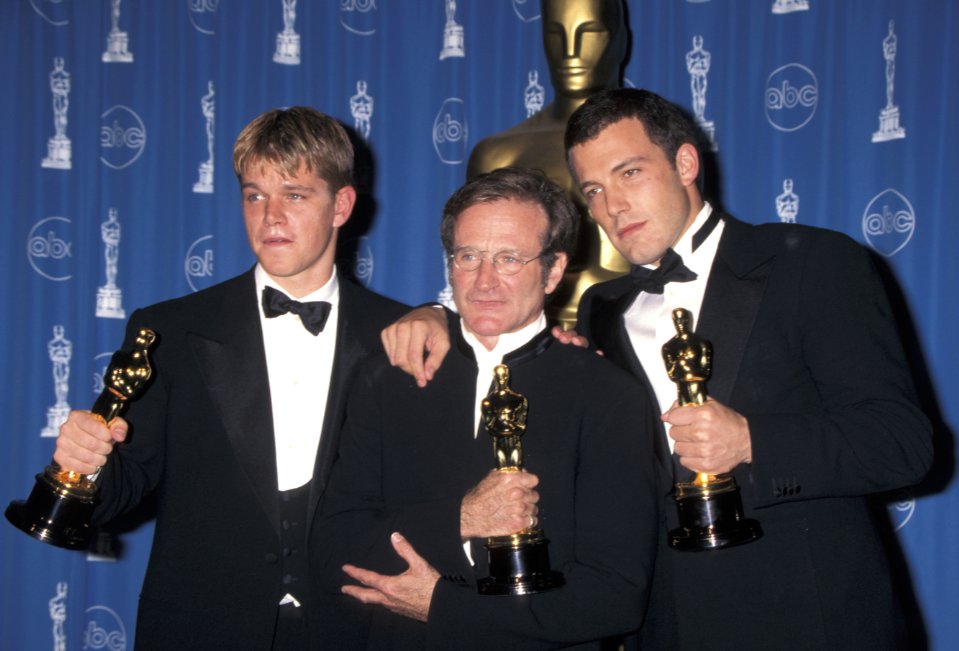
But especially in this era of a million channels out there hungry for content, not to mention the viral nature of YouTube, Instagram, Twitter, and Facebook videos, if you’re not creating your own acting work you’re selling yourself short. Think again about the examples of Matt Damon and Ben Affleck creating Good Will Hunting and all the things they’ve accomplished since they created it. Or Wes Anderson along with Luke and Owen Wilson creating Bottle Rocket as a 15-minute short and all the places they’ve gone since. 

And those guys pulled it off way back when, before there was a Netflix or Amazon streaming or a billion other outlets all screaming for content. So what’s stopping you? Here’s some tips and ideas for how you can get started creating your own acting work!

1. Just Write 

The biggest roadblock for any writer of any type and at any level is opening that new word document, or Final Draft (used by most writers) and staring at the blank page. There it is, all shiny and white, with that blinking cursor sitting there patiently at the upper left corner, waiting. Mocking you. 

Look, getting started is hard. But much like we say about acting classes, you’ve got to give yourself permission to play – and permission to fail. Every word you write down doesn’t have to be gold. You’ll find there’s a button on your keyboard marked “Delete.” You can always use it later on. Have some fun – maybe play with some ideas that came out of an improv class, or get together with friends and have a brainstorm session: everyone brings one or two basic ideas to the table and you bat them around one at a time and see where they go. You’ll be surprised how far some of them can get, if you just open the door and start verbally jamming! 

And for us actors, of course it’s much easier if you start from the basis of casting yourself as one of the lead characters (Just like Lena Dunham did). “Writing” then becomes “speaking:” what would this guy say next? And especially working with friends, the writing process then becomes a conversation between characters and – bam, all of sudden you have a script. There’s a ton of information out there to help you get started as far as the nuts and bolts go, and once you understand some basics you can begin thinking about how long you want the piece to be, how big of a cast you’ll need, and what kind of locations you’ll need. But honestly the first step to creating your own acting work is to just grab a pen or open a word document and start getting ideas down.

Want to supercharge your motivation… After you write a page, get your phone or camera out and act out the scene on-camera. You can start crafting your characters’ nuances for better writing!

The type of script you write should depend on your goals for yourself. For instance, if you wanted on-going work, you might write your web-series… If you wanted do film festivals, make your short film… Understanding good writing and media standards will require much reading. When you’ve got the beginnings of a good idea start researching everything about writing from experts. Screenwriter Magazine & Film Courage are good starting points for example – they have hundreds of articles & videos on screenwriting.

2. You’ve Got Your Script – Now What?

So let’s say you’ve got a script and you know what you want to do as far as the scope of the piece – meaning is it a sketch, a short film or a feature-length project – now you have to put on your producer’s hat and start thinking about things like funding. This is where your skills as an actor can really come in handy as you’ll need to woo other producers who can help you hire a shooting crew, perhaps a director, an editor, and think about acquiring appropriate music for the piece. One great place to start if you have a project and some funding but need some expert advice for taking the next step is to go to DreamCasters Media They work with people who are in the process of creating low-budget projects and can help you to get the most bang for your buck. 

3. Union or Not?   

Another consideration when you’re putting together your project is whether you want to work with SAG-AFTRA or not. While many new indie creators just dodge the entire question and try to save money by hiring non-union actors, there are actually some advantages to working with the union when creating your own acting work. For one, the quality of your project is going to take a great leap if you’re using more skilled and professional actors. When you’re ready to cast

Now, of course there are tons of non-union actors out there who are incredibly talented. But let’s face facts: you’re taking a big chance by entrusting your baby to the hands of people who might have less experience. You’re talking potentially longer shooting days because they can’t get the scene the way you want it, lost time for no-shows and late arrivals by people who aren’t fully committed – there just are a ton of potential headaches involved with using amateur actors that could end up costing you money in the long run. 

And the fact of the matter is, working with SAG-AFTRA will make your project more appealing to talented non-union actors as you could give them one of their three Taft-Hartley waivers to qualify for SAG. What’s more, working with the union won’t necessarily cost you more, it just means you have to fill out some paperwork to become a SAG-AFTRA Signatory Producer – yet another way to bump up your cred in the film community and attract top talent both in front of and behind the camera! SAGIndie.org has a ton of great information on how to go through the process.

Also the staff at NYCastings are experts on casting so you can always come to them with questions and they’ll help you find the right solution for you. Contact: Casting@NYCastings.com

4. Promotion!

So you’ve got your project in the can, now it’s promotion time! Remember the examples of Matt, Ben and Wes. Film festivals abound these days, so you can get your work shown to all the right people. Not to mention of course social media and YouTube – sky’s the limit when it comes to how far you can take it. Shorts turn into features and TV shows – hell, even one-man shows turn into sitcoms or make it Broadway these days, so why not your piece? 

And a more immediate benefit for you as an actor is you now have even more material to add to your reel! Not to mention that putting your name on your own project as actor/writer/director adds immensely to your cred when it comes to casting, as every director is looking for creative people to work with. Even if your project doesn’t win an Oscar, the fact of having created it adds tremendous cachet to your resume and will make agents, casting directors, directors and producers consider you on a whole different level!

So what are you waiting for? Open that word document and get started right now creating your own acting work and molding your dream into reality!

Acting Drought be like Matt and Ben

You ever have one of those acting hot streaks, where you can do no wrong? A period where you book everything you touch, even to the point where you’re turning down work?

It’s nice, isn’t it. But of course, what goes up must come down – after the season of plenty, comes The Drought. 

Suddenly you find you can’t get cast to perform as Spiderman at your own nephew’s birthday party: “Well, Uncle Kevin, we really liked your energy, but we just had so many amazing applicants. We’ll be sure to keep your headshot and resume on file, though…”

Don’t let anyone tell you different: it happens to us all from time to time. 

So what’s a dedicated actor to do when faced with a lack of gigs? Here are some ideas on how you can not only turn it around and stay positive, but how you can help yourself to get over the the dreaded drought!

1. Be Like Matt and Ben – Create Your Own Acting Work

Not booking work? Make your own work! In this day and age where even the most dubious “content creators” draw thousands of viewers to their horrible Instagram and Facebook videos, there is absolutely no reason why every actor in the world shouldn’t be creating something original. It’s not a stretch to say that the fact that Matt Damon and Ben Affleck are (or at least have been) major stars for decades now all stems from the starting point of them creating their own script for Good Will Hunting. And have you heard of this new up-and-coming young director fella by the name of Wes Anderson? He made a little underground 12-minute film called Bottle Rocket one summer while on break as a student at the University of Texas. Well, long story short, it got picked up at Sundance and funding came through to make it into a full-length feature and the career of one of the most original and beloved creators in the business was launched. And don’t forget, Anderson’s buddies Owen and Luke Wilson who devoted themselves to working with him on the original short – probably for free – in the deadly summer heat of Texas that year went on to do pretty okay for themselves too. 

And guys, that’s just the old-school creative stuff. With the explosion of YouTube original series and other web series drawing millions of eyeballs – and thus advertiser dollars and thus the respect of industry gatekeepers – not a single actor in the world has any business sitting around at home waiting for the phone to ring when he or she is in a drought. If you’re lacking in ideas, don’t fret. Get with people in your network from your acting group or a class, get yourselves a bottle of wine (on a non-class night of course, lol) and a notebook and start riffing! You never know what kind of script ideas could come out of such an informal chat. 

2. Be a Pod Person

Have you heard of this kooky new fad, podcasting? All the kids are into it. (I think it has something to do with vaping…)

But in all seriousness, podcasting is exploding. For a minimal investment to get a decent microphone, or to go in on renting time at some indie, bare-bones studio, you can start your own podcast with ease. Everyone and their brother has a podcast these days, where they share their political ideas, their childhood trauma, their innermost thoughts, their sexual conquests – you name it, it’s out there.

What’s more, currently one of the big drivers in the podcasting world is scripted material. And what does scripted mean, kiddies? It means acting! What better way to hone your skills than being forced to play a character through voice alone?  No longer do you get to cheat by wildly flailing your arms or making goofy faces to convey character and emotion – it’s all gotta be in the voice. It takes work, and it will make you a better actor, I promise! And again, if you find you’re lacking in original script ideas, there are plenty of podcasts out there created by comedians who are just riffing with their buddies about the events of the day or whatever subject floats their boat. That’s called improv, and it’s a great way to work on your ability to think on your feet as an actor. 

3. Be involved

Just because you don’t currently have rehearsals or a role lined up doesn’t mean you should sit at home in a dark room bingeing on Cheetos, re-watching Game of Thrones and weeping for King’s Landing over and over. Thinking about what it means to be a generous actor on stage or on camera and translate that to the acting community as a whole can weirdly be a great way to help yourself. That’s because getting out into the community means networking. As you help your mates with their projects or play roles in student film projects you are part of a creative process, and that’s always valuable if you allow it to be. Even simply being an audience member attending your friend’s showcases or improv shows or theatrical productions or art openings, you’re rubbing shoulders with other people in the creative fields, which is the definition of networking. You never know who or what you’re going to encounter out in the world of art, what doors a random conversation can open, so get out there and see what happens!   

4. Improve your craft

No matter how good you are, you can get better. If you’re in a down time as far as booking roles, make sure you’re doing everything humanly possible to give yourself the best chance of booking next time a juicy role comes up. Get better! Take a new class, start an actor’s group, do some improv, hit a comedy open mic night – whatever. Acting work means risk and if you aren’t constantly testing yourself, constantly pushing the limits of your comfort zone, you’re stagnating, and nobody wants that! 

5. Improve your tools

Another way you can help yourself today even if you aren’t currently involved in a project is to update all your materials. Get your headshot updated – you know it’s time. The cost sometimes looks formidable, but if you think about the work you WON’T book and thus the pay you WON’T receive if you’re handing out inaccurate, outdated, or unprofessional headshots, then paying for a top-notch headshot seems more like a necessary investment, doesn’t it?

Another area where most actors could use a little work during their down time is their video game. (No, not Fortnite. Put down the controller.) How’s your reel looking? Time to update it, most likely. And even if you don’t have any new material to add, here’s another motivation to focus on your scene study class or actor’s group: create something worthy of showing off! 

How about your self-submission game? There’s no worse feeling than coming across a call for self-tapes for a role that is perfect for you, and getting all frustrated and having to fight your computer or your camera for hours to get it done. Work on self-submissions when there’s no pressure – and in fact you can self-submit today for a variety of roles to kick start the end of your drought right here on NYCastings!

Just remember: you can always be acting in some manner or another, and if you’re acting, you’re improving. Get out there today!


NYCasting Acting Classes - Which Should You Choose

“I’ll always be there because I’m a skilled professional actor. Whether or not I’ve any talent is beside the point.” – Michael Caine

Does everyone remember when they booked their first paying gig? It’s truly an amazing feeling –  whether you’re dressing up as a princess for a kid’s party, planted firmly at the back of a crowd scene in a low-budget movie or singing your guts out in the chorus of a musical, depositing that first acting paycheck is a wonderful milestone: you feel like “I’ve made it.”

But sometimes younger actors run the risk of thinking that because they’ve graduated from theater school and booked a little work that their education is over. Nothing could be further from the truth, at least not for a successful actor.

And nothing could be a worse way to self-sabotage your career before you really even get it started.

Ongoing classes are vital to developing an actor’s toolkit. In truth, most actors would benefit from continuing to take one sort of class or another pretty much for the rest of their lives. But with the myriad of classes out there – not to mention the cost – what’s the right one for you, right now? Here are a few of the options, and some considerations for when and who might be right to take each one.

  1. Scene Study

This class is going to be the basis for all the acting work you do the rest of your life, so it’s likely the best place to start your post-university acting education. The great thing about scene study is that it’s never-ending: there are always other scenes, other characters to read, other scene partners to work with.  And working a scene study class with a talented instructor can really open your mind in terms of new ways to approach characters and scenes. Here too is where you really get a chance to work on that most important of acting skills: listening. In a good scene study class you’ll develop the kind of on screen/on stage empathy that allows you to truly blossom as an actor and react naturally to what you’re given rather than just waiting for your turn to speak.

“I think getting in to a scene study class is important,” said actor Chris Browning (3:10 to Yuma, Book of Eli) in a recent conversation. “That’s where I got the most help as an actor. Just being in a scene and listening to somebody and listening to different ways of saying the lines and doing that back and forth gives you the improvisation that you need. You can play with the dialogue. That’s what I got the most out of.”

And although you usually have some opportunity to explore characters and your scenes in the way Browning describes when you’re on set or in rehearsals with a good director, the other great thing about doing it in a scene study class is that such exploration isn’t on any kind of a clock. You’re free to really dig into a scene and try it out in a variety of ways because there’s no pressure to get the shot or get the scene locked in. In fact, a scene study class shouldn’t be viewed as a burden or something you HAVE to do; what could be more fun for an actor than to have the chance every week to simply play?

  1. Improvisation

Like Browning said, in a scene study class you will organically get a chance to develop your improvisation skills as you do scenes with your classmates and work on listening to what you’re given. However, a good class geared specifically toward learning improv can really make a difference in how you practice your craft. Some actors deride improvisation groups and improv in general as somehow beneath them as “serious actors.” But some of our most successful and beloved stars today came from a background in improv: Amy Poehler, Bill Murray, Stephen Colbert and Steve Carell to name just a few all started out in various comedy/improv troupes. Steve Carell in particular is instructive on this front. While we likely think of him as the funny, goofy guy improvising in The Office or Anchorman, he’s also developed into a top-notch dramatic actor. Studying improv doesn’t mean you’re limited to performing with your buddy’s improv team Whoopee Pushin’ or Three-Ring Andy Circus the rest of your life. The skills you take away from improvising can be applied to every facet of your acting and lend your characters depth.

The other great thing about improv is you learn how to think on your feet. There are so many millions of tiny moments in film and on stage that happened by accident because the actors involved were paying attention. Internally at least, they said “yes, and…” and plowed through, creating magic moments that no scriptwriter or director ever imagined beforehand. And more and more casting directors and directors ask actors to improvise something at some point in the audition process. The more practice you have doing it, the more relaxed you’ll be and able to open yourself up to new possibilities for your characters and scenes.

  1. Technique

Many younger actors might think, “Oh yeah, I learned about Meisner and Strasberg in school, so I won’t need that type of class.” But as with almost everything related to acting, you can always go deeper. While your university instructors no doubt are themselves dedicated professionals and gave you some valuable instruction on these skills, the thing is you can delve so much further than a twice-weekly, one semester class can allow. With a skilled instructor, what you learn about yourself and your acting in these classes – how to listen, how to allow yourself to be vulnerable, and how to get rid of self-consciousness, for instance – will translate immediately into better, freer and likely more successful auditions.

  1. On-Camera Audition

While we’re on the subject of auditioning, taking an on-camera auditioning class is a really good idea. Especially for younger actors just out of school who haven’t had that many opportunities to read for a filmed audition, these classes can be invaluable in providing techniques, details and nuances that will sharpen your auditions. The other thing on-camera audition classes give you is the chance to practice reading for the camera without the pressure of trying to book a job. As with anything, the more you do it the more comfortable you get, and having a good teacher show you how to harness your talents and focus them into the camera’s eye can make or break a career, especially at the outset. You’ll want to have one of these classes under your belt already when that big audition opportunity comes up, so that you don’t waste it due to nerves or awkwardness.

Casting directors, agents and directors love to see actors who have a lot of class credits on their resumes, because it shows them that the actor is serious about his or her craft. The bottom line is we’ve always got more to learn. Don’t let anyone tell you different, no matter how experienced or successful they are; acting isn’t a static thing. It’s an organic, nebulous, ever-shifting story, and continuing to develop a healthy variety of ways to shine your own particular light on its myriad chapters throughout your career will make you a better, and ultimately more successful actor!

NYCastings-ActorsEquityAssociation

To conclude our series on actor’s unions where we talk about the ins and outs of joining, or deciding not to join – or deciding to join but not really joining (i.e. fi-core) – let’s turn finally to AEA, the Actor’s Equity Association, commonly referred to as Equity.

This is the union for live theater performers and stage managers as opposed to the Screen Actor’s Guild (SAG-AFTRA), which represents television and film actors. AEA represents over 51,000 theater professionals across the country, and was founded in 1913 to collectively negotiate better working conditions, reasonable hours, health coverage, benefits, and of course a minimum salary.

As with joining SAG, “taking your Equity card” is a big milestone for stage performers. It represents stepping out of the minors and into the big leagues. But it’s also a decision fraught with advantages and disadvantages which we’ll look at here. We’ll also demystify the process and lay out exactly what the requirements are to join Equity.

First, the requirements. There are three methods for joining: 1.) get hired to perform under an Equity contract, 2.) the “Four A’s program,” aka “Associated Artists and Artistes of America Affiliation,” which means being an active member in good standing of a sister union (that’s also like 6 A’s plus an O, but who’s counting). 3.) You can join under the Equity Membership Candidate (EMC) program.

Get an Equity contract

This one is pretty straightforward: you audition for a show that is going to be produced in an Equity house, and you blow the producers away with your stunning, amazing, earth-shattering read. Congrats! If the producers and director want you, they have to sign you to an Equity contract and you’re in, baby, once you pay a minimum toward your initiation fee of $400, jumping to $600 in 2020. The full initiation fee is currently $1600, which is due in full within two years of joining, and will jump to $1700 starting in January 2020. There are also annual dues of $172, which is deducted from your paychecks broken up into two payments. (The AEA website advises that there are length-of-employment stipulations for some contracts before the membership application becomes valid, and suggests you consult with their Membership Department if you have questions about a specific contract.)

Four A’s (or six A’s and an O) sister union program

Under the Associated Artists and Artistes of America Affiliation program, if you’ve been a member in good standing of SAG-AFTRA, AGMA, AGVA, or GIAA for at least one year and you’ve worked at least one day under that union’s jurisdiction as a principal, or three days as a background artist, you’re eligible. Along with your application you’ll have to send in a letter from your sister union confirming that you meet those requirements, along with at least $400 toward your initiation fee (which jumps to $600 minimum in 2020.)

The Equity Membership Candidate (EMC) program

This is probably the most common way people get in the union. It’s aimed at up-and-coming actors and stage managers and credits them with theatrical work in an Equity theater to be counted toward eventual Equity membership. Once you book a role at a participating theater, you can register as an EMC candidate once you send in the application forms along with a $200 registration fee, money that gets counted toward your future Equity membership initiation fee. There is a minimum 25 weeks of EMC work that is required in a participating theaters, after which you can apply for Phase 2 of the EMC program within six months of completing Phase 1, and paying an additional $200. That allows you to work another 25 weeks under EMC if you want to, but at any point during Phase 2 you can decide to go ahead and join the union, as long as you don’t have any non-Equity work already lined up. Again, that minimum fee towards your membership initiation will jump to $600 after January 2020.

NOW. What does it all mean for me?

There are obvious advantages to working under an Equity contract; as noted above, the union negotiates higher pay, you’ll be eligible for health care coverage and a pension plan, and there are restrictions on the hours you’ll be required to work. In addition, you’ll also be able to attend Equity-only auditions, the union offers supplemental worker’s comp should you be injured during a production, and there are safeguards in place in case a producer winds up insolvent and decides he can’t pay you.

There are more intangible benefits as well. For many actors and stage managers, the Equity card is a badge of honor signifying their commitment and dedication to the craft. Only an idiot would argue that ALL Equity actors are better than ALL non-Equity actors, but there is some value to being all-in and fully on board the theater train, wherever it may take you. That sense of commitment and team spirit can give you a personal sense of determination as well as common purpose with your castmates.

Are you serious?

To that point, perhaps the first thing to consider when thinking about applying for your Equity card is, just how serious are you about this? The people you’re going to be auditioning against in Equity auditions aren’t screwing around, you can bet on that. They have dedicated their lives and fortunes to the stage, and as such they are constantly chasing down auditions, taking classes, working on monologues, learning new songs and working on their dance capabilities – they’re doing everything possible 24/7 to give them the best shot at landing that role. Are you willing to do the same?

Are you ready?

Much like our discussion about joining SAG, you need to make an honest assessment of your skill set, your credits, and your educational background before you sign up. That’s because while there are a host of benefits to joining Equity, there are also some drawbacks. The biggest is that you aren’t allowed to take work in a non-Equity house once you’re a member. There are provisions under which non-Equity productions can sign a Guest Artist contract and bring in an Equity actor, but for many smaller theaters, that is simply not an option for financial reasons alone.

Are you prepared to say No?

By taking your card you’re going to be cutting yourself out of the running for a whole lot of roles in more experimental, underground, and low-budget shows. So if you don’t have the kind of bright, shiny resume and solid chops that are going to make Equity producers and directors sit up and take notice – when there are a hundred other Equity actors reading for the same role as you – you could find yourself with a whole lot of down time between shows. Worse, if you take your card before you’re ready, you could be sabotaging yourself in the sense that you won’t be ABLE to perform and build your resume! If you’re less experienced or just out of school, you might want to work at booking yourself some more non-Equity jobs, taking classes, and developing your skill set – and along the way making more contacts in the business that can potentially help you out down the road.

It’s a complicated question, to join or not to join, but hopefully the nuts and bolts of how to actually do it are more clear. Whatever you decide, keep auditioning, keep working, and break a leg!

See current Theatre Auditions 

Story: Different Types of Theatre Productions

Podcast: Surviving Show Business – Musical Theatre With JR Bruno From Book Of Mormon

Podcast: Surviving Show Business – Producing Theatre With Elise Milner

SAG-AFTRA-NYCastings JOBS

As actors, of course we have a drive and a love for performing that supersedes virtually all other considerations. We’re the people who might have been ridiculed in high school as members of the drama club, and we’re the people who bash our heads against the wall of audition after audition.

And we may well be people who had to argue with our parents over whether pursuing a career in acting was the best path to take in order to secure a comfortable future.

While it’s true that the vast majority of us come at this weird, wacky puzzle called acting from a place of pure love, another truth is that in this world, all too often it’s hard to make a living as an actor, at least when you’re just starting out.

So let’s talk unions, and let’s discuss the shadowy subject that sometimes get whispered about in conversations about the union, Fi-Core.

We talked last week about the steps it takes to join the union, specifically the Screen Actor’s Guild (SAG-AFTRA since it merged with AFTRA, the American Federation of Television and Radio Artists in 2012) and what some of the advantages and roadblocks are. Today let’s discuss an alternative that is sometimes presented as controversial and is almost always confusing, and that is Fi-Core, or financial core.

What is Fi-Core:

The term “financial core” or “fi-core” comes out of a loophole in federal labor law that was established in the early 1960s when labor unions were at the height of their strength in the US. Corporations like General Motors filed a blizzard of lawsuits in that era and over the subsequent decades, beginning the long process of clawing back power from the workers, leaving unions weakened and in disarray as they largely still are today. A key component of this shift in power was a 1963 Supreme Court ruling allows union members who pay their dues and initiation fees – who “satisfy their core financial obligation” to the union, in the words of the court – but who wish to ignore other union-imposed mandates like going on strike may do so and be considered “dues-paying non-members” of the union. 

Well, that’s a damn mouthful, huh? (I dare someone to write that paragraph into a monologue.)

What it comes down to for the actor is that it’s possible to enjoy the benefits of SAG-AFTRA collective bargaining and work on union projects, but also to work on non-union projects. However, keep in mind there are a number of caveats, and it is not without controversy.

What is the process and what does it mean to opt for fi-core?

If you’re a SAG actor who chooses to take the fi-core route, you must have already paid your initiation fee and started paying your dues. Keep in mind you’ll continue to do so even after switching to fi-core, but your dues may be 5-10 percent lower. You have to contact the SAG office and they’ll walk you through the steps – while trying to talk you out of the decision – but the main requirement is you must send a certified letter to SAG in Los Angeles stating that you “wish to enable your financial core rights.” If you manage to endure the calls and other efforts to get you to change your mind and remain a member in good standing, you’ll receive a letter from the union confirming you are now a dues-paying non-member.   

Why would an actor choose fi-core?

So many actors just starting out view getting that coveted union card as a stepping stone on their way to the top, a direct route that is only going up, up, up. They think joining is something that can only benefit them and their careers; joining the union of course means you’re covered under the union’s collective bargaining agreements in terms of work hours, mandated breaks, residuals, health care and pensions. Not to mention that SAG actors get paid more – sometimes a lot more – than non-union actors. Who wouldn’t want all that? 

But the thing many younger actors don’t realize is that when you snag that SAG card you could very well find yourself with a whole lot less work. Some websites claim that SAG “makes it too easy” to join, and that many actors who plunk down their $3,000 initiation fee just aren’t ready to compete in the rarified air of the union gig. These actors then find themselves between a rock and hard place: unable to book union jobs, but forbidden by union rules to work on non-union projects that are easier to book. So fi-core is seen as a way to continue trying for union gigs while still making a living working on less-lucrative but much more plentiful non-union jobs. That may sound perfect, but keep in mind there are some drawbacks as well.

Why wouldn’t an actor choose fi-core?

First of all, going with the fi-core option that means you can no longer represent yourself as a SAG-AFTRA member on your resume, on the internet, or at auditions, and you have to literally give up your SAG card. You’ll no longer be able to access iActor, a web service run by SAG, participate in union workshops or networking events, vote in SAG elections or re-join SAG without a formal hearing and paying your initiation fee again. Another consideration is that the union takes a very dim view of actors who exercise the fi-core option, a view that some observers have compared to a pariah status, or being a second-class citizen in the world of actors. If you lurk around the internet and do some searches on the topic, you’ll likely find that fi-core actors on the west coast are stigmatized a bit more openly than those in New York. Another consideration is that SAG-franchised agents have reportedly been known to reject actors due to their fi-core status. 

So, look: there are matters of principle involved, matters of reuptation, and there are also matters of keeping food on the table involved. I definitely encourage you to do your own research on the subject (links below). Keep in mind that while of course the union has its own agenda and paints the notion of taking the fi-core route in somewhat apocalyptic terms, people in the pro-fi-core camp often have their own ax to grind and are frequently not as forthcoming about their own prejudices and their agenda. Keep an open mind and read everything before you make any decisions.

One final thought on the matter: the decision to join the union, as I wrote last week should be taken with care. You have no business joining unless you are fairly certain that your skill set, network of connections, and reputation as an actor are such that limiting yourself to union-only job opportunities isn’t going to be a hindrance. You should already have a fat resume with a ton of roles playing a wide variety of characters, and perhaps more importantly you should be confident you can hold your own auditioning with – and against – the best of the best in the biz before you lock yourself in to only being eligible for union jobs. And if you’re already a member but after a long period of time still finding yourself with a dearth of work, you want to be very careful about making the decision to switch to fi-core status and have a full understanding of what all that entails before you pull the trigger. Do online research on the matter, yes, but also talk to people who have been in the business for a while and get their opinion. 

This is your career, and you need to do what’s right for you, but don’t make any decision blindly or based on what one guy wrote on some website, including me. 

Here’s the SAG website’s take on Fi-core: https://www.sagaftra.org/financial-core

And actor Jeff Hatch does a fair job of laying out the fi-core facts in a mostly unbiased way here. 


NYCastings-ActingCareer

As an actor, it’s important to have an acting coach to assist you with keeping the focus on your career, helping you prep lines for auditions and educate you on acting styles and techniques. As is with any job, you should always be learning and growing within your industry to become as close to an expert as you possibly can. It can have its ups and downs and become frustrating, but if you consistently work and keep your eye on the horizon you can go many different routes within the acting realm. Below, we will outline and discuss some additional resources you should be seeking out in order to help gain ground in acting, and some of them might actually surprise you.

Acting Schools & Classes

First and foremost, if you have an acting coach, chances are you are already involved in some sort of class or school related to acting. But, if all you have is an acting coach then you are missing out on a crucial detail: working with others. When you take an acting class it not only helps with focus on your craft but gives you the ability to practice on your acting with other actors. When you are acting it helps greatly to have at least one other person to bounce ideas off of, explore other acting choices that maybe you didn’t see before, opening you up to other possibilities, and gives you opportunities to react in situations that you don’t get when acting alone.

Find a Great Headshot Photographer

Your resume and picture when you audition are extremely important – this is the very first thing that a casting director will see before you even walk in the door. Gone are the days of those black and white photos, and welcome new technology with digital photos and incredible pixelation. It’s worth the investment to find a great photographer to help you look your absolute best and one who knows the business. Do some research into some actors that are doing well, and see what their headshots look like. Find similarities between a few of them so that you have an idea when going into your photo shoot what poses seem to fit best. The impact that your headshot makes can, believe it or not, actually help in moving your acting career forward.

Work on Your Resume

You want your headshot to stand out as well as your resume. Your resume should always include:

  1. Your Name
  2. A working phone number
  3. Your email address
  4. Your union status (SAG, EMC, AEA, etc.)

Film auditions might want to know your height, weight, hair and eye color, but don’t include things like an address or personal details that aren’t important. It also helps when listing roles what casting company or producer worked on it – this can be handy for a casting or hiring manager to contact for a reference.

Seek out a Vocal Coach

It is a truly novel idea to work with a local vocal coach. Singing is another part of acting. Most acting gigs you may seek out nowadays can require singing as well as acting as a desire for the position, and since it is essential for you to consistently grow and learn new skills, this is a great one that will aid you, and push you further. Voice coaches not only help with your singing, but they can give you tips and techniques on diction, annotation, and more that pertain directly to acting as well. It provides many more opportunities for you within your acting career if you can add this into your repertoire, the singing ability can be utilized for so many other roles that without it, would not be available to you, including singing in commercials or musicals.

Make an Audition Reel

This can also be called a demo reel, but it is basically a short video that highlights some of your greatest work as an actor. If you have done any professional work this should definitely be included because it demonstrates that you already have been working within the industry as a professional. You can create your own if you have video/editing experience or are willing to take the time to learn. Just be sure to keep each snippet no more than 20-30 seconds, so it’s short and sweet. If you need help you can hire out studios that help with creating audition reals, such as Acting Out Studios. This would be another expensive investment, but if you’re serious about getting real work as an actor, this is a great way to show your chops in a way that a simple audition can’t always do.

Study, Practice, and Audition All You Can

Time to reiterate once again that you should always be training to grow in your field. As a serious and seasoned actor there are certain things within acting history you should know – don’t know Method Acting? You better find out what it is since every other actor in the world (or at least 99% of them) will know what it is, AND be able to discuss it and demonstrate it. So you have to study. This includes studying everything and anything about acting that you can. Consume books, magazines, videos – anything related to the craft that you can pull from. If you don’t enjoy reading, listen to some podcasts that can give you some great acting tips and tricks like Action: The Pursuit of Acting Excellence or Everything Acting.

Another way to excel within the acting realm is through consistent and constant practice. When you are seeking out work you’ll be going on audition after audition, and you need to always be learning the new acting trends, what monologues or songs are going to work best to demonstrate how you fit the part, and the only way to be great in that audition is through practice.

Networking

You should always, ALWAYS be networking. Taking classes helps you get to know other actors who you can make connections with and utilize as a resource later because you never know – that actor might get a great role and be able to bring you along in their next film!  Don’t look at other actors as competition, rather, look at them as talented people who can help YOU in your career. Meet new people, make bonds and help each other out – get out there and Make your career happen!

Written by: Donna Maurer

ImprovinActing

As actors, what brings many of us joy in the work is that sense of riding a dragon when you step on stage or in front of the camera. No, that wasn’t a backhanded Game of Thrones reference, (although, did you SEE that third episode of the final season, OMG!!).

Sorry, where were we? Right. But actually, when you think about it, acting is a little like Daenerys Targaryan riding a dragon over a perilous battlefield (sorry, still processing) trying to keep an eye out for ways she can aid her companions while still evading dangers being flung at her from above and below. 

In terms of acting,  we are tasked with processing an array of inputs – our lines, blocking, character, and direction – all while walking a knife’s-edge of living the truth of the moment as our scene partners do the same. Our reactions to them and their reactions to us create magic, if we’re lucky. 

But one vital way we can help ourselves and our companions in the creation of the art we love is to work on our improvisational skills. Not only can you help to create a better final product and an atmosphere of confidence and trust with your scene partners and directors when you’re on a project, you can also help yourself book more roles. Here’s why it’s becoming more and more important to improve your improv abilities if you want to land more acting jobs these days.

1. Improv Is Everywhere (Including the Audition Studio)

If there’s one question my non-actor friends and relatives want to ask about working in this business it’s “How do you remember all those words?” And it’s a fair question, it’s just a bit misguided. While of course learning one’s lines is a fundamental skill every actor needs, what our friends are really addressing is a question of fear: fear of what could potentially go wrong should you forget what you’re supposed to say. What they really want to ask is “Aren’t you scared you might go up?” One key difference that you’ll notice in more experienced actors versus those just starting out is they realize that while learning the words is important, they’re less terrified of forgetting the exact syllable in the script and more comfortable with the idea of riffing if needed. That’s because they’ve learned that more often than not, as long as they’re fully engaged with the character, understand the scene they’re in and the story they’re telling, the exact words they say can often be a bit more fluid. This is especially important to note when it comes to auditioning. Think about what the people behind the table are seeing when you come into the audition studio: they’re seeing yet another person fitting your general age group, your general looks, perhaps your hair color, height, etc. They’re steeling themselves to watch the 100th or 200th person read these same bloody sides yet again and reaching for their tenth coffee of the day to try to stay awake. So seeing an actor with some ability to improvise and shake things up a bit in the audition is often an eye-opener. There are so many directors and even screenwriters who will tell you that the particular unexpected twist some actor put into a line or a scene is what transformed it from a two-dimensional exercise into a fully fleshed-out, genuine moment. If you can show that you’ve got those kind of instincts and skills in an audition, you’re helping the creative team understand that you are not just an actor who takes orders, but a potential partner and valuable contributor to their work. And anyway pretty much every audition or at least every callback you go to these days is going to feature some moment or other where you’ll be asked to improvise. Being prepared for anything can make or break your audition. (But I mean, do learn your lines, especially if you’re reading for Mamet, lol.)

2. Learning Improv Means Learning Confidence

Actors who are more comfortable with improv are generally going to be more confident actors overall. That’s because they’ve learned the mental gymnastics of turning acting “mistakes” into opportunities. You’ll often see younger actors on set or on show nights at the theater looking pale and damp, their sides gripped tightly in their little fists, muttering to themselves as their eyes dart about in near-panic that they are about to be called. Look, yes, we all have our process and yes you MUST learn your lines, without question. But the point here is that with better improv training, that fear of “failure” to remember your lines gets turned into a more relaxed mode of approaching the work. So many golden moments have been created on stage and on film simply due to actors being loose enough and confident enough with themselves to simply go with the flow when something unexpected comes their way. Taking improv classes means being ready for anything.

3. “Yes, And…” Is The Essence Of Acting

If you want a master lesson in how improv skills can improve your work, just watch the blooper reels from The Office. Steve Carell came up in the Chicago improv scene working out of Second City, and his skill and the freedom he grants himself as an actor to take risks have taken him to the top of his craft. Just one tiny example: in the episode where Carell’s character Michael Scott accidentally outs Oscar Martinez (the uncrackable actor Oscar Nuñez), Carell leans in slowly to kiss a very reluctant, very uncomfortable Oscar on the lips, in one of the funniest, most awkward moments of the season, perhaps in the show’s entire run. That moment was improvised by Carell. And while the show’s writers are brilliant and the actors used their words to great effect, watching the outtakes you really get to see how much improvisational energy went into creating the show. You could even say that Carell’s improv skills helped to create the beloved, goofy character. While original show creator Ricky Gervais’ office boss David Brent in the U.K. version is pure comic brilliance in its own right, the character as written was a bit too sharp and acerbic for Carell’s sensibilities as an actor. Michael Scott’s ineptitude and buffoonery came from a place that was more grounded in a genuine sweetness and generally good intentions. Carell’s improvisation in that direction undoubtedly helped fuel the show’s creators to write his character more that way. You can go even further and make the argument that acting in general comes from the same mental place that is the grounding for improv: every time we set out to take on a role and to “behave truthfully under imaginary circumstances,” as Sanford Meisner put it so brilliantly, we are in fact saying “yes, and” to embracing the life and loves and dishonesty and foibles and secrets and prejudices of that character. Improv experience can only help you to do that in a more genuine way.      

4. Choices and Thinking Fast

Another vital skill we can learn from working on our improv skills is the importance of making strong choices, and the ability to think on our feet. And the better you are at both of these, the more likely you are to get cast when you’re auditioning. Let’s go back to the example of the casting team wearily sitting through yet another rote read of the same sides they’ve heard a hundred times already. The reason so many actors are reading those lines the same way is because of fear. Think about the conversations you hear in the audition waiting room: 90 percent of the actors you go up against in auditions are terrified. They’re terrified they won’t get cast, that they’re too old, too young, too fat, too thin, too inexperienced – whatever. Fear drives many if not most of them. That fear pushes them into a corner: they read the slapped-together character breakdown and the tiny slice of the script they were given, and they treat it as gospel, never pushing any boundaries or challenging lowest common denominator thinking. However, the actor well-versed in improv understands the importance of making a solid, clear choice, even or especially if it runs counter to what is expected. Making those kinds of choices and doing it in the moment can separate you from the pack in the audition room, and make the CD and director sit up and pay attention. 

So get out there and ride a dragon today! Improve your improv and improve your acting – and your chances of getting cast. Keep in mind too that as you improve in your improv class, using self-tapes from them can help show off how much you’ve improved when you self-submit! 


Why Producers Should Pay Their Actors

If there’s one thing everyone in the world has in common it’s money.

Not that we all have it, but rather that we all need it. Whether you’re a single mother of two working three jobs or you’re an overextended faux-billionaire looking for foreign help to get out from under the debt incurred as a result of a lifetime of bad investments you made with inherited money, we all in one form or another need money. Even actors. 

Which is just wacky, isn’t it? It’s funny how surprising it is for some people in this modern world to learn that actors, musicians, writers and artists need money to pay rent and, I don’t know, eat food from time to time – just like all those people with “real jobs.” That’s why it’s so infuriating that gig economy-thinking and general short-sightedness have led the gatekeepers of so many noble professions to treat the very people they claim to celebrate as their content creators as if we were nothing more than replaceable cogs in a machine. 

As a freelance writer, I can’t tell you how many ads I’ve seen over the years looking for “talented, original, writers with a minimum of five years experience” but then you get to the bottom of the ad, and it turns out the pay is going to be in the form of “exposure.”

You know what else is known as “exposure?” What I’m going to die from this winter if I don’t have money to pay rent. 

And when it comes to actors, we might have it even worse. With an over-saturated market and the Hollywood celebrity-creation machine cranked up to 11 being jammed into everyone’s eyeballs every day, everyone and their mother fancies themselves an “actor.” They figure if you just stick them in front of a camera, they can’t do any worse than one of the myriad of cardboard Kardashians and their ilk, and turn whatever it is that they do into something resembling an “acting” career.

And that’s why producers think they can get away with paying far too little or not at all when it comes to low-budget films, YouTube-oriented shows, and other types of shoestring productions.

And not only is it shitty in practice and unfair to actors, the truth is, producers are shooting themselves in the foot when they conduct business this way. (But actors, here’s another dirty little secret: sometimes taking no-pay or low-pay work is the right thing to do – for yourself.) First, though, let’s explain to producers why this type of policy usually ends up biting them in the ass.

1. Experience And Getting What You Pay For

So let’s make one thing clear at the outset: producers aren’t the bad guy. A producer can often be a passionate lover of film and acting who only wants the same things we as actors want (and directors and cinematographers and casting directors, etc. etc. also want) and that is to create something beautiful, artistic, and memorable, something that will stand the test of time and connect with an audience. Many times producers devote years of their lives to shepherd through a project that they have personally fallen in love with. So giving producers the benefit of the doubt that they are artists and not just cartoonishly greedy scumbags, that’s why it’s so puzzling that so many producers insist on hiring the people who will work for the very least amount of money. There’s an old saying about “knowing the cost of everything, but the value of nothing,” and that applies here. If you hire actors who will work for free, you often get exactly what you paid for. And never is that more apparent than when you’re ready to show off your final product. Sure, you saved money by using a bunch of actors who have zero experience, but oftentimes you’re going to end up paying for that lack of experience in the long run by having a completed project that is not nearly as good as it could have been. If you had spent a little money on some actors who have had the time to develop their chops, you might have given birth to a masterpiece. So producers: is it just that you have so little respect for your potential audience that you don’t care about the performances in your piece? Or that the money you save matters more than the art? Either way, these kinds of penny-pinching decisions don’t make you look good in terms of claiming any kind of desire to be considered a respected artist yourself. Times are tight, sure. Believe me, we as actors get that – just look for us working our coffee shop shifts or at the temp employment agency to get our feedback on how tight times really are. But you get what you pay for in this world, and that applies to filmmaking just as it applies everywhere else. 

2. You’re Hurting Your Bottom Line Anyway

So of course the most damaging thing about loading up your production with inexperienced actors in order to save a few bucks is that the final product suffers, because the acting that we the audience see on the screen at the end of the day is sub-par. But what happens along the way to getting that final product? Let’s talk about the costs of production and what it means to have less-experienced actors on set. As actors we’ve all been on set our first time – and it can be intimidating and nerve-wracking. That means it might require a few extra takes for you to get where you need to be as an actor to give the director what he or she wants. But you know what makes it easier from a newbie actor’s standpoint? The other, more experienced actors you’re working with. As a newb it’s so reassuring to have a veteran you’re reading with in a scene – and yes, of course producers should sometimes give less-experienced actors a chance. But man oh man, if you are working on a set where NOBODY knows what they’re doing? My friend, you are in for some long days, some additional days added to your shooting schedule, and a myriad of other cost overruns simply due to the fact that it’s going to take you forever to get what you need out of your actors. And to think, had you simply spent a bit more money to hire actors who have some idea of what they’re doing, you might have avoided all those headaches, all that hassle trying to get non-actors to act, all those squabbles with your crew and production team – and all that extra cost. 

3. Who’s There For You, Baby?

You know what else professionals do for you that non-paid, inexperienced actors (or people who aren’t even actors) don’t do? They show up. They show up on time, and they show up every time, and they do what needs to be done to get the shot. I’ve been on indie sets with “actors” who have simply wandered off after a few hours because they got bored or whatever. I’ve seen “actors” roll in hours after their call time wondering what the fuss is all about. No matter what the field is, if you want to create a professional product, you hire professionals, end of story. That’s not to say that you aren’t a professional if you don’t have all the experience in the world. But there is a difference and I think we can all identify what it is in our own way. For me, I’d say that a professional actor is serious about not only the job they’re hired for and shows up ready to work, but is also serious about the craft, and continues to put in time and effort on improving their abilities. 

4. (But, Actors, Sometimes You’ve Got To Bite The Bullet And Work For Free) 

Guys, the truth is when you’re starting out, there is no teacher like experience. There are tons of student film productions and indie projects that are worthy of your efforts without a paycheck. You’ve got to work to get better, and these are wonderful playgrounds to explore the craft. Just use common sense when people ask you to contribute your time and talents, and realize that you as an actor and as a person have value. What you do has value. And realize that without actors and the value we provide, there would be no movies.

A note about Pay Rates from the staff at NYCastings:

Dear Talent, just know that we want good pay rates on every job just as much as you do. In fact, we often suggest the pay rates to our clients when they are unsure what a rate should be to get professional talent to submit. If jobs are no pay (as with many student projects) we will try to get at least travel expenses covered and will push for $100 a day. We can’t win them all but we do get higher pay rates on hundreds of jobs a year from these efforts :)

Make Art and Change the World!


Actors on aging

If there’s one thing that actors of all stripes worry about, it’s appearance. Let’s just be honest, kids.

Yes, our talent is the most important thing, of course. But acting is a notoriously looks-oriented business. There are very few other “job interview” scenarios apart from auditions in which you’ll find yourself in a room surrounded by so many incredibly good-looking fellow “applicants.” 

It can be intimidating! And as Hollywood has made all too clear, when it comes to age there is a really ugly bias that seems to be baked into the system by which beauty and therefore “castability” is judged. 

Now, some of these prejudices are changing, thankfully. But one dumb prejudice that remains stubbornly present is how important we consider age to be when it comes to auditioning. I talk to so many actors who fret and worry and stress over what they consider their age range. And especially when it comes to auditions: if the character breakdown doesn’t line up perfectly with their actual age, actors often go into the read carrying an extra weight of stress. Auditioning is hard enough without worrying about the number that appears in the DOB section of your driver’s license rather than thinking about lines and character. 

And this stress isn’t just for older actors. When it comes to kids’ auditions, many parents stress about whether their child of 11 can read for a part that the breakdown lists as 7-10 years old. So given that age can preoccupy so many of us across the spectrum, here are a few general thoughts on age and acting and auditioning in general, informed by numerous conversations with casting directors and other industry professionals and what they are actually looking for on the ground every day.

1. Your Actual Age Doesn’t Matter

This is really hard to drill home for many actors, but the fact of the matter is that like many things when it comes to casting, what lies beneath the surface is often the least important factor. It’s cruel but true to say that the impression you make in the first 15 seconds you enter the audition room and the first few moments of your read are likely to have the biggest impact on those sitting behind the table. It’s your energy, your personality and how they mesh with your appearance that make the biggest impact. Your list of accomplishments and awards and classes and previous roles don’t mean nearly as much as the vibe you give off and the look you present walking in the door. Neither does your actual age. Your apparent age is the important thing, as most any CD will tell you. In fact, based on numerous interviews with casting directors and other people involved in the casting process, if there’s one message regarding actor’s age that they could get across to us, it would be this: “Let US decide how old you can play!” I’ve had several CDs recommend against actors indicating their actual age in any way in the auditioning process. Their message is not to lie about your age, it’s just that you shouldn’t box yourself in or plant any kind of seeds of doubt before you’ve even gotten a chance to imbue the character you’re being asked to play with your own particular energy. 

2. Breaking Down The Breakdown

And another thing honest CDs and directors will tell you regarding the audition is that that breakdown, that lifeline to the character that you consider so important and regard as a bible of sorts for how you should approach your read is often anything but. That includes the age range listed. The truth is that these breakdowns – while a valuable set of general guidelines about the character and the piece – are often scribbled out by harried, overworked assistants who have only glanced at the pages you’re going to be reading from, or who may only be familiar with the piece via a synopsis provided by the production. That’s also why it’s so important to be open to allowing yourself different interpretations of the character and the scene you’re given and not feel locked in to that two-line blurb. That’s also why you shouldn’t sweat it too much if your actual age falls a little bit outside the range called for. 

3. Being Honest About Your Apparent Age 

Now, having said that, we must strive to be honest with ourselves again here, guys. If you’re a guy pushing 30, maybe thinning a bit on top – and filling out a bit in the middle – maybe even sporting one or two of what I like to call “blond” hairs here and there, do you really think you should be reading to play a high school student? Facing what’s in the mirror is the important thing. Not denying but embracing your apparent age is one great key to happiness and success when it comes to acting. Fighting against how you read to others and insisting that your actual age is the age you must play every time can get really frustrating. At the risk of sounding like a typical needy actor, it might be a worthwhile exercise to get with your agent, people from your acting classes, or others within your acting network to really assess where you fall on the apparent age spectrum, and how they see you being cast. And again, really being honest here is the key: if you have doubts based strictly on age before you even walk in to the audition, you’ve already sabotaged yourself. However, if you’re not quite in the age range listed and you really feel an affinity with the character and the piece, and you can bring a clear, sharp take on the material, there’s just no need to burden yourself with that nonsense. Let the CD decide!

4. To Age Up Or Age Down?   

This is a tricky one because everyone’s going to have a different definition of what this actually means. Not only that, every CD and director is going to have a different notion of what kind of preparations and tweaks they’d like to see actors make when they come in to read. Some will tell you to dress the part, some will say it’s your acting and energy that matter, and not to bother with what you wear. ON the other hand, I’ve heard of actors who will drive around with a veritable costume shop in their car for auditioning purposes: a white lab coat to read for a doctor, gaudy jewelry to read for a mobster, etc. So as far as aging up or down, let’s just say use common sense and use caution. Dressing a bit more conservatively to play older, wearing your hair in a neater, more “adult” manner, sure. But there’s really nothing weirder than when people go too far with this stuff and stray hard from where their natural energy and looks actually are. Aside from Young Sheldon (and perhaps including him?) a kid in a suit and tie looks just weird and wrong. It’s like he’s being dragged to a wedding or a funeral – and might be willing to switch places with the person in the coffin, if it would get him out of that suit. On the other end of the scale, there’s nothing more pathetic than a craggy-faced guy who has celebrated at least a few “39th birthdays” gelling up his frosted-tip hair and cramming his widening, middle-aged bum into skinny jeans. So in general, I think most CDs, producers and directors would advise you to…

5. Embrace What You’ve Got

This is an important lesson in a number of regards when it comes to acting, but it’s especially important when it comes to age. Look, no one wants to get typecast. We all want to explore our range as actors.  But you’re not doing yourself any favors as far as booking roles if you don’t play to your strengths. Your apparent age is a part of the array of signals you as an actor send to a CD and hopefully an audience. Fighting against it makes as much sense as fighting against your height. And anyway, when it comes to actors and the age they appear to an audience, keep in mind that that nasty Hollywood prejudice favoring the young and beautiful doesn’t extend to every role, or even to most roles. For every Greek god or goddess of a leading man or woman with ripped washboard abs and aged perfectly between 21 and 27 years old, there are a dozen roles that call for people who look like actual humans that fall all across the age spectrum. Embrace what you’ve got, bring your particular sensibility and positive energy, and forget the rest!   


NYCastings Getting Your Career Off The Ground

The whole world seems to be focused on Westeros right now as the final season of HBO’s Game of Thrones gets rolling – as of this writing already one-sixth of the way over (arrrgghh!!). The epic fantasy’s tales of ancient families fighting over the Iron Throne became one of the most respected television series of all time largely due to an amazing collection of actors who are now household names.

And one thing that’s easy for younger actors to do is to focus strictly on the success of actors we admire, especially the younger ones like Sophie Turner (Sansa Stark) and Maisie Williams (Arya Stark). What people tend to forget is the effort it took to get there. 

“Why not me??” is the refrain you often hear from younger actors.

Well, why not indeed? And truly, there’s no reason why you can’t be a successful actor on your own terms. But the dangerous part of playing the “why not me” game of envy is that it distracts you from doing the very things you need to do in order to get to the level of success you want. 

For most of us, “success” as an actor means paying the bills via a regular income and steady work performing in rewarding roles in the craft we love. But when you’re starting out, even that can seem like a pipe dream that’s miles away from reality. The sense that you’re never going to get there can cause younger actors to get frustrated and even give up altogether sometimes, which is really tragic. 

Here’s the thing: every one of those Game of Thrones actors that we know and love has worked very, very hard to get where they are today. And when you’re starting out, hard work doesn’t just mean blowing away your classes and showing up on set ready to rock when you do book a job – you’ve got to put in some effort to get yourself seen in order to land those jobs in the first place. So rather than pining for your own chance to play a character on GoT, here’s what you should be doing instead.

1. No Agent Yet? Direct Submitting Is Your Key

One of the big comments I get from shiny-faced young actors showing up for their second or third class is, “How do I get an agent? Should I send my resume and headshot out to a bunch of agents I look up online?” The truth is you really don’t want to do that, not yet. Now, you might get lucky, or perhaps you have a highly unique and sought-after look. But it’s more likely that until you’ve built yourself up a body of work sufficient to put together a professional reel and show yourself capable of playing a variety of character types with some depth and nuance, you’re  wasting your time – and perhaps even hurting your chances by cold-calling a bunch of agents and CDs. The one thing you DON’T want to get a name for is being that annoying kid who won’t stop harassing agents when he’s not ready yet! So for you at this stage of the game, direct submitting yourself to specific projects is vital to getting your name out there in the right way, and booking yourself some work. This is where the rubber meets the road for younger actors, and it’s your best chance of landing yourself not only some paid roles, but also of gaining valuable experience by doing some challenging, fun work that will help you build up your resume and your reel. While you may think that having graduated from a theater program and taking a few outside classes means your education is done, nothing could be further from the truth. There’s always so much more to learn when it comes to not only the nuts and bolts of acting itself, but also in terms of what to do on set, how to conduct yourself, protocols, expectations – hell, just learning what it means to stay fresh and ready to work over the course of a 12-hour day when you’ve got one more set-up to go is a big lesson. There are a million little details of what it takes to come across as a professional working actor that honestly can’t be taught except through experience. Not only that, the experience of being in front of the camera when the director or AD yells action and you’re expected to hit your marks and remember your lines is another invaluable lesson that can’t be learned in a classroom. And at this point in your career you’ve got to book yourself some roles via self-submitting in order to get yourself to the level of professionalism as well as technical acting skill needed for an agent to take notice. 

2. It’s A Numbers Game So Don’t Give Up

If you’re truly on board with the idea of carving out a career in acting, then you know as well as I do that nothing can match the joy we actors get to experience, the sheer unbridled rush of energy and adrenaline and happiness and connection with our fellow humans that we get from doing our best work when we’re at the top of our game. What you might not know yet is that it also takes some effort to get yourself to the point where you get to experience that regularly on a working basis. This isn’t meant to scare you off – quite the opposite in fact. I’m saying this to hopefully help you gear up mentally to absolutely NOT give up even in the face of the numbers game that is getting yourself seen when you’re just starting out. For instance, while you’ll notice as you peruse the Casting Notices on NYCastings that there might be a hundred productions on there every day that are looking for actors,  keep in mind that the CDs working on each of those productions are likely to receive hundreds of headshots, resumes and reels. So if you just self-submit a few here and there and then give up when you don’t hear back, you’re really not doing justice to your career – nor to your passion for acting. Think of yourself as your own agent at this point in your career: should you hire an agent who gets discouraged after submitting his or her client a few times when it results in rejection? Would you hire an agent who says in the face of a handful of rejections, “Oh well, we tried. This is just too hard!” I’m guessing not. Keep at it, keep grinding and good things will happen. Especially if you…

3. Get Better

As I said, getting your acting career off the ground in terms of self-submitting is a numbers game. The other numbers game actors have to keep in mind is the sheer number of people who are trying to do exactly what you’re doing. There’s a lot of us out there, guys. And while the upside is there are so many opportunities for actors these days given the plethora of cable and internet channels that are producing their own movies and series, there are also so many actors out there fighting for their own piece of the pie just like you are. This means that sitting on your ass isn’t an option, not if you’re hoping to succeed. So we’ve talked a lot about being your own agent, and what that means for how you’re going to represent your client and how hard you’re willing to work for him or her. Now let’s talk about how you the actor can make it easier on your “agent” to rep you. When you self-submit to a production, you’re essentially selling a product sight unseen to the casting director and the production team. So let’s give them something to get excited about! 

  • Are your headshots professionally done and up to date? Get some new ones.
  • Is your reel bursting with compelling scenes and monologues? Get some new ones! While you’re self-submitting, you can also be working on student films, hammering out scenes and monologues in acting class and in your actor’s group, and recording them.
  • Is your self-tape game top-notch? Get better! In the rapid-fire world of self-submissions, you’ve got to be ready to bang out a self-tape audition in a heartbeat. I’ve talked to numerous CDs who say that, even if the “deadline” for a self-tape is a few days off, if an actor hasn’t sent hers in within 24 hours of the post going up, she’s not likely to be considered because it doesn’t seem like she’s serious. So practice your self-taping to the point where you can create good, high-quality work and turn it around in a short period of time. 

Look, hard work as an actor isn’t a guarantee of success. But one thing we know for sure is that giving up is a guarantee you will fail. So quit reading and get to submitting!


NYCastings actor showcase

So, here you are. You’re no longer a fresh-faced young newbie just out of a theater program or just climbing off bus in the big city for the first time. You’ve been around for a bit, you’re starting to feel like you’ve got your audition game down, or at least it’s developing nicely. You’re a lot more comfortable in front of the camera than before, and auditioning perhaps isn’t quite so intimidating as it once was. Maybe you’ve booked a few commercials or small roles in indie films, internet series or television. In other words, you’re getting your sea legs under you when it comes to this life of the professional actor.

Maybe it’s time for you to do a showcase with a casting director or an agent! This could be the next big break you need to take you to the next level – if you kill it with this one performance, it could change your life forever. No more sitting in dank, oppressively hot waiting rooms with a hundred other guys or gals waiting to audition for the role of “Jittery Bystander #3.” Instead, you could be reading for roles in studio films and network television.

Well this is the goal, and it is an achievable one, if you take some steps to set yourself up for success. It isn’t overdramatizing it to say that the showcase really is the one performance that has the best likelihood to boost you to the next echelon of your career. While of course any show or film you’ve performed in can conceivably be viewed by someone who could reach out and scoop you up and propel you to the heights of the acting world, the good old showcase is still the most common route for success with an agent or CD. So let’s talk about a few things to get you prepped and ready to attack the showcase and own it like a boss!

1. The Showcase Is Not Your Enemy

Right off the bat when you’re getting ready for a showcase performance, one thing you’ve got to keep in mind is that the person or entity running it is not your enemy, nor are the poeple in attendance. The casting director or class is not doing this to humiliate and crush actors’ dreams, but rather in the hopes of finding and promoting some new talent that has thus far been overlooked. It’s a general note on auditions too that actors who get all tensed up and intimidated by the people sitting behind the table are making one fundamental mistake: they forget that these people WANT to cast you. Agents and CDs don’t want to say “no” yet again, they want to find that one talent who will make them say YES! Especially in a showcase: if you can deliver a performance that stands out and makes people take notice, you can be on your way. Getting a CD on your side to where they start calling you directly to come to their casting sessions is huge. Even better is if you impress a casting director enough that they refer you to an agent. Just remember that the success you want, they also want for you, because it makes them look good if you do well.

2. Swing For The Fences

Okay, lots of actors hate sports and sports metaphors (although I must point out that the stereotype of the unathletic, geeky “theater club nerd” actor is unfair. Unfair, I say!) but let’s talk sports for just a second. Better yet, let’s talk percentages, numbers and math being another classic favorite subject for actors. If a batter wants to hit a home run, he or she has to hold off on pitches that are low-percentage offerings. Yes, it’s possible to hit a home run off a pitch that grazes the tops of your shoes or comes in above your head, but the odds are against it. So, while we all acknowledge that you are a versatile, talented actor with tremendous range, for the showcase, you want to play to your strengths. Play the odds in selecting what scenes or monologues you’re going to perform. While you and your best acting buddy may have always dreamed of reading a gender-swapped Ophelia and Hamlet scene together, maybe this night isn’t the venue where you should roll it out. That isn’t to say you should only ever read parts that are stereotypically right for you – i.e. that burly, hard-looking Italian guys should only ever read mafioso roles, or that a wispy, delicate-looking woman can’t play an ass-kicking badass. It’s just that in a showcase, where dozens of actors might be performing, you only get one chance to connect with the people in attendance – you want to punch them in the gut, you don’t want to make them think too much. Go with pieces that are in your wheelhouse. Once you get a foot in the door, you’ll have the opportunity to wow them with your idea for an all-female Glengarry Glen Ross or your read of Blanche DuBois as a space alien or whatever. For now, be a power hitter and knock it out of the park with roles that suit your apparent type and which you know you know how to play solidly.     

3. Practice Makes Perfect

This one should be a no-brainer but unfortunately some actors just can’t wrap their heads around the idea of being properly prepared. Sure, granted we’ve all stayed up a bit too late the night before an audition, or put away our sides and started scrolling through Netflix a bit earlier than we should have – that happens. But for a showcase, where you know for a fact the upcoming date by when you must be prepared, and where you know there will be important industry people in attendance, there simply is no excuse to go in unprepared. If you have trouble memorizing longer pieces, here are a few hacks to help get your head right. Keep in mind something else lots of people don’t reckon with: you’re going to be out of your comfort zone when you’re doing the showcase, right? So you have to make an effort to get out of your comfort zone as you memorize too. This one trick really helps: talking to yourself. That is to say, if you’re doing a scene, record the other actor’s lines leaving space for you to say your own, and put on your headphones and listen – and speak your lines in response – all day, all the time, wherever you go. Now, don’t lose your day job because you’re sitting at your desk talking to yourself, freaking out Nancy from accounting. But remember this while you’re muttering to yourself as you work your lines in the park, or walking the dog, or in line at the grocery store and people look at you funny: people are going to be looking at you at the showcase too. If you only run lines in the comfort of your living room, you’re doing yourself a great disservice, because the discomfort and nerves of performing is a whole different ball game. (Sports!) And another fun fact: nothing will make sidewalk preachers, flyer jockeys, and panhandlers avoid you more than if you’re walking around muttering to yourself!

4. Get Your Toolkit In Order

I was talking with an agent the other day who said he only attends showcases for which he has received headshots and resumes in advance. That’s because he’s a busy dude. If there isn’t an actor who is going to be there who has a certain look or skill set that the agent finds intriguing, he’s not going to waste his time. But even going less extreme than that, you really must have a top-notch, pro-level set of marketing materials if you plan to approach industry professionals. Nothing signals to an agent or casting director that the actor may not be ready for prime-time like a “headshot” that’s actually a selfie. You can turn in the best showcase performance anyone has ever seen, but if you go around handing out a shabby headshot, you’re going to raise doubts as to your ability to pull it off the same level of performance again. Think of agents and CDs as frightened, skittish, little forest animals: (this might be a good psychological self-hack to help you overcome the jitters too, lol) if you give them any reason at all to bolt, they will. If they’re going to send you out on pro-level auditions, they are not only putting your reputation on the line, they’re putting their own out there too. An agent who routinely sends out talent that may have potential but just isn’t ready for the white-hot spotlight of a studio audition is going to find his or her phone calls drying up. Give them every reason to trust in you that you are not only talented, but seasoned and ready for The Big Show as well. That means total professionalism not only in your acting and your networking, but also in your marketing.

Don’t forget that a great way to get hundreds of industry professionals to see you every day is to join NYCastings and upload your headshot, resume and reel. Receive audition notices and self-submit today!

See some NY Showcases to Attend!

Director Michael Feifer Films

Whether it’s AD-ing for Al Pacino, directing Val Kilmer, or working on low-budget Lifetime Channel movies, Michael Feifer always brings his A-game on set.

If there’s one thing you learn working with actors and other creatives in the film industry it’s that we all must carve our own paths. For every person you run into who was acting or directing their siblings in home movies from the age of six and never stopped, there are ten people who circled around their eventual destiny and came at it from another angle. 

Screen Shot 2019-04-10 at 11.54.18 AMEnter director/producer/screenwriter Michael Feifer. For a guy who just wrapped production on his 59th film and is going into production on his 60th, Feifer sure took the long way to get where he was going. Despite moving to California at 4 years old and having extensive exposure to the business throughout his early life, Feifer says he was far more interested in sketching and architecture at an early age even though his father jumped in to the entertainment business with both feet.

“My dad came up with this idea to take Carol Burnett’s show and break it up into syndicated 22-minute segments, and so he ended up working with Carol Burnett when I was a kid,” Feifer said from his Los Angeles home on one of just two days he has off between film shoots. “And after that dissolved, he started making low-budget movies when I was probably in 9th or 10th grade. Now, all that time it never dawned on me that I might be interested in making movies too. I went to elementary school with Peter Guber’s daughter, and with J.J. Abrams, and with Ed Asner’s kids, and still had no interest in making movies. 

“What was wrong with me?” he adds, laughing.

Feifer’s father went on to have a solid career in low-budget films, but even living under the same roof with a producer, Feifer still didn’t see himself going into the business. However, after graduating architecture school in Boulder, Colorado, and with the summer to kill before going back for his master’s in the fall, Feifer and his brother decided to work on the low-budget film their father was then in the process of shooting, Fraternity Demon. And the rest, as they say, is history.

“I got the bug,” Feifer says with a verbal shrug that betrays zero regret. 

After production wrapped on Fraternity Demon, Feifer continued to work with his dad instead of getting his master’s, helping him to “normalize” the business – in other words, to be a producer.

Screen Shot 2019-04-10 at 11.54.32 AM“He would send people out to go make movies, and it was a mess,” Feifer says. “Money was being spent improperly, locations were dropping out, actors weren’t showing up – whatever it might be. And I started producing all his movies, running his video label, and going with him to foreign markets to help him sell movies. And then other companies started asking me to produce, and I started AD-ing movies so I could control the pace as to what was going on, and to sort of hone my skills as director, because I thought, why can’t I do this?”

Why not indeed, as he quickly found out when he signed on to direct his first movie, 2005’s Lethal Eviction.

“Now, I know its a corny name, but what’s interesting about that film is that the actor it was originally going to star got really really sick just two days before shooting,” Feifer says. “We didn’t even have time to go to casting.”

Instead they turned to the actress who was originally scheduled to play the lead, asking for any ideas of other women who might be right for the part. She brought up a friend from New York who went to Julliard, had recently been in a stage production of The Crucible with Liam Neeson and who had just moved to L.A.

“And it was Jennifer Carpenter (Dexter, The Exorcism of Emily Rose),” Feifer says. “And she came in over the weekend, and it was just my executive producer and I, and we were just in a conference room, but it was shocking. It was one of the best auditions I’ve ever seen in my life. Just so good, so textured.”

Not only did Feifer – via a backdoor, random connection – land a lead actress who would go on to star in one of the biggest breakout shows of the 2000s for his directorial debut, he also booked Judd Neslon (The Breakfast Club) Michael Learned (The Waltons) and James Avery (Fresh Prince of Bel-Air), lending the film not only cachet but real talent as well. But while there are many freshman directors out there who might falter at such a task, for Feifer it was just another day at the office, as he had already put in the work as a producer and AD to learn the nuts and bolts about how movies are made – a concept that translates well to acting too.

“I really try to express to people to put in the time and the effort to work in your craft and learn the business,” he says. “And if you’re a director, there’s really nothing worse than walking on set and being the person who knows the least out of anybody, who really doesn’t understand the craft of directing, and who doesn’t understand how to work with actors. 

“The problem with the movie business,” he adds, “is you don’t need a degree, you don’t need a certificate, you don’t need to pass a test – you can literally get a business card that says you’re a director, and now you’re a director. That can also be a great thing.”

Feifer had much more than a business card and a dream when he first donned his director’s hat, having already produced some 30 films prior, and having assistant directed on nearly a dozen – including Al Pacino’s unreleased documentary Wilde Salomé, a follow-up to Looking for Richard that performs a similar, equally fascinating in-depth vivisection of directing and acting in Oscar Wilde’s play Salomé.  Feifer not only had the skills to run a set and get down to the technical specifics with his crew regarding shot angles and camera lenses, he also had the valuable people skills that come from working with professional actors at the top of their field.

“Al Pacino is the sweetest guy,” he says. “It should teach a lot of actors about humility that one of the biggest guys in the business is also one of the kindest. It was a really great experience. I’ve had my bad experiences, but I’ve worked with a lot of well-known actors who are just really great to work with. Usually it’s the ones who never really made it who are the difficult ones.”

And the ability to work with others is high up on Feifer’s list of attributes he looks for in actors. He has an acronym for the type of people he wants on his set: FCWTP. That stands for Flexible, Compromising, and With The Program. 

But that’s not to say he’s a dictatorial director – quite the opposite, actually. In fact, Feifer confesses that watching actors in auditions, he often learns a great deal about his own scripts and characters he’s created – that is, from the actors who can imagine and create their own take on the material.

“An actor needs to pick a direction and take a chance.” he says. “Who cares if you get the part in this sort of generic way that you thought the casting director wanted? Even then, you probably wouldn’t get the part. What you should do is read it, and pick an angle. It might not match what the director thought, but when I’m auditioning actors, I’m actually using the actors to see my script and my dialogue done in different sorts of ways. I really get off on an actor coming in with a totally different angle than I ever expected. That’s what’s going to cause me to hire an actor, is when they come in there with something that textured and different.” 

Feifer had another great piece of advice for actors just getting acclimated to working on set: don’t limit your research to learning your lines and working on your character. What’s more, he suggests you turn your natural actor’s affinity for studying the human condition to creating the relationship with your director that will be most beneficial to your acting, and consequently, the film. While we as foot soldiers in the battle of creating films often look to the director as an infallible and perfect general, according to Feifer, insecurity abounds behind the lens as well as in front of it.

“Actors have to understand too that unfortunately on a movie set there’s a lot of ego and there’s a lot of insecurity,” Feifer said. “Evaluate and really understand where your director is coming from. Do a little research. If that director hasn’t directed a movie before, they might be a little insecure about the process. So come at them at a certain angle, and make sure you’re treating them in a certain way, helping them to be comfortable while still getting what you need.

“It’s amazing how often I work with actors who know nothing about me, who don’t do any research at all,” he adds. “They’ll agree to do a film for three weeks in the trenches and they won’t actually get on IMDb.”

Circling back to auditions, Feifer says that the real challenge for the actor is to overcome the weirdness and nervousness of the audition process and find a way to really light up the room with a different take on the material.

Michael Feifer“If I’m seeing 50 other people today, I’m looking to see something in you that’s going to make me remember you. How do you be memorable? Not memorable because you were insane, or over-the-top, but because you brought something to that moment that just hit. Bring some human quality to the moment that they weren’t expecting. Something…where the director doesn’t even have to write your name down.”

And there are certain emotions that are bound to have a bigger impact in the audition room than others. 

“When an actor brings the tears, I love it. Man, there’s nothing better,” Feifer says. “If you can bring that emotion to an audition, it really rocks everyone in the room. It really shows them that you’re really able to get to that place and that you care, and that you can focus on your performance.”

But, dear God, actors, when it comes to accessing your emotional tool chest in an audition, use some common sense too. Feifer tells a story about auditioning actors for horror films when he was still just producing, and having the director tell the actresses to “act like you’re about to be killed.” 

“I wish I still had that tape – actresses just looking and screaming and running and hiding behind things. It was just insane,” he says. “You’re in an office and there’s other offices around and these actresses are just screaming their lungs out. I remember this one time there was a file cabinet in the space where we were filming, and this girl grabbed the file cabinet with all her strength and pulled it around and just buried herself behind it…that is a little too much.”

Another audition key that actors can take to heart is to understand that you’re being evaluated the entire time you’re at the casting. From the moment you walk in and sign in at the front desk to after you’ve done your read and you’re heading out the door. According to Feifer, you never know who might be watching if you act unapproachable or snotty while you’re waiting to step in front of the camera. 

“I think a big mistake is to not be personable,” he says. “To walk in and not be pleasant and thank everybody, and make a little small talk if there’s time. A lot of times I like to watch the actors between the performances. I like to see what kind of person they are. You want to have somebody that you feel you can have a relationship with that’s what I call a ’12-hour person,’ who are going to be the same person in the morning as they are after a 12-hour day of work when you have one more scene to shoot.”

When all is said and done, for Feifer, the most important thing for aspiring actors to do is to learn the craft of acting. Get on set any way you can, whether it be in student films or in thankless tiny roles, and learn how movies are made. And, Feifer points out, don’t forget that you can create your own set in this day and age, since everyone is walking around with a 4k camera in their pocket.

“There’s no reason why you can’t write a scene and have your friend direct it,” he says, “and shoot the scene using film language. The same film language we use in indie films is the same film language we use in studio films: it’s over-the-shoulder shots, POV, tracking shots, medium shots, low-angle, high-angle – whatever. Its the same film language. So there’s no reason an actor can’t be learning the craft of acting on film even in their apartment.”

Ultimately though, for Feifer it was the act of declaring himself a director that finally made people perceive him as one – and that perception is what finally transformed him into the man who just started filming his 60th movie this week. He suggests we as actors have the same opportunity to perform this kind of alchemy. 

And while Feifer won’t promise the exact same results he got, he says self-perception leads to how the world perceives you. And how we are perceived makes a huge difference in what doors open up for us.

“I think the first thing you do is you start saying, ‘I am an actor.’ I didn’t start directing movies until I said, ‘I’m a director.’ It’s a weird thing but it’s going to go a long way. If you tell people you’re an actor and you say it confidently, people are going to look at you and say, ‘Okay, I know this person. I know who this person is,’” he says. 

“’This person’s an actor.’” 

Director Michael Feifer Films

NYCastings - Actors - How Sellable are you?

How To Make It Easier For CDs And Agents To Pitch You To Producers And Directors!

So, look. We all have our own reasons why we fell in love with acting. It’s very likely you love to perform, you love to connect with the reality of the human condition in a way that only fictional characters allows us to, or that you enjoy pretending to be somebody else. 

Or maybe you just like playing dress-up, who knows. I know I do.

Whatever your reasons are, the dirty little secret about acting is that you’re not going to get much of a chance to do it on a professional basis if you don’t have some means of selling yourself. 

Now, I know where you mind probably goes when you hear the phrase, “selling yourself,” and you are a horrible, horrible person for thinking that way. (Just kidding.) But we do need to define our terms. As actors we are generally sensitive people who are in love with the art of acting; by definition most of us tend to lean away from being hardcore marketers and salespeople. But in this day and age, with the competition so fierce, you’ve simply got to get out there and spend a little time looking at how you fit in to the larger landscape of the business of acting. 

In other words, you’ve got to make yourself more marketable – more “sellable.”

“Who’s selling me?” you might ask. Well, you are, for one. But there’s more to it than that, and we’ll get to that in a moment. A more important question is, who’s buying? 

Here’s something to remember about landing roles: in the audition process casting directors and agents aren’t just gatekeepers: they are potential advocates for you. 

“I don’t actually do the casting,” one of my CD friends confides. “I just present [possible actors to the clients.]” 

And that’s true of all CDs. For younger actors it’s super easy to get intimidated when you walk into the audition room, to get all worried about muffing a word as you say your lines or some other silly faux pas out of fear that the casting director might not “cast” you. But as my CD friend revealed, it doesn’t really work like that. A more helpful way to think about it is to – and I know this may sound horrible to sensitive actors, but – see yourself as a manufacturer, and the CD or agent as a salesperson you’re trying to convince to carry your line of products.

In other words, you don’t need to sell yourself to the CD; you need to convince him or her to sell you to  the client. And that’s a subtle but important difference. To carry the manufacturer/ product metaphor further, you can think of it like this: what tools, supplementary materials, and selling points are you offering to the CD to use in marketing the product? Here are a few ways to ensure that you are giving your salesperson-CD the best chance to enthusiastically get on board with this particular product over a different one, and how to make them understand that they’d be foolish to waste their time on selling another, inferior product instead.

1. Marketing Materials

If you’re unlucky enough to have ever spent any time in an auto dealership, what you notice right away aside from the impossibly shiny cars and impossibly greasy salespeople is the brochures. Slick, heavy-stock magazines extolling the virtues of the vehicles on offer are vital to the business. Same goes for your marketing materials as an actor. You must, must, must have a recent, top-quality headshot taken by a professional HEADSHOT photographer, one that reflects the latest style and design quirks. Have you ever clicked past an actor’s IMDb page that uses one of those sepia-toned, gauzy 1980s-looking headshots as their featured image? Now imagine your job involves looking at hundreds of headshots every day. Seeing one that is even a little older or unprofessional – or god forbid, a selfie – is going to scrape on your nerves like nails on a chalkboard. If your marketing materials as an actor, things like headshots and your reel make the CD cringe, he or she is unlikely to pass them on to the client – for fear of looking like an ass themselves, for one thing. Upgrade your stuff so you can give CDs something that will make them want to buy into your style and look and talents, and that will give them the enthusiasm and desire to want to sell you to the director or producer of the project you’re auditioning for. The best audition in the world can be tainted in this way, so set yourself up for success by covering all your bases in terms of marketing materials. 

2. Get Good

In one interview I did a while back with another L.A. casting director he said something that might surprise some actors. He said that when you first get off the bus in Hollywood as an actor the one thing you DON’T want to do is to somehow luck into an audition with a top agent or for a high-profile role like a guest star on a network series right away. Why? Because at that point, the likelihood that you are good enough to pull it off and actually get cast infinitesimal. The far more likely scenario would be that you would fall on your face and embarrass yourself, perhaps in a way that is memorable enough that if and when your name comes up again with these people, they are unlikely to let you in the door just based on that experience, even if you’ve improved tremendously. That’s not to say that actors just arriving in L.A. from elsewhere don’t have talent, nor that it’s impossible to be good enough for high-profile gigs based on what you learned outside of L.A. or New York. But buddy, odds are against you on this one. Long story short, the next thing you’ve got to do to make yourself sellable is to improve your product. You’re no doubt already good, but get better. Take another class, get in an improv group, start an actor’s scene study group and watch and read everything. Not only that, there is also always room for improvement in not only your skill set, but in your preparation. Remember this every time you’re tempted to put down the sides you just received that evening and head out for one quick drink with friends: when you walk into that audition tomorrow, there’s going to be at least one guy or girl who spent just a little more time working on the character, delving into the lines just a bit deeper, and coming up with just a bit more creative and unique way to approach the read. Do yourself – and the CD or agent your trying to convince to sell you – a favor and make sure you’re the one who put in the most time preparing. 

3. Get Confident 

This is one of those “easier said than done” things, but confidence is nonetheless vital to your success, and to ensuring that the CD or agent is fully on board with selling you. And while true confidence comes with experience and previous success, one way you can help yourself to be more confident is the above tip, get prepared. And not only in learning your lines and researching the character and the piece and knowing what you want to do before you walk in the door, but also by preparing yourself to get in front of the camera in the weird, high-altitude atmosphere of the audition room. Now, of course there’s nothing like having done a few hundred or a few thousand auditions to really feel confident going in. But if you’re not in that position, you can really boost your confidence level by taking an on-camera or an audition class. You literally only get better at most things by doing them. You can read about playing the guitar for months, but if you’ve never had one in your hands, it’s going to sound like crap the first time you try to play. Look, this is a nerve-wracking business. People get flustered. They have occasional bouts of nerves, even the most experienced actors. But the CD you’re auditioning for is also auditioning in a way: they’re only as good as the actors they send out. Given a choice between say, an actor with the perfect look who is lacking confidence and one who doesn’t quite look the part but who carries himself with aplomb and grace and exudes an air of quiet assurance, they’re likely to choose the latter. You can’t exactly put confidence in a jar, but just remember that the more self-assured, easy-going, unconcerned with little mistakes you are, the more ready you are to shift gears and think on your feet and offer your own creativity, the easier it is for them to sell your product!

Remember too that once you have your headshots and a reel ready, you can post them today on NYCastings, where hundreds of industry professionals go every single day looking for talent! DirectSubmit and succeed! 


NYCastings Chris Browning

From Westworld to Sons of Anarchy to getting his hand chopped off by Denzel Washington in The Book of Eli, Bosch regular Chris Browning has seen it all.

While little kids have the luxury of dreaming about being a huge movie star, actors who have been around for a while understand that becoming a mega-celebrity is a foolish thing to hang all of your hopes on, at least for all but .001 percent of us. Having outgrown childhood fantasies, what most actors with any experience are hoping for is to be steadily employed, to get opportunities to play fun, challenging roles and create a solid body of work that they can look back on with pride. 

That’s why to the up-and-coming actor who understands the reality of the business, someone like Chris Browning should be considered a hero, even more than a Tom Cruise or Brad Pitt. That’s because Browning epitomizes the hard-working, “regular guy” actor. He’s the actor who has learned the craft, knows what he’s doing, and makes a great living by learning his lines, hitting his marks and grinding every day. That work ethic and dedication to learning the craft has landed him gigs like improvising with Denzel Washington on the set of Book of Eli to being burned alive in 3:10 From Yuma under the watchful eye of Christian Bale. And it’s given Browning a depth of knowledge about how the business works and what it takes to be a part of it that he’s willing to share. 

NYCastings chris browning 2Catching up with Browning for a phone chat from his Los Angeles home, the first thing you learn about him is that he’s a natural storyteller with a great sense of humor. Even his first tentative forays into the world of acting were fraught with missteps and humor.

“I wanted to write screenplays, and I had this friend who said he knew someone who went to the American Academy of Dramatic Arts,” Browning said. “And I said, ‘Good, that’s where I’ll go.’ Because I wanted to learn ‘the dramatic arts.’ And after I got enrolled and everything I was talking with them about how I’d like to focus primarily on screenwriting, and they were like, ‘What are you talking about? Here’s your schedule, you’ve got voice and speech, and Shakespeare, and comedy, and movement…’ And I had already paid, so I said why not give it a shot?”

But even given Browning’s roundabout way of getting started in the business, he says he immediately fell in love with performing, and worked hard to learn how to do it. One problem he sees with hopeful newbie actors rolling into Hollywood is they haven’t really put in the work to give themselves a solid chance at succeeding there – or they haven’t put in the right kind of experience.

“The biggest mistake is when they say they have experience, they have experience at what?” Browning said. “I think the thing on the West Coast is a lot of people who get off the bus out here and think they’re going to be big stars, they think because they have a little experience in doing some catalog work for the local mall they should be a star. That’s two different sports. That’s someone who’s really good at ping-pong who thinks they should be in the NFL.”

NYCastings chris browningAnd while there are always going to eye-candy type roles for people who are “really, really, really good-looking” on a the Derek Zoolander level, Browning cautions against relying solely on your appearance to land you work in LA. Even if you are stunningly attractive, Browning says, you’d be better served developing a strong tool kit.

“People don’t realize this is a rare skill,” he said. “There’s so many people that think because they have a certain look, they should be famous. But this isn’t a job about just looking good. Now, granted there are exceptions, but it’s usually on a really low-brow show that people make fun of. They’re not going to be on an Aaron Sorkin show unless they know what they’re doing.”

And to Browning the importance of learning the skills a professional actor needs on set isn’t only about how you perform when the cameras are rolling. Knowing what you’re doing gives you a confidence that is unbeatable, especially when it comes to acting. Because acting requires the psychological near-trauma of auditioning, confidence in your abilities isn’t optional, not if you really want to succeed.

“If you can go to school and learn [the skills], that’s what puts the bounce in your step,” Browning said. “If I can go, ‘Hey I was in Henry VI Part 2 and I played Suffolk and I crushed it,’ then when I go into this toothpaste commercial and have to make a fool of myself, I’m not going to be intimidated by it. And not just confidence, but just knowing how to do it. That’s big.”

Browning also wanted to impart the importance of knowing how to improvise, and having the confidence to create on the fly. 

“If you’re an actor, and you’ve done some work with improvisation, and you come up with your own bit, hopefully its funny. And if they have you do it again, do something else. Don’t do the same thing you just did. Come up with a second thing. That’s what they’re looking for. They want to know that this guy can think on his feet, he can roll with the punches,” he said.

And for younger actors who can’t imagine a time when they won’t get nervous anymore before an audition, take heart: even an old pro like Browning still gets the nerves now and again. The difference, he says, is having done the work to prepare for the audition, and having the confidence to know you can deliver.

NYCastings Chris Browning“A lot of that comes from experience,” Browning said. “I mean I still get nervous before auditions. Most of the time I don’t, because I’ve got what I want to do. I don’t go in there knowing I have the JOB, because it might have something to do with, say, my eye color. But when people ask ‘How did it go?’ I always say, ‘I did what I wanted to do.’ And that’s all I can do.”

Another auditioning tip from Browning has to do with understanding what you’re truly up against when you’re in that audition waiting room and you’re sitting with 50 other guys who look just like you and start to feel hopeless about your odds of landing the part. 

“If you can sit close enough to the room they’re auditioning in, and you can hear what’s going on through the walls, you start to realize 90 percent of these guys have no business even being here. I can tell they’re terrible through a wall! Imagine how bad it is in the room, if it’s hurting me that much through a wall! The competition isn’t as great as we think it is,l” he says.

Browning also advises actors to know what they’re auditioning for, and to bring the appropriate amount of emphasis to the lines. For instance if you’re reading for a small role as a paramedic who gives the lead and the audience a bit of exposition about an accident that happened, maybe don’t bust out your Suffolk from Henry VI at that moment.

“Especially the smaller roles that people are auditioning for early on when they don’t have a lot of credits, they want to put all this mustard on their five lines because they want to be really memorable,” Browning said. “But that’s the one thing that’s going to ensure they don’t get the job. We don’t ever want to go, ‘Oh my God! Did you see that paramedic? He just stole the scene! He was so mesmerizing!’ No. That’s not the job. Don’t try to draw so much focus. We want to focus on Tommy Lee Jones as he’s listening to this. You have to understand what the part is.”

However, that understanding can cut both ways. Browning related the story of how his creativity helped to make what might have been a rather cut-and-dried scene with Denzel Washington in the post-apocalyptic action thriller The Book of Eli much more memorable. In his role as the leader of a band of thugs looking to steal from Denzel’s character and likely kill him, Browning got the green-light from director Allen Hughes, “who is more of an actor’s director,” to play with his delivery once it became clear in on-set rehearsals something a bit different was called for than what was written in the script word-for-word. 

“So it was definitely a good time to steal it, to go big and have fun and be entertaining, because I was supposed to be the focus of that scene until Denzel’s character takes over and wins it. The bigger I am the better of an opponent I am for Denzel. And at the end of the scene, I’m still alive after he’s killed all my guys, and the script says he slashes me  across the neck, because I’m on my knees.”

At the end of the day, Denzel argued that that type of death for Browning’s character would make the audience side against Denzel’s own character, even though they were adversaries.

“Denzel said, ‘He’s put so much personality into this instead of just being ‘evil bad guy’ that the audience is going to kind of like him. So if I kill him like that, they’re not going to like me.’ So he goes down on his knees, kind of hugging me, and I kind of give him this little nod and he slowly just slides the knife into my chest and puts me out of my misery – because I’m bleeding to death anyway, he cut my hand off.”

But Browning is quick to note that beneath it all, there’s nothing like having a solid base from which to work, starting with simple scene study classes.

“That’s where I got the most help as an actor,” Browning said. “Just being in a scene and listening to somebody and listening to different ways of saying the lines and doing that back and forth. That gives you the improvisation that you need, because you can play with the dialogue.”

He also suggested actors just starting out do whatever it takes to get themselves a solid reel.

“The trick I think is to get a reel,” he said. “Search for student films and get some footage you can cut together because these days it’s about having a link. Nobody wants to see a paper with a bunch of made-up credits. You just send out a link to your reel. Mix up the first minute to show pieces of three or four things if you can, and the latter part can be a full scene, but try to show them yourself as two or three or four different characters in that first minute.”

These days Browning is a series regular on Amazon’s critically acclaimed Bosch, and he continues to write, currently at work on two pilot projects. One of those is a semi-autobiographical piece that focuses on his own time when he was homeless and addicted to drugs. But according to Browning – no spoilers – it will hardly be some simple, sappy Hallmark channel tear-jerker.

“It’s called ‘In the Life.’ It’s kind of autobiographical, it’s about this homeless, drug-addict ex-con who got out of prison and started a new life and he’s been really successful, he’s got a wife and kids, he’s a treatment specialist, he’s a frequent guest on Dr. Oz. But there’s a twist at the end. You find out he’s not the guy you think he is at all. It’s really more of a Ray Donovan kind of thing rather than a family drama.”

What’s certain is that Browning will continue to create memorable roles and scripts, regardless of what life sets in his path. And he says its up to every actor to do the same, no matter how tough it can be at times.

“My advice is just to hang in there,” he said. “None of it’s personal. So many people in this business know even less about what they’re doing than you do. Don’t take the rejection personally because it’ll suck your soul out, because the rejection is just constant. It’s just a numbers game – just do your thing and move on to the next one.”

Season 5 of ‘Bosch’ featuring Chris Browning will be available on Amazon starting April 19. 


NewtoActing-NYCastings

Newer actors face a terrible dilemma that’s familiar to anyone who has ever searched for a job just out of school in this era of late capitalism. It can be summed up like this imaginary job ad:

“Entry level positions now hiring – must have 5 years experience.”

Uh…what? How do I get experience for an entry-level job? Especially if no one will hire me until I have experience? 

The same logic (or lack of logic) applies to what many young actors are told as they’re just getting started in the professional acting world: in order to book roles, you must have a good resume and a lot of credits under your belt. Until that happens, you aren’t going anywhere. But come on now. How on earth are you supposed to get those credits? Were Brad Pitt and John Malkovich just hatched out of the womb with a shiny resume and acting reel gripped in their little paw?

No. No, they weren’t. Here’s the thing about not having too many credits just out of school: there are ways to get yourself some credits, and even accumulate material for a reel that will help you book gigs and get yourself going. Here’s how!

1. Credits And Experience Aren’t The Same Thing 

First of all, let’s be clear: you may not necessarily need a whole lot of professional credits to get started on a solid career path, it’s true. But what you absolutely DO need is experience. Please don’t confuse the two. It’s tempting for young actors just out of school to think that their education in acting is complete and they don’t have to worry about taking classes ever again. Nothing could be further from the truth. Acting is a life-long learning process; I’ve worked with students in their 60s and 70s. And you learn from every director you work with, every actor you share a scene with, every script. Even senior-citizen actors who are incredibly accomplished like Patrick Stewart and Ian McKellan talk about continuing to learn while they act. So, maybe consider your university-level education or community theater experience the equivalent of having completed elementary school, having given you the tools to prepare you to move on to middle school. I promise, you won’t know how little you know until you learn more, so get yourself in scene study, improv, on-camera and audition classes and keep at them. It can only help you, even if it’s just in terms of more practice, but I list this topic first because as you’ll see below, classes are a great jumping off point for most of the other ways you can help yourself get started as an actor with few or no credits.

2. Self-Tape Everything

So what’s an actor to do who hasn’t booked anything to speak of? Start off by opening your mind about what could potentially be used in a reel: while you’re working in your classes to perfect monologues and scenes, bust out your phone and record that mess! Using some snippets of monologues or short clips of scenes you did in a class – as long as they’re tight and show you at your best – are by no means off-limits when you’re just out of the gate. And when it comes to self-submitting, directors and CDs are more interested in whether you can act than if you have a massive resume. So take some time to polish some of your favorite monologues, and find a scene partner who helps you show off your best chops, and then record it and create yourself a reel. As you start to book more paid roles, you can substitute clips from those in and swap out your classroom and home-made bits. And here’s a dirty little secret: at this stage of your budding career, you’re looking at landing commercial roles, small roles in stage shows and non-speaking roles in films. For a lot of these type of roles, your appearance is just as important as your acting abilities. So if you can put together a one- to  two-minute reel that gives casting teams some idea your basic look and your type as an actor, you could be well on your way.

3. Get On Stage And In Front Of The Camera

Another great jumping off point from post-school acting classes is they are wonderful sources of networking opportunities. For one, the actor looking to gain experience can find out in classes about plays that are looking for actors, which is incredibly valuable experience for learning the nuts and bolts of acting which you can later learn to translate for on-camera and audition work. But perhaps more importantly, in classes you can find out about people who are filming their own projects and need actors to volunteer their time. Usually these kind of projects offer actors something like lunch and…drum roll please…material for their reel! Student filmmakers and indy filmmakers are constantly trawling acting classes for actors looking for help on their projects. Get yourself involved and you can wind up playing roles that might honestly be a little above your pay grade at this point – which is great! What’s more, this is a great opportunity to play roles that might be more challenging, more out of the box, and more against type than you are likely to encounter elsewhere at this stage of your professional career. And when all is said and done, those are scenes you can really use to your advantage to sell yourself when you self-submit a reel. A lot of people kind of dismiss the idea of the doing zero-budget indy or student film work for free but there are two good arguments against that notion. One, at this stage of your career, you just need to work, work, work, and then work some more, in order to gain the skills and the confidence you will need when you step in front of the camera for that big audition down the road. Two, here’s where you, even as a recent graduate, can jump into a lead role or a main supporting role, and get an opportunity to play characters that no professional casting director is likely to consider you for at this point. And the best part of all, is it’s all being recorded!  

4. Be Creative

I just interviewed a mid-level actor (to be published here next week!) who reminded me of something that’s often forgotten by actors just starting out: the importance of being creative. Sure, we all realize we’re in a creative field, and that creativity in a general sense is an important part of acting. But this guy, a very successful pro who’s been in Hollywood for over two decades working opposite people like Denzel Washington and Christian Bale and Russell Crowe started casually talking about how he’s writing a couple of pilots – which is so cool! Especially for younger actors, its so easy to get caught in a trap of always trying to be somebody else for other people, trying to cram your personality into whatever box they’re casting for. That’s boring, not only for you, but also for other creatives. Making your own work from scratch is an amazing way to show directors, producers and casting directors that you’re not just another empty vessel waiting to be filled with their instructions. So write with your friends, work out scenes, write yourself monologues – whatever moves you and shows you off – and get it on video! A secondary thing to keep in mind along with this is that there are plenty of people out there who have made it from these kinds of self-initiated projects alone, without ever having built up a big ol’ resume! 

4. Self-Tape, Self-Submit, And Get To Work! 

You’re in the right place to get your material in front of the decision-makers who can help make your career. So once you get a bit of a polished reel together of your monologues and scenes, remember you can direct submit to directors right here on NYCastings. You’ve got free uploads, and you can easily swap in and out videos as you improve. Also don’t forget to check the auditions page every day for hundreds of the latest projects looking for actors in your area now! So what are you waiting for? Get to recording!


TransgenderActor

Let’s face it, it’s a traumatic time to be alive. With threats of the Cold War with Russia starting up again, a sagging economy, and a lack of good-paying jobs even as rents continue to increase, it’s tough out there right now.

And if you’re an actor, all that stuff can be doubly intense, given our famous sensitivity and the often-precarious work life we lead. 

But having started on a downer, let’s talk about how it’s also one of the greatest moments to be working as an actor in the U.S. First of all, there’s more television, film, and commercial work available than there has literally ever been before, due to the proliferation of media outlets and products. And more media outlets means more viewers’ eyeballs, and more eyeballs means marketers and the companies they contract with get big cartoon dollar signs in their eyes imagining how they’re going to advertise their products. 

The way the media world is opening up is great news for actors. And the world of acting is opening up in another way too: it’s never been more accepting and embracing of LGBTQ people.

Now, there are still and probably always will be people for whom no amount of exposure to those who experience gender and sexuality differently from themselves will ever be enough to open their minds. But having said that, the sheer list of out and open gay, lesbian and transgender people who have made it in show business is a testament to human potential for growth and acceptance of others. This is especially true when you remember that as recently as a few years ago, an LGBTQ actor was likely to feel compelled to closely guard their true self as a secret, or at least feel concerned with what kind of impact being out might have on their career.

These days however, the list of successful, out and proud LGBTQ actors is something for all of us to celebrate. It can also serve as a potentially profound “teachable moment” for actors who aren’t necessarily LGBTQ. Here’s why. 

1. The Importance Of A Support Group

For actors working to take their career to the next level, have a solid support group is vital. While our job is full of joy and we get to be creative and fulfilled in ways that many people can’t even imagine, it’s also true that this acting thing can be a tough row to hoe. You need to have your peeps around whom you can rely on when the going gets tough – and with whom you can celebrate your victories. For Jamie Clayton, the transgender star of the gorgeous and sadly canceled Sense8 in the role of Nomi, it wasn’t until she met some other transgender women that she truly felt at home in her own skin. “I finally was able to identify what I was going through for so long and not knowing who I was and how I fit in the world and society at large. Finally I was like, ‘Oh my goodness, that’s what it is,’” she said in an interview with GLAAD. 

2. Be Who You Are, And Be Proud

For many actors just starting out, the hardest lesson to learn is that casting directors, directors and producers aren’t looking for perfection. They just aren’t. One CD I spoke with recently told me that one of the most excruciating aspects of watching young actors just out of school in auditions is how they try to “shove every single class they ever took” into every scene and every line. The desire for perfection and approval is of course a common factor among actors. But the trick that the veterans know is that who you are – who you ACTUALLY are – is what’s important, not technical perfection or incorporating every obscure theoretical acting note you’ve ever gotten into every moment. That is to say, what you bring to the table, your unique spin on the character, the scene and the lines presented unselfconsciously and openly in a relaxed manner is what’s going to sell them on you. For inspiration we can look to Lana and Lilly Wachowski, the brilliant minds behind The Matrix and the aforementioned Sense8. Born Larry and Andrew Paul respectively, the siblings each struggled for years with their gender identities before coming out as transgender women. And far from just begging the industry and the world for acceptance, the duo strike a courageous and forward-looking tone. “We’re going to get in there and take what’s ours in terms of basic human dignity,” Lilly said at her first public appearance as a transgender woman, speaking of so-called “bathroom bills” across the U.S. that seek to define who may use what public restroom. It’s on another level of course, but we actors could take a page from their book and remind ourselves that no one else gets to define us except for us. And that we don’t need to shove ourselves into boxes designed by someone else in order to be successful.

3. Be Good To Yourself

One of the misconceptions the non-acting world has about actors that is really overdue to be squashed is that what we do is easy. In any way. Actors are some of the most dedicated, hard-working people I’ve ever known in my life. Not only do we spend endless hours off the clock memorizing lines and taking classes, we are also expected to be on set for 12-hour days or longer, ready to spring into action at a moment’s notice with the same energy and verve at 10pm that we showed at 7am. So since we’re required to push ourselves to the limit in this manner, we must be conscious of taking care of ourselves in other ways. One of these ways is remembering to run your own race. You are who you are with your unique experiences and outlook, and it’s the sum of all that that makes you valuable. Make sure you nurture who you are rather than fighting against it. Take for example Jake Zyrus. Zyrus first made a splash as a YouTube singer and then broke out on Glee back in the late 2000s and early 2010s. Back then he was Charice Pempengco. But the singer then-known as Charice found that, no matter the potential cost to her budding career, life as a woman just wasn’t right. Zyrus changed his name and announced his transition in June 2017 and continues to record, saying he’s happier than he’s ever been. After all, if you’re not being yourself, then who in the world are you?  

4. Don’t Take Yourself Too Seriously

It’s very easy to feel crushed when you make a mistake at a reading or when you find out you won’t be getting cast in a coveted role. But the truth is, this is a long-haul trip, baby. Every “no” gets you one step closer to a “yes,” as they say. And every mistake carries within it a lesson for next time, a way to improve. As focused as we are and must be about the craft of acting as well as the business, it’s vital not to take all this too seriously. A great example of this is RuPaul. As the beloved star of Drag Race and idol of millions of LGBTQ and cis fans alike, RuPaul nonetheless managed to create a stir within the community a while back speaking about the differences between drag and transgender. Some people in the LGBTQ community took issue with the drag star seeming to make fun of trans people, including the show’s one-time sign off of “You’ve Got She-Mail” which some found offensive. For RuPaul, it was just as important to be honest and brave as it is for the LGBTQ critics – and to take it all a bit less seriously. “Drag is really making fun of identity. We are shapeshifters. We’re like ‘okay, today I’m this, now I’m a cowboy, now I’m this. I come from the school of I will do whatever I want to do, at any time, and change – whatever!” RuPaul said in an interview with The Real. However, RuPaul learned from the experience. The show canned the “She-Mail” references, and has gone on to be more sensitive to the transgender experience.  

So don’t be afraid to be you, baby! And do take care of yourselves, and have a laugh every now and then too, at this ridiculous, lovely, insane world we’ve created for ourselves as actors. What more could you ask for?