Tom Cruise in Top Gun: Maverick

Actors need to look the part and feel the part in order to get the part. They have to audition for roles, and the competition can be stiff. To get the part, they need to impress the casting director, director and sometimes even the producer.

Casting directors are looking for someone who is right for the role and who will fit in with the rest of the cast. They also want someone who is professional and easy to work with.

To prepare for an audition, actors should research the character they are trying out for. They should also practice their lines and blocking. At the audition, they should be confident and take direction well.

FeatureLOOK THE PART

As an actor, you are constantly being judged on your appearance. You are expected to look a certain way in order to be considered for certain roles. This can be incredibly frustrating, especially if you don’t fit the “typical” look for your type of role.

While it may seem shallow, the reality is that audiences want to see someone on screen who looks like they could believably play the part. If an actor doesn’t look the part, it can be distracting and take away from the performance.

So while it may not be fair, actors have to look the part if they want to be successful in the entertainment field. It’s just a sad reality of the business.

The right look can help an actor land a role, and the wrong look can prevent an actor from even being considered for a part. There are a couple of things that go into whether or not an actor looks the part.

First, of course, is appearance. An actor who closely resembles the character they are trying to portray is more likely to be cast in the role than one who does not. This is why many actors have drastic changes to their appearance for different roles — they want to make sure they look as close to the character as possible.

Second is mannerisms. Even if an actor does not physically resemble the character they are auditioning for, they may be able to get the role by nailing the mannerisms of that character.

Austin Butler as Elvis

Austin Butler as Elvis

A great example of this is seeing how many actors have portrayed Elvis Presley (or portrayed an Elvis impersonator) over the years. They include Kurt Russell, Val Kilmer, Michael St. Gerard, Jeff Yagher and Jonathan Rhys Meyers, just to name a few. Check out the trailer for Baz Luhrmann’s ELVIS starring Austin Butler (Elvis) and Tom Hanks (Tom Parker). Even Lisa Marie Presley herself praised Austin Butler’s performance.

Other examples include Tom Cruise as Maverick in Top Gun and Tobey Maguire as Spiderman. Sometimes, an actor may not look exactly like the character, but they have the ability to transform their appearance through makeup and costume. This can be seen in Johnny Depp’s portrayal of Captain Jack Sparrow in the Pirates of the Caribbean franchise.

FEEL THE PART

When an actor is performing, they are not just saying words on a page — they are becoming someone else. In order to truly become the character they are playing, they have to access their own emotions and experiences to inform the performance. This is why actors often say that they have to “feel the part.” When an actor can access their emotions and use them in service of the character, it results in a more honest and believable performance. Additionally, feeling the part allows actors to connect with the audience on a deeper level. We as viewers can sense when an actor is truly invested in their performance, and it makes for a more engrossing experience.

Let’s take a look at the Joker from Batman. This is a character where actors have to feel the part. They have to tap into their dark side and bring out their inner chaos. Here are some actors who have done just that…

Heath Ledger in The Dark Knight

Heath Ledger in The Dark Knight

Heath Ledger is one of the most iconic Jokers of all time. His performance in The Dark Knight was absolutely chilling. Ledger completely transformed himself for the role. He lost a ton of weight, studied psychopaths, and stayed in character even when the cameras weren’t rolling.

Jared Leto in Suicide Squad

Jared Leto in Suicide Squad

Jared Leto also gave a memorable performance as the Joker in Suicide Squad. Leto went method for the role, which means he stayed in character even when he wasn’t on set. He reportedly sent his co-stars creepy gifts, like used condoms and dead animals.

GET THE PART

When it comes to winning the role, actors have to do more than simply audition. They must be dedicated to the craft and work hard to improve their skills. They must also be able to stand out from the crowd and show that they are the best person for the part. Here are some tips on how actors can get the part.

First, actors need to make sure they are well-prepared for their audition. This means memorizing lines, understanding the character, and having a clear idea of what they want to do with the role. Second, they need to give a strong performance that captures the attention of those in the room. Third, they need to be able to sell themselves and convince the casting directors that they are right for the part.

By following these tips, actors can increase their chances of getting the part.

When it comes to actors who didn’t get the part, there are a few that stand out. For example, Vince Vaughn originally auditioned for the role of Joey Tribbiani on Friends, but the role eventually went to Matthew LeBlanc. Another well-known actor who missed out on a role was Will Smith. He was originally cast as Neo in The Matrix, but the role ultimately went to Keanu Reeves. While it’s hard to say for certain why these actors didn’t get the parts they auditioned for, it’s clear that sometimes things just don’t work out.

The process of how actors get the part is very important to the industry. It is a long and difficult process that requires a lot of dedication and hard work. However, it is also a very rewarding experience.

Feature

When you need to look upset for an acting role or performance, there are a few things you can do to make sure you look convincing. First, it’s important to know what kind of upset you need to portray. Is it anger? Sadness? Disgust? Once you’ve identified the emotion, there are a few key facial expressions and body language cues that will help sell the act. For example, furrowed brows, clenched fists, and hunched shoulders can convey anger; while watery eyes, slumped posture, and trembling lips can signify sadness. Remember to breathe deeply and let the emotions flow through you for a truly believable performance.

When you need to show you’re upset, it’s important to be convincing.

4 Tips That Will Help You Look Upset

1. Get your face ready. Start by scrunching up your nose and forehead. Then, open your eyes wide and hold the expression for a few seconds. Relax your face and repeat a few times.

2. Redden your eyes. To make your eyes look bloodshot, gently press on the inner corners with your fingers. For extra effect, add some tears by squeezing out a drop or two from each eye.

3. Change your voice. Speaking in a higher pitch will make you sound more upset than usual. You can also try crying out or yelling; this will help get the emotion across even if you don’t feel it yourself.

4. Finish with body language.

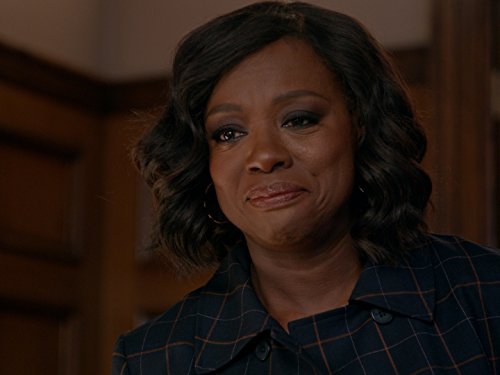
How To Get Away With MurderOn the TV show How to Get Away With Murder, there are multiple actors reacting to the death of a character named Wes. You may want to watch this clip several times to see how different actors can portray the same emotion of shock and sadness, yet each performance is totally different. The scene starts out with the main character, Professor Annalise Keating, played by Viola Davis, and moves onto the other cast members.

When it comes to looking upset on screen, these actors definitely know what they’re doing. Their ability to convey deep emotional anguish is truly impressive and believable. Their performances are so moving and convincing that we can’t help but be impressed by their talent. They make us feel the full range of emotions and leave us wanting more.

Whether it’s heartbreak, betrayal, or loss, these actors make us feel everything right along with their characters. They make us believe that their character’s pain is our own. We root for them to find happiness, even if it’s just for a moment.

3 Tips That Will Help You Nail Emotions

Nailing emotions can be the difference between a good performance and a great one.

1. Get in touch with your own emotions. The better you understand your own emotions, the easier it will be to tap into them when you need to for a role.

2. Understand the character you’re playing. What are their motivations? What do they want? How would they feel in any given situation? The more you know about your character, the easier it will be to play them convincingly.

3. Let go of any self-consciousness. When you’re on stage or on camera, it’s important to forget about yourself and just focus on the character and the scene.

There are some key things mentioned above to keep in mind when nailing emotions in acting. First, remember that all human beings experience the same basic emotions. So, even if you’re playing a character who is very different from you, you can still relate to their emotions on some level. Second, focus on the physicality of emotion. How does your body feel when you’re sad? When you’re angry? When you’re in love? Paying attention to your physical response will help you better convey the emotional state of your character.

I think you get the picture, right? The formula is simple, but the doing it is hard. Nailing emotion in acting is all about understanding and connecting with the character you are portraying. It is important to find what motivates your character and use that to drive your performance. Remember that being emotional does not mean you have to be over the top or melodramatic, sometimes the most powerful performances come from subtlety and restraint.

Dig Into Your Scene Partner for Different Emotions

So far everything I mentioned is about you tapping into the emotions of yourself and your character. But what if you went outside that box and dug into your scene partner? What if you shifted your attention to them? What do you see in them? Are they nice, deceitful, dangerous? By understanding their character, you can more realistically play off of them. You are now letting yourself be affected by your partner, and your emotions may change. This small change, looking outward instead of inward, could determine how you play the scene and how you share your emotions.

So go out there and give it your all, feeling the feels and nailing those emotions!

Feature

Two people in close proximity, their faces inches apart. They stare longingly into each other’s eyes, lips slightly parted. Gently, they touch foreheads, then noses, then lips… A love scene.

We’ve all seen them countless times on TV and in movies. But how do actors make it look so real? How do they make us believe that they are actually in love?

It’s not easy, that’s for sure.

In order to make a love scene look convincing on camera, actors have to do more than just kiss. They have to be able to make the audience believe that they are actually in love. This is no easy feat, and it requires a lot of preparation and practice. The first step is to make sure that the two actors are actually attracted to each other. If they aren’t, it will be very difficult to make the scene look believable. Of course, this isn’t always possible, right? How can you just make yourself attractive to someone else, or make yourself be attracted, to someone? For help with this, check out the DirectSubmit / NYCastings article 5 Tips to Ignite On-Screen Chemistry.

The Psychology of a Love Scene

In a love scene, the actors must convey deep emotions while also maintaining control of their own physical and mental state. It’s no easy feat, but the best actors make it look effortless.

So what’s really going on behind the scenes? Let’s take a look at the psychology of a love scene…

When two people are in love, they tend to have an amazing connection that is unbreakable. A love scene is when two people share an intimate moment together, whether it be through physical touch or verbal communication. The psychology of a love scene is intriguing because it allows us to see how two people who are in love interact with each other on a deeper level.

Actors often have to film love scenes with people who they are not actually in a relationship with and this can be challenging. They have to trust each other and be able to feel comfortable with one another in order to make the scene look believable. It is interesting to see how different actors approach love scenes and what methods they use to connect with their co-star.

In order to make the scene look and feel real, the actors must be able to tap into their own psychological state of being in love.

To do this, they must first be able to understand the psychology of love. How does one fall in love? What are the different stages of love? What are the signs that someone is in love?

By understanding these things, actors can then begin to understand how to convincingly portray a love scene. They must be able to access their own emotions and feelings surrounding love in order to make the scene believable.

Often times, it is not just about the physical act of kissing or touching another person. It is about the mental and emotional connection that exists between two people who are in love.

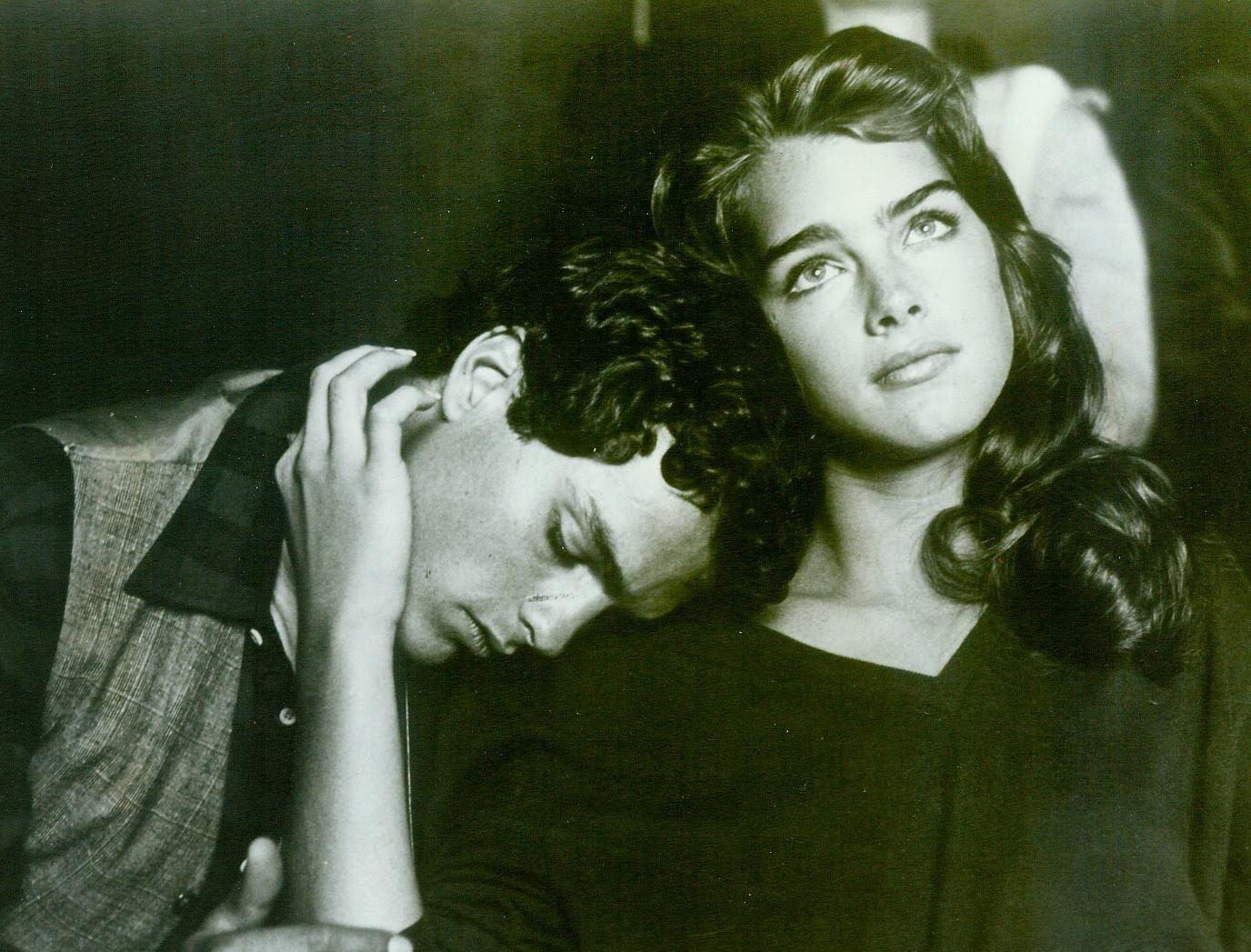
Martin Hewitt Brooke Shields Endless Love

Martin Hewitt and Brooke Shields in Endless Love

A great example to learn from is by watching Brooke Shields and Martin Hewitt in the film Endless Love. You can watch the whole clip to get an idea of how their relationship builds, or skip to minute 7:00.

Five Methods Actors Can Use to Connect with Their Co-star and Create a Realistic Love Scene

1. Get to know each other off-screen. Spend time together outside of filming and get to know each other as people. This will help create a more natural connection on-screen.

2. Talk about the scene before filming. Discuss what you want to achieve with the love scene and what kind of energy you want to bring to it. This will help both actors be on the same page and make the scene more believable.

3. Be open with each other. In order to create a genuine connection, both actors need to be open with each other emotionally and physically.

4. Make sure you’re in the right mindset. If you’re not feeling romantic, it will be difficult to convincingly portray a character who is. Take some time to yourself before the scene to get into the right headspace.

5. Remember that less is more. In a love scene, it’s important to convey passion without being explicit. The best way to do this is often through body language and facial expressions rather than dialogue.

Making romance seem like an illusion is all about being genuine, setting the scene, and being thoughtful. Sometimes the simplest things can make the biggest impact. So, if you want to create the illusion of romance, start by being romantic yourself.

actors-reading-their-scripts-on-stage

In order to be a great scene partner, one must be able to understand and respect the personal boundaries of their fellow actors. They must also be able to work together as a team in order to create a believable and compelling scene. Furthermore, a great scene partner should be able to listen attentively and respond realistically to their partner’s cues. Reminder: it is important to have fun while working together in order to create a positive and enjoyable experience for both partners.

Whew! With all of that said, here are SIX TIPS to help you become the greatest scene partner ever:

Make Eye Contact

Eye contact may seem like a simple concept, but there is more to making good eye contact than you might think. Here are a few tips on how to make eye contact that will help you in your personal and professional life:

1. Make sure you are making eye contact with the person you are talking to, not just looking in their general direction. This shows that you are interested in what they have to say.

2. Do not stare at the person, as this can come across as aggressive or creepy. Instead, keep your gaze soft and steady.

3. If you are having trouble making eye contact, try focusing on the person’s eyebrows or forehead instead of their eyes. This can help you relax and appear more natural.

4. Breaking eye contact from time to time is normal and actually makes the conversation feel more relaxed and friendly.

Don’t be Afraid to Touch

In the film and television industry, it is common for actors to touch each other during scenes. This can be anything from a light touch on the arm to a full-on embrace. However, many actors are hesitant to touch each other, for fear of crossing boundaries or making someone uncomfortable.

But there’s no need to be afraid! Touch can be a very powerful tool in acting, and it can help create a more believable and realistic scene. If you’re unsure about whether or not to touch someone during a scene, just ask them first. As long as you’re respectful and considerate, there’s no reason why you shouldn’t be able to use touch to your advantage as an actor.

Of course, in pandemic times, please be sure to discuss touching in advance and if your partner is not open to it, do not push them. Find another way to make a compelling scene.

FeatureFind the Funny

When it comes to acting, there is always room for humor. No matter the scene or the partner, finding the funny can help keep things light and make the experience more enjoyable.

There are a few ways to find the funny in any given scene. One is to simply let go and be open to whatever happens. If something unexpected happens, go with it and see where it takes you. Another way is to play off of your scene partner. If they make a mistake, use it as an opportunity to improvise and come up with something funnier than what was originally planned.

No matter what method you use, always remember that acting should be fun. If you’re not having fun, then chances are neither will your audience. So next time you’re feeling stuck or like things are getting too serious, take a moment to find the funny and enjoy yourself.

Be Present

When you’re acting, it’s important to be present in the moment and connect with your scene partner. This can help you create a believable performance and explore the characters’ relationships. Here are some tips for staying present during a scene:

1. Listen to your scene partner and respond honestly. Don’t just wait for your cue; really listen to what the other person is saying and let that affect your character.

2. Stay in the moment. It can be easy to get caught up in your own head when you’re performing, but it’s important to stay focused on the here and now. If you make a mistake, don’t dwell on it; just keep going.

3. Connect with your emotions. If you can tap into how your character is feeling, it will help you stay present in the scene and make your performance more believable.

Make Adjustments

When it comes to making adjustments during a scene, there are a few things to keep in mind. First and foremost, it’s important to be aware of your own energy and how it’s affecting your scene partner. If you’re feeling off or tense, chances are your partner is picking up on that. Secondly, be willing to let go of any preconceived notions you may have about the scene. If something isn’t working, don’t be afraid to try something new. Lastly, remember that communication is key. If you and your partner are having trouble connecting, talk it out and see what needs to be adjusted. By keeping these things in mind, you’ll be able to make the necessary adjustments in order to create a successful scene.

Be Encouraging

In order to create a successful scene, it is important to be encouraging to your partner. This means giving them positive feedback, listening to them, and being supportive. By doing this, you will create a more positive environment which will lead to better results.

Now, you may not be able to work all six tips into one scene, but if you can manage the majority of them, you’ll do just fine.

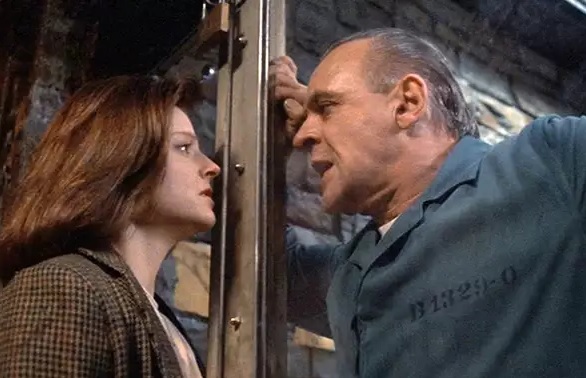
TheSilenceOfTheLambsOne of the most memorable clips where the scene partners have amazing chemistry is from the film, The Silence of the Lambs starring Sir Anthony Hopkins and Jodie Foster as Hannibal Lecter and Clarice Starling.

And on that note, always be respectful to your scene partner, be prepared, know your character and objectives, be in the moment, and make strong choices. With these guidelines, you will be well on your way to being a great acting scene partner!

Feature

It’s a scene as old as time: the child actor breaks into tears on cue. Whether it’s in a movie, TV show, or commercial, making a child cry on demand can be a powerful tool for directors and producers.

There is no crying in baseball, but there is definitely crying in acting. For child actors, learning how to cry on cue can be a valuable skill. It can help them get into character and convincingly convey the emotional turmoil of their role.

When it comes to on-screen emotion, child actors are often called upon to cry. And while it may seem like a simple task, getting young actors to convincingly show tears can be quite challenging for directors.

Baby cryingOne of the most difficult things about crying on screen is that it requires a certain level of vulnerability. Child actors have to be willing to let down their guard and be emotionally open in order to convincingly show tears. This can be difficult for some young actors who are not used to being so exposed emotionally.

In addition, crying on screen also requires a lot of physical energy. Child actors often have to work hard to maintain their composure while still conveying the intensity of their emotions. This can be exhausting, both mentally and physically.

Despite the challenges, there are many child actors who excel at crying on screen.

Watch this clip of young Hayden Panettiere who played Lizzie on the soap opera Guiding Light.

Another clip to watch is Ricky Schroder in The Champ. If this doesn’t make you bawl your brains out, I don’t know what will.

Here are a few tips on how to make your toddler child actor cry on demand:

Cut Up Onions in Front of the Child

A child might be fascinated by an onion, especially since it looks like a ball. So cutting one up in front of the child should be a fairly easy task.

Onions are a member of the allium family, which also includes garlic and leeks. When an onion is cut, enzymes that are released mix with the air to create sulfuric acid. This chemical reaction causes the onion’s cells to burst, and the release of these chemicals is what makes you cry.

Hand the Child a Cookie, Then Take It Away Just as She Goes to Eat It

This may sound mean, but it does the trick. It should only take a moment for the photographer to get the shot, so as soon as the Director calls the scene, hand the cookie back to the child so she can eat it.

Now, for older children, you can sit down with them to explain the scene and review how to handle it.

sad-crying-teen-girlHere are things to consider for older children:

1. If possible, use actual tears rather than relying on artificial methods. This will make the crying more realistic and believable.

2. Stimulate the tear ducts. There are a few ways to stimulate the tear ducts and make them produce tears. One way is to wet some cotton balls with saline solution and place them in the corners of the eyes. Another method is to apply a cold compress to the forehead or eyelids just before crying scene is shot. I personally would stay away from these methods and would probably use the onion instead – if the child cannot be authentic with real tears.

Things to discuss with the child actor:

1. Choose the right scene. The best scenes to make a child cry are those that are emotional and intense. Avoid scenes that are funny or lighthearted.

2. Use the right words. The right words can be incredibly powerful in evoking an emotional response from a child actor. Choose your dialogue wisely, and make sure it hits home for your child actor.

3. Pro-tip for scene partners: Stay in character. It’s important to stay in character while directing a child actor, even if they’re crying.

There’s no doubt that a good cry can be therapeutic, but what if you need to evoke tears for a movie or TV show scene and your child actor just isn’t feeling it?

Here are even more tips on how to make your child actor cry on demand:

1. Start by establishing a comfortable rapport with your child actor. Build trust so they know that you will not force them to do anything they’re not comfortable with.

2. Talk about the scene and what will happen. Help them understand why it is important for their character and what emotions they should be feeling.

3. Play music that is sad or evocative of melancholy feelings to help get them in the right frame of mind.

4. If all else fails, try staging a fake argument or problem between you and your child actor before the scene.

The key to making your child actor cry is to remain patient and consistent. Even though it’s not as easy as it may seem, crying on command is a skill that can be learned by anyone. It takes practice and patience to be able to do it on cue. However, with a little bit of effort, anyone can learn to do it. So if you’re feeling down and need a good cry, don’t be afraid to give it a try.

Voiceover work can be very lucrative.

There are many different careers in the acting industry. Some of the most common actors and actresses work in Television, Film, Theater, as TV/Radio presenters, do Voiceovers and work as Stunt Performers. Each of these careers has its own unique set of skills and requirements.

Actors and actresses typically need to have strong acting skills and be able to perform in front of a large audience. Voiceover artists and TV/Radio presenters need to be able to read aloud and have a good understanding of language and grammar. Stunt performers need to understand safety.

Even though there are many different acting careers, a lot of the skills needed are common within each career, so I will not point out the obvious every time (such as memorizing lines).

There are also other careers in these fields, such as Directing, Producing, Design and Technical Engineers. We’ll save these for upcoming articles so be sure to subscribe and keep checking DirectSubmit / NYCastings for more related articles.

TELEVISION

In recent years, the number of actors working in television has increased dramatically. This is due in part to the growth of cable and satellite channels, as well as the popularity of streaming services such as Netflix and Amazon Prime. Actors who want to work in television need to be prepared for long hours and a lot of competition.

“It’s a lot of work,” said Tom Hanks, an actor who has worked in television for many years. “You have to be very disciplined.”

Hanks said that actors need to be able to work long hours, often on weekends and holidays. They also have to be willing to travel.

“You have to be prepared mentally and emotionally for the role you’re playing,” Hanks said. “It’s not just about memorizing your lines.

Actors, be sure to read this DirectSubmit / NYCastings interview with actress Victoria Cartagena, who you will recognize from such series as Gotham and Batwoman. Victoria teaches us how to make a memorable character. Good stuff!

FILM

From big-budget blockbusters to low-budget independent films, actors are the heart and soul of the movie-making process. And while it may seem like all fun and games, acting is hard work. Here’s a behind-the-scenes look at what it takes to be an actor in film.

It takes more than just good looks and talent to be a successful actor in film. It takes dedication, commitment, and a willingness to put yourself out there. auditioning for roles can be a grueling process, and even once you land a role, the hours are long and the work is challenging. But for those who make it their life’s work, acting in film is an incredibly rewarding experience.

There are few things more satisfying than seeing your name up on the big screen or hearing your voice come out of a character’s mouth.

Take a quick look at the DirectSubmit / NYCastings interview with film actress Karen Obilom titled Black Actors, Don’t Give Up!

THEATER

So you want to be a theater artist? It’s a great career choice! Theater actors need to be able to perform in front of a live audience and have strong public speaking skills.

Theater artists have the opportunity to work in many different settings, often with very creative people. They also have the chance to perform for and interact with audiences of all ages.

There are also many different types of theaters, from large regional companies to tiny fringe theaters. You’ll need to do some research and find the right theater for you.

Working as an actor in theater can be a very rewarding experience. It can also be a lot of hard work. Here are a few things you should know if you’re thinking about becoming an actor in theater:

1. Acting is not just about memorizing lines and saying them on stage. It’s about creating a character and bringing that character to life. To do this, you need to be able to connect with the material and understand what the character is going through.

2. Theater is all about collaboration. You’ll be working with other actors, directors, writers, and technicians to create the production. It’s important that you’re able to work well with others and take direction well.

3. A successful performance is all about creating an emotional connection with the audience.

Even though the Broadway show Jagged Little Pill closed due to the pandemic, actress Morgan Dudley who played the rebellious, bisexual teen lead, has a lot to offer when it comes to auditioning. Read the DirectSubmit / NYCastings interview with Morgan Dudley to learn about determination and courage.

radio djRADIO

When it comes to working as an actor, radio can be a great way to get started. Not only is it less competitive than television or film, but it also allows you to hone your skills and build up a portfolio.

That being said, there are a few things you should keep in mind if you’re thinking about pursuing a career in radio. For one, it’s important to have a strong voice. This means not only being able to project well, but also having a clear and distinct diction. Additionally, radio acting often requires a lot of improvisation, so being able to think on your feet is key.

Finally, remember that radio is all about storytelling. Whether you’re performing in a comedy sketch or reading a dramatic scene, the most important thing is that you captivate the listeners and transport them into the world you’re creating.

I don’t know about you, but when I think of a Radio personality, Howard Stern immediately comes to mind. For those of you not familiar with Howard Stern, you can see clips on YouTube. Caution: Howard Stern is considered a “shock jock” as some content is not suitable for children – or perhaps anyone.

Some quick background: Howard Stern is an American radio and television personality, best known for his radio show The Howard Stern Show, which has been nationally syndicated on Sirius XM Radio since 2006. Stern first gained notoriety in the 1970s as a disc jockey on the radio station WXRK in New York City. He was fired from several jobs before landing at WNBC in 1982. In 1985, Stern began his successful 20-year run at WWOR-FM.

Stern’s show became syndicated to 60 radio markets across the United States in 1987 and reached its peak audience of 20 million listeners a week by 1994.

Today, Howard Stern is still broadcasting on Sirius XM. So you see, you can have a very successful career in radio!

Glow Girls
Glow Girls

VOICEOVERS

Voice acting is a form of acting where the actor uses their voice to provide characterizations for characters in various works, such as animations, video games, audio books, and more. While some actors are able to do voice overs for multiple characters, others specialize in just one.

Some well-known actors who have done voice overs include:

Tara Strong – She is known for her work as Timmy Turner in The Fairly OddParents, Twilight Sparkle in My Little Pony: Friendship is Magic, Raven in Teen Titans, and more.

Hank Azaria – He is known for his work on The Simpsons as Moe Szyslak, Apu Nahasapeemapetilon, Chief Wiggum, and more. He has also done voices for other shows such as Family Guy and Futurama.

Teenage sisters The Glow Girls, Cassie and Sabrina, are very successful voiceover artists. If you are a child actor or have a child who wants to get into voiceovers, check out the DirectSubmit / NYCastings interview with The Glow Girls!

Stunts on the carpet at the 2nd Annual World Stunt Awards, Barker Hanger, Santa Monica, 05-19-02

Stunts on the carpet at the 2nd Annual World Stunt Awards, Barker Hanger

STUNTS and DOUBLES

Actors are known for their on-screen performances, but what about the people who help them look so good? Stuntpersons are an essential part of the film industry, working tirelessly to create the impressive and dangerous stunts that audiences love.

Though they may not be as well-known as the actors they work with, stuntpersons are highly skilled professionals. It takes years of training and practice to become a good stuntperson, and even then there is always room for improvement.

Working as a stuntperson is not only physically demanding, but it can also be emotionally taxing. Stuntpersons must be able to put aside their fear in order to perform their job properly, and this is not always easy.

Despite the challenges, being a stuntperson is a great experience.
You may have heared of a movie called The Matrix Resurrections starring Keanu Reeves, or a series called Westworld, or Star Trek. Well, stuntperson Matt Berberi is part of the stunt team that helped train the actors. Read the inside scoop on stunts with Matt Berberi right here on DirectSubmit / NYCastings.

ACTORS, ALWAYS KEEP THESE TIPS IN MIND

Working in show business can be the ultimate career. You get to work with actors and actresses and help bring a story to life. It can be a lot of fun, but it also requires a lot of hard work and dedication.

1. Don’t be afraid to audition. The more auditions you go on, the better your chances are of getting a role.

2. Be prepared for rejection. Not every audition will result in a role, but that’s okay. Just keep trying and eventually you’ll find the right fit.

3. Be professional. Once you land a role, remember that this is your job and act accordingly. This means being punctual, prepared, and respectful to your fellow cast members and crew.

Sick While Auditioning

Auditioning can be nerve-wracking, and even more so when you’re not feeling well. Many people feel anxious about performing when they’re not feeling their best.

Auditioning can be nerve-wracking, and even more so when you’re not feeling well. Many people feel anxious about performing when they’re not feeling their best.

While it is understandable that an actor would want to audition when sick in order to not lose out on the opportunity, it is important to remember that auditioning while sick can be dangerous for both the actor and those around them. It is important to be mindful of your health and the health of those around you, and if you are feeling sick, to stay home and rest.

Uh-huh. Unless you’re on your deathbed, the chance of you actually doing that paragraph above is practically zero. Why? Because you could miss out on the role of a lifetime. Although it may be difficult, it is important to put on a brave face and give your best performance. Remember, the casting directors are looking for the best actor for the role, not the person who is feeling 100%.

Now, I’m not telling you to go out there and infect anyone. I’m sharing the two schools of thought. It’s up to YOU to make the decision.

Here are tips to help you through an audition when you’re sick:

1. Be honest with yourself and your casting director. If you’re not feeling well, let them know and ask if there is any way you can reschedule. They may be able to reschedule your audition, or at least have a plan in place for how to handle it if you do end up auditioning.

2. Know your limits. Don’t try to push yourself harder than you should. If you’re really not feeling well, it’s better to rest than to try and audition through the pain.

3. Arrive early and allow yourself plenty of time to warm up your voice and body. This is especially important if you’re not feeling well.

4. Be prepared. Make sure you have all of your materials ready to go before the audition starts. (You should do this whether you’re sick or not!)

5. If you do have to audition while sick, make sure that you are not too contagious. Stay away from other people as much as possible, and avoid coughing and sneezing in their direction. (How do you make sure you are not too contagious? Go to the doctor and ask them if you’re contagious! I know, you don’t have time to go to the doctor if you get sick right before your audition.)

6. Come prepared with an extra copy of your headshot and resume, just in case something happens to the ones you brought with you. (Of course, do this anyway. Duh.)

7. Have a water bottle, tissues and some cough drops on hand. Some people even carry tea bags with them because they can usually find a hot water dispenser.

8. Avoid shaking hands or touching your face.

9. Dress comfortably.

10. Sit down if you need to.

11. Consider wearing a mask to avoid spreading your illness to others.

12. Stay positive and focus on your goals.

13. Use your resources. There’s no shame in asking for help from friends or family members. If they’re able to come with you to the audition or run lines with you beforehand, that can be a huge help.

14. Ask for a video / Zoom audition instead. They may say yes, they may say no. You’ll never know if you don’t ask.

What is a good way to stay healthy while auditioning?

There are many ways to stay healthy while auditioning. It is important to maintain your energy level and focus during the process. Here are some tips:

1. Eat healthy foods. Avoid caffeine and sugary snacks, which can make you feel tired and jittery. Eat plenty of fruits and vegetables, which provide vitamins and minerals that help keep you energized.

2. Get enough sleep. Most people need around eight hours of sleep per night. During busy times, it can be tough to get enough rest, but it is essential for your health and performance.

3. Stay hydrated. Drink plenty of water throughout the day to keep your body functioning at its best. Dehydration can lead to fatigue and headaches, so be sure to drink plenty of fluids before, during and after your audition.

4. Exercise regularly. 

So let’s hear it readers! Should you, or should you not, audition when you’re sick? Tell us in the comments!

feature

Technology has always played a role in the entertainment industry. From the earliest days of movies, technology has been used to create special effects and to bring stories to life on the big screen. But with the rise of digital technologies, we are starting to see a new kind of acting. Actors are no longer limited to working in front of a camera. They can now use technology to create characters and worlds that would have been impossible a few years ago. With the help of technology, we are now able to see actors in a new light. We can now see their expressions and emotions more clearly than ever before. This is changing the way we view acting.

Let’s talk about the SCREEN…

In the past, actors were seen as the faces of Hollywood. They were the ones who graced the big screens and entertained audiences around the world. However, technology is changing the way we view acting. With the advent of online streaming services such as Netflix, Hulu, and Amazon Prime, actors are no longer limited to appearing in movies and television shows. They can now also appear in web series, which are short series that are typically released online.

Here’s a very affordable lighting option for a Smartphone, YouTube and TikTok.

There was a time when the only way to see a movie was to go to a theater. You would buy a ticket, watch the film and then leave. With the invention of home video players, people could watch movies in the comfort of their own homes. This changed the way people viewed films. They could now watch them at their convenience, and they didn’t have to spend money on tickets.

Nowadays, there are even more ways to view films. People can watch them on their phones, laptops or tablets. This has changed the way people view films even further. They can now watch them wherever they are and whenever they want. Additionally, they don’t have to pay for tickets or buy DVDs or Blu-rays.

The way people view films is changing faster than ever before thanks to technology. This is having a major impact on the acting industry.

Technology has impacted the acting industry in many ways. For example, it has allowed actors to connect with their fans in new and innovative ways. Social media platforms have given actors a way to share their work, connect with fans and promote upcoming projects. Additionally, technology has made it easier for actors to audition for roles from anywhere in the world. Casting directors can now cast roles from a remote location and receive submissions from actors all over the globe. This has led to a more competitive market for acting jobs and has increased the number of talented actors who are able to compete for roles.

This process has eliminated the need for actors to travel to Los Angeles or New York in order to audition for a role.

Many casting directors are now holding online auditions for roles in television shows and movies. The use of technology has also allowed casting directors to find new and upcoming talent from all over the world.

The use of technology has helped to reduce the cost of casting actors for roles in television shows and movies. It has also allowed casting directors to cast a wider range of actors for roles in TV shows and movies.

Technology is changing the way we view acting because it’s changing the way we view everything.

Let’s talk about STAGE…

The impact of technology on the performing arts is twofold. First, it has allowed for a new level of realism and authenticity in stage productions, as well as increased flexibility in terms of set design and location. Secondly, it has also given rise to new opportunities for performers to engage with their audiences in innovative ways through the use of digital media and social networking tools.

The use of technology in the performing arts is constantly changing and evolving. In recent years, there has been a shift from traditional stage performances to more technologically advanced performances that use multimedia elements and digital effects. This change has affected the way we view acting, as it is now possible to create more immersive and realistic experiences for audiences. By using technology, performers can create worlds that wouldn’t otherwise be possible to create onstage, and this has led to a renewed interest in the performing arts.

Did you know that back in the day actual flashlights were used to create special effects on stage?

Theater has always been a medium that relies heavily on technology. From the very first time a play was performed, the use of lighting and sound effects has been an important part of the experience. These days, technology is used in even more creative ways, from projecting images onto walls to incorporating holograms into performances. While some purists may argue that technology should not be used in theater at all, most people agree that it can be a valuable tool when used in the right way.
One of the most common uses of technology in theater is for lighting effects. Lighting can be used to create moods, highlight certain aspects of the set or actors, and create special effects. In recent years, LED lighting has become increasingly popular because it is so versatile and can be easily customized to create any effect imaginable. Another popular use of technology in theatre is for sound effects.

Let’s face it — technology has become an integral part of acting and there is no turning back. It has allowed actors to explore new ways to tell stories and communicate with audiences. However, it is important to use technology wisely, and not to rely on it too much. There is still no substitute for talent, hard work and creativity.

Networking

Networking is one of the most important aspects of an actor’s career. It can help you find agents, managers, and casting directors, as well as other actors and professionals in the industry. There are many ways to network, both online and offline. Whatever route you choose (I suggest both routes!), it’s important to be prepared and to make the most of each opportunity. Below are some tips on how to network for actors.

7 NETWORKING TIPS FOR ACTORS

  • Create an Acting Profile on casting websites such as DirectSubmit / NYCastings. 

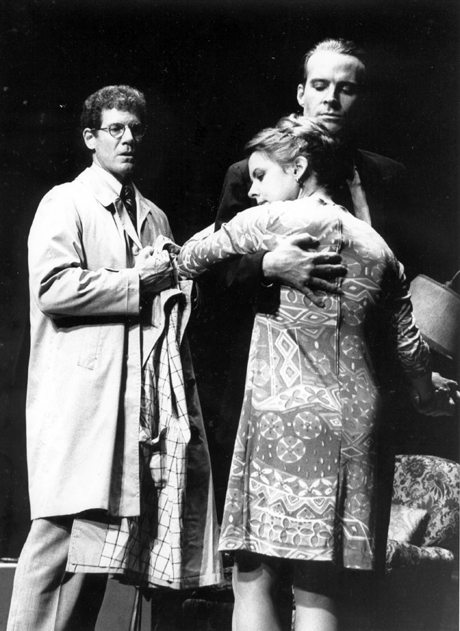
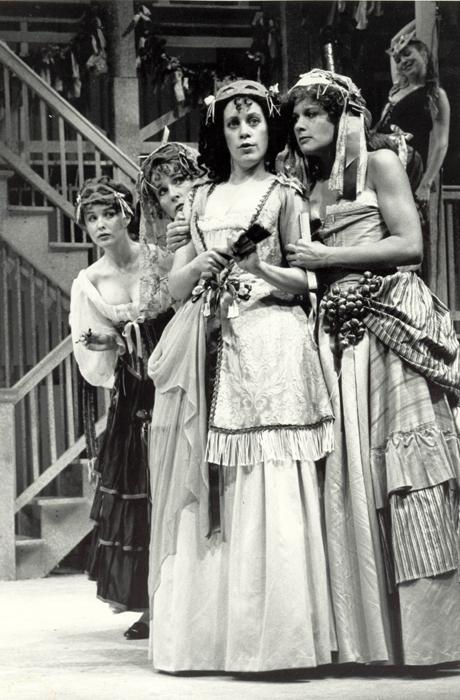
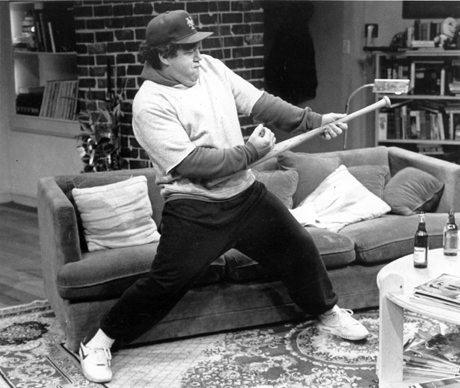
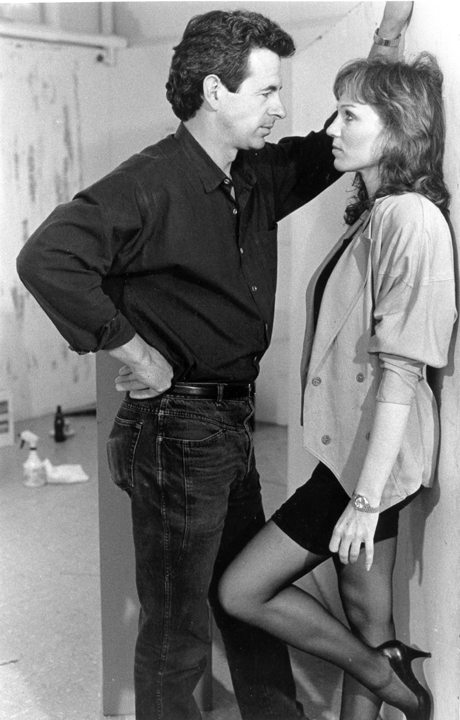
    Alan Feinstein, Dwight Schultz, Stokcard Channing. Photo Credit Nina KriegerAlan Feinstein, Dwight Schultz, Stockard Channing. Photo Credit Nina Krieger

    An actor’s profile is their resume. It is a document that lists an actor’s experience, skills, and training. An actor’s profile can be used to apply for jobs, auditions, and scholarships. There are many different ways to make an actor’s profile. The most important thing is to make sure that the information is accurate and up-to-date.

  • Attend Industry Events, Meet-ups and Workshops. 

    As an actor, attending industry events is a great way to network with people in the business and learn more about what’s going on in the industry. Events can be a great place to meet agents, casting directors, and other actors. It’s also a great opportunity to see new films and hear from industry professionals. Attending events can help you stay up-to-date on what’s happening in the industry and give you the opportunity to learn more about how to break into the business.

  • Get Involved in Your Local Theater Community. 

    There are plenty of opportunities out there if you know where to look. One great way to start networking is by attending your local theater and spending time at theater festivals

    Local theater is of course based on your location. If you have the chance to go to opening night, sometimes there’s a pre-show reception where you can mingle. 

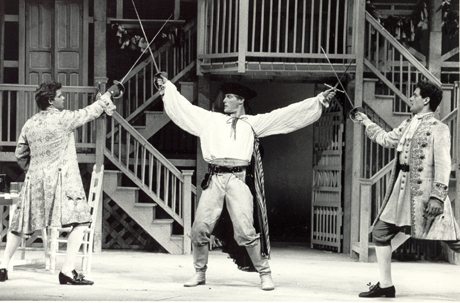
    Lou Milione, Christopher Reeve, Charles Tuthill - Williamstown Theatre Festival. Photo Credit Nina Krieger

Lou Milione, Christopher Reeve, Charles Tuthill – Williamstown Theatre Festival. Photo Credit Nina Krieger

Many festivals offer workshops and master classes that can help you improve your skills as an actor. 

One of the most popular festivals is the Williamstown Theatre Festival in Williamstown, MA. Below is a blurb from the Williamstown Theatre Festival’s website. If this doesn’t get you excited, I don’t know what will. 

Since 1955, Williamstown Theatre Festival has brought America’s finest actors, directors, designers, and playwrights to the Berkshires, engaging a loyal audience of both residents and summer visitors. Each WTF season is designed to present unique opportunities for artists and audience alike, revisiting classic plays with innovative productions, developing and nurturing bold new plays and musicals, and offering a rich array of accompanying cultural events including COMMUNITY WORKS, Late-Night Cabarets, readings, workshops, and educational programs. While best known for acclaimed productions, WTF is also home to one of the nation’s top training and professional development programs for new generations of aspiring theater artists and administrators. WTF was honored with the Tony Award for Outstanding Regional Theatre in 2002 and the Commonwealth Award for Achievement in 2011.“ 

Faye Grant, Kate Burton, Tisha Roth, Jennifer Van Dyck - Williamstown Theatre Festival. Photo Credit Nina KriegerFaye Grant, Kate Burton, Tisha Roth, Jennifer Van Dyck – Williamstown Theatre Festival. Photo Credit Nina Krieger

I must say, I was lucky enough to be in the audience at the Williamstown Theatre Festival several years in a row, and it was one of the most entertaining and memorable experiences of my acting life. I even got to go backstage and meet Christopher Reeve (Superman), Stockard Channing (Grease), James Naughton (Who’s the Boss), Faye Grant (V, The Greatest American Hero), Marilu Henner (Taxi), and George Wendt (Cheers).

  • Join an Actor’s Union or Professional Organization. 

    Another great way to network is by joining an actor’s group or association. These organizations provide a supportive community of fellow actors who can offer advice and feedback. 

    It’s not easy to join Actors Equity Association or SAG-AFTRA, but let me tell you, if acting is what you want to do as a career, then you should set high goals for yourself and do whatever it takes to become of a member of these organizations.

    Sandra Bullock in Bird Box

Sandra Bullock in Bird Box

SAG-AFTRA has many programs for members, one of them being the free Conversations, hosted by the SAG-AFTRA Foundation, in which you attend a screening with other actors and afterwards, there’s a Q&A usually with some of the actors and/or director. I saw Sandra Bullock at a Conversations event. It was amazing to hear behind the scenes stories and ask her a question! Some of the big ticket films have lines around the corner; standing in line for an hour among other actors is a great way to network.

  • Use Social Media to Connect with Other Actors and Industry Professionals. 

    In today’s world, social media is a powerful tool that can be used to connect with other actors. By creating a social media account, you can connect with other actors from all over the world, share your work, and learn from others in the industry. Additionally, social media can be used to promote your work and connect with casting directors, agents, and other professionals in the entertainment industry. There are various platforms you can enjoy, such as Facebook, Twitter, Instagram and TikTok.

  • Get a Headshot and Resume That Stand Out. 

    Well, this is a no brainer. Your headshot and resume are your first impression to casting directors, agents and producers. So how can you make sure they stand out? 

    First, make sure your headshot is high quality and up to date. If you have a professional photographer take your picture, that’s great. But if you’re on a budget and have a high-end smartphone like the latest Samsung Galaxy or iPhone, you can take your pic and use an app to adjust the picture and background. 

    Next, make sure your resume is well-organized and easy to read. List your skills and experience in bullet points, and be sure to quantify your accomplishments whenever possible. 

    Finally, tailor your headshot and resume to each role or industry you’re targeting. If you’re going out for a lead role, your headshot should look like a leading man or woman. Your resume should be easy to read and showcase your skills as an actor.

  • Stay Positive and Persistent. 

    George Wendt - Williamstown Theatre Festival. Photo Credit Richard TermineGeorge Wendt – Williamstown Theatre Festival. Photo Credit Richard Termine 

    No matter what life throws your way, always stay positive and persistent. No one can control everything in life, but you can always choose how to react. Stay focused on your goals and don’t let anyone or anything stop you from reaching them. Persevere through the tough times and be grateful for the good ones. Remember, it’s not about how many times you fall down, but how many times you get back up. So keep your head up high and don’t give up on yourself or your dreams.

*****

Networking is key for any actor looking to make a name for themselves in the industry. By attending networking events, meeting with agents and casting directors, and staying in touch with other professionals in the industry, actors can create relationships that will help you get work and further your careers. It can be difficult to break into the business, but with hard work and a little luck, networking can help you take your career to the next level.

James Naughton, Marilu Henner - Williamstown Theatre Festival.
James Naughton, Marilu Henner – Williamstown Theatre Festival

There is no denying that the life of a child actor is drastically different from that of other kids.

For one, they often have to juggle acting and schooling, which can be difficult. They also typically have to deal with intense pressure and scrutiny from the public and paparazzi. Child actors also tend to start working at a young age, which can be tough on their development. Finally, many child actors struggle when they reach adulthood and try to transition into “normal” lives.

They also typically have very strict schedules, which can limit their ability to socialize with other kids. In addition, child actors often make less money than their adult counterparts, which can be difficult for them to manage.

Many people think that when a child actor becomes famous, they automatically have a perfect life. But in reality, when a child becomes famous at a young age, it can be difficult for them to adjust to life after Hollywood. Many child actors struggle with drug addiction or mental health issues later in life.

While many child actors enjoy a brief period of fame before returning to a normal childhood, others find that their time in the spotlight extends well beyond their formative years. Some child actors grow up on set, surrounded by cameras and crew members who become surrogate family members. In many cases, these young stars are able to maintain a successful acting career while avoiding the pitfalls that often plague child celebrities.

Here are six child actors who grew up on set and managed to maintain their careers into adulthood:

Drew Barrymore in Firestarter

Drew Barrymore in Firestarter

Drew Barrymore

Drew Barrymore was born on February 22, 1975, in Culver City, California. Drew started acting when she was just eleven-months-old, and her career has spanned decades. She is one of the most successful child actors in Hollywood history.

Drew made her film debut in Altered States (1980), when she was just five years old. Her performance in E.T. the Extra-Terrestrial (1982) made her a household name. Drew went on to star in dozens of films and TV shows throughout the ’80s and ’90s, including Irreconcilable Differences (1984), Firestarter (1984), Doppelganger (1993), and The Wedding Singer (1998).

In 2002, Drew Barrymore published her autobiography, Little Girl Lost. Today, you can see Drew on stream on The Drew Barrymore Show.


Emma Watson in Harry Potter and the Order of the Phoenix

Emma Watson in Harry Potter and the Order of the Phoenix

Emma Watson

Emma Watson is a child actor who has starred in several films and television programs. She is best known for her role as Hermione Granger in the Harry Potter film series. Watson was born in Paris, France, to English parents, Jacqueline Luesby and Chris Watson. When she was five, her family moved to Oxford, England. Watson began her acting career at the age of eight, appearing in commercials and making her screen debut in the 2001 BBC film Ballet Shoes. As an adult, you may remember seeing her in Little Women in 2019.


Ryan Reynolds and Morena Baccarin in Deadpool

Ryan Reynolds and Morena Baccarin in Deadpool

Ryan Reynolds

Ryan Reynolds began his acting career at the ripe age of 7. He was cast in a small role on the Nickelodeon show Fifteen. Reynolds would continue to work steadily in television throughout his teenage years. In 2000, he made his feature film debut in The Amityville Horror. Reynolds would go on to star in a number of films, including Van Wilder, Blade Trinity, and The Proposal. His performance in 2010’s Buried earned him critical acclaim and he was nominated for a Golden Globe Award for Best Actor. In 2016, Reynolds starred in the box office smash hit Deadpool. Deadpool 3 is soon to be released!


Kirsten Dunst In 'Interview With The Vampire: The Vampire Chronicles'

Kirsten Dunst in a scene from the film ‘Interview With The Vampire: The Vampire Chronicles’, 1994. (Photo by Warner Brothers/Getty Images)

Kirsten Dunst

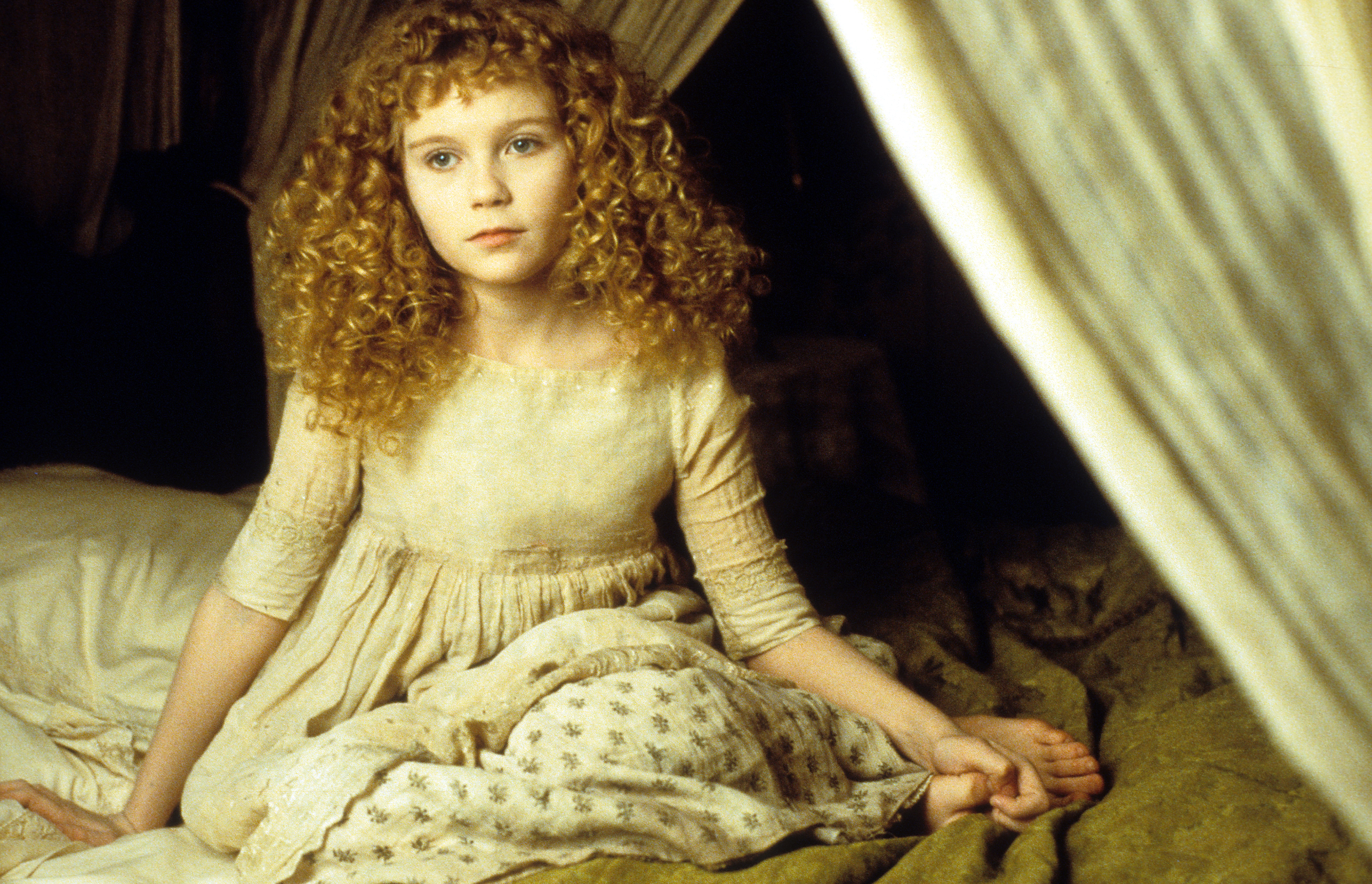
Kirsten Dunst had her big break at the tender age of 12, when she was cast as Claudia in Interview With the Vampire: The Vampire Chronicles (1994). She reprised her role for the sequel, Interview With the Vampire: The Vampire Chronicles – The Final Cut (2004), and again for the short film Lestat (2006). In 1995, Dunst starred in Little Women opposite Winona Ryder and played Torrance Shipman in Bring It On (2000).

Dunst has since appeared in a variety of films, including Woody Allen’s Melinda and Melinda (2005), Cameron Crowe’s Elizabethtown (2005), Wim Wenders’s Palermo Shooting (2008) and Jim Jarmusch’s Only Lovers Left Alive (2013). Most recently, Kirsten was seen in Netflix’s The Power of the Dog.


Christina Ricci in The Addams Family

Christina Ricci

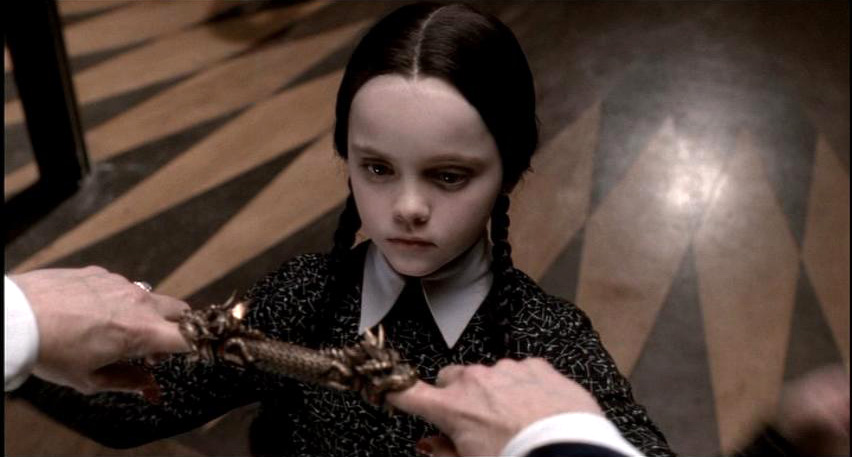
Christina Ricci is known for her roles as a child actor in films such as The Addams Family and The Ice Storm. She later transitioned into more adult roles in films such as Monster and Prozac Nation. Ricci has also starred on the TV series Pan Am and Z: The Beginning of Everything. You may remember Christina in 2021’s The Matrix Resurrections and more recently, Monstrous.


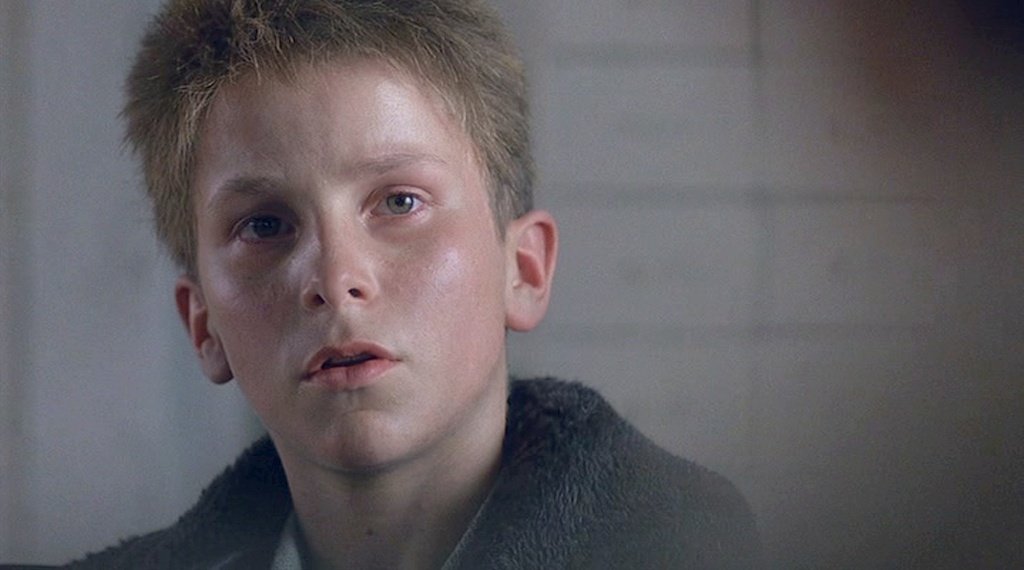
Christian Bale in Empire of the Sun

Christian Bale in Empire of the Sun

Christian Bale

Christian Bale is a British actor who has starred in both American and British films. He is known for his intense method acting style, which often leads to physical and emotional transformations for his roles. 

Bale began his acting career as a child, appearing in small television roles. His first major role was in the Steven Spielberg film Empire of the Sun at the age of 13. Bale went on to star in a number of high-profile films, including Batman Begins, The Dark Knight, and The Fighter. He has won critical acclaim and numerous awards for his work in film, including an Academy Award for Best Supporting Actor for The Fighter.


VicTORIous
Ariana-Grande-in-Victorious. Photo by Carin-Baer.-2010-Viacom-International-Inc.

Ariana Grande started her career at the age of thirteen, starring in the Nickelodeon series
Victorious. Grande had a supporting role as Cat Valentine, a high-spirited and caring friend. The show ran for four seasons and made Grande a household name.

After Victorious, Grande starred in the spinoff series Sam & Cat. The show was canceled after one season due to a scheduling conflict between Grande and the show’s producers.

Grande has since released six studio albums including “Positions”, “Yours Truly”, “My Everything” and “Dangerous Woman”.

*******

There is no denying that the life of a child actor is drastically different from that of other kids. While other kids are playing in the park or going to school, these young actors are working long hours on set. But it is often said that those who grow up in the entertainment industry have a leg up on their competition. This may be because they are used to being in the public eye and have learned how to deal with criticism at an early age. Some of the most successful actors and actresses began their careers as child stars. Whether they continue their careers or not, most child actors have interesting stories to tell about their time spent growing up on set.


WomanMirror

Characters can be reflections of ourselves, whether we realize it or not. They can show us sides of ourselves that we might not want to see, or that we might be trying to ignore. But they can also be teachers, showing us how to grow and change. In my experience, the most powerful and useful reflections of ourselves come in the form of characters who are nothing like us.

When you read a book or see a movie, there is often a character who you can see yourself in. This is especially true if the character goes through the same struggles that you do. In some cases, it can be comforting to know that someone else has been through what you’re going through and survived. It can also be helpful to see how the character handles their struggles. Watching someone else overcome their challenges can give you the inspiration you need to do the same.

Characters can often mirror ourselves, whether it be in appearance, personality traits, or life experiences. In some cases, this mirroring can be uncanny, providing an unexpected level of depth and connection to the story. For actors, it can be both fascinating and comforting to see aspects of themselves within a character on the page or screen.

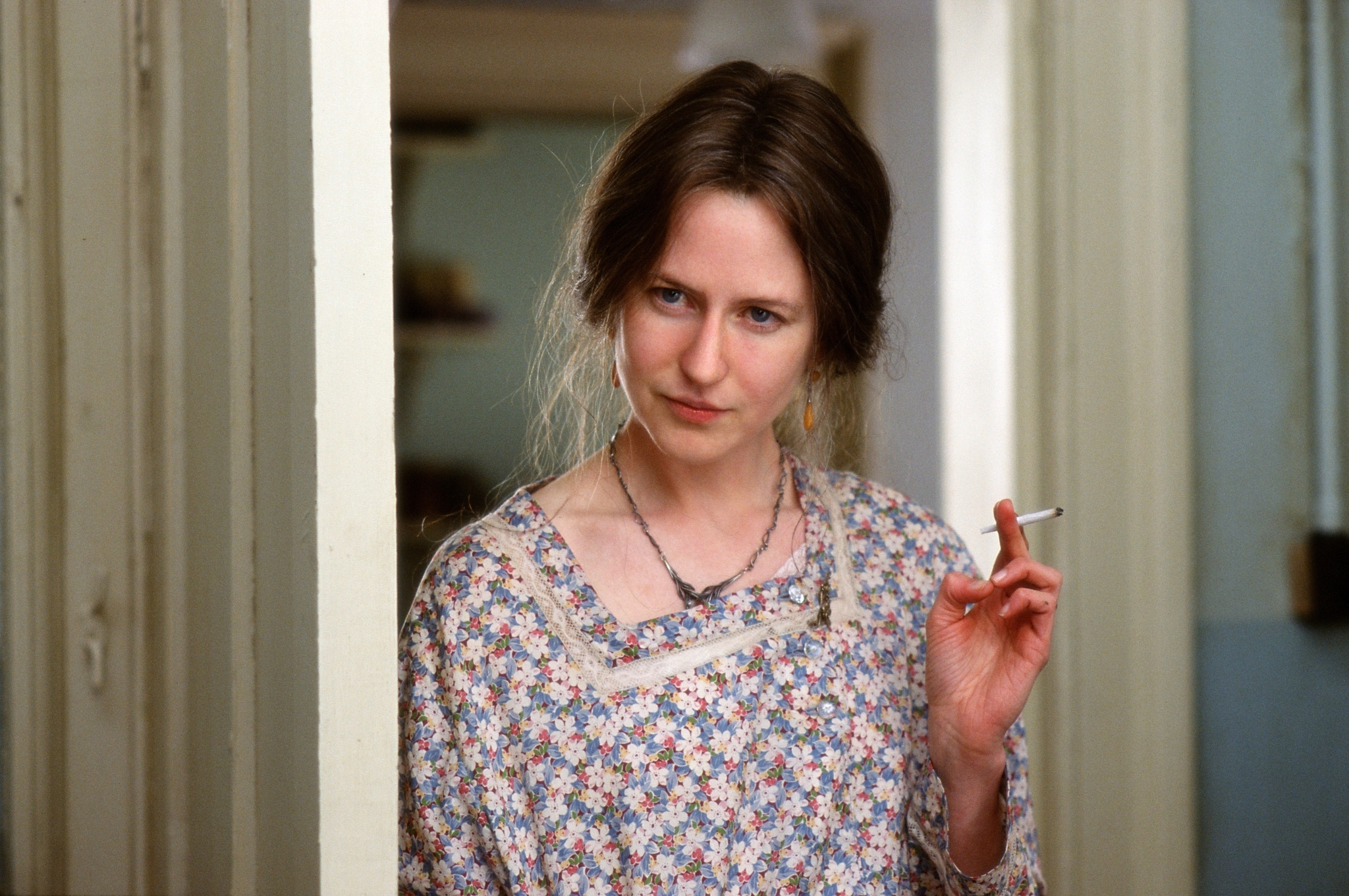
Nicole Kidman in The Hours -  2002 - Paramount Pictures

Nicole Kidman in The Hours
© 2002 – Paramount Pictures

When an actor plays a character who mirrors themselves, it can be a transformative experience. In some cases, it can even be therapeutic. For example, in the movie The Hours, actress Nicole Kidman played a character who was based on the author Virginia Woolf. Woolf suffered from mental illness and eventually committed suicide. Playing that role allowed Kidman to explore her own mental health issues and come to terms with them.
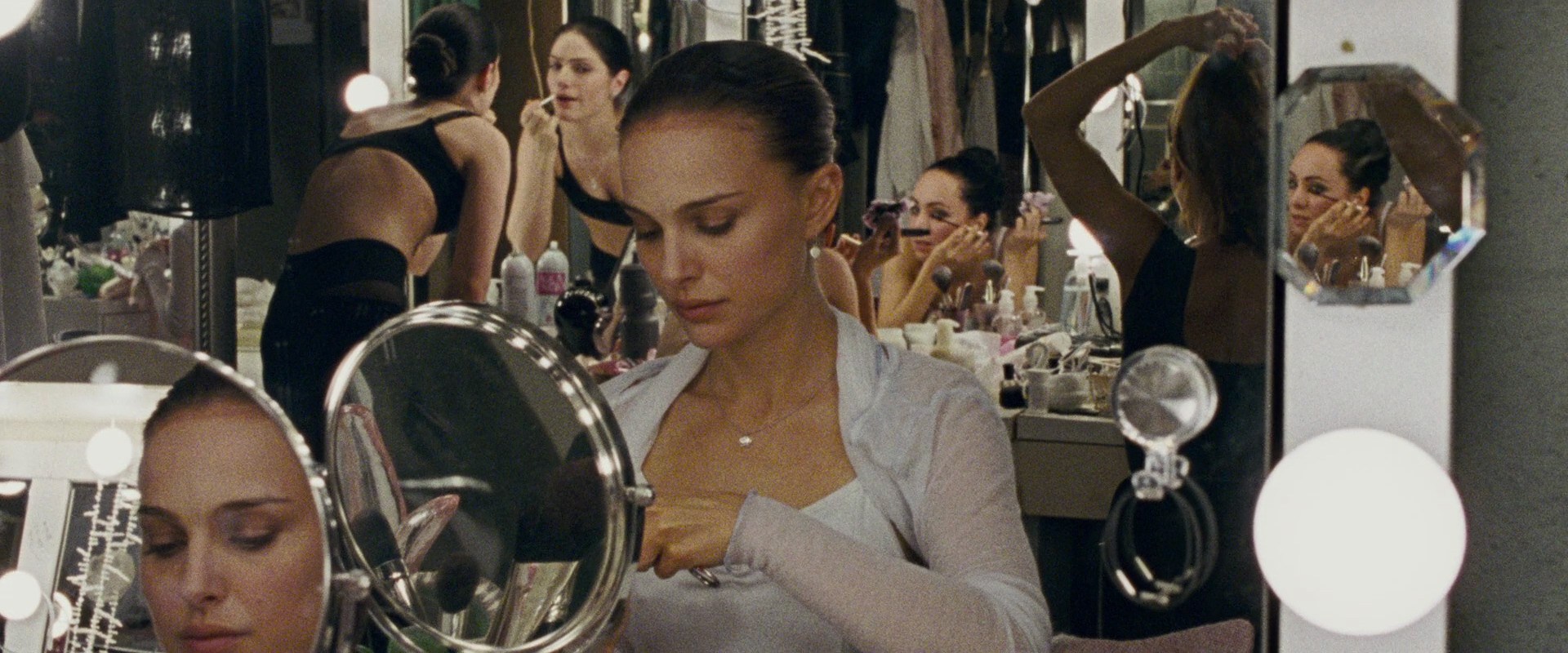
Natalie Portman and Ksenia Solo in Black Swan

Natalie Portman in Black Swan

Similarly, in the movie Black Swan, Natalie Portman played a character who was based on the real-life ballerina Suzanne Farrell. Farrell had a difficult relationship with her mother, and Portman used that as inspiration for her performance. She said that playing that role allowed her to work through her own mother issues.

In both of those cases, the actors were able to use their personal experiences to create powerful performances.

When an actor portrays a character that mirrors themselves, they are able to bring a greater level of authenticity and truth to their performance. In order to create a believable character, the actor must first understand who they are as a person. By looking within themselves, they are able to find the similarities between them and their character. This allows them to access the emotions and experiences that are relevant to the role.

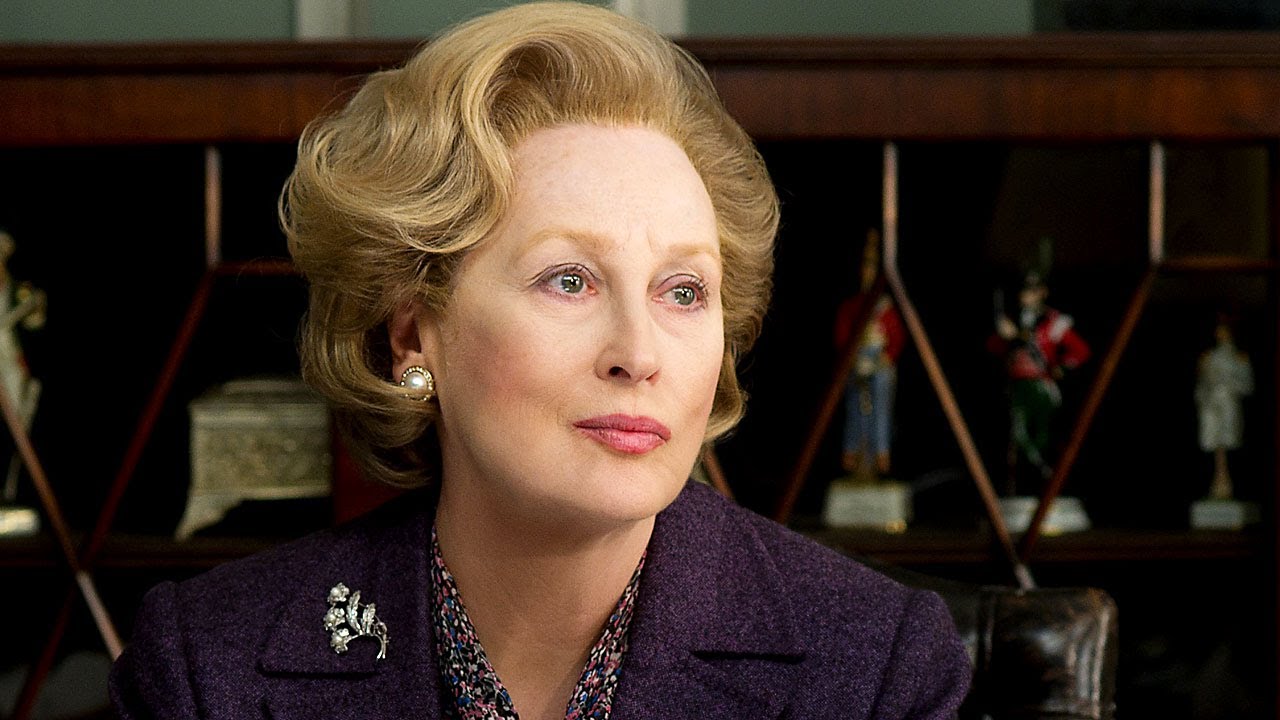
Meryl Streep in The Iron Lady

Meryl Streep in The Iron Lady

One of the most famous examples of an actor mirroring themselves is Meryl Streep in The Iron Lady. Streep played Margaret Thatcher, a role that required her to tap into her own experiences as a woman in power. She was able to draw on her own life stories, as well as her observations of other powerful women, in order to create a believable portrayal.

In some cases, it can be good for a character to mirror an actor in real life. For example, if the character is based on the actor, it can help the actor stay in character. Additionally, it can make the actor feel more connected to the character and help them understand the character better. However, there are also some cases where it can be bad for a character to mirror an actor in real life. For example, if the character is based on an actor who is known for being difficult to work with, it can be difficult for the actor playing the character. Additionally, if the actor doesn’t like how they are portrayed by the character, it can be frustrating.

There are a few schools of thought when it comes to whether or not it’s good or bad if a character mirrors an actor in real life. Some people believe that it’s distracting, and takes the viewer out of the story. They feel that the actor is simply playing themselves, rather than playing a character. Others believe that if done well, it can make the character more real, and help the viewer connect with them more. They may also feel like they are getting a glimpse into the actor’s personal life. There is no right or wrong answer, it simply depends on personal preference.

In the world of film and television, character mirroring of actors in real life is nothing new. However, with the rise of social media, this phenomenon is becoming more prevalent and raising more eyebrows than ever before. Social media provides an interesting opportunity for actors to mirror their on-screen characters. This can be done through the use of specific hashtags, retweets, and even profile pictures. By doing this, actors can help build their audience’s connection to the character and the show. Additionally, social media can be used to tease upcoming episodes or events and create a sense of anticipation among fans.

So tell us! What do you think about mirroring? Good or bad? Why? Share your thoughts with us at DirectSubmit @NYCastings!

Director giving cameraman scene direction.

Ladies, have you ever thought about becoming a Director? I have a bullet point list below of reasons to ask yourself to see if it’s the right move for you, but before we get to that, take a sip of your beverage of choice and read a brief bit of history and some basic directing items.

In the early days of cinema, it was rare for women to direct films. In fact, the first woman to earn a credit as a film director was Alice Guy-Blaché in 1896. However, in recent years there has been a growing trend of female actors who have made the switch to directing. This includes names like Sofia Coppola (daughter of filmmakers Eleanor and Francis Ford Coppola), Angelina Jolie and Kathryn Bigelow, who have all won Academy Awards for their work as directors.

In recent years, there has been an increase in the number of female actors who have become directors. This is a welcome change, as women have long been underrepresented in the field of directing. These women have made their mark in a male-dominated industry, and their films have garnered critical acclaim.

What Exactly Does a Director Do?

  • Directors must have a good eye for noticing the details of their film and be able to articulate them clearly.

  • Once a director signs on to a project, they must also be able to deal with the various actors and crew members.

  • Directors need to be able to work well with people of all levels of experience, from newcomers to veterans.

  • Directors are also required to have a good vision of what they want their film to look like.

  • Directors need to be able to communicate this vision clearly to the crew and actors so that they can understand the vision for the movie.

Why Do Some Actors Become Directors?

Acting is a great way to make a living (am I right or wrong?), but many actors want to move into directing. There are a few reasons why actors want to move from acting to directing. For some, it may be a natural progression in their careers. For others, it may be that they see the potential for directing to offer a more fulfilling and creative experience than acting. Additionally, directing can often lead to opportunities for greater financial compensation and greater control over one’s career path.

If you’re considering becoming a Director, read through this list and see if most, if not all, of the bullet points describe you:

  • You Seek a Greater Challenge

  • You Want to Be in Control

  • You Love Storytelling

  • You Enjoy Collaborating

  • You’re Passionate About the Craft

  • It’s the Next Step in your Career

Female Actors Who Became Directors

I’m going to talk about three female actors who have stepped outside of the acting realm to direct. By giving you a glimpse of their early lives and careers, you may be able to see why they decided to transition into directing, while still maintaining their acting chops.

The three women I’ll be discussing are Jodie Foster, Halle Berry and Caity Lotz (the CW’s Legends of Tomorrow)

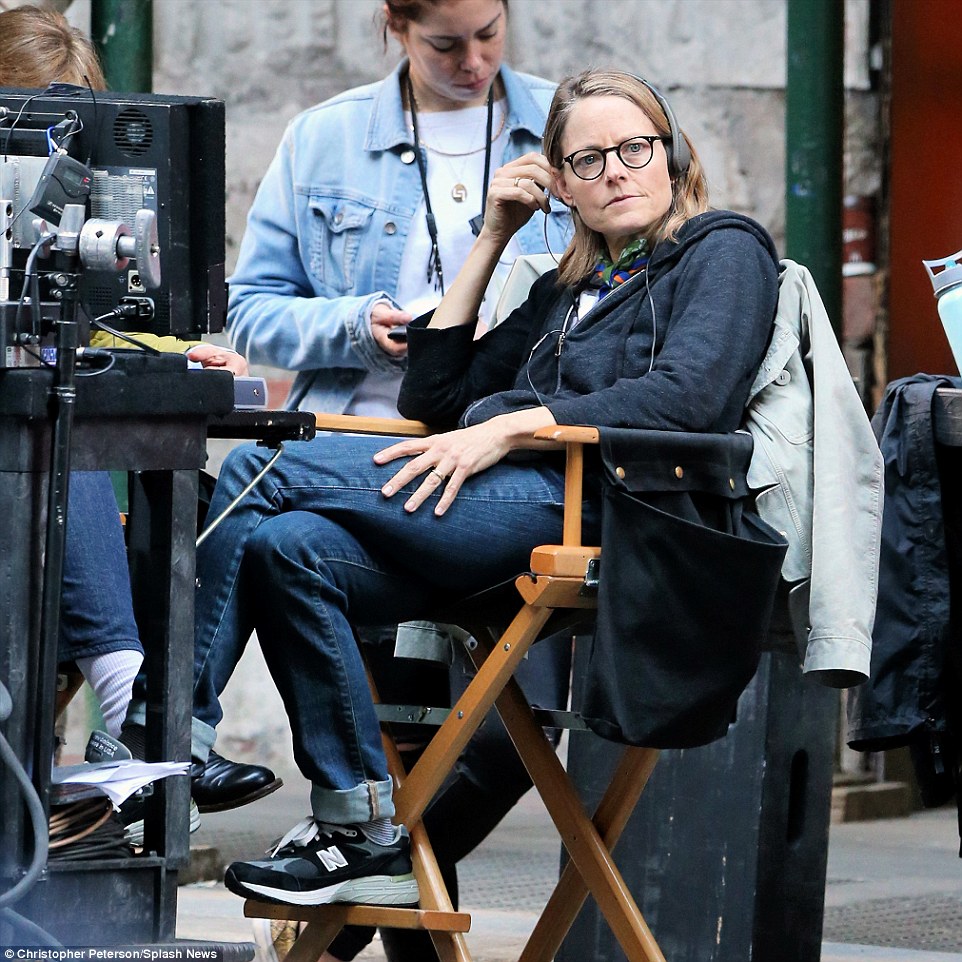
Jodie Foster. Photo Credit Christopher Peterson

Jodie Foster

Photo Credit Christopher Peterson.

 In a business where image is everything, Jodie Foster has managed to maintain hers with very little public drama. She is one of the most private celebrities in Hollywood, despite a prolific career that’s spanned more than four decades.

Born Alicia Christian Foster on November 19, 1962, in Los Angeles, she began working in commercials at age three. Her mother was a film and television producer, and her father was an Air Force officer who later became an advertising executive. Foster enrolled in various acting classes as a child and made her feature film debut at age six in Napoleon and Samantha (1972).

Foster attended Yale University but left after two years to pursue her acting career. At the age of 14, she landed a role in Martin Scorsese’s Taxi Driver (1976) opposite Robert De Niro and quickly became one of the most sought-after actresses in Hollywood.

Jodie Foster is an Academy Award-winning actress who has starred in many films, including The Silence of the Lambs and The Accused. Foster has also been successful as a director, earning an Academy Award nomination for her work on the film Little Man Tate. In recent years, she has turned her attention to television, directing hit shows such as House of Cards, Orange is the New Black and Black Mirror.

Jodie Foster is one of the most accomplished and celebrated actress turned director in Hollywood history. After starting her career in acting, she transitioned into directing with the film The Accused (1991). Since then, she has directed films such as The Beaver (2011), Money Monster (2016), and Destroyer (2018). Jodie Foster has shown that she has a skill for both acting and directing, and her work shows that she is a versatile filmmaker.

Halle Berry with cinematographer Frank DeMarco. Phot Credit John Baer, NetflixHalle Berry

Halle Berry is one of the most successful actresses in Hollywood. Born in Cleveland, Ohio on August 14, 1966, she was raised by her single mother. After a troubled childhood during which she was placed in several foster homes, Berry turned to modeling and then to acting. She moved to New York City at a young age to pursue a career in modeling. After several years of modeling, she made her acting debut in Spike Lee’s 1992 film “Jungle Fever”. Her breakthrough role came in the 1996 film “Monster’s Ball”, for which she won the Academy Award for Best Actress. In 2001, Halle Berry became the first Black actress to win the Academy Award for Best Actress.

Berry starred in and made her directional debut in the 2020 Netflix film Bruised. The film is about a boxer who falls from grace and must rebuild her life.

Berry said in a statement, “I’m incredibly excited to make my directorial debut with Bruised. It’s a powerful and emotional story that I believe in deeply. I’m grateful to Lionsgate for their unwavering support and look forward to bringing this film to audiences around the world.”

CaityLotz1Caity Lotz

Caity Lotz is an actress and dancer from California. She is known for her roles on television shows such as Mad Men and Arrow. In 2012, she was cast as Sara Lance /the Black Canary in the CW show Arrow, a role she reprised in Legends of Tomorrow.

It was during Legends of Tomorrow that Caity decided to try her hand at directing. She had several ideas for the show but as an actor, she kept blinders on and did as she was told. Once Caity was given the green light to direct Legends of Tomorrow episode Mortal Khanbat, all bets were off. Talk about freedom!

*****

There are many routes an actor can take to becoming a director. Some actors start out as directors, while others take on directing roles later in their careers. Many times, directors started out in other positions within the film industry, such as cinematographers or producers.

Some of the most common paths for an actor to become a director include: studying directing at a film school, working as an assistant director or second unit director, taking on short film projects, or starting out as a production manager. There are also many workshops and seminars that teach aspiring directors the ropes of filmmaking.

No matter what path an actor takes to becoming a director, it is important to have a clear vision for the project and be able to communicate that vision effectively to all members of the team. Directors must also be skilled at problem solving and be able to handle stress while working under tight deadlines.

Child appearing beneath the curtain.

The first step in teaching a child about acting is to help them understand the basics of the craft. This includes explaining what acting is, what it means to be an actor, and what skills are necessary for the profession. It’s also important to help children understand the different types of acting, such as stage, screen, and commercial. Next, you can start teaching basic techniques such as improvisation, characterization and scene study.

So, how do you explain acting in a way a child can understand? Like this: Acting is the process of portraying a character or type of character in a theatrical production. It involves using your imagination and emotions to create a believable performance. There are many different techniques that can be used but the most important thing is to make it fun and interesting.

The above might be too complicated for younger children to understand, so let’s break down the different types of acting and different types of techniques. Then you can put it into your own words based on your child’s age and ability to understand.

Video camera filming a movie scene with a young girl in the backgroundDIFFERENT TYPES OF ACTING

Stage Acting

Stage acting is the most pure form of the craft. It takes place in a theater, where the actor is surrounded by a live audience. The interaction between the actor and the audience is one of the things that makes stage acting unique.
Screen Acting

Screen acting is done in front of a camera. The actor has to worry about what he or she looks like on film, which can be a challenge. Screen acting can be done in front of a live audience or in a studio setting.

Commercial Acting

Commercial acting is done in front of a live or taped audience. The goal is to sell a product or idea. Commercial actors often have to memorize long scripts and deliver them quickly.
DIFFERENT TYPES OF TECHNIQUES

Improvisation (aka Improv)

In theatre and performance, improvisation is the process of creating a scene or dialogue on the spot, with no prior preparation. This might include building on an idea suggested by someone else in the group, making something up entirely on your own or reacting spontaneously to events as they occur onstage. Improvisation is often used in comedy sketches and theatre games, but it can also be employed in more serious contexts, such as drama or dance.

Some people think of improvisation as simply winging it, making things up as you go along. But good improvisers are actually very well-prepared. They have a deep understanding of their craft and the ability to create believable characters and situations on the fly. The best improvisers are also quick thinkers, able to think on their feet and come up with funny or compelling responses to whatever their fellow players throw at them.

Characterization

In literature, characterization is the process of describing the individual features of a character. This includes their appearance, mannerisms, thoughts, and emotions. Characterization is important because it allows readers to understand the characters better and to empathize with them. Good characterization can make a story feel more real and three-dimensional. It can also be used to create suspense or to reveal aspects of the plot. In acting, portraying the character is one of the main focal points.

Scene Study

Scene study is the process of delving into and exploring a particular scene from a script. It’s a way for actors to get to know the characters they’re playing, and to understand the dynamics of the scene. By working on scenes in depth, actors can develop their skills and hone their craft.

Scene study can be done with a partner, or it can be done alone. In either case, it’s important to go through the scene step by step, exploring every nuance and exploring different ways of playing the characters. You want to find what works best for you, and then commit to that interpretation.

The goal of scene study is to create a believable world in which the characters live, and to bring out the emotional truth of the scene. It’s a challenging but rewarding process, and it can help you become a better actor.

BoyInSuitTEACHING A CHILD ABOUT ACTING

Teaching a child about acting is similar to teaching them how to ride a bike. You need to show them what to do and then give them time to practice. It’s also important to be patient and positive, even when they make mistakes.
When it comes to teaching children about acting, there are a few methods that work best. Some experts believe that telling stories is one of the best ways to introduce the art of acting to young minds. By relating anecdotes from movies and TV shows, parents can help their children develop an appreciation for the skill required to perform on stage or in front of a camera. Other educators suggest using theater games and exercises as a way to foster budding talent.

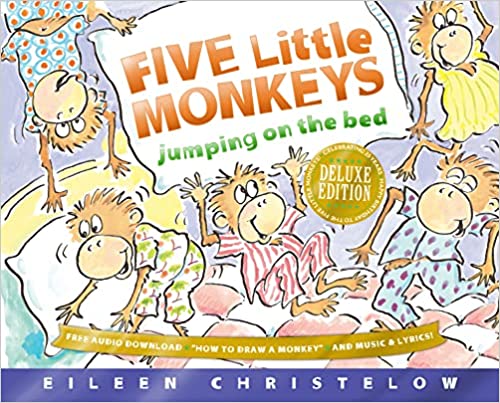
An example of such a game is “Five Little Monkeys Jumping on the Bed.” The game requires children to act like monkeys and jump on a bed. View the clip here to show your child.

(Bonus Note: There’s also an accompanying book of Five Little Monkeys Jumping on the Bed. Click HERE to purchase it.)

Theater games and exercises can be fun, but they also have the potential to teach children about the importance of being a good listener. If children are able to understand what is going on in front of them, they will be able to more effectively follow directions. Therefore, young performers are also encouraged to listen to their characters and follow the instructions of their directors. This will allow them to develop a better understanding of what it means for an actor to portray a role in a movie or on stage.

Show the child how to use their imagination and act out different scenes. You can also help them learn their lines and practice their timing by reading stories together or having them watch videos of plays. Finally, have them perform in front of a small audience (friends, family) to get used to the feeling of being on stage.

Every child is different and will learn in different ways. Depending on the age and maturity of your child, you can discuss such things as emoting, conveying moods and feelings and using body language. You can also have your child watch videos of famous actors performing and ask them to analyze what the actor is doing and why.

Depending on where you live, you can usually find an acting or improv class for your child to attend. Also, participating in school plays and other activities will help adjust your child to becoming a performer.

5LittleMonkeysTeaching a child about acting can be a rewarding experience for both the child and the parent. It can help the child to develop self-confidence and communication skills, and it can be a fun way for the family to spend time together. If you are interested in teaching your child about acting, there are many resources available to help you get started, starting with the Advice, How To and and Interview sections of DirectSubmit NYCastings!

Meryl Streep in The Devil Wears Prada

Should an actor judge their character?

This question could be taken in multiple ways:

– Should an actor judge the character they’re playing?

Should an actor judge their own character as a real life person?

– Does a character judge the actor? (Readers, I love this one! Flipside!)

FeaturePicPlaying a Character

In general, you should not judge your character, as it can interfere with your ability to effectively portray that character. However, there are cases in which it may be helpful for you to have a basic understanding of your character’s motivations and backstory in order to better understand the character’s perspective and how they might react in various situations.

You have to be able to put yourself in your character’s shoes and understand them, no matter how terrible they may be. You have to be able to see the good in them and the potential for change. If you can’t do that, then you won’t be able to play the character convincingly. By judging your character, you may close yourself off from getting to know the character better and understanding their motives.

This may all sound like philosophical gibberish – and I’ll go more into this below — but if you think deep about it, many actors choose to play characters that are different from themselves in order to stretch their skills. In fact, some actors even take on roles that they know will challenge them and push them out of their comfort zone. This can be a great way to grow as an artist, and it can also help the actor to develop new insights into their own character. So embracing your character, not judging your character, is something to seriously consider.

Real Life

Okay. Back to sounding like philosophical gibberish. It’s not. It’s just not. I want to delve into real life for a moment. What about actors who judge themselves and their own character as a real person? How does that affect their performance?

When a person judges their own character, they are looking at their own personal qualities and traits in order to form an opinion on how well they think they measure up. This can be done for both positive and negative qualities, and usually involves looking at oneself objectively and critically. Judging one’s own character can be a useful tool for self-improvement, as it allows people to see where they need to work on themselves the most.

Many actors get insecure about their acting ability and start to doubt themselves. However, this is something you should never do. You should always trust your own acting ability and not judge it by others’ opinions. No one is perfect, which is why you should always continue to improve and learn from your mistakes. There are no mistakes in acting, only learning experiences.

Tom Hanks in Elvis
Tom Hanks in Elvis

Here’s a short quote from Tom Hanks: “The thing about being an actor is that you’re never really finished learning. You’re always trying to grow and improve.”

Now, when it comes to playing a character, many actors like to think that they are their own toughest critic. However, there are some actors who like to judge themselves harshly and feel that they need to be perfect in order to portray their character well. For instance, take Meryl Streep who once said, “I am my own worst enemy when it comes to judging myself. I always expect more of myself than anyone could ever expect.” This drive for perfection often comes from a fear of not being good enough which can lead to a lot of self-doubt and insecurity. Check out this clip of Meryl Streep’s character judging Anne Hathaway’s character in The Devil Wears Prada.

Flipside

Now, let’s flip this whole thing around.

One of the interesting things about being an actor is that you are constantly judged by your character. This is especially true in cases where the actor is portraying a real person, such as in a biopic. While it’s certainly not easy to be constantly under the microscope, it can also be a great opportunity to learn more about oneself.

Kristen Stewart in Spencer

Let’s take Kristen Stewart who portrayed Princess Diana in the film Spencer.

Kristen Stewart’s comments on playing Princess Diana are complex and academic. She speaks to the idea of performing as a public figure and the implications of such a performance. Stewart emphasizes the importance of understanding the person that she is playing, in order to do them justice. She also acknowledges the unavoidable nature of creating a fictionalized version of someone who is no longer living.

Stewart says about Princess Diana, “She’s a huge contradiction, the weirdest combination of things that don’t necessarily go together all the time. It would’ve been easy to make her kind of perfect and it’s so fun to martyr her because she’s beautiful and just wanted people to be happy. She’s like Mister Rogers. There are certain people where you’re like, ‘Are you that sincere? You’re making me uncomfortable!’ I was opened up by her in a way that was so striking.” —Telluride Film Festival, September 2021.

The above is a perfect example of a character judging you, the actor. How does the character feel about you portraying them? Mind boggling for sure!

It boils down to…

Of course, judging characters is not limited only to actors. Many people struggle with judging their character as a real person and tend to be overly critical of themselves. This can be due to a variety of factors such as past experiences or how others have treated them in the past.

Ultimately, judging one’s character, whether portraying a character or judging yourself in real life is up to each individual.

Kathy Bates in Misery

In any movie, there is usually an evil character. This character can be anyone from the protagonist’s enemy, to a minor villain, to a completely monstrous being. But what makes an evil character so compelling?

For one thing, an evil character is often a great counterpoint to the hero. They can provide a different perspective on the story and help highlight the good guy’s virtues. Additionally, an evil character is usually full of surprises. They can do things that no other character would even think of, which keeps the story exciting and unpredictable.

Villains are some of the most important characters in any story, and they can be some of the most difficult for actors to play. A great villain is someone who is believable and interesting, and who can make the audience feel both fear and fascination.

And an evil character is just plain fun to watch, right?! They’re often charismatic and entertaining, even as they commit heinous acts. This makes them great villains and ensures that audiences will be eagerly waiting to see what they’ll do next.

So as an actor, what do you have to do to play evil so well that you make the audience hate you?

It might seem like a difficult task, but all it takes is some careful planning and a little bit of effort. When I say a “little” bit of effort, I really mean a “lot” of effort — which is perhaps why it’s so much easier to play the good guy.

David Prowse in Star WarsFirst, you need to decide what type of actor you want to be. Do you want to be the villain everyone loves to hate? Or do you want to play the victim who everyone feels sorry for? Either way, it’s important to make sure your character is unlikable. One of the most iconic and infamous evil characters is Darth Vader from Star Wars. He is a ruthless killer and servant of the Dark Side of the Force. These types of characters are often fascinating to watch, but also deeply disturbing. They represent the dark side of human nature and show us what we’re capable of when we let our inner demons take control.

Next, think about how you can make your character behave in a way that will annoy the audience. Can you be rude or mean? Can you always be right and never wrong? Can you never listen to anyone else’s opinion? You should be insulting and critical of everything they say or do and never give them an opportunity to respond. Seriously, just keep talking even when they’ve stopped listening or are no longer paying attention. By doing these things, you will have created an environment in which your audience wants nothing to do with you.

Finally, make sure your performance is over-the-top…maybe. This last tip comes with controversy as some people believe acting over-the-top looks and feels “fake” – while others think playing a character over-the-top gives them the edge of greatness. This is a personal choice that you may want to discuss with the Director.

But there’s more…! Because there always is…

An actor who wants to play a great villain needs to do more than simply understand how to portray evil. They also need to be able to tap into their own dark side, and find the motivations for why their character is doing what they’re doing. It’s also important for an actor playing a villain to be able to get into the mind of their character, and think about what makes them tick. 

What motivates them? What drives them? What is their goal? Once an actor understands what makes their character tick, they can start to develop their personality and mannerisms.

Also, an actor needs to be able to physically embody the villain. This means that they need to be able to look and act scary, without going too over-the-top — see the controversy here? They also need to be able to perform convincingly on-screen.

Actress Kathy Bates is often thought of as one of the most evil villains in movie history. She plays the role of Annie Wilkes in the film adaption of Stephen King’s Misery, which was released in 1990. In the movie, Bates kidnaps and holds her favorite author, Paul Sheldon (played by James Caan), captive in her home. She forces him to write a new book for her and makes his life a living hell. Many people believe that Bates’ character is actually evil, and that she takes great pleasure in tormenting her victims.

Annie is manipulative and violent, often inflicting pain on Paul for her own amusement. Kathy Bates herself has said that she enjoys playing evil characters, as they are more complex and interesting than good ones. While some may argue that Kathy Bates is evil in Misery, others would say that she is simply a complex character who happens to be bad.

Playing an evil character can be great fun. It can be a way to let out some of your dark side in a controlled environment, and it can also be a way to explore different aspects of human behavior. If you are interested in playing an evil character, make sure you are willing to commit to the role and that you are prepared for the challenges that lie ahead. Just make sure you don’t get too carried away with your own power. The key to playing an evil character successfully is to always stay in control.

Which evil characters would you recommend actors to study? Leave a comment on our DirectSubmit @NYCastings Twitter feed!

Back to the Future - Crispin Glover, Lea Thompson, Tom Wilson

Cowards are often depicted in film and television as weak characters who run away from danger or confrontations. However, there are a few brave cowards out there who have broken the mold and shown that being a coward isn’t always a bad thing. Honestly, it’s not easy to play a coward.

I’m going to share tips that actors use to depict being a coward and yet being brave at the same time. I’ll go through the tips after the first example, and then finish off the article with more examples. You may want to study the characters mentioned, and if you know of any other actors that meet the criteria of playing a coward, please share with us at Direct Submit @NYCastings. We would love to hear from you!

My favorite example is the character George McFly (played by Crispin Glover) from the 1985 hit movie Back to the Future.

In the movie, George is a shy, introverted teenager who is bullied by Biff Tannen (played by Thomas F. Wilson). George is also in love with Marty McFly’s mother, Lorraine (Lea Thompson). Some people believe that George is a coward because he does not stand up to Biff and he allows himself to be bullied. Unless you’ve been living on another planet, you know that in the end, George takes control. See the CLIP of George being bullied by Biff.

Alright already, let’s get into the tips!

Woman Hiding Behind TableBut first…! I want to mention that cowardice is not a character flaw. It is simply the avoidance of risk, even when the potential reward is great. To be a coward is to be sensible and prudent. But there are times when prudence dictates that we take risks, even if we are scared.

Here are SIX TIPS for acting like a brave person in the face of fear.

(Read the tips as if you ARE the character…)

  • Own your fear. Don’t try to mask it or pretend that you’re not afraid. It’s okay to be scared; it’s part of the process of conquering your fear.

  • Admit your fear. Don’t try to make up explanations. Just say it.

  • Talk about it. It’s okay to talk about the things you’re afraid of; just don’t do it behind closed doors or with people who can’t help you.

  • Take action to conquer your fear. Don’t wait around for the perfect time or circumstance. Don’t sit back and wait for someone else to do something about your fears; go out and do it yourself.

  • Find a mentor who can help you with your fears.

  • Give it time. Don’t expect to conquer your fears in a day or two.

The above actions are what you should be asking and doing AS the character. And hey, if it helps you in real life too, that’s even better. :)

As promised, here are more examples of characters who are considered cowards but dealt with it:

Keanu Reeves as John Wick1. John Wick (played by Keanu Reeves) is known for his unrivaled precision with firearms and his fierce fighting skills. However, in the first film he is forced to use his cowardly instincts to escape from assassins after his car is bombed. The 2014 action film has Keanu Reeves playing the title role of a retired hitman who comes out of retirement to seek revenge against the gangsters who killed his dog. Some people have said that John Wick is a coward because he doesn’t fight the gangsters head-on, but instead uses strategies to take them down one by one. Others say that he is a hero because he doesn’t hesitate to fight for what he believes in.

Jeff Goldblum in Jurassic Park2. In the first Jurassic Park movie, Jeff Goldblum’s character, Ian Malcolm, is known for being a coward throughout the film. He is hesitant to do anything and often relies on others to make decisions for him. While this may be true, it is also worth noting that he is one of the only characters to survive the movie. He also makes some important contributions, such as figuring out how to open the door to the control room. Overall, while Goldblum’s character may not be the bravest, he does have his moments and ultimately survives the movie.

Orlando Bloom in Pirates of the Caribbean3. In the first Pirates of the Caribbean film, Will Turner (played by Orlando Bloom) is known for being a coward throughout the movie. In the first movie, Will Turner is a coward because he doesn’t want to be a pirate. He wants to be a blacksmith like his father. But his father is killed by pirates and Will has to become a pirate to save his mother. In the fifth movie, Will Turner is not a coward anymore. He becomes the captain of the Flying Dutchman and he helps Jack Sparrow fight against Captain Salazar.

Tom Cruise in Mission Impossible4. In the first Mission Impossible film, protagonist Ethan Hunt (played by Tom Cruise) is known for being a coward throughout the film. After all, he’s known for running away and leaving his team behind during dangerous missions. In fact, in one movie he even abandons his team in order to save himself. However, others might argue that Hunt is actually quite brave. He’s always willing to take on dangerous challenges, and he never backs down from a fight. In fact, he often puts himself in danger in order to complete his missions.

Aaron Eckhart and Heath Ledger in The Dark Knight5. In The Dark Knight, the Joker (played by Heath Ledger) is often depicted as a cowardly villain who spits in Batman’s face and runs away from him when the hero comes after him. But in the film he saves Harvey Dent from being killed by the mob boss. The Joker is one of the most infamous villains in all of comics, and his cowardice is often on display. In particular, The Joker has a history of running from Batman whenever things get tough. However, some have argued that The Joker is not actually a coward, but rather is playing a sophisticated game of mind control over Batman. This argument rests on the idea that The Joker knows he cannot defeat Batman in a fair fight, so he instead relies on psychological warfare. Whether or not The Joker is truly a coward remains up for debate, but it’s clear that his fear of being defeated by Batman is what drives many of his despicable actions.

Bert Lahr in The Wizard of Oz

Bert Lahr in The Wizard of Oz

Once your character has conquered their fears, the next step is quite simply continuing to own the fears. Out of curiosity, if you know of a cowardly character that does NOT become confident by the end of the show, please let me know! I mean, sheesh, even the Lion in The Wizard of Oz becomes fearless in the end.

Biting Nails

If you’ve ever had a fear of public speaking, or even just felt anxious before an audition, then keep reading. I’ll explain how to overcome your nerves and build the confidence necessary to succeed as an actor.

First, understand that nerves are simply a sign that you’re nervous about something — don’t let them control you. Second, find some role models who have succeeded in the acting profession and emulate their techniques. Third, create a plan for overcoming your nerves and stick to it.

Whenever we feel anxious or scared, our bodies release stress hormones in an effort to help us cope. Unfortunately, this response can actually make the situation worse. You might start to sweat, which is a physical response to mentally feeling anxious.

Being a nervous actor can be tough, but it’s also an opportunity to learn and grow. Here are SIX TIPS for overcoming your stage fright:

  • Identify your triggers. What sets off your anxiety? Is it a person, place, thing or situation? Once you know what causes your anxiety to spike, you can start to tackle the issue head on. My guess, as an actor, is that you feel you won’t act the way the Casting Director wants you to act. Truth is, you really don’t know how they want you to act…they want you to put your own spin on the character. So do that!

Here’s a little more info on anxiety:

Anxiety disorders are the most common mental illness in the United States, affecting 40 million adults in the U.S. alone. But what sets off anxiety disorders? And why do they affect some people more than others?

There is no one answer to this question, as anxiety can be caused by a variety of factors including genetics, environment, and lifestyle choices. However, some of the most common causes of anxiety include stress, fear, and traumatic life events.

puppy

Awwwww!

Anxiety can also be triggered by certain physical or emotional sensations, such as rapid heart rate, shortness of breath, dizziness, or feelings of panic. For some people, simply knowing that these symptoms are associated with anxiety can be enough to set off an episode.

  • Practice mindfulness. By taking a few deep breaths, you can pause and regain your composure. If you try to do this too often, however, it can become a habit that causes more stress in the long run. Personally, I’ve never found that taking deep breaths helps me calm down, however, I practice mindfulness a different way by thinking about my favorite TV show or a cute puppy running around.

Back to breathing for a moment — anyone who has ever tried to focus on their breathing can attest to the fact that it is not always easy. Our thoughts and worries constantly intrude, overwhelming any attempts at tranquility. Mindfulness is a practice that aims to help us calm and focus our minds. It has been shown to be effective in reducing anxiety, improving overall well-being, and even reducing blood pressure. You may have heard of meditation. If you’re not practicing meditation, this is something you may want to look into. There are many different types of meditation. I’ve had many actors tell me they practice Transcendental Meditation, so you may want to start with that.

  • Focus on three small steps. Instead of trying to conquer mountains, break it down into small tasks. In the same way, you should take a step back and make sure that you’re doing everything that’s necessary in order to prevent an anxiety attack. I often do this when working out. To me, walking on the treadmill for 30 minutes is soooo monotonous. So I break it down into 10 minute sessions. I don’t stop every 10 minutes, I just look at the timer and say to myself, “Oh okay! Just 10 minutes to go!” and I repeat that until the 30 minutes are up.

  • Visualize success. Think about what you would like to achieve during the performance and visualize yourself achieving it. This will help you stay focused and motivated.

Success is a very personal thing. We all have our own definition of it, and we all visualize it differently. For some, success might mean making a lot of money. For others, it might mean having a happy and fulfilling family life. Still others might define success as becoming famous or achieving a certain level of professional accomplishment.

Man Reading ScriptMan Reading ScriptThe important thing is that you figure out what success means to you and then visualize it in as much detail as possible. See yourself accomplishing your goals and imagine the feeling of satisfaction and happiness that comes with them. The more clarity you can bring to your vision of success, the easier it will be to achieve it.

  • Know your lines. Practice saying the lines out loud a few times before the audition or show. You will get used to saying them and this will also help with timing. There’s not really much more to say on this topic :) :) :)

  • Know your character. Know who you are playing and be confident in what you are presenting.

There is no one way about the process of getting to know a character as it varies from actor to actor. However, many techniques can be used in order to develop a strong understanding of who a character is and what they want.

One common approach is to create a backstory for the character, including details about their life before the story begins. This can help an actor understand what motivates their character and how they would react in different situations. Additionally, studying the text closely and breaking down the dialogue can give actors clues about their character’s intentions and personality. Ultimately, it’s important for actors to explore as many aspects of their character as possible in order to bring them to life on stage or screen.

So you’ve got some challenges ahead of you, but guess what? There’s also another way to manage and cope with your nerves — create a positive environment for yourself on set by being supportive of your fellow actors and working together as a team. After all, you are acting for fun!

By understanding your own personal triggers and working to manage them, you can turn your nerves into strengths. Remember to stay positive, focus on your goals, and take action. And most importantly, don’t be afraid to ask for help. With a little bit of practice, you can manage your nerves and use them to your advantage.

Frustrated Woman

There’s something undeniably alluring about playing a passive-aggressive character. For actors, it can be a chance to explore a more complex and nuanced range of emotions, and to challenge themselves with a new type of role. In particular, passive-aggressive characters often offer opportunities for sly humor and clever subversion — and they’re never short on drama.

Understanding passive-aggressive behavior is not easy and therefore it’s a hidden gem in a performance. There is SO much to learn and understand so before we get into the tips, let me explain this behavior.

Feature PicPassive-aggressive behavior is often misunderstood and can be a thorn in the side of those who are victim to it. Yes, I said “victim”. Many people do not understand what passive-aggressive behavior is and often mistake it for being shy or introverted. Passive-aggressive individuals tend to avoid confrontation and will often times agree with others even if they do not agree. However, on the inside they may feel resentment or anger towards the person they are agreeing with. This type of behavior can be very frustrating for the person on the receiving end.

Passive-aggressive behavior can be difficult to identify, but there are a few telltale signs that give a good indication of this type of behavior.

– The person takes pleasure in pushing people’s buttons.
– They often find ways to annoy or hurt their friends without intending to.
– They frequently make excuses for their behavior instead of taking ownership

Passive-aggressive people often withhold approval or criticism, making it difficult for others to know how they are doing. They may also use sarcasm and other passive-aggressive tactics to make their point without actually saying anything.

Here are some examples of characters who are passive-aggressive. Be sure to watch the linked clips! NOTE: Not all passive-aggressive characters have to be in dramas! The behavior can also be used for comedy.

Freddie Miles in the film The Talented Mr. Ripley, played by Philip Seymour Hoffman

Dr. House of the TV series House, played by Hugh Laurie

The Break-Up with Jennifer Anniston and Vince Vaughn

HeadWow, okay. This article has turned into a College 101 class! Kudos to you if you’re still reading.

The art of the passive-aggressive character is a tricky one. It requires a delicate touch, and there are few people who are naturally skilled at it.

But if you want to be a master of the art, here are THREE TIPS:

1. Start with kindness or a positive intention. Make your initial comments and actions as kind and considerate as possible. This will disarm your scene partner, making them less likely to react defensively or offensively.

2. Be persistent without being pushy.

3. Recognize that passive-aggressive behavior is not always directed at the other person. Sometimes it’s just an indirect way of communicating displeasure or frustration.

The passive-aggressive character is so juicy and mind exploding. Playing a passive-aggressive character can be super fun because it may frustrate your scene partner. What better way to bring out the best in them than to frustrate the heck out of them?! Wait… perhaps by doing that, you may be showing passive-aggressive behavior in real life!

You land your first big role and now the pressure to be a convincing actor is high priority. But honestly, the pressure should be on from the moment you decided to become an actor, right? Even if you’re a background player.

Now that I think about it, there really shouldn’t be any pressure… you’re just doing your job, the job you love. So why do actors feel like they have to be more convincing when they get a speaking role? (This is not a rhetorical question. Please leave your answers in the comments or on our Twitter feed.)

So let’s get right into it. Here are six tips to help you become a Convincing Actor.

ConvinceGET INTO AND STAY IN CHARACTER

When you step on stage or into the camera’s eye, you’re not simply portraying a character, but becoming that character. It’s a process that requires deep immersion and understanding of the role, which is why actors often take on new roles very differently. When you’re playing a role in a story, it’s important to get into and stay in character. This means developing a believable backstory and using your body to convey emotion. If you’re trying to play a sad character, for example, you might try to act sad by thinking of something sad in real life. You can also use your tone of voice to match the tone of the story. For example, with a sad character you don’t want to have an upbeat tone of voice; you might try using different inflections in your speaking.

DEVELOP A BELIEVABLE BACKSTORY

No matter what kind of story you’re in, whether it’s a play, screenplay, television show or internet short, you need to develop a believable backstory for your characters. This is especially important for protagonists and antagonists, who need to have a compelling reason to do the things they do. Your backstory doesn’t have to be extensive — in fact, it’s often better if it’s not — but it should provide enough information so that the viewer understands the character’s motivations.

In the film “The Shining”, Jack Nicholson portrayed an alcoholic who is obsessed with his wife and child. To play this role, Nicholson needed to develop a believable backstory for himself. He claimed that he was from a small town in Idaho and that he had been married twice before.

USE YOUR BODY TO CONVEY EMOTION

Since the beginning of time, humans have used their bodies to communicate emotion. From ancient Greece to modern day America, people have relied on physical expressions to convey how they feel. Facial expressions, body language, and gestures can all be used to indicate various emotions. In some cases, these expressions are so ingrained in our culture that we don’t even realize we’re doing them. You need to have a careful balance of gestures, as you don’t want them to be too over the top where they look fake. (Unless, of course, you’re playing an over the top character, in which case there are no rules <wink>.)

MATCH YOUR TONE TO THE SCENE

As an actor, it’s important to consider the tone of your scene and what you want the audience to feel. Tone is created by the combination of elements in a scene including the setting, props, costumes, dialogue, and music. If you’re looking to create a tense or suspenseful tone, you may notice that the Director will use tight close-ups and harsh lighting. For a light-hearted or comedic tone, there may be use of wider shots and brighter lighting. Matching the tone of your scene is essential for creating a cohesive film that engages your audience.

BELIEVE IN YOUR PERFORMANCE

In any situation, actors always want to give their best performance. They want to feel like they’ve done everything they could to win. This involves a lot of self-belief — believing in your own ability to achieve what you want.

Self-belief is super important because it gives you the confidence to do your best. When you have confidence in yourself, it’s easier to stay focused and motivated. You’re also more likely to make good decisions and take risks when necessary.

All actors face challenges and setbacks throughout their careers, but the ones who succeed are usually the ones who keep believing in themselves no matter what. So don’t give up on your dreams – believe in your performance and go out there and achieve them!

And now for a little self motivation…

TodaySTAY IN THE MOMENT

In today’s fast paced society, it is easy to become consumed with the future or the past. However, it is important to stay in the moment and live in the present. When you are focused on the present, you are able to enjoy life more and appreciate all of the small moments that make up life. The future will come soon enough, and the past is gone forever. So, focus on what is happening right now and enjoy it!

5 Secrets to Being a Great Actor

It’s easy to be a great actor, right? You take a few classes and wa-lah! You land an agent and get a great gig as the lead in a high grossing movie like Top Gun: Maverick or Doctor Strange in the Multiverse of Madness.

Yeah…..uh, no.

The below Five Secret Tips will help you go from ordinary actor to great actor.

CHARISMA

An actor needs to have charisma. Point blank. People come in all shapes and sizes, so no matter what you physically look like, you can still be appealing, charming and delightful. When you’re in a room, you want to appear to have a sense of purpose… and you want the other people in the room to notice that you’re there for a reason. A great actor commands the room with their charisma.

Examples of charismatic actors are Denzel Washington, Meryl Streep, Jack Nicholson, Samuel L. Jackson, Viola Davis, Jackie Chan and Susan Sarandon. These actors are memorable for a reason.

ImaginationHARD WORK

Some people who are not in show business really have no idea what goes into an actor’s portrayal of a character. We study movements, history, accents, and emotions, just to name a few. It’s not easy. We don’t just memorize lines and hop onto set knowing everything. In some instances, vigorous workouts and stunt coordination are required. Months of training, watching our intake of certain foods and learning about our character is often done before shooting even begins. A great actor pushes their limits.

IMAGINATION

Imagination helps separate a good actor from a great actor. Yes, actors listen to the Directors and go with their vision, but a great actor can read between the lines of what the Director is trying to get across. If a Director sees that you have an imagination, he/she/they may even let you take the reins and make suggestions on how you want to play the part. By having an imagination, you can bring your character, and the story, to the next level.

INTELLIGENCE

Quite often, actors are not seen as intelligent by the outside world. “What do you know? You’re just an actor!” Well, the jokes on them, right? Actors are constantly in learning mode. Actors take classes, study, and would you believe, even get involved in politics and real world events. How many times have you seen an actor stand up for their rights, or the rights of others and make a very intelligent speech from the heart? A lot. Intelligence plays a big role in an actor’s success.

EmotionsUNDERSTANDING HUMAN BEHAVIOR

The whole idea of portraying a character is to make the audience believe in the character. We’ve seen bad acting, good acting and great acting. The great actors prey upon the viewers’ emotions and twist their minds. Actors want the audience to be completely immersed in the story, not go in-and-out of consciousness. And, actors want people to talk about their performance long after they’ve finished watching. Can you think of theater or movies or television shows that have made a long lasting impact on you? I’m sure you can. By understanding human behavior, a great actor can completely convince the audience that they ARE the person they’re portraying.

Take the above five secret tips seriously. If you want to up your game as an actor, you need to refine your business. Most of all, however, have fun!